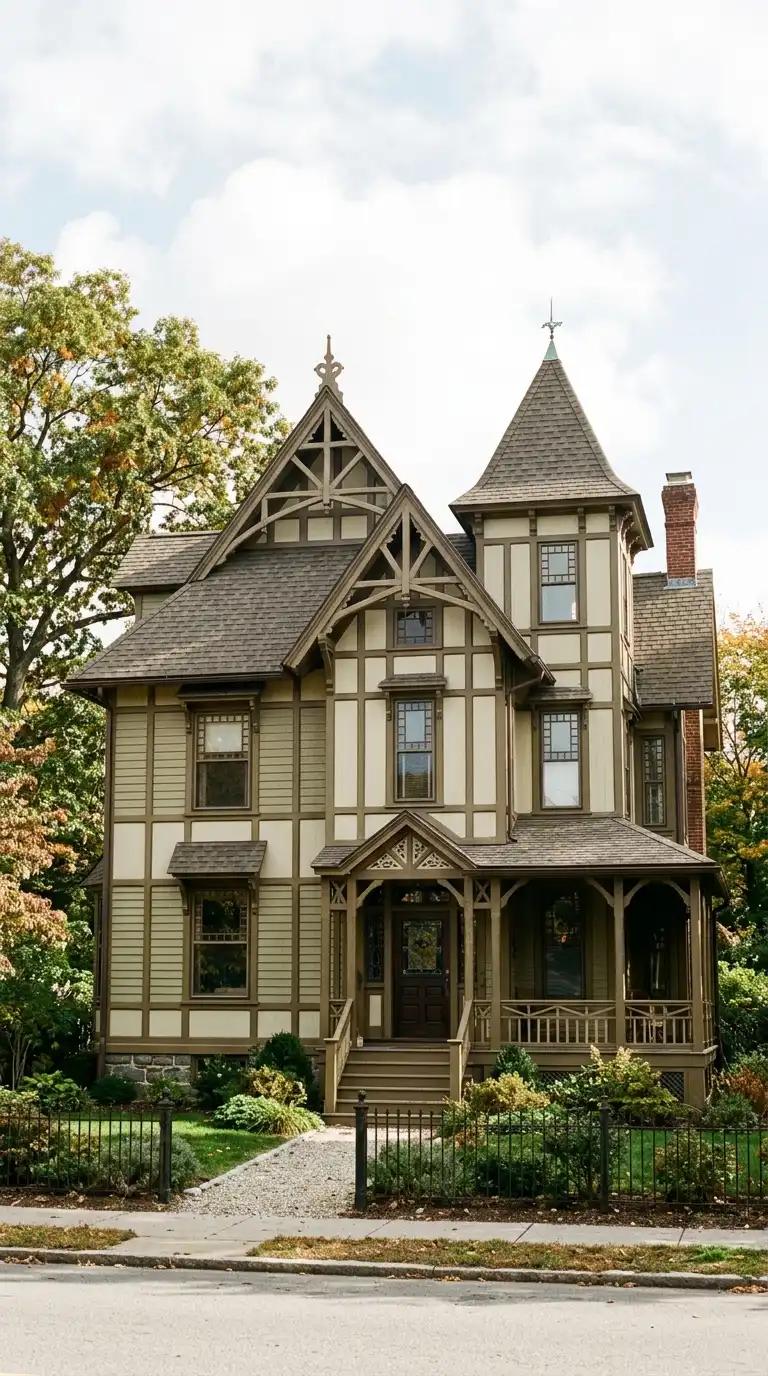
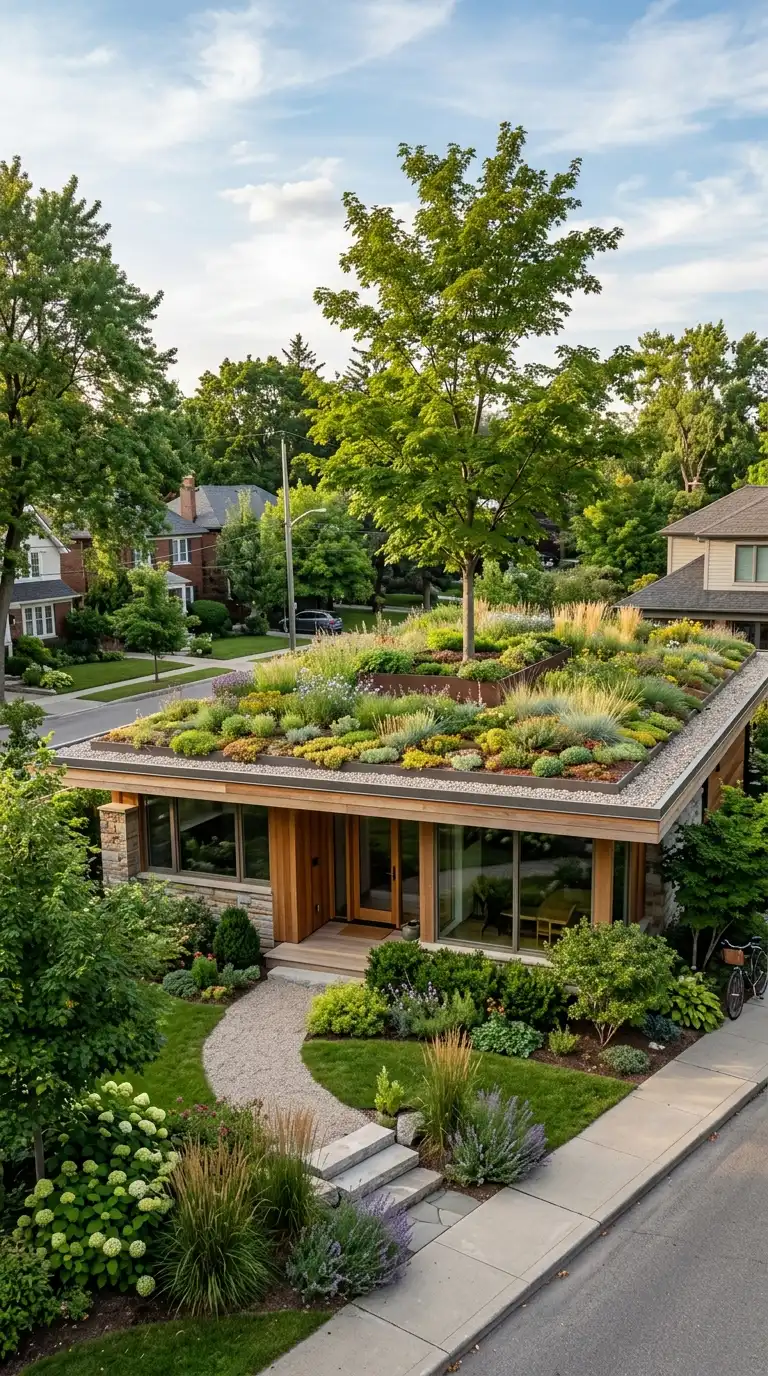
Architecture painting is not technical drawing. It is not illustration. It is fine art. The building is the subject, but the painting is about light, colour, atmosphere, and emotion. An architecture painting can be realistic or abstract, precise or loose, bright or dark. The best architecture paintings make you feel the building, not just see it.
These 14 architecture painting ideas span media, techniques, and artistic approaches. Each idea includes defining characteristics, painting principles, and artistic strategies.
1. The Atmospheric Skyline
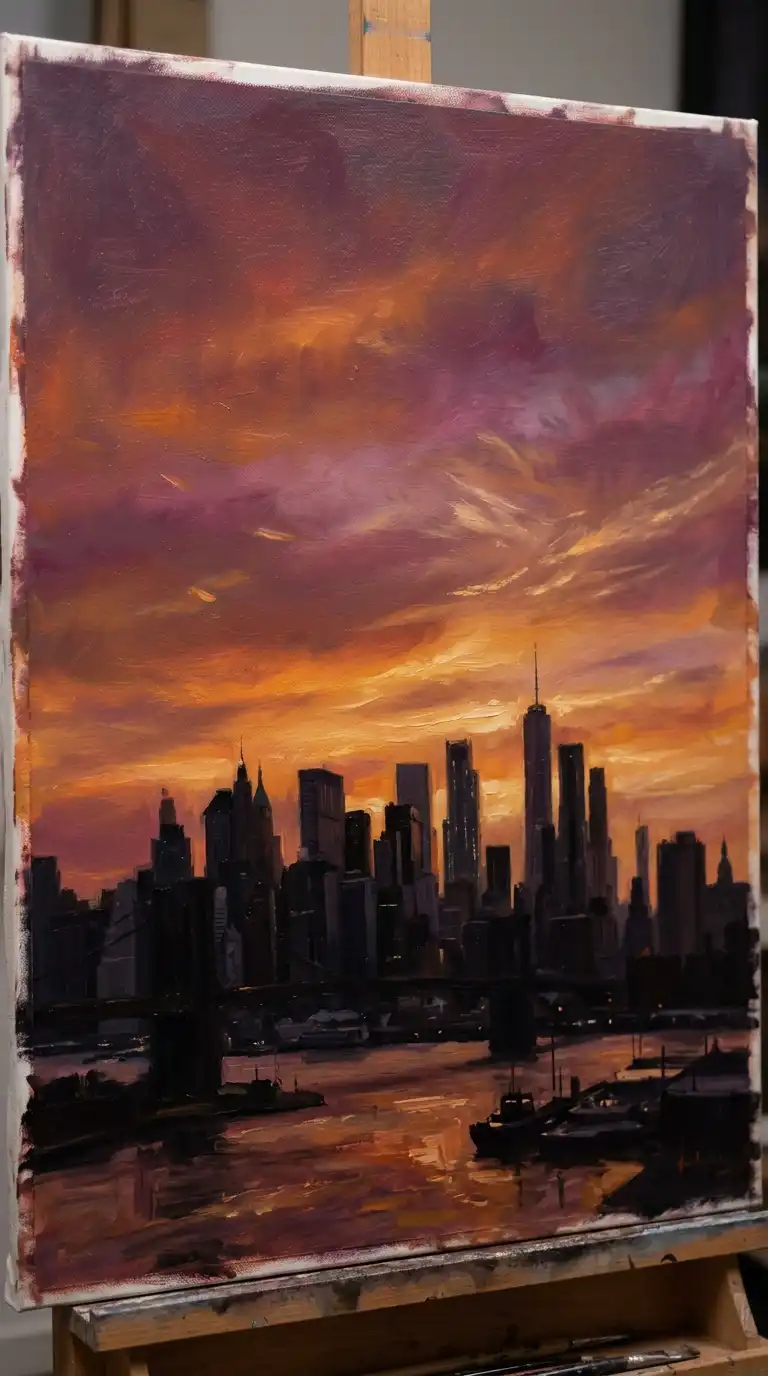
The atmospheric skyline is a painting of a city skyline at dawn, dusk, or night. The buildings are silhouettes against a dramatic sky. The sky is the subject. The buildings are dark shapes. The atmospheric skyline is dramatic, colourful, and sky-focused.
This painting is ideal for cityscapes and urban scenes. The emotional effect is dramatic, colourful, and sky-focused.
Quick Tips
- Paint the sky first, wet-on-wet.
- Paint the buildings as dark silhouettes.
- Use warm colours for sunset, cool colours for dawn.
2. The Sunlit Facade
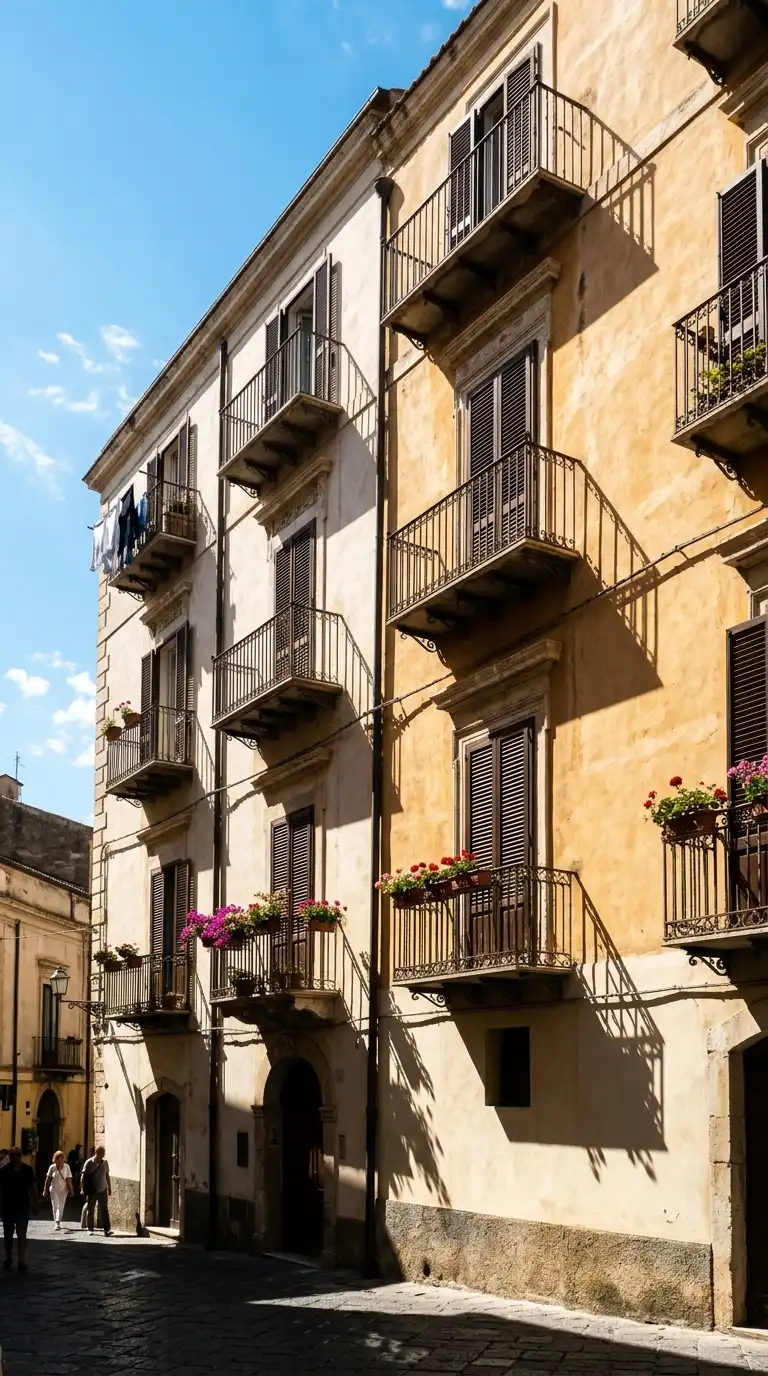
The sunlit facade is a painting of a building facade in bright sunlight. The light is the subject. The facade is divided into light and shadow. The shadows are sharp and geometric. The sunlit facade is dramatic, high-contrast, and shadowed.
This painting is ideal for architectural studies and urban scenes. The emotional effect is dramatic, high-contrast, and shadowed.
Quick Tips
- Use strong contrast between light and shadow.
- Keep shadows sharp, not soft.
- Paint the lightest areas first, then add shadows.
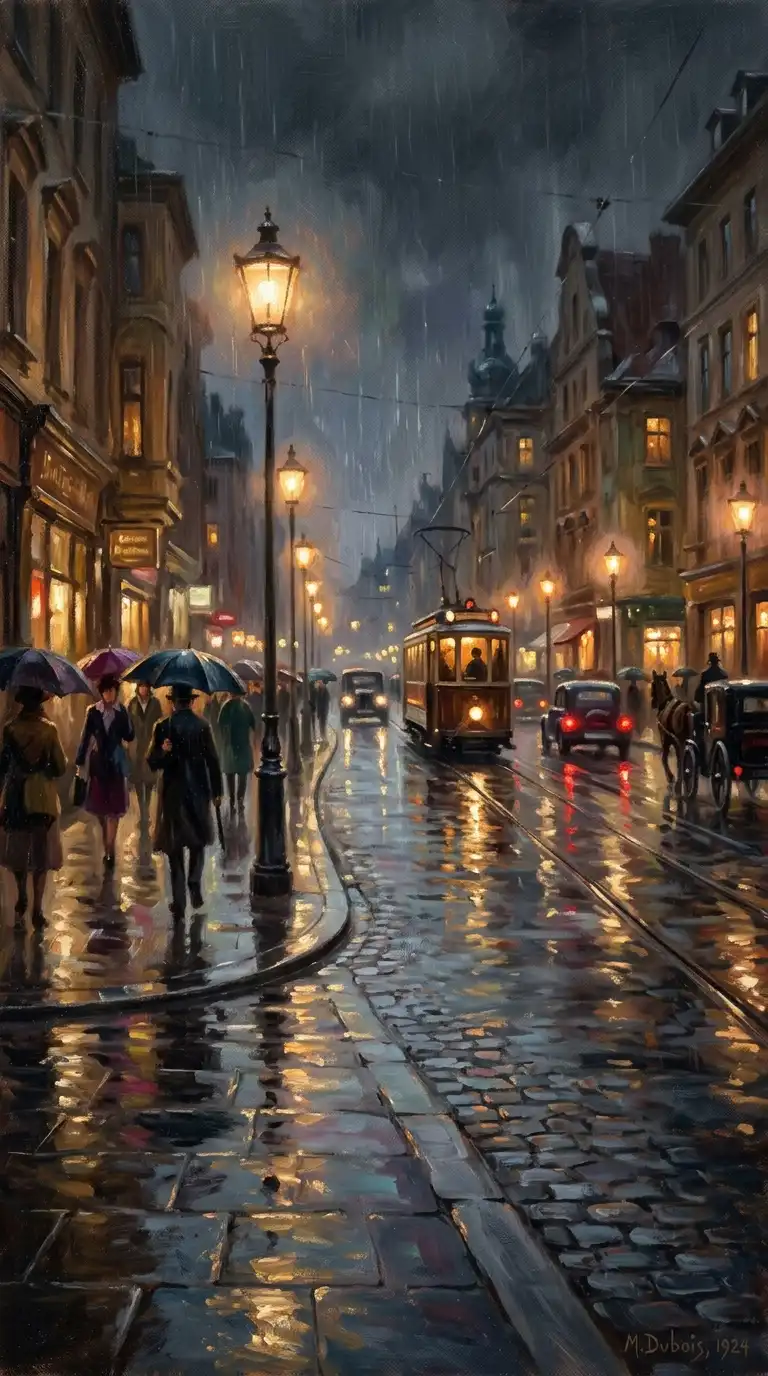
3. The Rainy Street
The rainy street is a painting of a street in the rain. The pavement is wet and reflective. The buildings are blurred. The streetlights glow. The rainy street is atmospheric, reflective, and moody.
This painting is ideal for urban scenes and night paintings. The emotional effect is atmospheric, reflective, and moody.
Quick Tips
- Paint the wet pavement with horizontal streaks.
- Use reflections of streetlights and buildings.
- Keep edges soft for a blurred effect.
4. The Interior Light
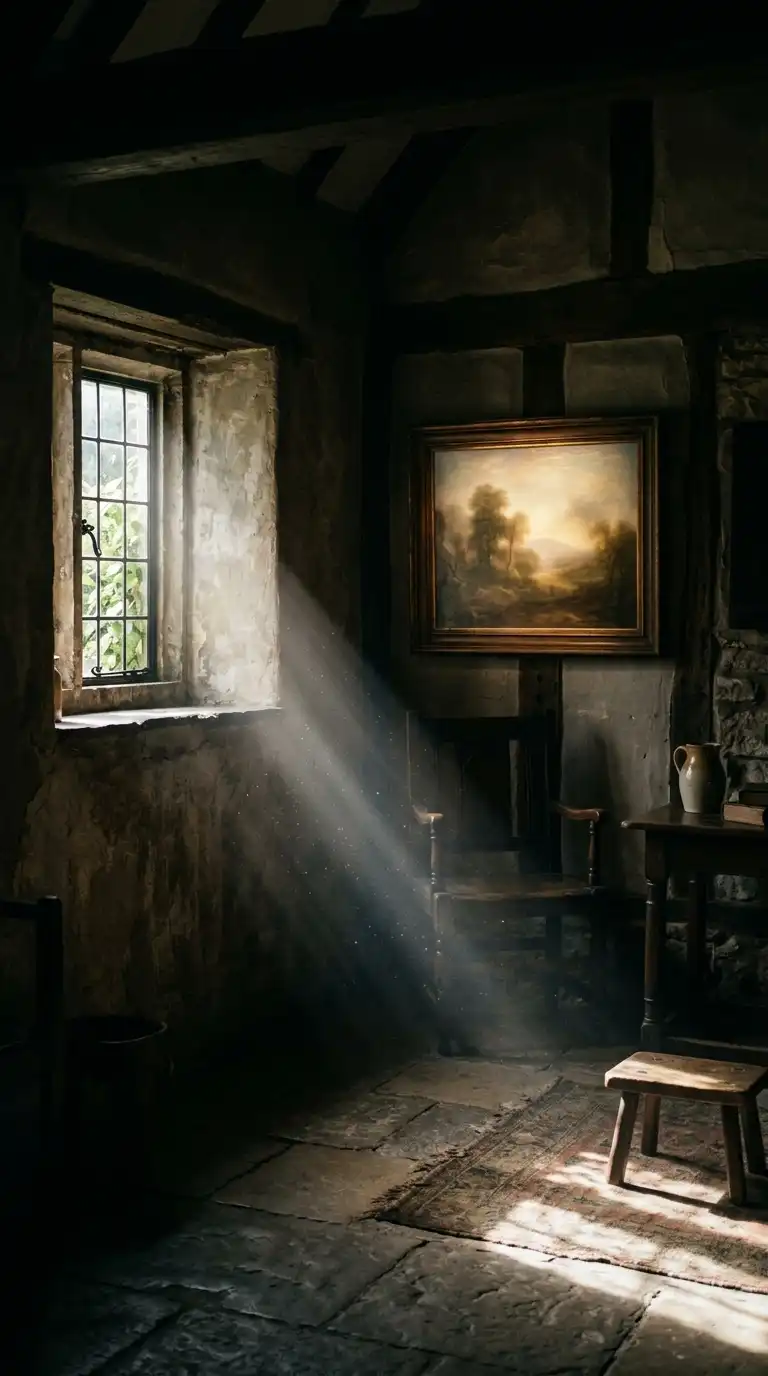
The interior light is a painting of an interior space with dramatic light. Light streams through a window or door. The light falls on the floor, the wall, the furniture. The interior light is luminous, dramatic, and quiet.
This painting is ideal for domestic scenes and quiet moments. The emotional effect is luminous, dramatic, and quiet.
Quick Tips
- Paint the dark interior first.
- Paint the light beam as a pale wash.
- Keep the light beam sharp near the window, soft further in.
5. The Abandoned Building
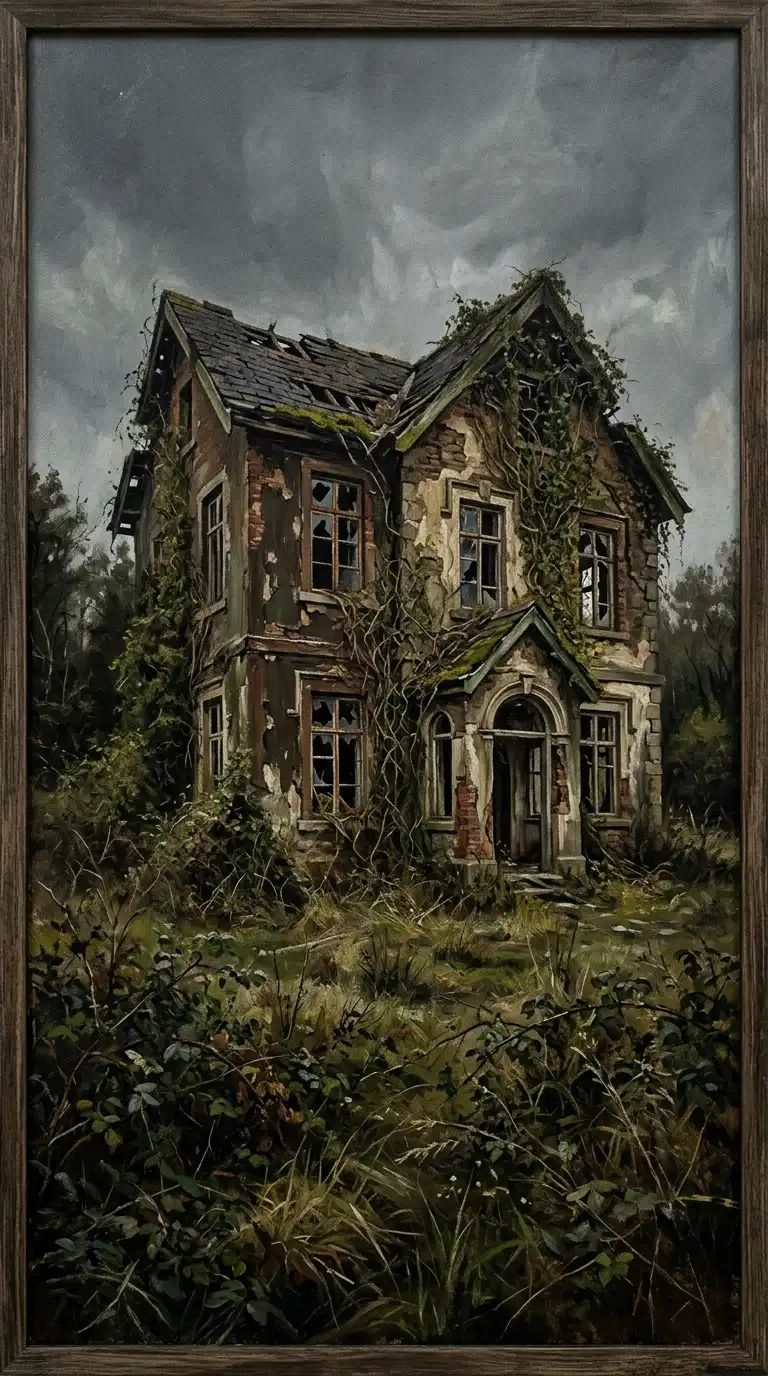
The abandoned building is a painting of a derelict, decaying building. Broken windows, peeling paint, overgrown vegetation. The abandoned building is melancholic, textured, and decaying.
This painting is ideal for studies of decay and time. The emotional effect is melancholic, textured, and decaying.
Quick Tips
- Use a muted, earthy colour palette.
- Paint peeling paint and broken windows.
- Add overgrown vegetation (vines, weeds).
6. The Construction Site
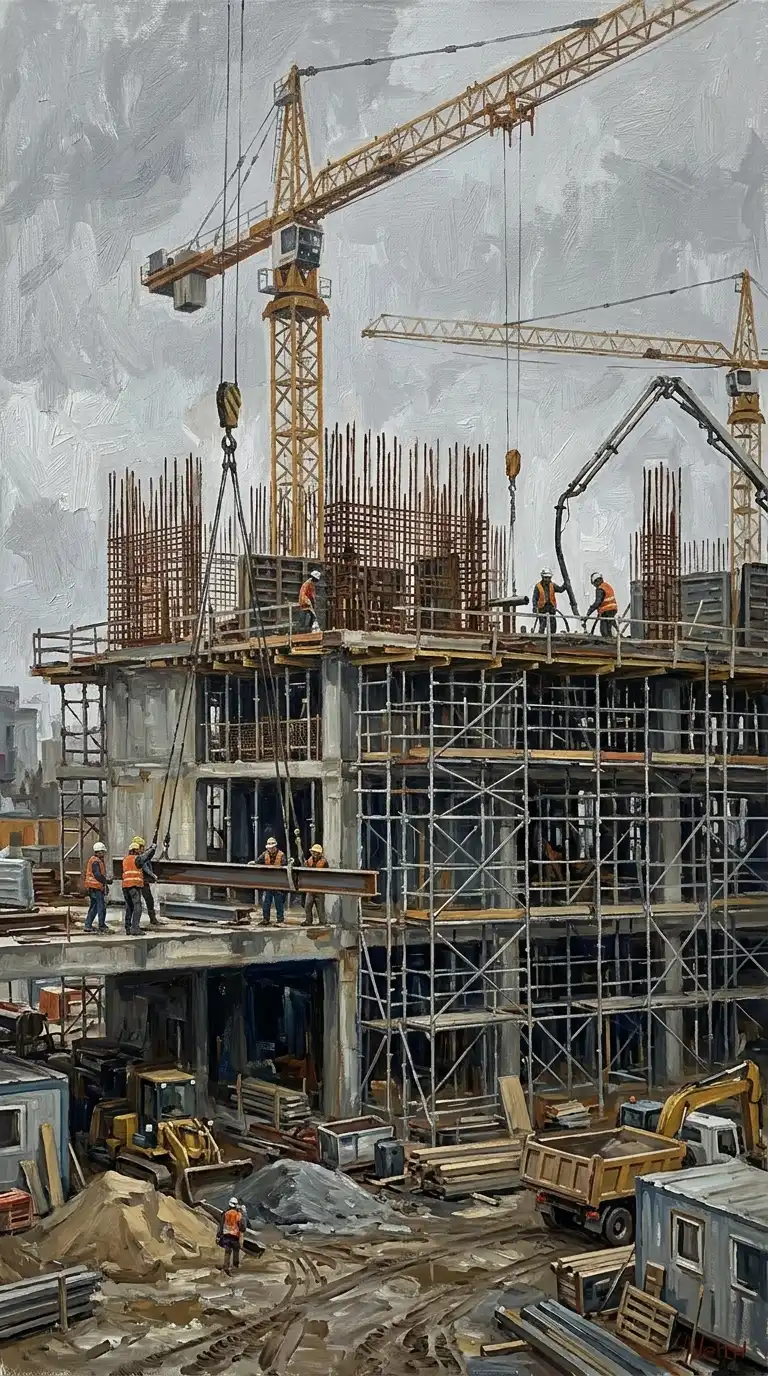
The construction site is a painting of a building under construction. Cranes, scaffolding, exposed rebar, concrete forms. The construction site is raw, industrial, and energetic.
This painting is ideal for studies of process and labour. The emotional effect is raw, industrial, and energetic.
Quick Tips
- Use a limited palette of grey, yellow, and orange.
- Paint the crane as a strong vertical or diagonal.
- Add workers for scale.
7. The Reflected Building
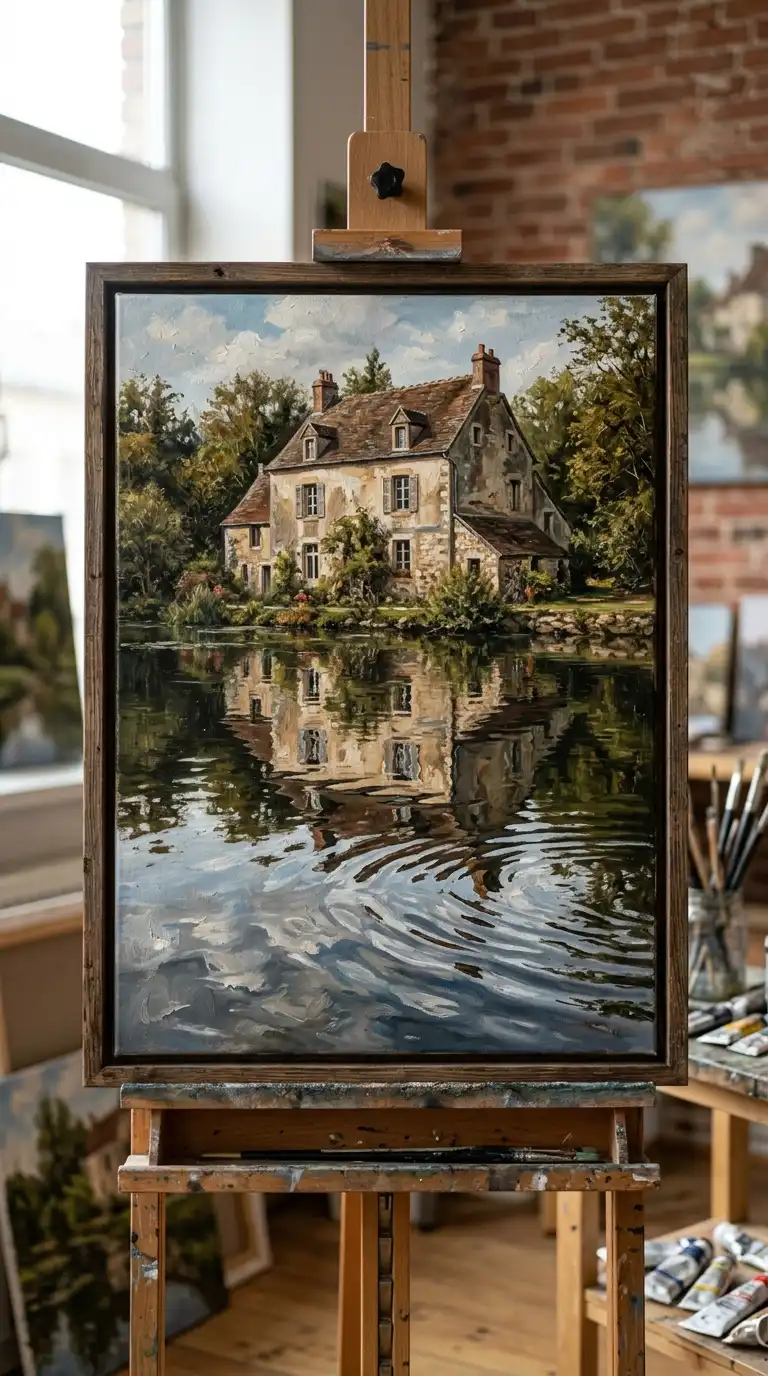
The reflected building is a painting of a building reflected in water. The building is above the water line. The reflection is below. The reflection is distorted by ripples. The reflected building is symmetrical, watery, and reflective.
This painting is ideal for waterfront scenes and calm days. The emotional effect is symmetrical, watery, and reflective.
Quick Tips
- Paint the building first.
- Paint the reflection upside down.
- Use horizontal streaks for water ripples.
8. The Abstract Facade
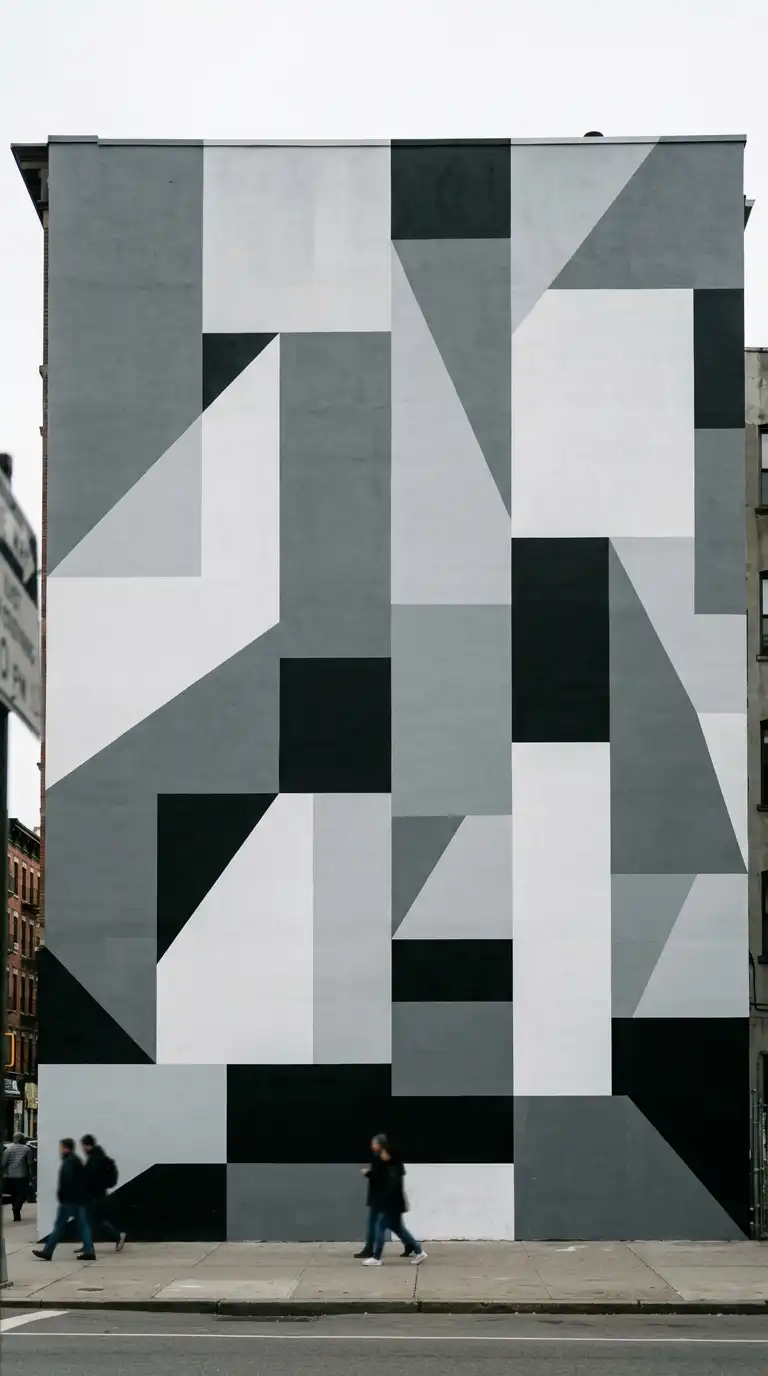
The abstract facade is a painting of a building facade reduced to geometric shapes. Windows become rectangles. Shadows become triangles. The facade is abstracted, not realistic. The abstract facade is geometric, modern, and abstract.
This painting is ideal for studies of form and composition. The emotional effect is geometric, modern, and abstract.
Quick Tips
- Simplify the facade to basic geometric shapes.
- Use a limited palette (2-4 colours).
- No details — only shapes.
9. The Night City
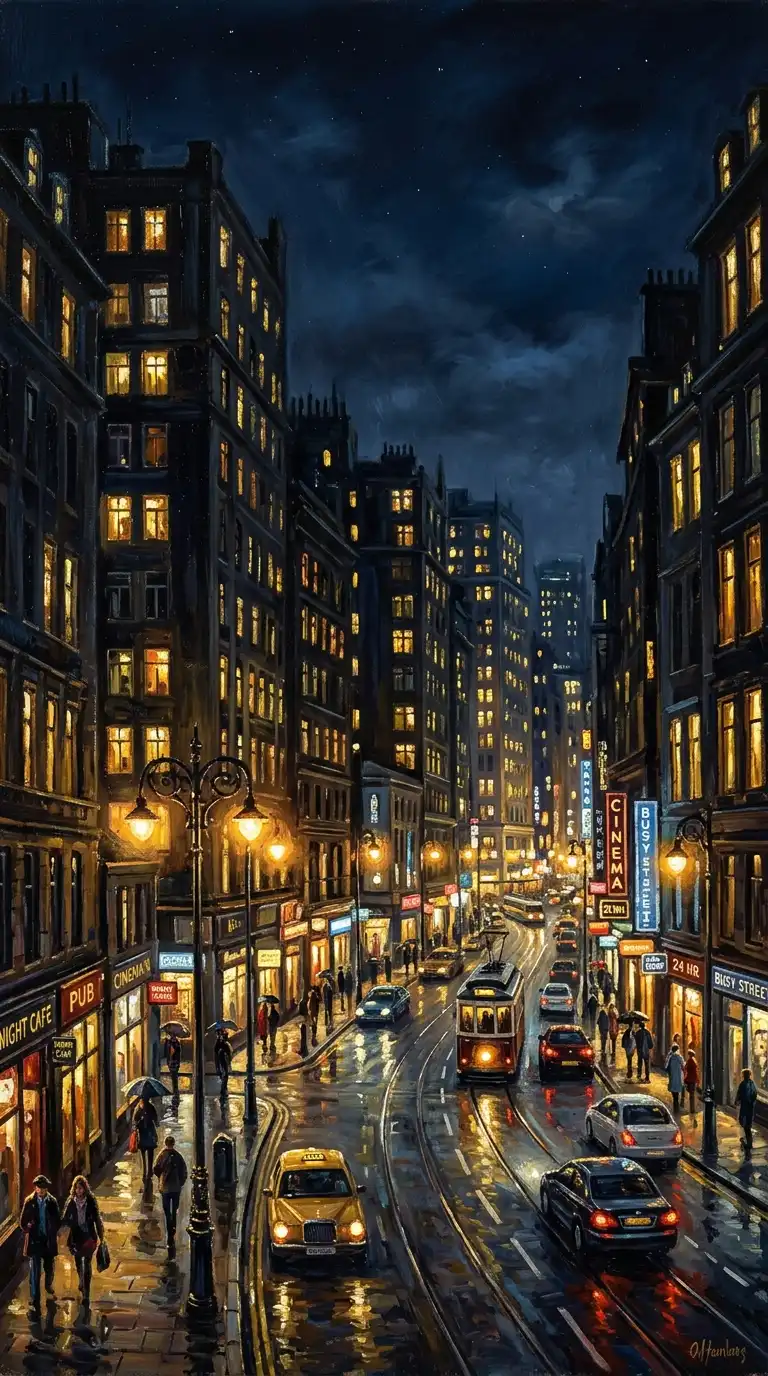
The night city is a painting of a city at night. The buildings are dark. The windows are bright. The streetlights glow. The night city is luminous, dark, and glowing.
This painting is ideal for urban night scenes. The emotional effect is luminous, dark, and glowing.
Quick Tips
- Paint the dark buildings first.
- Paint the glowing windows as small bright dots.
- Use a dark blue or purple sky.
10. The Misty Morning
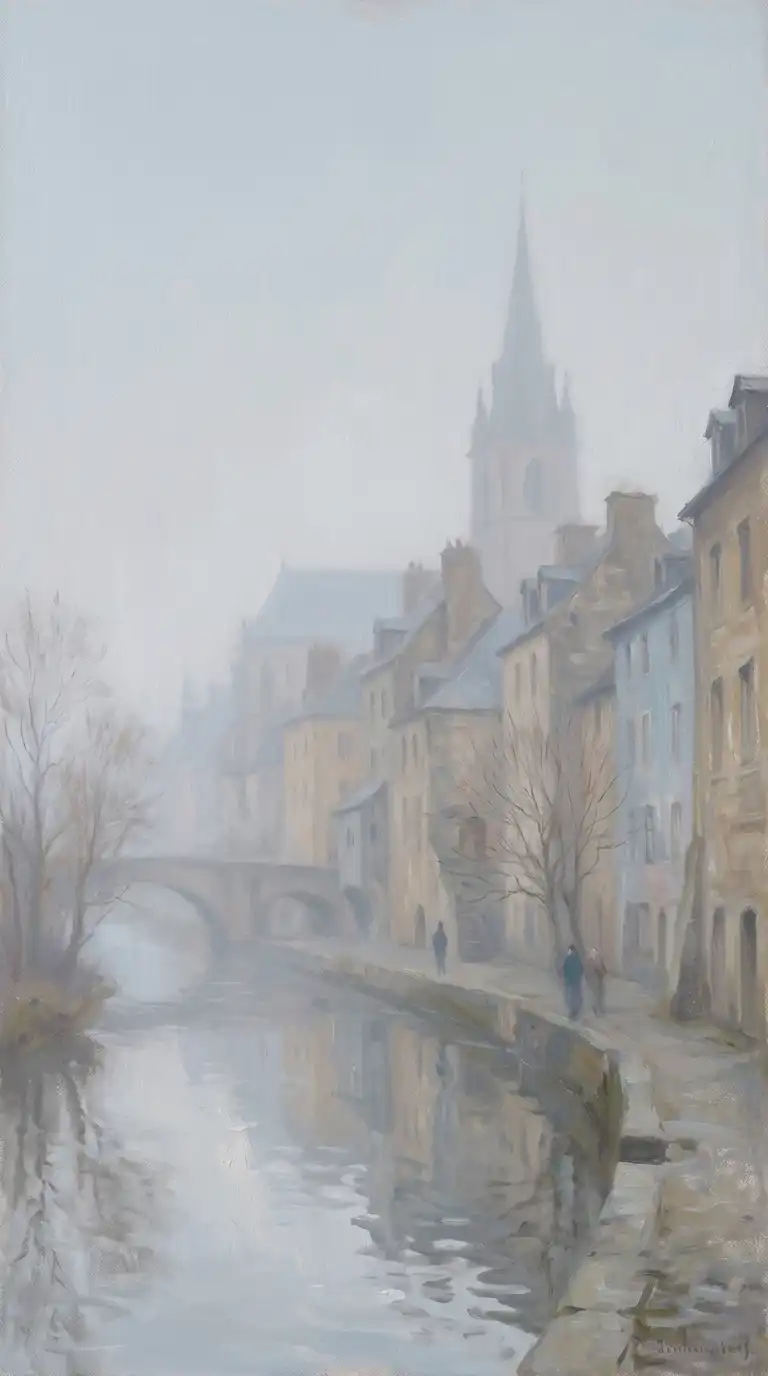
The misty morning is a painting of buildings in fog or mist. The buildings are pale and soft-edged. The sky is pale. The misty morning is atmospheric, soft, and quiet.
This painting is ideal for early morning scenes and atmospheric studies. The emotional effect is atmospheric, soft, and quiet.
Quick Tips
- Use a limited palette of pale greys and blues.
- Keep edges soft (no sharp lines).
- Build up the mist with thin, translucent layers.
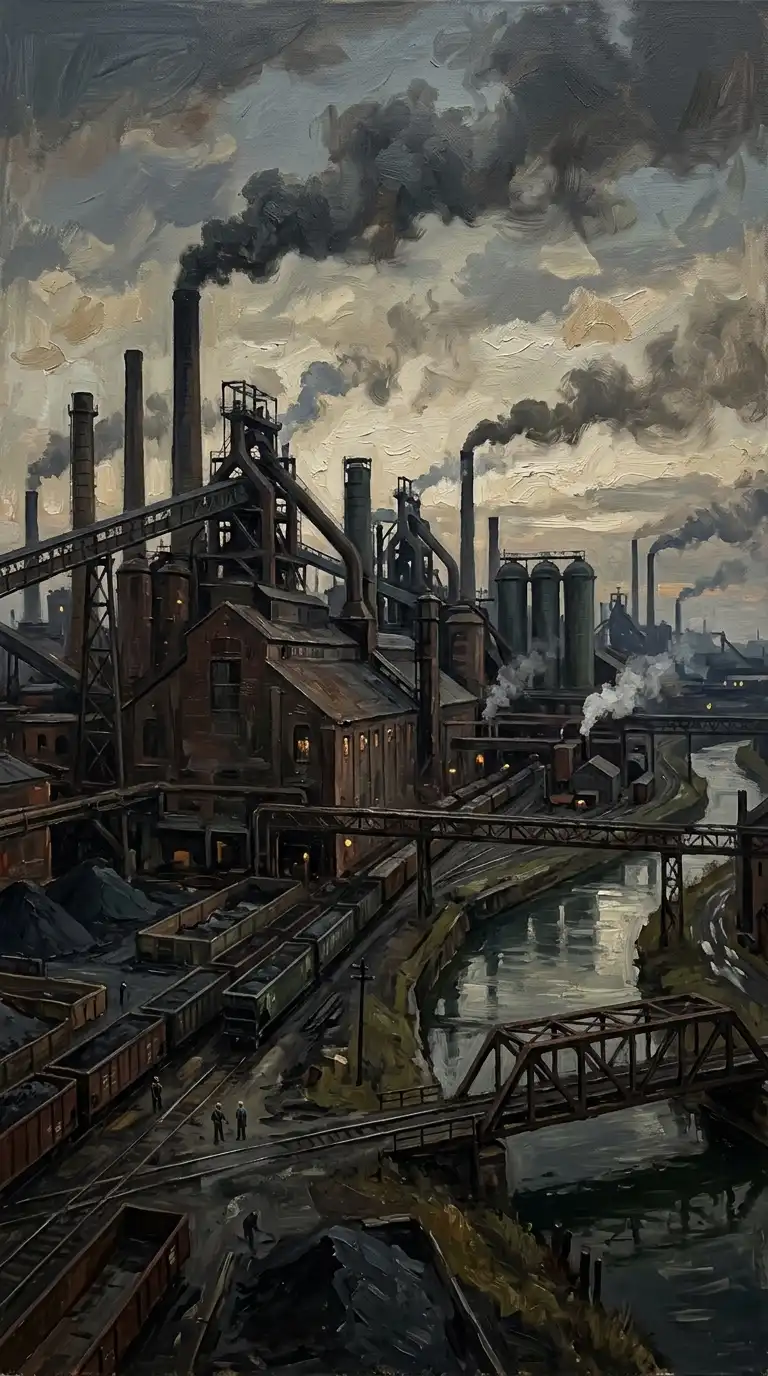
11. The Industrial Landscape
The industrial landscape is a painting of factories, smokestacks, silos, and cranes. The industrial landscape is raw, monumental, and dark. The industrial landscape is the skyline of labour.
This painting is ideal for studies of industry and labour. The emotional effect is raw, monumental, and dark.
Quick Tips
- Use a dark, muted palette (grey, brown, ochre).
- Paint smokestacks as strong verticals.
- Add smoke or steam for atmosphere.
12. The Golden Hour
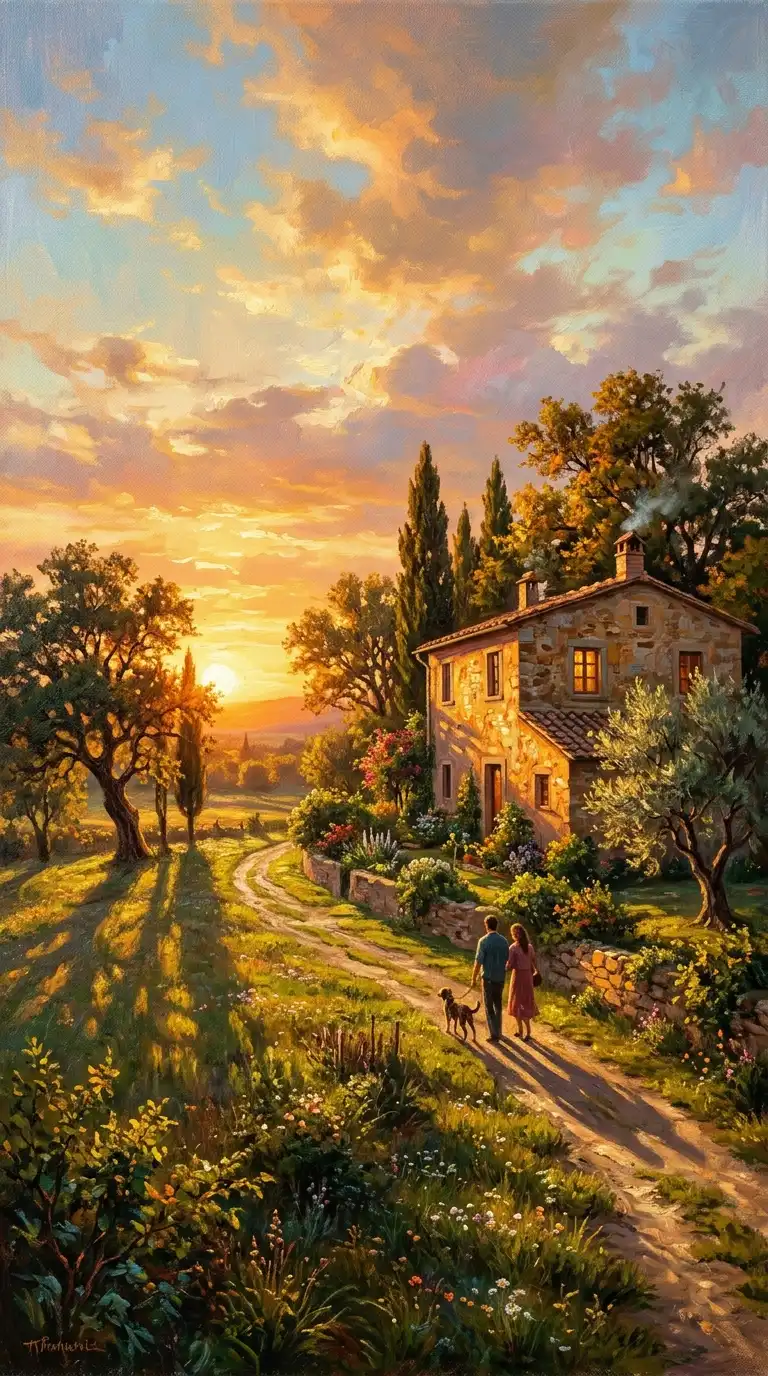
The golden hour is a painting of a building at sunrise or sunset. The light is warm and golden. The shadows are long. The golden hour is warm, glowing, and beautiful.
This painting is ideal for studies of light and atmosphere. The emotional effect is warm, glowing, and beautiful.
Quick Tips
- Use warm colours (yellow, orange, gold, pink).
- Paint long shadows stretching away from the building.
- Keep the light source low on the horizon.
13. The Painted Architecture
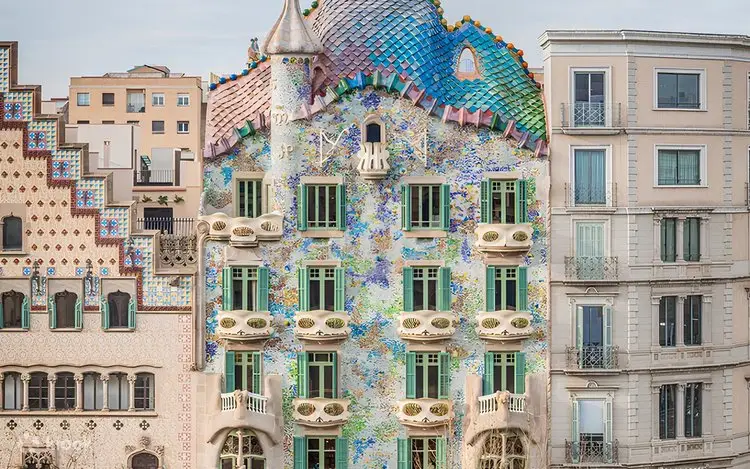
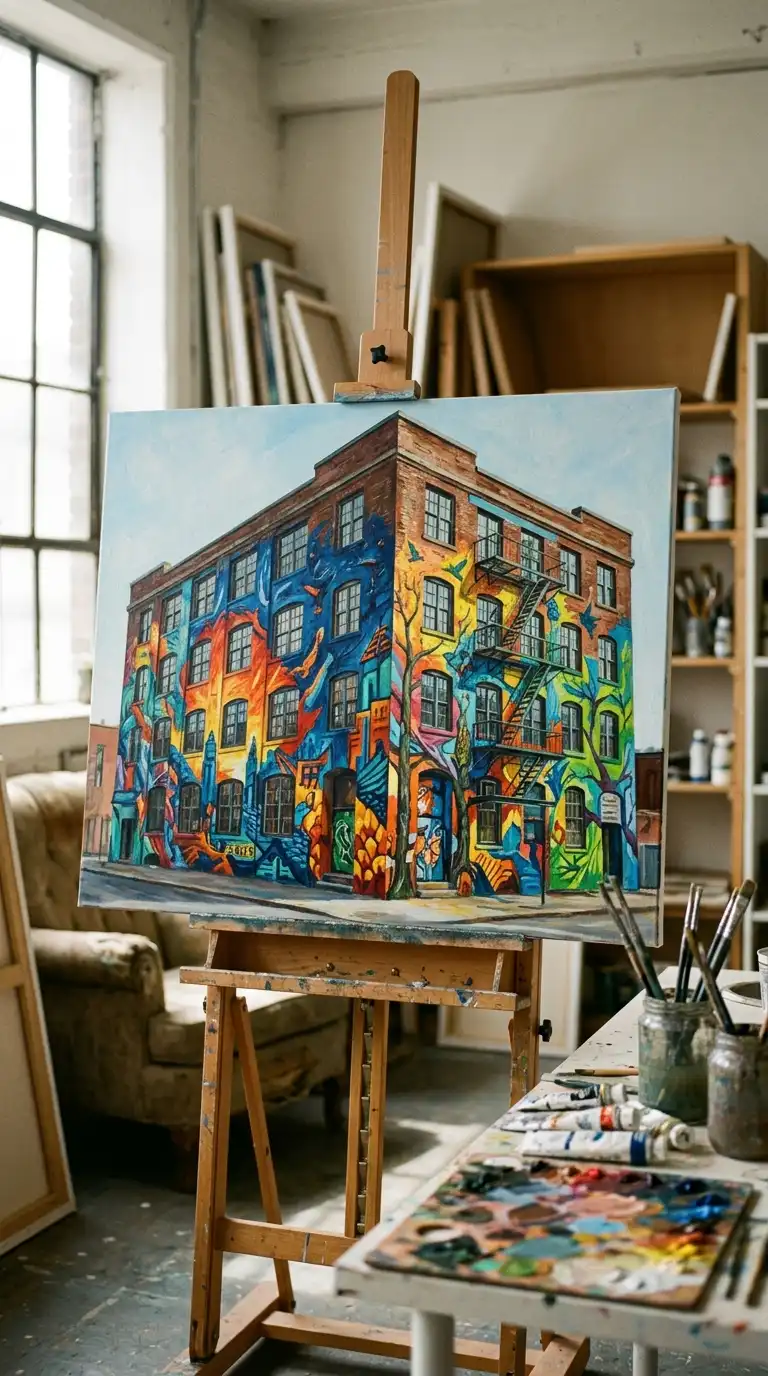
The painted architecture is a painting of a building with painted murals on its walls. The building is covered in art. The painted architecture is colourful, urban, and artistic.
This painting is ideal for studies of street art and urban culture. The emotional effect is colourful, urban, and artistic.
Quick Tips
- Paint the building first, then the murals.
- Use bright, saturated colours for the murals.
- The murals can be abstract or figurative.
14. The Demolition
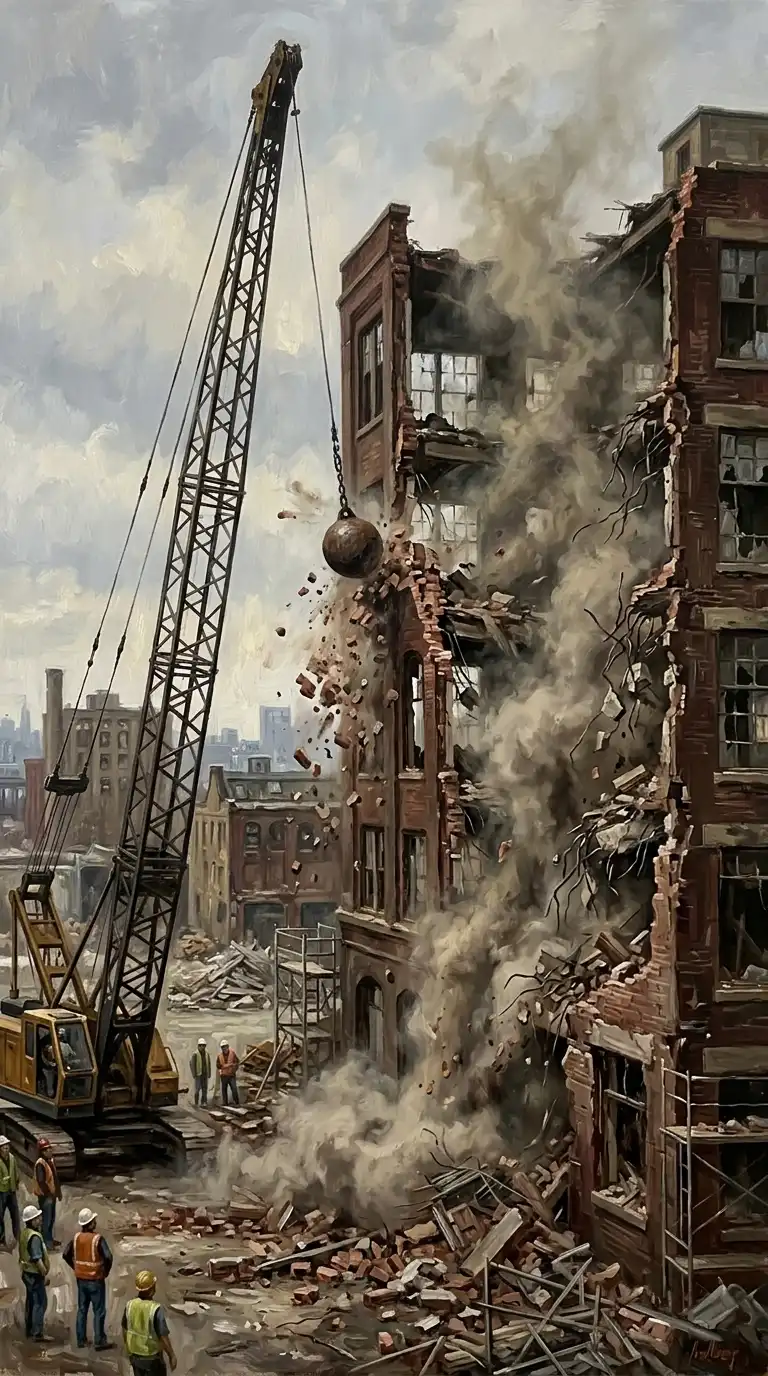
The demolition is a painting of a building being demolished. A crane with a wrecking ball. Dust and debris. The demolition is violent, dramatic, and final.
This painting is ideal for studies of destruction and change. The emotional effect is violent, dramatic, and final.
Quick Tips
- Paint the dust and debris as a cloud.
- Use a muted palette (grey, brown, ochre).
- The wrecking ball must be in motion.
Final Thoughts
These 14 painting ideas are not mutually exclusive. A golden hour painting can be a reflected building. A misty morning can be an industrial landscape. An abstract facade can be a painted architecture. The best architecture paintings are not the most accurate — they are the most emotional. They make you feel the building. They are not drawings — they are paintings. They are art.