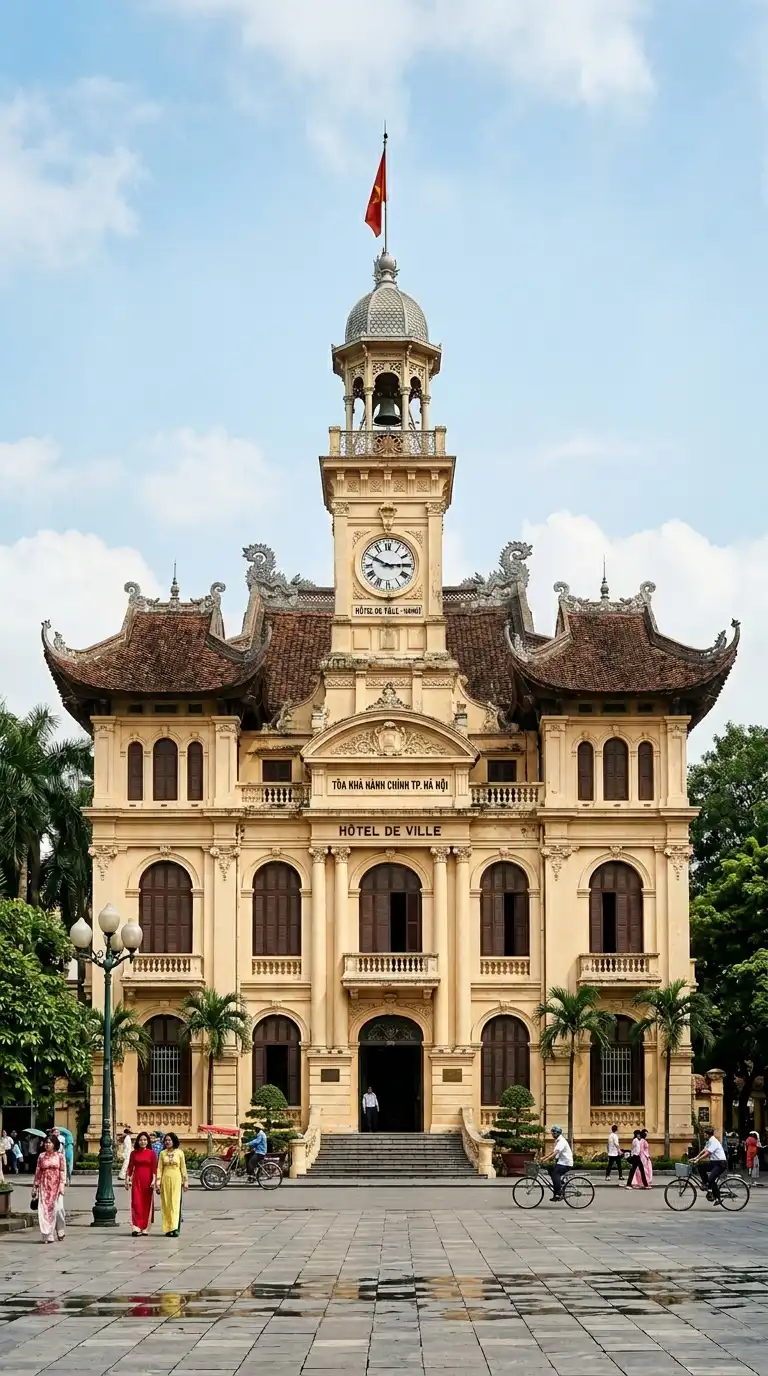
A house is the most personal architecture most people will ever commission. Unlike a civic building or a commercial space, a house must fit not only a site and a budget but also the rhythms of daily life: morning coffee, afternoon light, bedtime routines, Sunday mornings. The best house designs emerge from a deep understanding of how the people inside actually live.
These 14 house architecture designs cover a range of scales, sites, and lifestyles. Each design includes defining characteristics, practical considerations, and design principles.
1. The Courtyard House
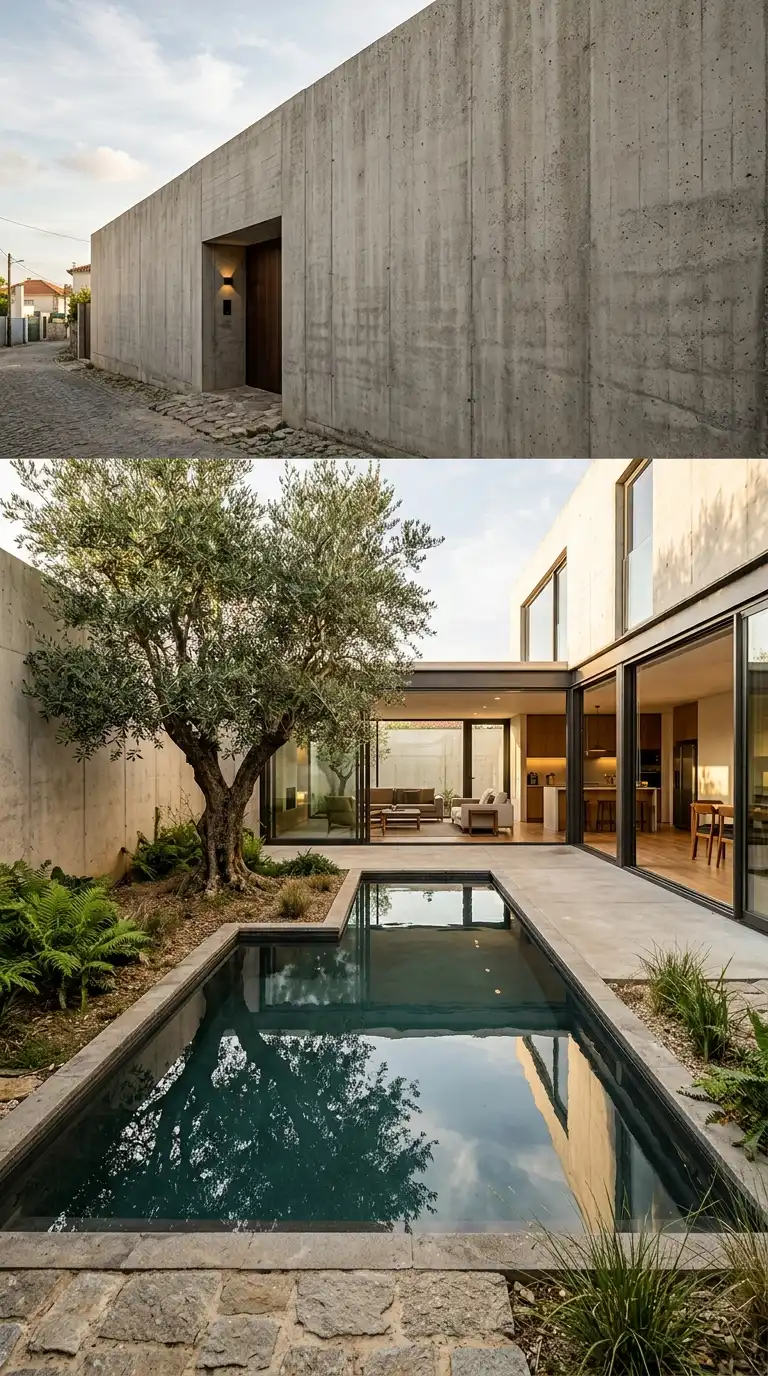
The courtyard house turns inward. Instead of looking out to the street or neighbours, all major rooms open onto a central courtyard. The exterior walls are high and often windowless or near-windowless, creating privacy and security. The courtyard provides light, air, and outdoor space.
This typology is ancient — Roman domus, Chinese siheyuan, Moroccan riad — but works brilliantly for contemporary life. The courtyard becomes the heart of the home. The emotional effect is serene, private, and centred.
Quick Tips
- The courtyard should be at least 5×5 metres to feel usable.
- All major living spaces — kitchen, living, dining — should open directly onto the courtyard.
- A single feature tree or water feature anchors the courtyard visually.
2. The Glass Box House
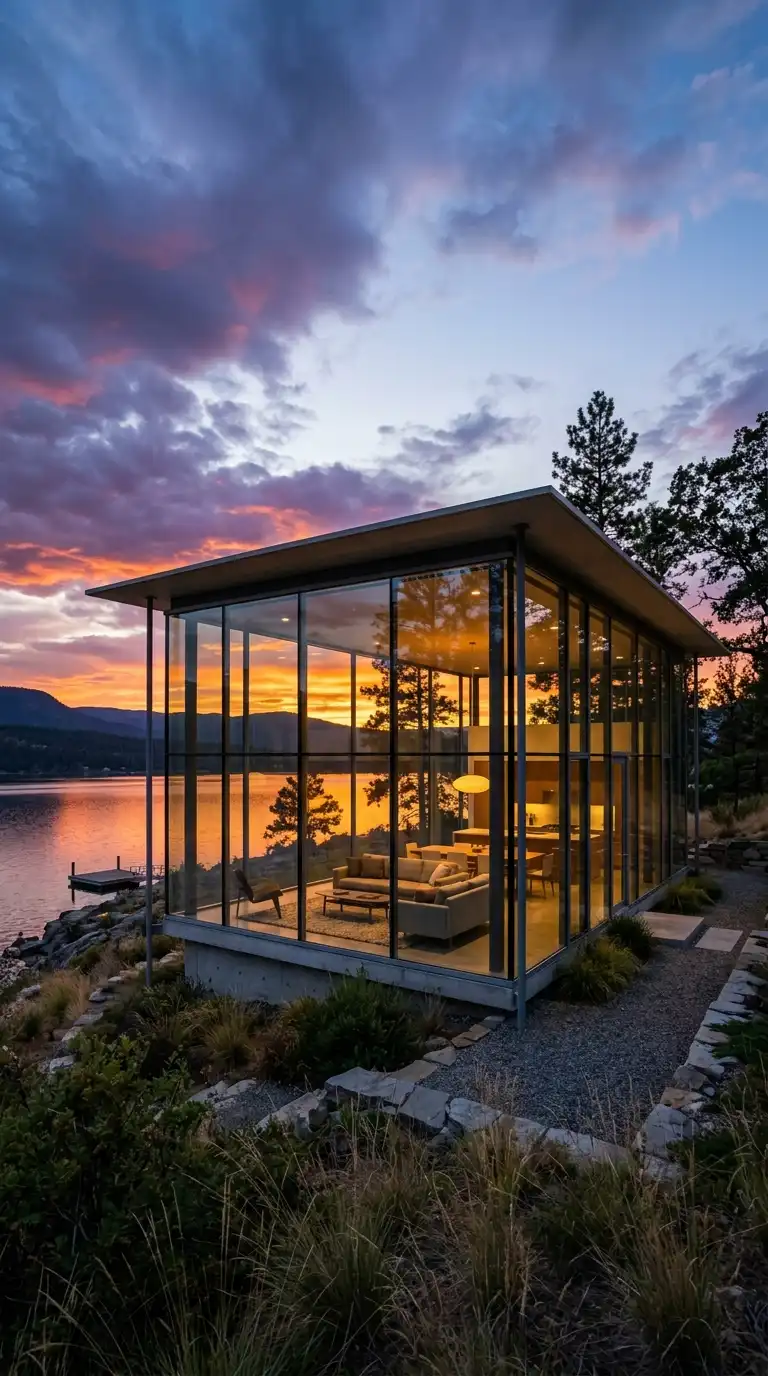
The glass box house is the purest expression of modernism. Walls disappear. Interior and exterior merge. Light fills every space. Structure is minimal — thin columns, steel beams, flush details. This design works only on private sites where neighbours cannot see in and the view is worth seeing.
The emotional effect is weightless, transparent, and radically open.
Quick Tips
- Use low-iron glass for maximum clarity and minimal green tint.
- Structural columns should be as small as possible — steel is better than concrete.
- Floors should be polished concrete or continuous stone to extend the interior floor outside.
3. The Split-Level Hillside House
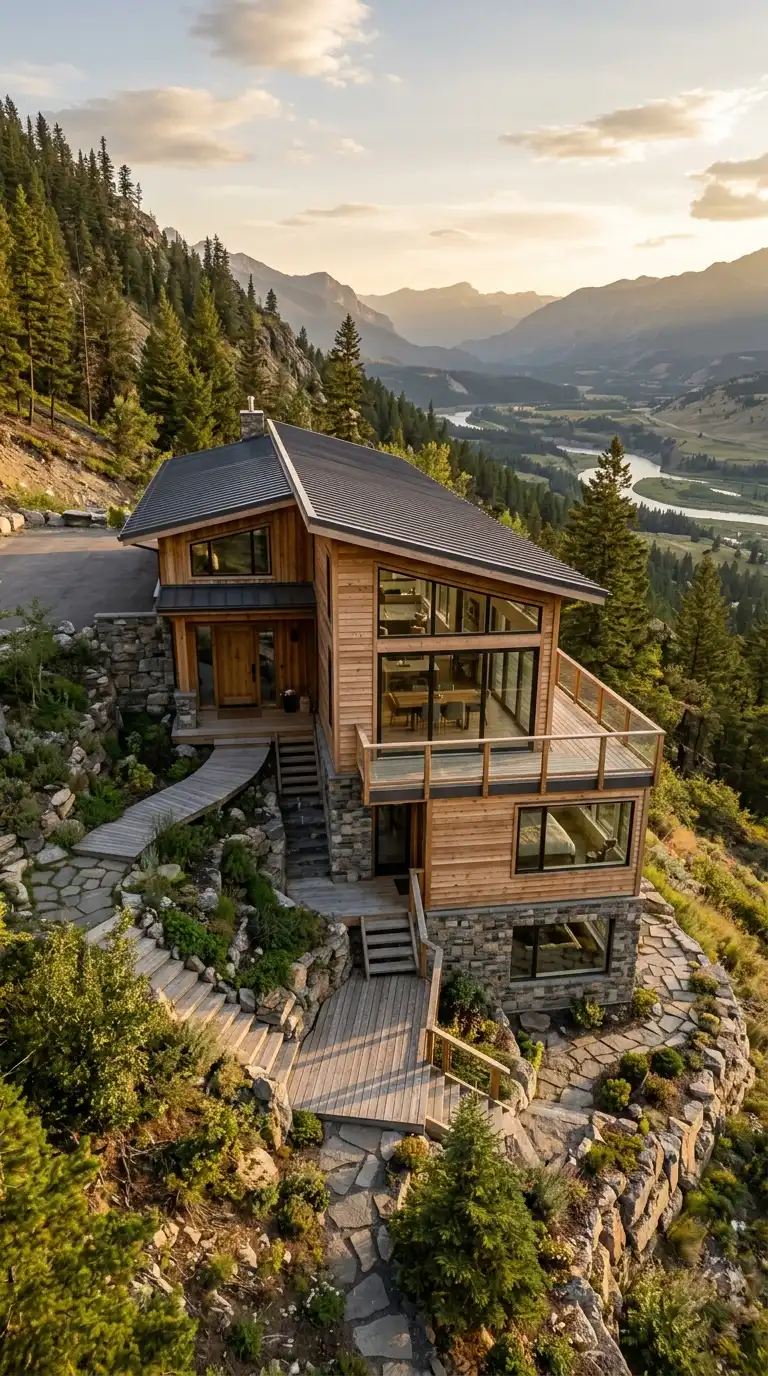
On a steep site, the split-level house follows the slope instead of fighting it. Each floor is half a storey above or below the next. The entry is at the middle level. Bedrooms are above. Living spaces are below. The roof slopes with the hill.
This section creates intimate, connected spaces. The emotional effect is efficient, site-responsive, and spatially interesting without being disorienting.
Quick Tips
- Each level change should be exactly half a storey — typically 4-6 steps.
- The entry should be at the middle level to minimise stairs to both upper and lower floors.
- Use the space under the split-level stairs for storage, a powder room, or a reading nook.
4. The L-Shaped House
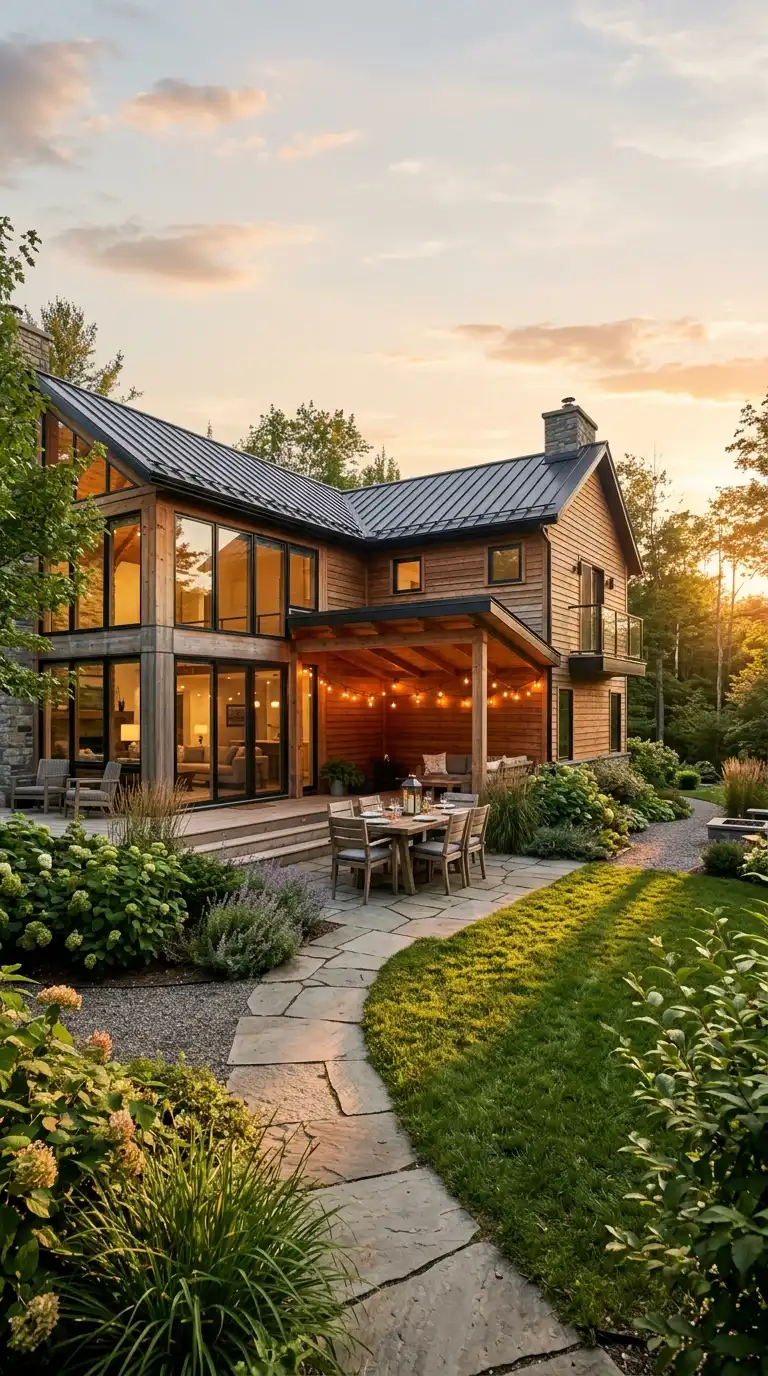
The L-shaped house is simple, flexible, and universally applicable. Two wings meet at a corner. The interior corner becomes a sheltered outdoor room. The exterior corners reach into the site. The shape works on flat sites, corner lots, and sloped sites.
The L-shape naturally creates public and private zones. One wing contains living, kitchen, dining. The other wing contains bedrooms and bathrooms. The emotional effect is balanced, clear, and quietly clever.
Quick Tips
- Each wing should be at least 6 metres long to create a meaningful outdoor room.
- The sheltered corner should face south (northern hemisphere) for maximum outdoor use.
- Place the kitchen at the inside corner for easy access to both wings.
5. The Barn House
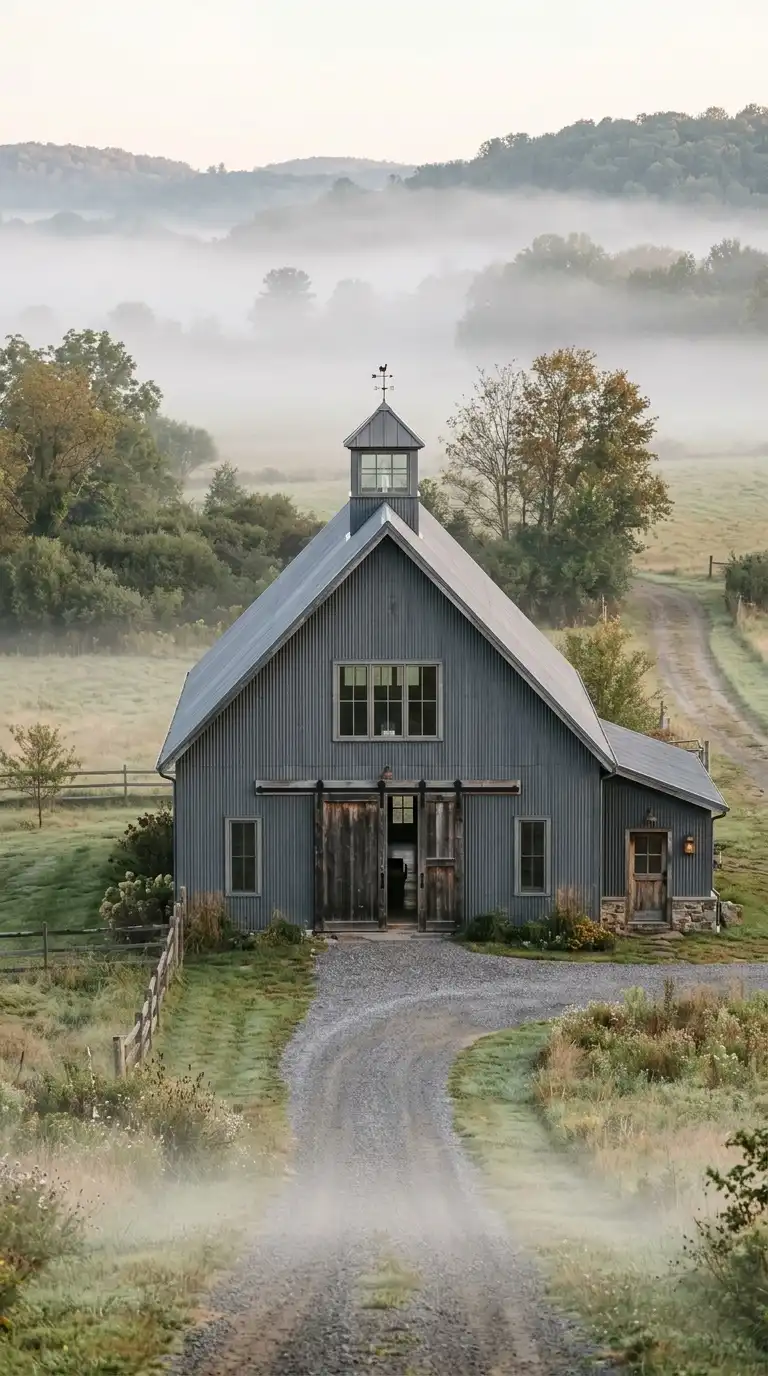
The barn house adapts agricultural forms for residential use. The roof is the dominant element: a steep gable, often with a cupola or monitor. The plan is simple and open — one large volume with few interior walls. Materials are honest: wood, corrugated metal, concrete.
This typology works on rural sites but also in suburban contexts as a deliberate contrast to neighbouring houses. The emotional effect is rustic, honest, and spacious.
Quick Tips
- The roof pitch should be at least 10:12 (40 degrees) for a true barn silhouette.
- Use a monitor roof or cupola to bring light into the centre of a deep plan.
- Leave interior structure exposed: rafters, beams, and posts should be visible.
6. The Underground House
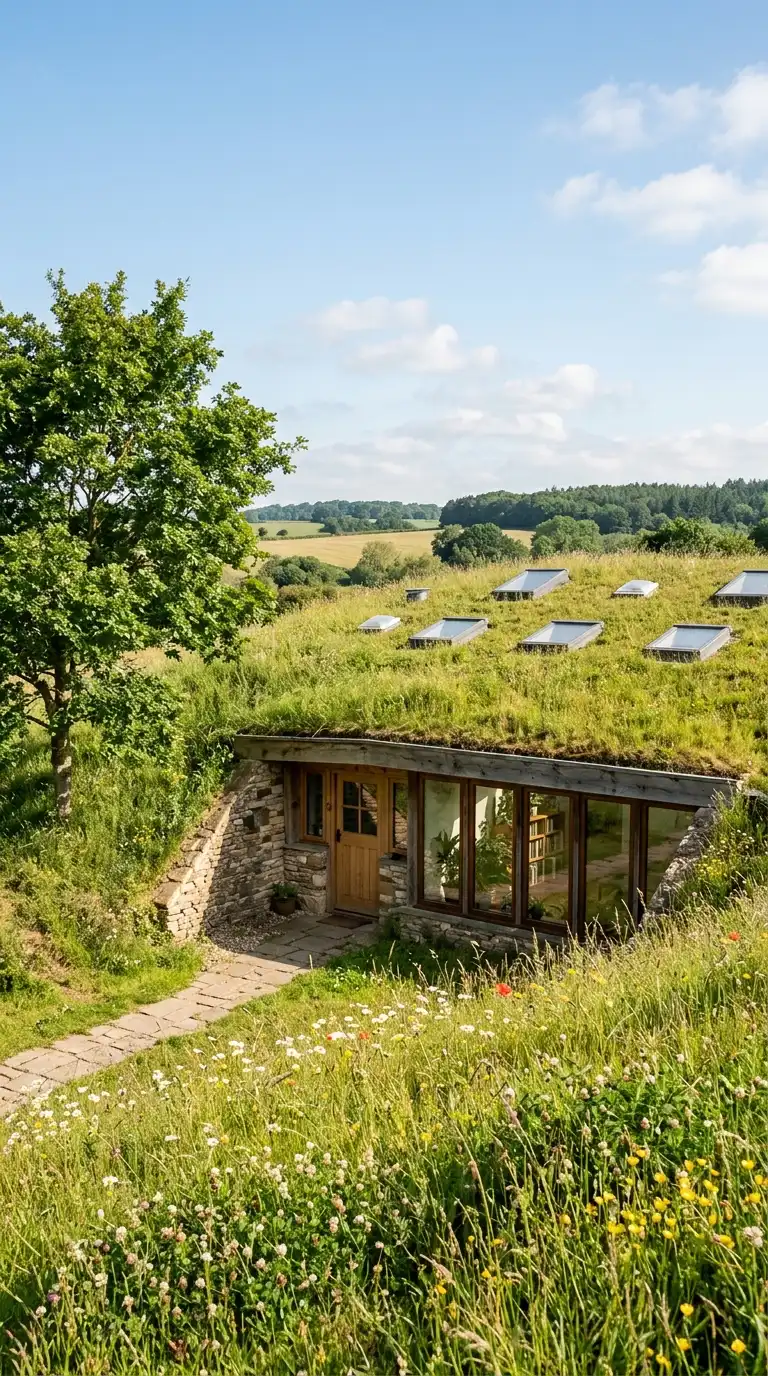
The underground house disappears into the landscape. The roof is earth. The walls are earth or concrete. The only visible elements are the entrance, windows, and a few skylights. The site remains mostly natural.
This typology is energy efficient — earth moderates temperature, reducing heating and cooling loads — and visually unobtrusive. The emotional effect is protected, mysterious, and deeply grounded.
Quick Tips
- The earth roof requires waterproofing and drainage — consult a civil engineer.
- South-facing windows should be large enough to provide passive solar heating.
- Light wells should be at least 1.5×1.5 metres to bring useful light into deep plans.
7. The Courtyard Rowhouse
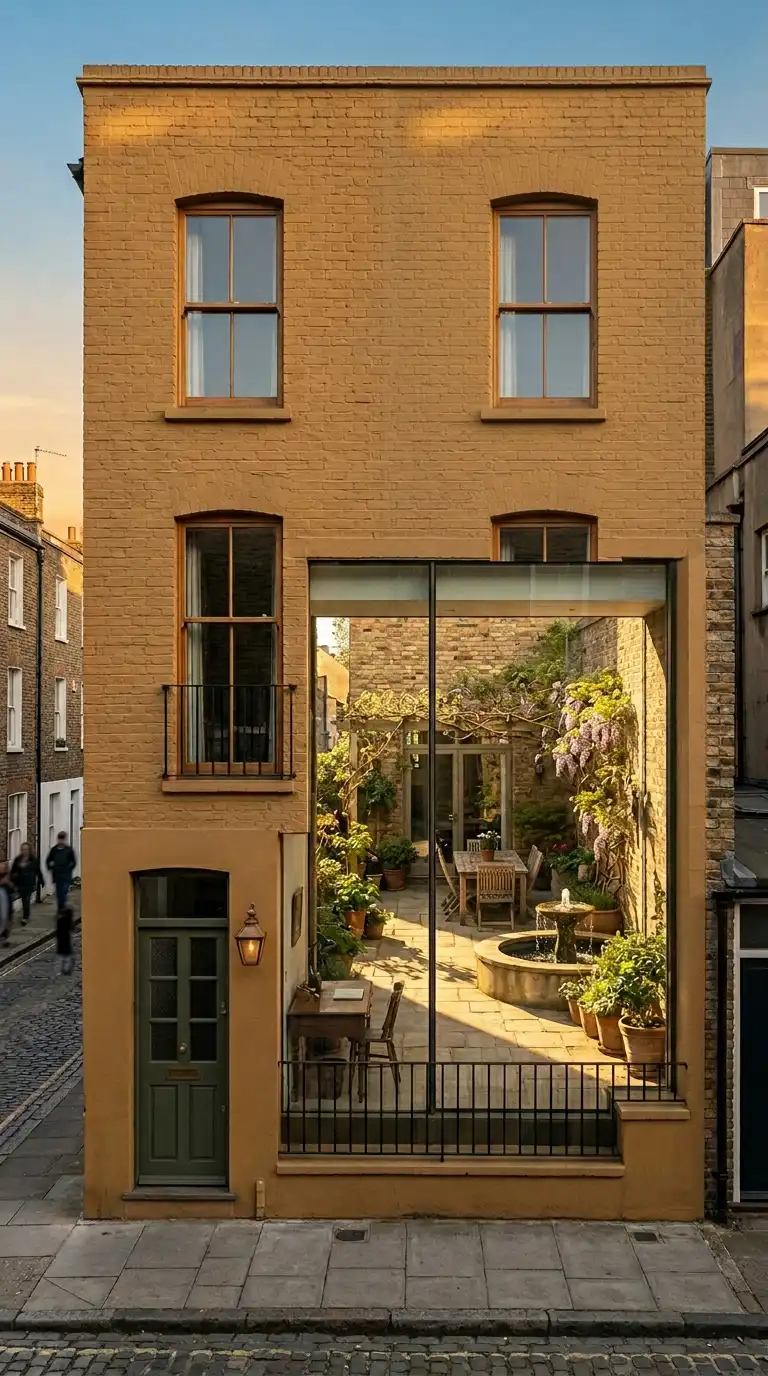
The courtyard rowhouse adapts the courtyard typology to dense urban sites. The house is narrow — typically 4.5 to 6 metres wide — but deep. The courtyard is placed in the middle of the deep plan, bringing light and air to the centre of the house.
The street facade is solid and urban. The rear is more open. The courtyard is invisible from the street, a private oasis in the dense city. The emotional effect is urban, private, and surprisingly spacious given the narrow frontage.
Quick Tips
- The courtyard should be at least 3 metres wide to feel like a room.
- Place the courtyard between the front living spaces and rear kitchen or dining.
- Use a glass wall on the courtyard side of each room to maximise light.
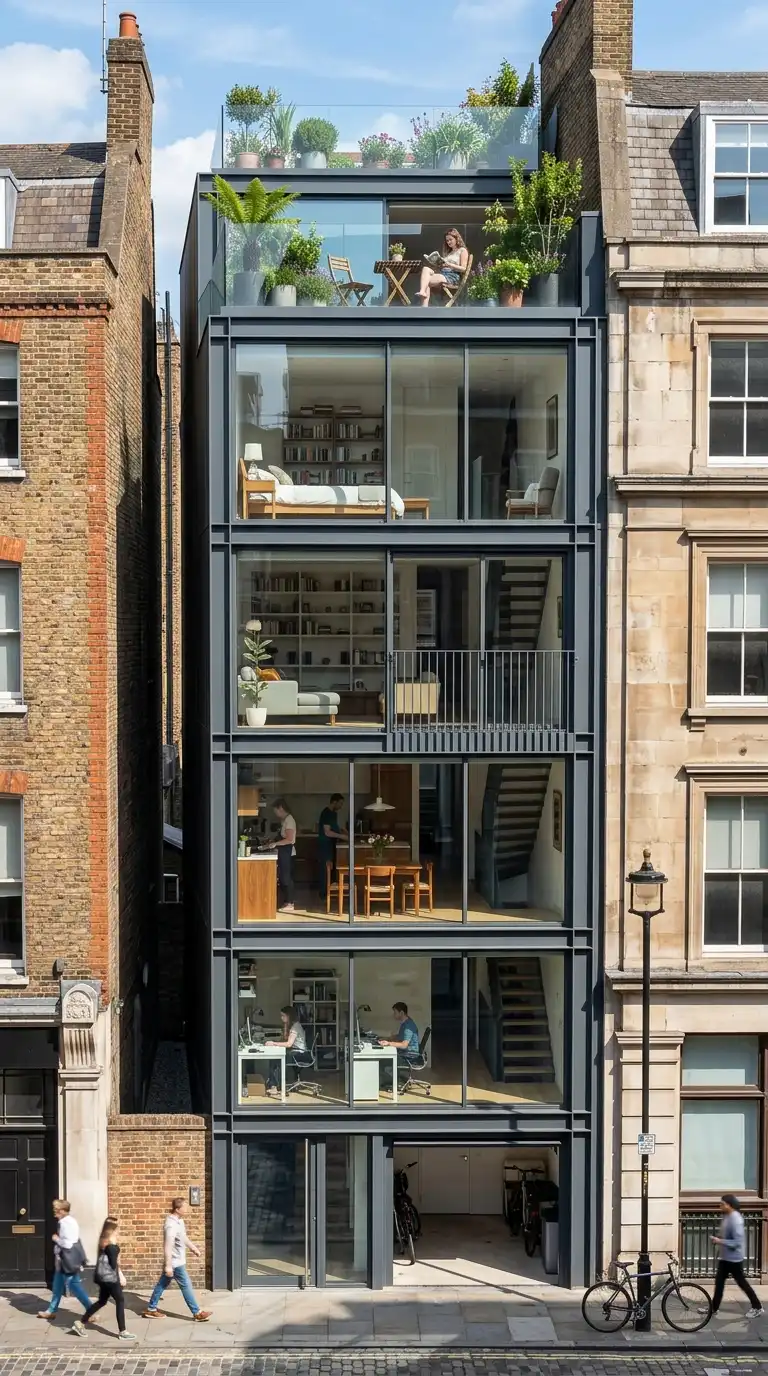
8. The Tower House
The tower house builds up instead of out. On a tiny urban site, the only direction is vertical. The house is 4-5 metres wide and 4-5 metres deep, but 3-5 storeys tall. Each floor has a single primary function. A stair connects all levels. The emotional effect is vertical, efficient, and surprisingly expansive given the tiny footprint.
Quick Tips
- The stair should be as compact as possible — alternating tread stairs save space.
- Each floor should be no more than 40-50 square metres to keep the stair short.
- A roof terrace at the top provides outdoor space that the site lacks at ground level.
9. The Passive House
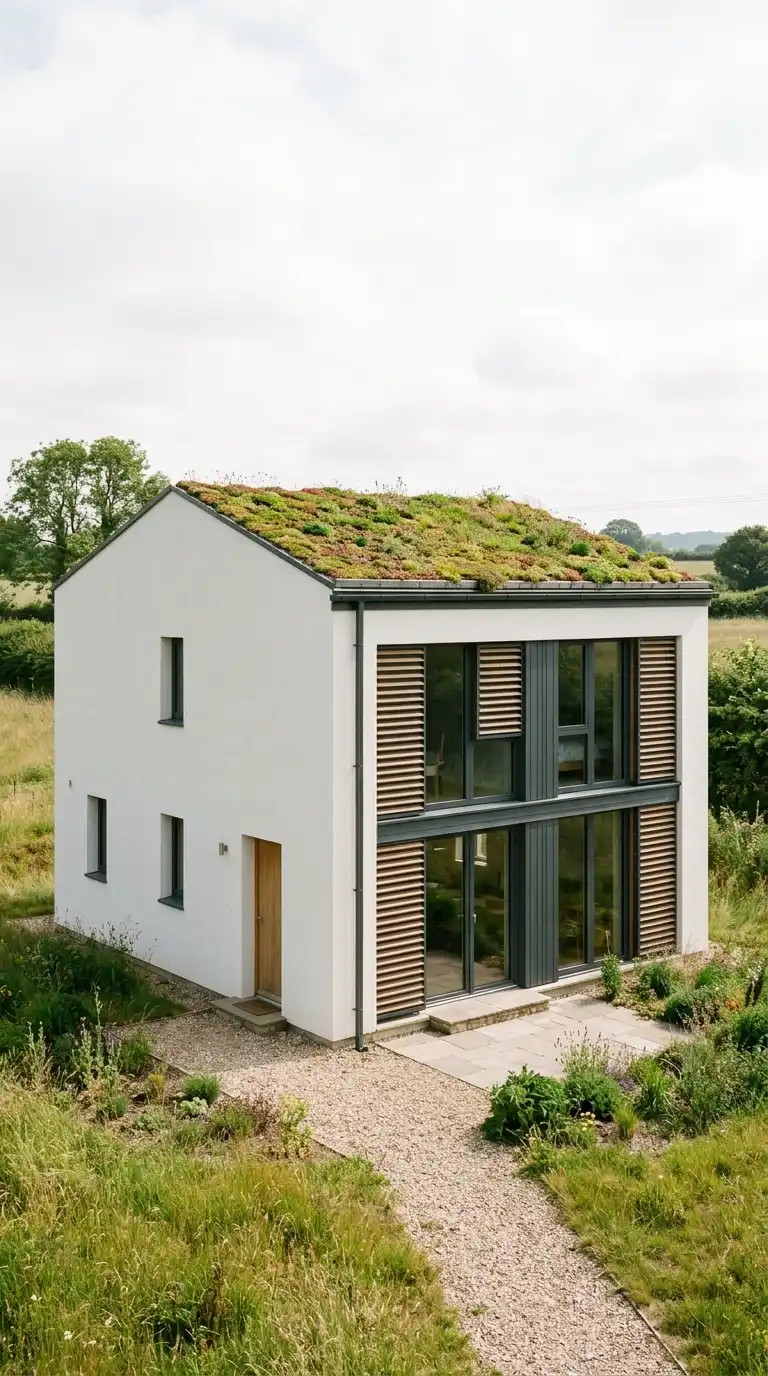
The Passive House is not a style but a performance standard. The design achieves exceptional energy efficiency through super-insulation, airtight construction, triple-glazed windows, and mechanical ventilation with heat recovery. The form is compact to minimise surface area. The emotional effect is comfortable, healthy, and responsible.
Quick Tips
- The form should be as compact as possible — avoid bays, bump-outs, and complex roofs.
- South-facing windows should be large, north-facing windows small.
- The building must be tested for airtightness — target 0.6 air changes per hour at 50 Pascals.
10. The Renovated Farmhouse
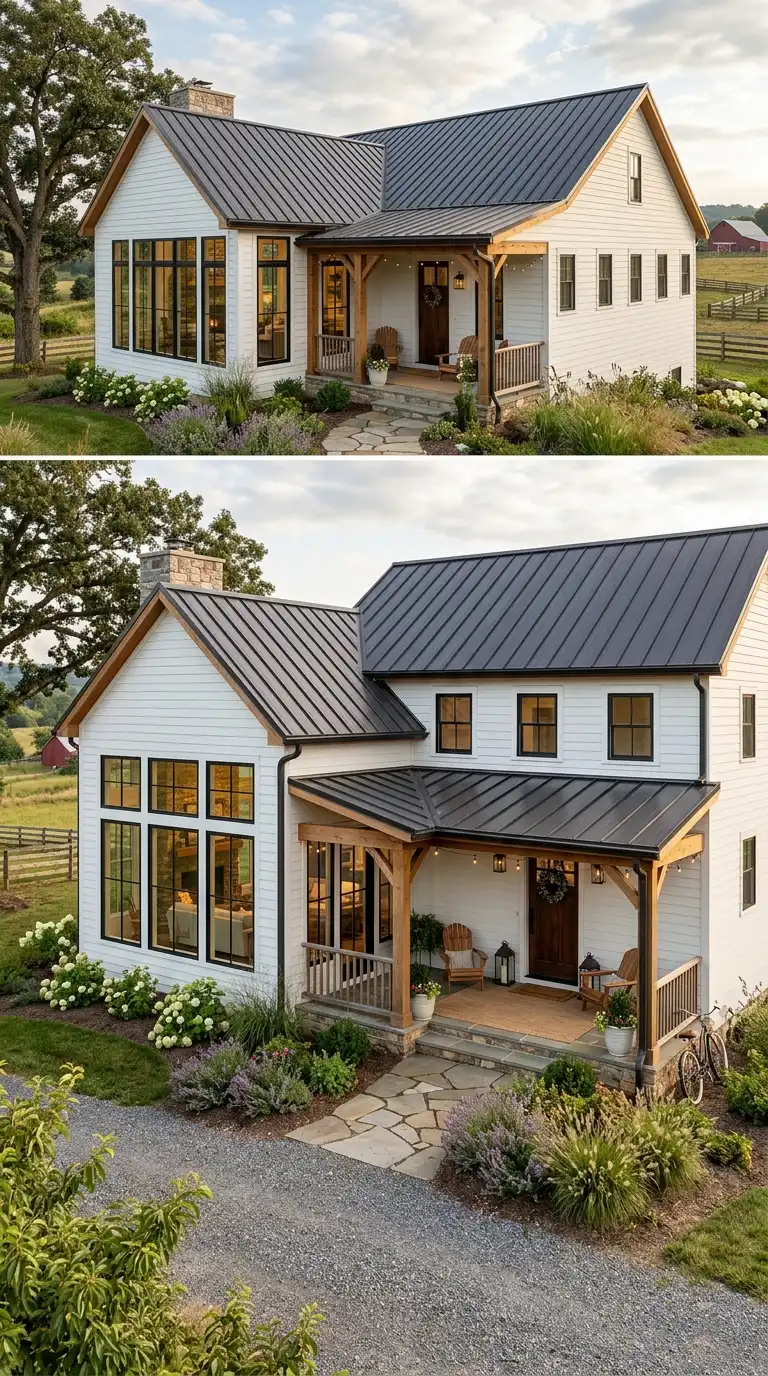
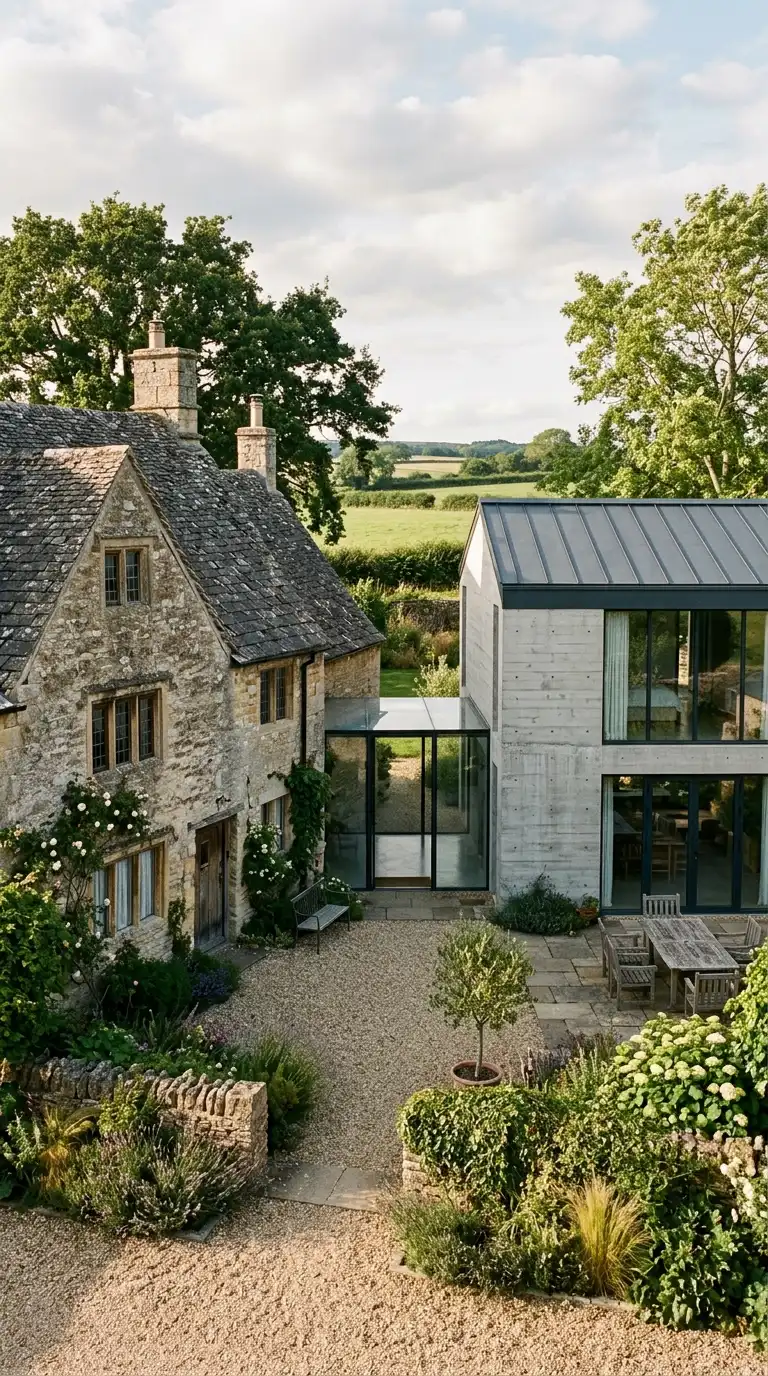
The renovated farmhouse respects the existing building while adding new wings, new windows, and new systems. The old part retains its character: timber beams, stone walls, small windows. The new part is clearly contemporary: glass, steel, concrete. The contrast between old and new is the entire point.
Quick Tips
- Do not fake old materials in the new wing. Let the new be new.
- Use a glass link to separate old and new thermally and visually.
- Preserve as much of the existing fabric as possible — repair, do not replace.
11. The U-Shaped House
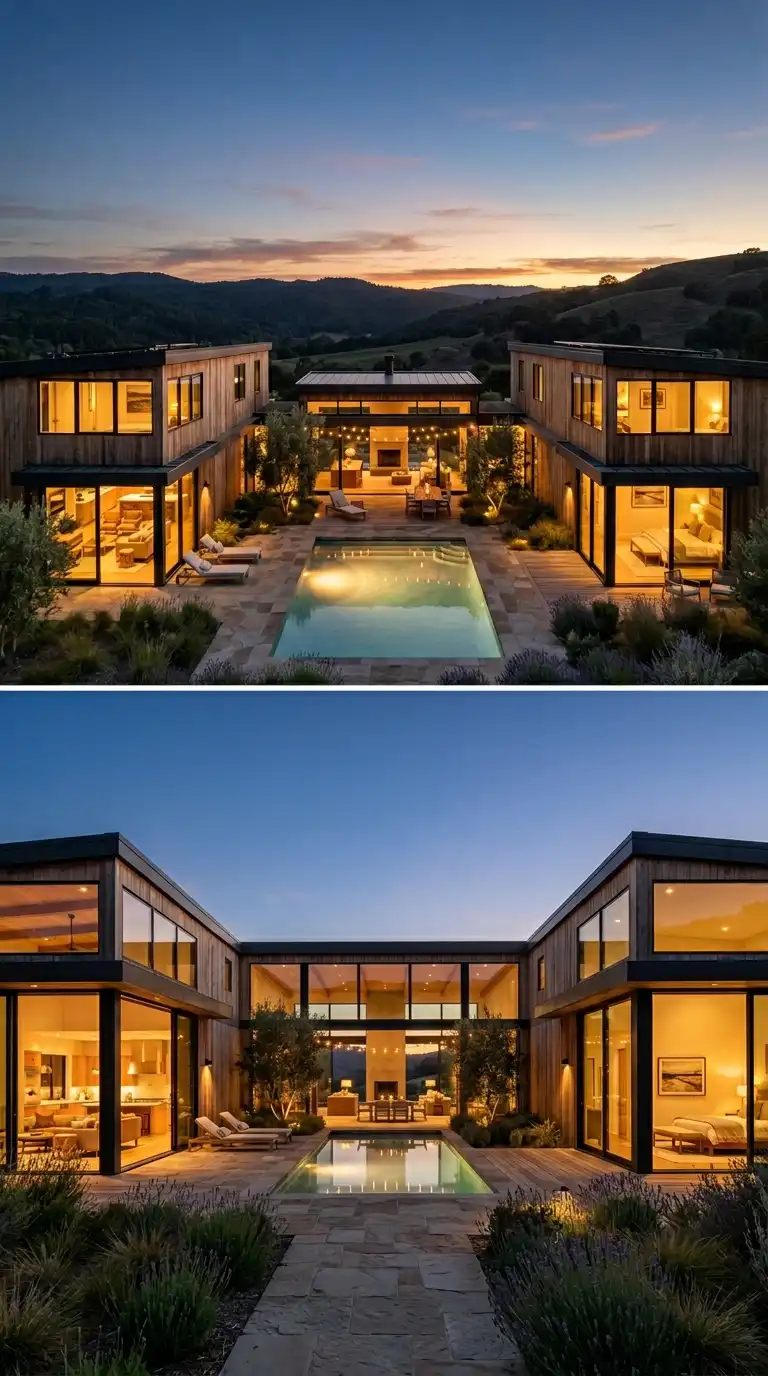
The U-shaped house extends the L-shaped typology by adding a third wing. Three wings form a U around a central courtyard. The courtyard is enclosed on three sides, open on the fourth. This configuration provides even more privacy and shelter than the L-shape. The emotional effect is sheltered, private, and generous.
Quick Tips
- Each wing should be at least 5 metres long to create a meaningful courtyard.
- The open side of the U must face south for solar access.
- Place the main living spaces on the courtyard side of each wing.
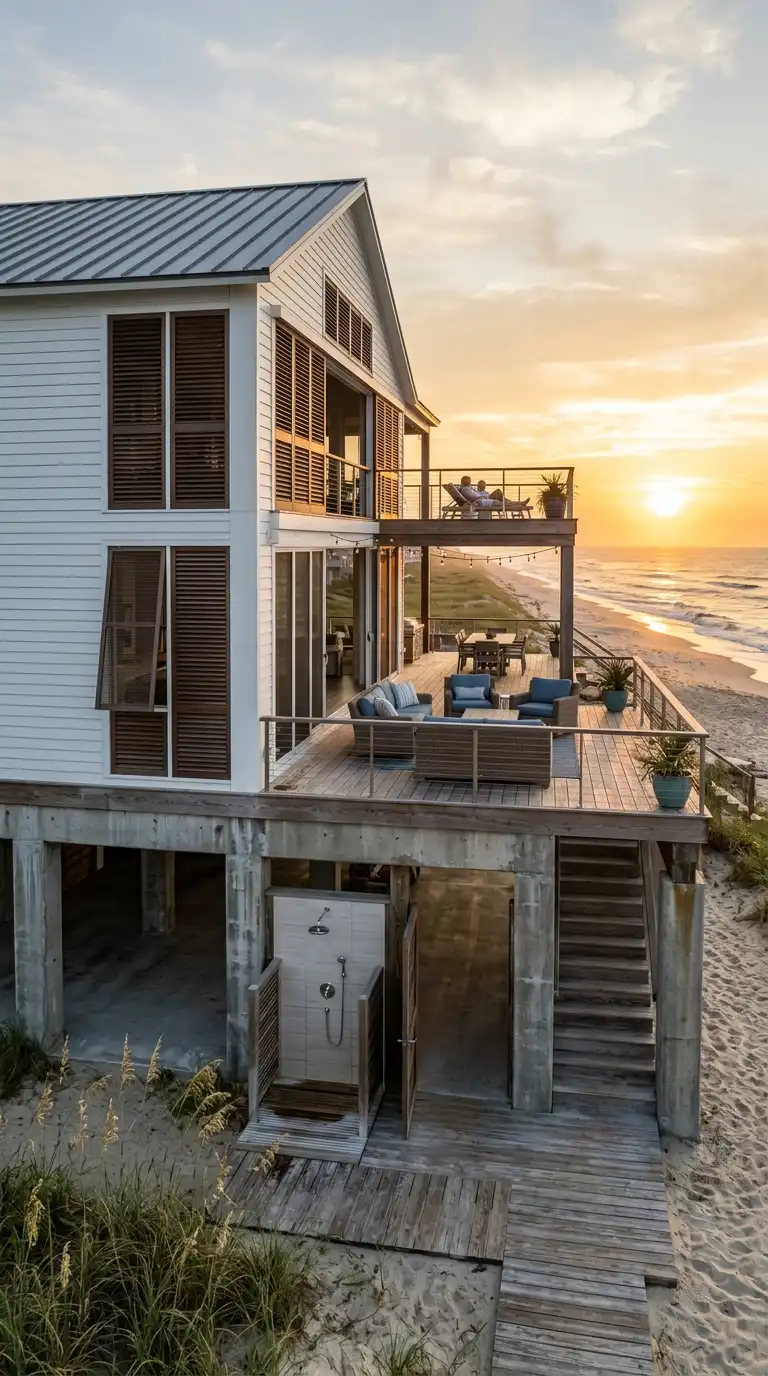
12. The Beach House
The beach house responds to a harsh coastal environment. Materials must resist salt, sand, and storms. The form is raised on pilings to allow storm surge to pass underneath. Decks and louvres provide shade and wind control. The emotional effect is relaxed, open, and connected to the sea.
Quick Tips
- Raise the first floor at least 2.5 metres above grade for storm surge protection.
- Use stainless steel or hot-dipped galvanised hardware throughout.
- Outdoor showers should be located at every entrance to remove sand before entering.
13. The Adaptive Reuse House
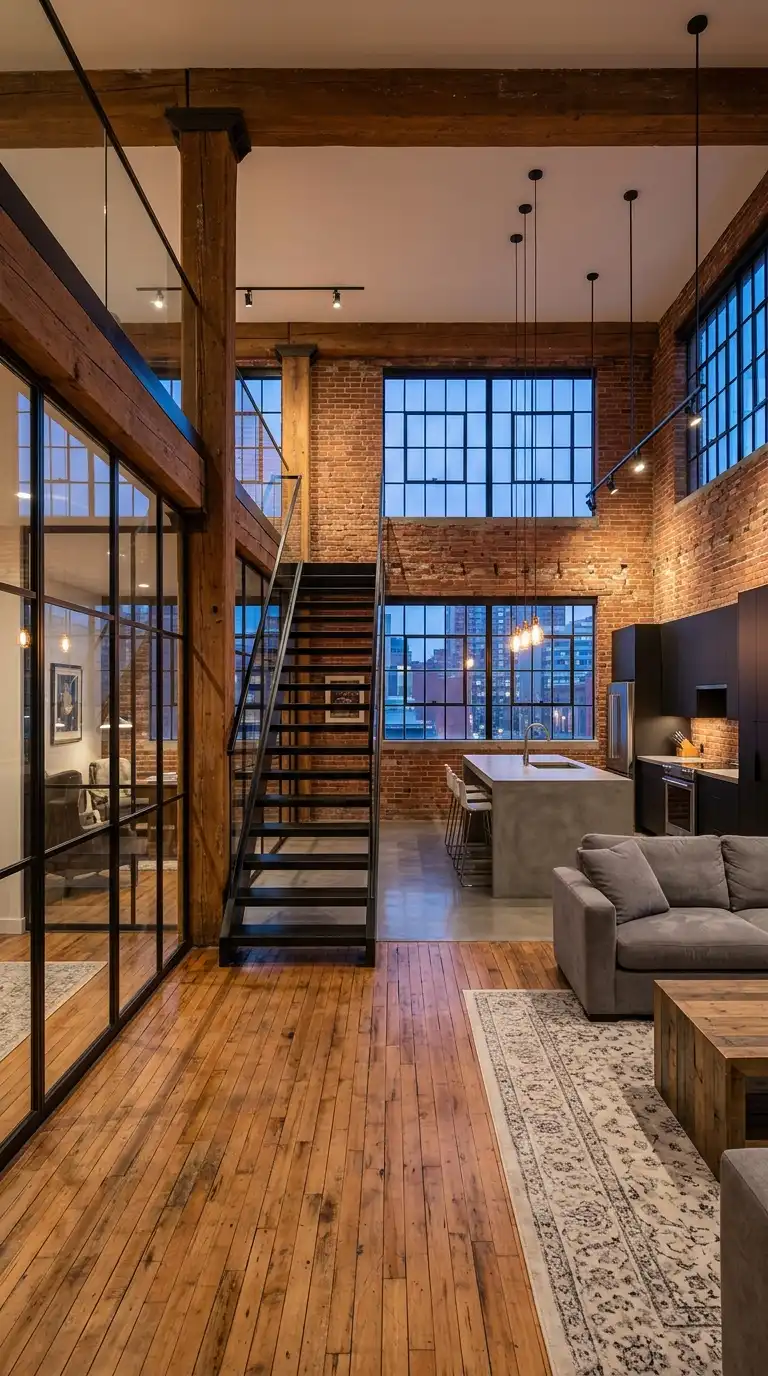
The adaptive reuse house finds a non-residential building — a warehouse, a church, a factory, a school, a fire station — and converts it into a home. The existing building provides character, volume, and history. The new insertions provide modern systems and comforts. The emotional effect is historic, unique, and deeply characterful.
Quick Tips
- Preserve original features — do not remove them to make the building feel more like a house.
- Use clearly contemporary insertions to contrast with historic fabric.
- Check zoning and building codes before purchase — not every building can be converted.
14. The Clustered Pavilion House
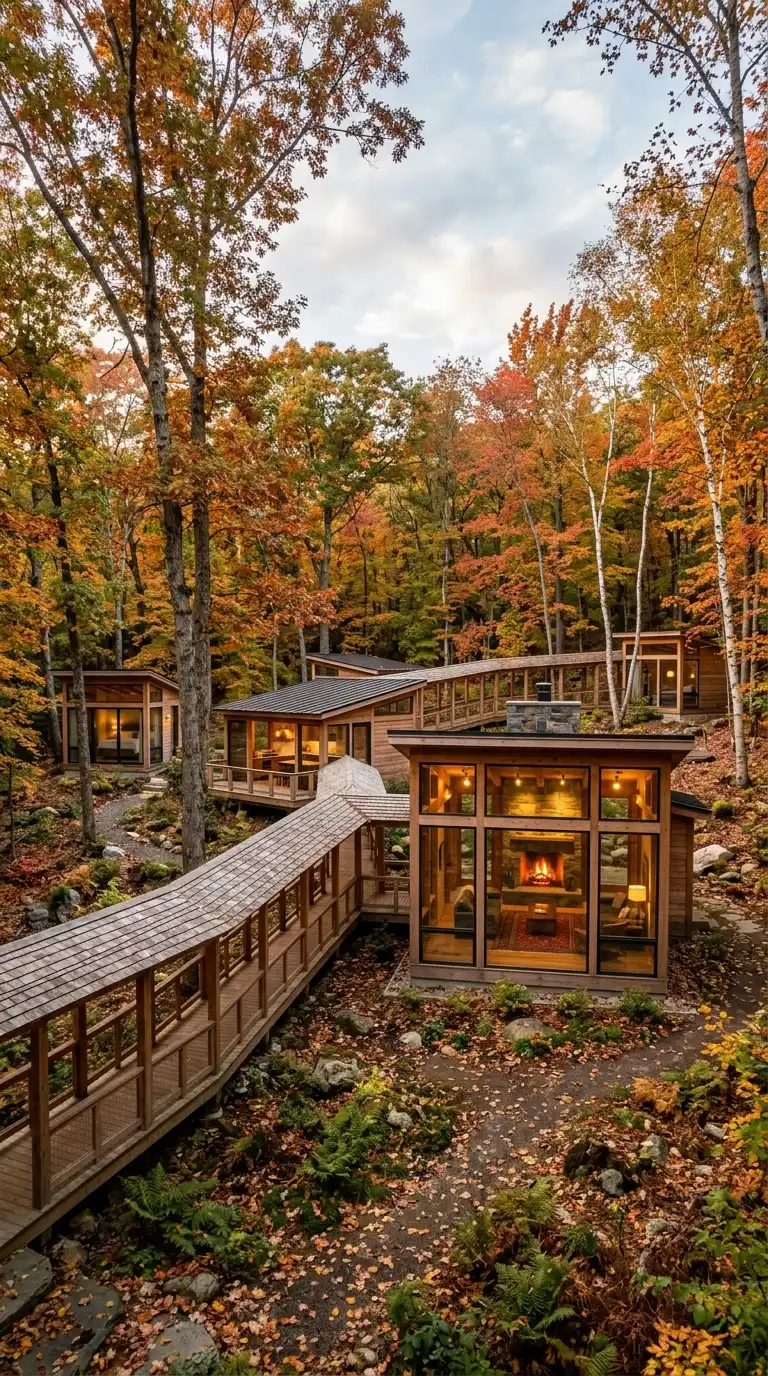
Instead of one large building, the clustered pavilion house spreads functions across multiple small volumes connected by covered walkways, courtyards, or glass bridges. Each pavilion has a single purpose: sleeping, cooking, living, working, guest accommodation. This typology works well on large rural sites or in warm climates.
Quick Tips
- Each pavilion should be no larger than 50-80 square metres.
- Walkways between pavilions should be covered but open on the sides.
- The main living pavilion should be centrally located for access to all others.
Final Thoughts
A house is not a sculpture. It is a machine for living, a refuge from the world, and a backdrop for a life. The best house designs balance poetry and pragmatism, beauty and durability, light and shelter.
Whether you choose the introverted calm of a courtyard house, the drama of a glass box, the efficiency of a Passive House, or the history of an adaptive reuse, the principles are the same: know your site, know your climate, know your budget, and above all, know how you actually live. The right house is the one that makes daily life better.