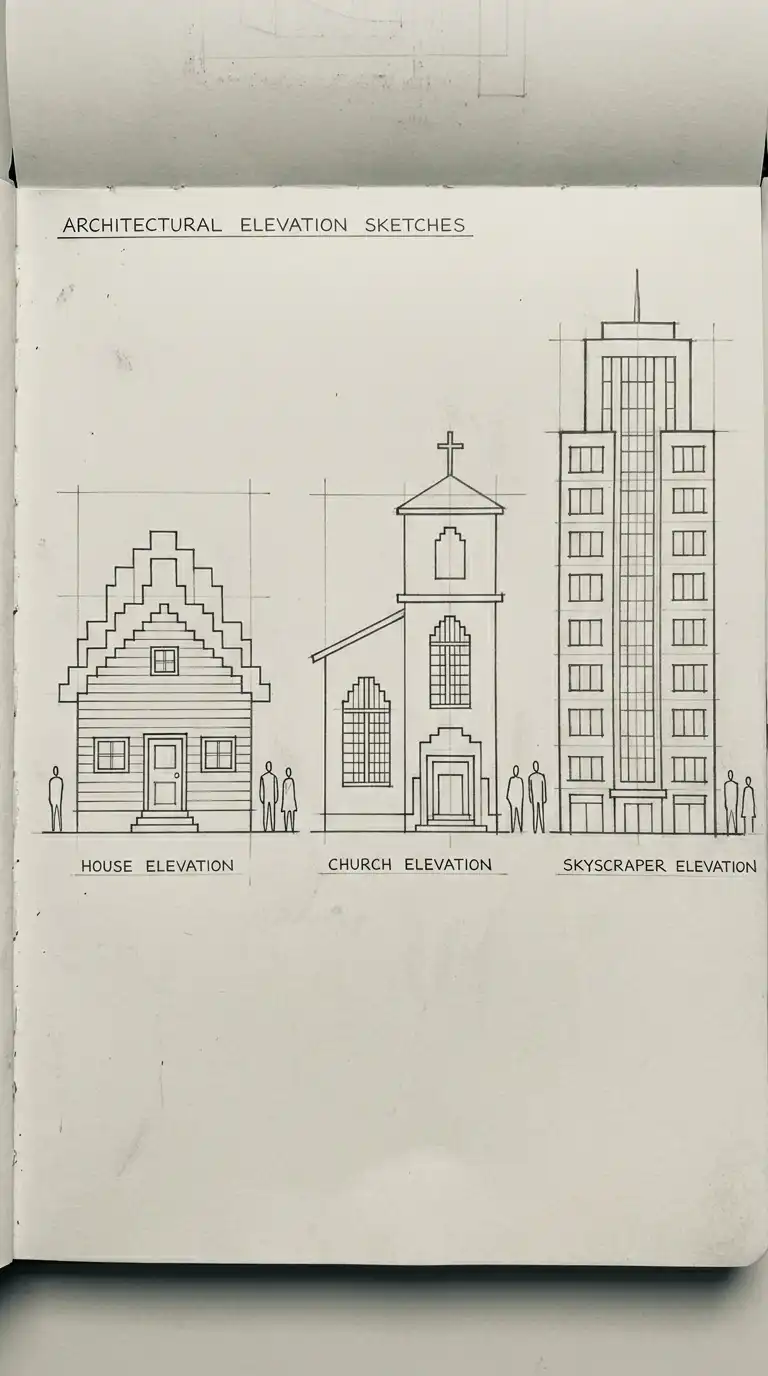
Modern architecture is not a single style but a century-long movement defined by a shared set of principles: honesty of materials, expression of structure, rejection of ornament, and the belief that form should follow function. From the early experiments of the Bauhaus to the parametric curves of the 21st century, modern architecture has produced some of the most recognisable and influential buildings in history.
These 24 modern architecture designs span the full arc of the movement, from the pioneering works of the 1920s to contemporary expressions. Each design includes defining characteristics, key examples, and practical principles for application today.
1. The International Style Villa
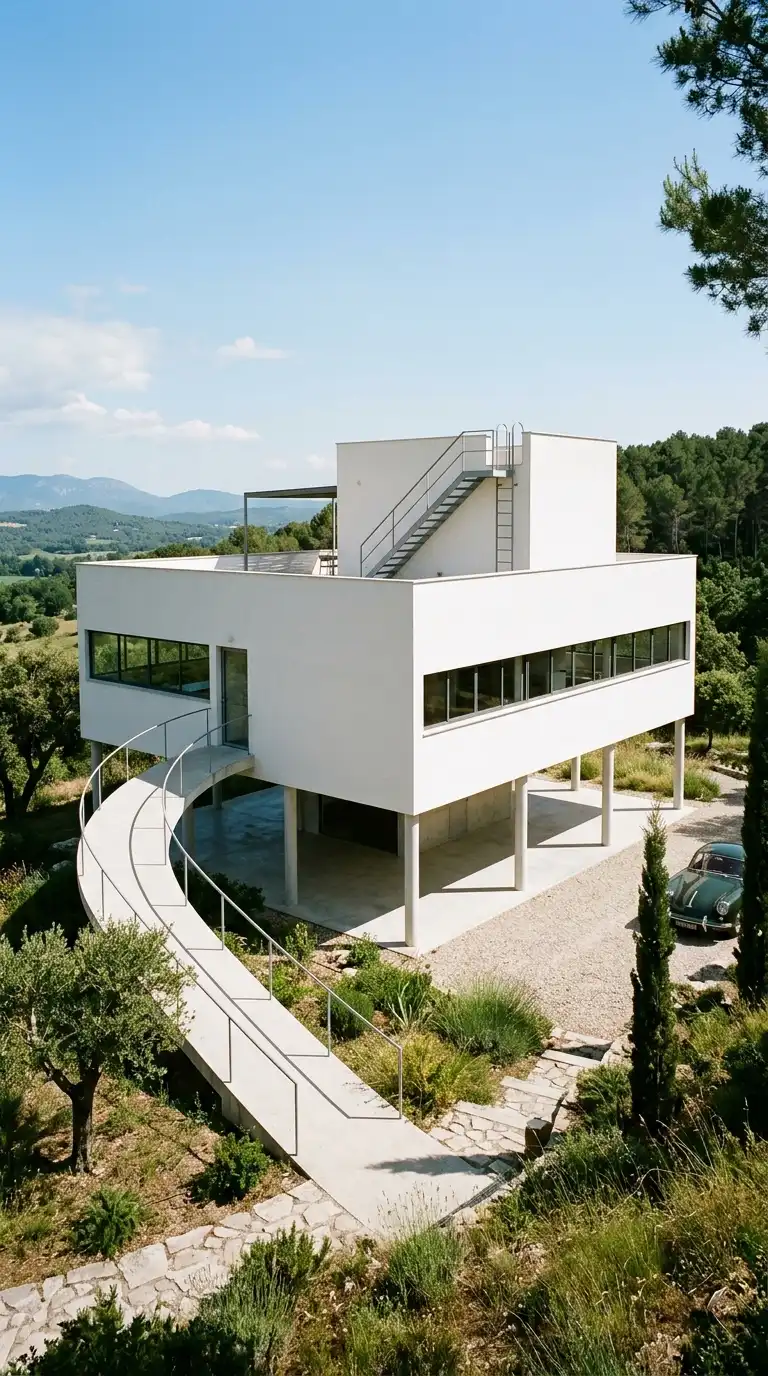
The International Style villa is the purest expression of early modernism. The form is a simple white cube or rectangular prism. Walls are smooth and unadorned. Windows are ribbon-like, running horizontally across the facade. The roof is flat. The building is raised on pilotis — thin columns — lifting the main volume above the ground.
Le Corbusier’s Villa Savoye (1929) is the defining example. The plan is free, with interior walls arranged independently of the structure. The facade is free, with windows placed for light and view, not structural necessity. The emotional effect is rational, weightless, and radically new.
Quick Tips
- The building must be raised on pilotis, not sitting directly on the ground.
- Windows must be ribbon windows running horizontally, not vertical punched openings.
- The roof must be flat and usable as a terrace or garden.
2. The Bauhaus Workshop
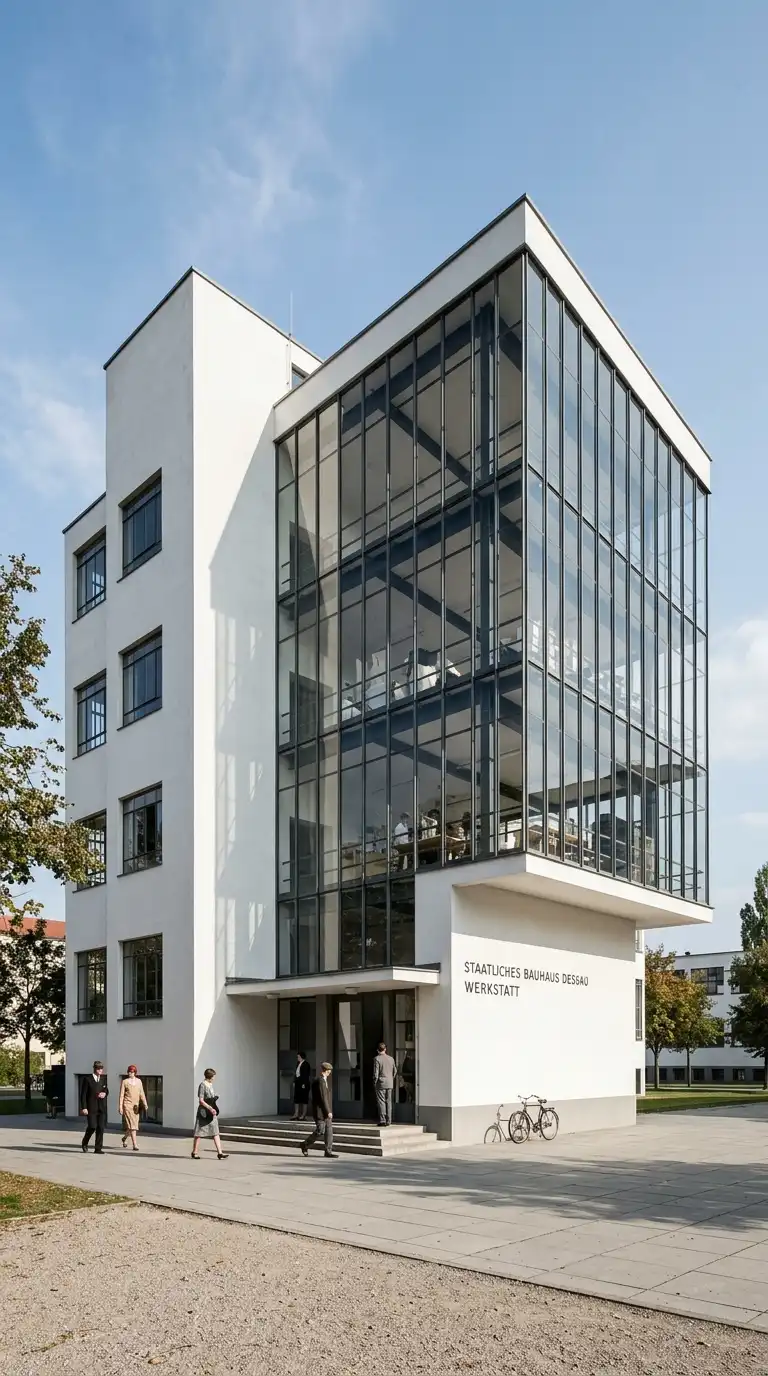
The Bauhaus workshop building in Dessau (1925-1926), designed by Walter Gropius, is the manifesto of the Bauhaus school. The form is an asymmetrical composition of intersecting volumes: a three-storey workshop wing, a five-storey studio wing, a one-storey bridge connecting them, and a glass curtain wall wrapping the corner.
The defining feature is the glass curtain wall — a non-structural glass skin that reveals the building’s steel frame behind it. The emotional effect is transparent, industrial, and optimistic about technology.
Quick Tips
- The glass curtain wall should be non-structural, hung from the steel frame.
- Asymmetry is essential — a symmetrical Bauhaus building is a contradiction.
- Expose the structure: steel frames, concrete columns, and mechanical systems should be visible.
3. The Glass Skyscraper
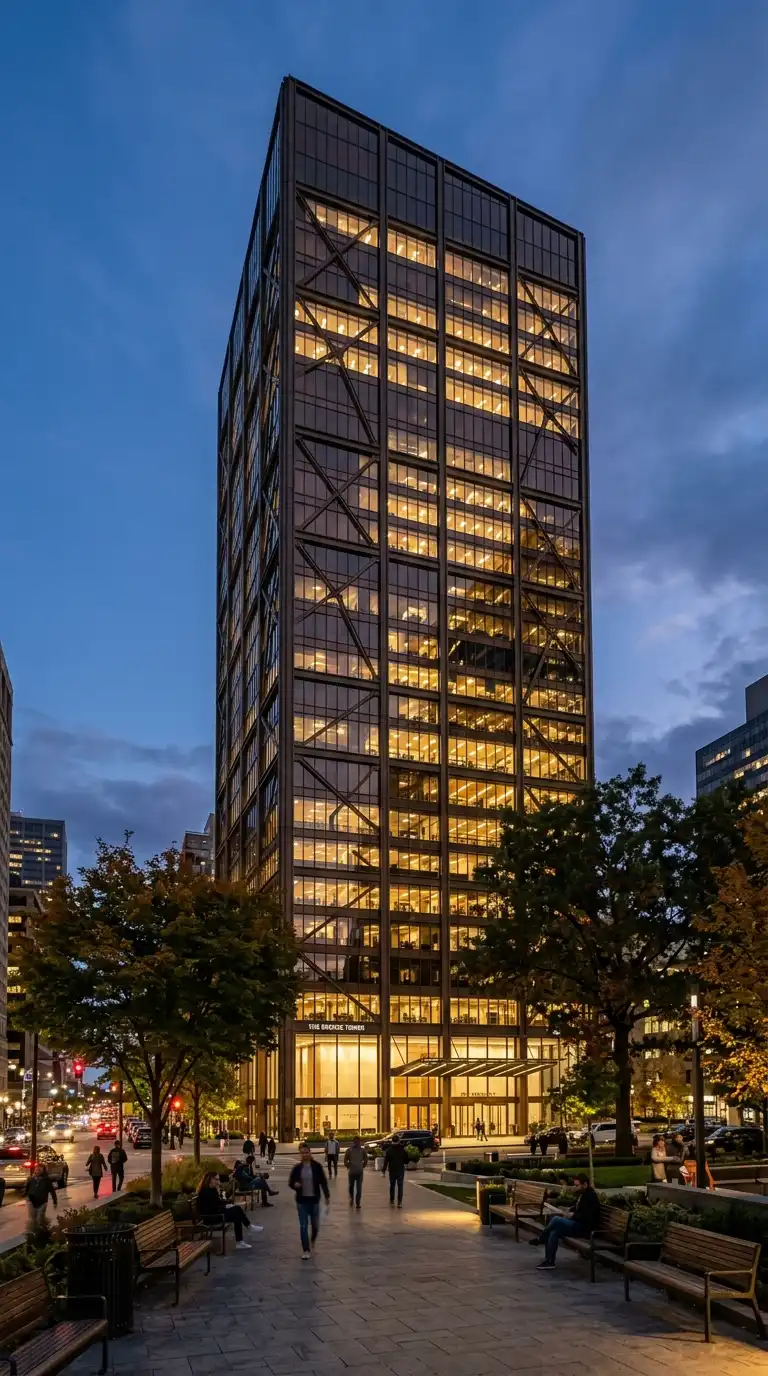
The glass skyscraper, perfected by Ludwig Mies van der Rohe, is the most influential modern building type. The form is a simple glass prism — square, rectangular, or faceted. The structure is a steel or concrete frame. The skin is a glass curtain wall, uninterrupted by ornament or visible mullions where possible.
Mies’s Seagram Building in New York (1958) set the standard. The building sits behind a plaza, set back from the street. The bronze-coloured glass and steel frame are expressed honestly. The emotional effect is elegant, precise, and monumentally calm.
Quick Tips
- The building should be set back from the street on a plaza.
- The structural frame should be expressed on the exterior, not hidden.
- The glass should be tinted or treated to reduce solar gain.
4. The Fallingwater House
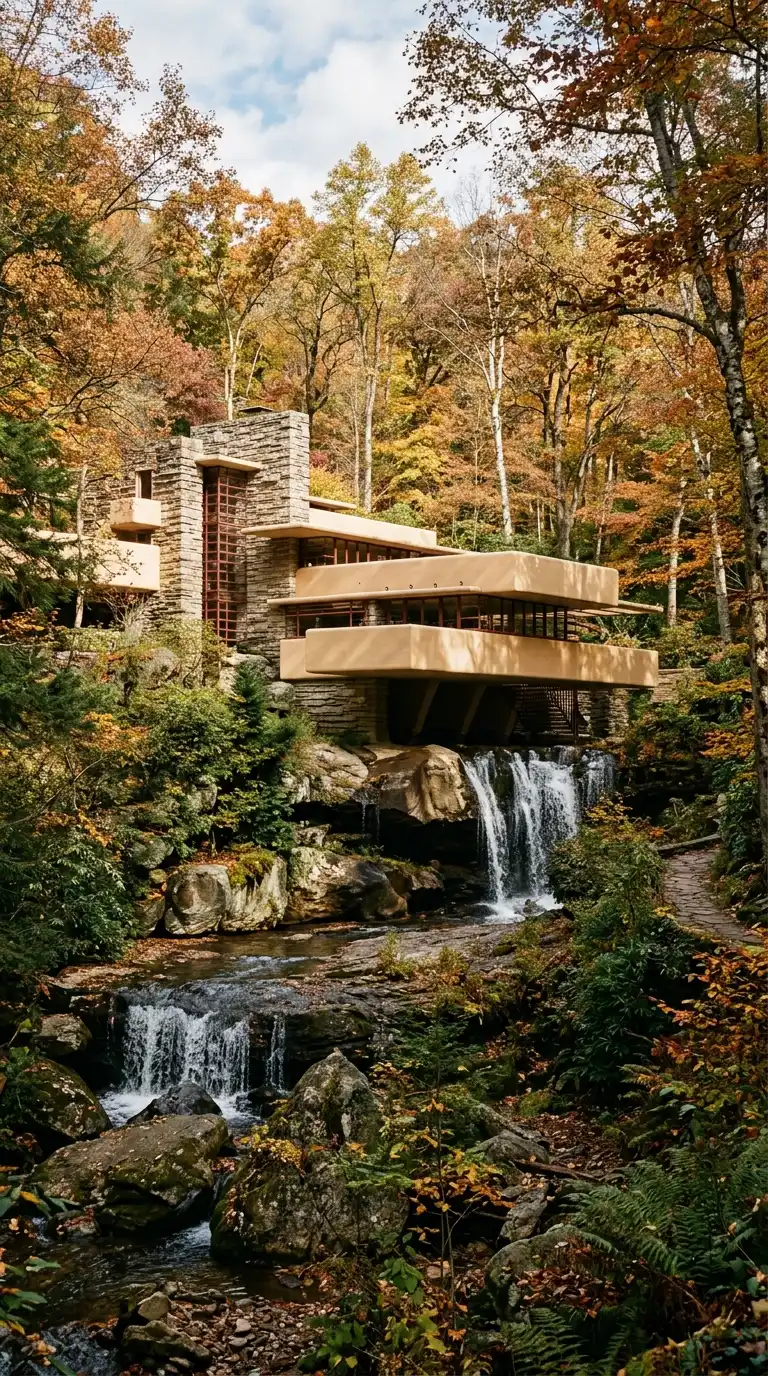
Frank Lloyd Wright’s Fallingwater (1939) is modernism’s most famous house. The design is a series of concrete terraces cantilevered over a waterfall in rural Pennsylvania. The house does not sit beside the waterfall — it sits above it, with the water audible from every room.
The form is horizontal and organic, with walls of local stone and concrete ledges that echo the rock ledges of the stream below. The emotional effect is dramatic, organic, and deeply integrated with its site.
Quick Tips
- Cantilevers should be expressed dramatically, not hidden.
- Local materials — stone, timber — should be used alongside modern materials like concrete.
- The building should be integrated with the site, not placed on top of it.
5. The Case Study House
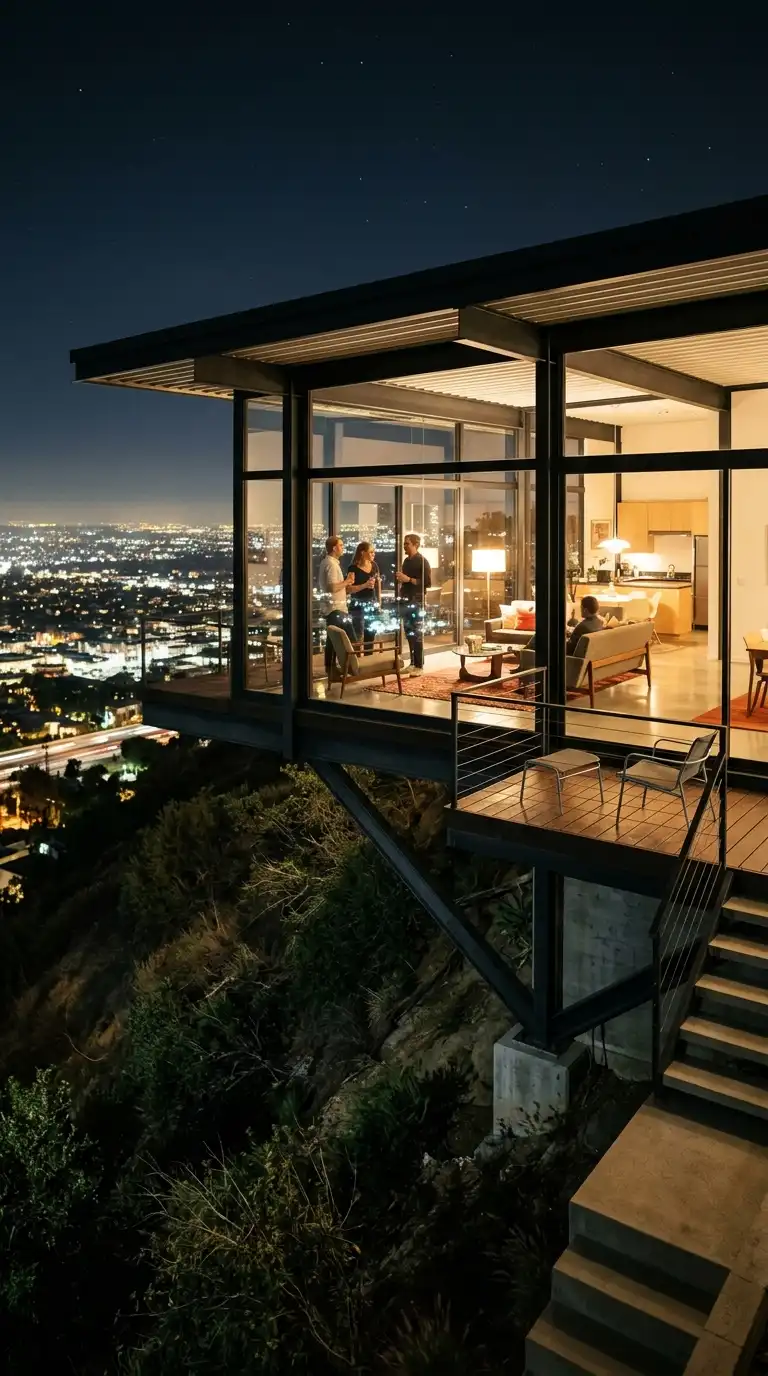
The Case Study House program (1945-1966) commissioned architects to design and build affordable, modern homes for post-war America. The most famous is Case Study House #22 by Pierre Koenig (1960) — a steel-framed glass box cantilevered over the Hollywood Hills.
The aesthetic is industrial: exposed steel structure, glass walls, concrete floors, and minimal interior partitions. The house is open to the landscape. The emotional effect is light, transparent, and quintessentially Californian.
Quick Tips
- Use industrial materials: steel, glass, concrete, plywood.
- The plan should be open with minimal interior walls.
- The house should open to the outdoors with large glass walls and patios.
6. The Brutalist Megastructure
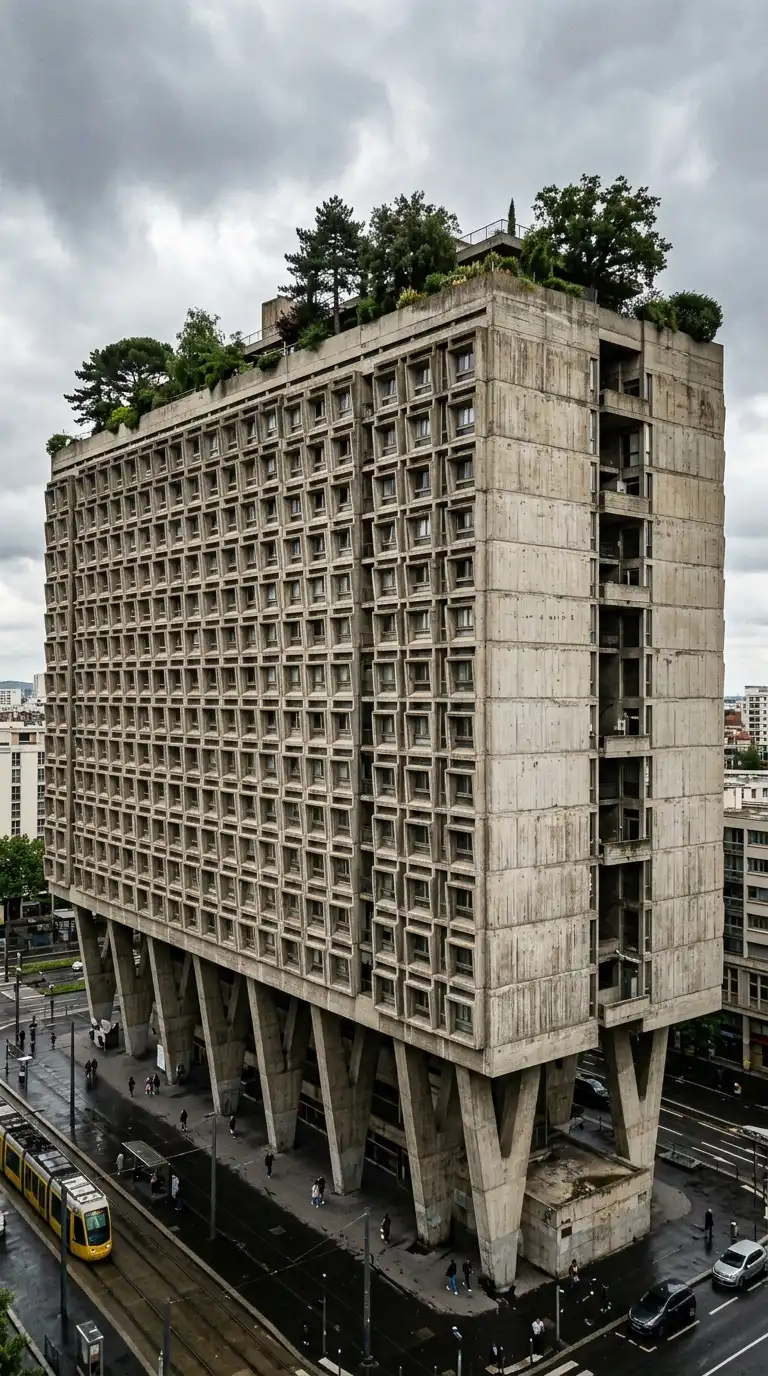
The Brutalist megastructure is modernism at its most monumental. The form is massive, sculptural, and expressed in raw concrete. The building is not a single volume but an aggregation of repeated modular units attached to a central concrete core.
Le Corbusier’s Unité d’Habitation in Marseille (1952) is the prototype. The building is raised on pilotis, with interior streets, a rooftop garden, and integrated shops and amenities. The emotional effect is heroic, collective, and unapologetically heavy.
Quick Tips
- Concrete must be board-formed with visible grain and seam marks.
- The building should be raised on massive pilotis.
- Amenities — shops, gardens, schools — should be integrated into the building.
7. The High-Tech Factory
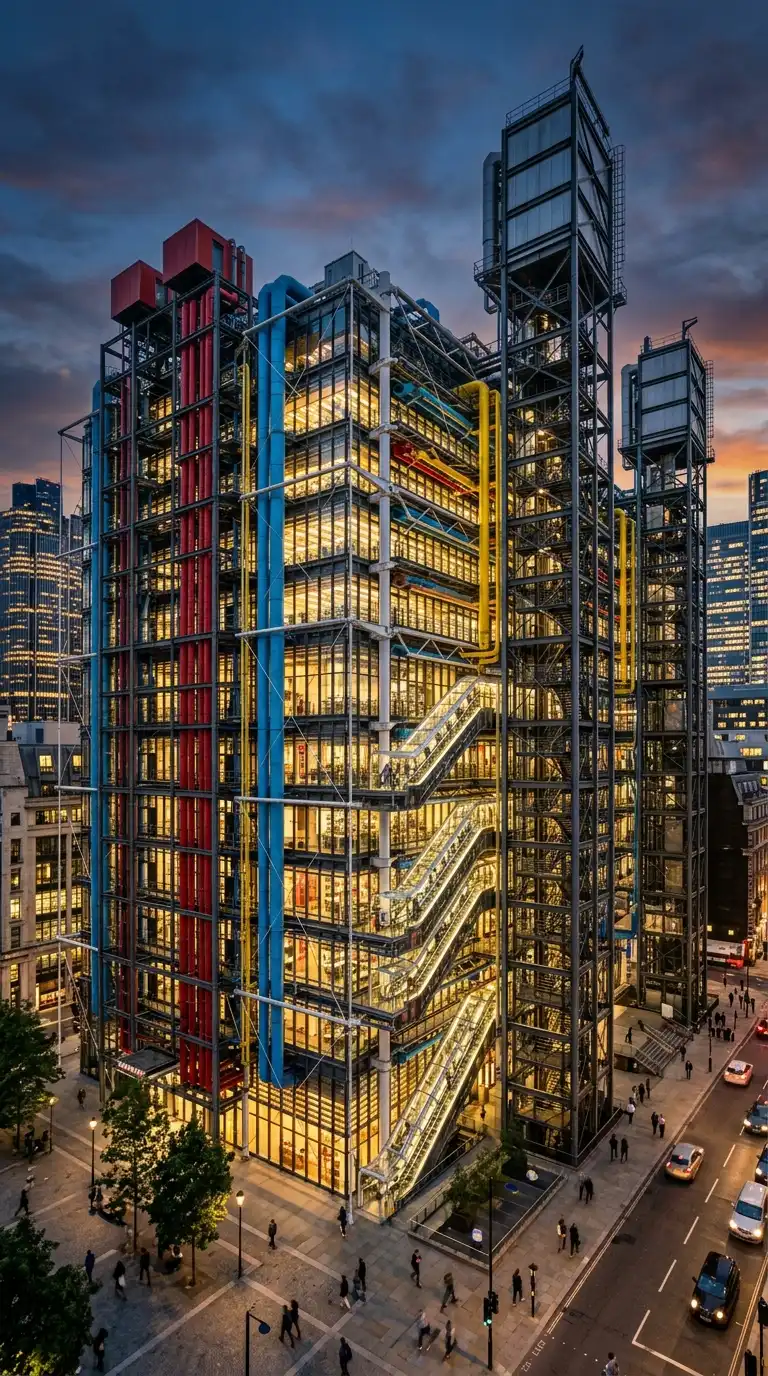
The High-Tech movement celebrates industrial technology and exposed services. The building’s mechanical systems — ducts, pipes, escalators, elevators — are displayed prominently, often in bright colours, rather than hidden in shafts.
Richard Rogers’s Centre Pompidou in Paris (1977) is the defining example. The building is a steel structure with all services on the exterior: escalators in clear tubes, ducts colour-coded by function, structural bracing expressed as design. The emotional effect is futuristic, efficient, and exhilarating.
Quick Tips
- Expose all mechanical and structural systems on the exterior.
- Colour-code systems by function: red for fire, blue for water, yellow for air.
- Service towers should be separate from the main volume.
8. The Postmodern Skyscraper
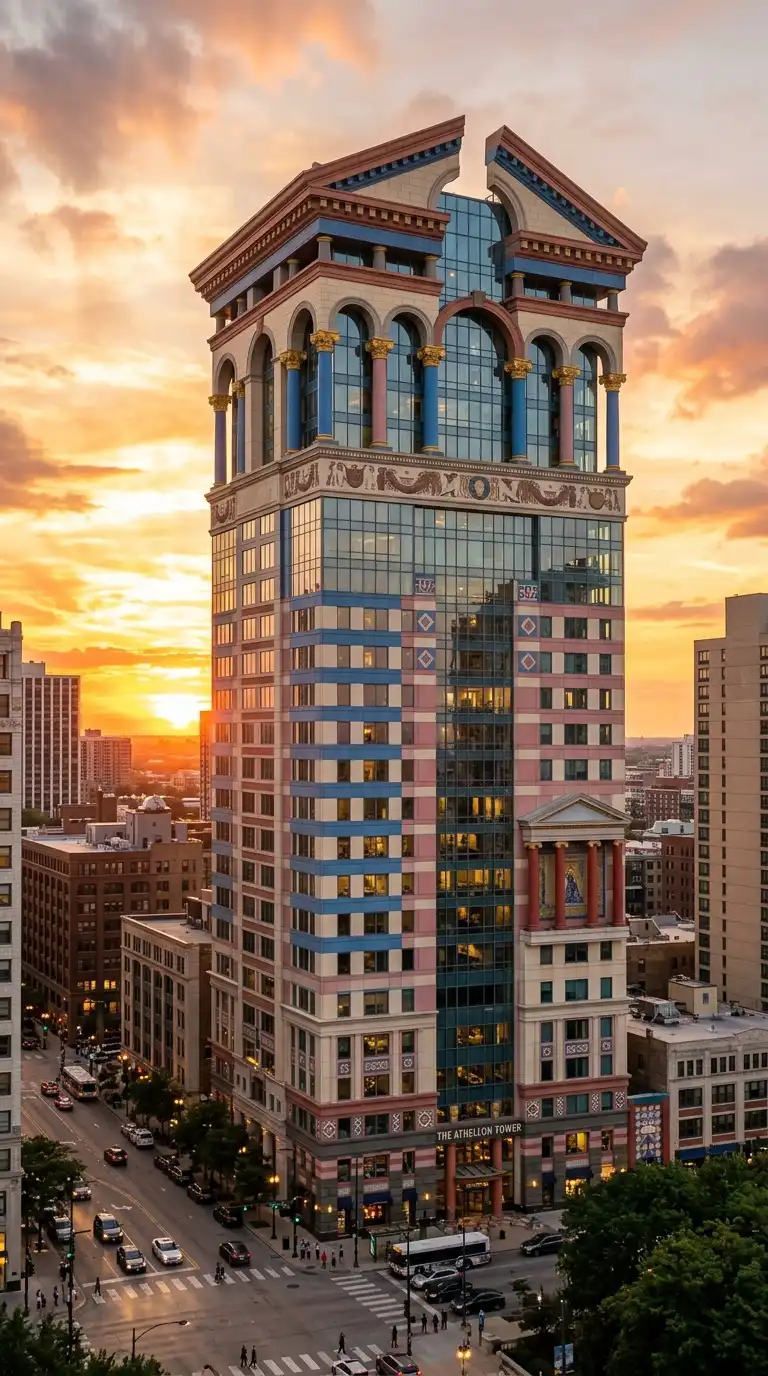
Postmodernism rejected modernism’s seriousness and prohibition of ornament. The Postmodern skyscraper is playful, ironic, and historical. It quotes classical forms — pediments, arches, columns — but out of context and often distorted.
Philip Johnson’s AT&T Building (now 550 Madison Avenue) in New York (1984) is the manifesto. The skyscraper has a broken pediment at the crown — a Chippendale highboy translated into granite. The emotional effect is witty, ironic, and deliberately unsettling.
Quick Tips
- Historical references should be out of context and often distorted.
- Colour and ornament should be applied, not inherent to materials.
- Irony and humour are essential.
9. The Deconstructivist Museum
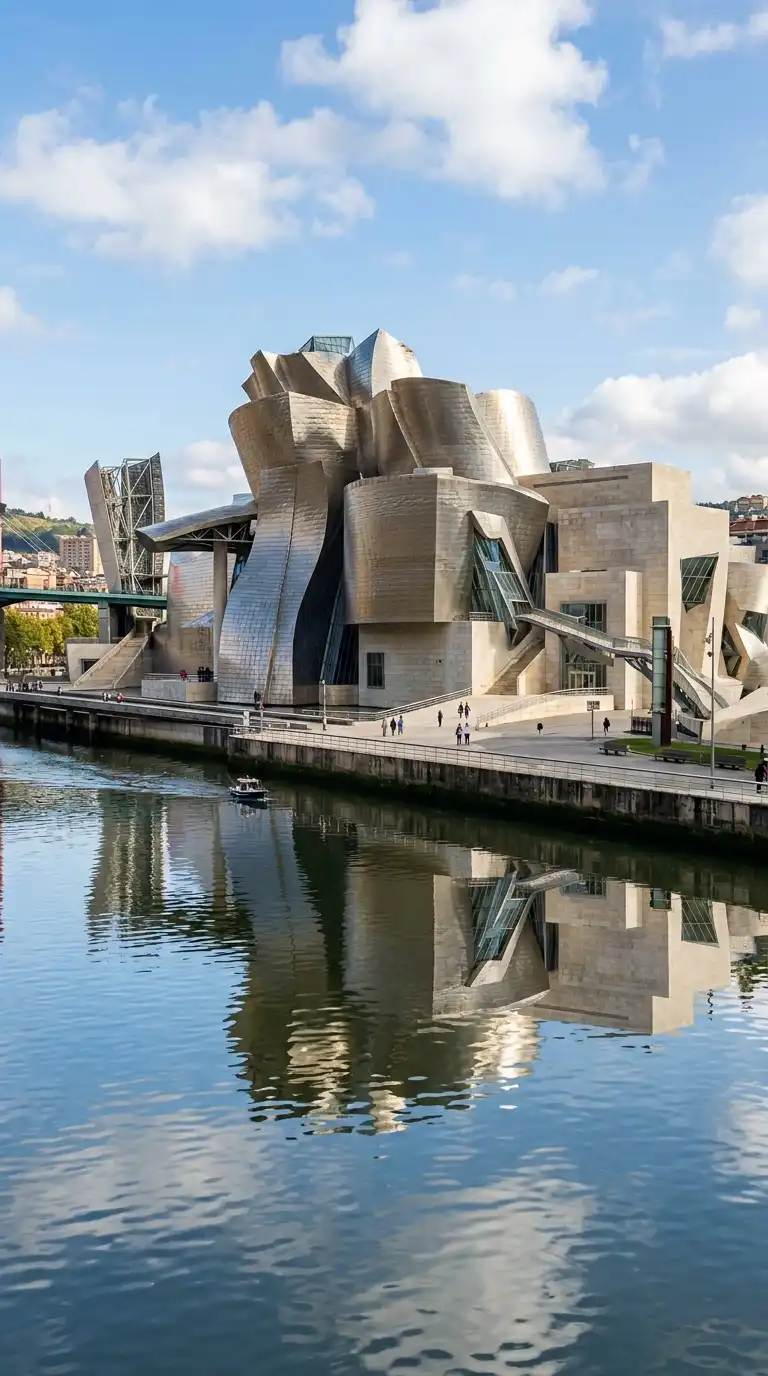
Deconstructivism fragments, distorts, and displaces architectural elements. The building appears unstable, with tilted walls, intersecting volumes, and non-rectilinear geometry. Frank Gehry’s Guggenheim Museum Bilbao (1997) is the most famous example.
The form is composed of curving titanium panels, limestone, and glass. There are no right angles. The building seems to move, reflecting light and sky across its faceted surface. The emotional effect is disorienting, exciting, and sculptural.
Quick Tips
- Avoid right angles and straight lines wherever possible.
- Use non-rectilinear geometry: curves, tilts, and intersecting planes.
- The building should look unstable or caught in motion.
10. The Minimalist House
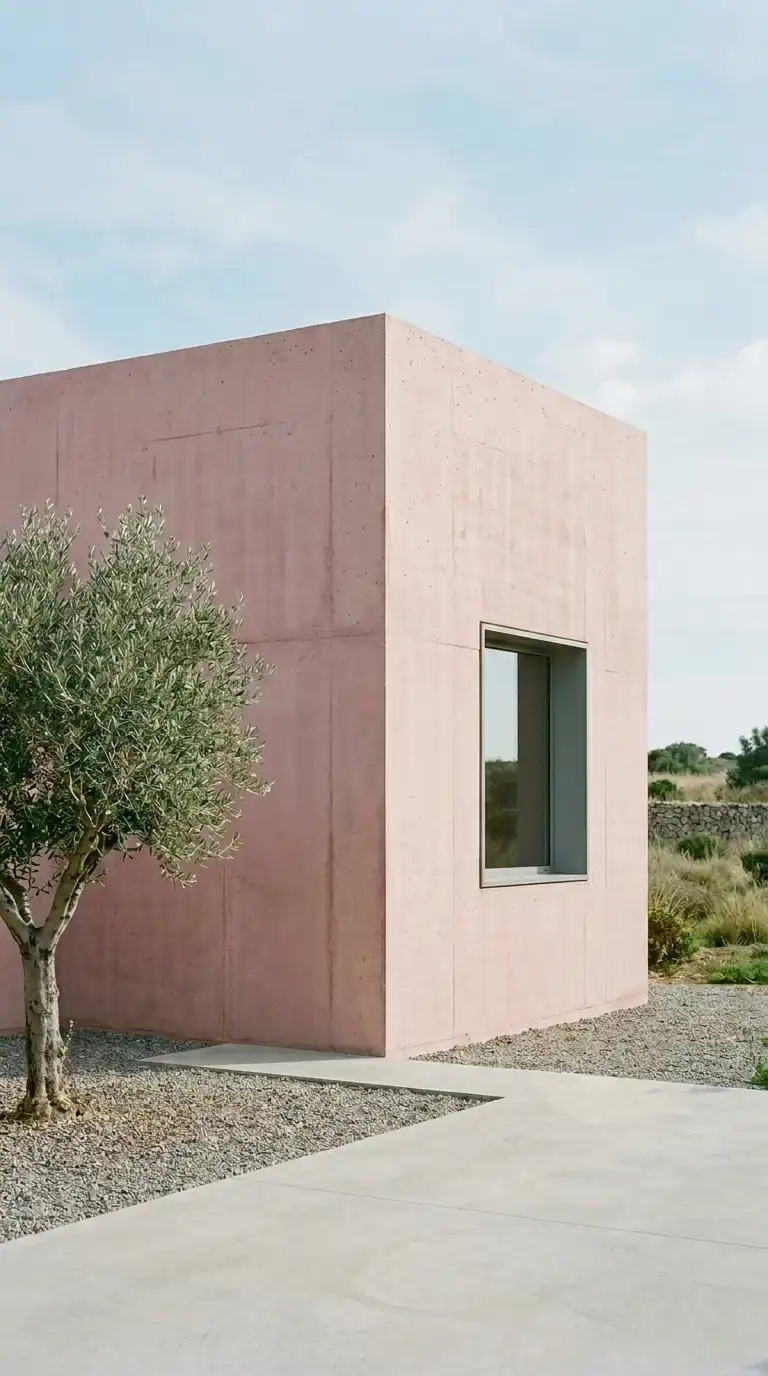
Minimalist architecture reduces building to its essentials: form, light, material, and space. Nothing else. The house is a simple geometric volume — a cube, a rectangle, a single plane. Colour is restricted to white, grey, black, and natural material tones.
John Pawson’s Neuendorf House (1987) is a defining example. A pink concrete cube in a Majorcan landscape. A single window. No ornament. No visible hardware. The emotional effect is calm, contemplative, and precise.
Quick Tips
- Every element must earn its place. If you can remove it, remove it.
- Junctions between materials must be perfectly flush — no baseboards, no trim.
- Natural light is the only acceptable ornament.
11. The Critical Regionalist House
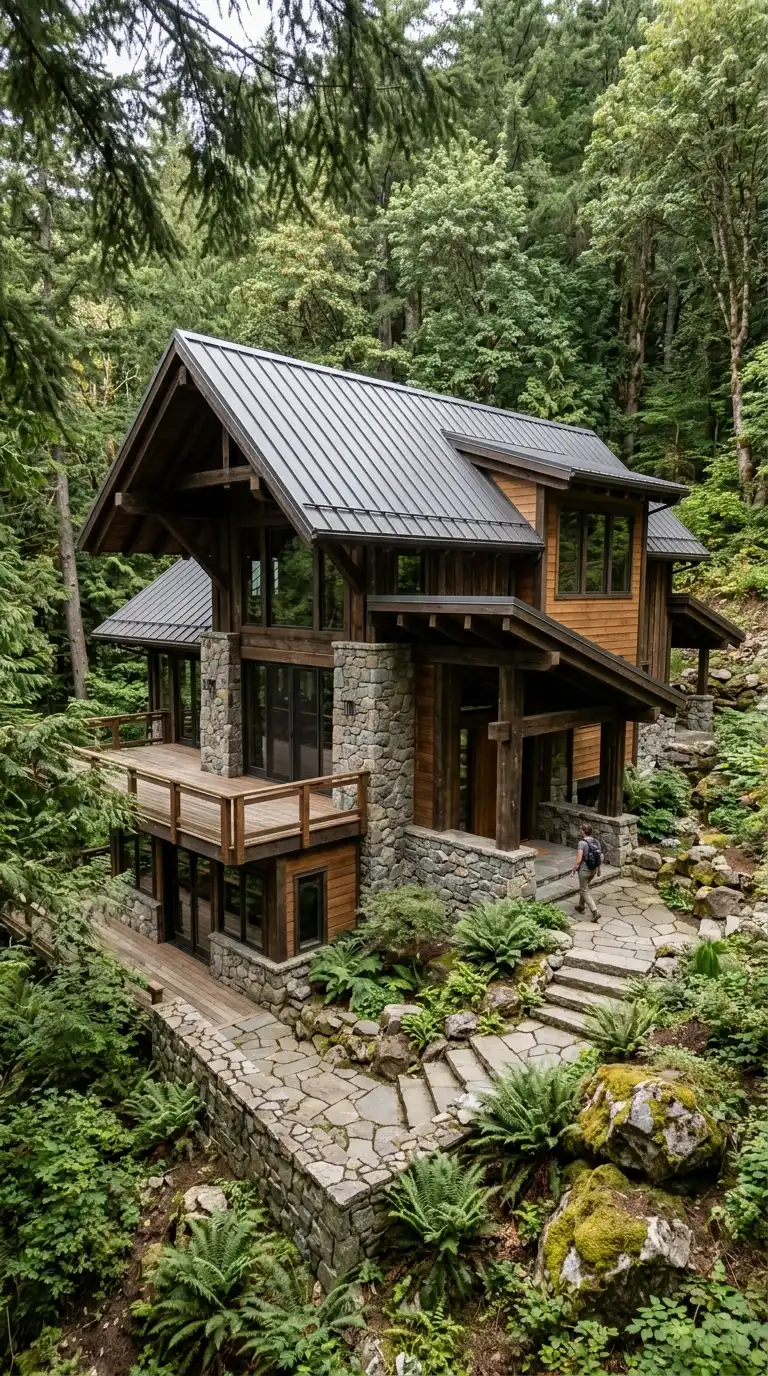
Critical Regionalism adapts modernism to local climate, materials, and culture. It rejects both the universalism of the International Style and the nostalgia of historicism. The building is grounded in its site through topography, light, and local building traditions.
Alvar Aalto’s Villa Mairea (1939) is a defining example. The house uses local timber and brick, responds to the Finnish forest and light, and references vernacular forms while remaining unmistakably modern. The emotional effect is specific, authentic, and grounded.
Quick Tips
- Use local materials and local construction techniques.
- Design for the specific climate — thick walls in hot climates, large windows in cold climates.
- Reference local architectural traditions without copying them.
12. The Parametric Pavilion
Parametricism uses computational algorithms to generate complex, continuous, and non-repetitive forms. Curved surfaces and continuous gradients replace grids and straight lines. The result is organic, fluid, and mathematically generated.
Zaha Hadid’s Heydar Aliyev Centre (2012) is the defining example. The building has no straight lines. The concrete structure curves continuously from ground to roof to ground. The emotional effect is futuristic, fluid, and mesmerising.
Quick Tips
- Avoid straight lines and repetitive elements — every element should be unique.
- Continuous surfaces and curves replace distinct planes and corners.
- The form should be generated by rules, not drawn by hand.
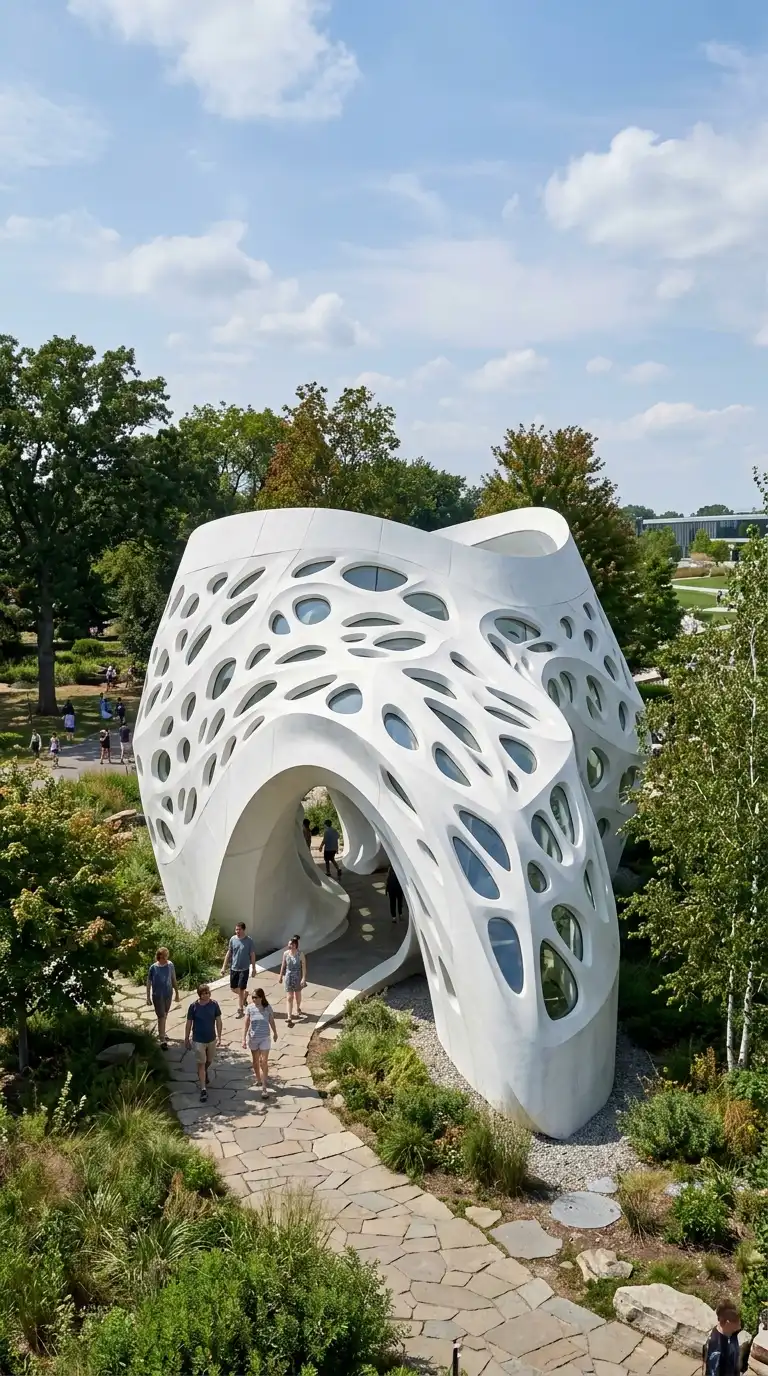
13. The Modern Courtyard House
The modern courtyard house updates the ancient typology for contemporary life. The form is a simple box wrapped around a central courtyard. The exterior is solid and private. The interior opens completely to the courtyard through floor-to-ceiling glass.
Luis Barragán’s own house in Mexico City (1948) is a defining example. The courtyard is a private garden, with walls, water, and light creating a meditative space. The emotional effect is serene, private, and inward-looking.
Quick Tips
- The exterior should be solid and windowless or near-windowless.
- The courtyard should be the heart of the house, visible from all major rooms.
- Use water, planting, and light to make the courtyard a destination.
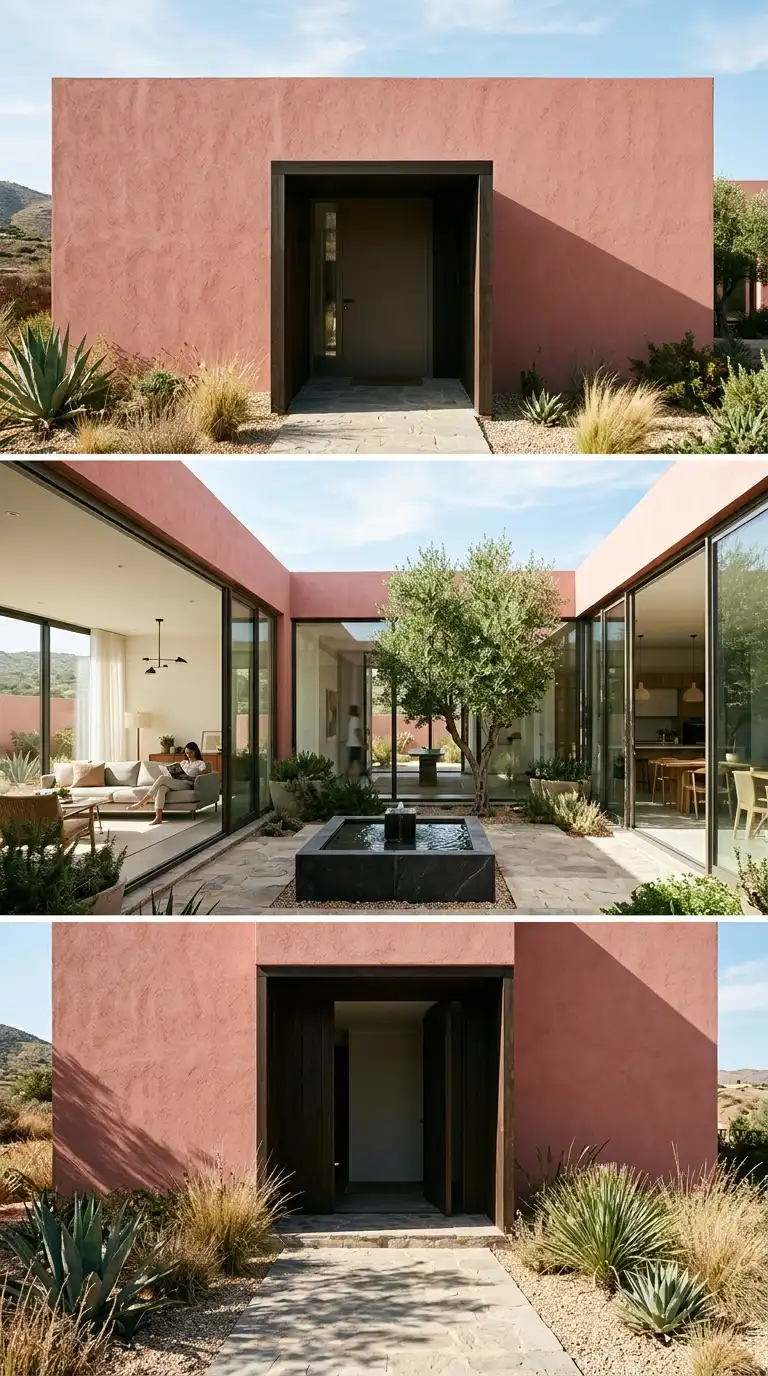
14. The Eco-Modern House
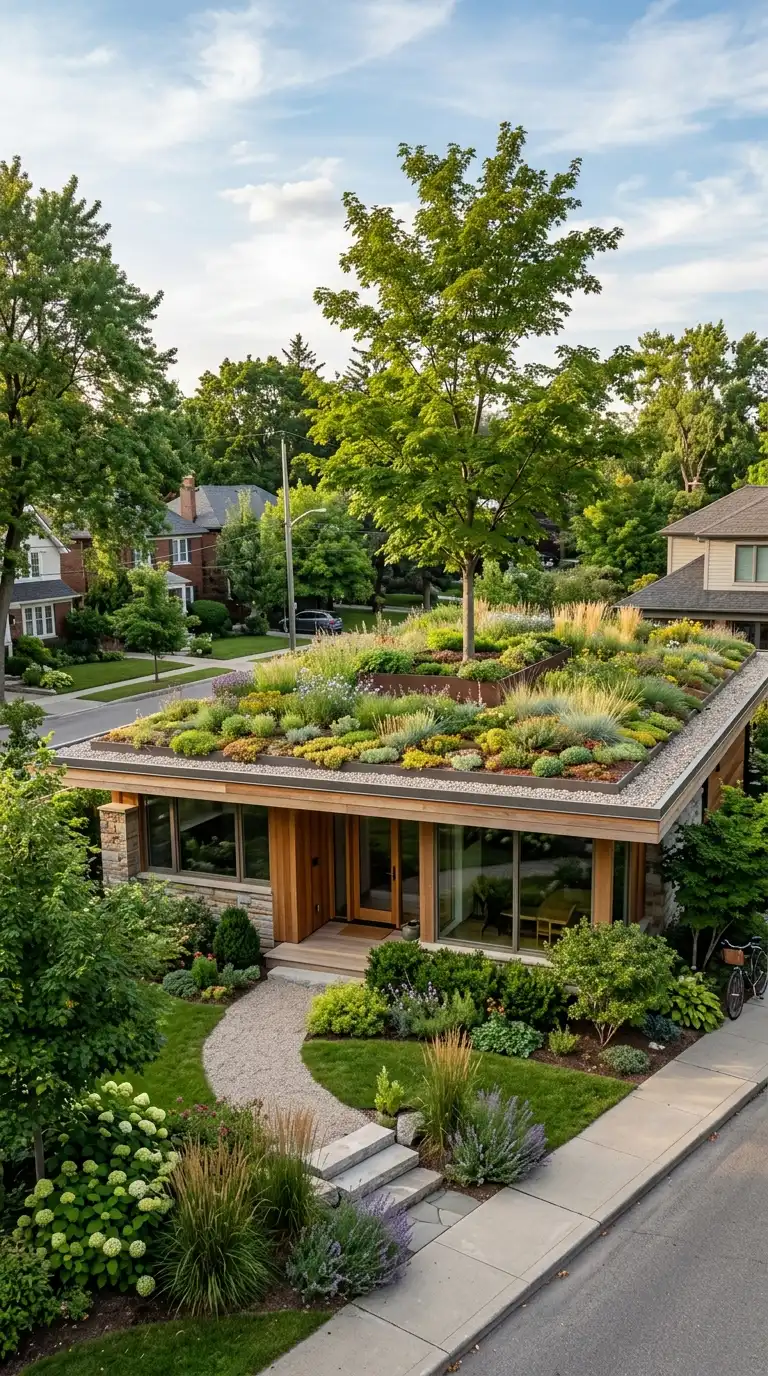
Eco-modern architecture integrates sustainability with modern design. The form is shaped by passive solar principles, natural ventilation, and material efficiency. The building is oriented for sun, shaded in summer, and airtight in winter.
The Bullitt Center in Seattle (2013) is a defining example. The building generates its own energy, collects its own water, and treats its own waste. The aesthetic is modern: simple forms, exposed structure, and honest materials. The emotional effect is responsible, healthy, and optimistic.
Quick Tips
- Orient the building for passive solar gain — long axis east-west.
- Use super-insulation and triple-glazed windows.
- The form should be compact to minimise surface area.
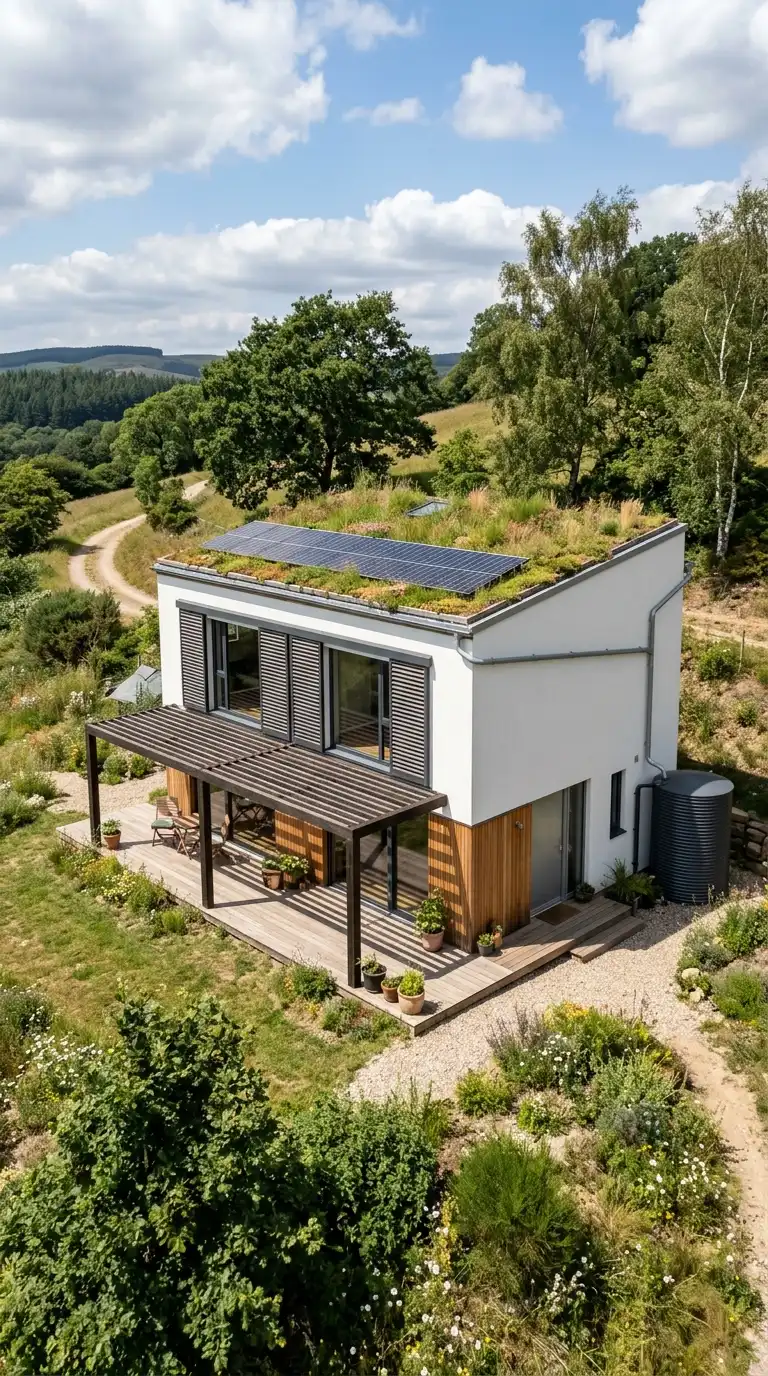
15. The Adaptive Reuse Modern
Adaptive reuse modern transforms existing buildings — warehouses, factories, churches, schools — into contemporary homes or offices. The existing fabric is preserved and celebrated. New insertions are clearly modern, creating a dialogue between old and new.
The Tate Modern in London (2000), converted from a power station by Herzog & de Meuron, is a defining example. The original brick massing and turbine hall are preserved. New insertions — glass, steel, concrete — are unmistakably contemporary. The emotional effect is historic, modern, and layered.
Quick Tips
- Preserve original fabric wherever possible — do not remove it to make the building feel new.
- New insertions should be clearly contemporary, not imitating the old.
- The contrast between old and new is the entire point.
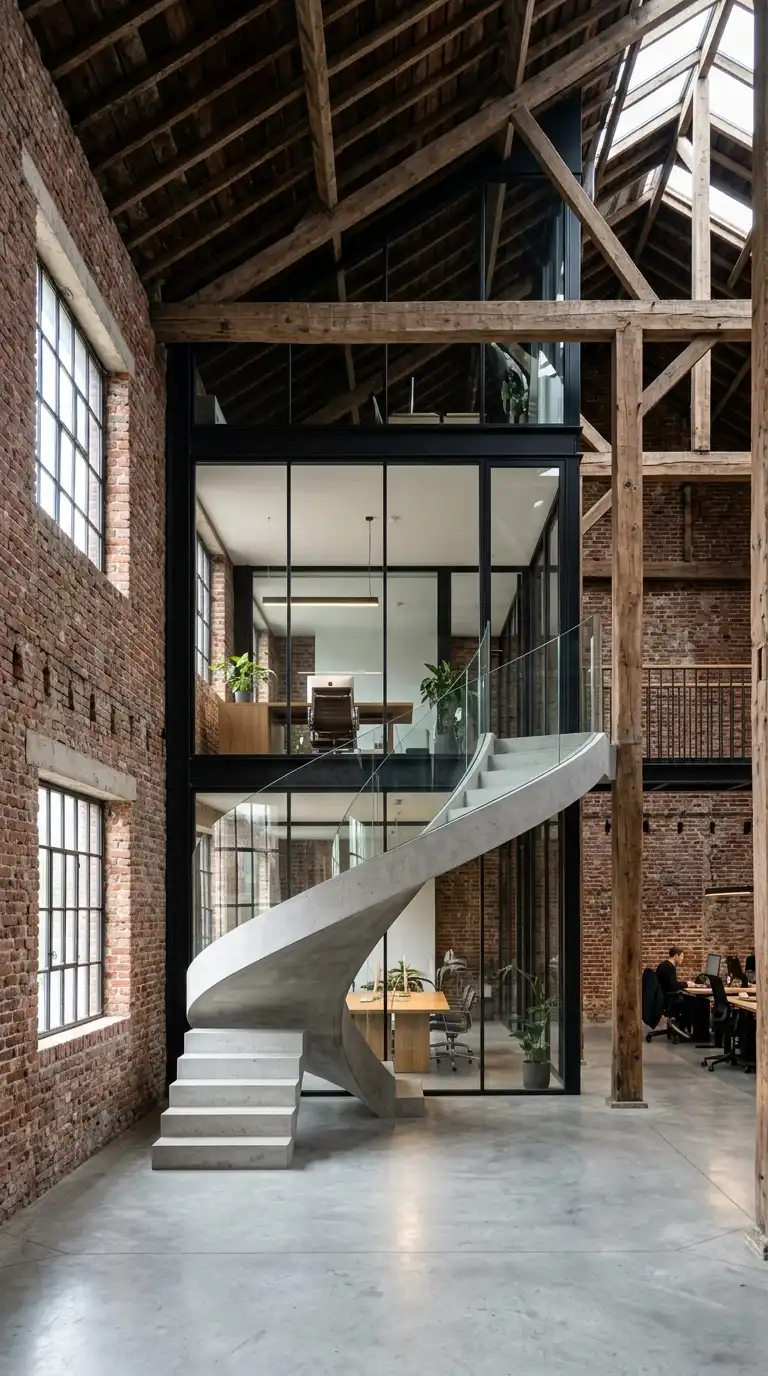
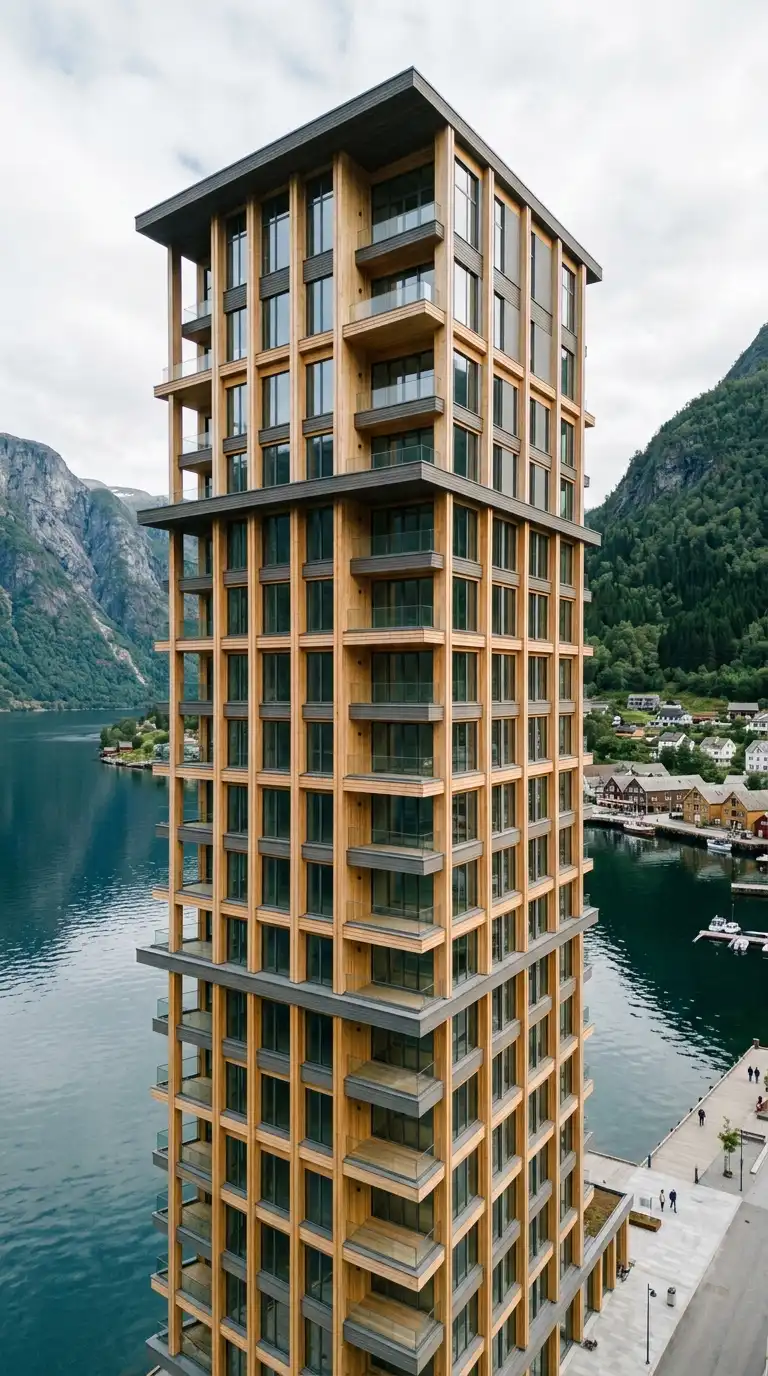
16. The Contemporary Timber Tower
Mass timber — cross-laminated timber (CLT), glue-laminated timber (glulam) — allows architects to build tall structures in wood. The contemporary timber tower is modernism’s latest evolution: sustainable, prefabricated, and warm.
Mjøstårnet in Norway (2019), at 85 metres, is the defining example. The structure is visible: timber columns, beams, and CLT floor slabs. The aesthetic is warm, precise, and natural. The emotional effect is sustainable, innovative, and surprisingly warm for a tall building.
Quick Tips
- Expose the timber structure — do not hide it behind cladding.
- Use prefabrication for precision and speed of construction.
- Protect exposed timber from weather with deep overhangs.
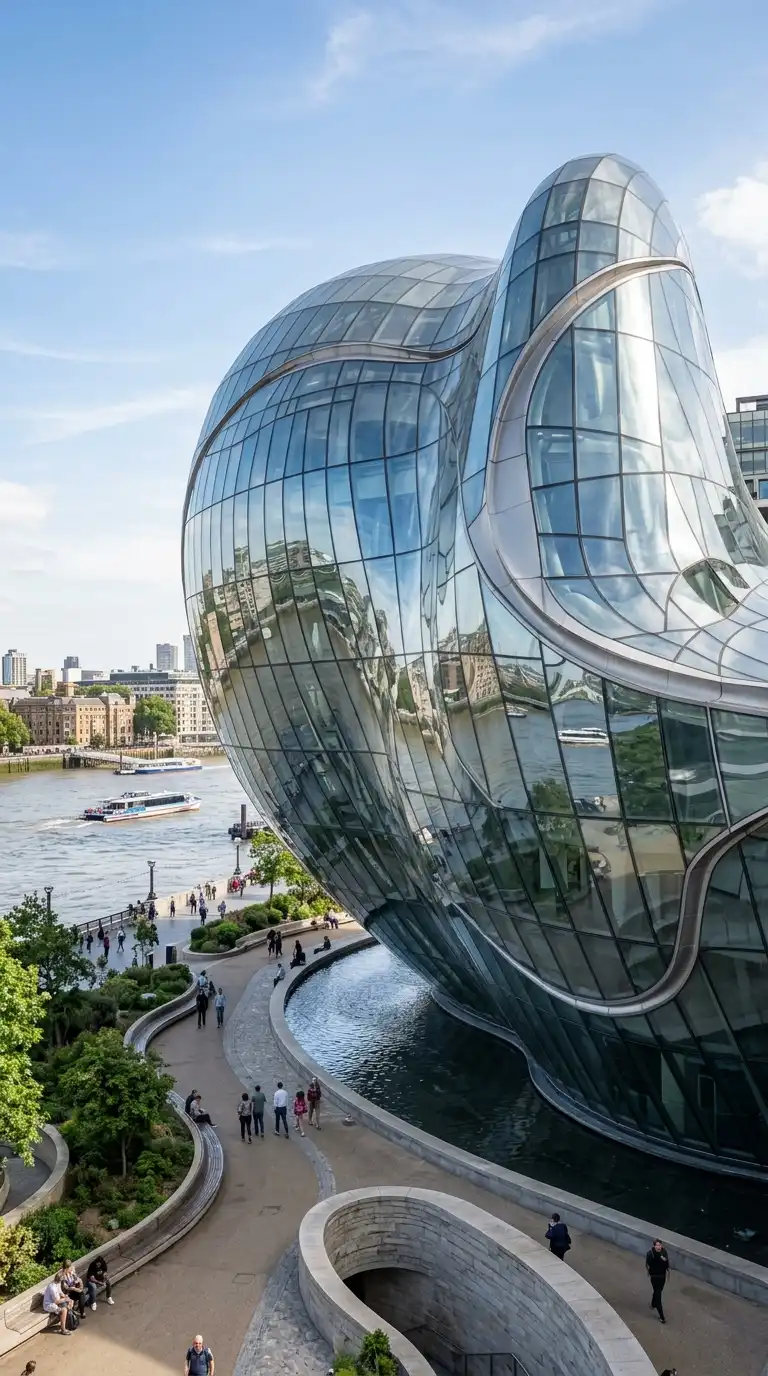
17. The Blob Architecture
Blob architecture (blobitecture) uses soft, curving, amoebic forms made possible by digital design and fabrication. The building has no straight lines, no right angles, and often no clear distinction between wall, roof, and floor.
Future Systems’ London City Hall (2002) is a defining example. The building is a deformed sphere, leaning southward to reduce its solar gain. The form is organic, strange, and unmistakably digital. The emotional effect is futuristic, organic, and slightly alien.
Quick Tips
- The form should be soft and curving, with no straight lines.
- The building should appear to be a single continuous surface.
- Structure and skin should be integrated, not separate.
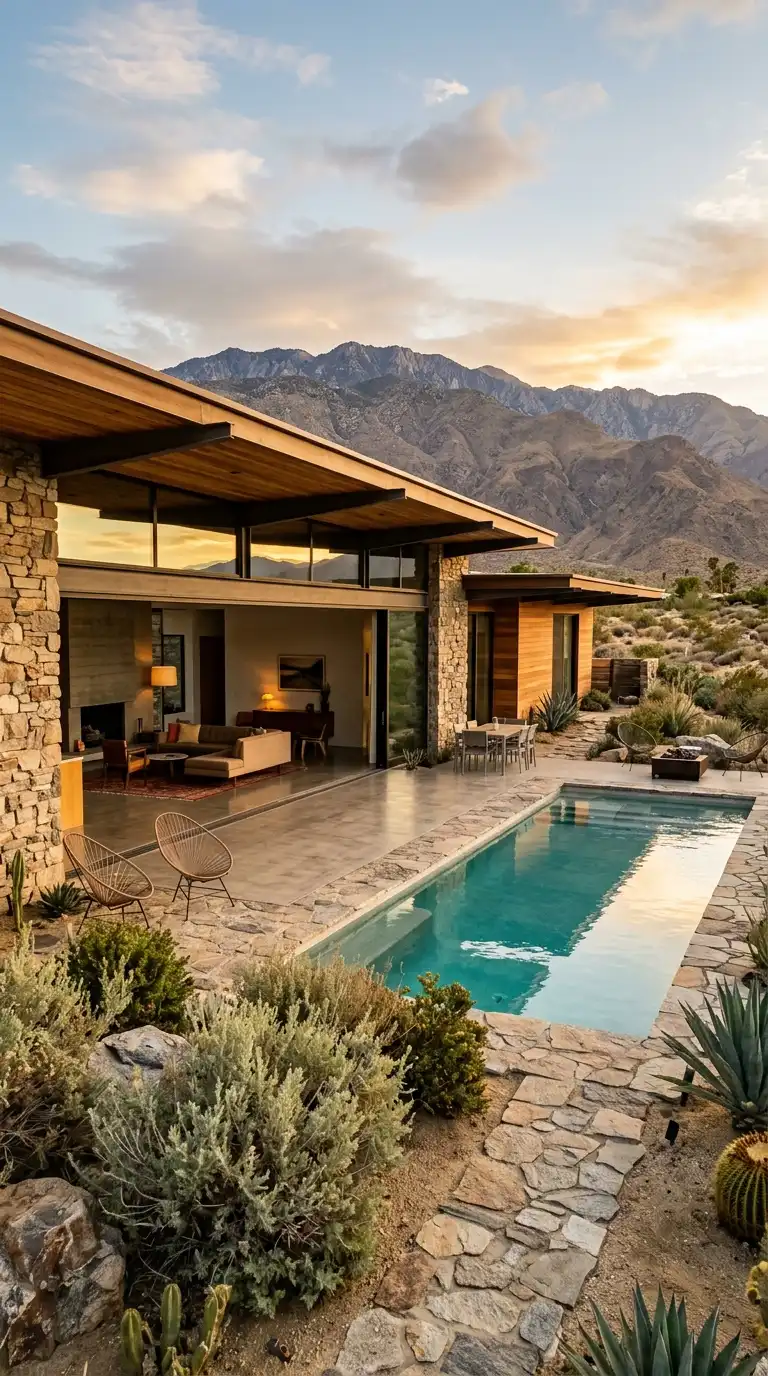
18. The Desert Modernism House
Desert Modernism, developed by architects like Richard Neutra and John Lautner in mid-century California and Arizona, responds to the harsh desert climate. The house has deep overhangs, large glass walls, and natural stone. The plan is open. The pool is integral.
The emotional effect is glamorous, indoor-outdoor, and perfectly adapted to the desert.
Quick Tips
- Use natural stone and wood for warmth against the desert.
- Deep overhangs are essential for shade.
- The pool should be integrated into the living space, not separate.
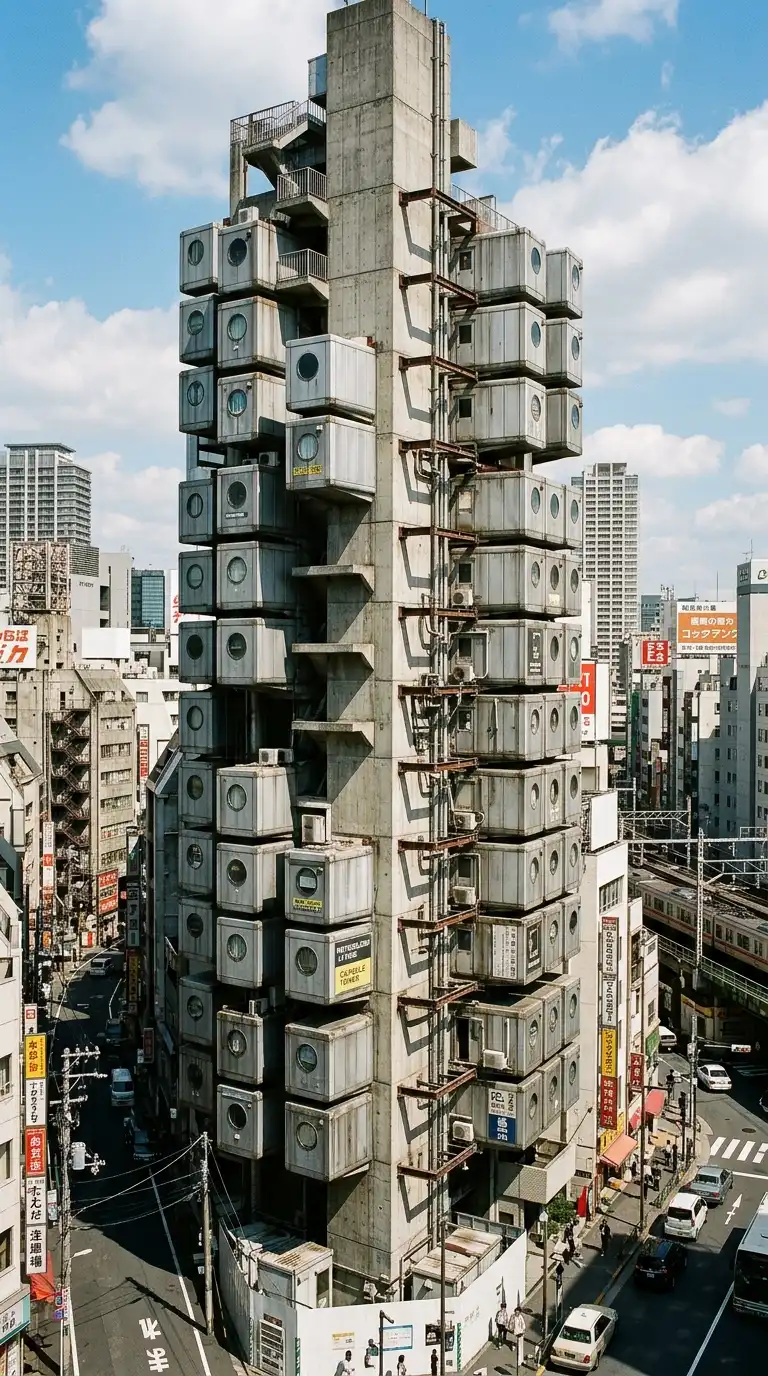
19. The Metabolism Capsule Tower
Metabolism, a Japanese movement of the 1960s, imagined buildings as living organisms that grow and change. The capsule tower has a permanent central core with replaceable capsule units. The capsules are prefabricated and can be swapped out over time.
Kisho Kurokawa’s Nakagin Capsule Tower in Tokyo (1972) is the defining example. The concrete core supports 140 small capsules, each a self-contained living unit. The emotional effect is futuristic, adaptable, and technologically optimistic.
Quick Tips
- The building must have a permanent core and replaceable units.
- Capsules should be prefabricated and standardised.
- The connection between core and capsules should be visible.
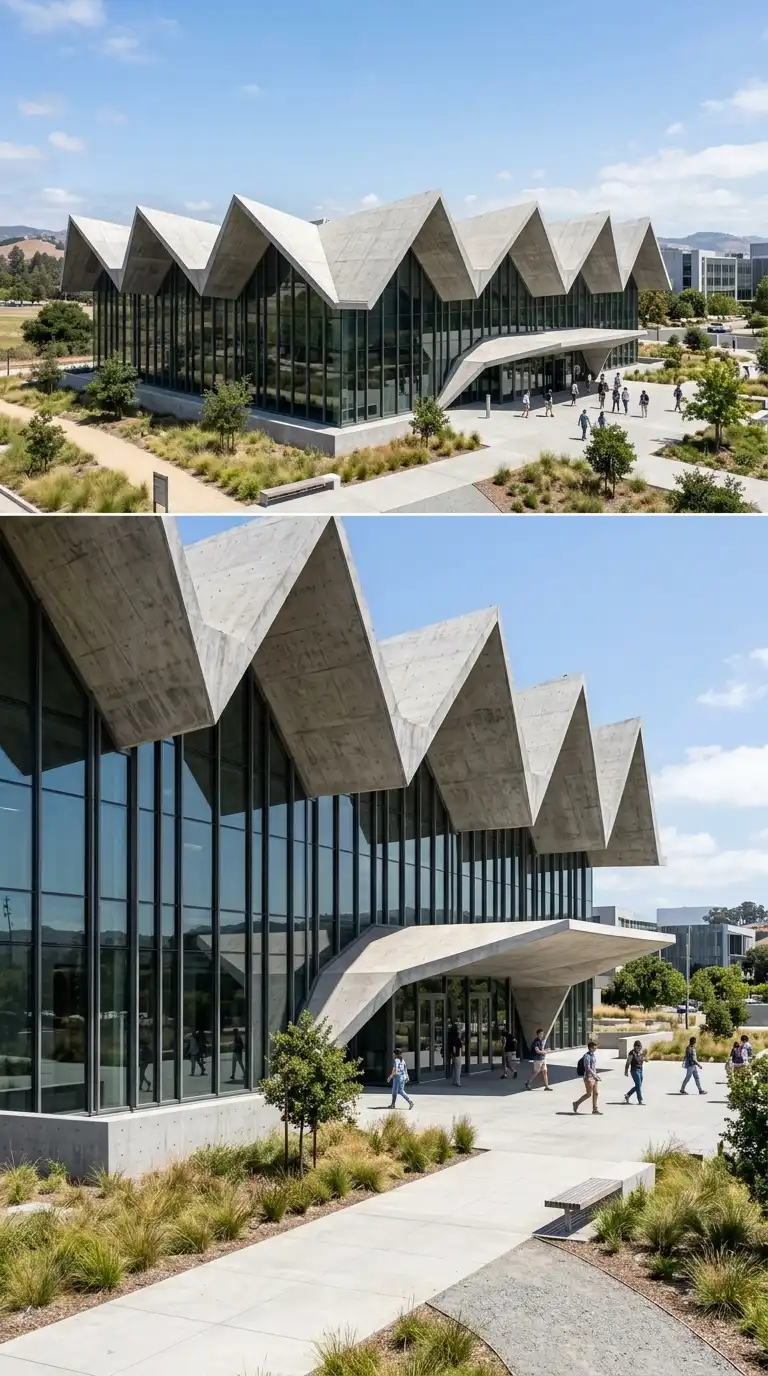
20. The Folded Plate Modern
The folded plate modern uses folded, faceted surfaces as both structure and form. The building is made of flat planes that fold at angles. The result is faceted, angular, and structurally efficient.
The roof is often the primary folded surface, spanning large spaces without internal columns. The emotional effect is faceted, structural, and origami-like.
Quick Tips
- The folded surface should be the primary structural and formal element.
- Facets should be flat planes, not curved.
- The folding pattern should be consistent across the building.
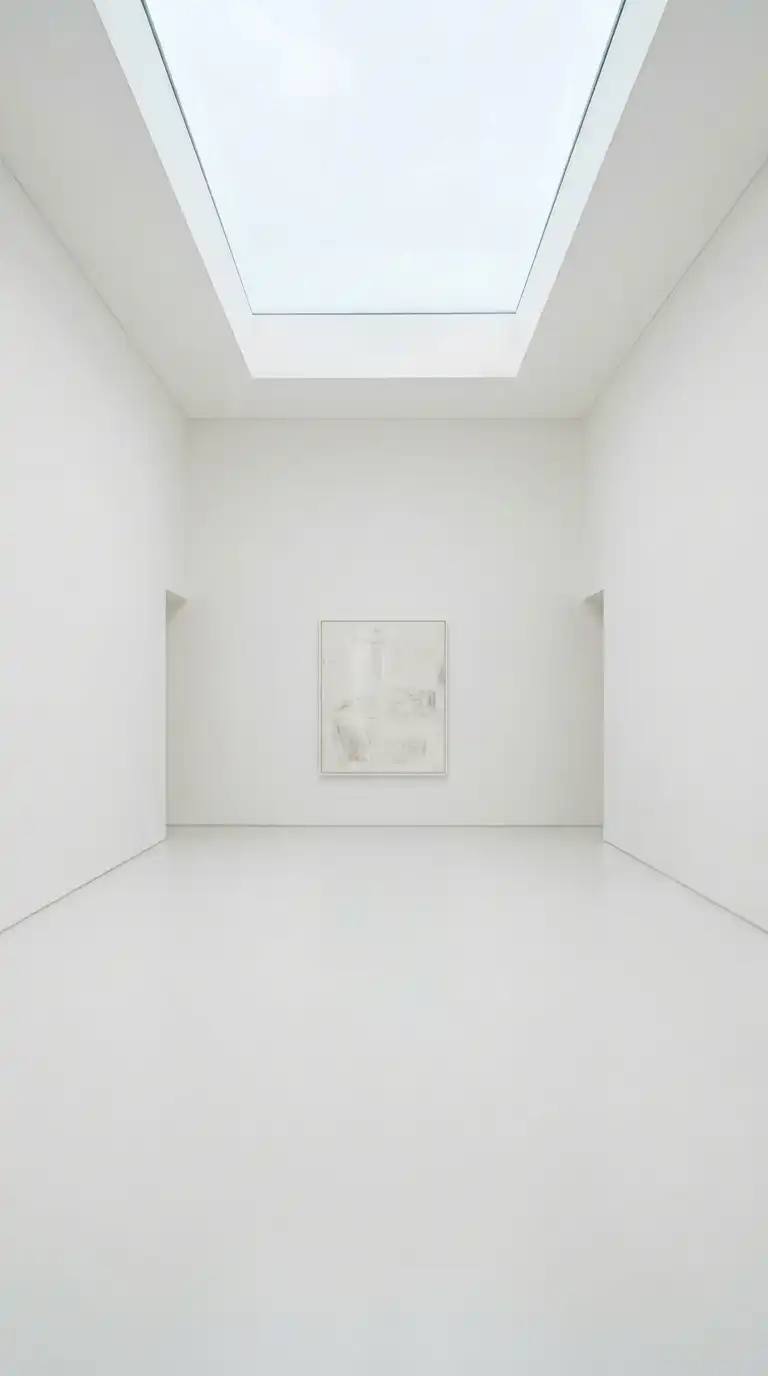
21. The White Box Gallery
The white box gallery is the modern interior for displaying art. The space is a simple white cube or rectangle. The ceiling is high. The light is even and diffuse, often from skylights. There are no distractions — no colour, no ornament, no visible structure.
The white box is not a style — it is a strategy. The art is the subject. The architecture disappears. The emotional effect is neutral, calm, and art-focused.
Quick Tips
- Walls, ceiling, and floor should all be white.
- Light should be even and diffuse — no dramatic shadows.
- The space should be a simple cube or rectangle — no columns, no bays.
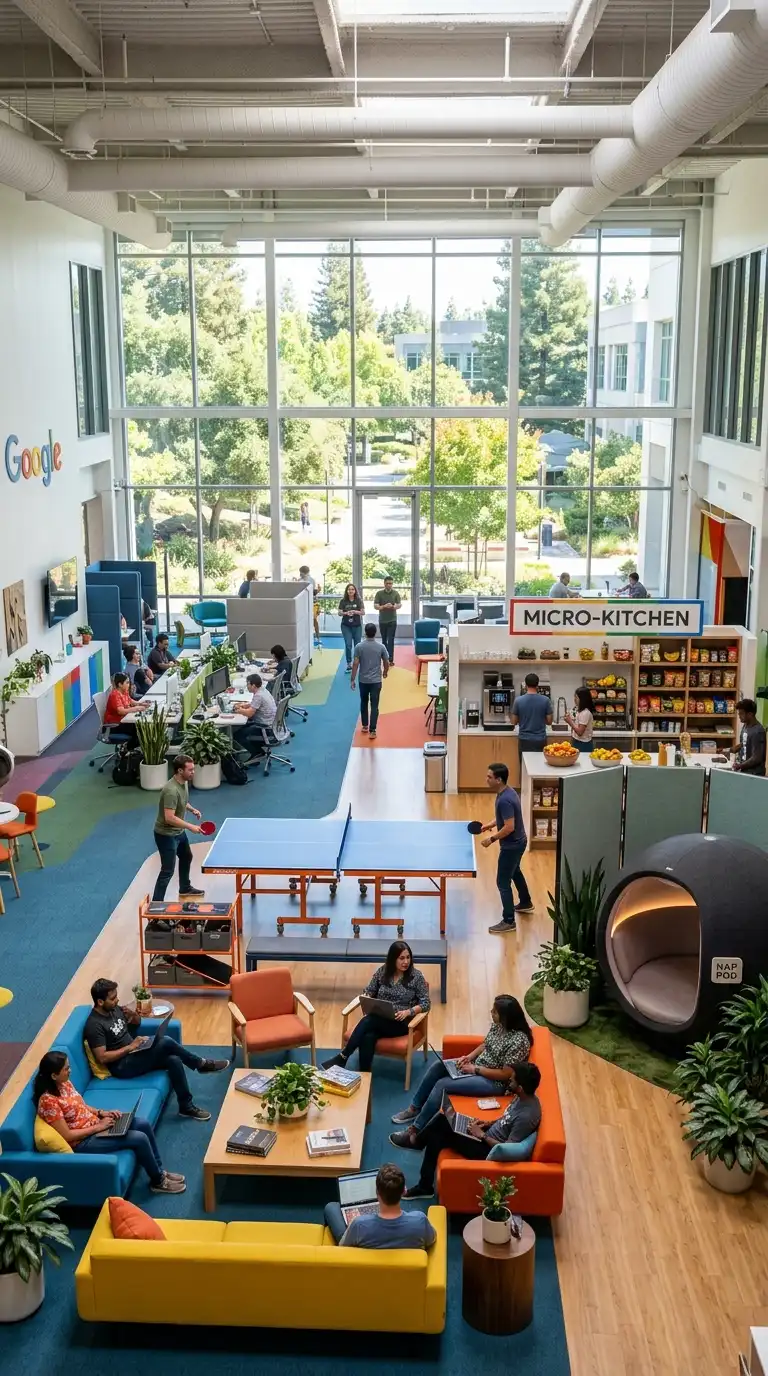
22. The Googleplex Office
The Googleplex office — named after Google’s headquarters — represents the modern tech office aesthetic. The building is open, flexible, and amenity-rich. Workstations are open plan. There are lounges, kitchens, game rooms, and nap pods. The design encourages collaboration and creativity.
The aesthetic is colourful, informal, and branded. The emotional effect is playful, creative, and employee-focused.
Quick Tips
- The plan should be open with few interior walls.
- Amenities should be distributed throughout, not centralised.
- Colour and branding should be integrated into the architecture.
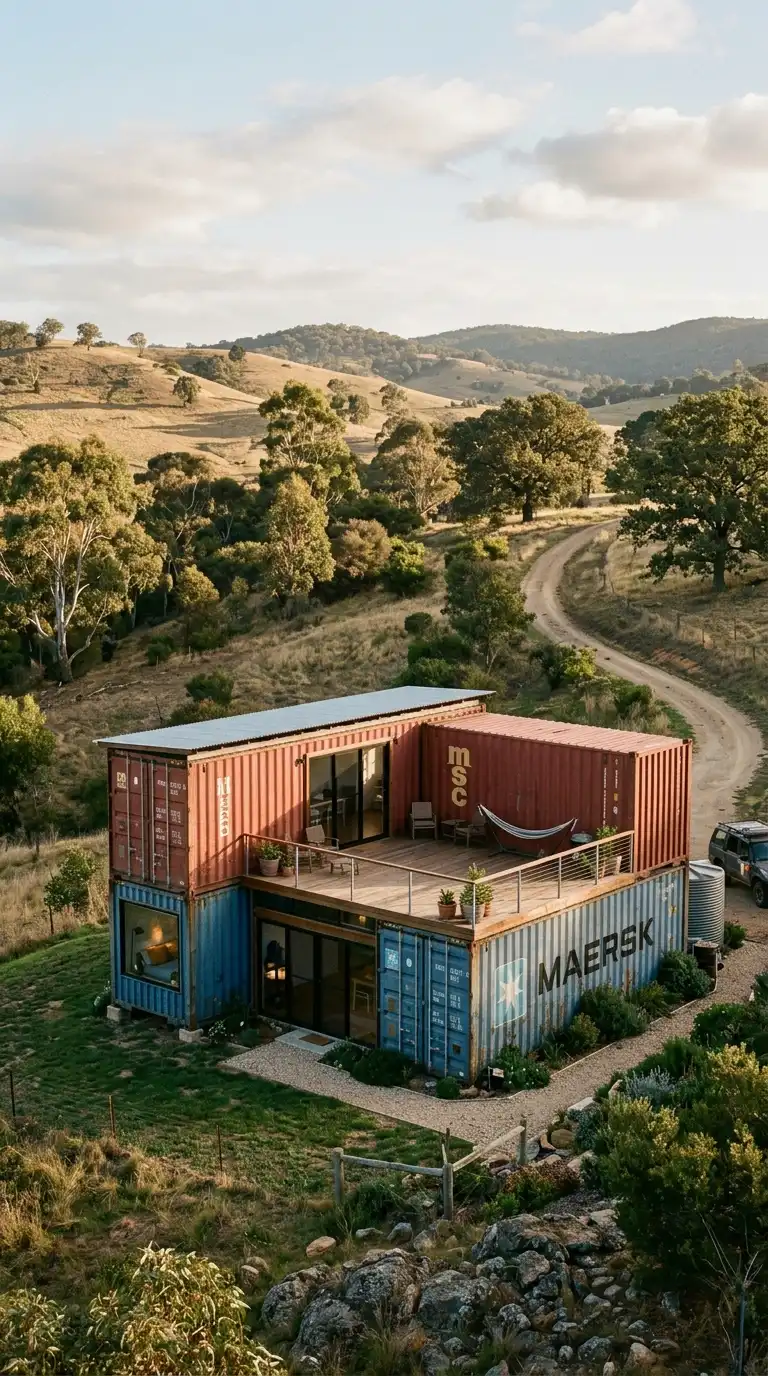
23. The Shipping Container House
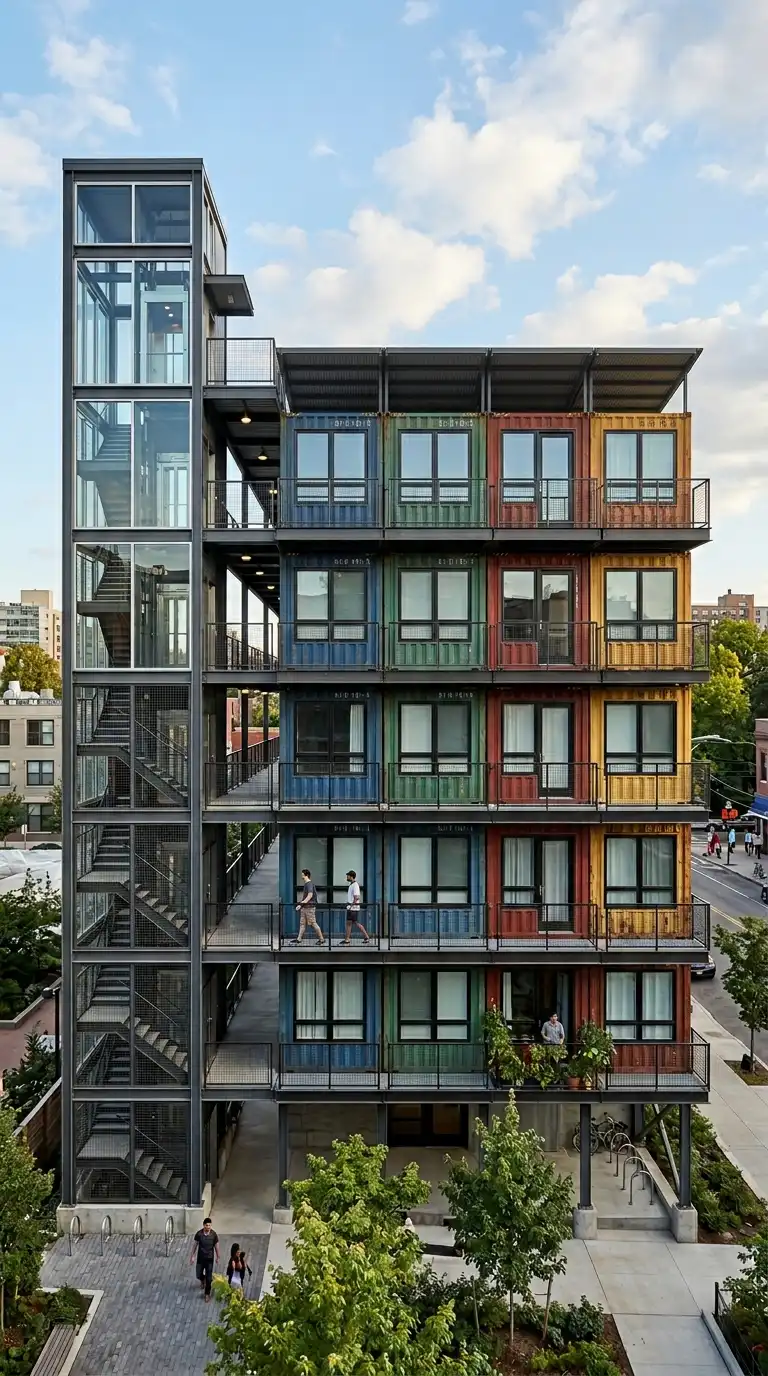
The shipping container house uses repurposed intermodal containers as building modules. Containers are stacked, cut, and connected to create homes. The aesthetic is industrial, raw, and sustainable.
The container’s corrugated metal surface is usually left exposed. Windows and doors are cut into the container walls. Multiple containers can be combined to create larger spaces. The emotional effect is industrial, sustainable, and modular.
Quick Tips
- Leave the container’s corrugated metal surface exposed.
- Cut openings carefully — containers lose structural strength.
- Insulate heavily — metal conducts heat and cold.
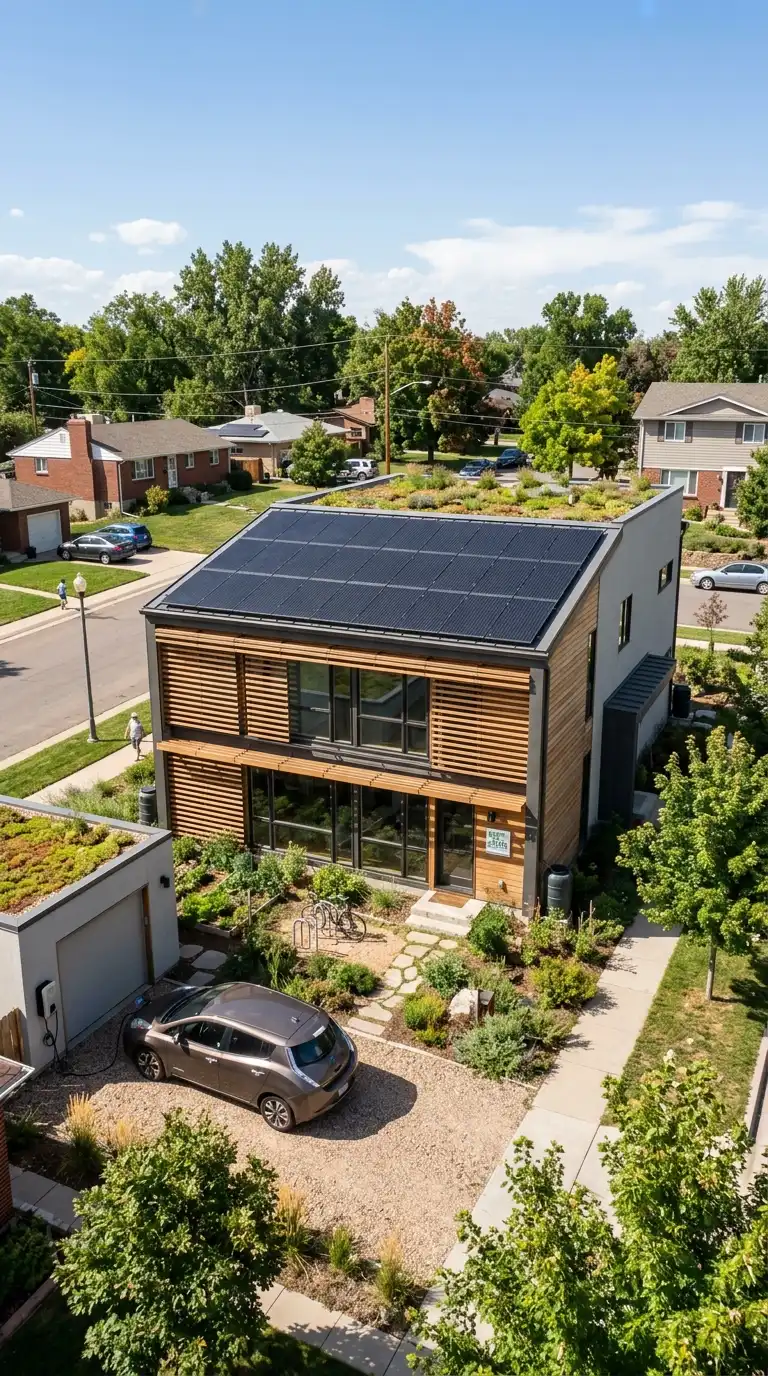
24. The Zero Net Energy House
The zero net energy house produces as much energy as it consumes over a year. The design integrates solar panels, high-performance insulation, triple-glazed windows, and energy-efficient systems. The form is compact and oriented for passive solar gain.
The aesthetic follows from the performance: simple forms, south-facing glass, external shading, and visible solar panels. The emotional effect is responsible, efficient, and future-proof.
Quick Tips
- The form must be compact to minimise energy loss.
- South-facing windows should be large, north-facing windows small.
- Solar panels should be integrated into the roof design.
Final Thoughts
Modern architecture is not a single style but an evolving conversation. From the white cubes of the International Style to the parametric curves of the 21st century, each generation has reinterpreted modernism’s core principles: honesty, simplicity, and the belief that architecture can make life better.
These 24 designs represent high points in that conversation. They are not templates to copy but provocations to learn from. The best modern architecture respects its predecessors while finding its own voice — responding to its site, its climate, its culture, and its time.