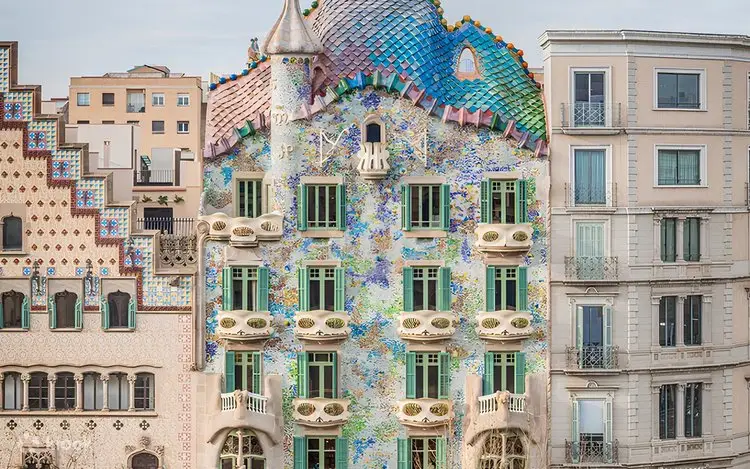
Residential architecture spans everything from a tiny studio apartment to a multi-generational compound. Unlike commercial or institutional work, residential design is deeply personal. The architect is designing not just a building but a backdrop for the rhythms of daily life: morning light in the kitchen, afternoon shade on the patio, quiet bedrooms at night, spaces for gathering and spaces for solitude.
These 15 residential architecture designs cover a range of scales, densities, and lifestyles. Each design includes defining characteristics, practical considerations, and design principles.
1. The Single-Storey Pavilion
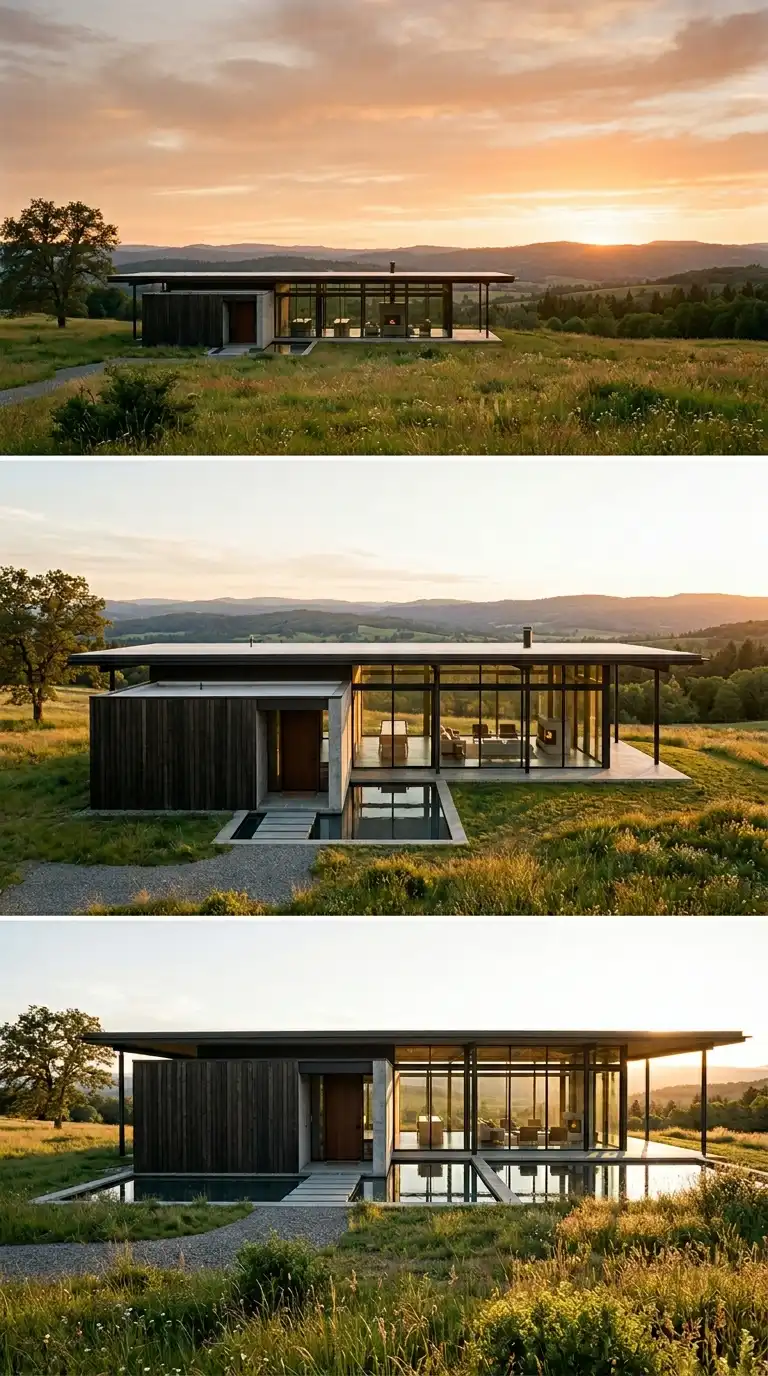
The single-storey pavilion is the simplest residential form: one volume, one floor, one roof. The plan is open, with few interior walls. Rooms are defined by furniture, changes in ceiling height, or shifts in floor material rather than by partitions.
This typology works best on flat, private sites where the view is worth seeing in all directions. The roof overhangs deeply, shading walls and creating covered outdoor space. The emotional effect is calm, spacious, and connected to the landscape.
Quick Tips
- The roof should overhang at least 1 metre on all sides for shade and rain protection.
- Use a single flooring material throughout to reinforce the open plan.
- Place private functions (bedrooms, bathrooms) in a separate wing or behind a core.
2. The Stacked Volume House
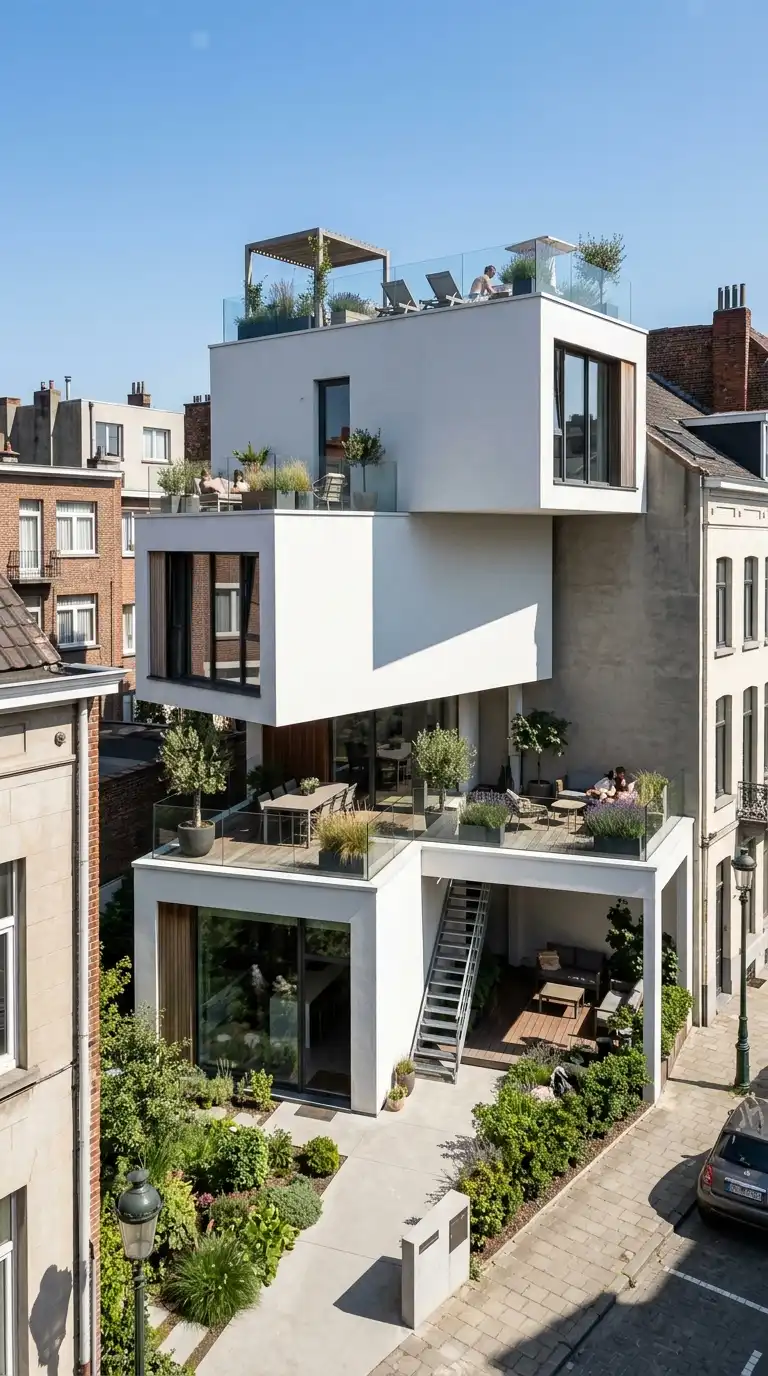
The stacked volume house takes simple boxes and stacks them like children’s blocks. Each box is a distinct room or function. Boxes can cantilever, rotate, or shift to create outdoor terraces on the roof of the box below.
This typology works on small urban sites where the only direction is up. The stacking creates outdoor space — roof terraces, balconies, covered patios — that the site otherwise lacks. The emotional effect is sculptural, playful, and efficient.
Quick Tips
- Each stacked volume should be clearly legible as a distinct box.
- Cantilevers should not exceed 2 metres without structural engineering review.
- Use the roof of each lower box as a terrace for the box above.
3. The Clustered Multi-Generational Compound
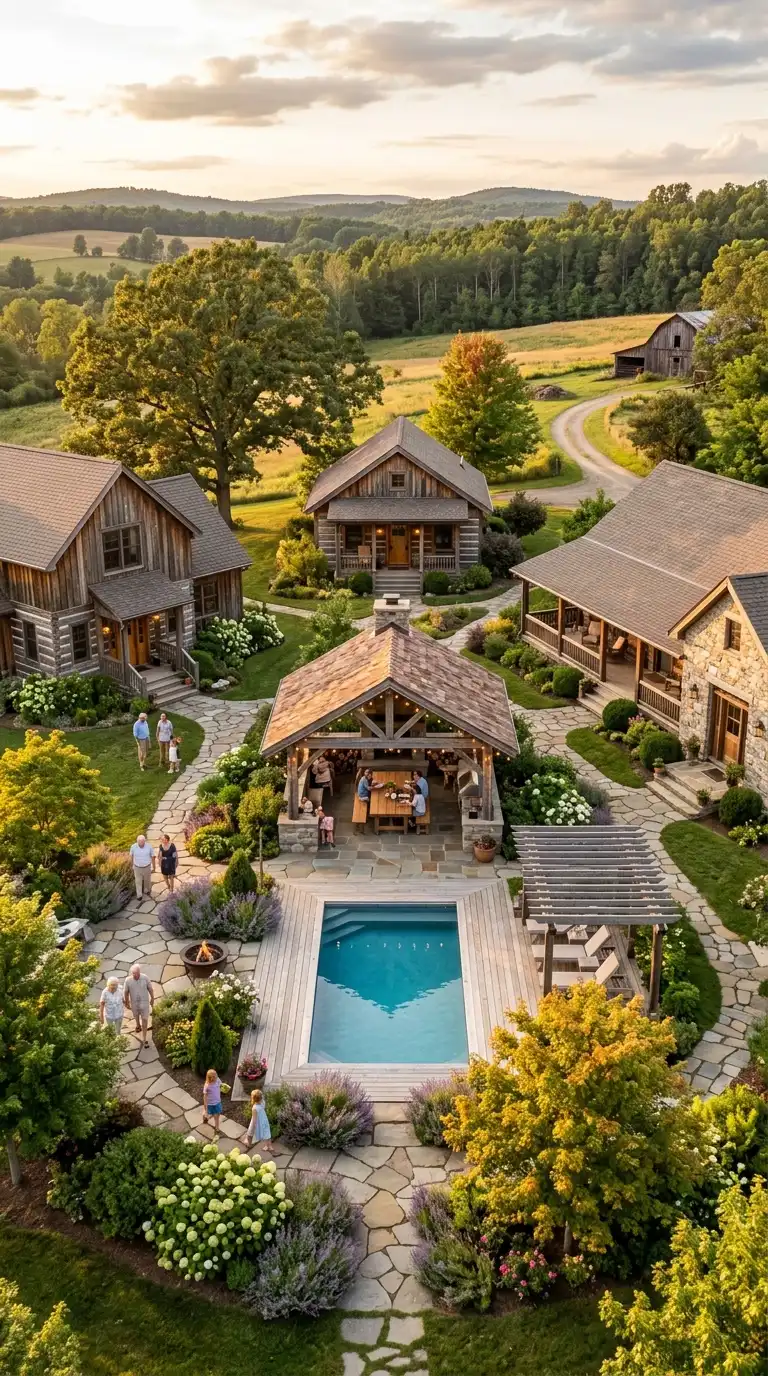
The multi-generational compound places multiple residential units on a single site. Parents in one house, adult children in another, grandparents in a third. Shared spaces — a common kitchen, a workshop, a pool, gardens — sit between the units.
This typology works on large rural or suburban sites. The units can be identical or varied. The arrangement can be clustered around a courtyard, scattered through a landscape, or lined along a ridge. The emotional effect is communal, supportive, and respectful of privacy.
Quick Tips
- Each unit should have its own entrance, kitchen, and bathroom for independence.
- Shared spaces should be centrally located for equal access from all units.
- The site should have space for parking for all units — at least two cars per unit.
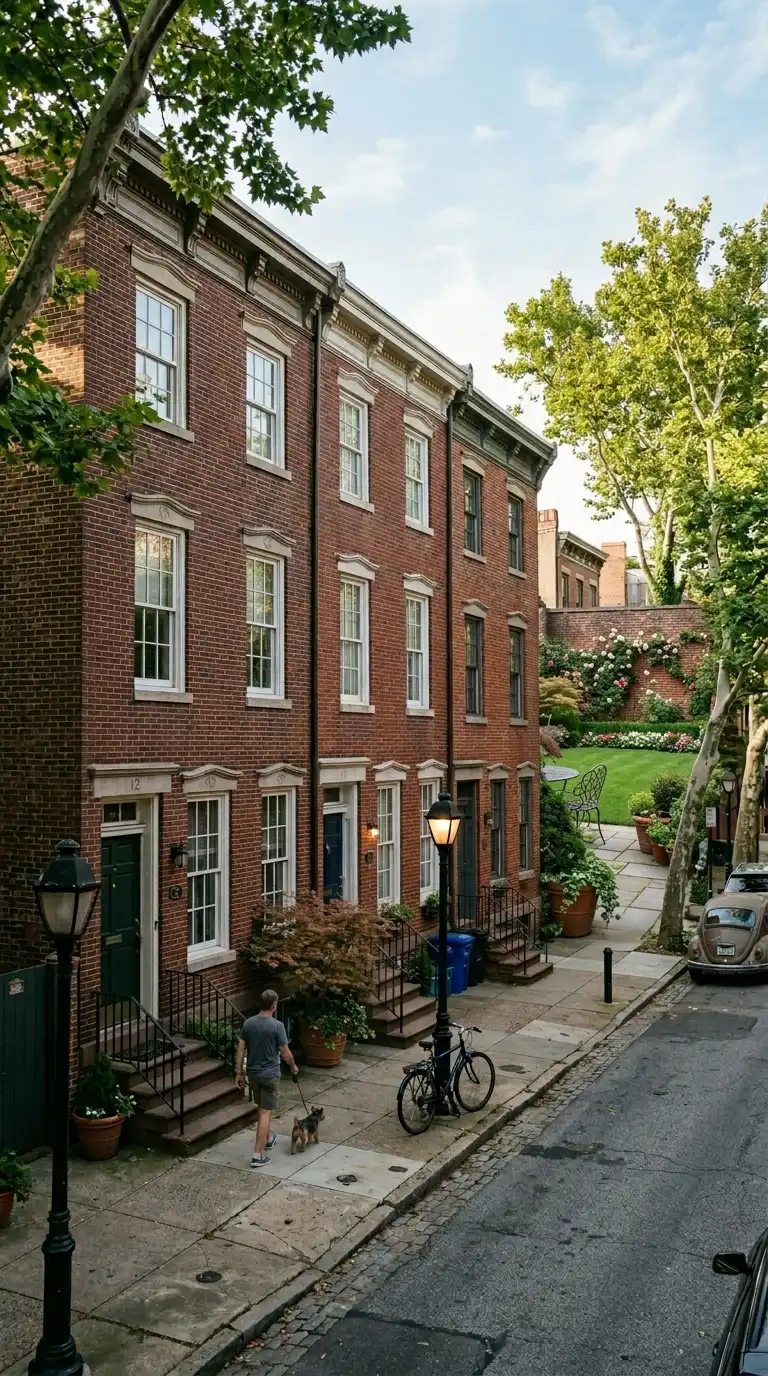
4. The Rowhouse
The rowhouse is urban residential architecture at its most efficient. Units share party walls, sharing the cost of land and exterior walls. Each unit is narrow — typically 4.5 to 6 metres wide — but deep, with a garden at the rear.
The typology works in dense cities. The street facade is formal and urban. The rear is private and open. Light enters from the front, the rear, and often through a small courtyard or light well in the middle. The emotional effect is urban, efficient, and surprisingly spacious.
Quick Tips
- The unit width should be 4.5-6 metres for efficient planning.
- Place a courtyard or light well at the centre of deep plans to bring light to middle rooms.
- The front facade should address the street with doors and windows at ground level.
5. The Loft Apartment
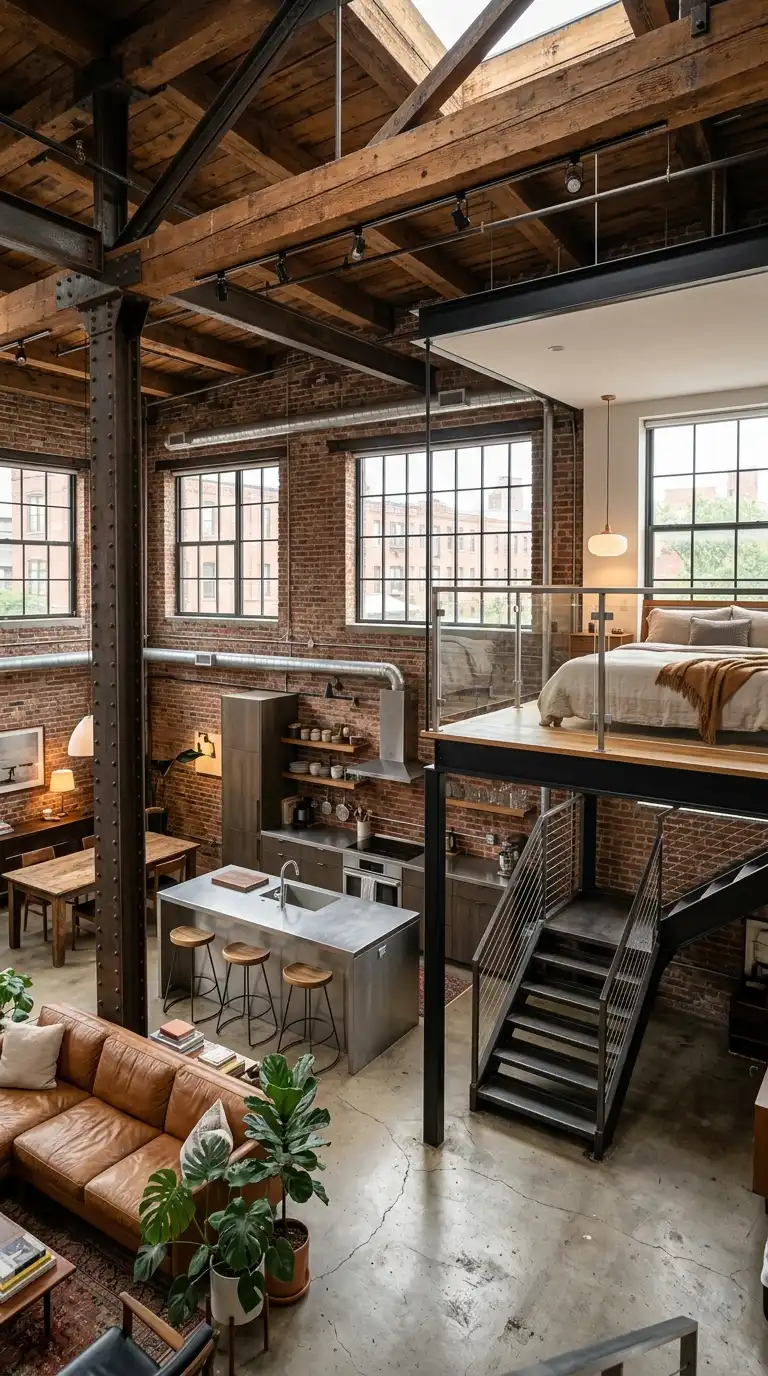
The loft apartment adapts a former industrial or commercial building for residential use. The key features are generous ceiling heights (3.5 metres or more), large windows, exposed structure, and an open plan.
The typology works in converted warehouses, factories, and office buildings. New insertions — a mezzanine, a kitchen, bathrooms — are clearly contemporary, contrasting with the historic fabric. The emotional effect is urban, industrial, and loftily spacious.
Quick Tips
- Keep original windows, columns, beams, and brick walls wherever possible.
- Insert new elements as clearly new — do not fake old materials.
- Use a mezzanine for bedrooms to preserve the double-height living space.
6. The Courtyard Apartment Building
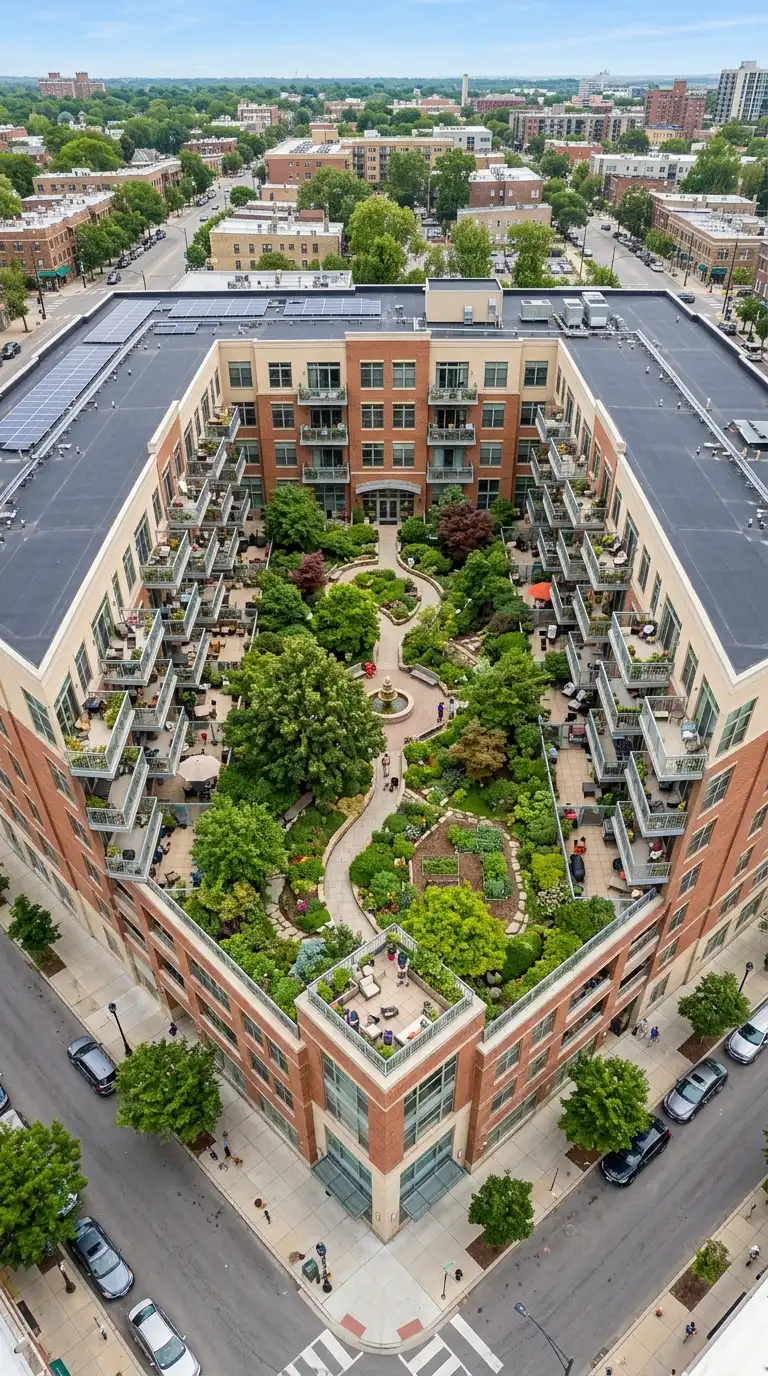
The courtyard apartment building wraps residential units around a central shared courtyard. The courtyard provides light, air, outdoor space, and a sense of community. The building presents a solid face to the street, with the courtyard hidden inside.
This typology works in dense urban sites where individual gardens are impossible. Units can be studios, one-bedrooms, or family-sized. The emotional effect is communal, private, and surprisingly green.
Quick Tips
- The courtyard should be at least 10×10 metres to feel generous.
- Each unit should have a window or balcony facing the courtyard.
- The ground floor should have shared amenities: laundry, bike storage, gardens.
7. The Live-Work Unit
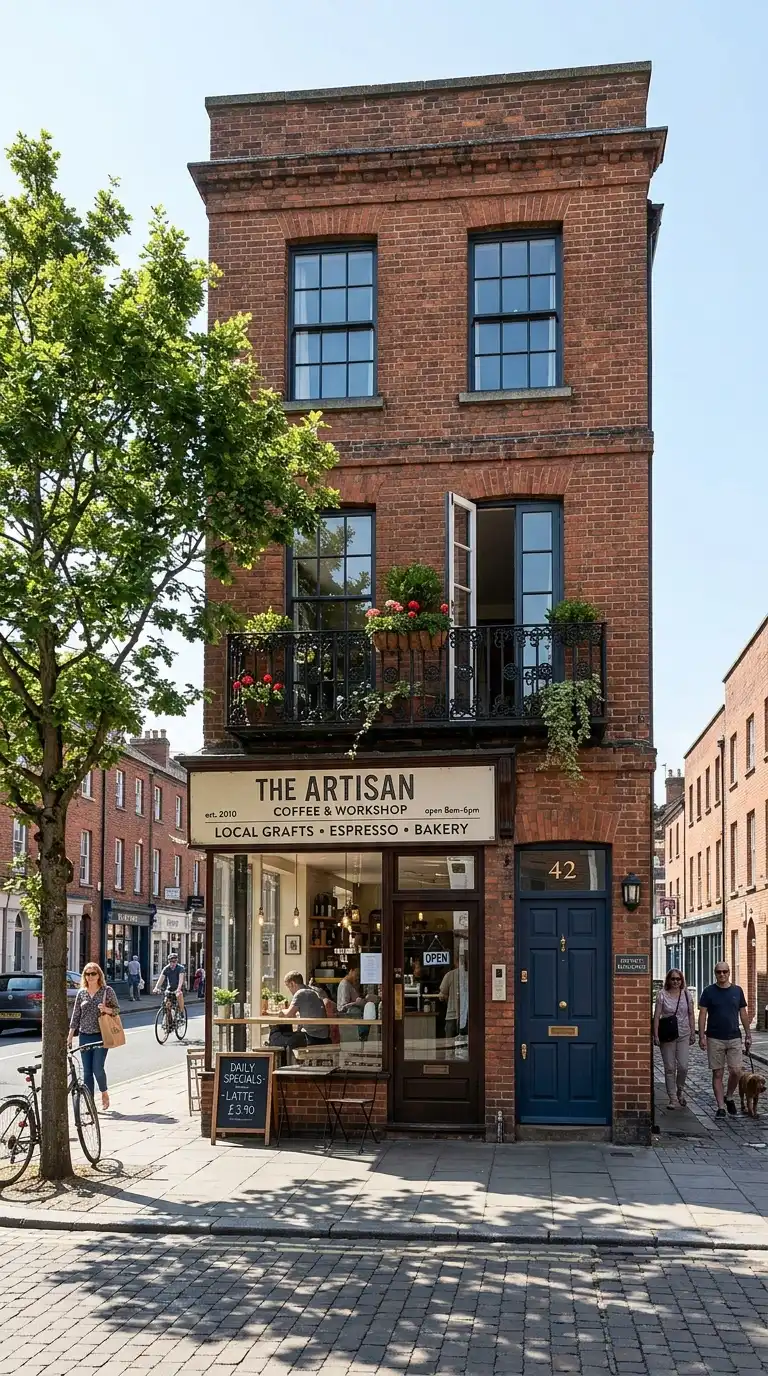
The live-work unit combines a home and a workplace in a single building. The ground floor is commercial: a shop, studio, office, or workshop. The upper floors are residential. Separate entrances keep customers and family separate.
This typology works in mixed-use zones, main streets, and urban villages. The ground floor is public and active. The upper floors are private and quiet. The emotional effect is urban, entrepreneurial, and efficient.
Quick Tips
- Provide separate entrances for work and home.
- The work space should have its own bathroom and storage.
- Sound insulation between work and living spaces is essential.
8. The Tiny House
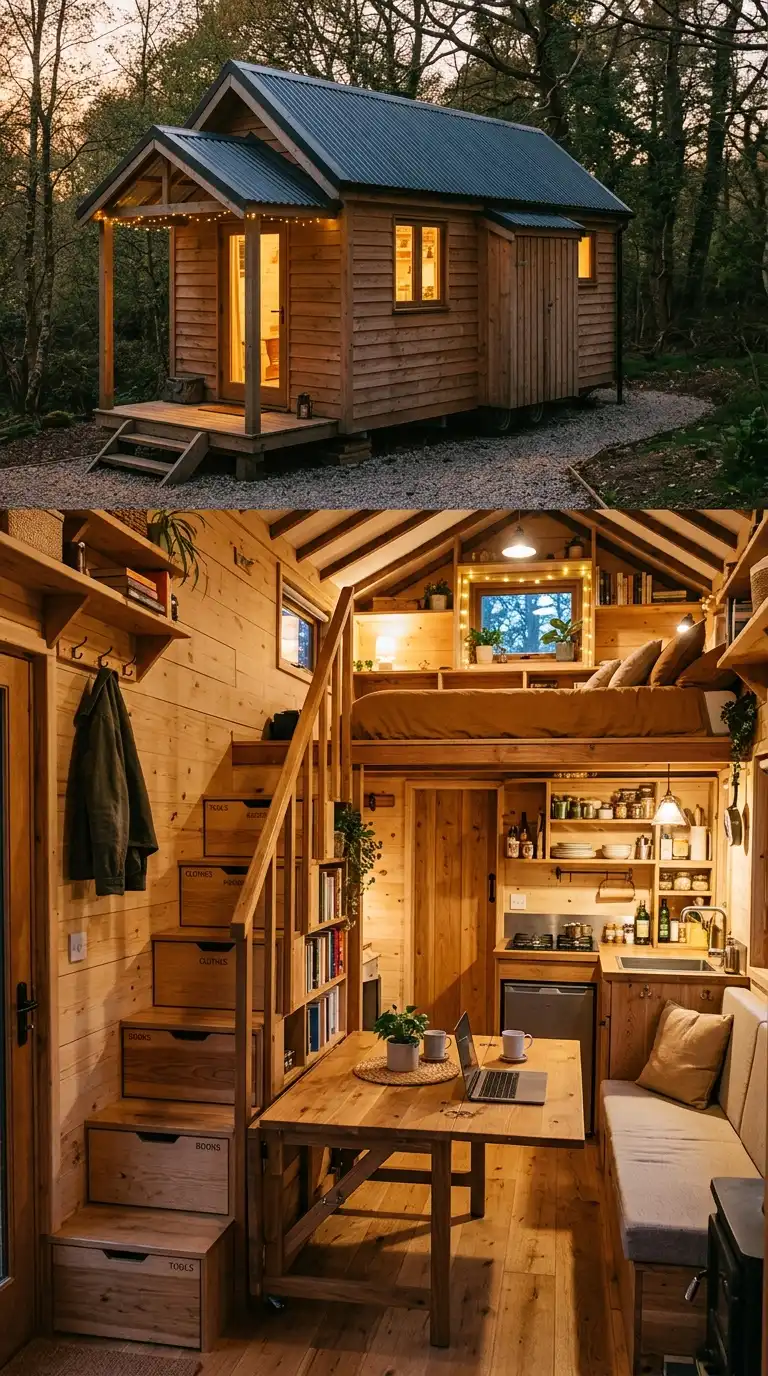
The tiny house is residential architecture reduced to its essentials. The footprint is typically 15-30 square metres. Every element serves multiple functions: a bed folds into a wall, a table drops from the ceiling, stairs are also drawers.
This typology works as a primary home for minimalists, a guest house, a rental unit, or a backyard office. The design must be hyper-efficient. The emotional effect is simple, freeing, and deliberately small.
Quick Tips
- Every element must have at least two functions.
- Use vertical space: lofts, high shelves, and tall cabinets.
- Built-in furniture is essential — freestanding furniture wastes space.
9. The Hillside Terrace House
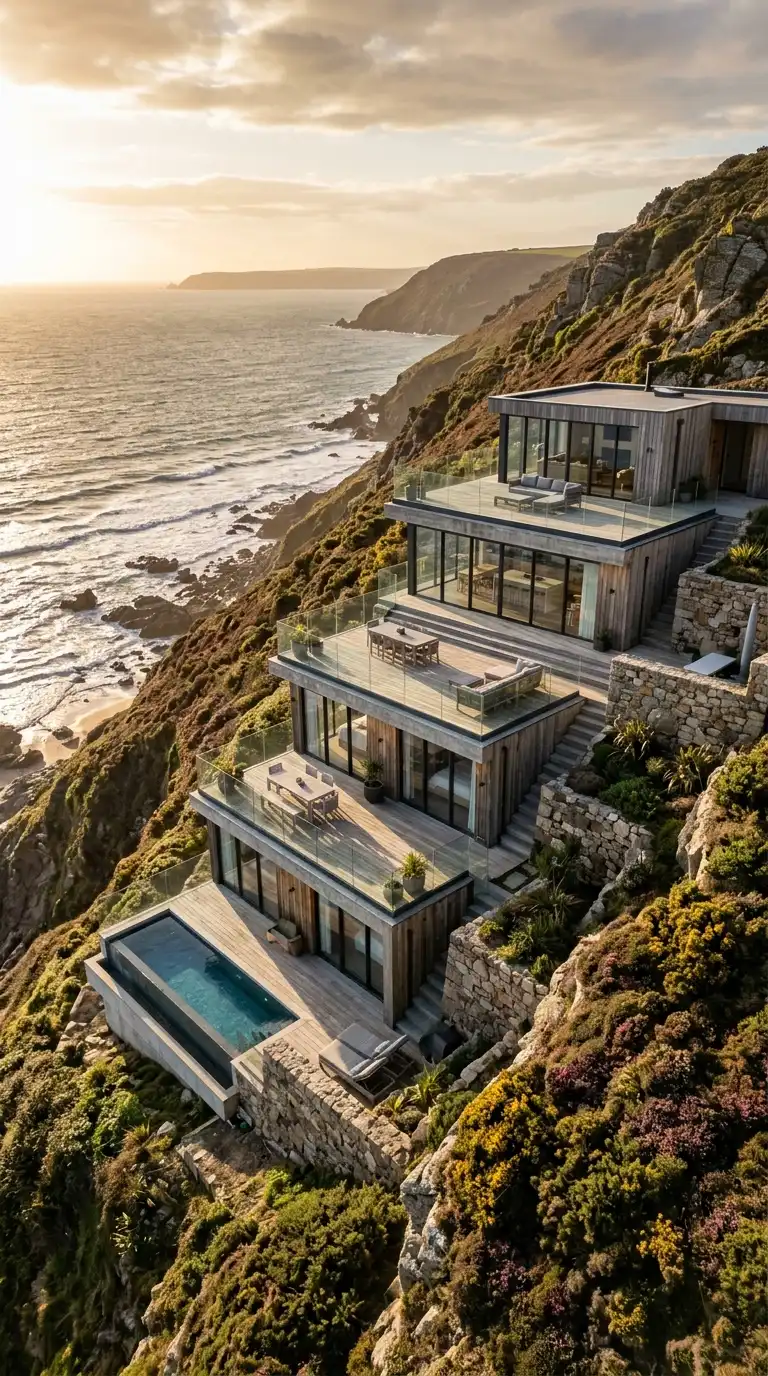
On a steep slope, the hillside terrace house steps down the hill in a series of terraces. Each terrace is a room or outdoor space. The roof of the lower terrace is the terrace of the room above.
This typology works on slopes too steep for conventional foundations. The house follows the topography rather than fighting it. The emotional effect is dramatic, site-responsive, and terraced.
Quick Tips
- Each terrace should step down 1.5 to 2 metres — one half-storey.
- Use retaining walls as room walls to save excavation.
- Orient the terraces toward the view.
10. The Passive House Townhouse
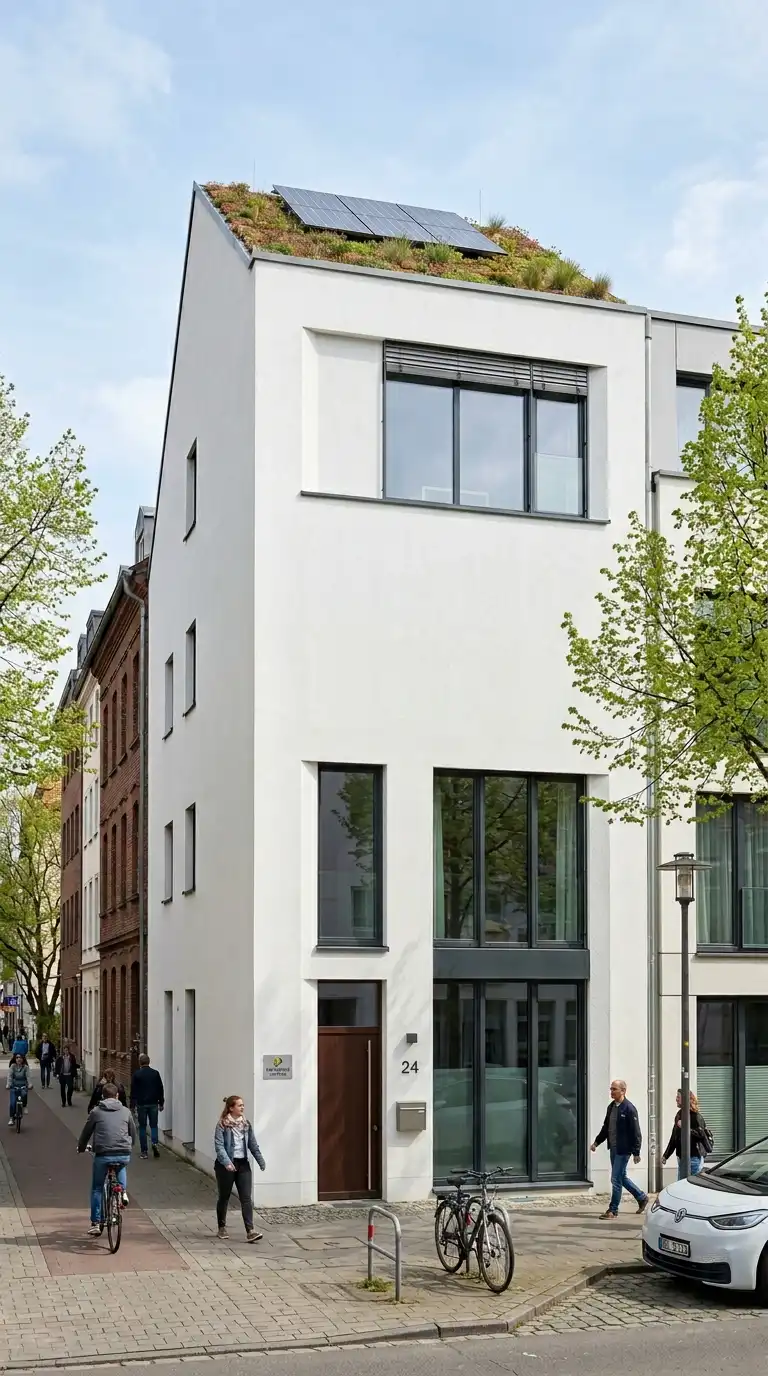
The Passive House townhouse applies the rigorous energy standard to the rowhouse typology. Super-insulation, airtight construction, triple-glazed windows, and mechanical ventilation with heat recovery achieve exceptional energy efficiency.
The form is compact to minimise surface area. South-facing windows are large for solar gain. North-facing windows are small. The emotional effect is comfortable, healthy, and responsible.
Quick Tips
- The form must be compact — avoid bays, bump-outs, and complex roofs.
- South-facing windows should be large, north-facing windows small.
- Airtightness must be tested — target 0.6 air changes per hour at 50 Pascals.
11. The Converted Barn
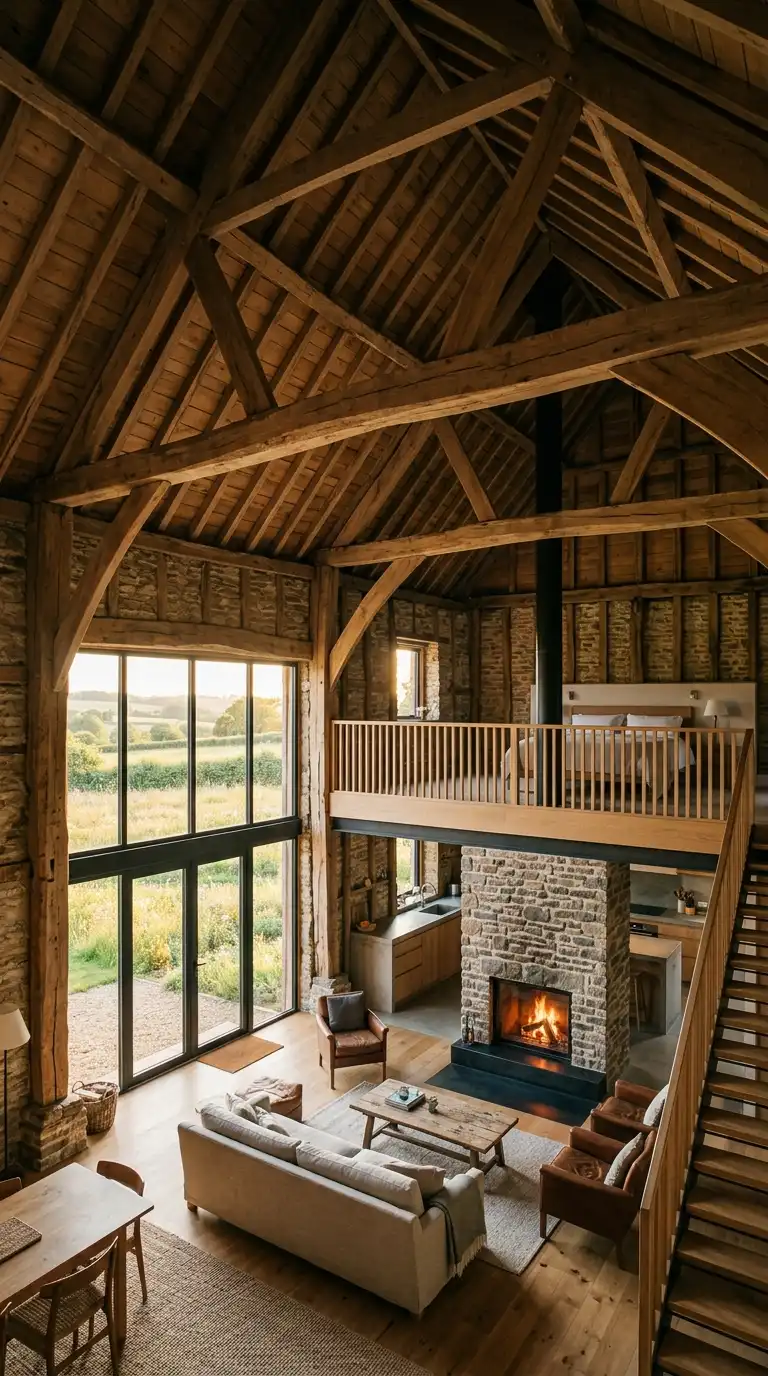
The converted barn transforms an agricultural building into a home. The existing structure provides volume, character, and history. The new insertions provide modern systems and comfort. The key is respect for the existing fabric.
The barn’s original volume is the asset: high ceilings, exposed timber framing, large openings for hay and animals. Bedrooms are often placed in lofts or in new wings. The emotional effect is rustic, historic, and deeply characterful.
Quick Tips
- Preserve original timber framing, roof structure, and exterior cladding.
- Insert bedrooms in lofts to preserve the double-height living space.
- Use large glass doors in former hay doors to connect interior to landscape.
12. The Accessory Dwelling Unit
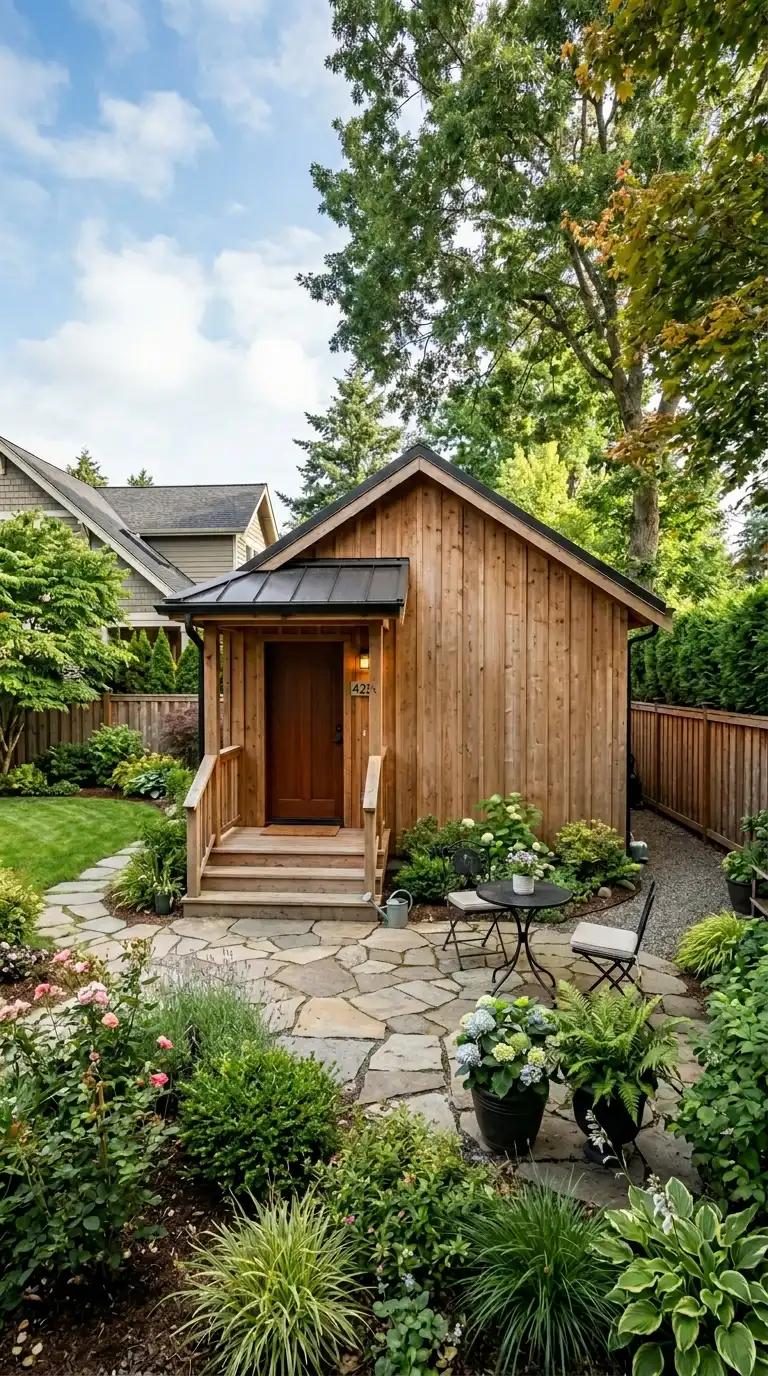
The accessory dwelling unit (ADU) is a small, self-contained residential unit on the same site as a single-family house. It can be attached to the main house, converted from a garage, or built new in the backyard.
This typology provides housing for aging parents, adult children, renters, or guests. The unit must have its own entrance, kitchen, bathroom, and sleeping space. The emotional effect is flexible, supportive, and efficient.
Quick Tips
- The unit should be 30-70 square metres.
- Provide a separate entrance and a small private outdoor space.
- Orient windows and outdoor space away from the main house for privacy.
13. The Clerestory House
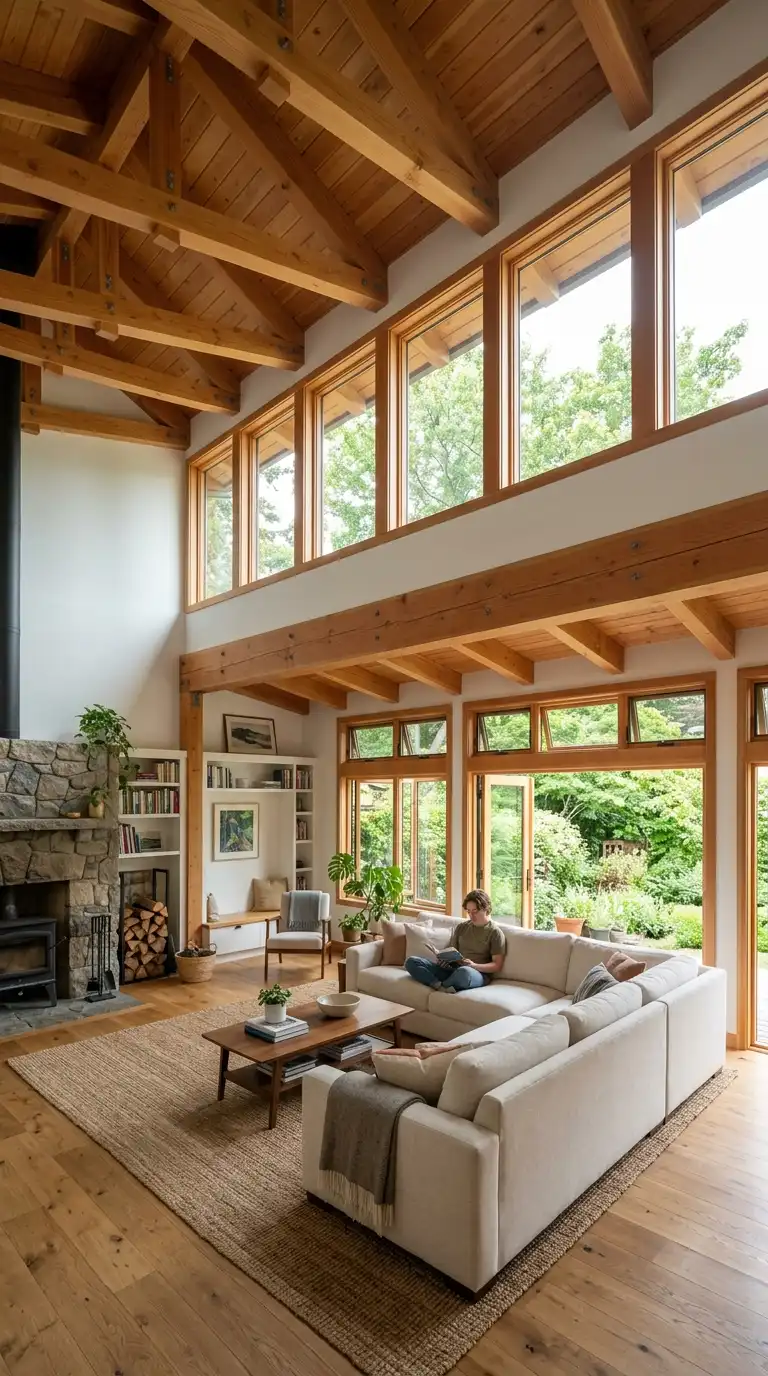
The clerestory house brings light deep into the plan through a band of high windows between a lower roof and a higher roof. The clerestory is often on the north side for even, shadowless light, or on the south side for winter sun.
This typology works for deep plans where side windows are insufficient. The clerestory also provides natural ventilation, drawing hot air out at the high point. The emotional effect is bright, airy, and spatially dynamic.
Quick Tips
- The clerestory should be at least 30-50cm high to bring useful light.
- North-facing clerestories provide even light; south-facing provide winter sun.
- Use the clerestory for natural ventilation with operable windows.
14. The Courtyard Cluster
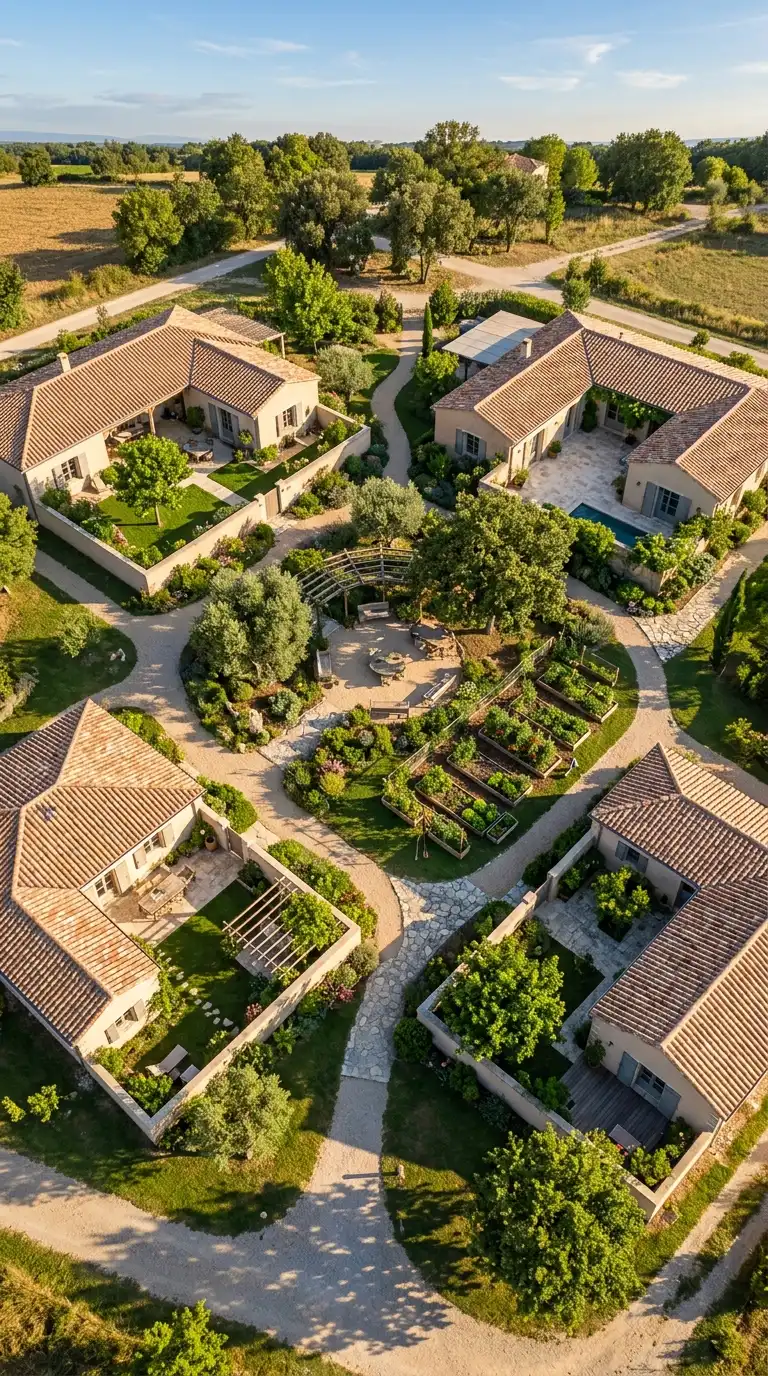
The courtyard cluster places multiple small courtyard houses around a shared communal courtyard. Each house has its own private courtyard. All houses share a larger communal garden. This typology combines privacy with community.
This design works for co-housing, retirement communities, and clustered developments. The emotional effect is communal, private, and village-like.
Quick Tips
- Each house should have its own private courtyard for individual outdoor space.
- The communal courtyard should be large enough for group activities.
- Houses should be arranged to give each one a view of the communal space.
15. The Pivot House
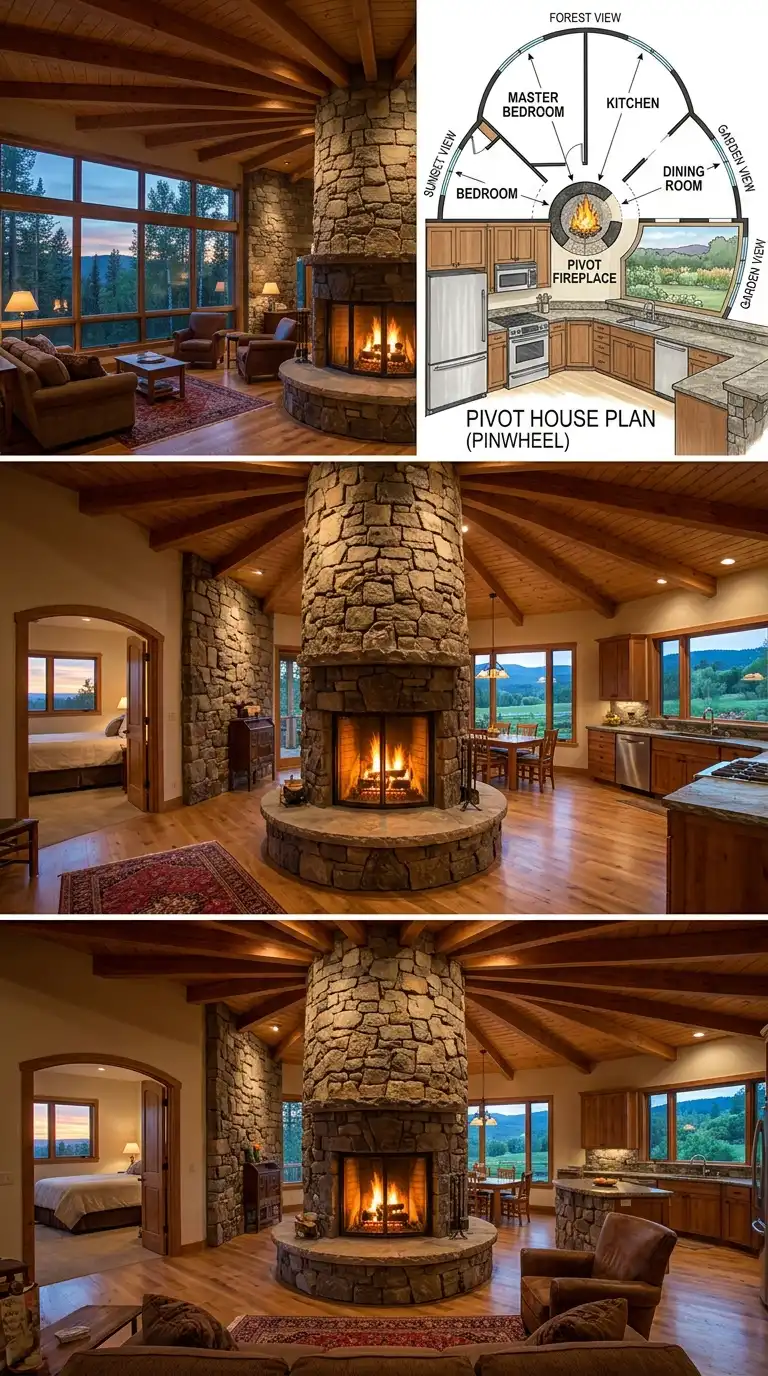
The pivot house is organised around a central pivot point — often a fireplace, a staircase, or a courtyard. All rooms radiate from this pivot. The plan is circular, square, or pinwheel-shaped. The pivot is the heart of the home.
This typology works on sites where views are in all directions. The emotional effect is centred, radial, and spatially dynamic.
Quick Tips
- The pivot element should be the most materially significant feature — stone, concrete, or steel.
- Rooms should radiate from the pivot with no interior corridors.
- The pivot should be visible from all major rooms.
Final Thoughts
Residential architecture is the most personal and varied of all building types. A house can be a pavilion in a landscape, a tower on a tiny urban site, a converted barn, or a Passive House townhouse. The right design depends on site, budget, climate, and above all, the lives of the people inside.
These 15 residential typologies are not mutually exclusive. A rowhouse can be a Passive House. A tiny house can be an ADU. A live-work unit can be a converted barn. The best residential architects draw from multiple typologies, adapting and combining to fit the specific needs of each project.