The Bauhaus was a German art school that operated from 1919 to 1933. It was more than a school — it was a movement. Bauhaus architecture rejected historical revival styles, ornament, and sentimentality. It celebrated industry, function, and geometry. The Bauhaus believed that form follows function and that ornament is a crime. Bauhaus architecture is white, cubic, and asymmetrical. It is the origin of modern architecture.
These 13 Bauhaus architecture designs span buildings, furniture, and graphic design. Each design includes defining characteristics, design principles, and historical context.
1. The Bauhaus Building in Dessau
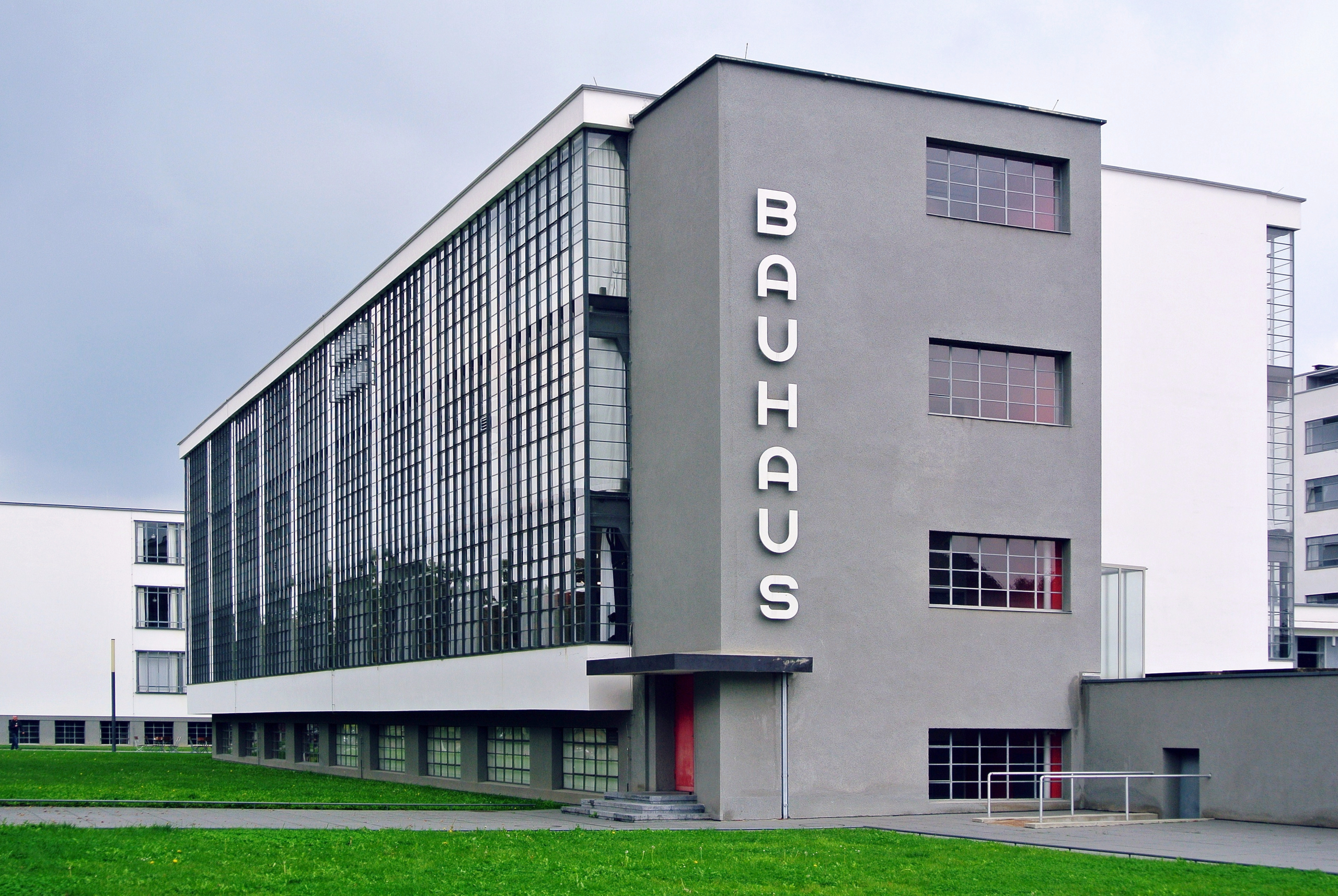
The Bauhaus Building in Dessau (1926) by Walter Gropius is the manifesto of the Bauhaus. The building is an asymmetrical composition of intersecting volumes: a three-storey workshop wing, a five-storey studio wing, a one-storey bridge, and a glass curtain wall wrapping the corner. The building is white, cubic, and transparent.
This design is ideal for schools and cultural institutions. The emotional effect is transparent, industrial, and modern.
Quick Tips
- The composition must be asymmetrical.
- A glass curtain wall must wrap a corner.
- The structure must be exposed.
2. The Masters’ Houses
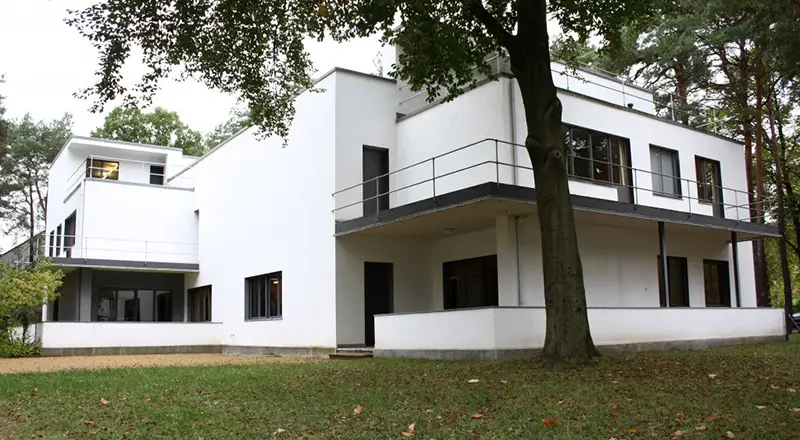
The Masters’ Houses in Dessau (1926) by Walter Gropius are three pairs of semi-detached houses for Bauhaus masters. Each house is a white cube. The houses are arranged in an asymmetrical composition. The studios have large glass walls. The Masters’ Houses are cubic, white, and asymmetrical.
This design is ideal for modern houses and studios. The emotional effect is cubic, white, and asymmetrical.
Quick Tips
- The house must be a white cube.
- The studio must have a large glass wall.
- The composition must be asymmetrical.
3. The Fagus Factory
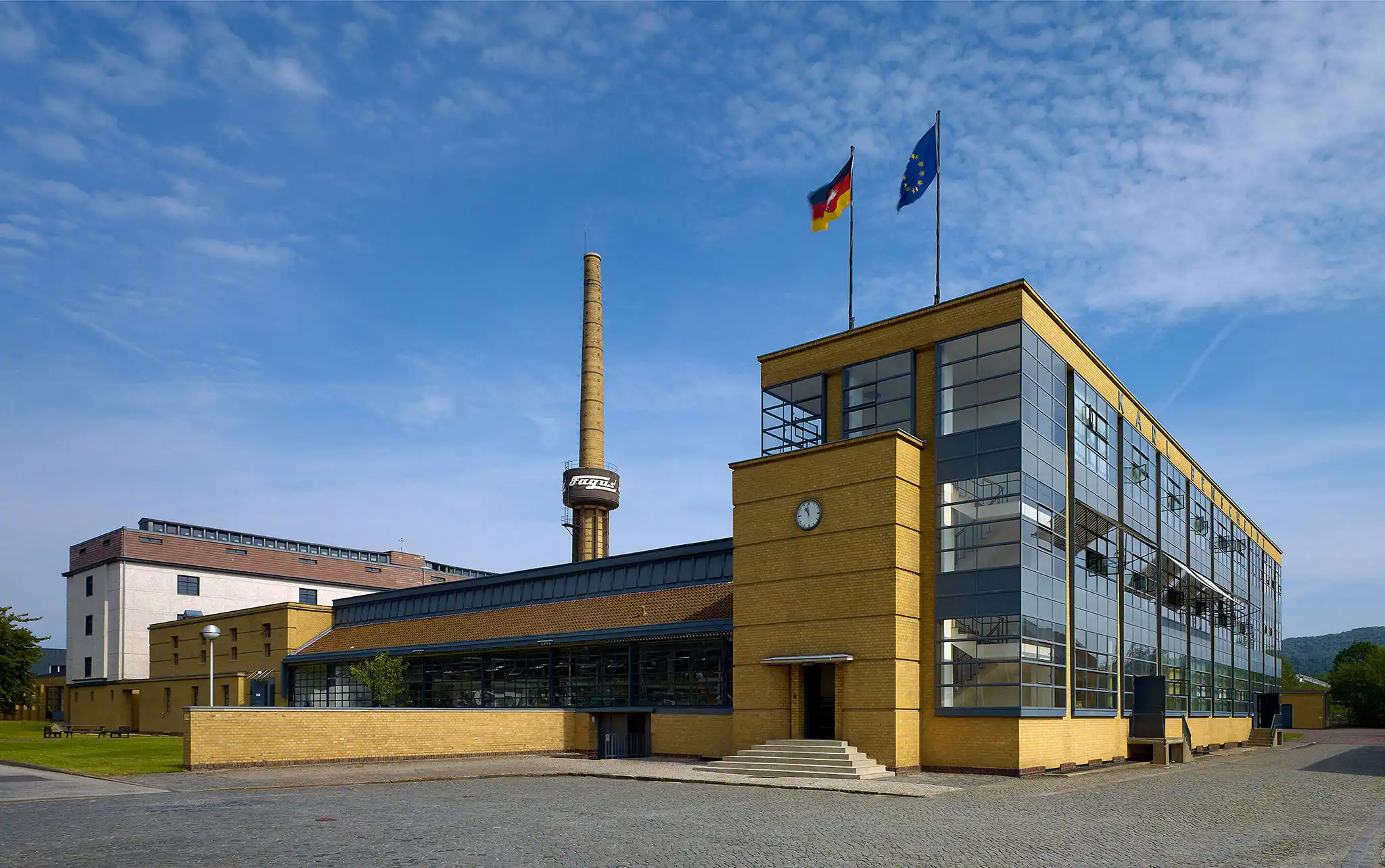
The Fagus Factory (1911) by Walter Gropius and Adolf Meyer is the precursor to the Bauhaus. The factory has a glass curtain wall with thin steel mullions. The corners are glass, not brick. The building is transparent, industrial, and modern.
This design is ideal for factories and industrial buildings. The emotional effect is transparent, industrial, and modern.
Quick Tips
- The curtain wall must have thin steel mullions.
- The corners must be glass, not brick.
- The structure must be exposed.
4. The Bauhaus Chair (Wassily Chair)
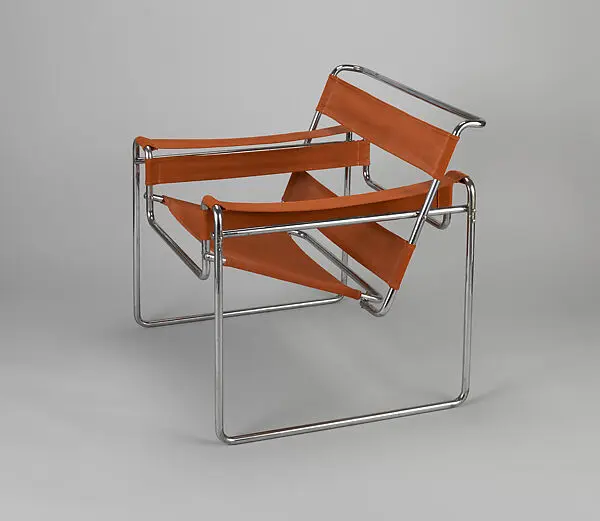
The Wassily Chair (1925) by Marcel Breuer is the first chair made from bent steel tubing. The chair is a continuous loop of steel. The seat and back are leather. The chair is industrial, minimal, and comfortable.
This design is ideal for modern interiors. The emotional effect is industrial, minimal, and comfortable.
Quick Tips
- The frame must be bent steel tubing.
- The seat and back must be leather or canvas.
- The frame must be a continuous loop.
5. The Bauhaus Lamp
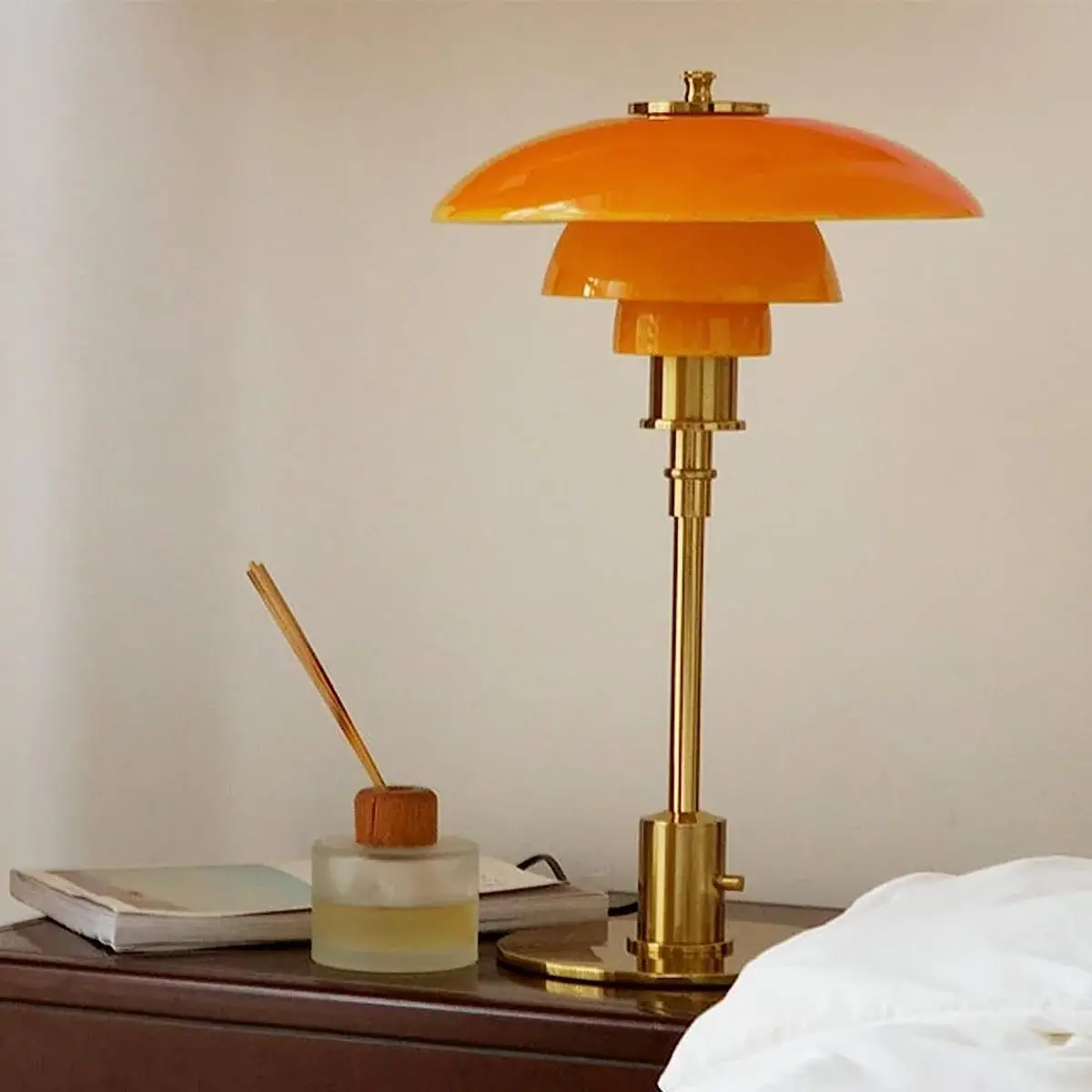
The Bauhaus Lamp (1923) by Wilhelm Wagenfeld is a simple glass and metal lamp. The base is glass. The stem is metal. The shade is glass. The lamp is minimal, functional, and beautiful.
This design is ideal for desks and tables. The emotional effect is minimal, functional, and beautiful.
Quick Tips
- The base must be glass.
- The stem must be metal.
- The shade must be glass.
6. The Bauhaus Staircase
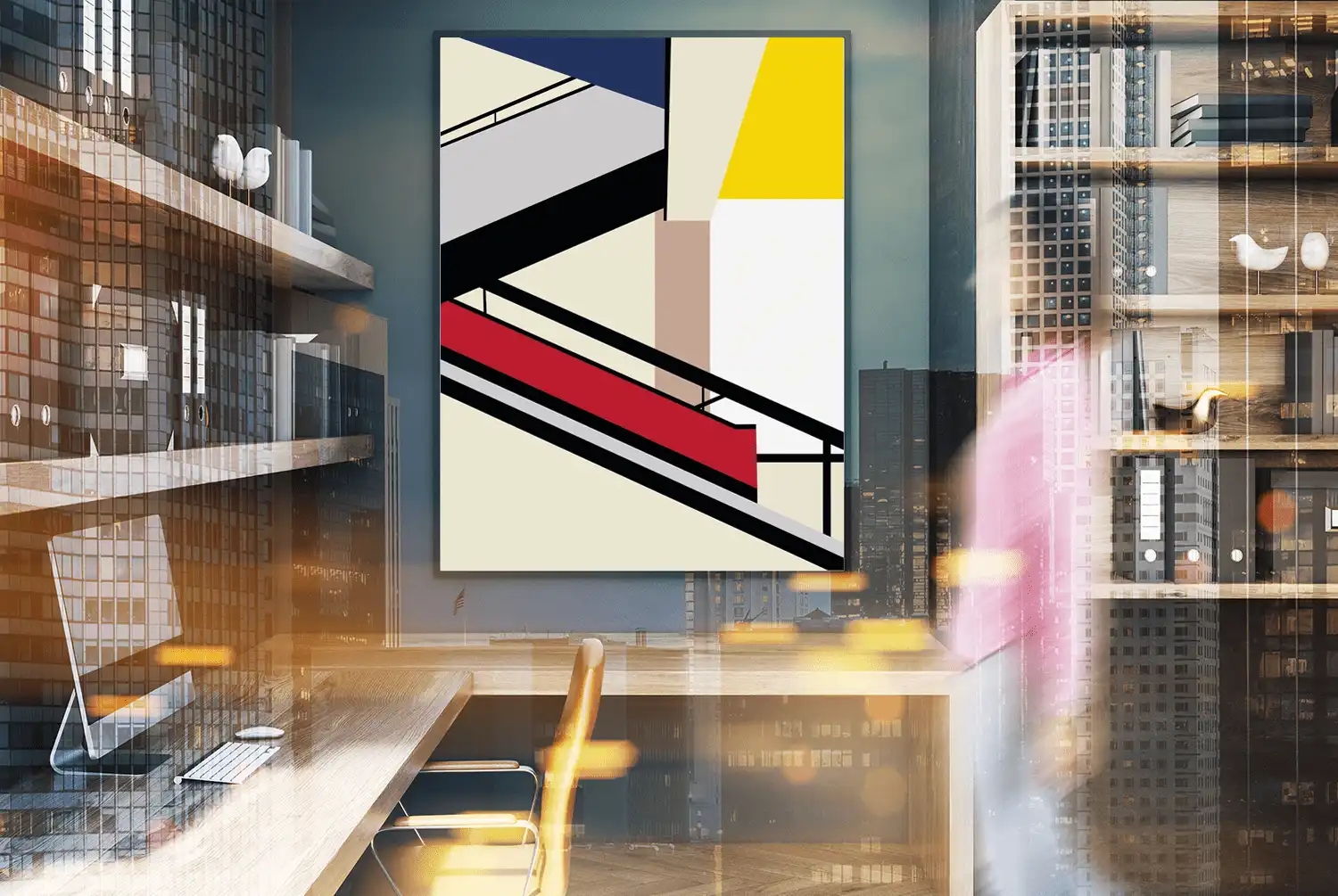
The Bauhaus Staircase (1932) is a painting by Oskar Schlemmer, but it is also an architectural idea. The staircase is a concrete spiral. The walls are white. The shadows are geometric. The Bauhaus staircase is sculptural, geometric, and modern.
This design is ideal for atriums and lobbies. The emotional effect is sculptural, geometric, and modern.
Quick Tips
- The staircase must be a concrete spiral.
- The walls must be white.
- The shadows must be geometric.
7. The Cantilever Chair (S33)
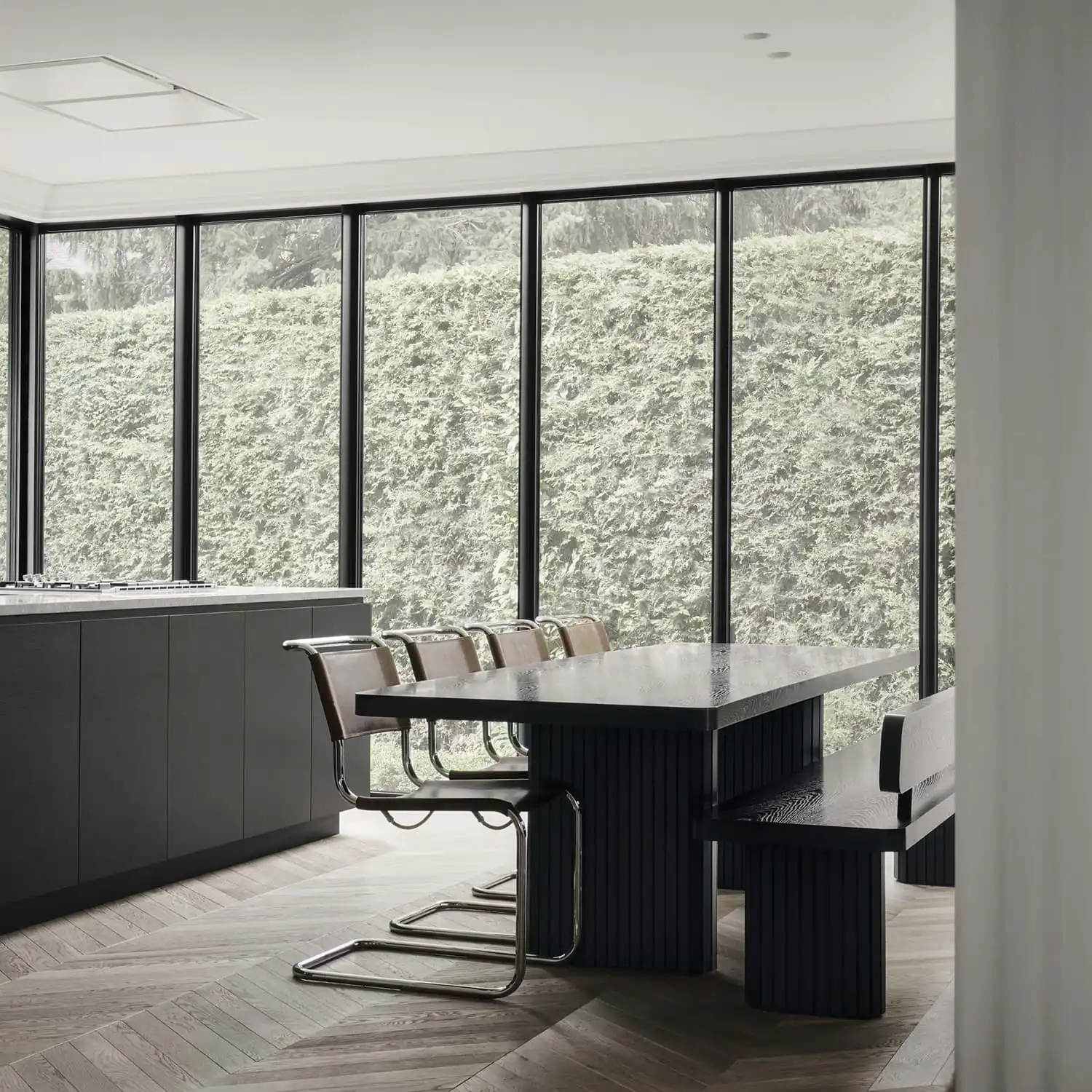
The S33 Chair (1927) by Mart Stam is the first cantilever chair. The chair has no back legs — the seat and back are a single continuous loop of steel tubing that springs under weight. The S33 is minimal, structural, and innovative.
This design is ideal for modern interiors. The emotional effect is minimal, structural, and innovative.
Quick Tips
- The chair must have no back legs.
- The frame must be a continuous loop of steel tubing.
- The seat and back must be leather or cane.
8. The Bauhaus Typography
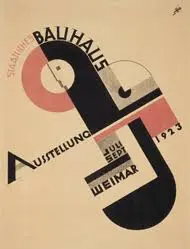
Bauhaus typography rejected serif fonts for sans-serif. The most famous Bauhaus font is Universal by Herbert Bayer. The font uses only lowercase letters. The typography is geometric, clear, and modern.
This design is ideal for posters, signs, and graphic design. The emotional effect is geometric, clear, and modern.
Quick Tips
- The font must be sans-serif.
- Only lowercase letters are permitted.
- The letters must be geometric.
9. The Bauhaus Colour Palette
The Bauhaus colour palette is primary colours: red, yellow, blue, plus black and white. The colours are bold and pure. The colours are used as geometric planes. The Bauhaus colour palette is bold, primary, and graphic.
This design is ideal for interiors, exteriors, and graphic design. The emotional effect is bold, primary, and graphic.
Quick Tips
- Use only red, yellow, blue, black, and white.
- Colours must be pure (no tints, no shades).
- Use colours as geometric planes.

10. The Bauhaus Balcony
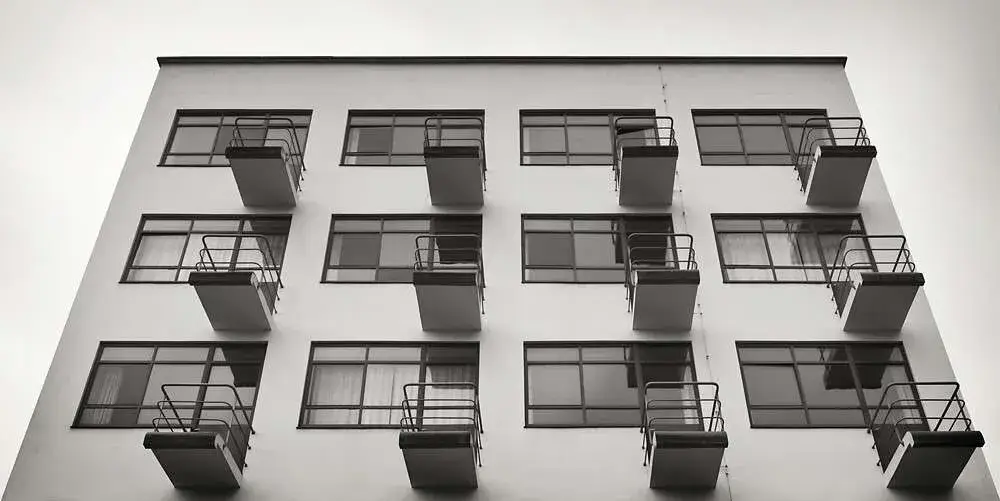
The Bauhaus balcony is a cantilevered concrete slab with a steel railing. The balcony is simple, structural, and modern. The Bauhaus balcony is horizontal, cantilevered, and railed.
This design is ideal for apartment buildings and modern houses. The emotional effect is horizontal, cantilevered, and railed.
Quick Tips
- The balcony must be a cantilevered concrete slab.
- The railing must be steel.
- The balcony must have no visible supports.
11. The Bauhaus Window
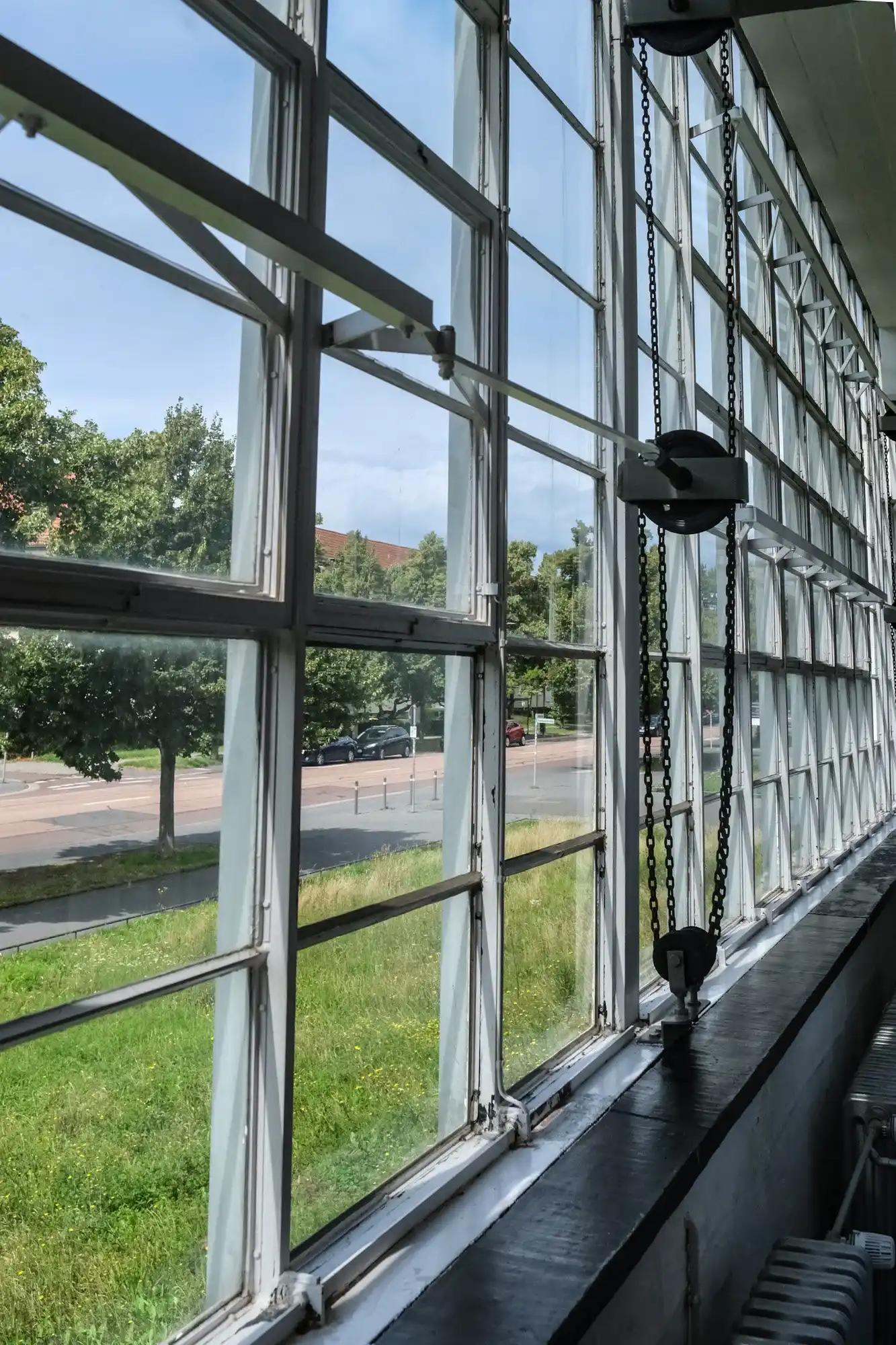
The Bauhaus window is a horizontal ribbon window. The window runs the length of the facade. The window is steel-framed. The window is corner-to-corner. The Bauhaus window is horizontal, ribbon, and steel.
This design is ideal for modern houses and offices. The emotional effect is horizontal, ribbon, and steel.
Quick Tips
- The window must be horizontal (ribbon window).
- The frame must be steel.
- The window must run corner-to-corner.
12. The Bauhaus Roof
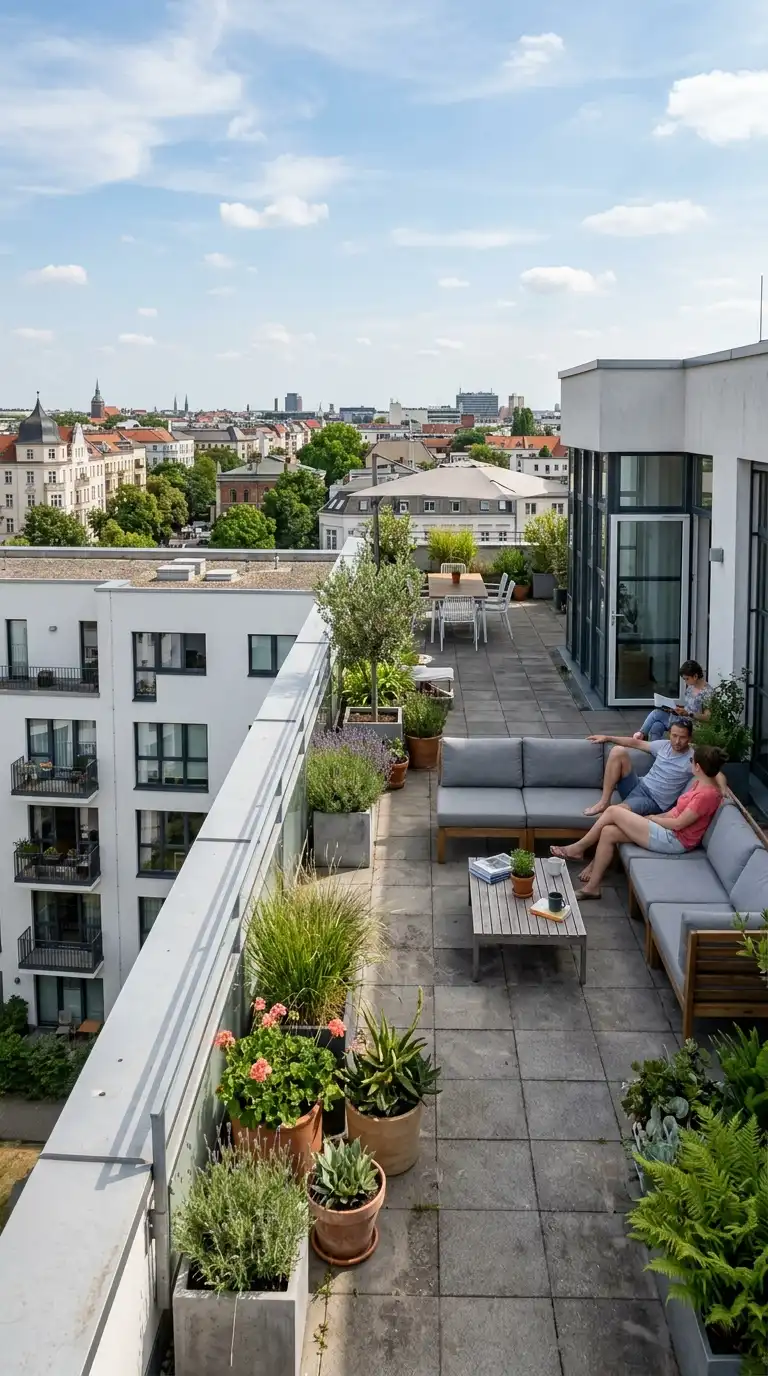
The Bauhaus roof is a flat roof with a parapet. The roof is usable as a terrace. The roof has no pitched elements. The Bauhaus roof is flat, parapeted, and usable.
This design is ideal for modern houses and apartments. The emotional effect is flat, parapeted, and usable.
Quick Tips
- The roof must be flat.
- The roof must have a parapet.
- The roof must be usable as a terrace.
13. The Bauhaus Door
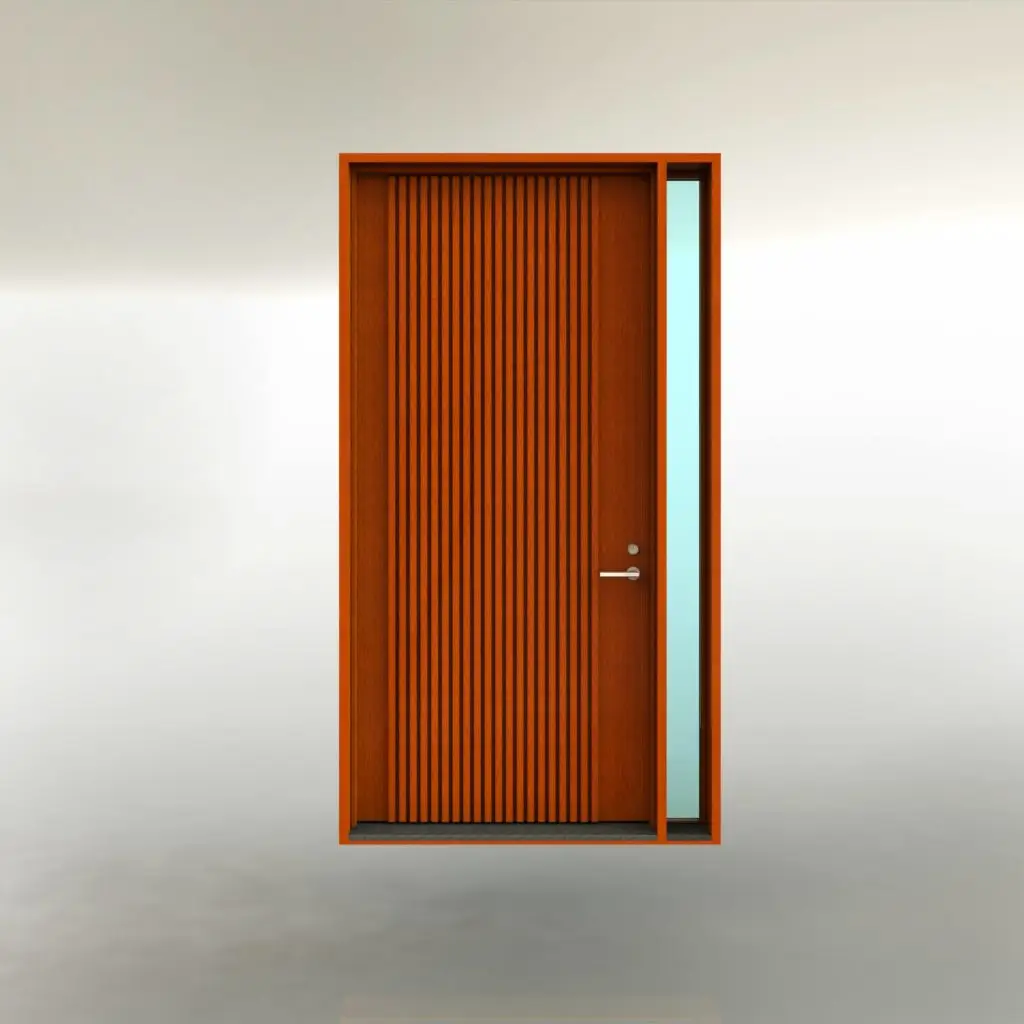
The Bauhaus door is a simple rectangular door with no panels, no mouldings, no ornament. The door is flush. The handle is a simple horizontal bar. The Bauhaus door is flush, rectangular, and unadorned.
This design is ideal for modern buildings. The emotional effect is flush, rectangular, and unadorned.
Quick Tips
- The door must be flush (no panels).
- The handle must be a horizontal bar.
- No ornament is permitted.
Final Thoughts
These 13 Bauhaus designs are not mutually exclusive. A Bauhaus building can have a Bauhaus roof, Bauhaus windows, and a Bauhaus door. A Bauhaus interior can have a Wassily Chair, a Bauhaus Lamp, and a primary colour palette. The best Bauhaus architecture is not the most decorated — it is the most honest. It is the architecture of industry, geometry, and function. It is the architecture of the modern world. It is Bauhaus.