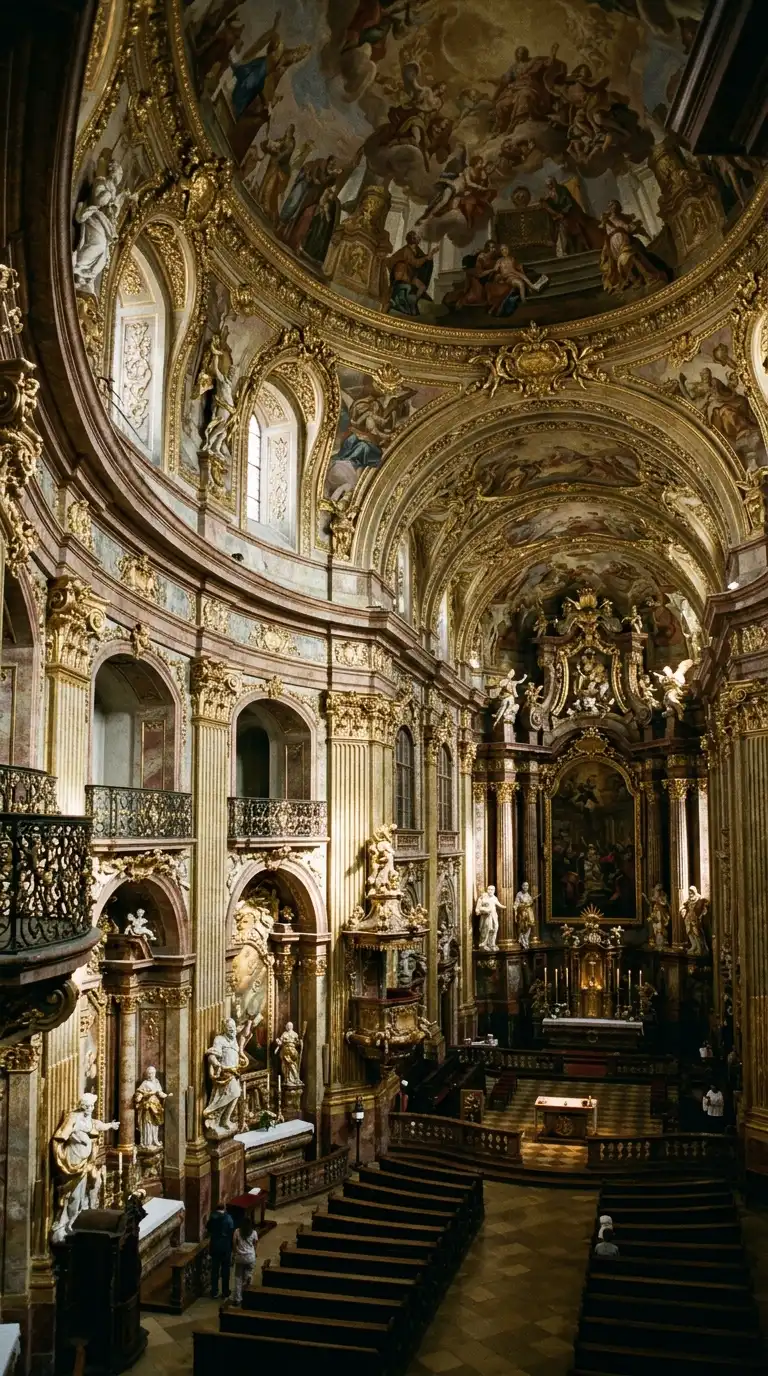
Beauty in architecture is not a style. It is a quality. A Gothic cathedral is beautiful in its verticality and light. A Japanese temple is beautiful in its simplicity and wood. A modernist house is beautiful in its geometry and proportion. Beauty is not ornament — it is order, light, material, and proportion working together. Beauty is when a building feels right.
These 24 beautiful architecture designs span history and geography, from ancient to contemporary. Each design includes defining characteristics, principles of beauty, and architectural strategies.
1. The Parthenon
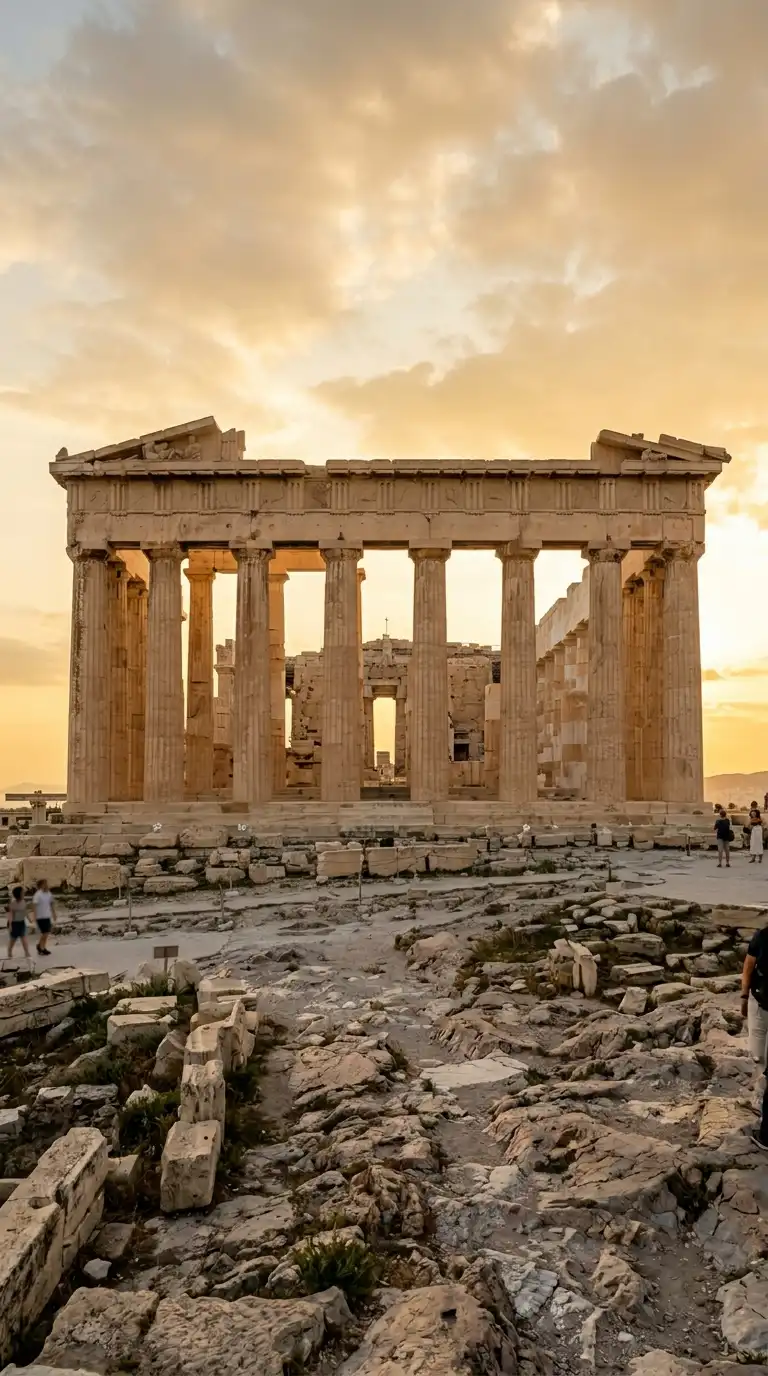
The Parthenon in Athens (447-432 BCE) is the most beautiful Greek temple. It is Doric, with subtle curves that correct optical illusions. The columns lean inward slightly. The base curves upward slightly. The Parthenon is rational, proportional, and ideal.
This design is ideal for temples and civic buildings. The emotional effect is rational, proportional, and ideal.
Quick Tips
- The columns must lean inward slightly.
- The base must curve upward slightly.
- The proportions must follow the golden ratio.
2. The Pantheon
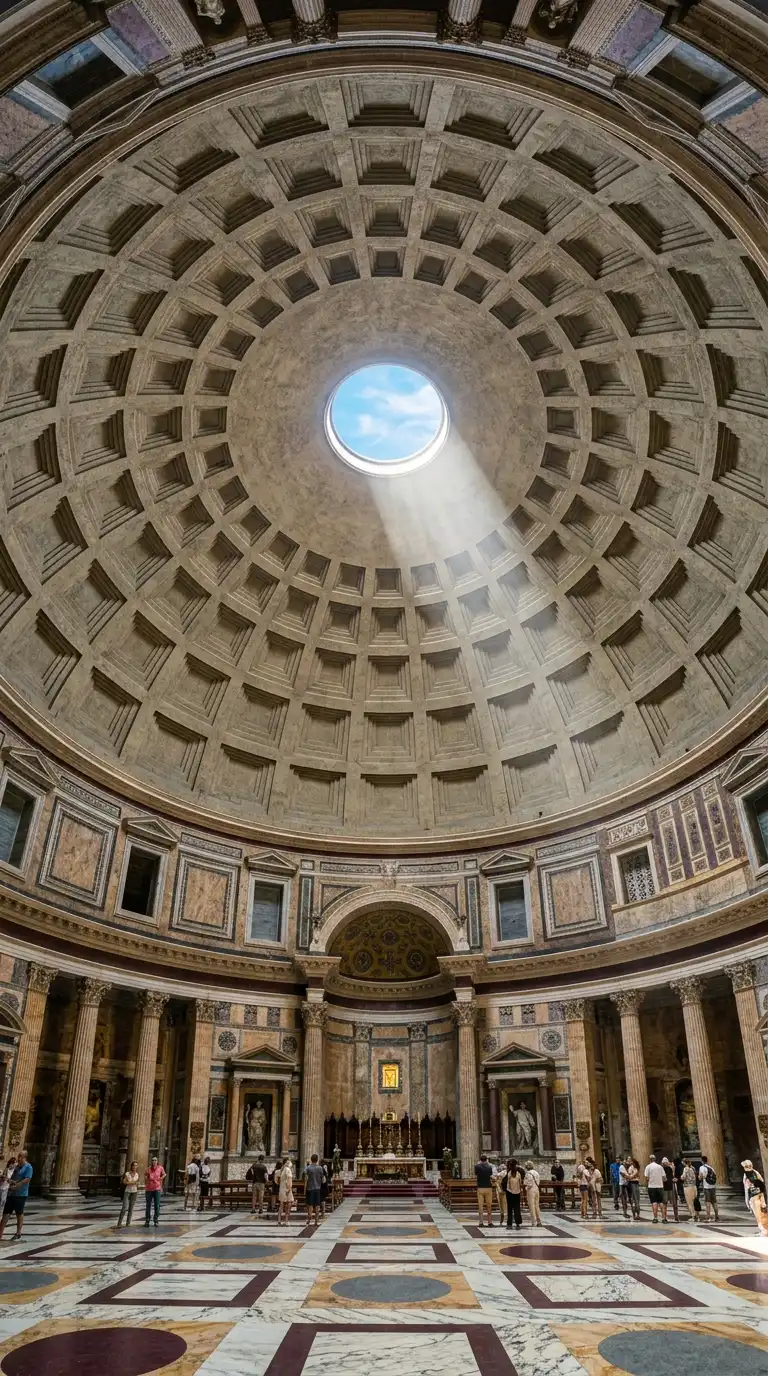
The Pantheon in Rome (126 CE) is a rotunda with a domed ceiling. The dome has an oculus open to the sky. The interior is a perfect sphere. The Pantheon is circular, domed, and celestial.
This design is ideal for churches and memorials. The emotional effect is circular, domed, and celestial.
Quick Tips
- The plan must be a circle.
- The dome must be a hemisphere.
- The oculus must be open to the sky.
3. Hagia Sophia
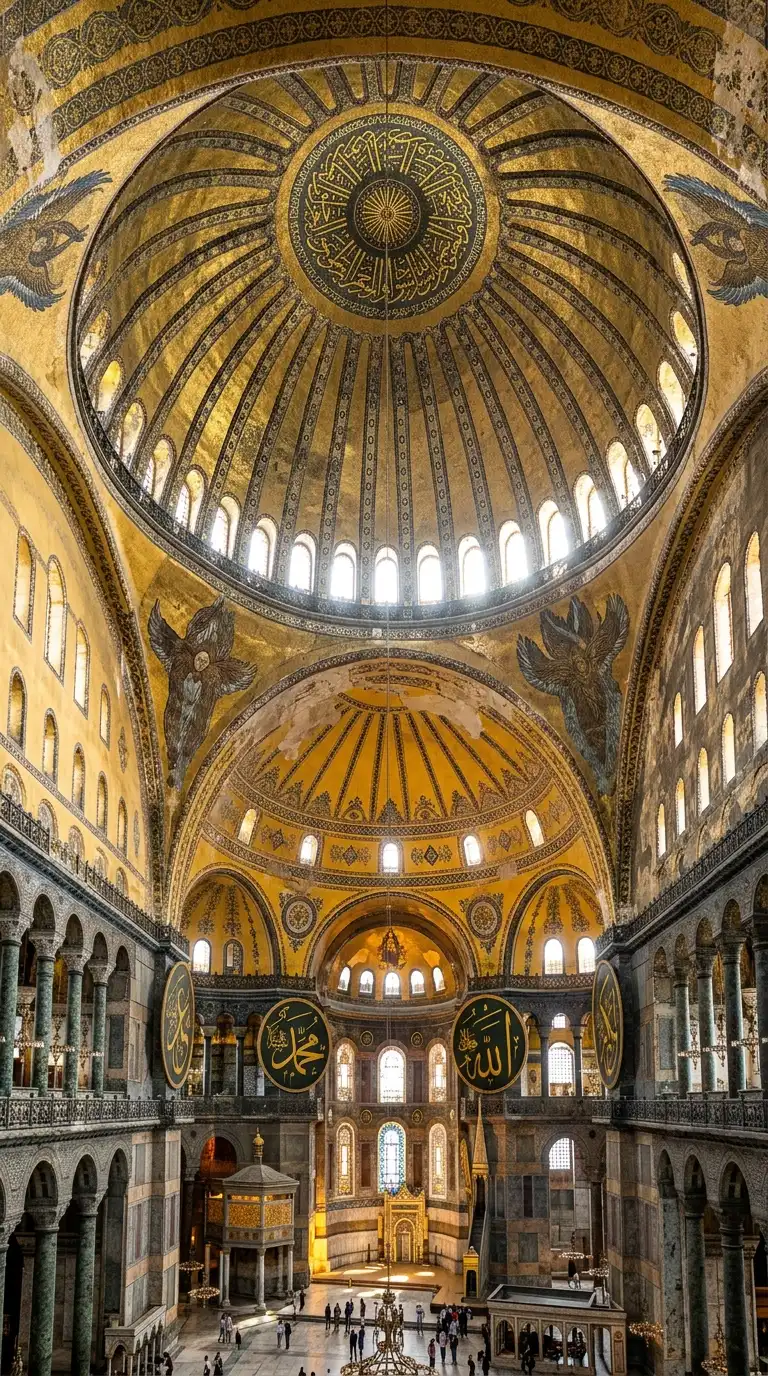
Hagia Sophia in Istanbul (537 CE) is a Byzantine church with a massive dome on pendentives. The dome seems to float. The interior is filled with golden light. Hagia Sophia is domed, floating, and golden.
This design is ideal for churches and mosques. The emotional effect is domed, floating, and golden.
Quick Tips
- The dome must be on pendentives.
- The dome must appear to float.
- The interior must have golden mosaics.
4. Chartres Cathedral
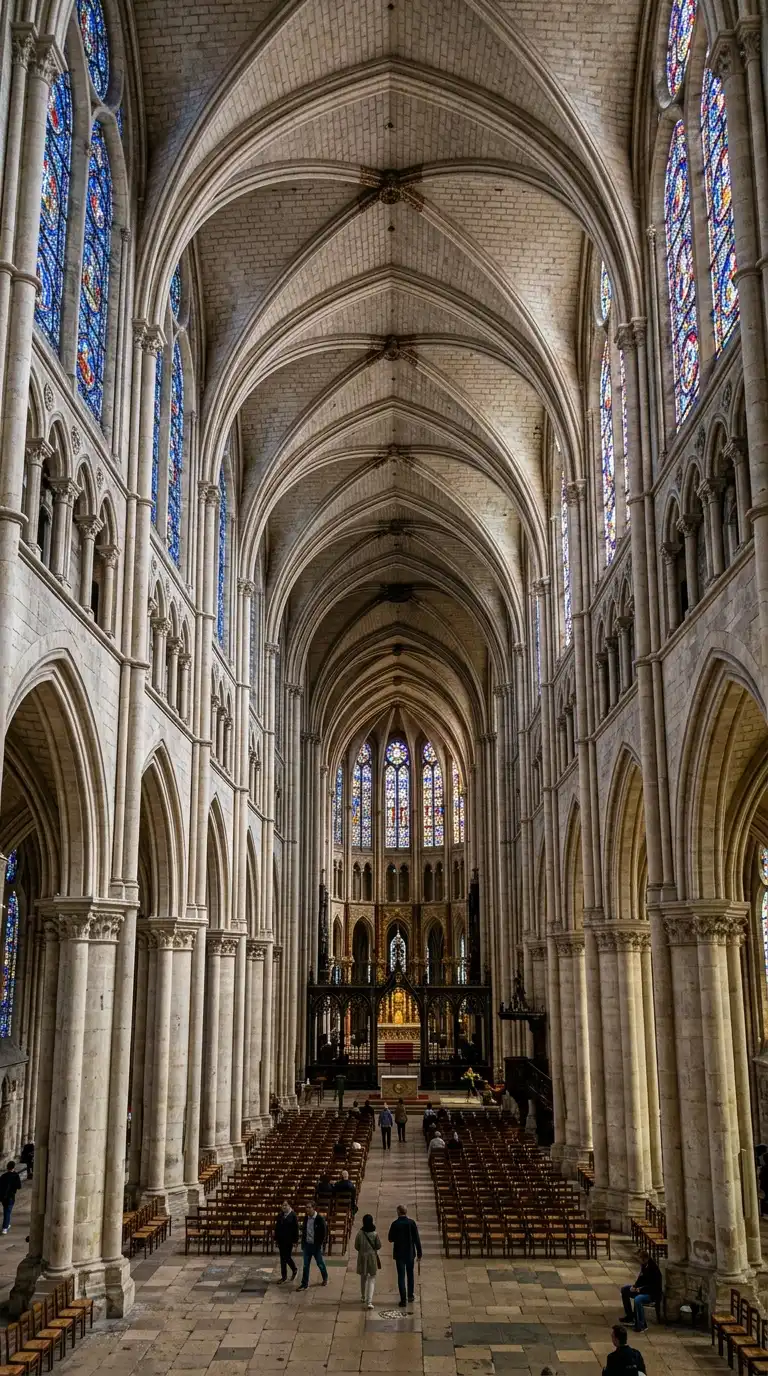
Chartres Cathedral in France (13th century) is a Gothic cathedral with pointed arches, ribbed vaults, flying buttresses, and stained glass. The interior is tall and luminous. Chartres is vertical, luminous, and awe-inspiring.
This design is ideal for cathedrals and large churches. The emotional effect is vertical, luminous, and awe-inspiring.
Quick Tips
- The nave must be tall with pointed arches.
- The vaults must be ribbed.
- The windows must be stained glass.
5. The Alhambra
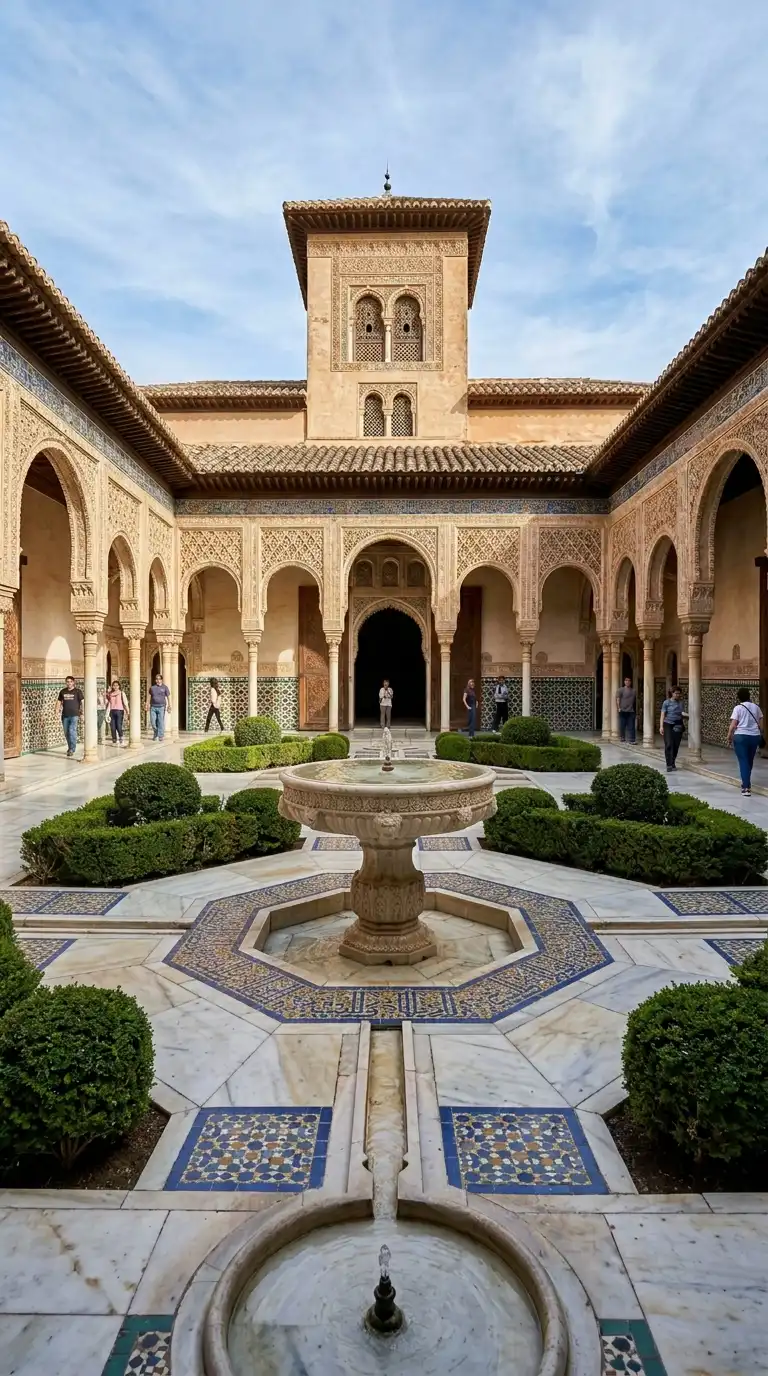
The Alhambra in Granada, Spain (14th century) is a Moorish palace with courtyards, fountains, and intricate tilework. The architecture is light, airy, and decorative. The Alhambra is courtyard-centred, watery, and tiled.
This design is ideal for palaces and gardens. The emotional effect is courtyard-centred, watery, and tiled.
Quick Tips
- The plan must have courtyards with fountains.
- The walls must have tile decoration.
- The arches must be horseshoe or pointed.
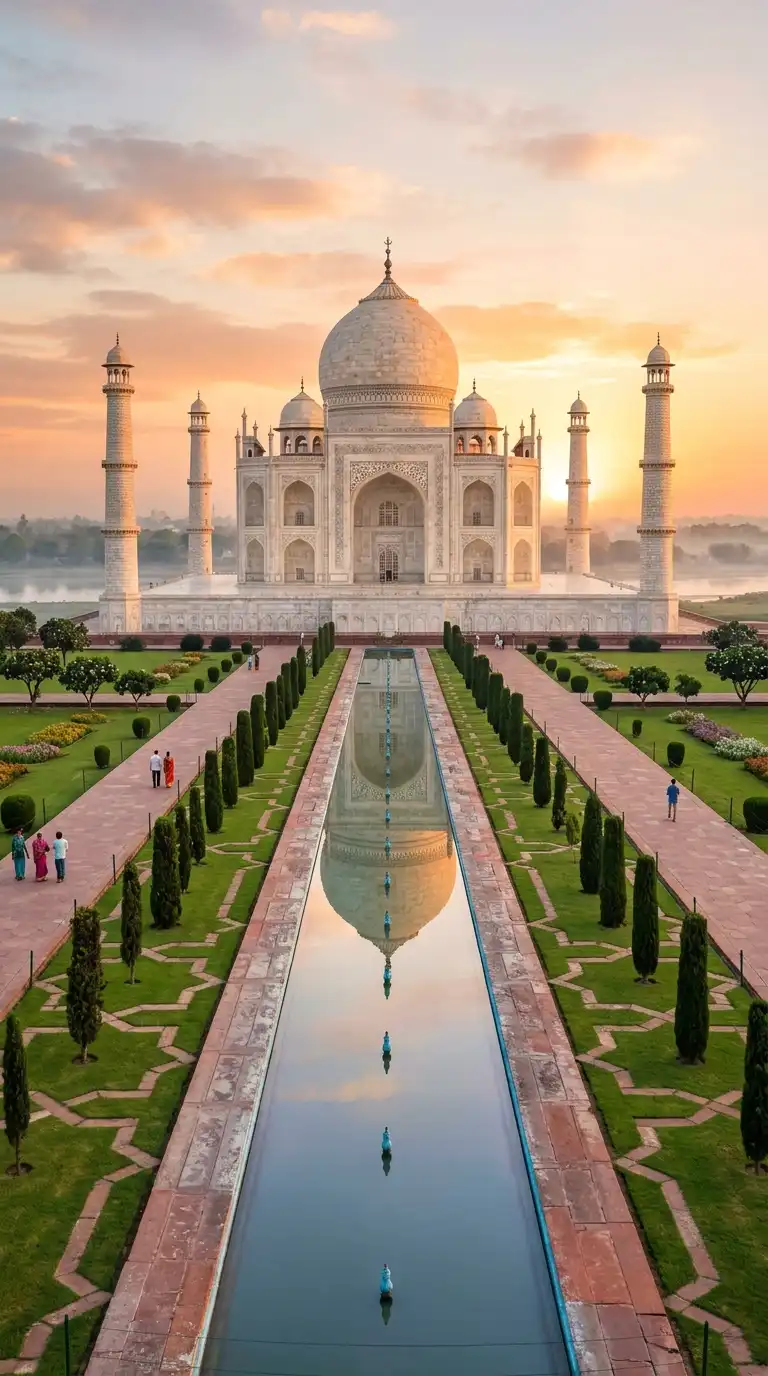
6. The Taj Mahal
The Taj Mahal in Agra, India (1653) is a Mughal tomb of white marble. It has a bulbous dome, corner minarets, and a char bagh garden. The Taj Mahal is symmetrical, white, and paradisiacal.
This design is ideal for tombs and memorials. The emotional effect is symmetrical, white, and paradisiacal.
Quick Tips
- The tomb must be white marble.
- The dome must be bulbous.
- The garden must be a char bagh (four-part garden).
7. Katsura Imperial Villa
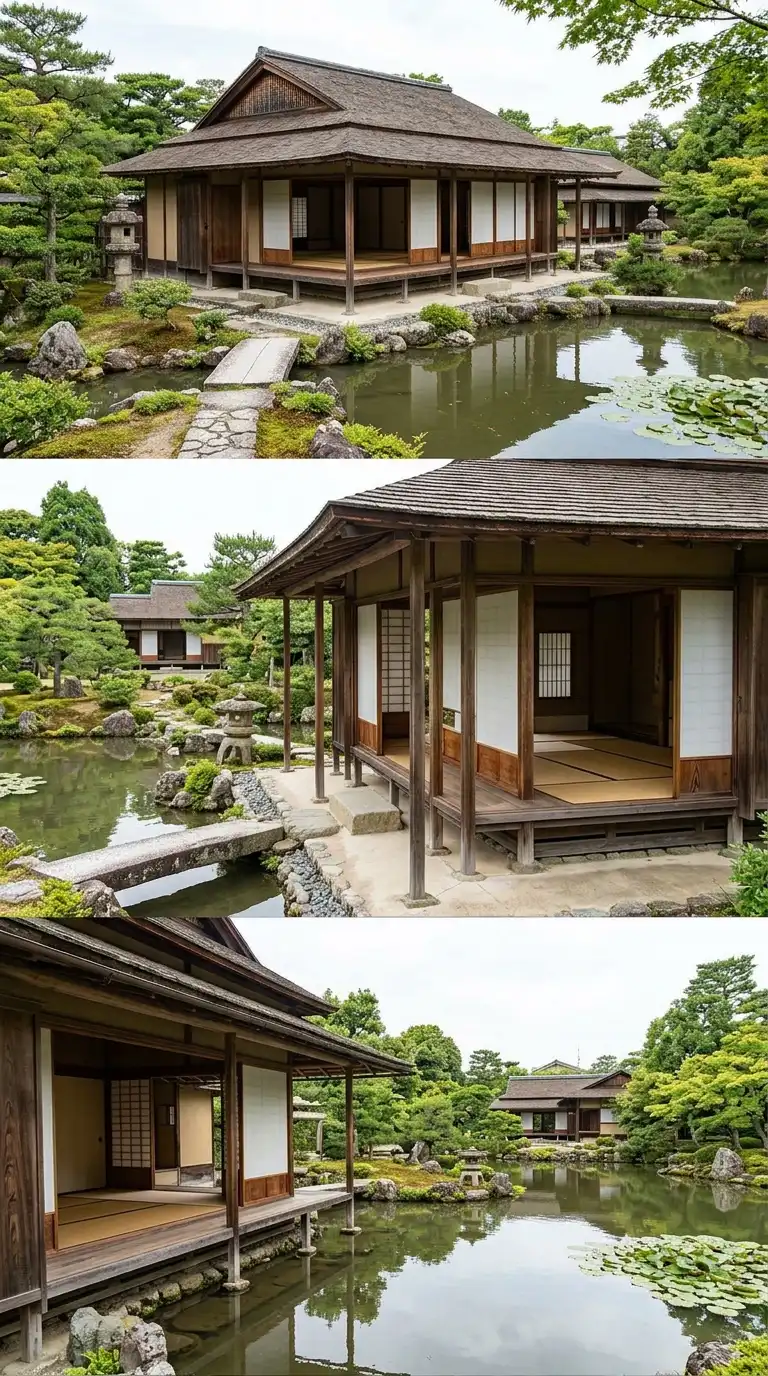
Katsura Imperial Villa in Kyoto, Japan (17th century) is a Japanese villa with simple wooden buildings, tatami mats, shoji screens, and a garden. The architecture is simple, refined, and harmonious. Katsura is simple, refined, and harmonious.
This design is ideal for villas and gardens. The emotional effect is simple, refined, and harmonious.
Quick Tips
- The buildings must be simple wood.
- The floors must be tatami.
- The garden must be integrated with the buildings.
8. St. Peter’s Basilica
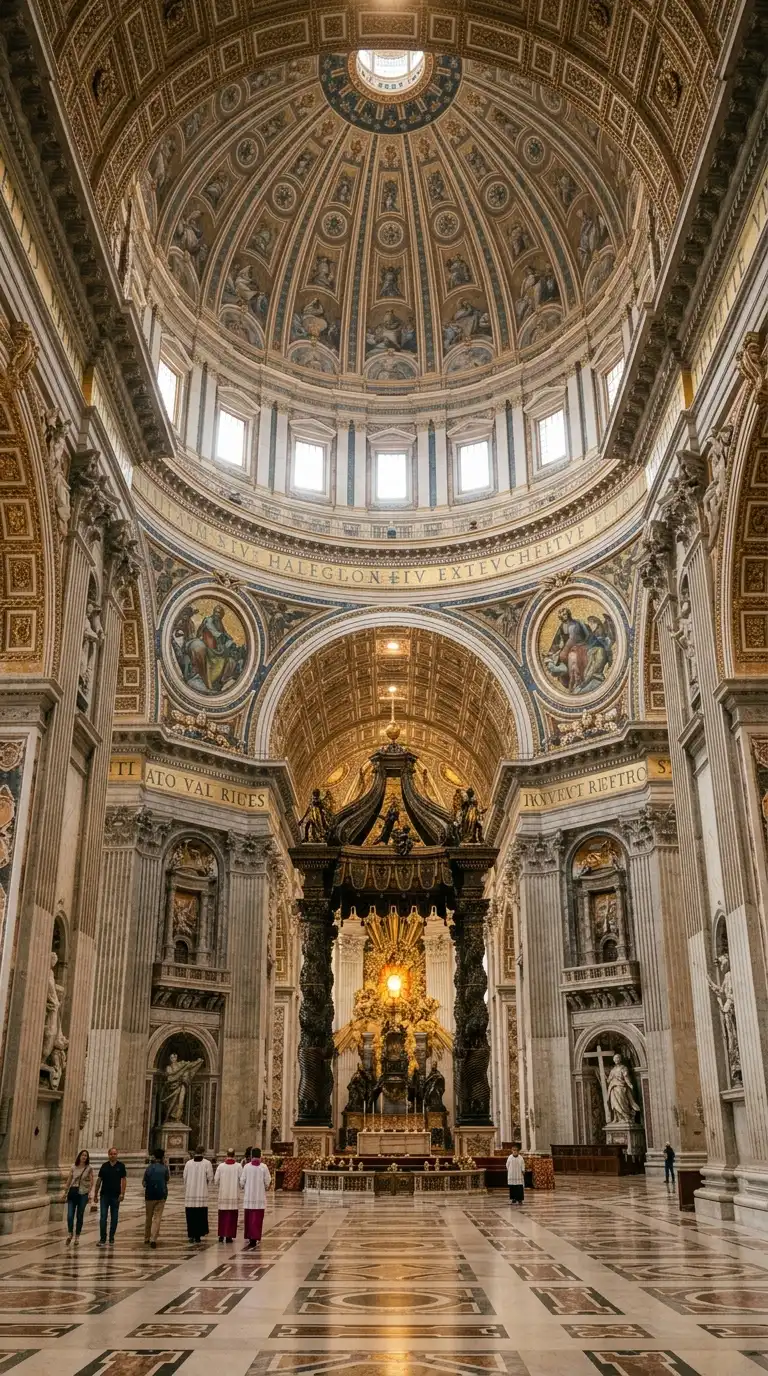
St. Peter’s Basilica in Rome (1626) is a Renaissance and Baroque church with a massive dome by Michelangelo. The interior is vast, rich, and awe-inspiring. St. Peter’s is domed, vast, and awe-inspiring.
This design is ideal for cathedrals and pilgrimage churches. The emotional effect is domed, vast, and awe-inspiring.
Quick Tips
- The dome must be massive.
- The interior must be vast and rich.
- The baldacchino must be by Bernini.
9. Versailles
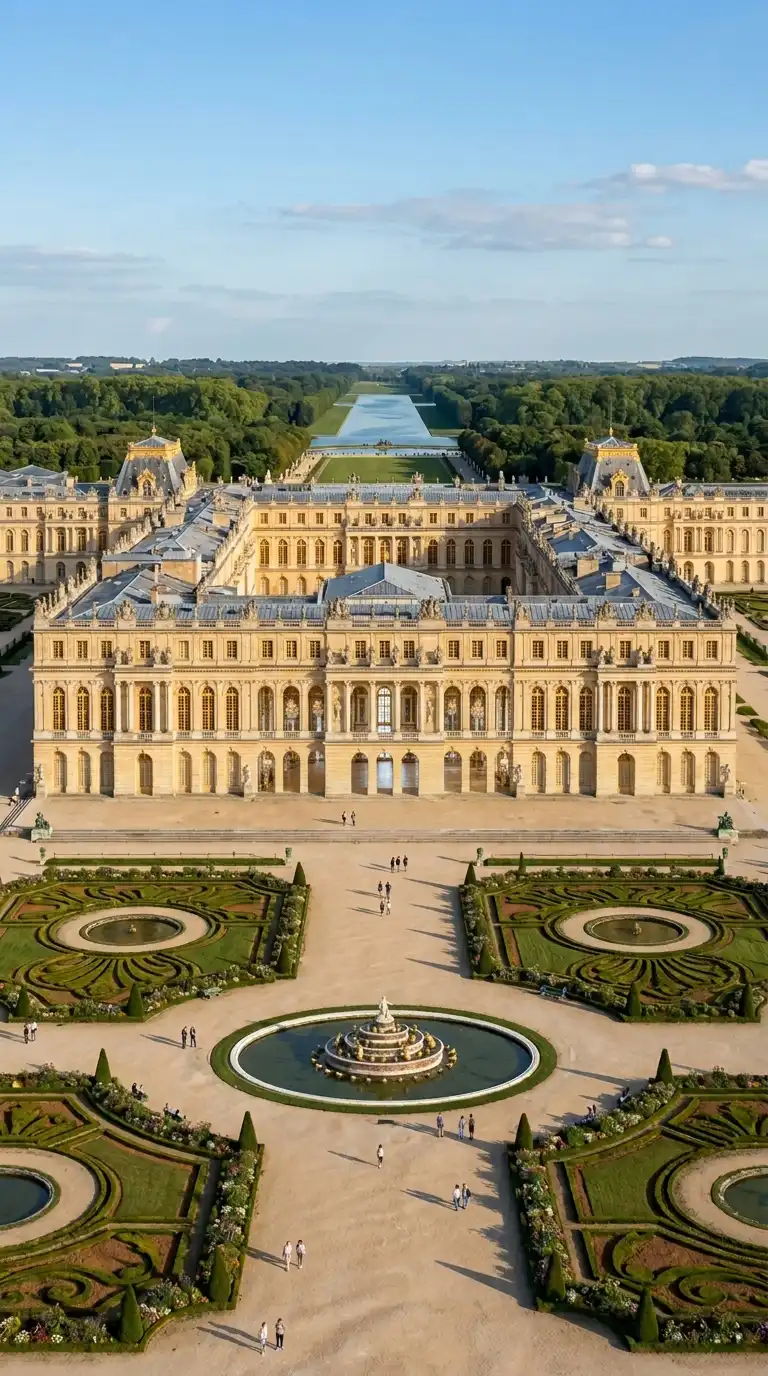
Versailles in France (1715) is a Baroque palace with a long facade, a Hall of Mirrors, and extensive gardens. The palace is grand, symmetrical, and extravagant. Versailles is grand, symmetrical, and extravagant.
This design is ideal for palaces and government buildings. The emotional effect is grand, symmetrical, and extravagant.
Quick Tips
- The facade must be long and symmetrical.
- The Hall of Mirrors must be grand.
- The gardens must be extensive and geometric.
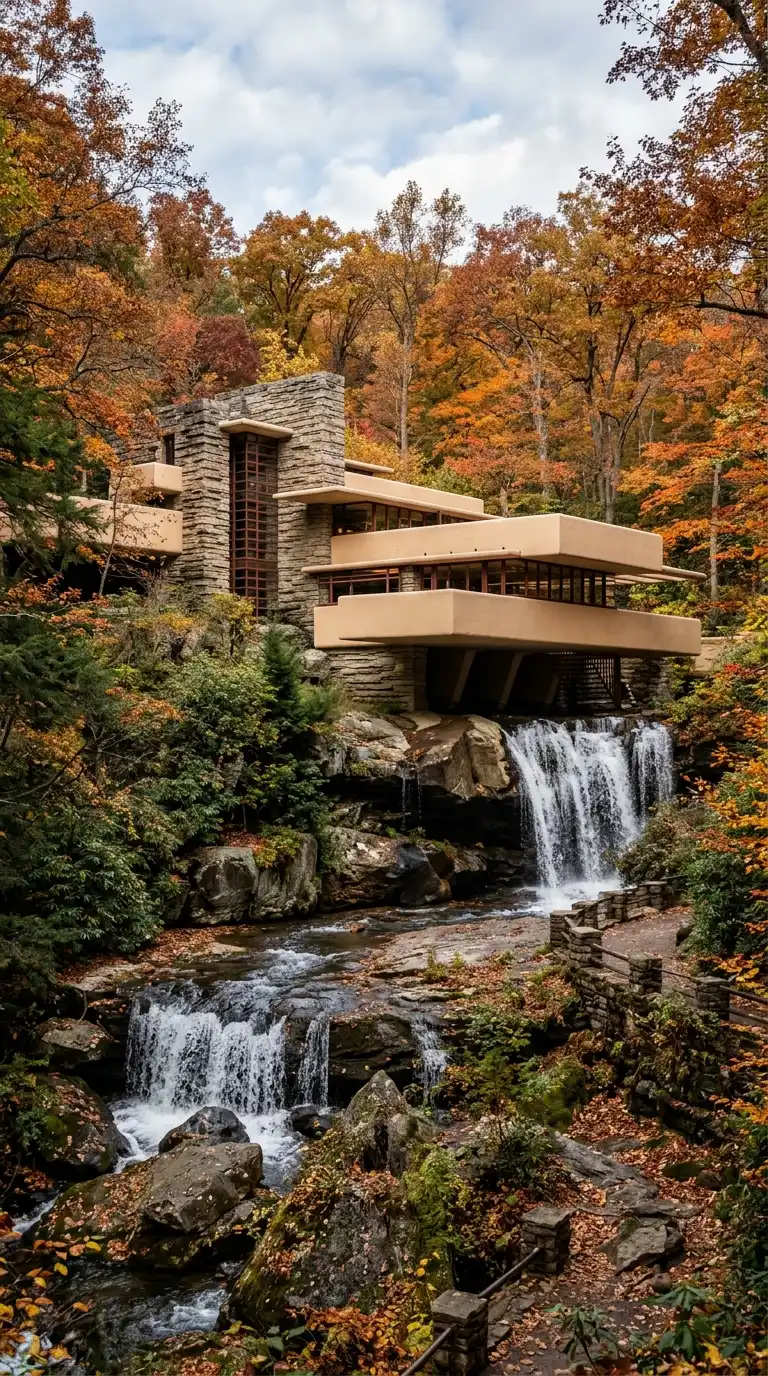
10. Fallingwater
Fallingwater by Frank Lloyd Wright (1939) is a house cantilevered over a waterfall. The house is made of concrete and local stone. It is integrated with the landscape. Fallingwater is cantilevered, horizontal, and landscape-integrated.
This design is ideal for houses in dramatic landscapes. The emotional effect is cantilevered, horizontal, and landscape-integrated.
Quick Tips
- The house must be cantilevered over water.
- The materials must be concrete and local stone.
- The house must be integrated with the landscape.
11. The Sydney Opera House
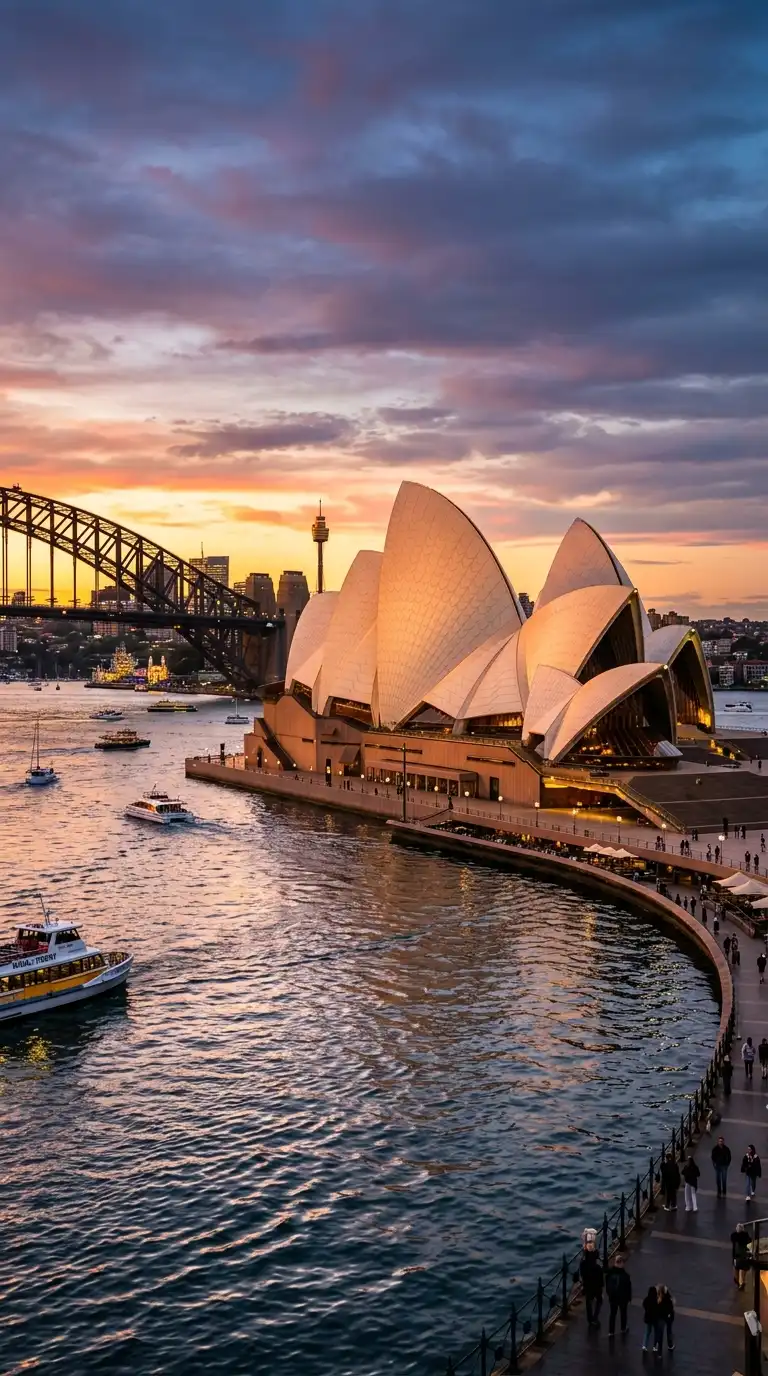
The Sydney Opera House by Jørn Utzon (1973) is a series of white concrete shells on a peninsula in Sydney Harbour. The shells are like sails or shells. The Opera House is sculptural, white, and harbourside.
This design is ideal for performing arts centres. The emotional effect is sculptural, white, and harbourside.
Quick Tips
- The shells must be white concrete.
- The shells must be curved and faceted.
- The building must be on the water.
12. The Guggenheim Museum Bilbao
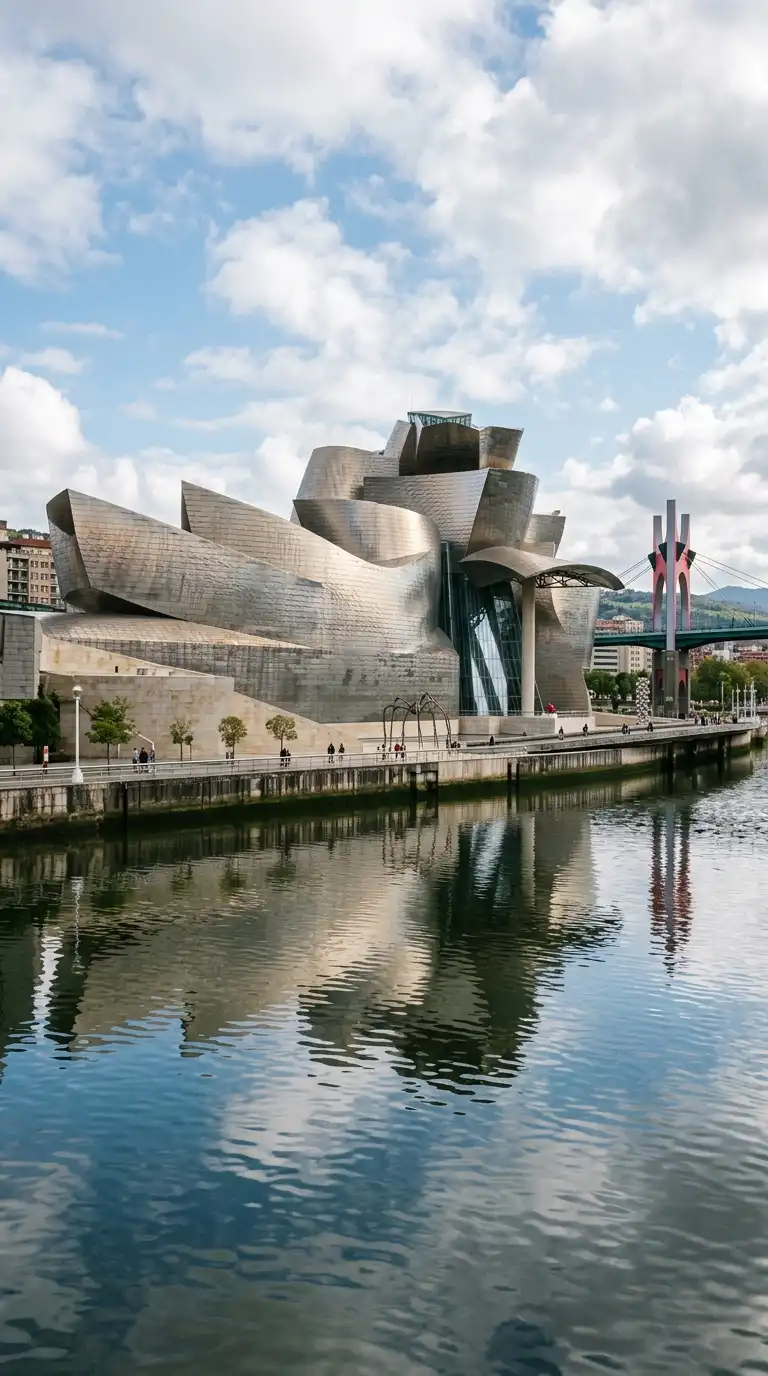
The Guggenheim Museum Bilbao by Frank Gehry (1997) is a deconstructivist building of curving titanium panels. The building is sculptural, reflective, and dynamic. The Guggenheim is sculptural, reflective, and dynamic.
This design is ideal for art museums. The emotional effect is sculptural, reflective, and dynamic.
Quick Tips
- The building must be covered in titanium panels.
- The form must be curving and non-rectilinear.
- The building must be reflected in the river.
13. The Church of the Light
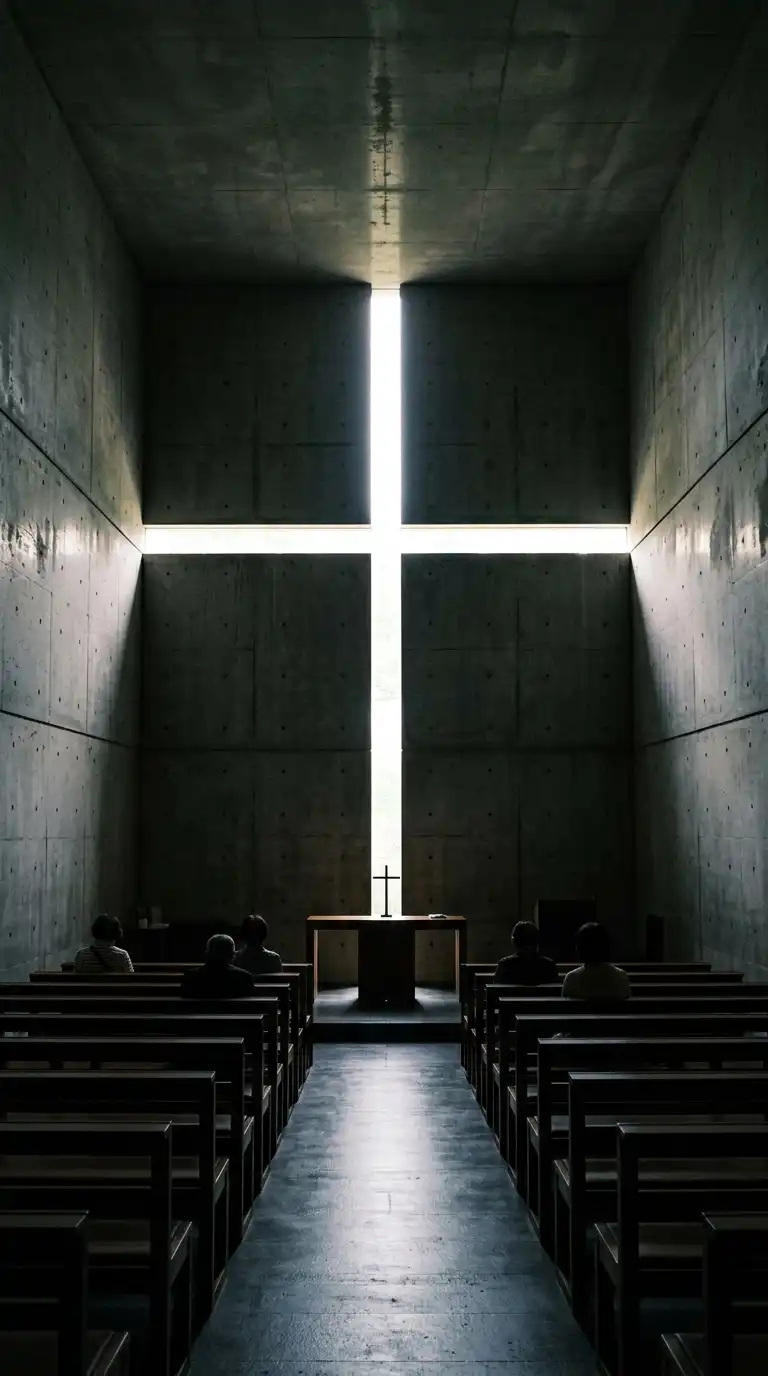
The Church of the Light by Tadao Ando (1989) is a concrete chapel with a cross cut into the wall behind the altar. Light enters through the cross. The church is dark, silent, and spiritual. The Church of the Light is concrete, light-filled, and spiritual.
This design is ideal for chapels and meditation spaces. The emotional effect is concrete, light-filled, and spiritual.
Quick Tips
- The walls must be concrete.
- The cross must be cut into the wall.
- Light must enter only through the cross.
14. The Salk Institute
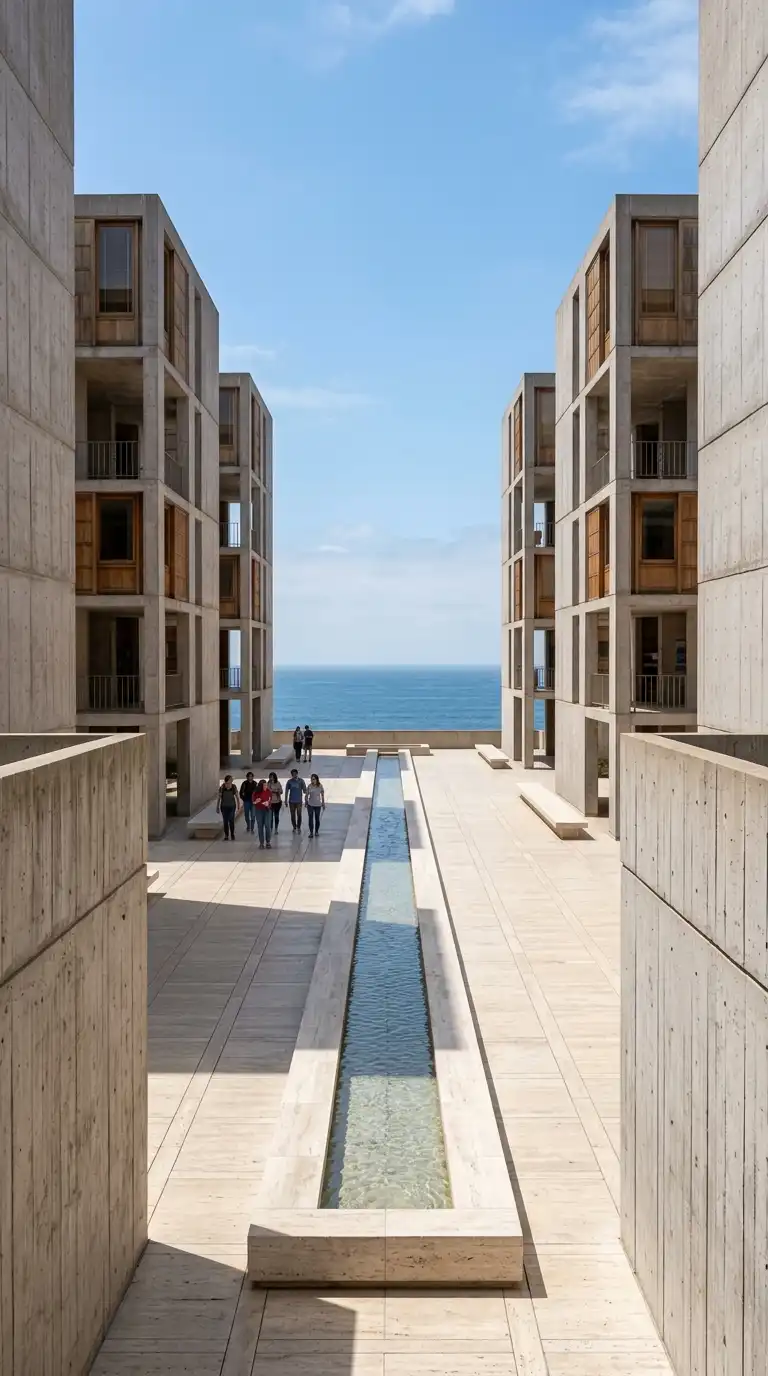
The Salk Institute by Louis Kahn (1965) is a research institute in La Jolla, California. Two mirror-image buildings face a central courtyard with a water channel that leads to the ocean. The Salk Institute is symmetrical, concrete, and monumental.
This design is ideal for research institutes and campuses. The emotional effect is symmetrical, concrete, and monumental.
Quick Tips
- The plan must have two mirror-image buildings.
- The courtyard must have a water channel to the ocean.
- The concrete must be board-formed.
15. The Glass House
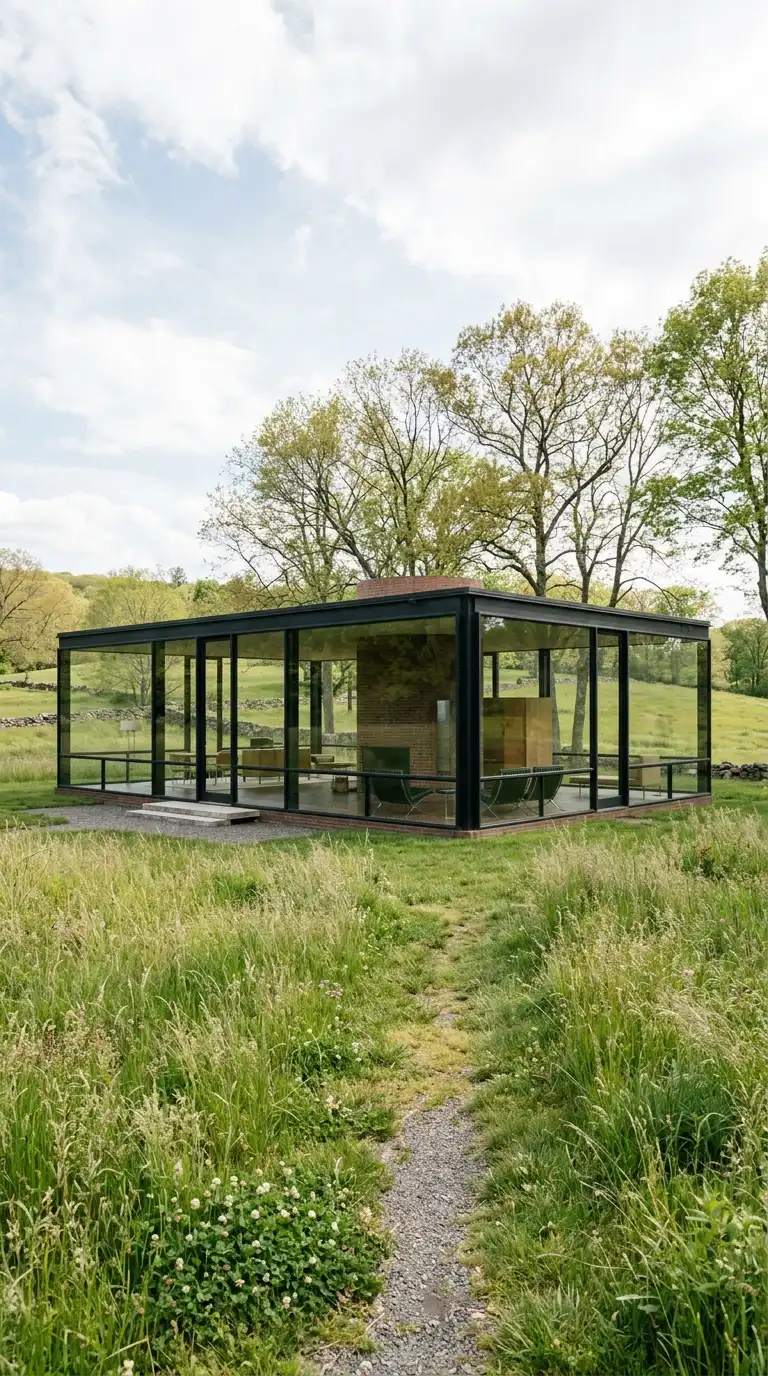
The Glass House by Philip Johnson (1949) is a glass box in a meadow. The house is transparent. The landscape is the room. The Glass House is transparent, minimal, and landscape-connected.
This design is ideal for houses in beautiful landscapes. The emotional effect is transparent, minimal, and landscape-connected.
Quick Tips
- The walls must be glass.
- The structure must be steel.
- The house must be in a meadow.
16. Ronchamp
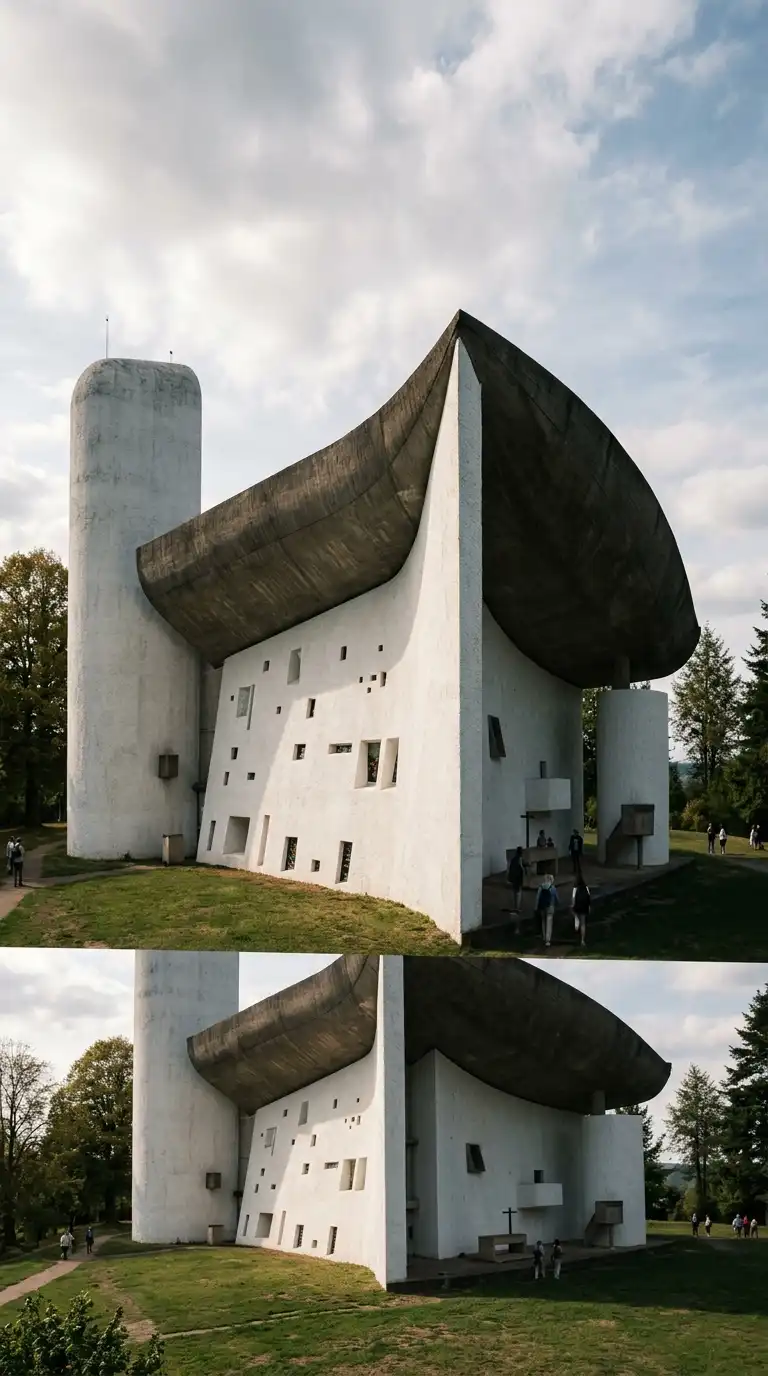
Ronchamp (Notre-Dame-du-Haut) by Le Corbusier (1954) is a concrete chapel with a curving, sculptural roof. The walls are thick and curving. The windows are small and irregular. Ronchamp is sculptural, concrete, and spiritual.
This design is ideal for chapels and pilgrimage churches. The emotional effect is sculptural, concrete, and spiritual.
Quick Tips
- The roof must be curving and sculptural.
- The walls must be thick and curving.
- The windows must be small and irregular.
17. The Barcelona Pavilion
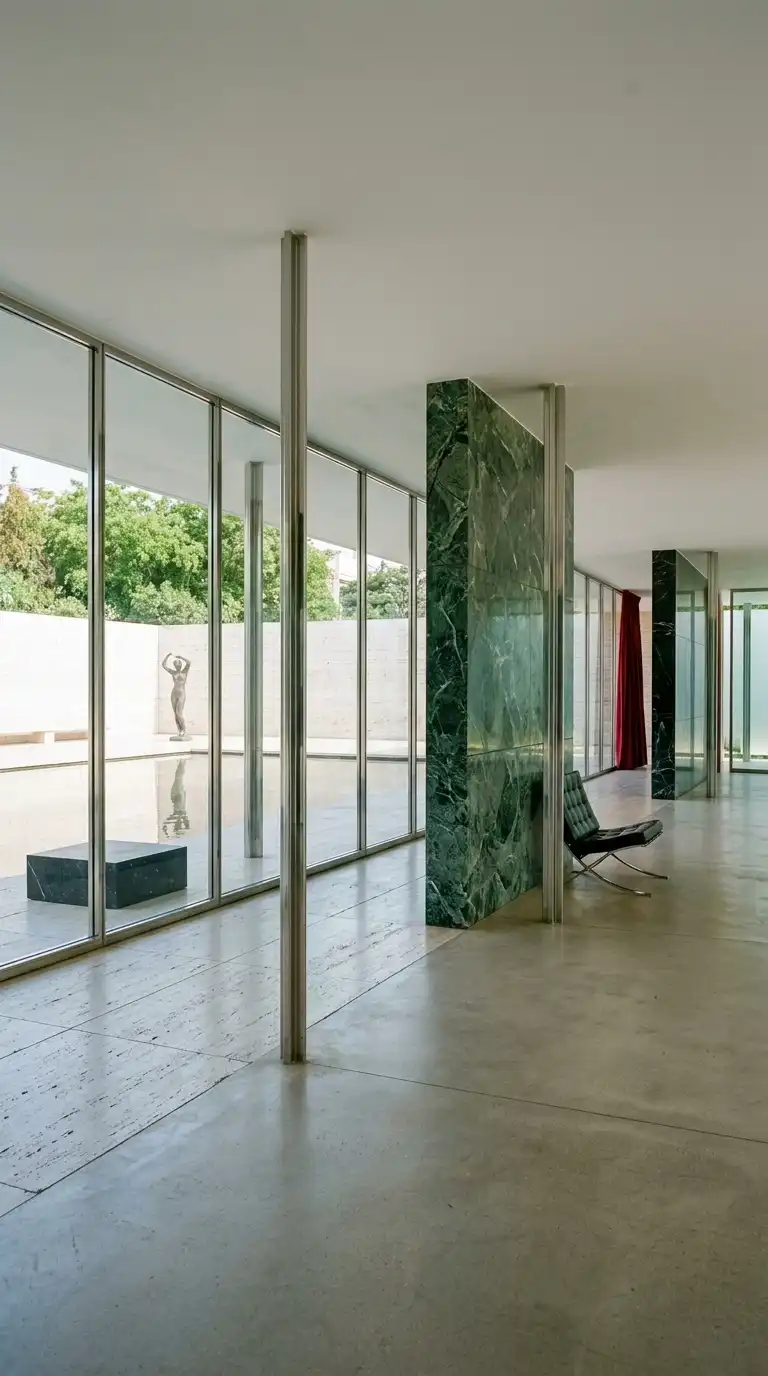
The Barcelona Pavilion by Mies van der Rohe (1929) is a modernist pavilion of glass, steel, and marble. The plan is open. The walls are freestanding. The building is minimal, elegant, and flowing.
This design is ideal for pavilions and exhibition spaces. The emotional effect is minimal, elegant, and flowing.
Quick Tips
- The plan must be open (no rooms).
- The walls must be freestanding.
- The materials must be glass, steel, and marble.
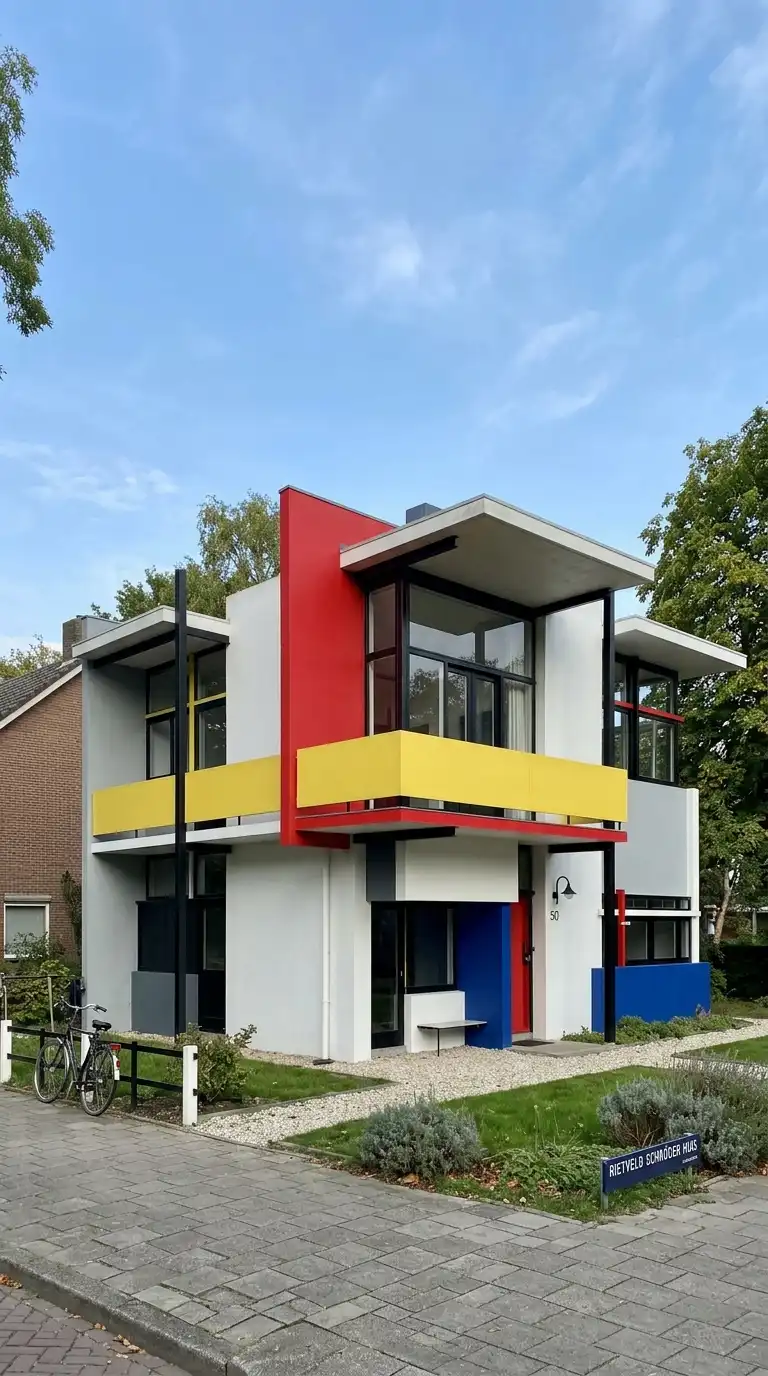
18. The Rietveld Schröder House
The Rietveld Schröder House by Gerrit Rietveld (1924) is a De Stijl house of planes and primary colours. The house is a composition of rectangles. The Rietveld Schröder House is planar, colourful, and De Stijl.
This design is ideal for modern houses. The emotional effect is planar, colourful, and De Stijl.
Quick Tips
- The house must be a composition of planes.
- The colours must be primary (red, yellow, blue) plus black, white, grey.
- The furniture must be built-in.
19. The Seagram Building
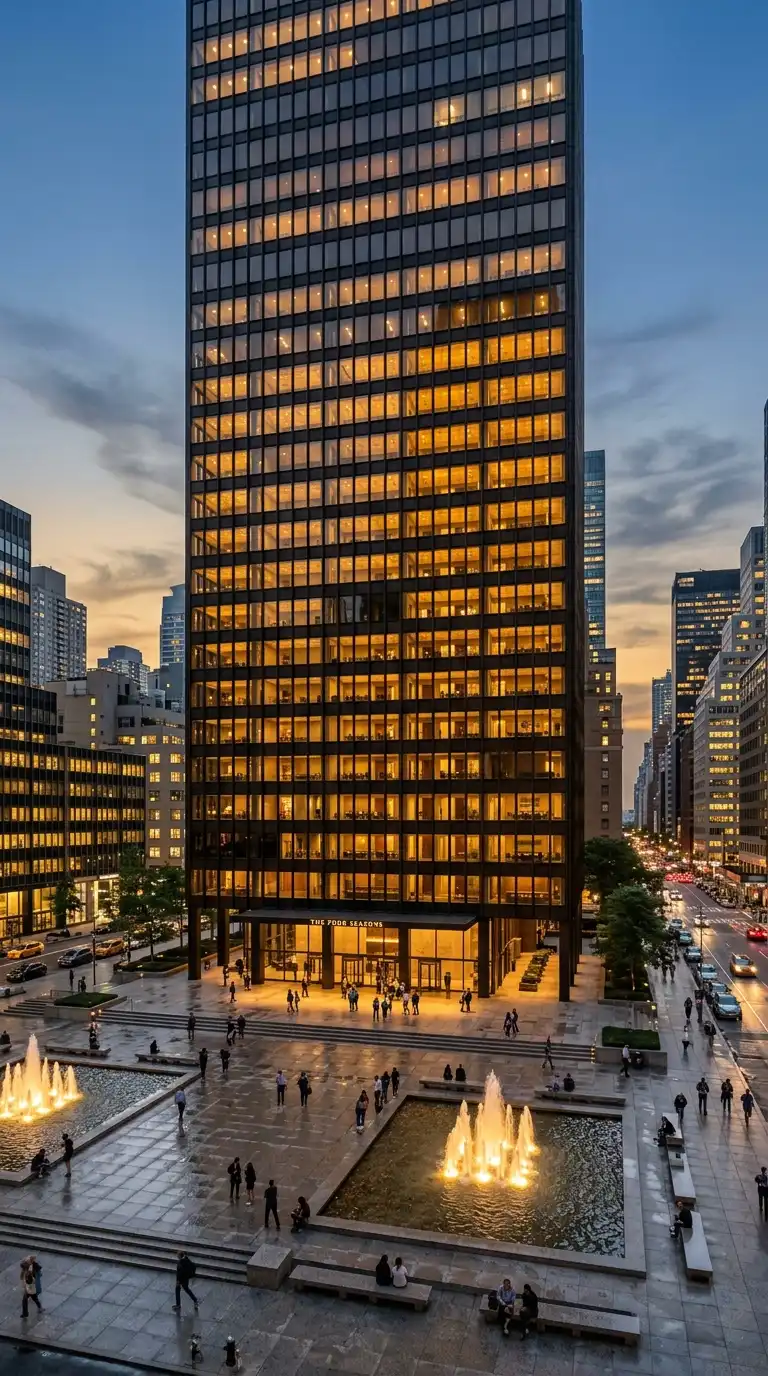
The Seagram Building by Mies van der Rohe (1958) is a glass skyscraper with a bronze curtain wall. The building is set back from the street on a plaza. The Seagram Building is elegant, precise, and monumental.
This design is ideal for office buildings and skyscrapers. The emotional effect is elegant, precise, and monumental.
Quick Tips
- The building must have a bronze curtain wall.
- The building must be set back on a plaza.
- The structure must be expressed on the exterior.
20. The Chapel of the Holy Cross
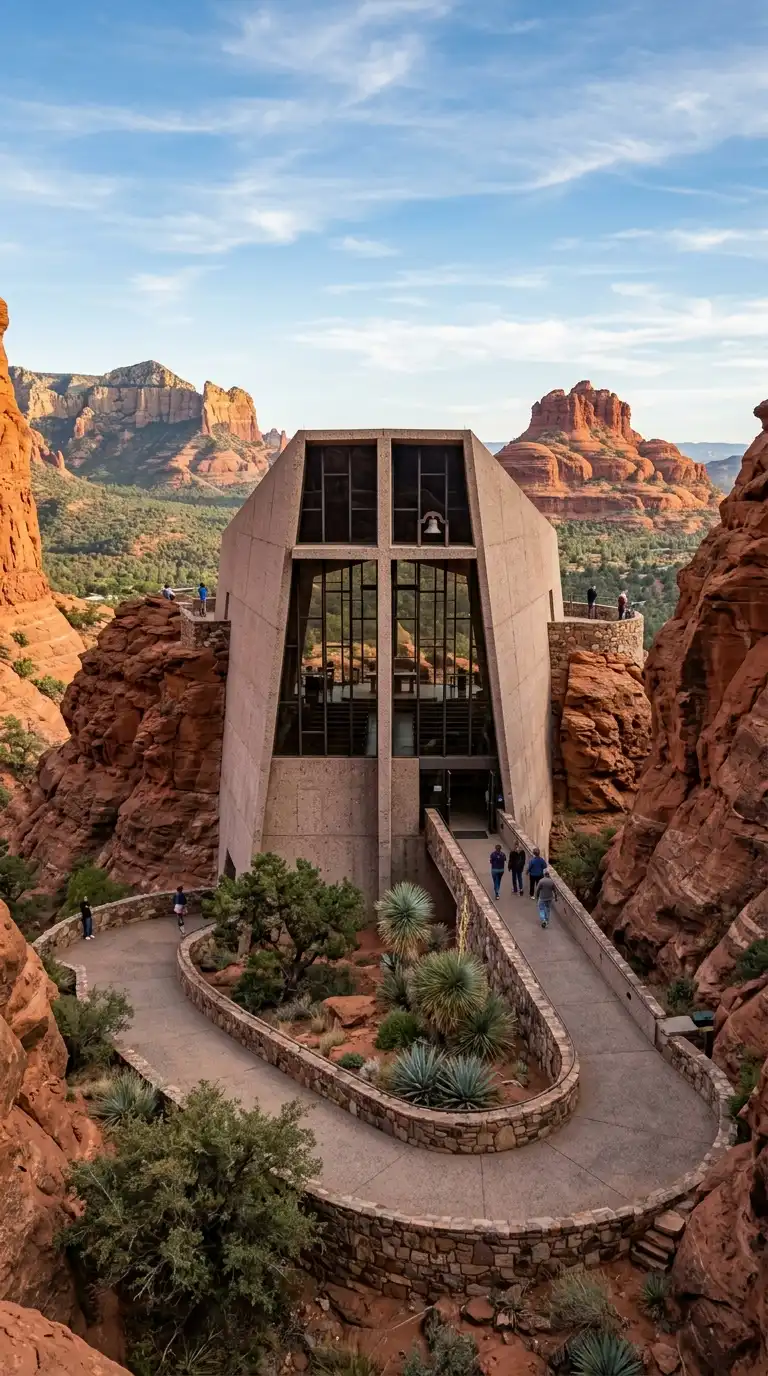
The Chapel of the Holy Cross in Sedona, Arizona (1956) is built into a red rock butte. The chapel is a concrete and glass wedge that rises from the rock. The chapel is integrated, dramatic, and spiritual.
This design is ideal for chapels in dramatic landscapes. The emotional effect is integrated, dramatic, and spiritual.
Quick Tips
- The chapel must be built into rock.
- The material must be concrete.
- The cross must be integrated into the structure.
21. The Thermal Baths Vals
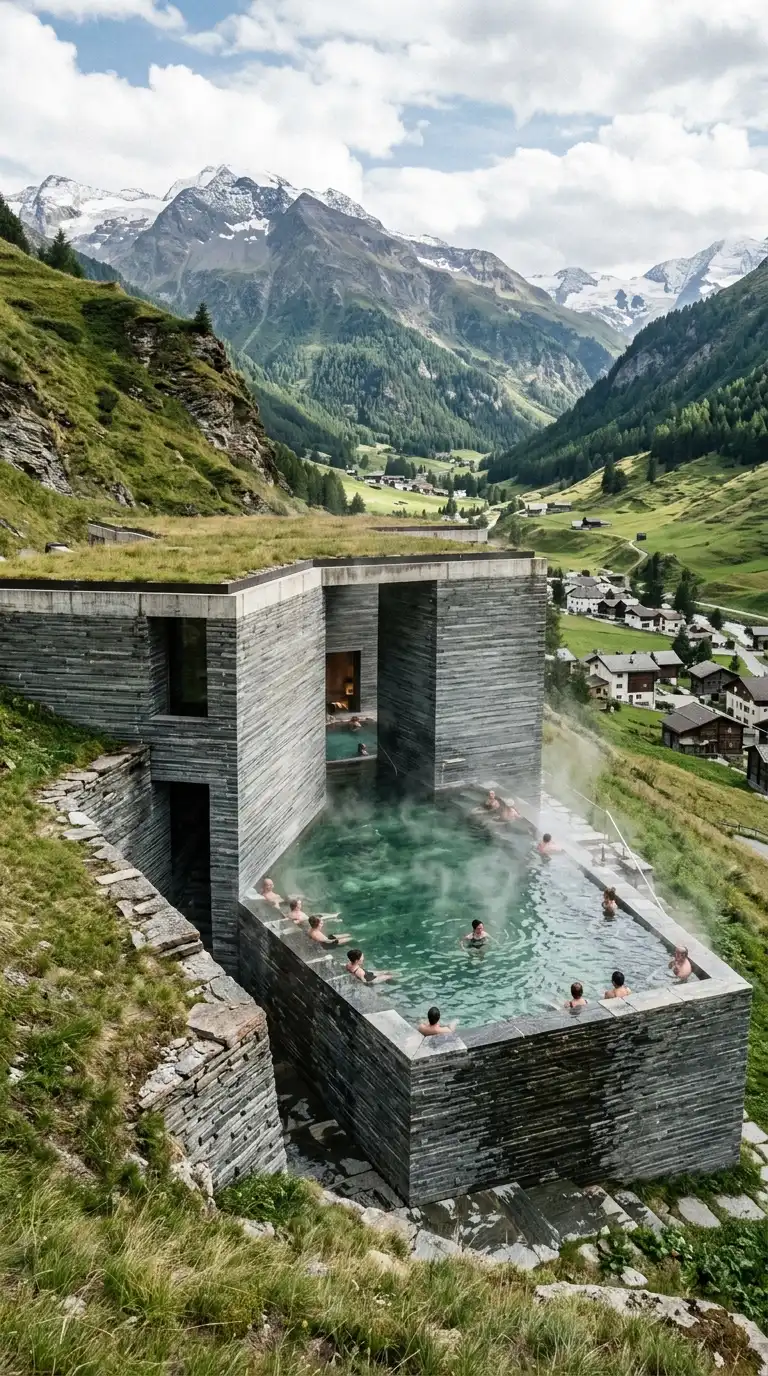
The Thermal Baths Vals by Peter Zumthor (1996) is a spa built of local stone. The building is partially buried. The stone is layered like a rock formation. The Thermal Baths Vals is stone, layered, and spa-like.
This design is ideal for spas and wellness centres. The emotional effect is stone, layered, and spa-like.
Quick Tips
- The building must be made of local stone.
- The building must be partially buried.
- The stone must be layered.
22. The Jewish Museum Berlin
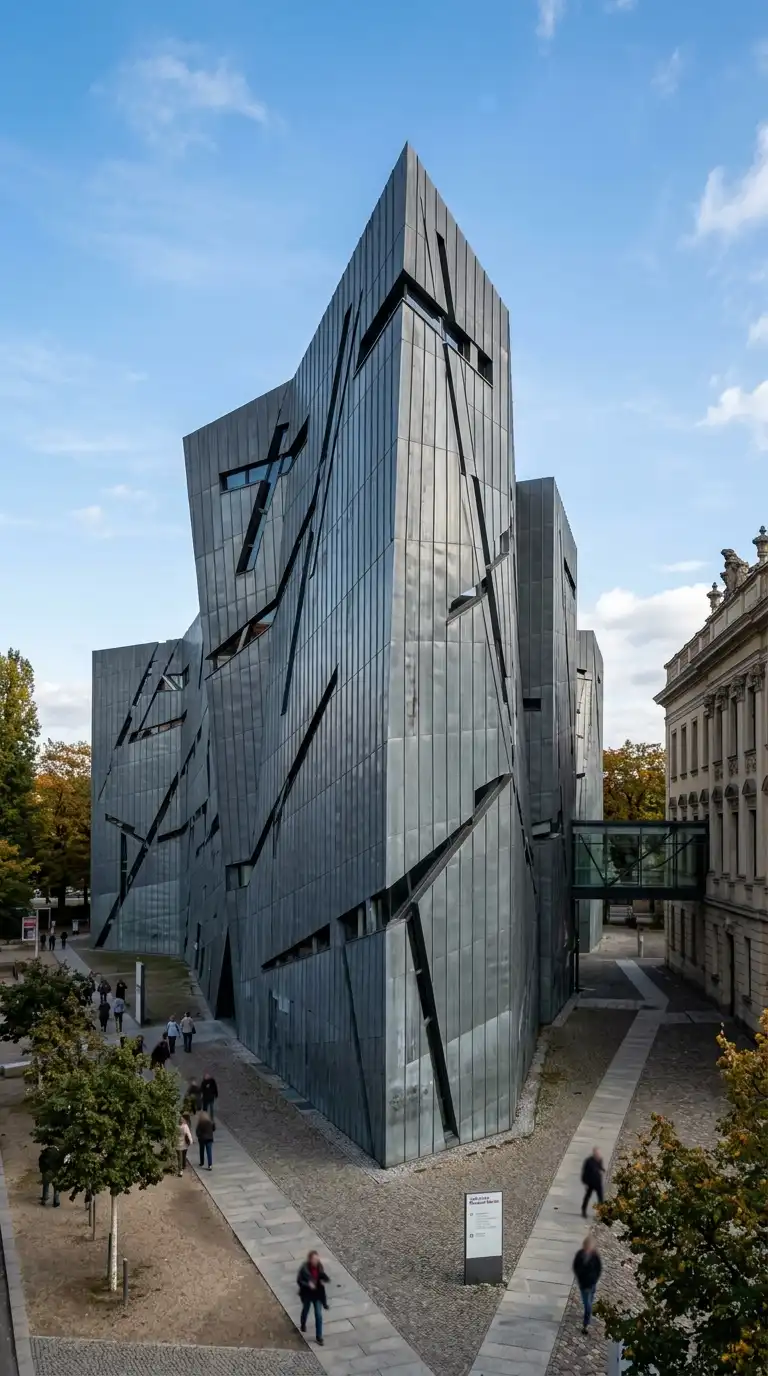
The Jewish Museum Berlin by Daniel Libeskind (2001) is a deconstructivist building shaped like a zigzag. The facade is zinc. The windows are slashes. The Jewish Museum is zigzag, zinc, and memorial.
This design is ideal for museums and memorials. The emotional effect is zigzag, zinc, and memorial.
Quick Tips
- The plan must be a zigzag.
- The facade must be zinc.
- The windows must be slashes.
23. The Burj Khalifa
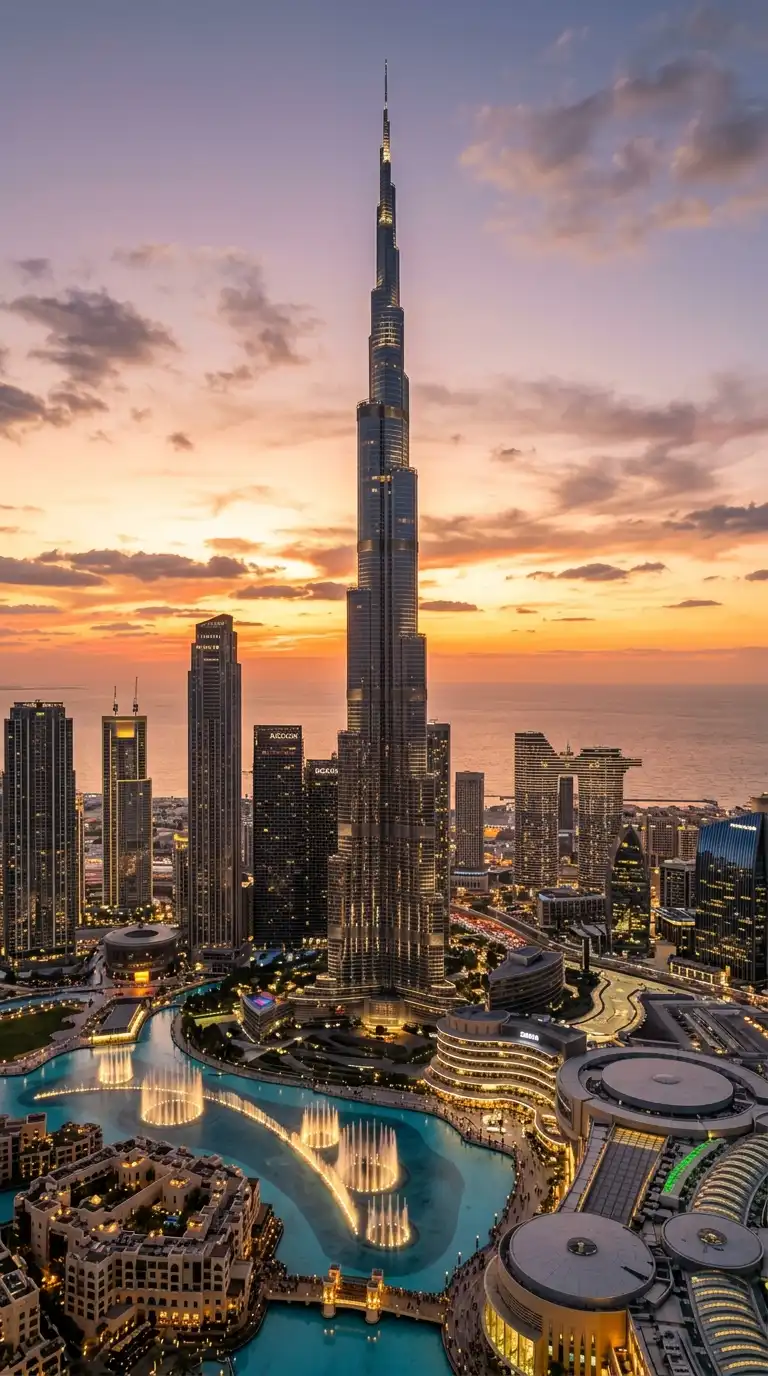
The Burj Khalifa in Dubai (2010) is the world’s tallest building. It is a stepped, tapering tower inspired by a desert flower. The Burj Khalifa is vertical, tapering, and skyline-defining.
This design is ideal for skyscrapers and landmarks. The emotional effect is vertical, tapering, and skyline-defining.
Quick Tips
- The tower must be stepped and tapering.
- The form must be inspired by a desert flower.
- The tower must be the tallest building.
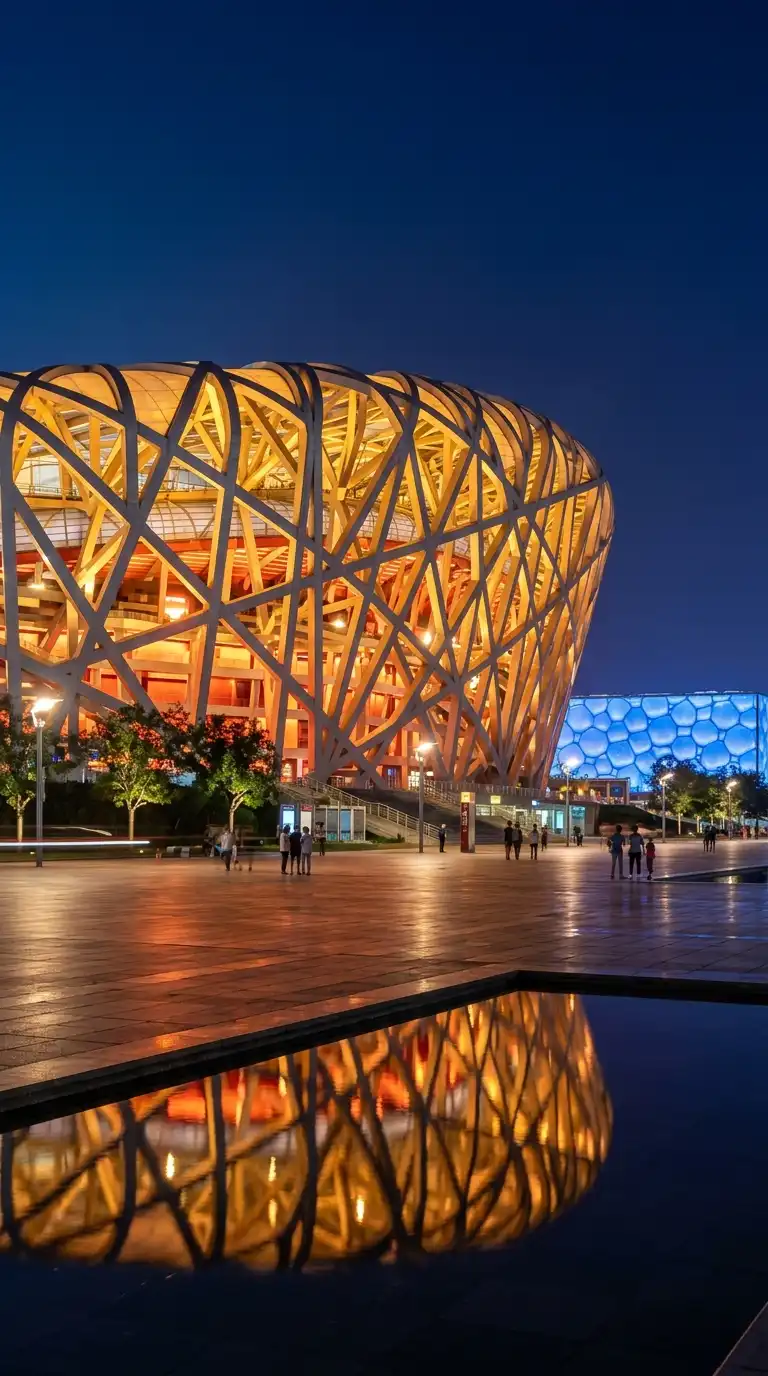
24. The Beijing National Stadium (Bird’s Nest)
The Beijing National Stadium by Herzog & de Meuron (2008) is a steel lattice structure shaped like a bird’s nest. The structure is exposed. The building is sculptural, steel, and nest-like.
This design is ideal for stadiums and arenas. The emotional effect is sculptural, steel, and nest-like.
Quick Tips
- The structure must be a steel lattice.
- The form must be like a bird’s nest.
- The structure must be exposed.