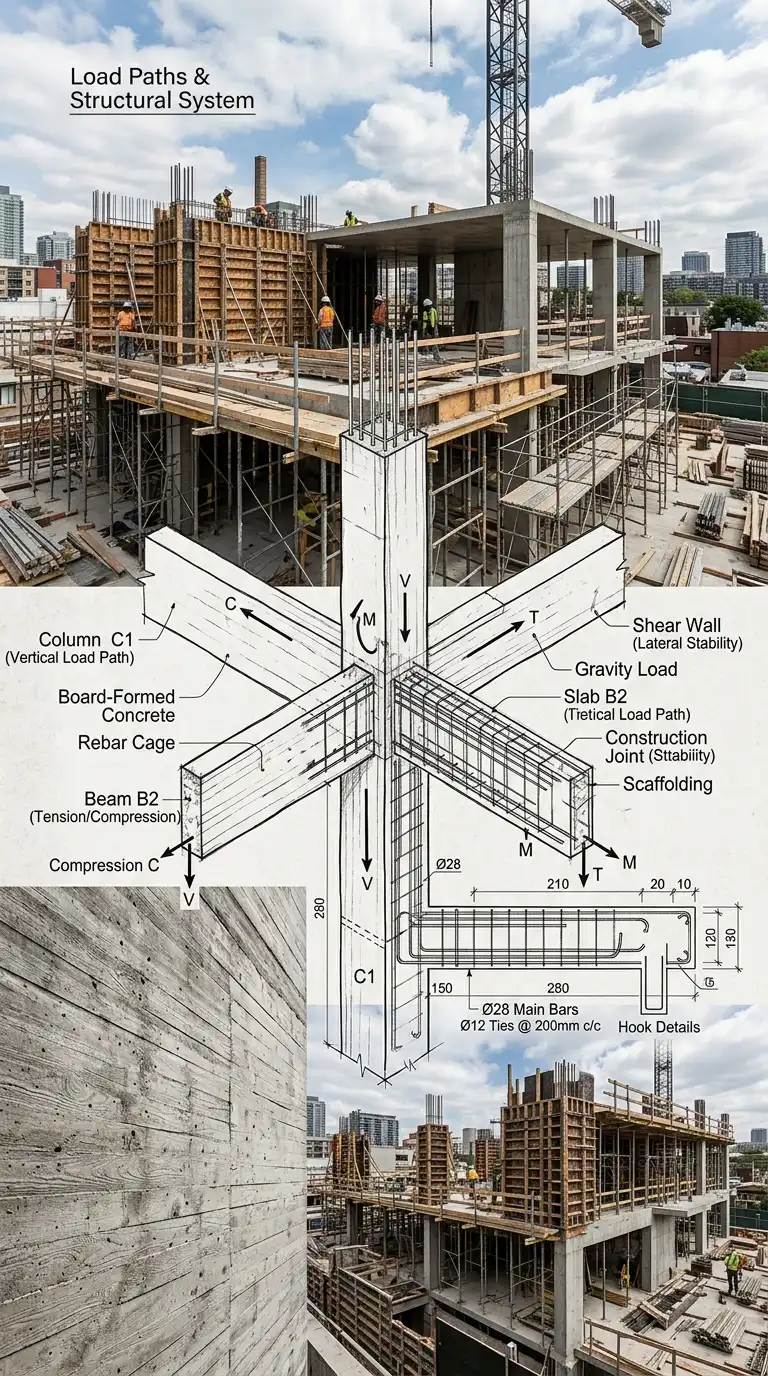
Industrial architecture is the architecture of production. It is factories, warehouses, power plants, and silos. Industrial buildings are not designed for beauty — they are designed for function. But function, honestly expressed, becomes beauty. Industrial architecture is honest, structural, and monumental. It is the architecture of steel, concrete, brick, and glass.
These 15 industrial architecture designs span factories, power plants, grain silos, and warehouses. Each design includes defining characteristics, structural principles, and architectural strategies.
1. The Sawtooth Factory
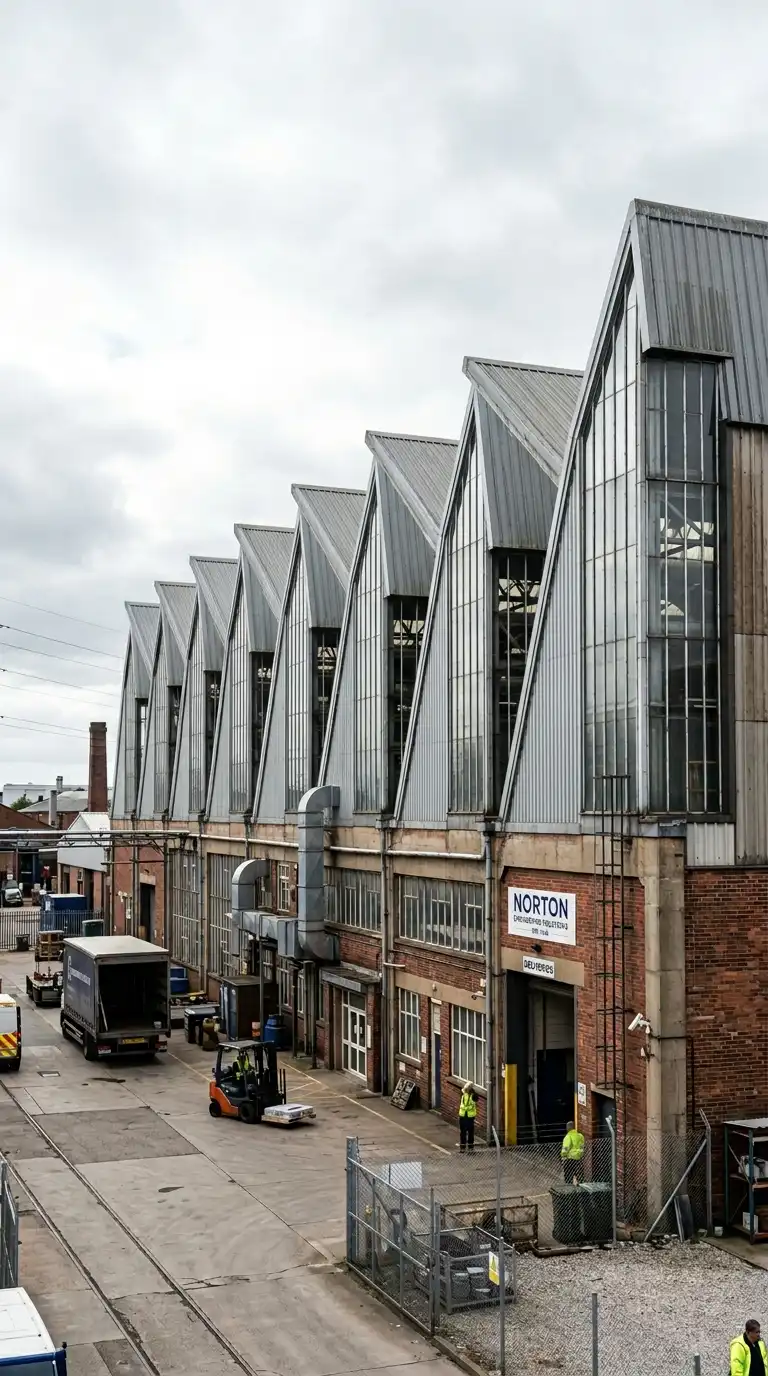
The sawtooth factory has a roof made of a series of shed roofs. Each shed roof has a vertical or near-vertical glazed face facing north. The sawtooth roof provides even, shadowless light for manufacturing. The sawtooth factory is industrial, rhythmic, and north-lit.
This design is ideal for factories, workshops, and studios. The emotional effect is industrial, rhythmic, and north-lit.
Quick Tips
- The glazed face must face north for even light.
- The slopes can face south for solar panels.
- The sawtooth can be repeated indefinitely.
2. The Monitor Roof Factory
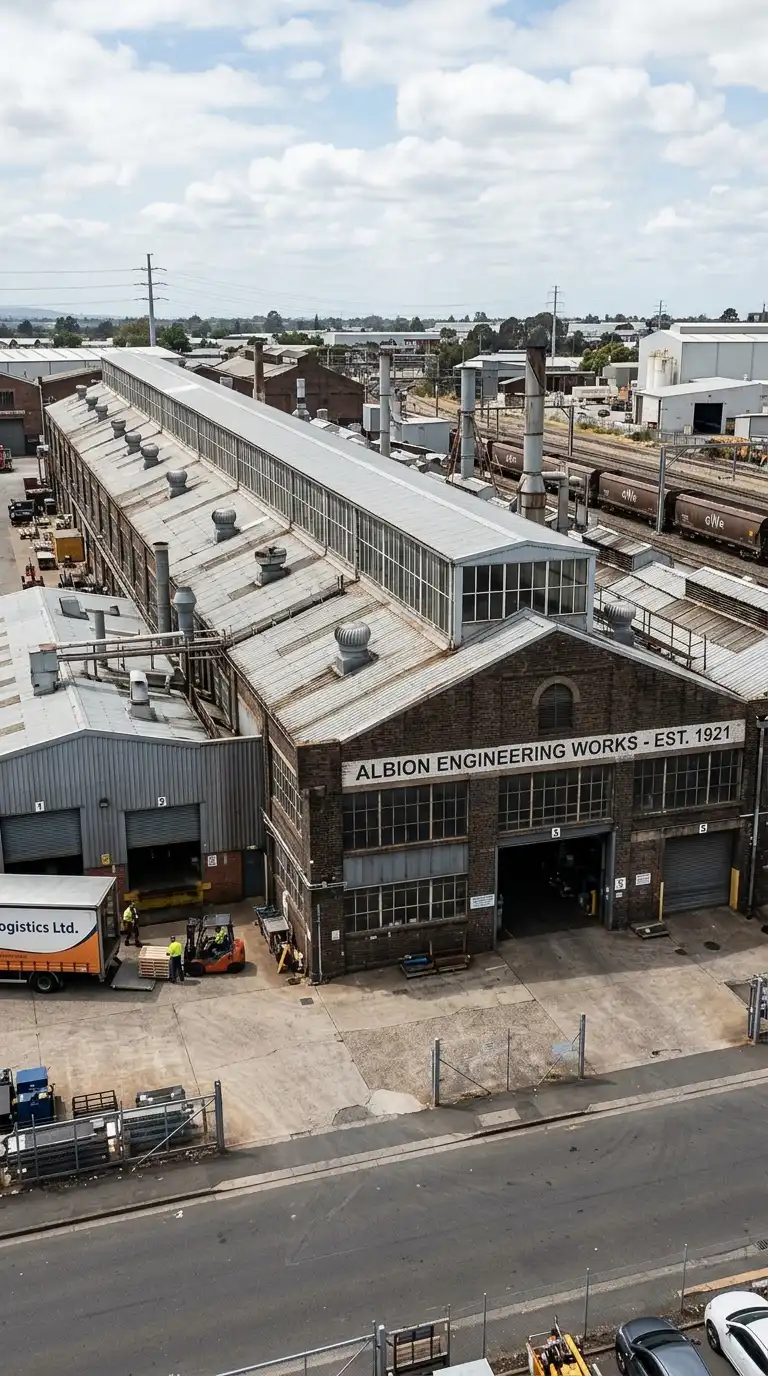
The monitor roof factory has a raised central section with vertical windows on both sides. The monitor roof provides light and ventilation. The monitor roof is like a sawtooth but symmetrical. The monitor roof factory is industrial, ventilated, and top-lit.
This design is ideal for factories and industrial buildings. The emotional effect is industrial, ventilated, and top-lit.
Quick Tips
- The monitor must be raised above the main roof.
- The monitor must have windows on both sides.
- The monitor can run the length of the building.
3. The Steel Mill
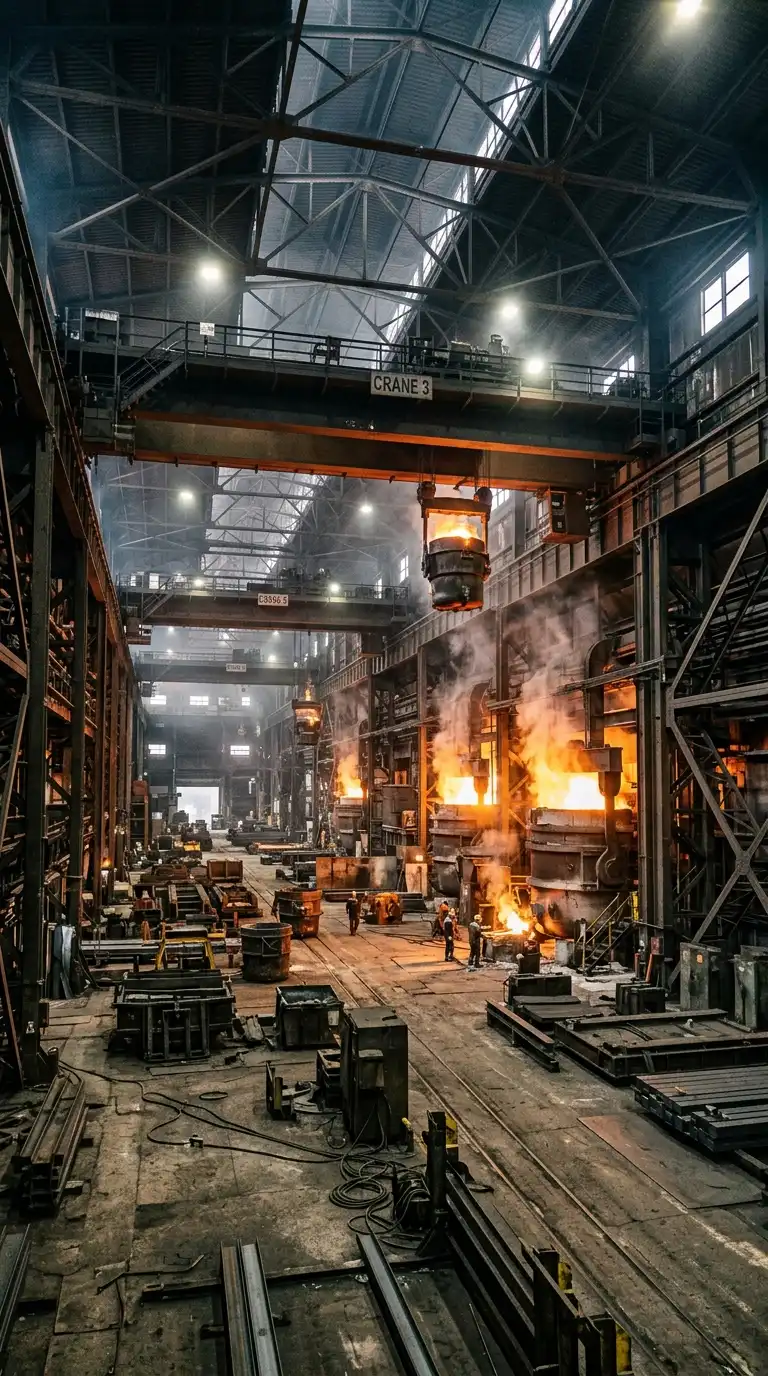
The steel mill is a complex of buildings for making steel. The buildings are huge, open, and dark. The structures are heavy steel. The spaces are filled with cranes, furnaces, and rolling mills. The steel mill is heroic, heavy, and dangerous.
This design is ideal for heavy industry. The emotional effect is heroic, heavy, and dangerous.
Quick Tips
- The building must be large and open.
- The structure must be heavy steel.
- Overhead cranes must be visible.
4. The Power Plant
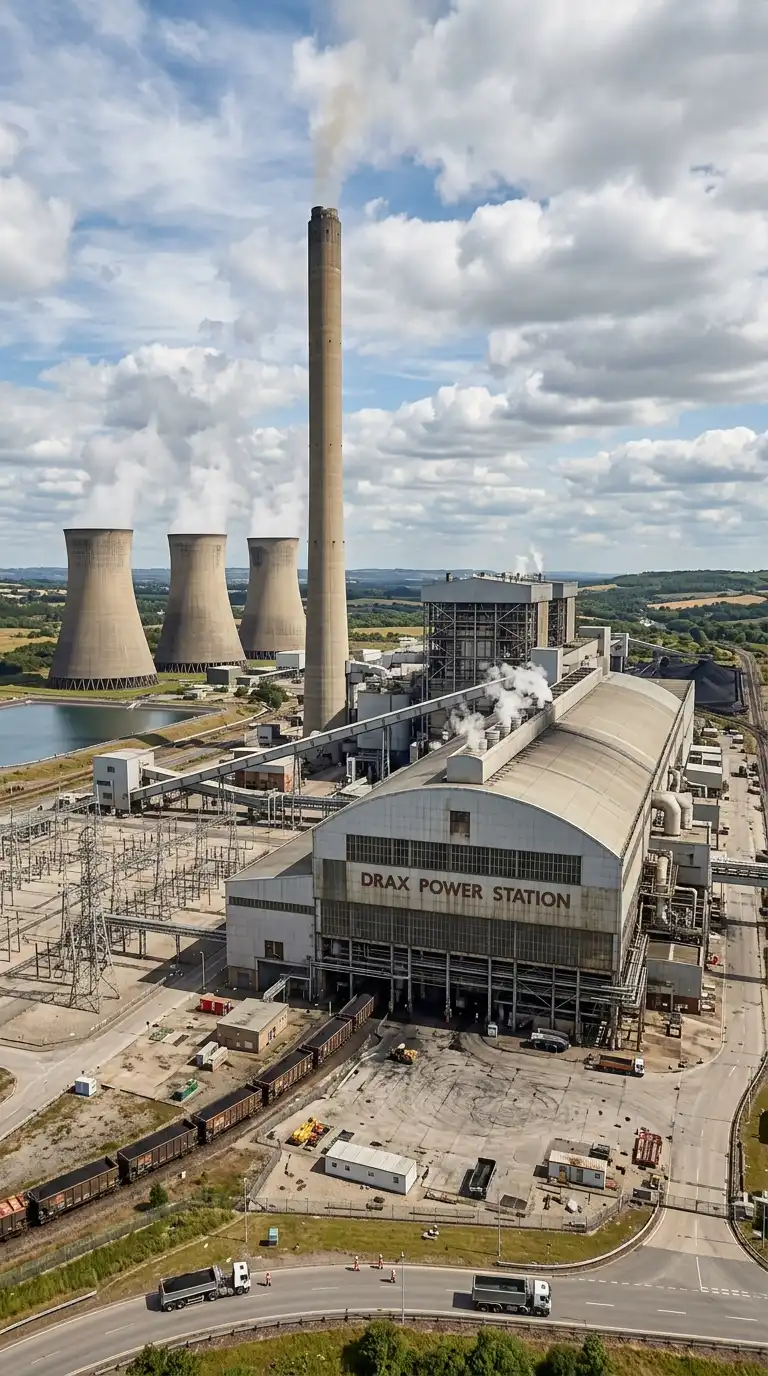
The power plant is a building that generates electricity. The most visible features are the smokestack, the cooling towers, and the turbine hall. The power plant is monumental, industrial, and powerful.
This design is ideal for energy generation. The emotional effect is monumental, industrial, and powerful.
Quick Tips
- The smokestack must be tall and visible.
- Cooling towers are hyperbolic (curved).
- The turbine hall must be large and open.
5. The Grain Silo
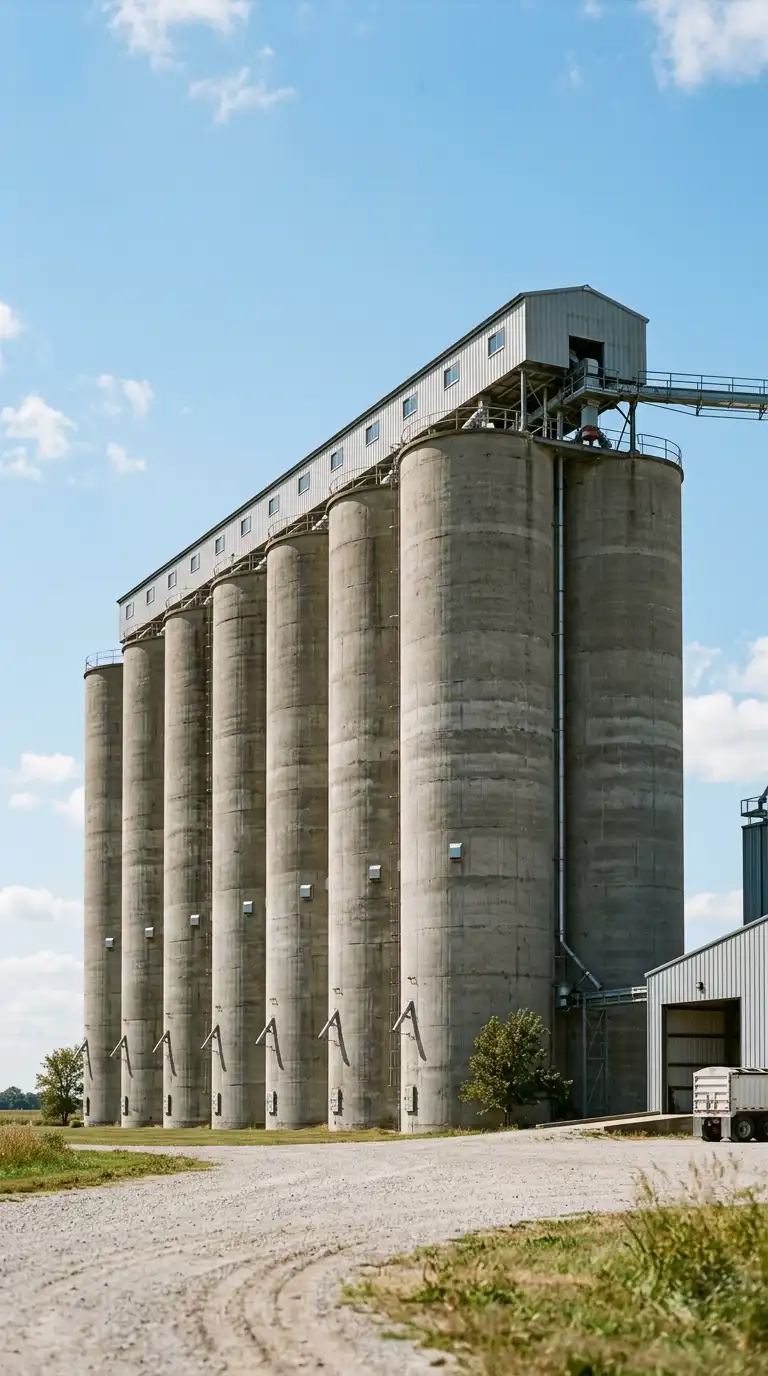
The grain silo is a tall cylindrical tower for storing grain. Silos are built in rows. The silos are concrete. The top has a gallery for filling. The bottom has a hopper for emptying. The grain silo is vertical, cylindrical, and repetitive.
This design is ideal for grain storage. The emotional effect is vertical, cylindrical, and repetitive.
Quick Tips
- Silos must be cylindrical.
- Silos must be in rows.
- The top must have a gallery.
6. The Warehouse
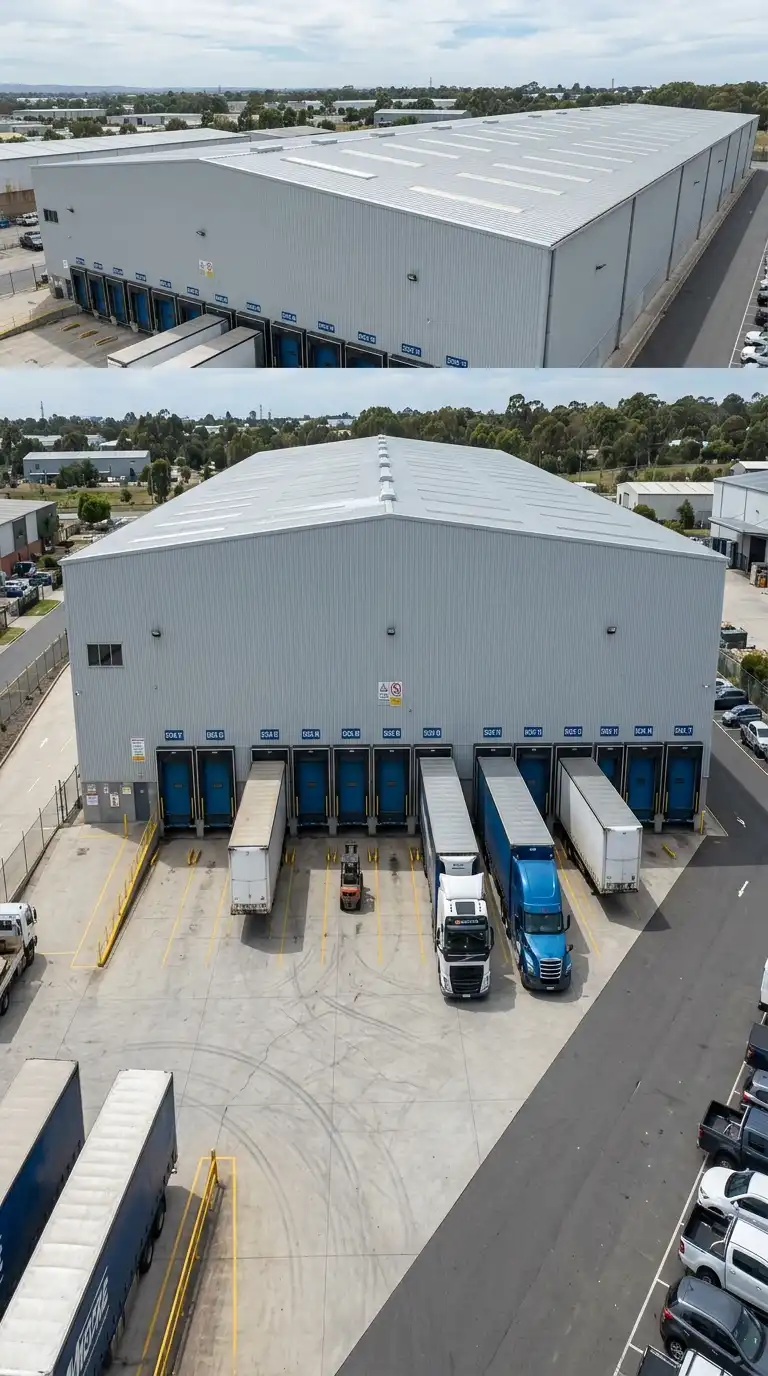
The warehouse is a large, open building for storing goods. The plan is a single large rectangle. The roof is a clear span (no columns inside). The walls are concrete or metal. The warehouse is simple, open, and efficient.
This design is ideal for storage and distribution. The emotional effect is simple, open, and efficient.
Quick Tips
- The plan must be a single large rectangle.
- The roof must be a clear span (no interior columns).
- Loading docks must be at grade.
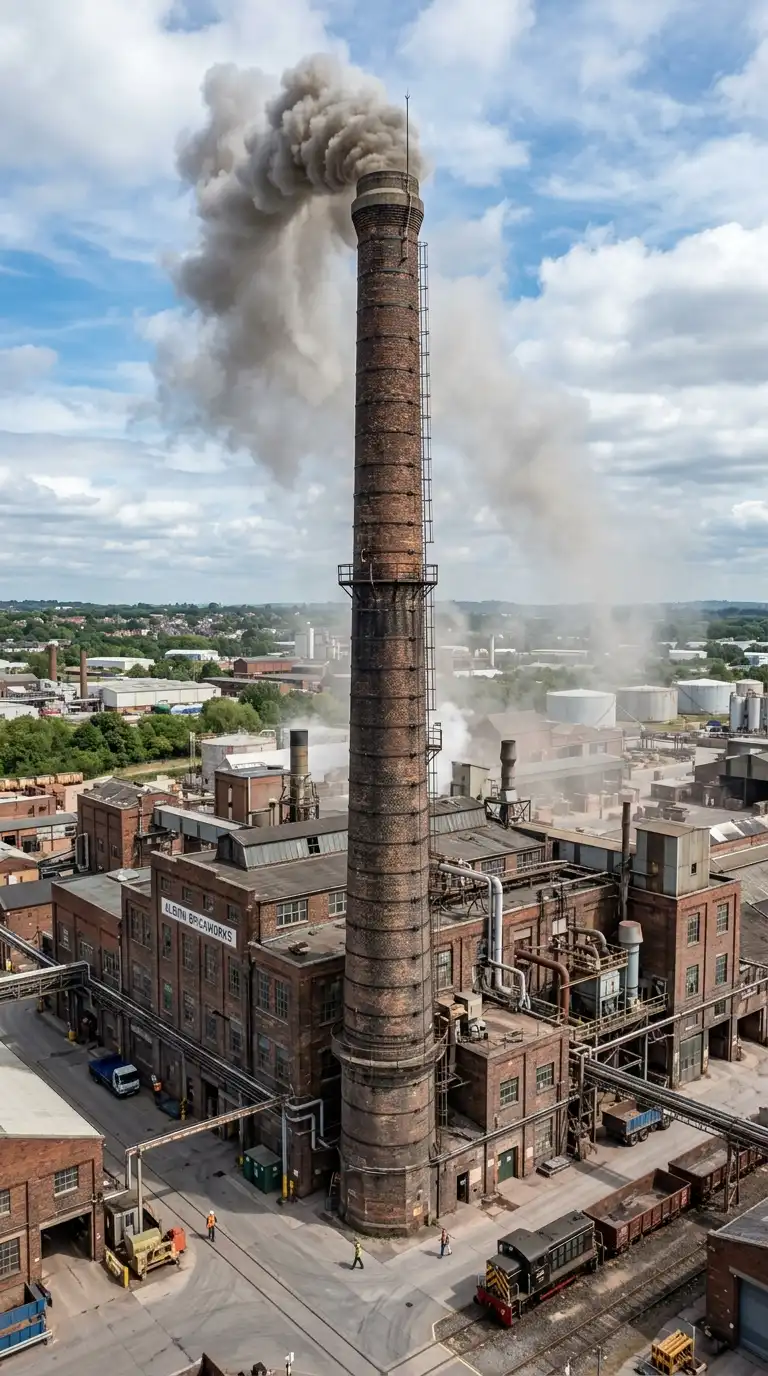
7. The Factory Chimney
The factory chimney is a tall brick or concrete stack. The chimney releases smoke and gases. The chimney is a landmark. The factory chimney is vertical, industrial, and iconic.
This design is ideal for factories and power plants. The emotional effect is vertical, industrial, and iconic.
Quick Tips
- The chimney must be tall (at least 1.5 times the building height).
- The chimney must be brick or concrete.
- The top may have a decorative cap.
8. The Water Tower
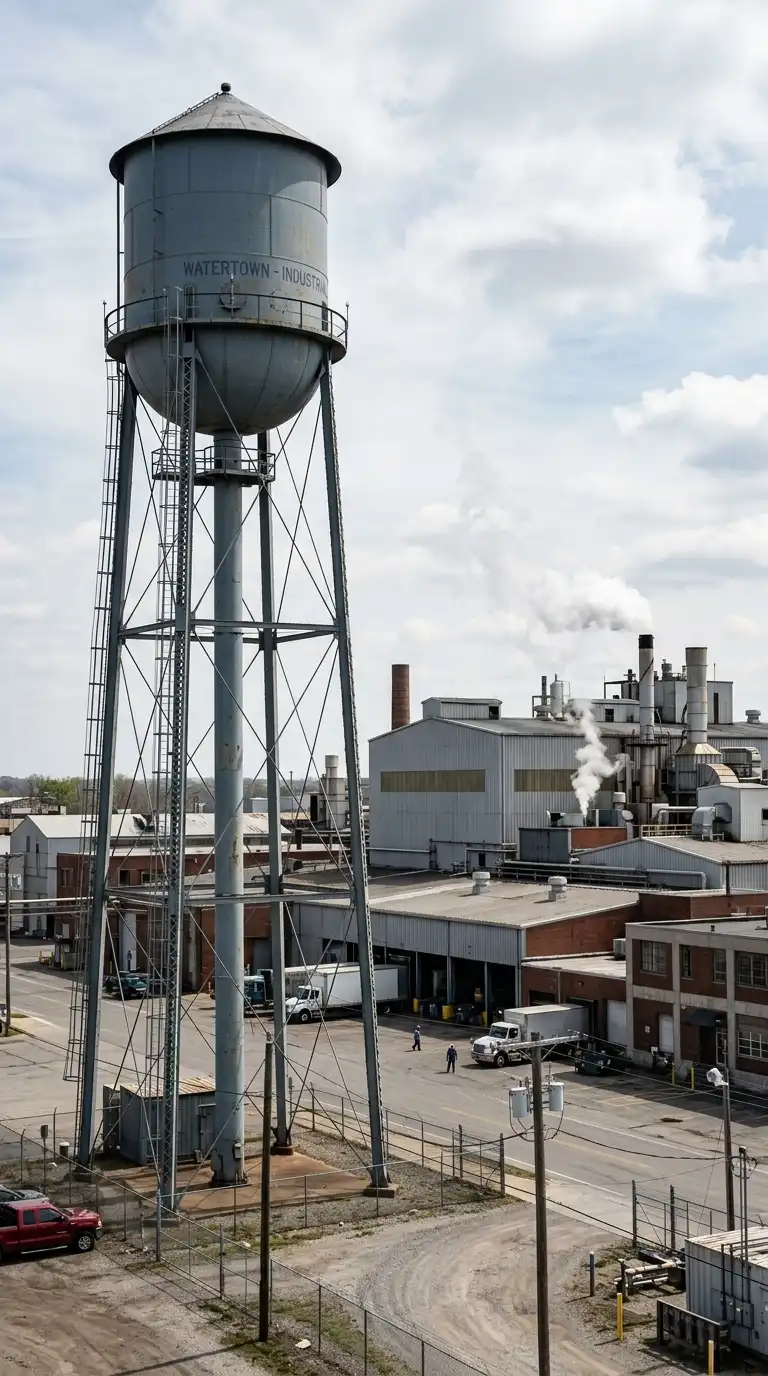
The water tower is a tall structure with a tank on top. The tower provides water pressure for the factory. The tank is often steel. The tower is steel or concrete. The water tower is vertical, structural, and utilitarian.
This design is ideal for factories and towns. The emotional effect is vertical, structural, and utilitarian.
Quick Tips
- The tower must be taller than the buildings it serves.
- The tank must be on top.
- The structure must be steel or concrete.
9. The Crane
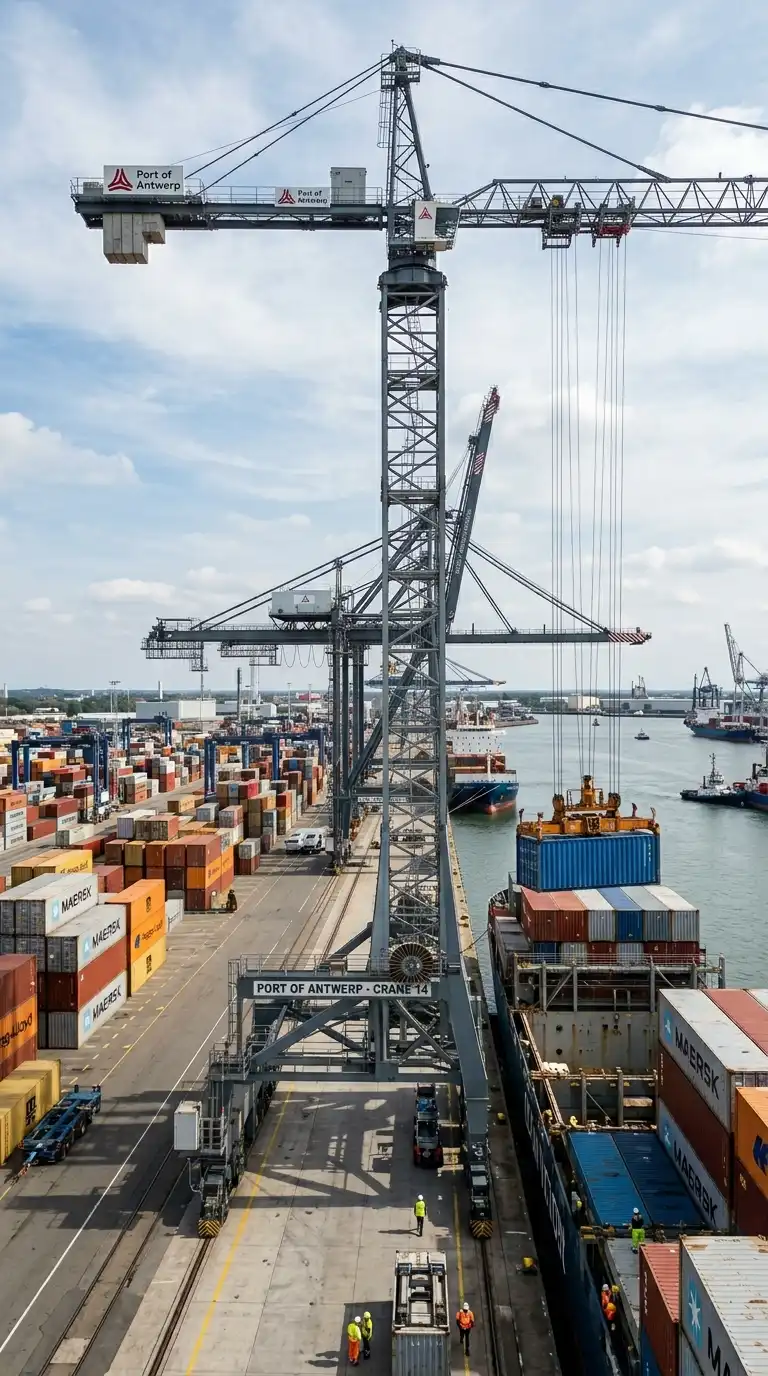
The crane is a structure for lifting heavy objects. The crane is not a building — it is a machine. But cranes are often the most visible feature of an industrial landscape. The crane is tall, structural, and lifting.
This design is ideal for ports, railyards, and construction sites. The emotional effect is tall, structural, and lifting.
Quick Tips
- The crane must have a tall vertical mast.
- The crane must have a horizontal jib.
- The crane must have a hook or grab.
10. The Railway Shed
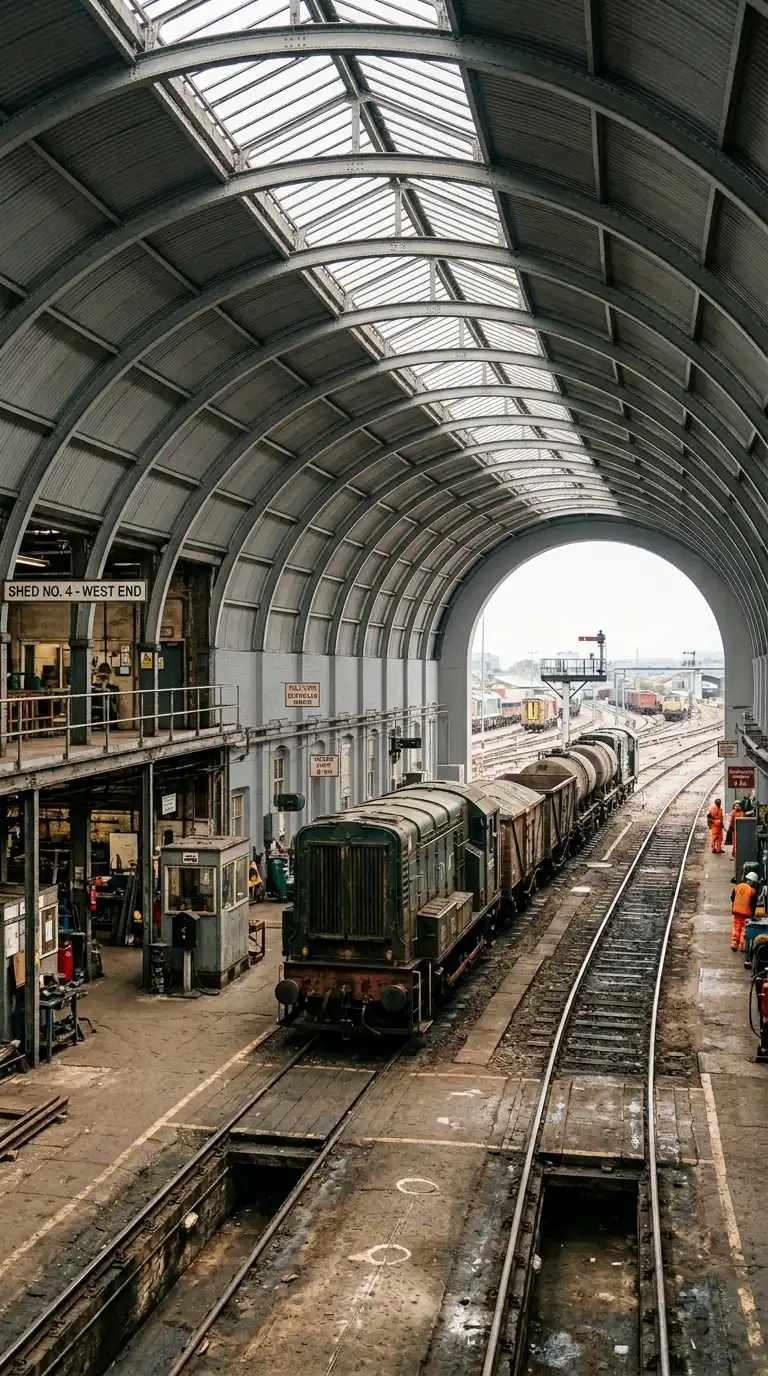
The railway shed is a large building for servicing trains. The shed has a curved roof (barrel vault) or a sawtooth roof. The shed is open at both ends for trains to pass through. The railway shed is curved, open, and railway.
This design is ideal for train maintenance and depots. The emotional effect is curved, open, and railway.
Quick Tips
- The roof must be a barrel vault or sawtooth.
- The building must be open at both ends.
- Railway tracks must run through the building.
11. The Coal Tipple
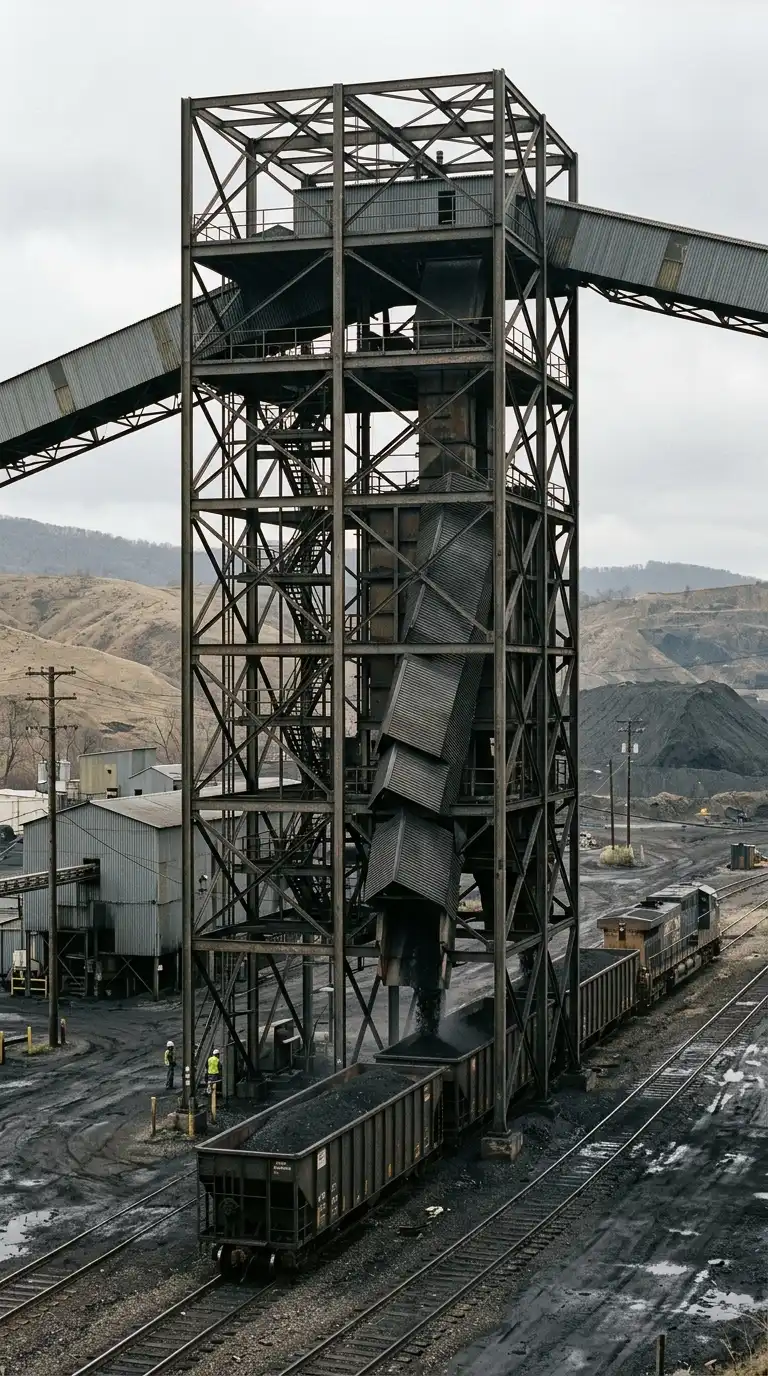
The coal tipple is a structure for loading coal into trains or ships. The tipple is a tall steel framework. Coal is dumped at the top and falls into waiting trains below. The coal tipple is structural, vertical, and coal-black.
This design is ideal for coal mines and ports. The emotional effect is structural, vertical, and coal-black.
Quick Tips
- The structure must be steel.
- The structure must be tall.
- Coal chutes must be visible.
12. The Industrial Shed
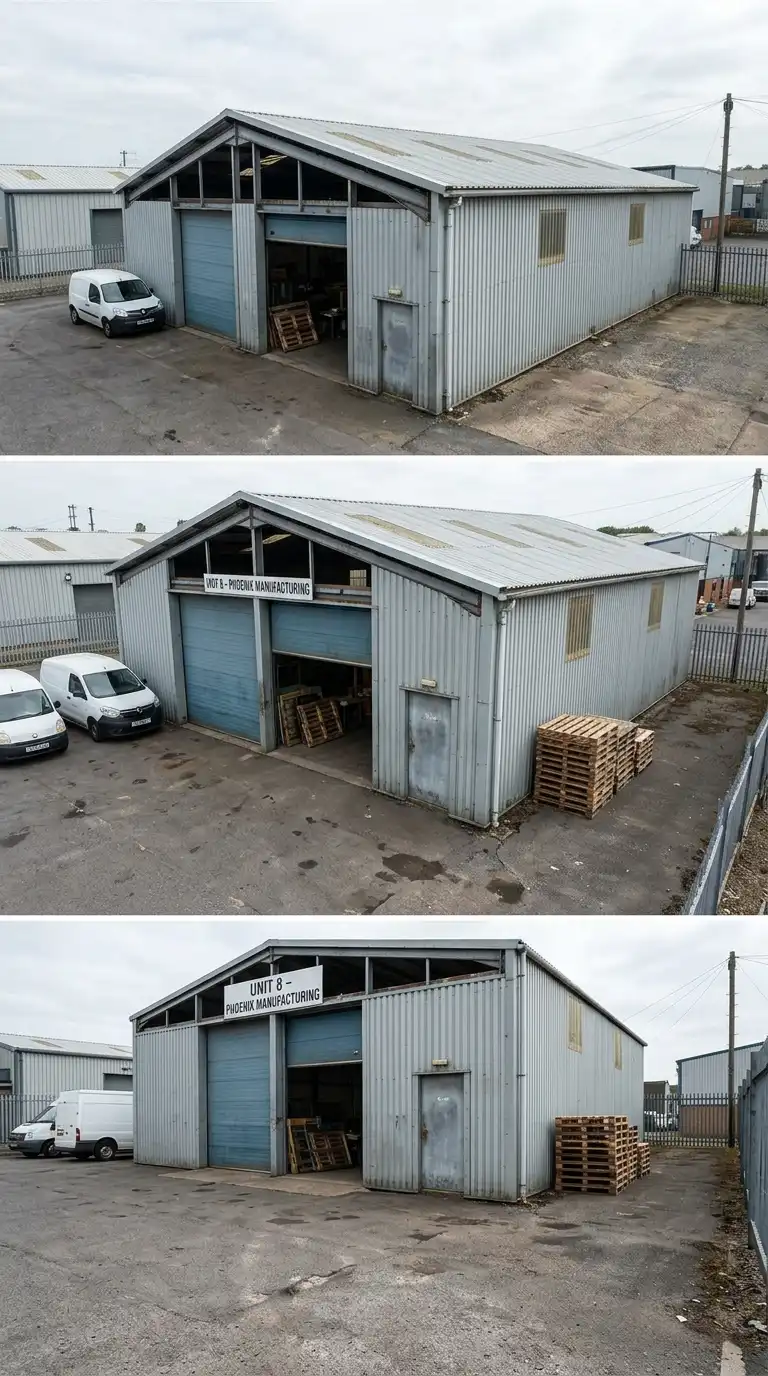
The industrial shed is a simple, low-cost building for light industry. The structure is steel or timber. The cladding is corrugated metal. The industrial shed is cheap, simple, and functional.
This design is ideal for small factories and workshops. The emotional effect is cheap, simple, and functional.
Quick Tips
- The structure must be steel or timber.
- The cladding must be corrugated metal.
- The roof must be pitched or curved.
13. The Gasometer
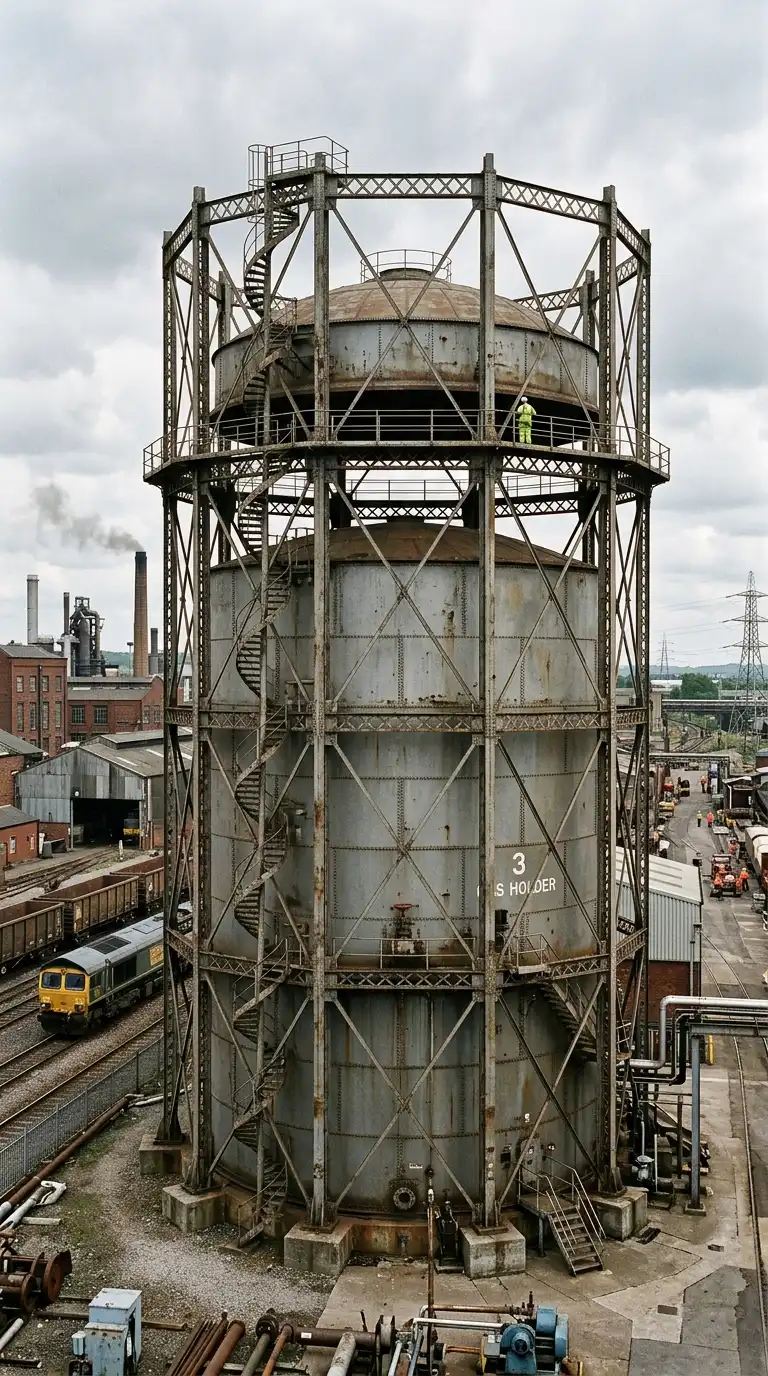
The gasometer is a large cylindrical structure for storing gas. The gasometer has a telescoping roof that rises and falls as gas is added or removed. The gasometer is cylindrical, telescoping, and industrial.
This design is ideal for gas storage. The emotional effect is cylindrical, telescoping, and industrial.
Quick Tips
- The gasometer must be cylindrical.
- The roof must be able to rise and fall.
- The structure must be steel.
14. The Cooling Tower
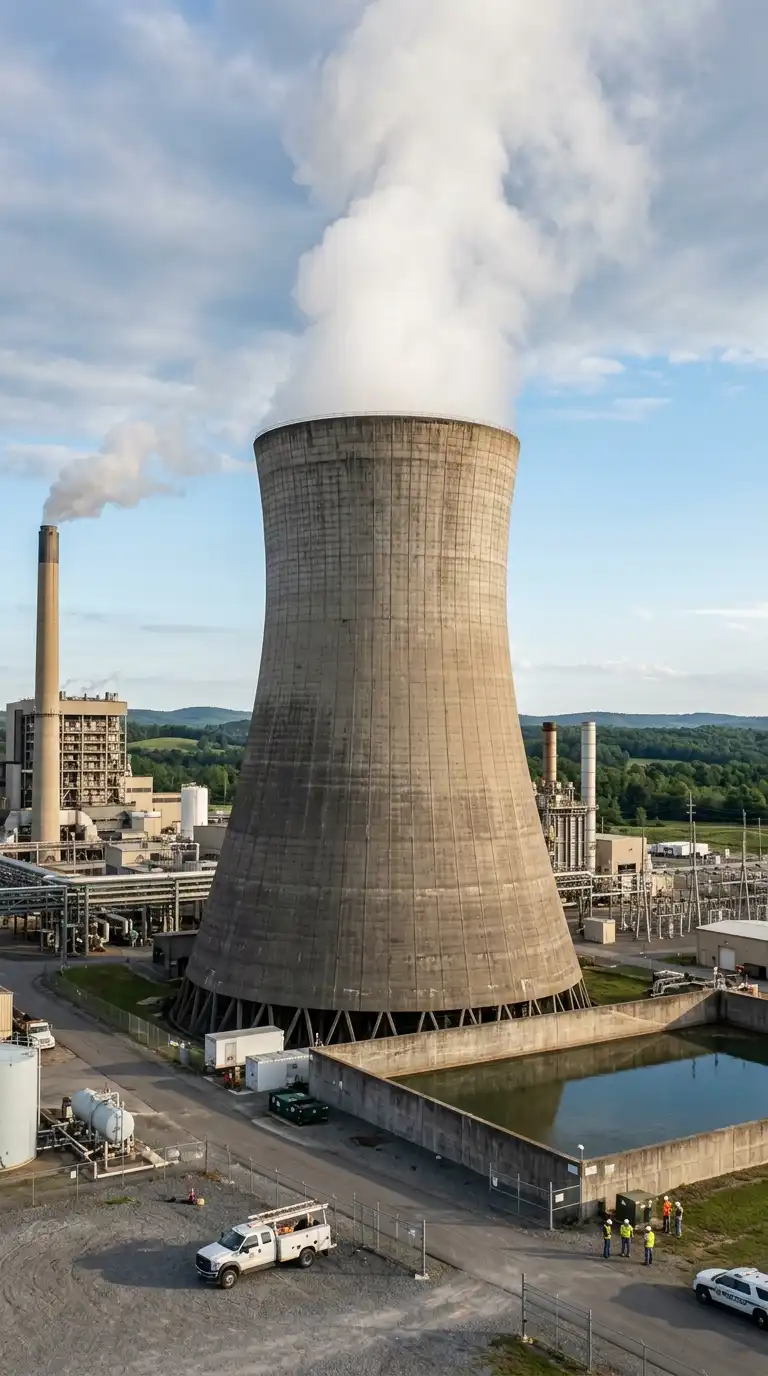
The cooling tower is a hyperbolic concrete tower for cooling water. The shape is a hyperboloid — curved inward at the waist. The cooling tower is curved, concrete, and cooling.
This design is ideal for power plants and industrial cooling. The emotional effect is curved, concrete, and cooling.
Quick Tips
- The tower must be hyperbolic (curved inward at the waist).
- The tower must be concrete.
- Steam must rise from the top.
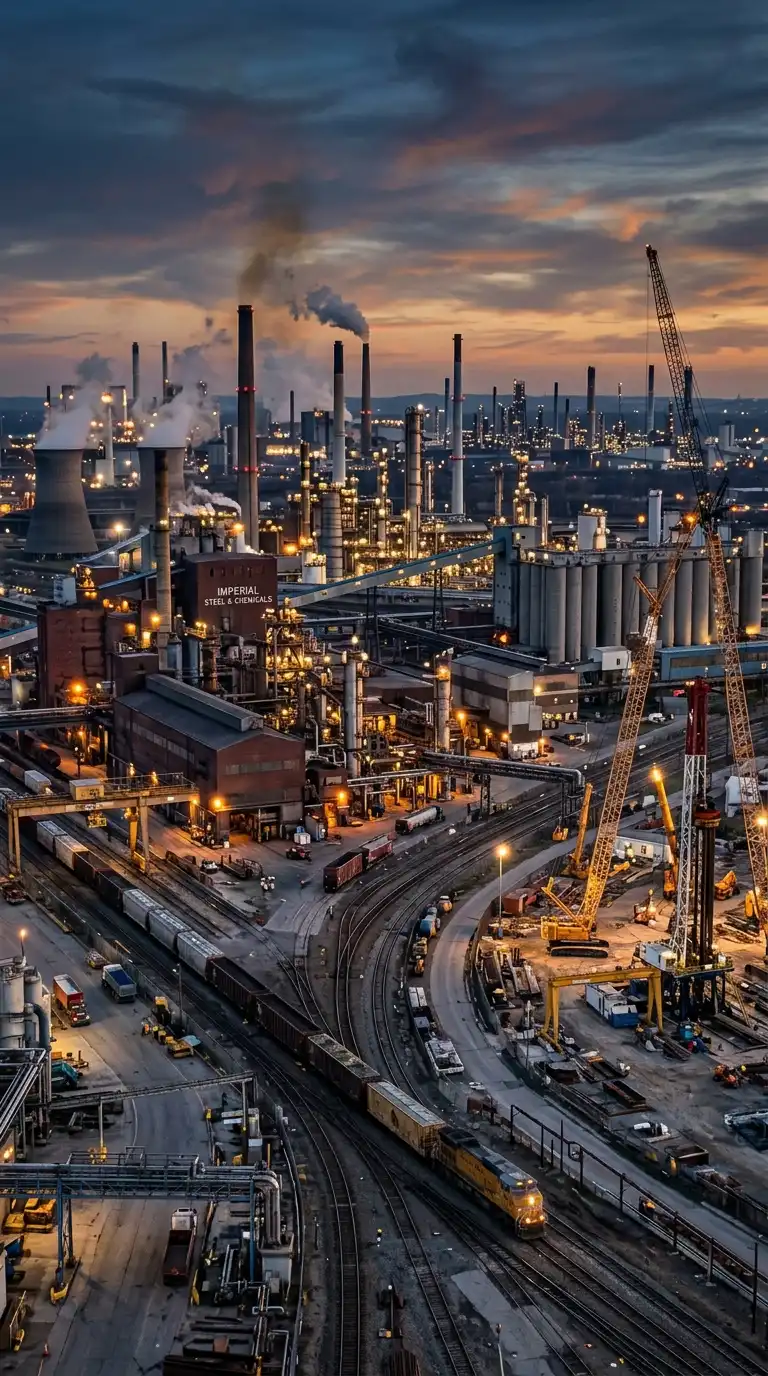
15. The Industrial Landscape
The industrial landscape is not a single building — it is a collection of buildings, structures, and infrastructure. Factories, smokestacks, cooling towers, silos, cranes, and railways. The industrial landscape is the skyline of production. It is monumental, layered, and industrial.
This design is ideal for industrial areas and ports. The emotional effect is monumental, layered, and industrial.
Quick Tips
- Include multiple building types (factories, smokestacks, silos, cranes).
- Include infrastructure (railways, roads, conveyors).
- The skyline should be layered and complex.
Final Thoughts
These 15 industrial designs are not mutually exclusive. A power plant can have cooling towers and a chimney. A steel mill can have cranes and railway sheds. An industrial landscape can include all of them. The best industrial architecture is not the most decorated — it is the most honest. It expresses its function. It celebrates its structure. It does not pretend to be something else. It is the architecture of work. It is the architecture of steel, concrete, brick, and glass. It is the architecture of the modern world. It is industrial.