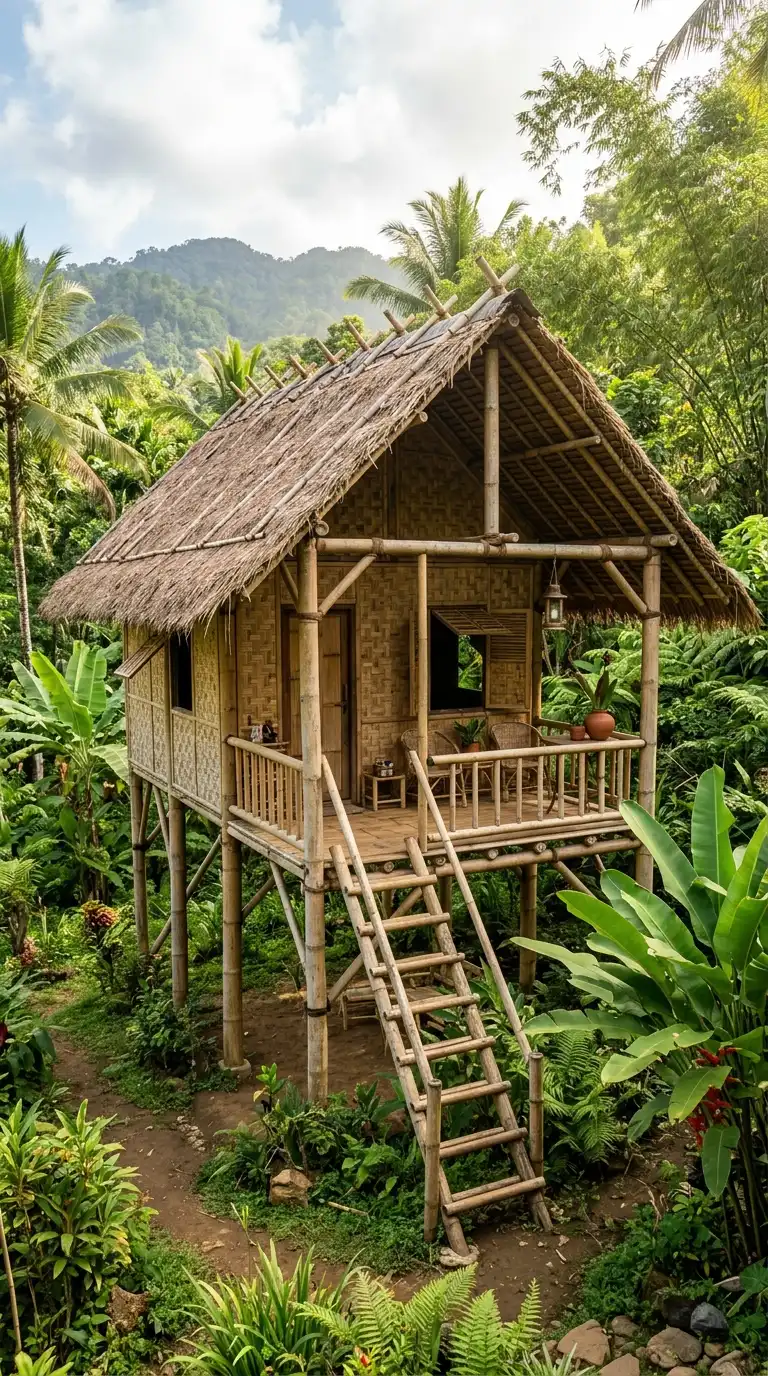
Organic architecture is a philosophy rather than a single style. The term was coined by Frank Lloyd Wright, who defined it as architecture that grows from the site, the materials, and the needs of the inhabitants — as naturally as a plant grows from the soil. Organic buildings are integrated with their landscapes, made of natural materials, and shaped by the land rather than imposed upon it.
These 17 organic architecture designs span Wright’s original works, his contemporaries, and contemporary architects who continue the tradition. Each design includes defining characteristics, key examples, and design principles.
1. Fallingwater
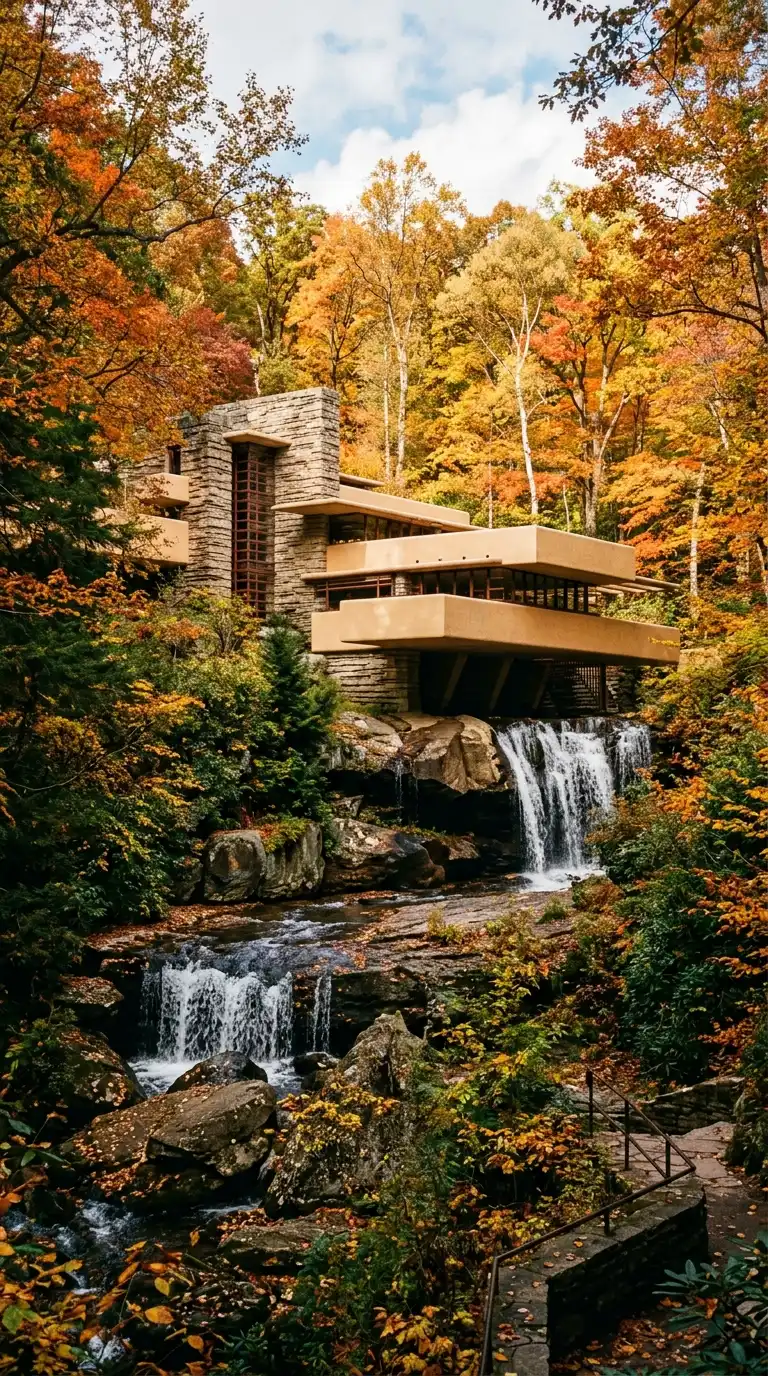
Frank Lloyd Wright’s Fallingwater (1939) is the most famous organic building in the world. The house is built over a waterfall in rural Pennsylvania, with concrete terraces cantilevered over the stream. The house does not sit beside the waterfall — it sits above it, with the sound of water audible from every room.
The design emerged from the site. Wright did not impose a preconceived form on the landscape. Instead, he let the rocks, the stream, and the trees determine the shape. The emotional effect is dramatic, integrated, and deeply rooted in place.
Quick Tips
- The building must be shaped by the site, not imposed upon it.
- Use local materials — stone, timber, local stone.
- Horizontal lines should echo the natural horizontals of the landscape.
2. Taliesin West
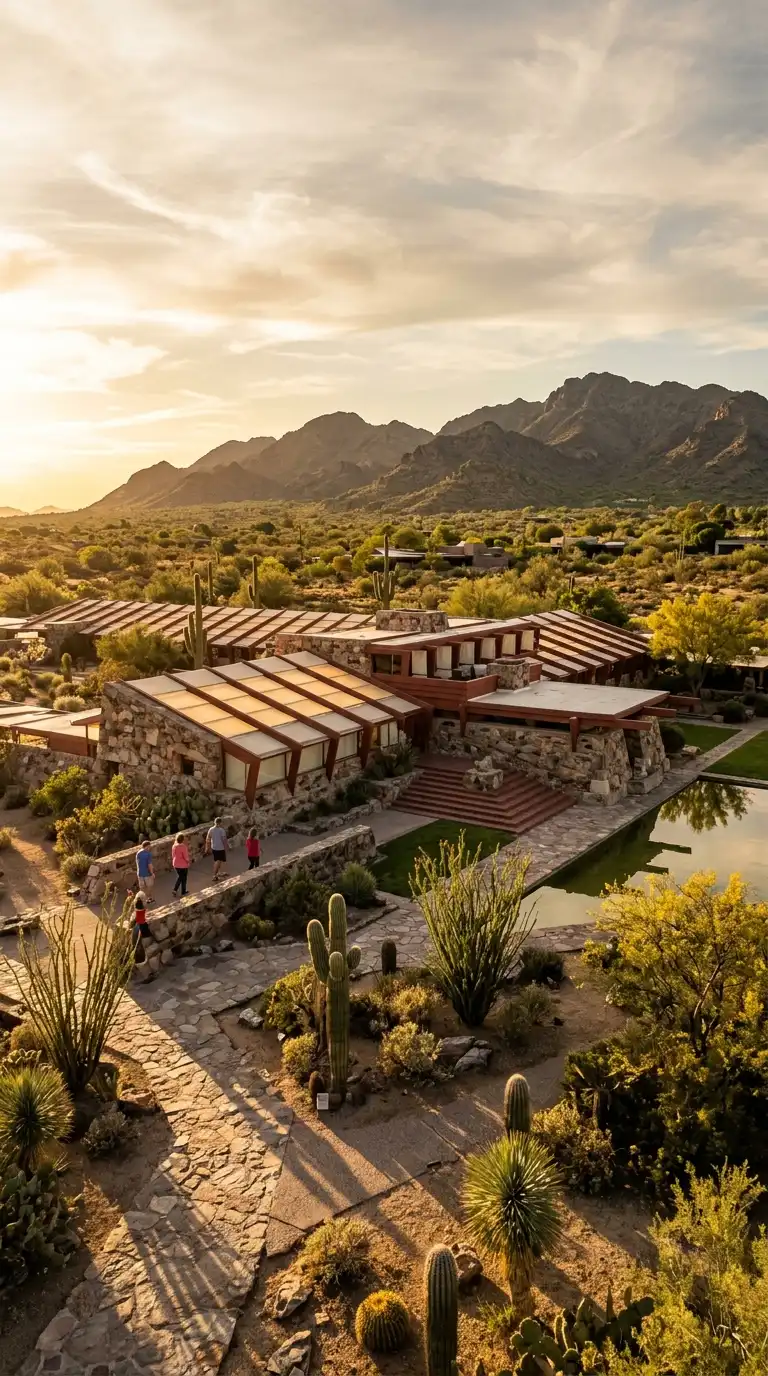
Taliesin West was Wright’s winter home and studio in the Arizona desert (1937). The building is constructed of local materials: desert concrete (stone and concrete mixed on site), redwood, and canvas. The roofs are translucent canvas panels that filter the harsh desert light.
The building does not fight the desert. It embraces it. Walls are thick and massive for thermal mass. The building spreads across the site rather than rising from it. The emotional effect is grounded, sheltering, and appropriate to its extreme climate.
Quick Tips
- Use local materials available on or near the site.
- Design for the specific climate — thick walls for hot deserts.
- The building should spread horizontally in a flat landscape.
3. The Jacobs House (Usonian)
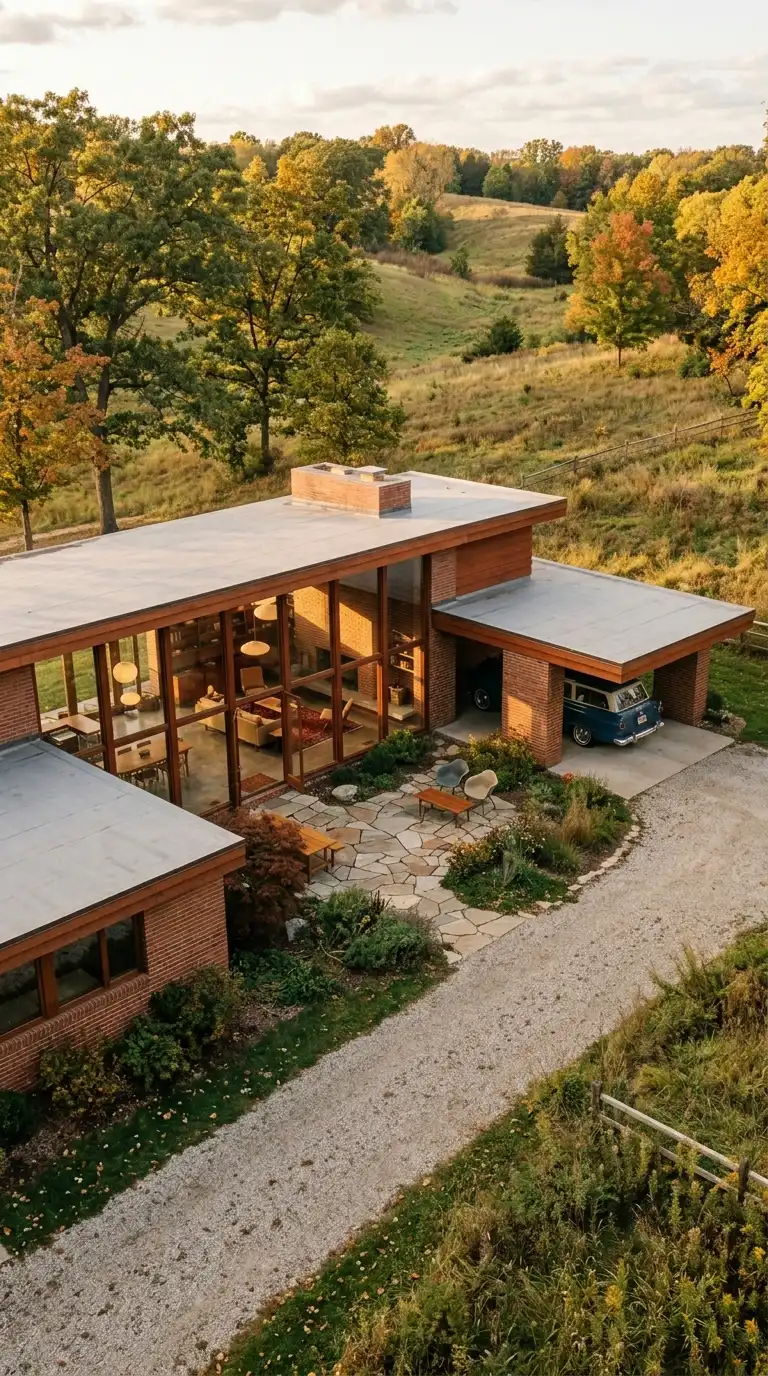
Wright’s Jacobs House in Madison, Wisconsin (1937) was the first Usonian house — his design for affordable, organic homes for the American middle class. The house is L-shaped, with the living spaces on one side and bedrooms on the other. The L-shape creates a sheltered garden courtyard.
The house is built of local materials: brick, concrete, redwood, and glass. The roof is flat with deep overhangs. The windows are floor-to-ceiling glass opening onto the courtyard. The emotional effect is warm, domestic, and integrated with its garden.
Quick Tips
- The L-shape naturally creates a private outdoor room.
- Radiant floor heating eliminates the need for radiators.
- The carport is integrated into the design, not an afterthought.
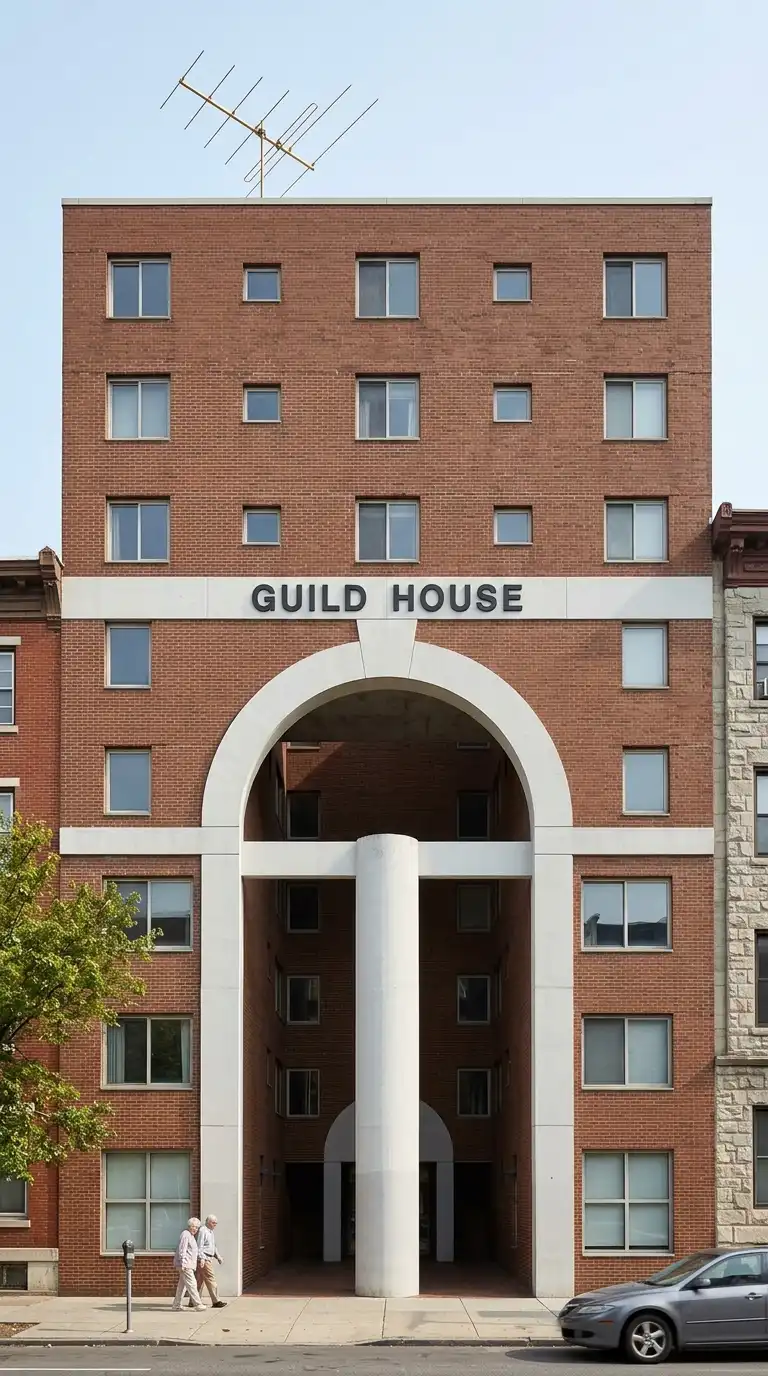
4. The Guild House
The Guild House in Philadelphia (1960-1963) by Louis Kahn is not a single-family home but a residence for the elderly. Kahn called it a “community of rooms” — a building where each resident has a private room but shares communal spaces. The building is brick, concrete, and glass, organised around a central courtyard.
The organic quality comes from Kahn’s attention to how the building would be used and how it would age. He asked: “What does a brick want?” The emotional effect is dignified, warm, and humane.
Quick Tips
- Ask what each material wants to do — brick wants to be an arch.
- Design for the user’s specific needs.
- The building should be organised around a courtyard or communal space.
5. The Chapel of the Holy Cross
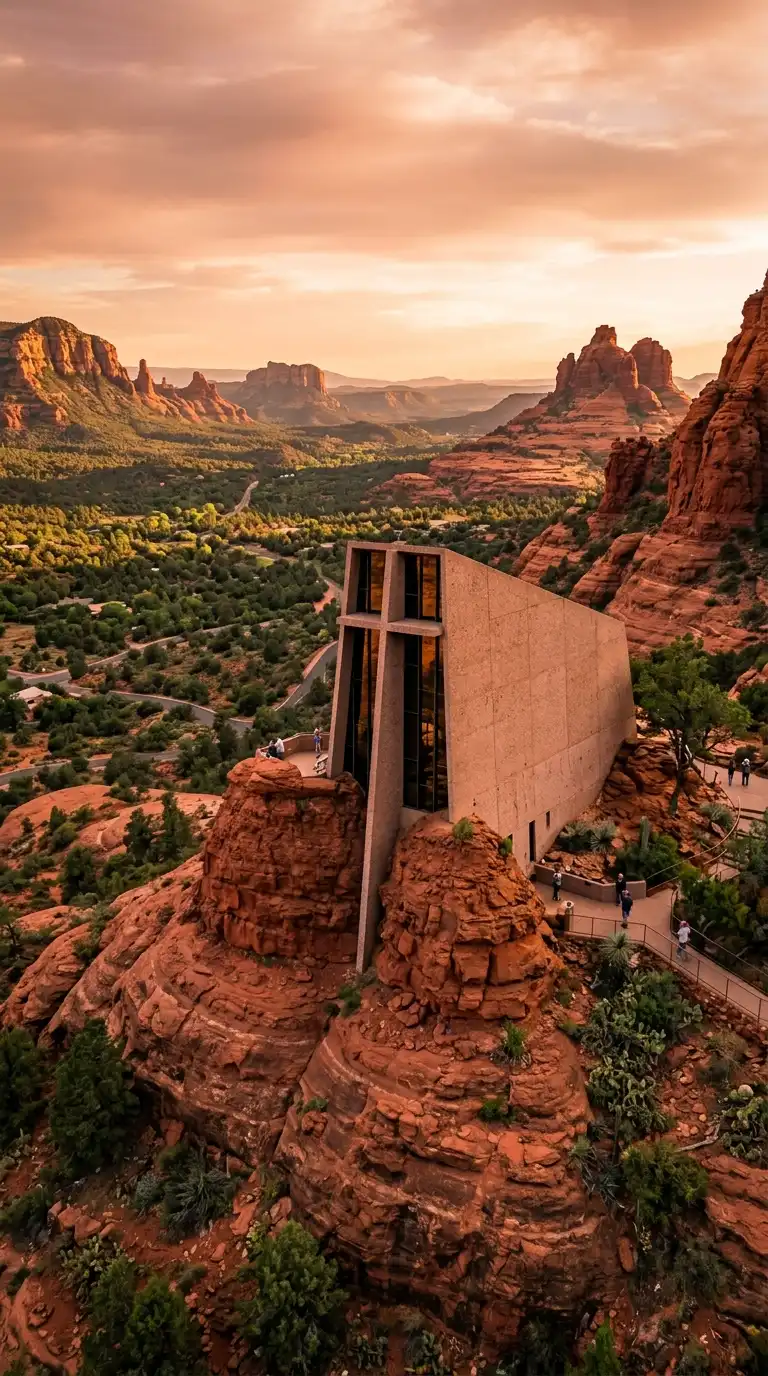
The Chapel of the Holy Cross in Sedona, Arizona (1956) by Richard Hein and August Strotz is built into a red rock butte. The chapel is a concrete and glass wedge that rises from the rock. The cross on the front is integrated into the structure.
The building does not sit on the rock — it emerges from it. The concrete matches the red rock colour. The glass wall faces the valley. The emotional effect is spiritual, dramatic, and completely integrated with its monumental site.
Quick Tips
- The building should emerge from the site, not sit on top of it.
- Match material colours to the local geology.
- Use the site’s natural features as part of the design.
6. The Glass House
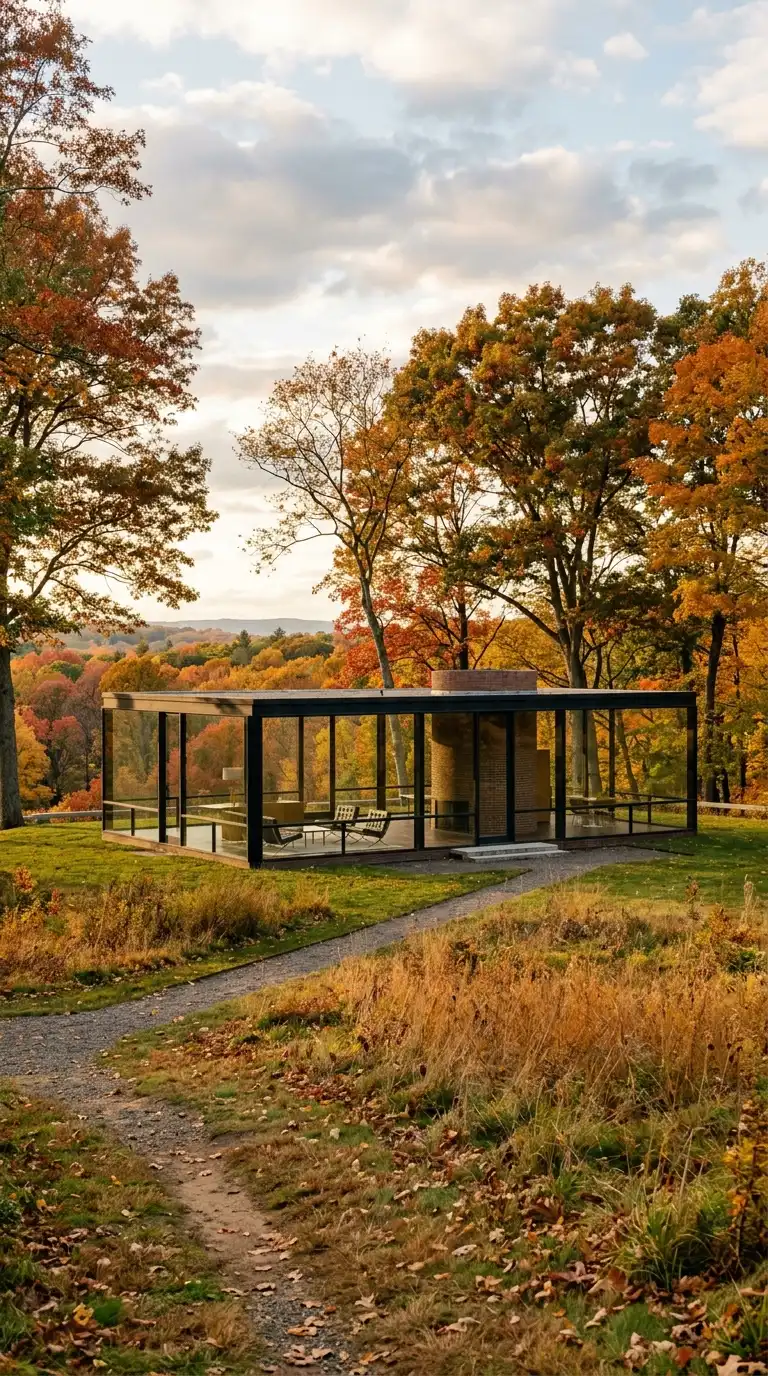
Philip Johnson’s Glass House in New Canaan, Connecticut (1949) seems like the opposite of organic architecture — a glass box in a landscape. But Johnson argued that the house’s transparency makes it more connected to its site than a solid building. The landscape is the room.
The house is a single rectangular volume: glass walls, a steel frame, a brick core for the bathroom and fireplace. The building sits on a stone terrace overlooking a pond. The emotional effect is transparent, weightless, and intimately connected to the changing seasons.
Quick Tips
- Transparency can be a form of organic integration.
- A single material for the structure creates visual calm.
- The building should be sited to frame specific views of the landscape.
7. The Sea Ranch Condominium
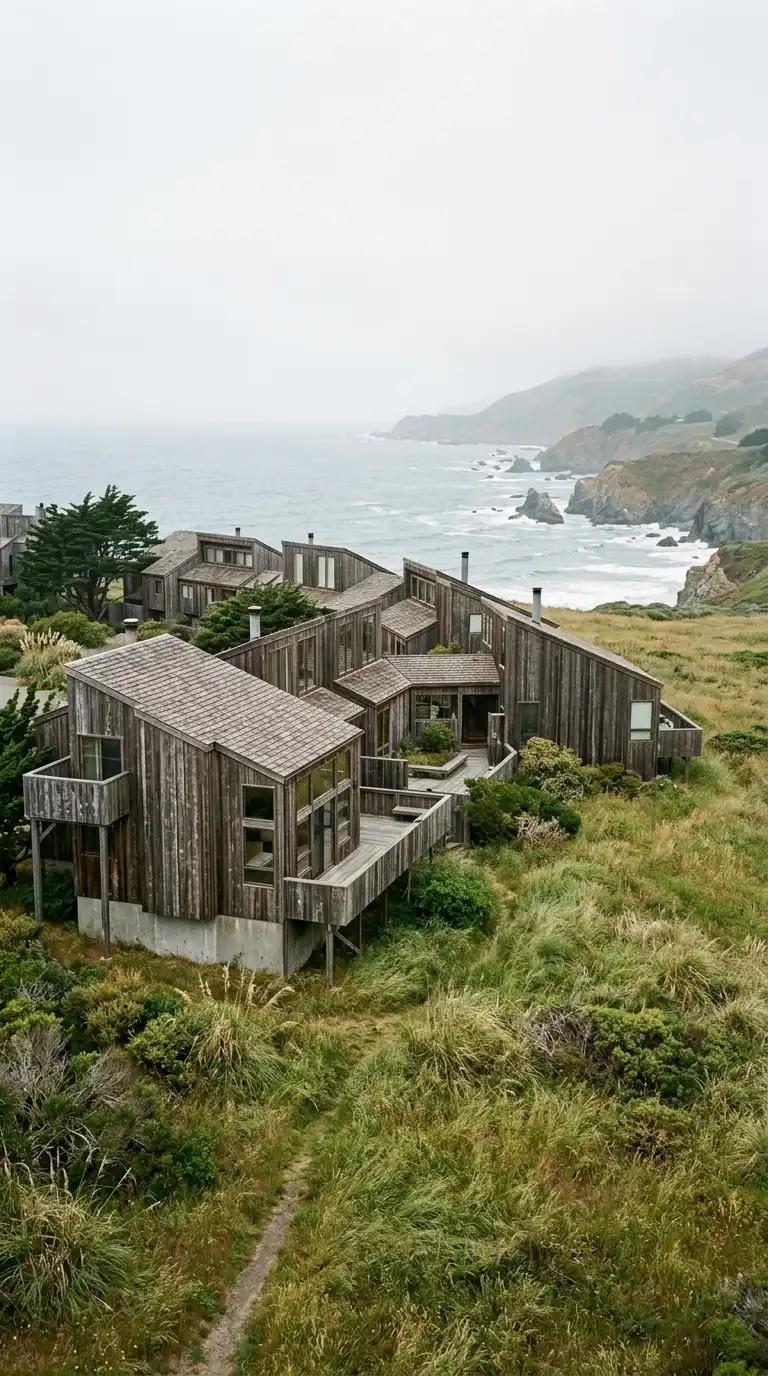
The Sea Ranch Condominium on the Northern California coast (1965) by MLTW (Moore, Lyndon, Turnbull, Whitaker) is a cluster of vacation homes that disappear into the landscape. The buildings have low, shed roofs that echo the wind-sculpted cypress trees. The siding is rough-sawn redwood, weathered to silver.
The design grew from a strict site plan that preserved the meadow, protected the bluffs, and limited views from the road. The emotional effect is peaceful, humble, and completely appropriate to the harsh coastal site.
Quick Tips
- Roofs should echo the local topography and vegetation.
- Use exterior stains, not paint, to let the wood grain show.
- Cluster buildings to preserve open space.
8. The Kellogg Residence (The Sandcastle)
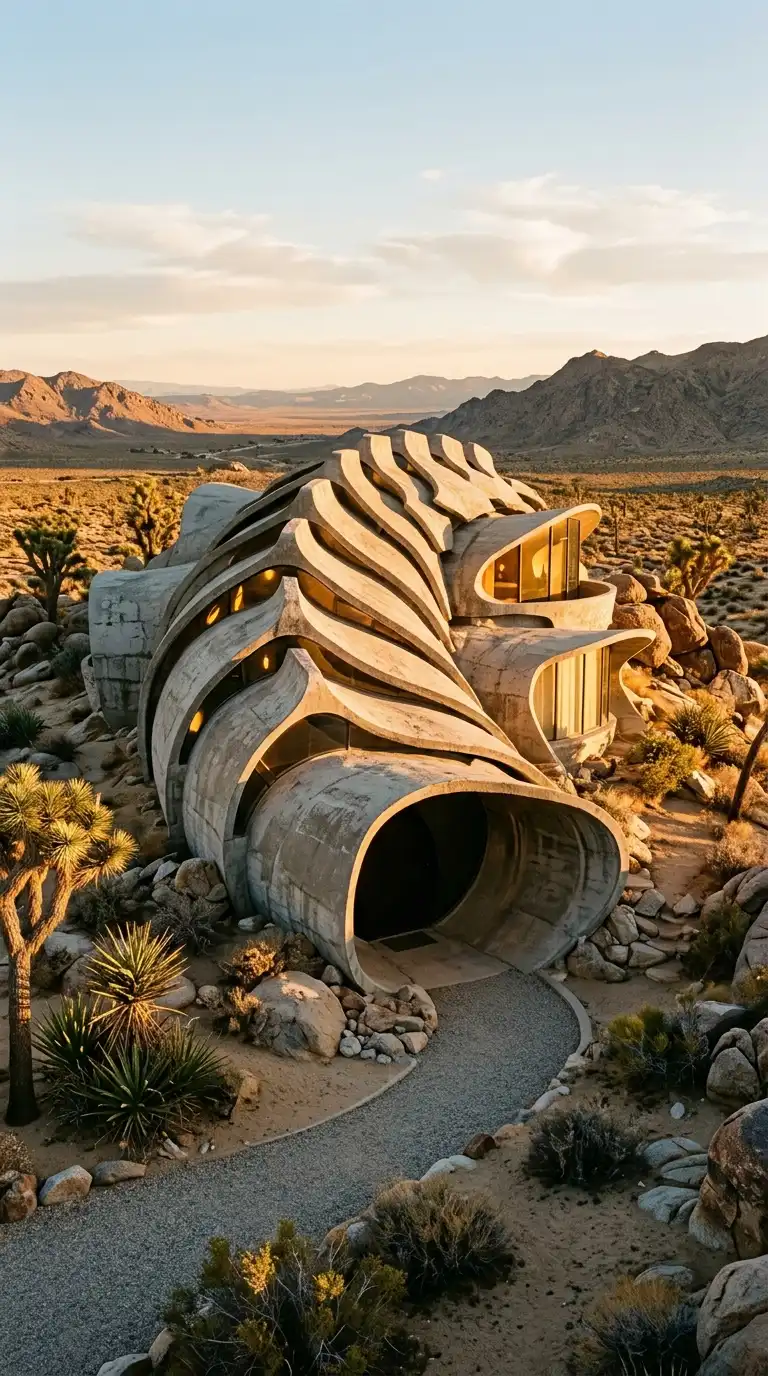
The Kellogg Residence in Rancho Mirage, California (1988) by organic architect Kendrick Bangs Kellogg is one of the most extraordinary organic buildings ever built. The house is made of cast concrete, shaped like overlapping vertebrae or desert bones. The roof is a series of concrete shells.
The building does not have a single straight line or right angle. It grows from the desert floor like a fossilised creature. The emotional effect is primordial, otherworldly, and deeply connected to the desert.
Quick Tips
- Avoid straight lines and right angles — use curves and organic forms.
- The building should suggest a natural form: a bone, a shell, a leaf.
- Built-in furniture continues the organic language.
9. The Nautilus House
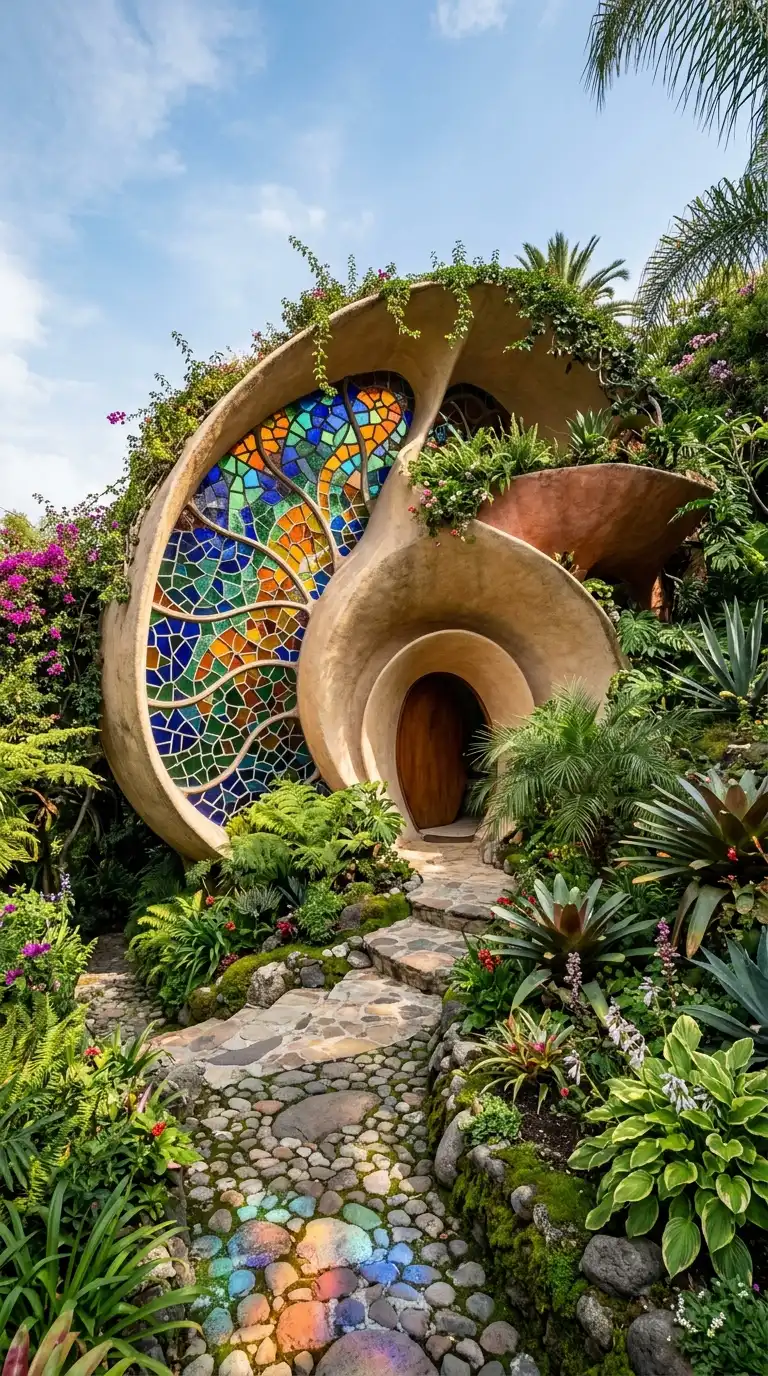
The Nautilus House in Naucalpan, Mexico (2006) by Javier Senosiain is shaped like a seashell. The house is a single, curving volume with stained glass windows embedded in the concrete shell. The interior is a continuous space with no internal walls.
The form is explicitly organic — a shell that provides both structure and enclosure. The house is surrounded by a garden that flows over and around it. The emotional effect is playful, protective, and biomorphic.
Quick Tips
- The building’s form can be directly inspired by a specific natural object.
- A continuous shell structure eliminates the need for internal walls.
- The building should be surrounded by and integrated with planting.
10. The Turning Torso
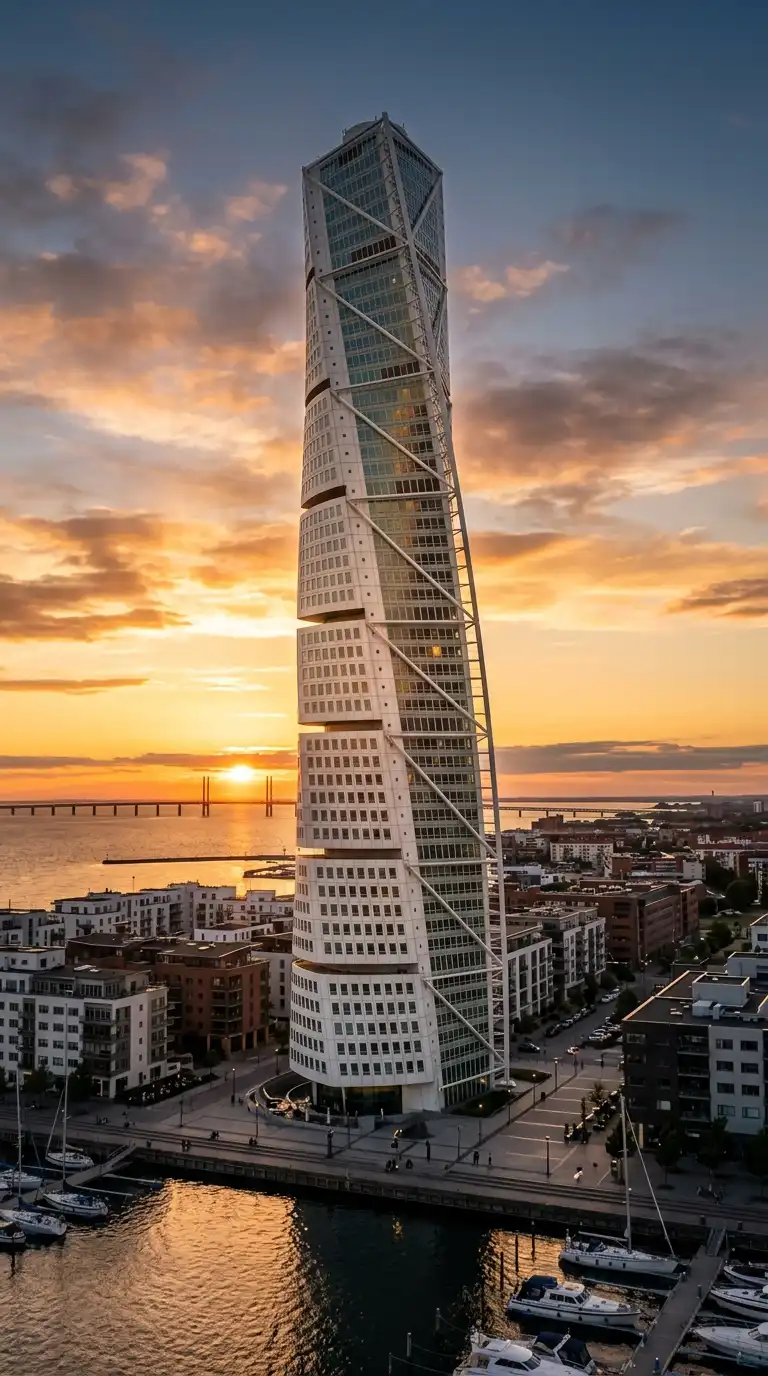
The Turning Torso in Malmö, Sweden (2005) by Santiago Calatrava is a skyscraper shaped like a twisting human spine. The building is nine cubes, each rotated slightly relative to the one below, creating a 90-degree twist from base to top.
Calatrava’s architecture is organic in its inspiration — the human body, bird wings, tree forms — even when the materials are steel and glass. The emotional effect is dynamic, elegant, and biomorphic.
Quick Tips
- Organic inspiration can come from the human body as well as from nature.
- Movement — implied or actual — is a quality of organic forms.
- Structural expression is essential.
11. The East Beach Cafe
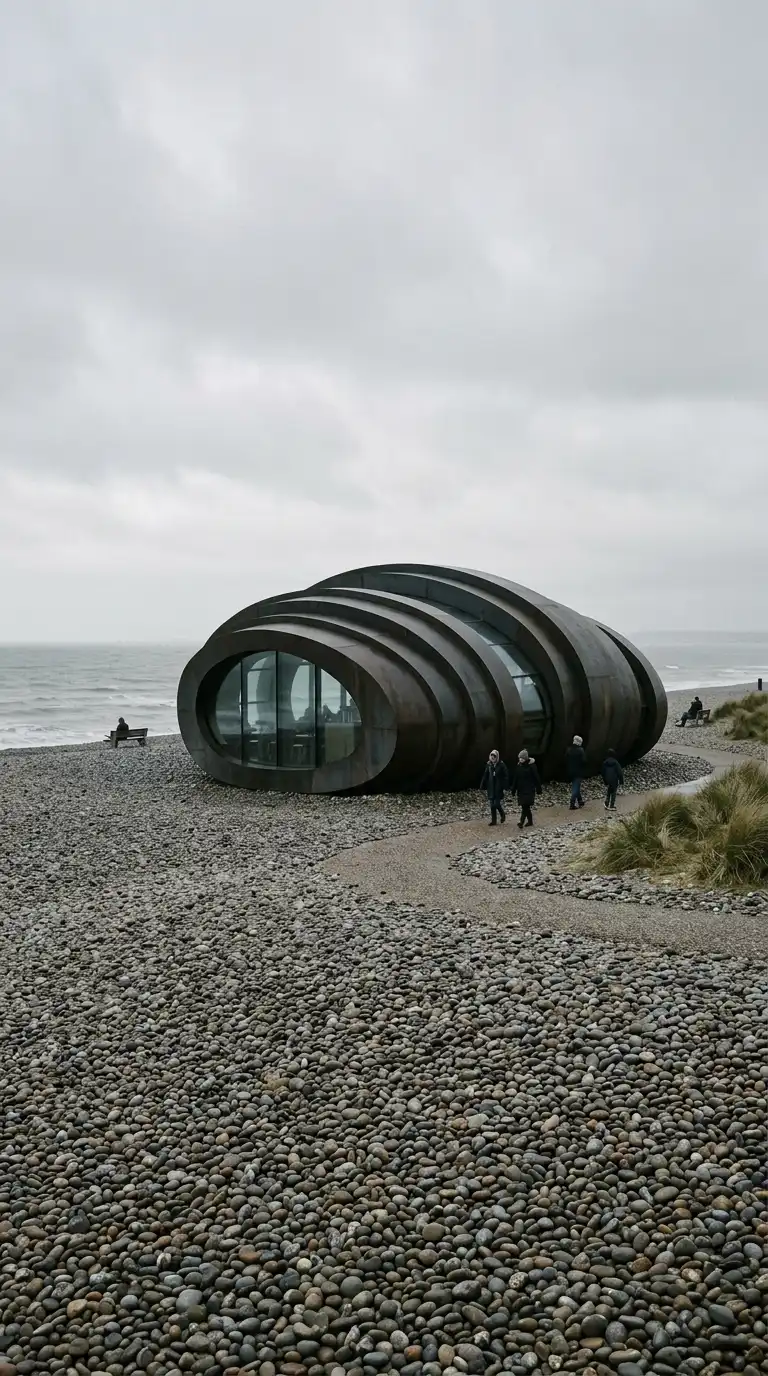
The East Beach Cafe in Littlehampton, England (2007) by Heatherwick Studio is shaped like a smooth, dark stone worn by the sea. The building is made of welded steel plates, formed into a continuous, curving shell. The interior is a single room with a view of the beach.
The form is explicitly organic — a stone on the beach. The material is industrial, but the shape is natural. The emotional effect is surprising, sculptural, and perfectly appropriate to its coastal site.
Quick Tips
- Industrial materials can be shaped into organic forms.
- The building should appear to belong to its site.
- A single, continuous form is more organic than assembled parts.
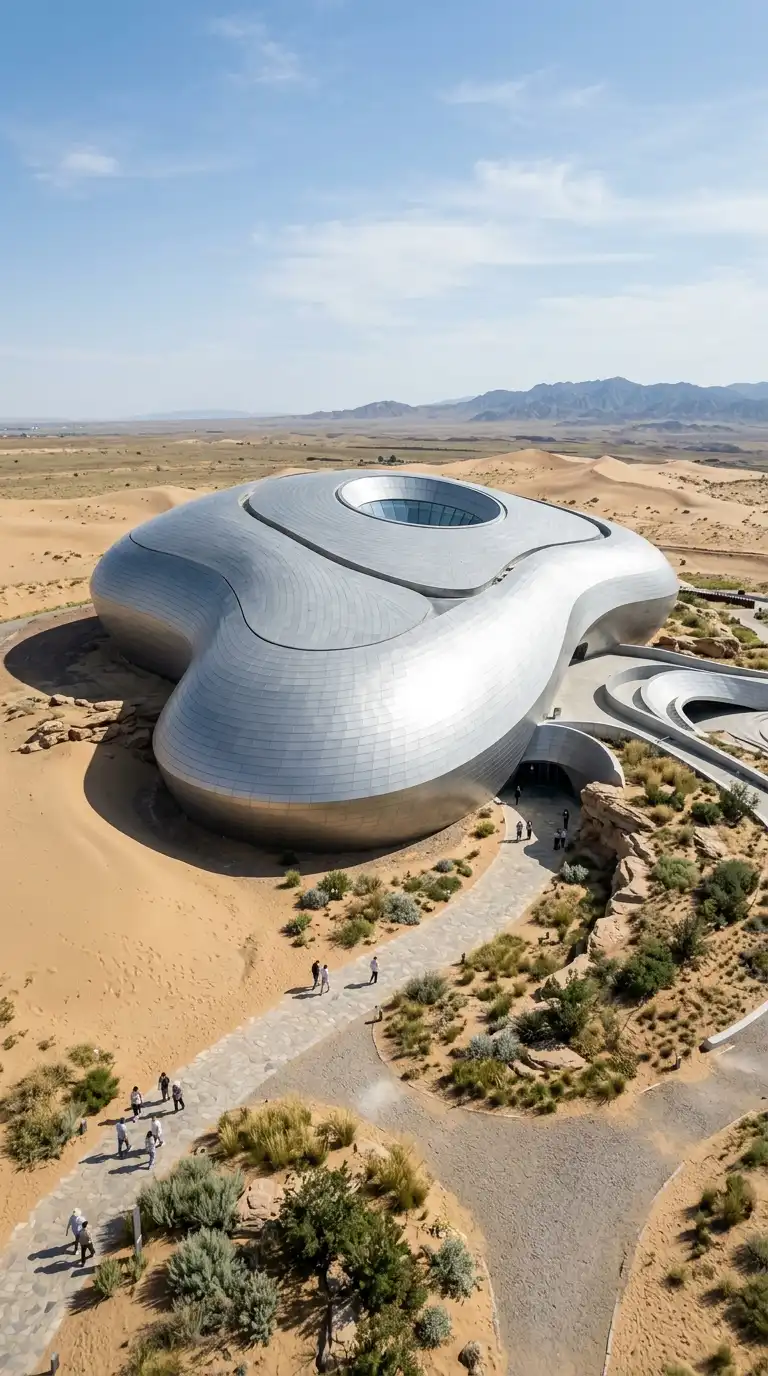
12. The Ordos Museum
The Ordos Museum in Inner Mongolia, China (2011) by MAD Architects is shaped like a smooth, silver pebble emerging from the desert. The building is a continuous, curving shell with no straight lines. A large oculus brings light into the central atrium.
The form is inspired by the desert landscape — a pebble polished by wind and sand. The emotional effect is futuristic, organic, and appropriately alien in the vast desert.
Quick Tips
- A building can be inspired by the geology of its region.
- A continuous shell with no straight lines is the most organic form.
- The building should appear to emerge from the ground.
13. The Lotus Temple
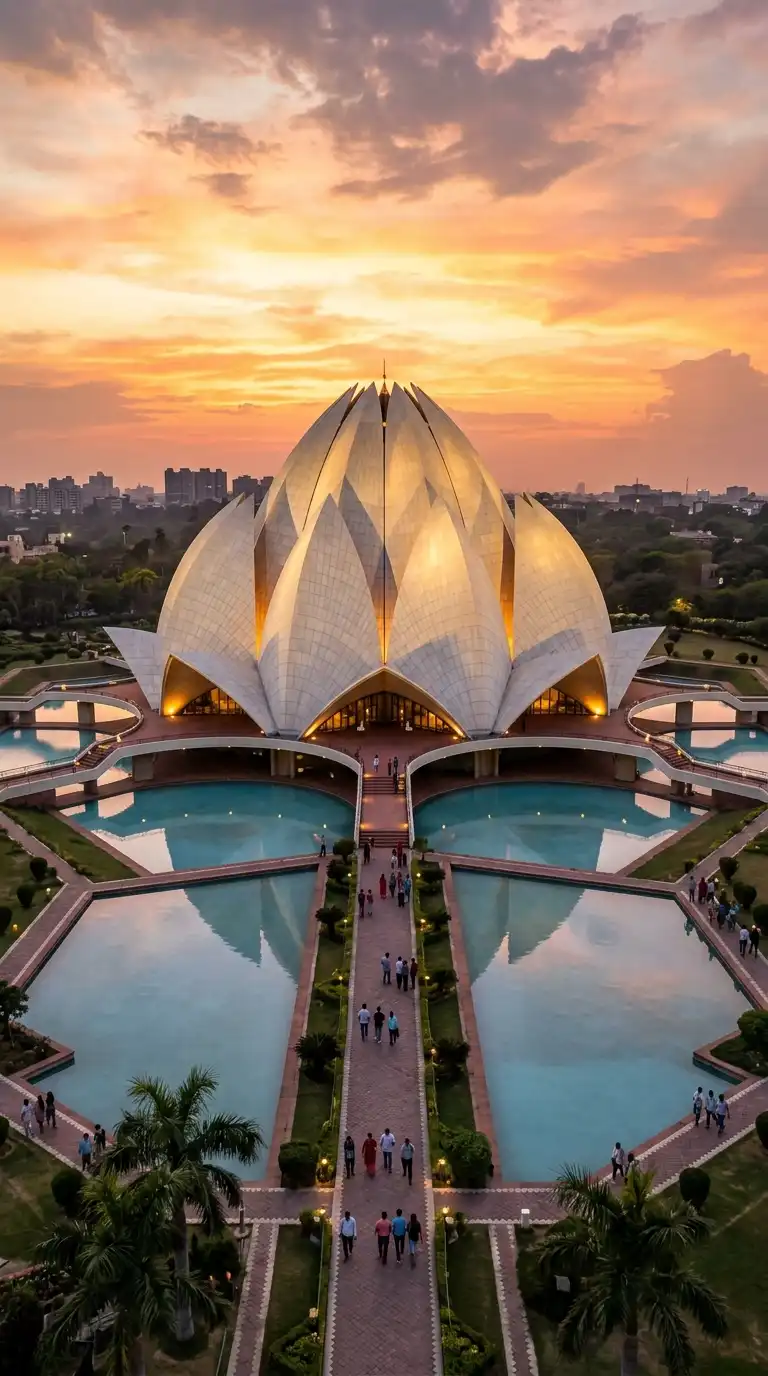
The Lotus Temple in New Delhi, India (1986) by Fariborz Sahba is shaped like a half-open lotus flower. The building is made of white concrete petals arranged in nine clusters. The interior is a single, silent meditation hall with seating for 2,500.
The form is explicitly organic — a lotus, the national flower of India, sacred in multiple religions. The petals are both structure and ornament. The emotional effect is sacred, peaceful, and deeply symbolic.
Quick Tips
- The building’s form can be directly symbolic as well as organic.
- Petal-like forms can be structural, not just decorative.
- Water and reflection enhance organic forms.
14. The Zeitz MOCAA
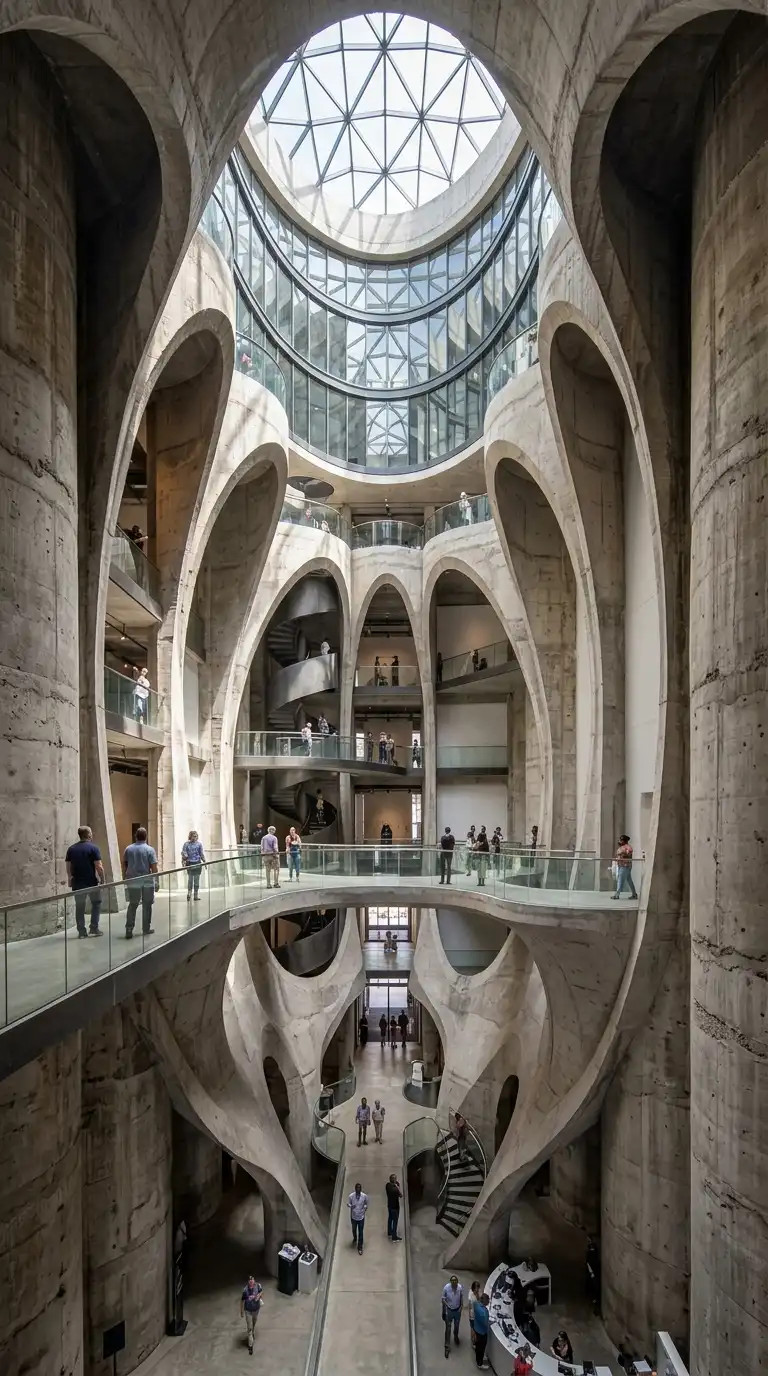
The Zeitz Museum of Contemporary Art Africa in Cape Town, South Africa (2017) by Heatherwick Studio is a conversion of a historic grain silo. The organic element is the atrium: the interior of the silo is carved into a curving, petal-like space that rises through all nine storeys.
The carved atrium is shaped like a grain of corn — appropriate for a grain silo. The concrete is left exposed. The emotional effect is surprising, respectful, and transformative.
Quick Tips
- Organic interventions in existing buildings can be dramatic and respectful.
- Carving space from solid material is an organic approach.
- The new work should be clearly contemporary, not imitating the old.
15. The Kunsthaus Graz
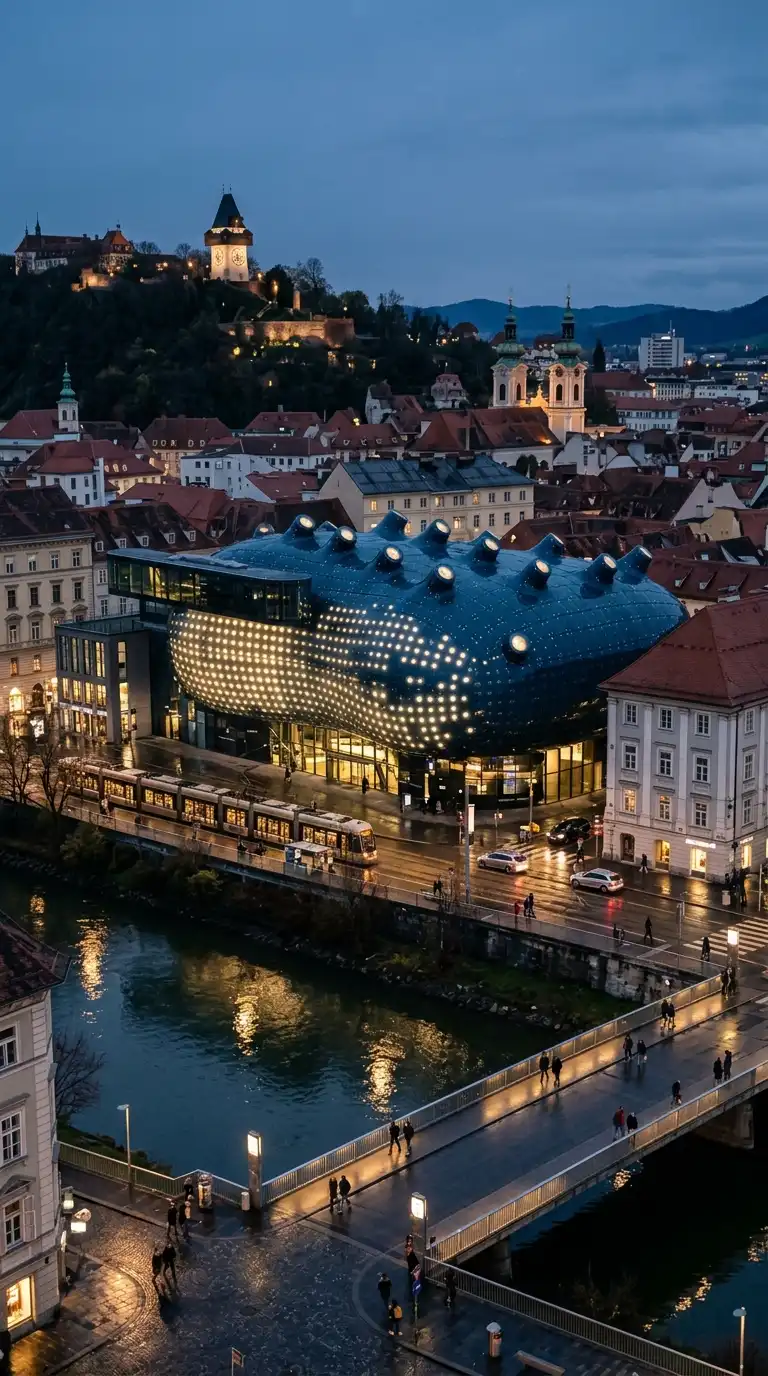
The Kunsthaus Graz in Austria (2003) by Peter Cook and Colin Fournier is shaped like a giant blue blob. The building is called the “Friendly Alien” because it looks like an organic creature that landed in the historic city. The skin is a blue acrylic shell with glowing nozzles that display digital art.
The form is explicitly biomorphic — an alien, a sea creature, an organ. The emotional effect is playful, shocking, and defiantly organic against the historic context.
Quick Tips
- Biomorphic forms can be deliberately alien or surprising.
- The skin can be a single continuous material.
- Digital displays can be integrated into the organic form.
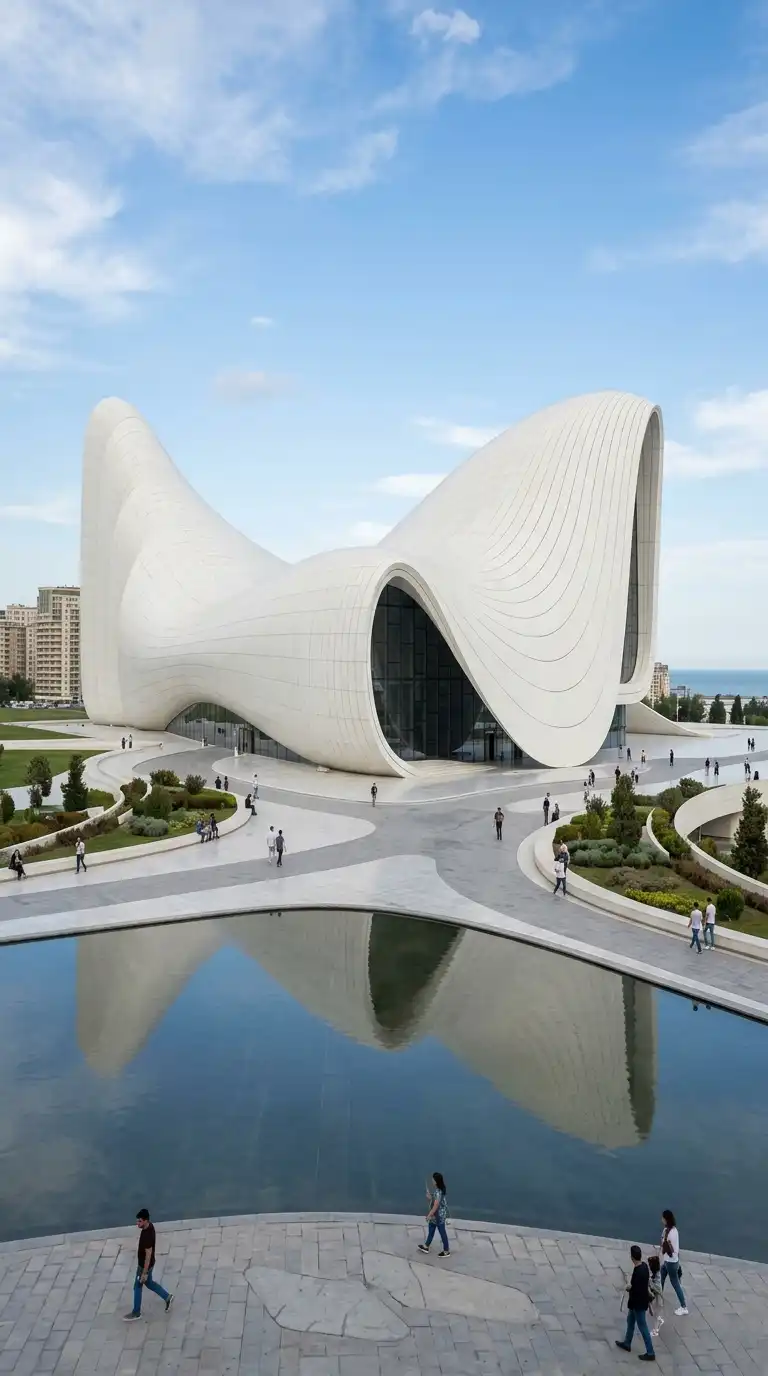
16. The Heydar Aliyev Centre
The Heydar Aliyev Centre in Baku, Azerbaijan (2012) by Zaha Hadid is a continuous, curving white form that rises from the ground, folds over, and returns to the ground. There are no straight lines, no right angles, no distinction between wall, roof, and floor.
The form is organic in its continuity — it flows like a wave or a ribbon. The building is a single surface folded in space. The emotional effect is fluid, futuristic, and breathtaking.
Quick Tips
- The building should be a single continuous surface.
- There should be no distinction between wall, roof, and floor.
- The form should flow like a wave or ribbon.
17. The Treehouse
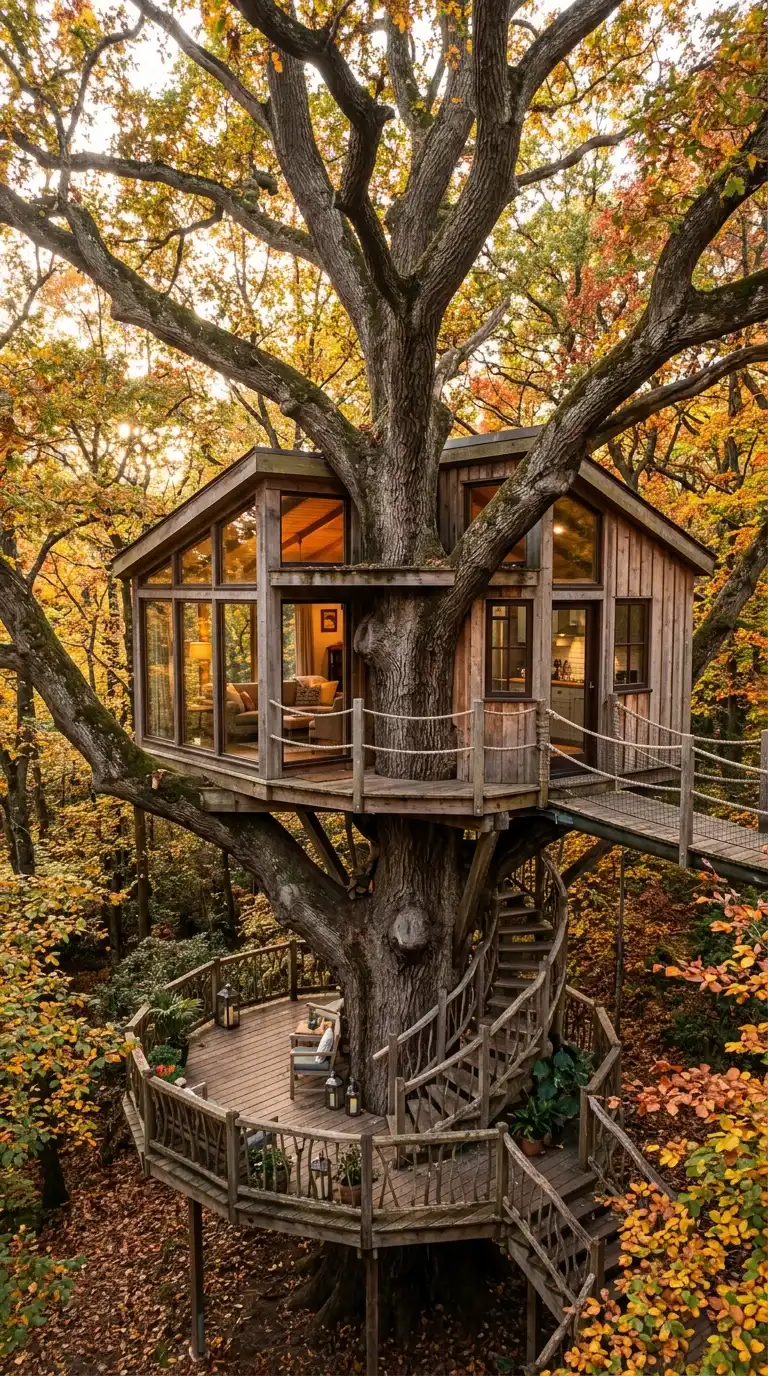
The treehouse is organic architecture at its most literal. The building is wrapped around, supported by, or integrated with a living tree. The tree is not removed to make way for the architecture — the architecture accommodates the tree.
The form is irregular, following the branches and trunk. Materials are natural: timber, glass, stone. The emotional effect is magical, childlike, and deeply connected to nature.
Quick Tips
- The tree must be preserved and integrated into the design.
- The building should wrap around the tree, not avoid it.
- Use natural materials that complement the tree.
Final Thoughts
Organic architecture is not a set of forms to copy. It is a way of thinking. The organic architect asks: What does this site want? What do these materials want? What do the inhabitants need? The answers are different for every project.
Frank Lloyd Wright said that organic architecture is architecture that grows from within outward. It is not imposed from without. These 17 designs — from Fallingwater to the treehouse — all share that quality. They feel inevitable, as if they could not have been any other way.