Brick is one of the oldest and most versatile building materials. It is durable, fireproof, and beautiful. Brick can be laid in countless patterns — running bond, Flemish bond, English bond, herringbone, basket weave. The colour of brick comes from the clay and the firing temperature: reds, browns, yellows, greys, and even blues. A well-designed brick building is not just a box with holes — it is a textile of texture, pattern, and light.
These 15 brick architecture ideas span structural systems, surface patterns, and contemporary applications. Each idea includes defining characteristics, design principles, and construction considerations.
1. The Load-Bearing Brick Wall
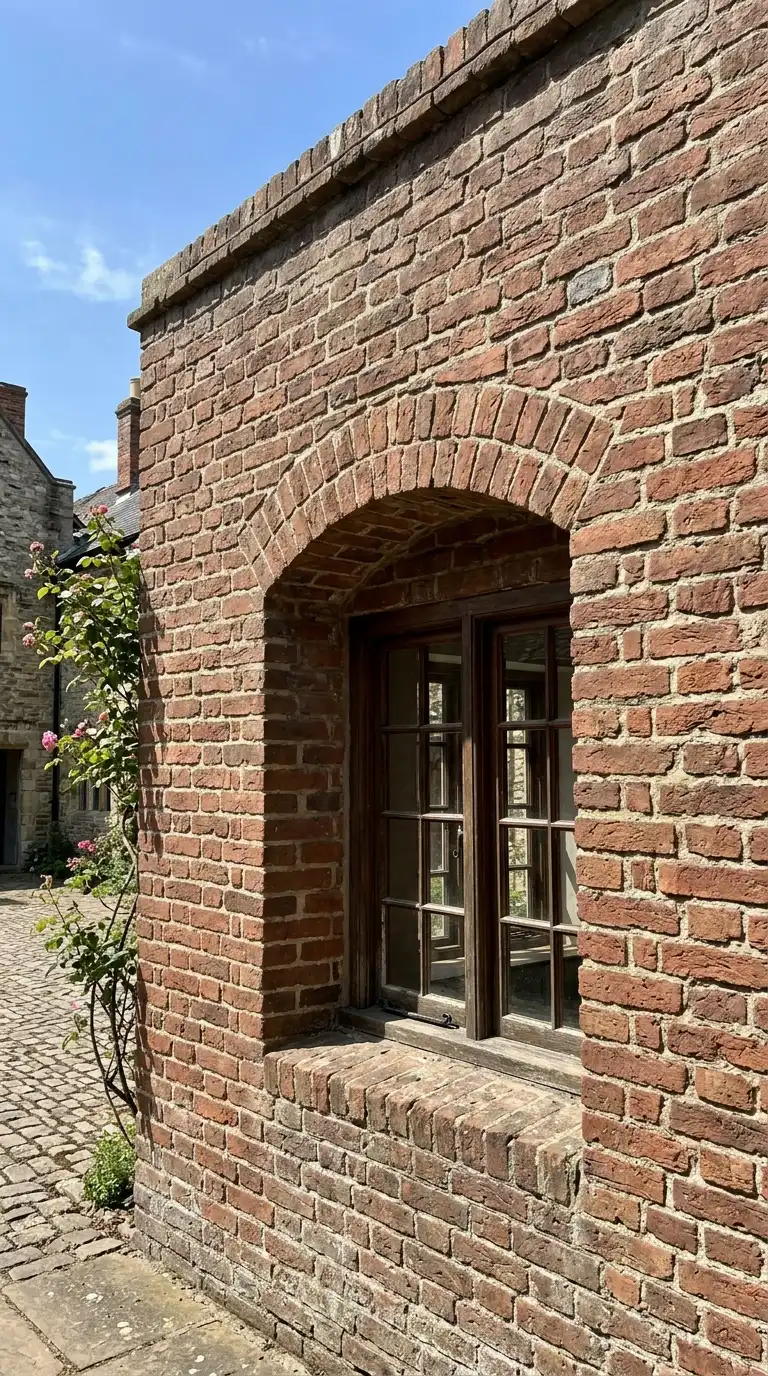
The load-bearing brick wall is the most fundamental brick structure. The wall carries the weight of the roof and upper floors. The wall is thick — typically 30cm (one brick length) or more. Openings for windows and doors are spanned by brick arches or concrete lintels.
This design is ideal for small buildings, houses, and load-bearing masonry construction. The emotional effect is solid, permanent, and massive.
Quick Tips
- The wall thickness must be at least the length of one brick (30cm).
- Openings must be spanned by arches or lintels.
- The bond should be Flemish or English for strength.
2. The Brick Cavity Wall
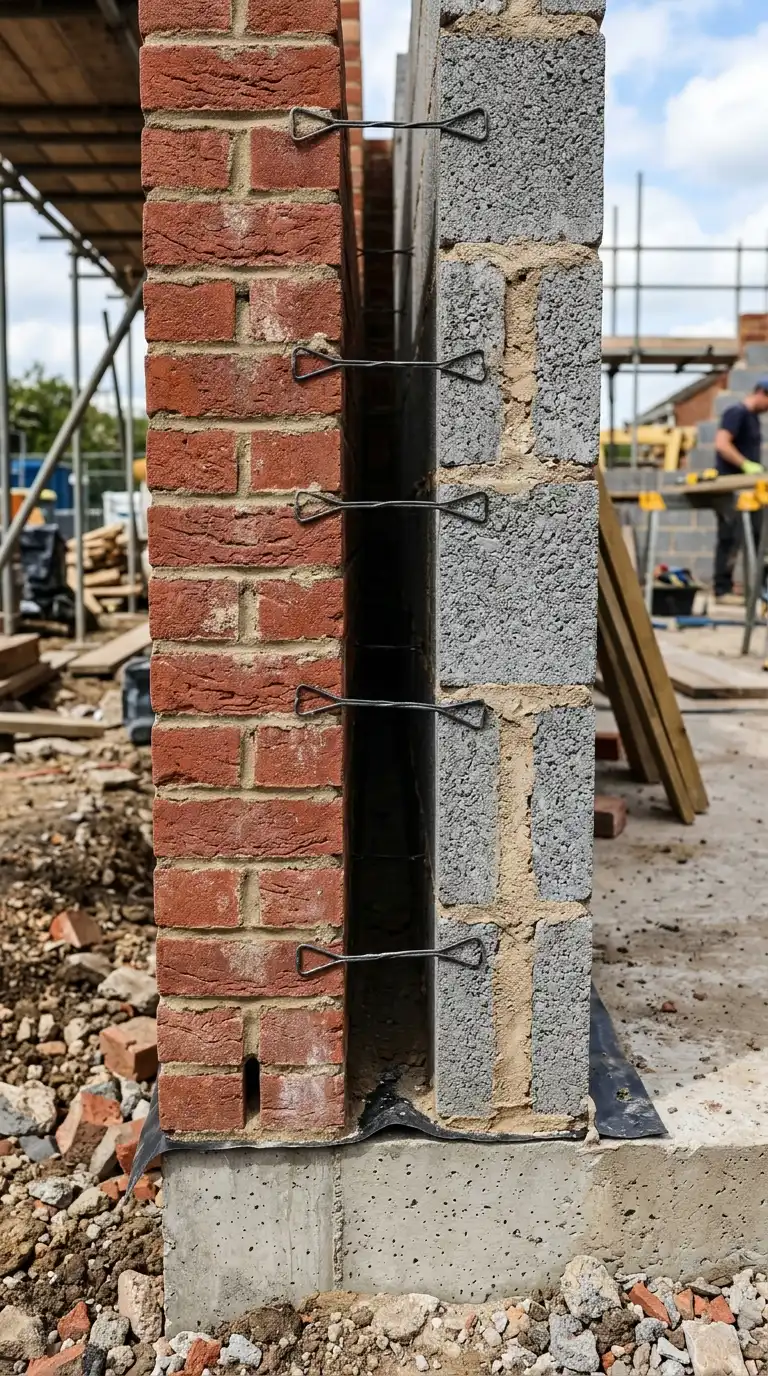
The brick cavity wall has two leaves of brick with an air gap between them. The outer leaf is the visible facade. The inner leaf is structural or supports insulation. The cavity prevents water from penetrating to the interior.
This design is standard for modern brick construction in cold or wet climates. The emotional effect is warm, dry, and energy-efficient.
Quick Tips
- The cavity should be at least 5cm wide for drainage.
- Wall ties must connect the two leaves.
- Weep holes must be provided at the bottom of the cavity.
3. The Flemish Bond Facade
Flemish bond is a brick bonding pattern where headers and stretchers alternate in each course. Each header is centred over the stretcher below. The pattern is decorative and strong. Flemish bond is used for facades where the brick is exposed.
This design is ideal for traditional and revival architecture. The emotional effect is decorative, rhythmic, and refined.
Quick Tips
- Each course must alternate header and stretcher.
- Headers must be centred over stretchers in the course below.
- The bond requires bricks of uniform length.
4. The English Bond Facade
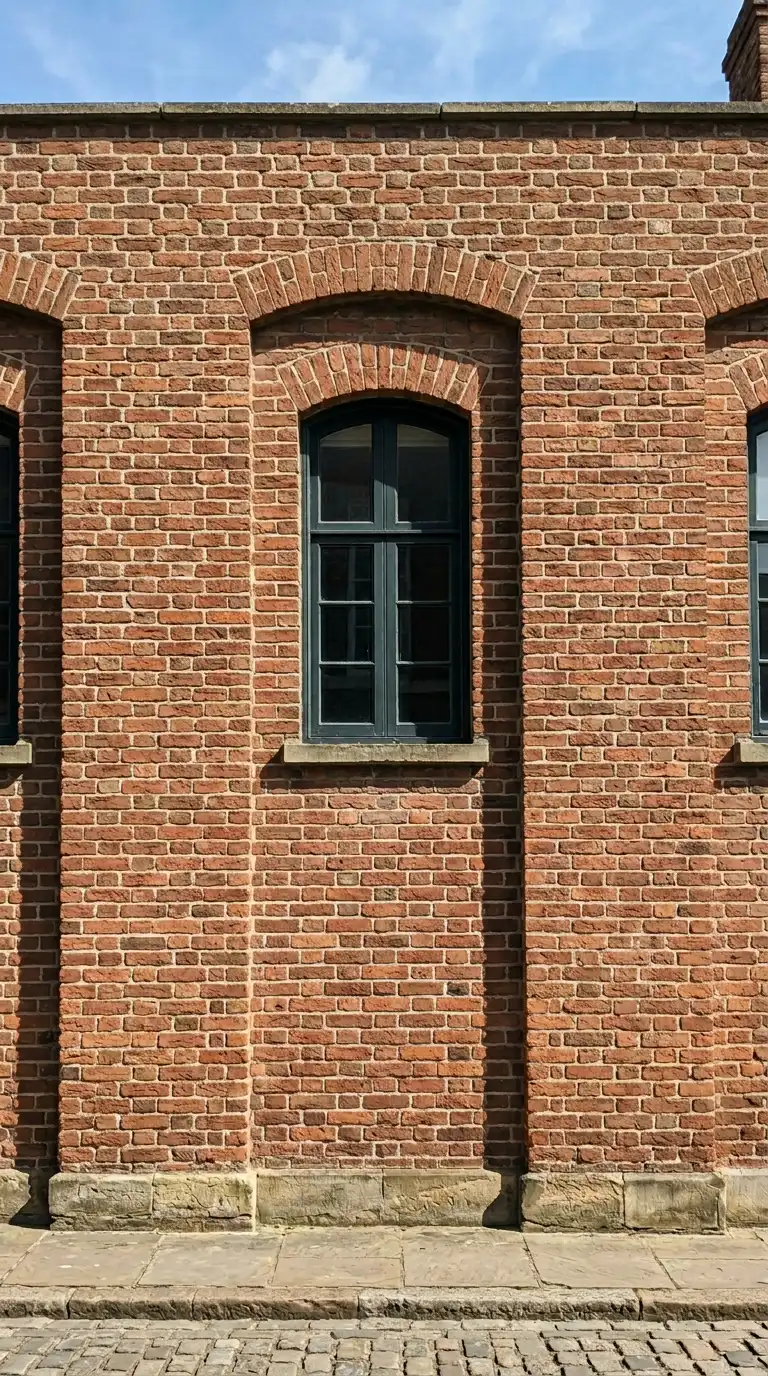
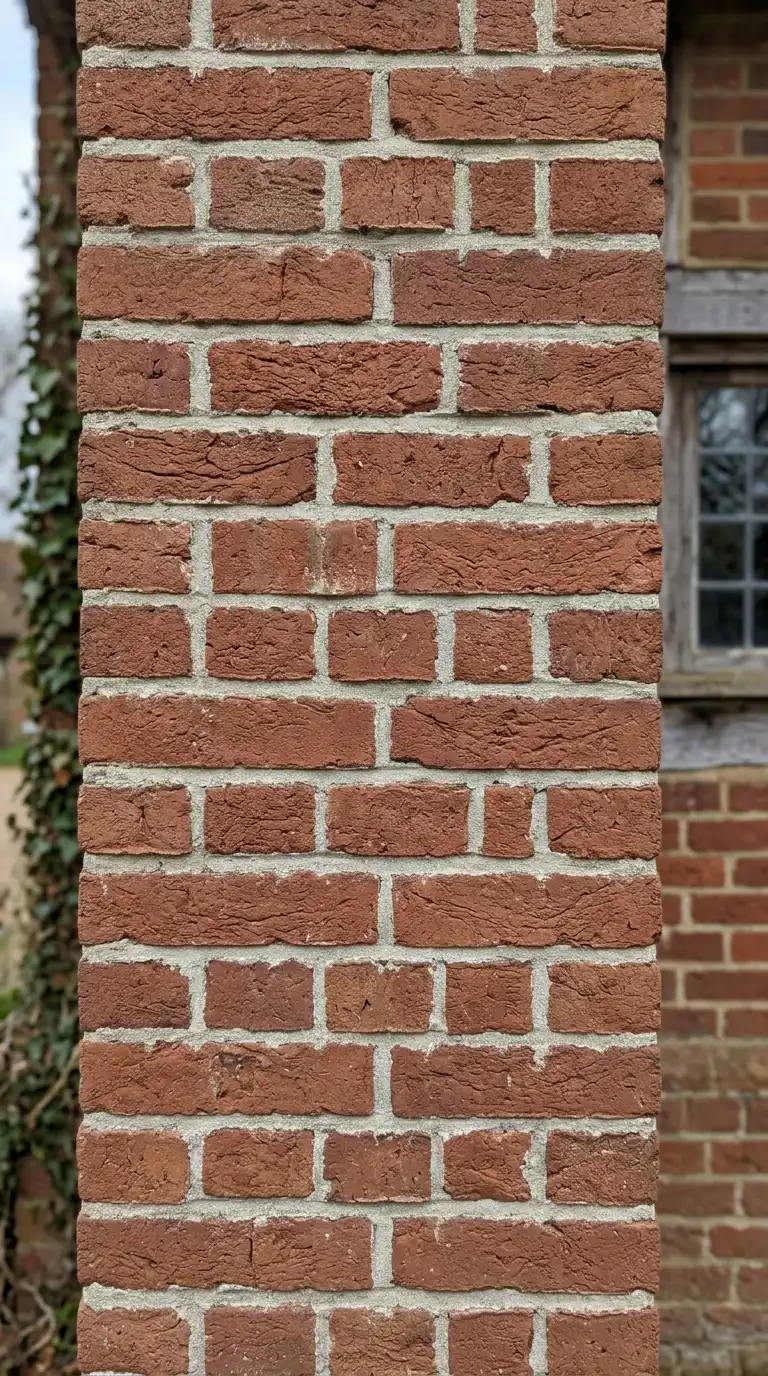
English bond alternates courses of headers and courses of stretchers. One course is all headers (bricks laid with ends facing out). The next course is all stretchers (bricks laid with sides facing out). The pattern is strong and simple.
This design is ideal for structural walls and industrial buildings. The emotional effect is strong, simple, and structural.
Quick Tips
- Alternate a header course with a stretcher course.
- Headers must be centred over the joints of the stretcher course below.
- The bond is stronger than Flemish bond.
5. The Running Bond Facade
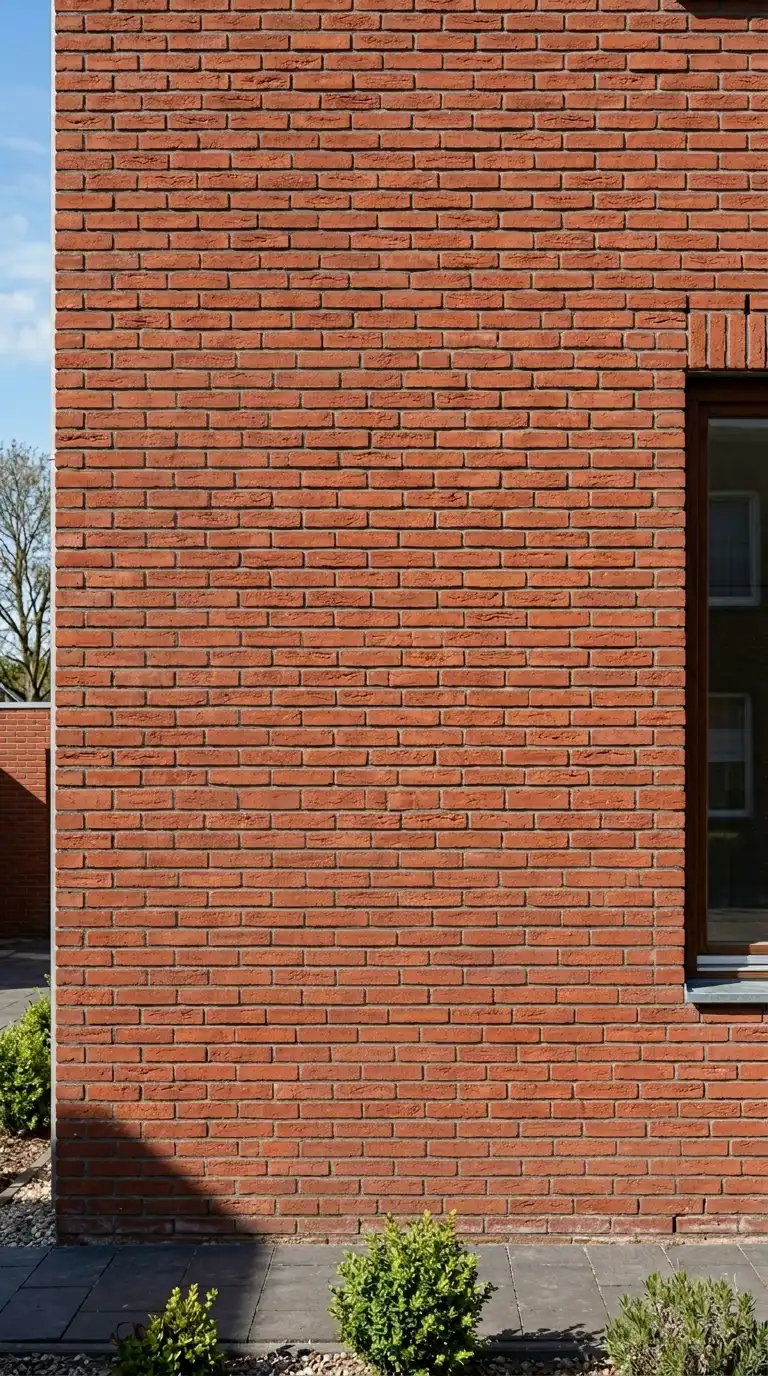
Running bond is the simplest brick pattern. All bricks are stretchers, laid in rows with the vertical joints offset by half a brick in each course. The pattern is minimal and modern.
This design is ideal for contemporary architecture and cavity wall construction. The emotional effect is minimal, modern, and horizontal.
Quick Tips
- All bricks are stretchers — no headers.
- Vertical joints must be offset by half a brick in each course.
- The pattern is horizontal and continuous.
6. The Herringbone Brick Pattern
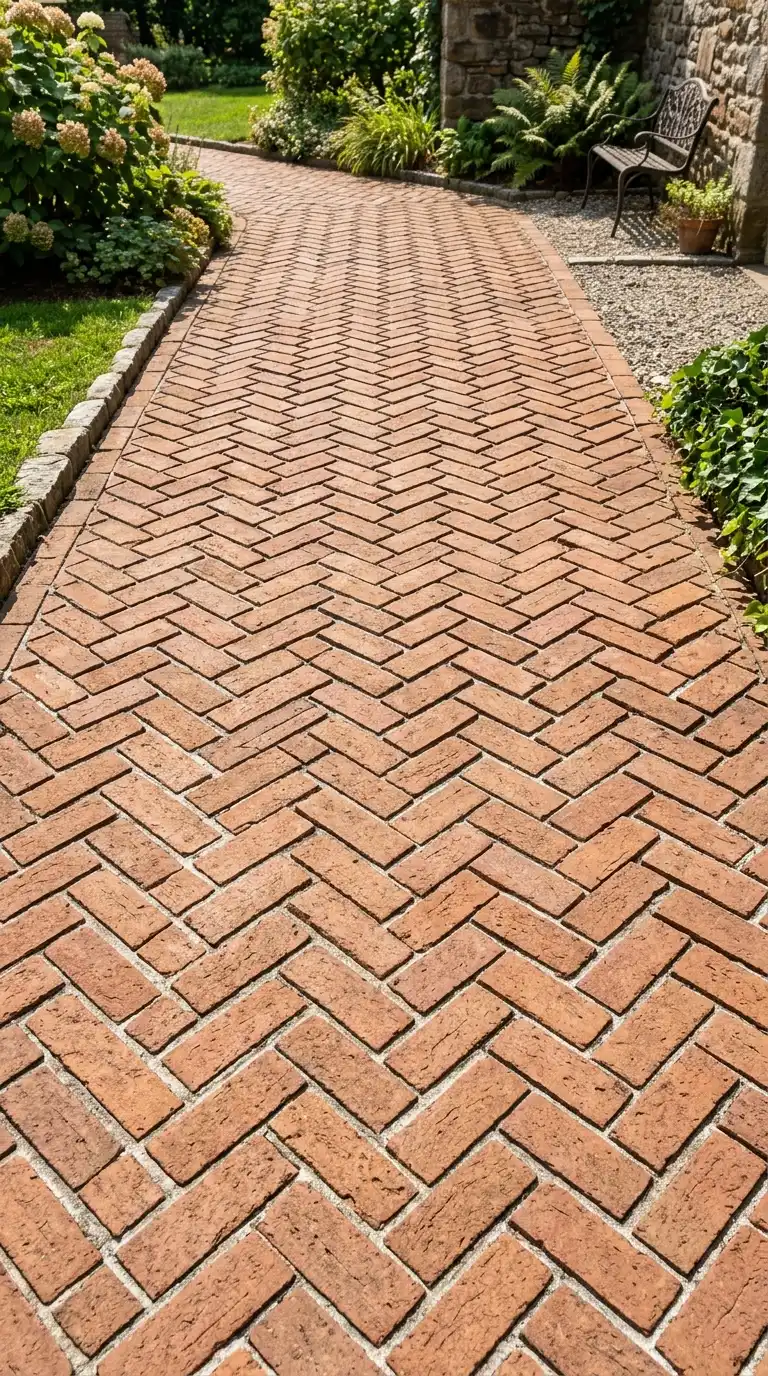
Herringbone is a decorative brick pattern where bricks are laid at 45-degree angles to form a V-shape. The pattern is used for paving, floors, and accent walls. Herringbone is dynamic and directional.
This design is ideal for courtyards, paths, and feature walls. The emotional effect is dynamic, directional, and textured.
Quick Tips
- Bricks must be laid at 45-degree angles.
- The pattern must form a continuous V-shape.
- Herringbone is best for horizontal surfaces or small accent walls.
7. The Brick Corbel
The brick corbel is a projecting brick course that supports a wall above. Corbeling is achieved by projecting each brick course slightly beyond the course below. Corbeling is used for cornices, chimneys, and window hoods.
This design is ideal for traditional brick detailing. The emotional effect is stepped, projecting, and structural.
Quick Tips
- Each course must project no more than one-third of a brick length.
- Corbeling must be symmetrical on both sides of the wall.
- The maximum total projection should be less than the wall thickness.
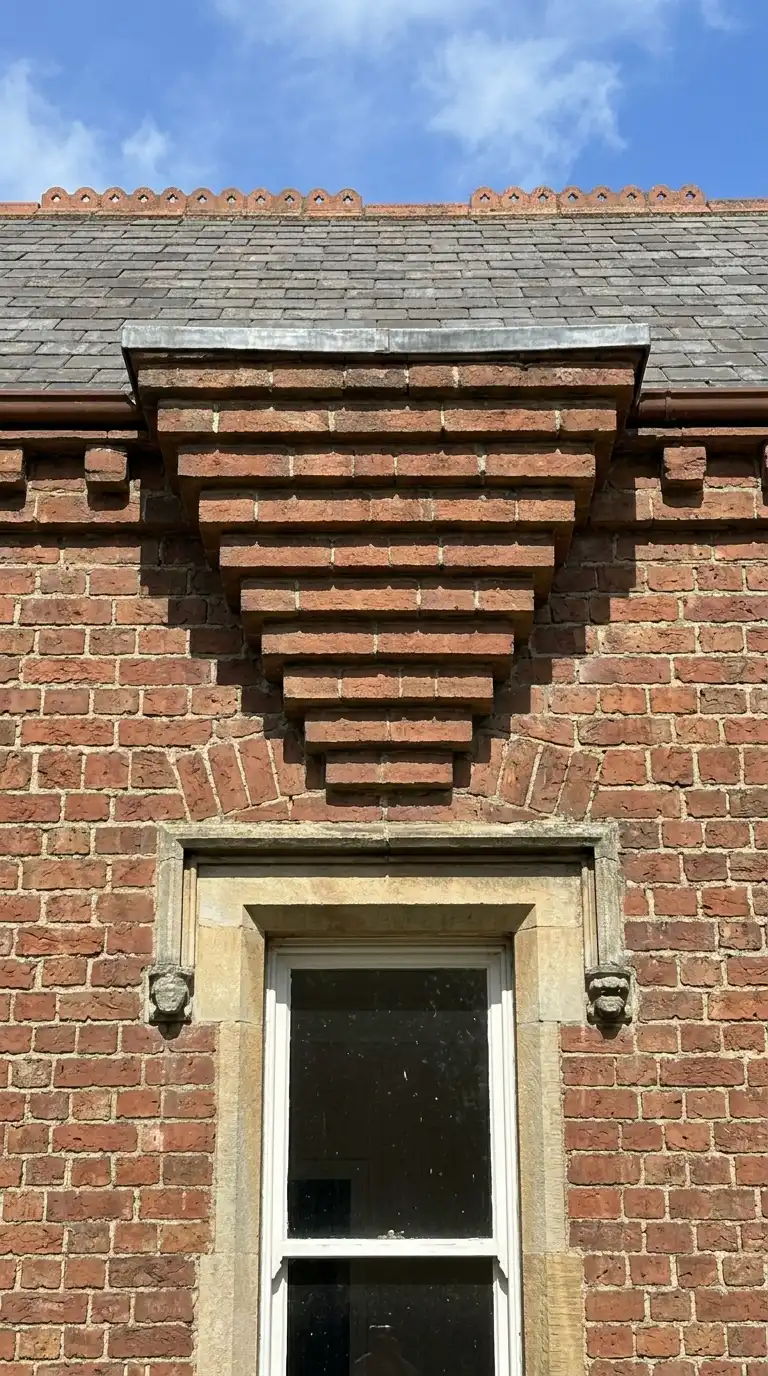
8. The Brick Arch
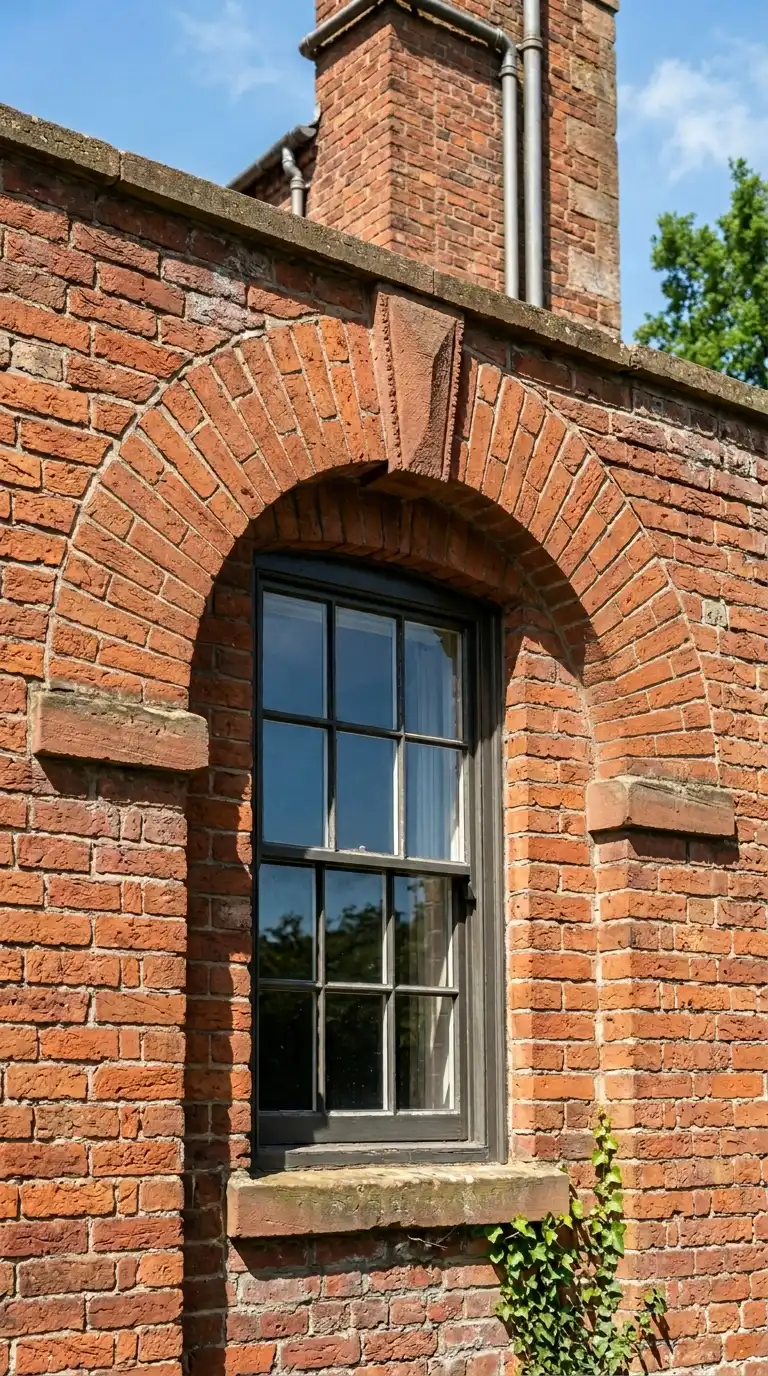
The brick arch spans an opening using wedge-shaped bricks (voussoirs). The arch is self-supporting once completed. The centre stone is the keystone. Brick arches can be semicircular, segmental, or pointed.
This design is ideal for windows, doors, and arcades. The emotional effect is structural, spanning, and historical.
Quick Tips
- The voussoirs must be wedge-shaped, tapering toward the centre.
- The keystone must be the last stone placed, at the centre.
- The arch must be supported by formwork until complete.
9. The Brick Screen Wall
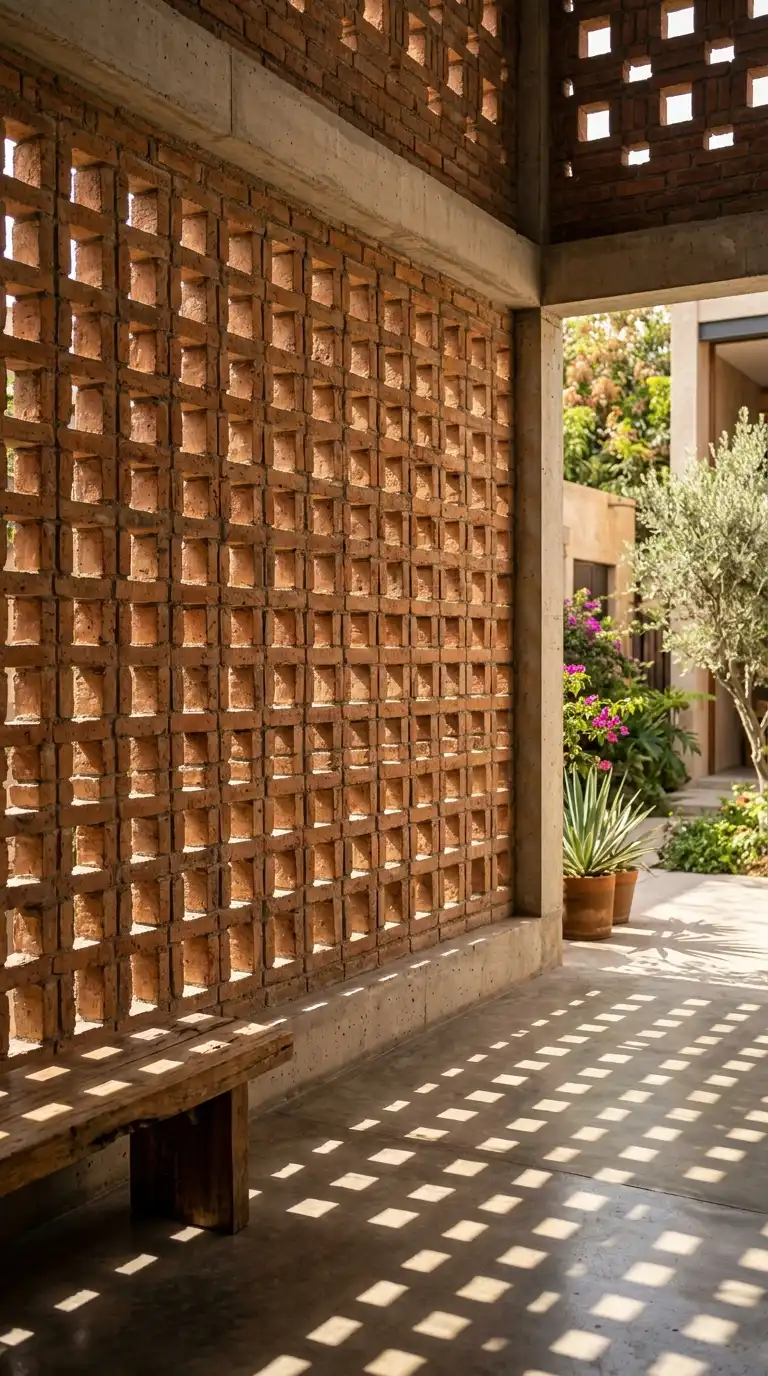
The brick screen wall is a non-structural wall with perforations. The bricks are laid with gaps, creating a pattern of light and shadow. The screen provides privacy, shade, and ventilation while admitting light.
This design is ideal for garden walls, room dividers, and facades. The emotional effect is patterned, luminous, and screened.
Quick Tips
- Gaps must be smaller than a fist for privacy.
- The pattern should be consistent and geometric.
- The wall must be supported laterally at regular intervals.
10. The Brick Column
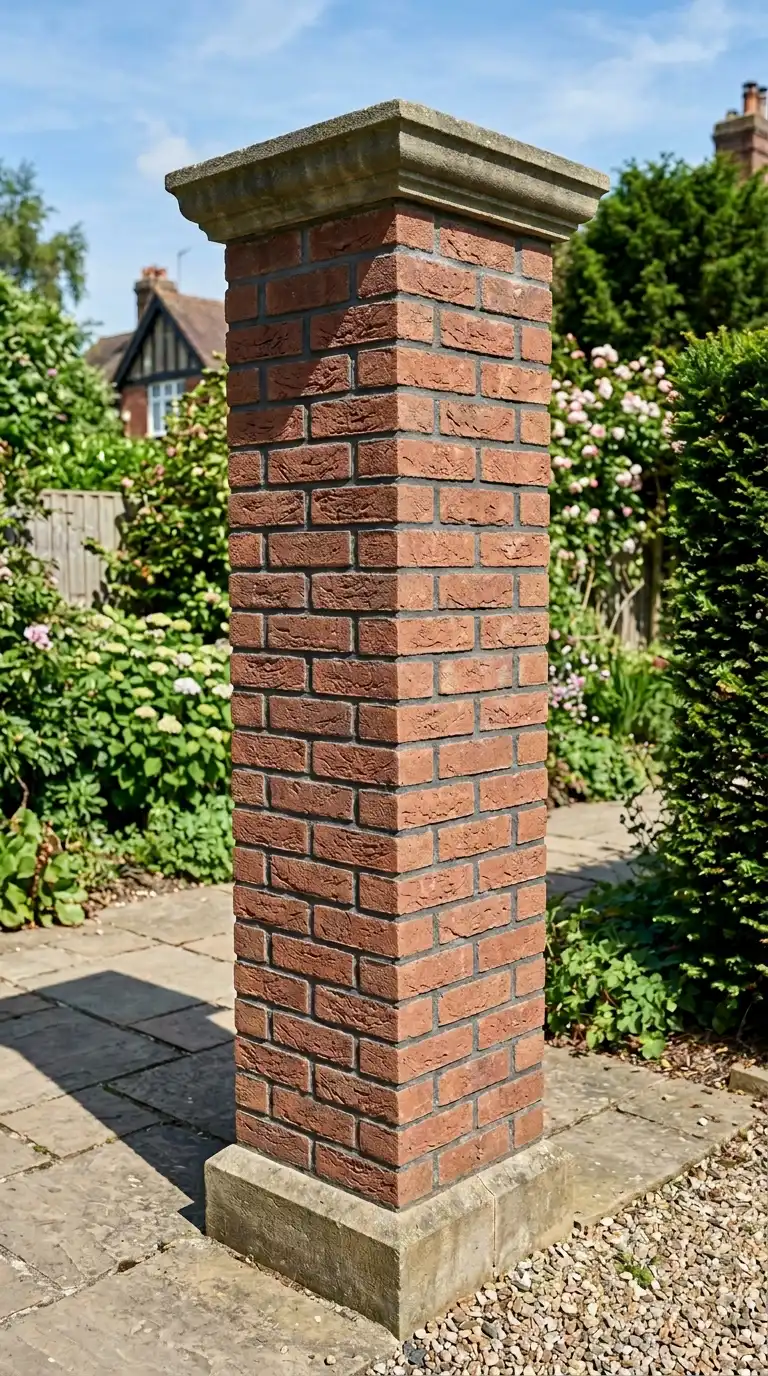
The brick column is a freestanding brick pier. The column can be square, rectangular, or circular. The column is built in a structural bond — English or Flemish. The column can support a beam or stand alone.
This design is ideal for porches, arcades, and gateposts. The emotional effect is vertical, structural, and solid.
Quick Tips
- The column must have a structural bond (English or Flemish).
- The column should be capped with stone or brick corbeling.
- The height should not exceed 10 times the least width.
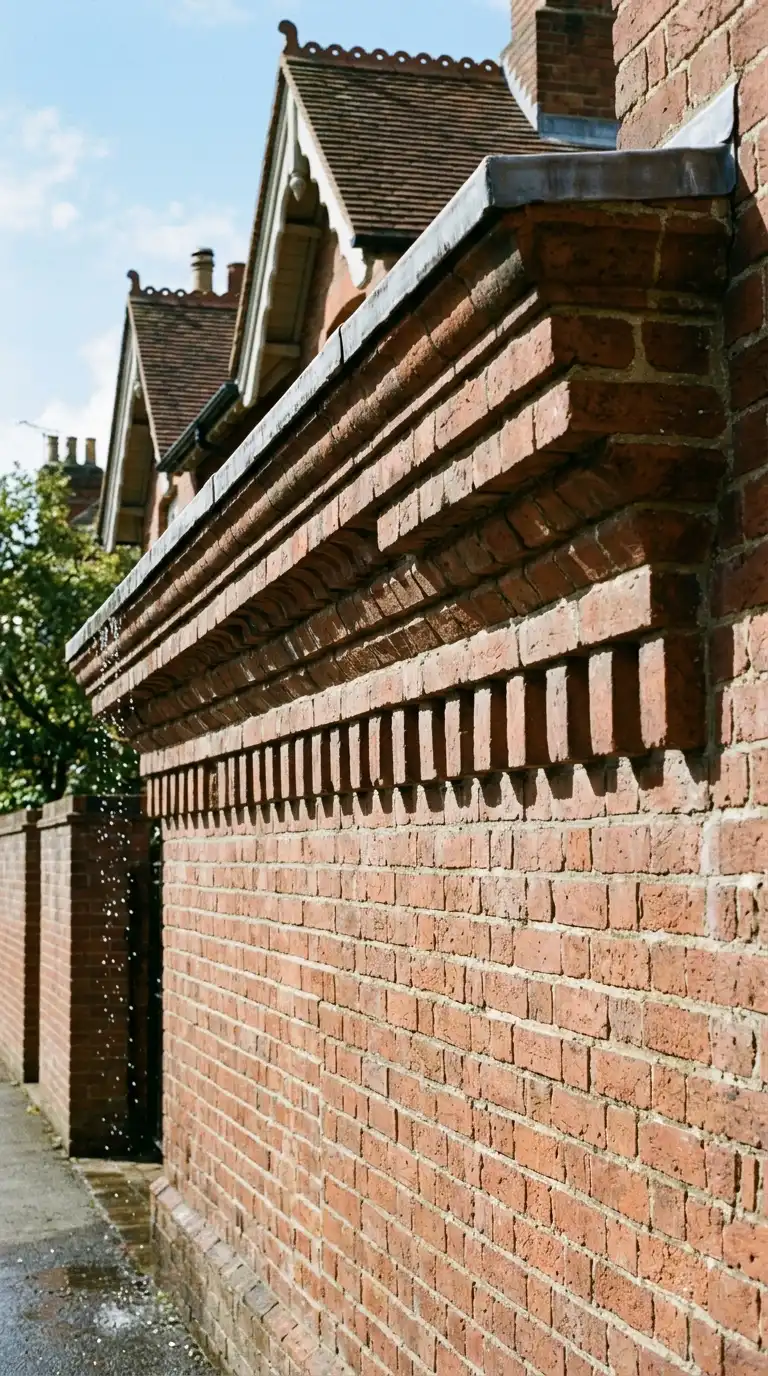
11. The Brick Cornice
The brick cornice is a horizontal projecting course at the top of a wall. The cornice is built by corbeling brick courses outward. The cornice throws water away from the wall. The cornice is often finished with a row of brick dentils (small blocks).
This design is ideal for traditional brick buildings. The emotional effect is projecting, horizontal, and protective.
Quick Tips
- The cornice must project at least 5cm to throw water.
- Dentils are small brick blocks spaced evenly.
- The cornice should be the topmost element of the wall.
12. The Brick Water Table
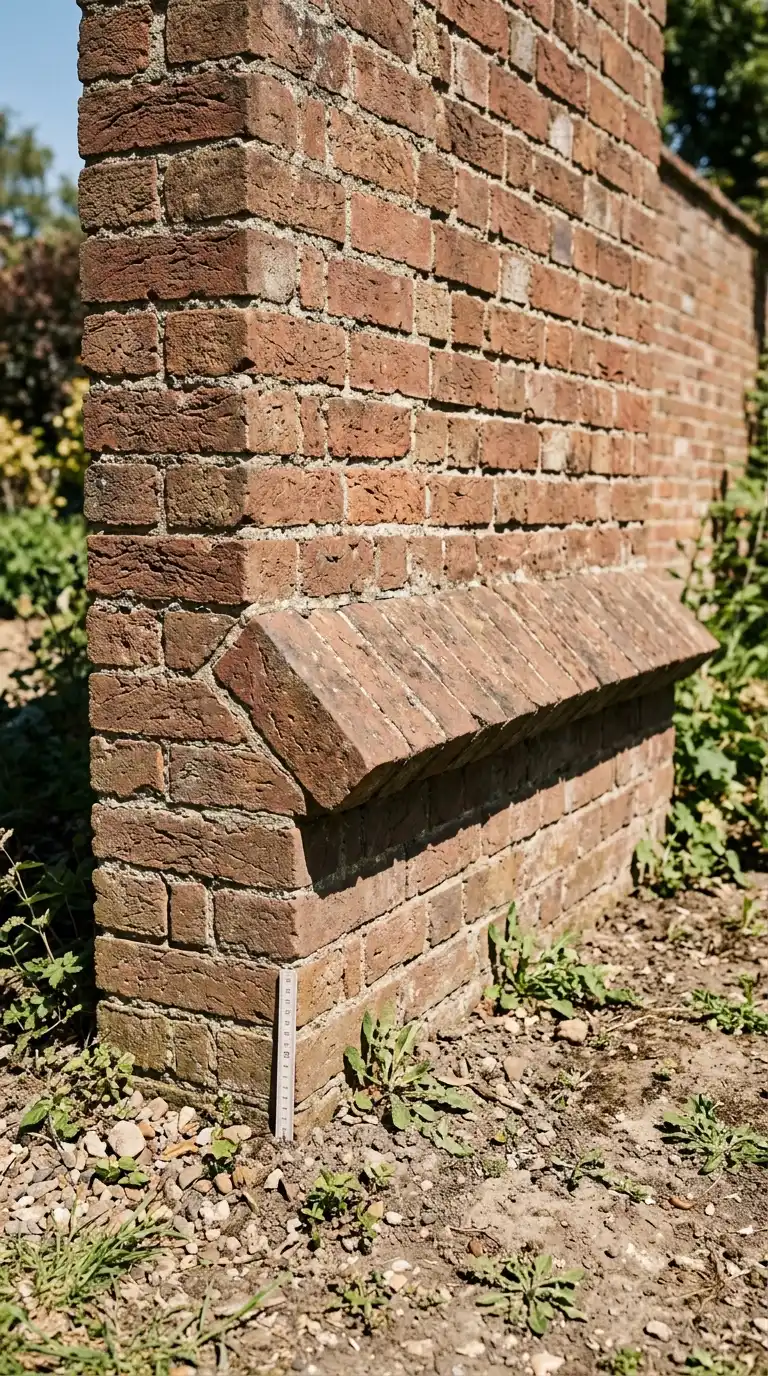
The brick water table is a projecting course at the base of a wall. The water table protects the wall from splashing rain and groundwater. The water table is often sloped or chamfered.
This design is ideal for all brick buildings, especially in wet climates. The emotional effect is protective, horizontal, and grounded.
Quick Tips
- The water table should project at least 2-3cm.
- The top of the water table should be sloped to shed water.
- The water table should be at least 15cm above grade.
13. The Brick Pier and Spandrel
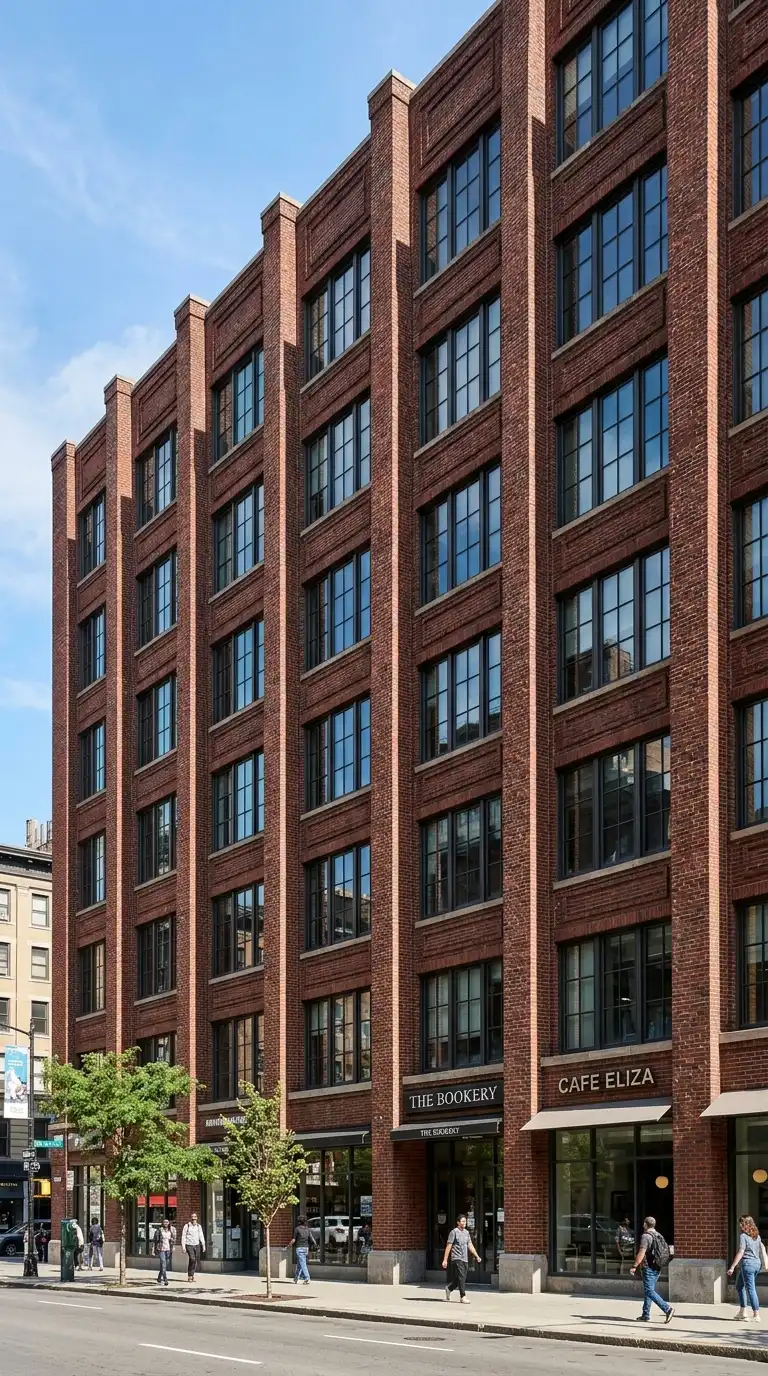
The brick pier and spandrel system uses brick piers (vertical columns) supporting brick spandrels (horizontal panels between piers). The piers carry the weight. The spandrels fill the space between piers. Windows are placed between piers.
This design is ideal for large brick buildings, factories, and warehouses. The emotional effect is vertical, rhythmic, and structural.
Quick Tips
- Piers must be thicker than spandrels.
- Windows must be placed between piers.
- The pier spacing should be consistent.
14. The Brick Mosaic (Brick and Tile)
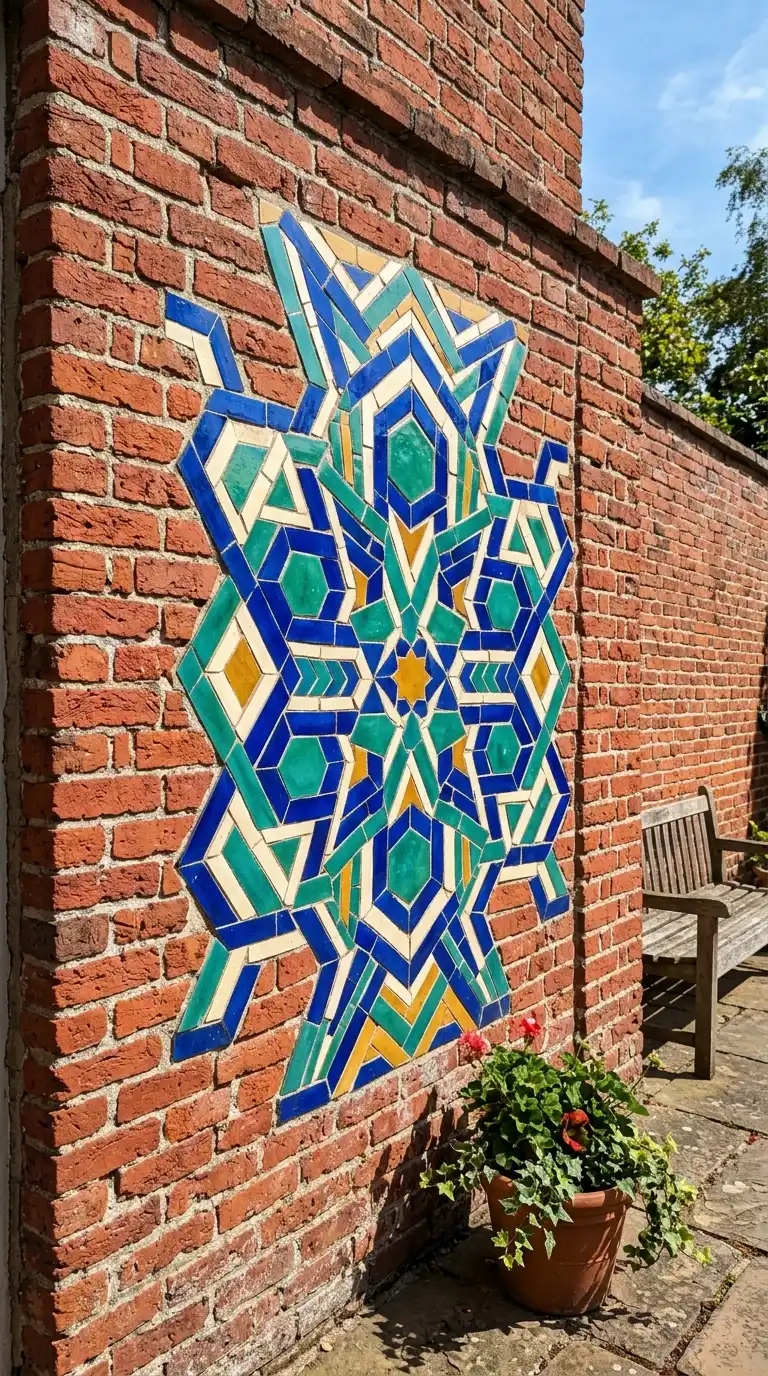
The brick mosaic combines bricks with glazed tiles, coloured bricks, or cut bricks to create patterns. The mosaic can be geometric or figurative. The bricks are the background; the tiles are the pattern.
This design is ideal for accent walls, fireplaces, and public buildings. The emotional effect is colourful, patterned, and decorative.
Quick Tips
- Use glazed or coloured tiles for the pattern.
- The brick background should be a single colour.
- The pattern should be geometric or abstract.
15. The Contemporary Brick Facade
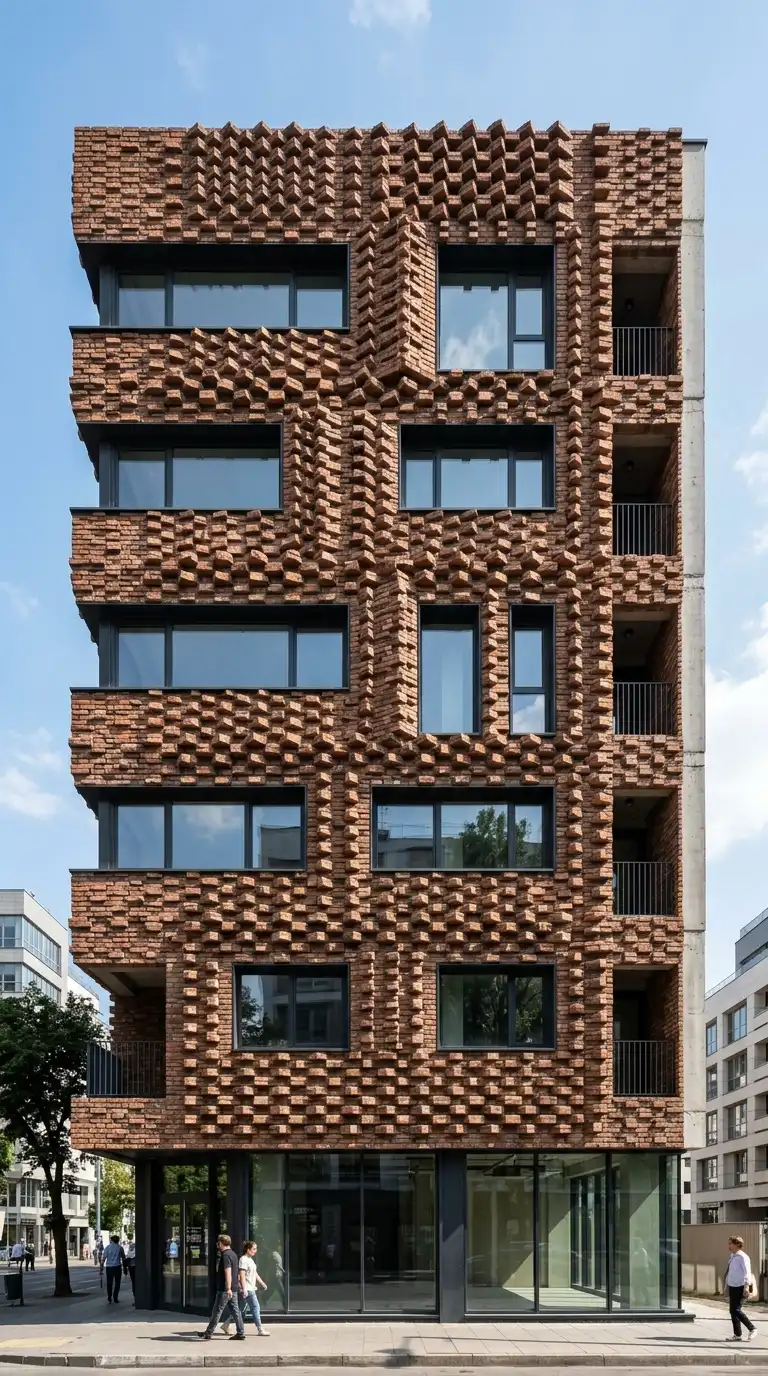
The contemporary brick facade uses brick in unexpected ways. Bricks are cantilevered, rotated, or spaced apart. The facade is not flat — it is three-dimensional. Shadows become the ornament. The brick is often used as a rainscreen, not a structural wall.
This design is ideal for modern buildings, museums, and cultural centres. The emotional effect is three-dimensional, shadowed, and innovative.
Quick Tips
- Bricks can be cantilevered or rotated for shadow effects.
- The facade should be three-dimensional, not flat.
- The brick can be used as a rainscreen with a cavity behind.
Final Thoughts
Brick is not a material of the past. It is a material for the present and future. Brick is durable, sustainable, and beautiful. It can be structural or cladding, load-bearing or decorative, traditional or contemporary.
These 15 brick ideas are not mutually exclusive. A Flemish bond facade can have a brick cornice and a brick water table. A load-bearing brick wall can have brick arches over windows. A contemporary brick facade can be built in running bond. The best brick architecture is not the most complex — it is the most thoughtful. It respects the material, the bond, and the light. Brick is honest. Good brick architecture is honest too.