Sci-fi architecture is the architecture of the future that never arrives. It is speculative, imaginative, and impossible — until it isn’t. Sci-fi architecture asks: what if cities floated? What if buildings grew? What if we lived on Mars, in space, under the ocean? Sci-fi architecture is not bound by gravity, budget, or building codes. It is bound only by imagination.
These 16 sci-fi architecture designs span space colonies, alien cities, dystopian megastructures, and utopian visions. Each design includes defining characteristics, speculative principles, and futuristic strategies.
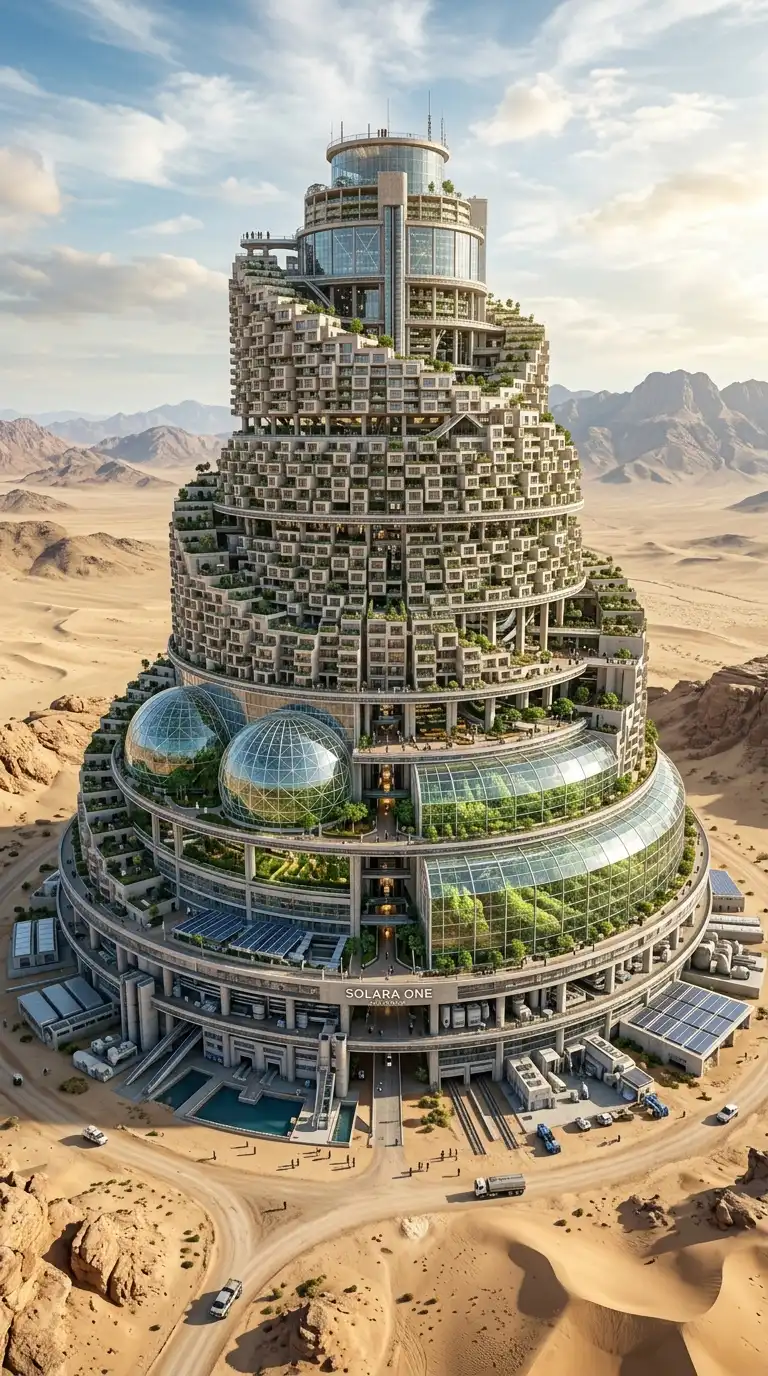
1. The Arcology
The arcology is a single, massive building that contains an entire city — housing, work, agriculture, industry, wilderness. The arcology is self-sufficient. It recycles its own air, water, and waste. The arcology is a building that is a city. The arcology is massive, self-sufficient, and continuous.
This design is ideal for overcrowded planets and closed ecosystems. The emotional effect is massive, self-sufficient, and continuous.
Quick Tips
- The building must contain all city functions.
- The building must be self-sufficient in air, water, food, and energy.
- The form must be continuous (no separate buildings).
2. The Space Colony (O’Neill Cylinder)
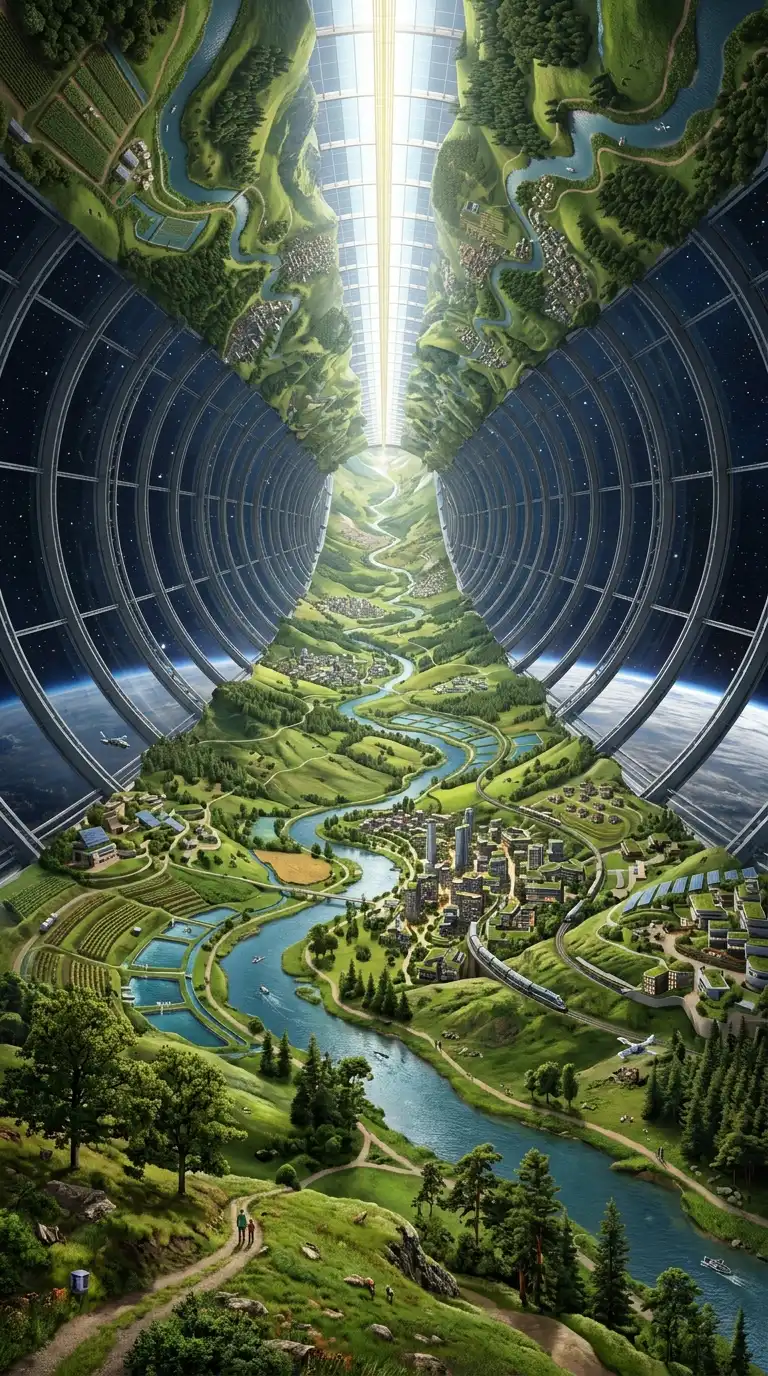
The O’Neill cylinder is a space colony in the shape of a giant rotating cylinder. The cylinder rotates to create artificial gravity. The interior is a landscape — hills, rivers, buildings, sky. The colony is self-sufficient. The O’Neill cylinder is cylindrical, rotating, and space-based.
This design is ideal for space habitats and interplanetary colonies. The emotional effect is cylindrical, rotating, and space-based.
Quick Tips
- The colony must be a rotating cylinder.
- The interior must have a continuous landscape.
- The colony must be self-sufficient in air, water, food, and energy.
3. The Floating City
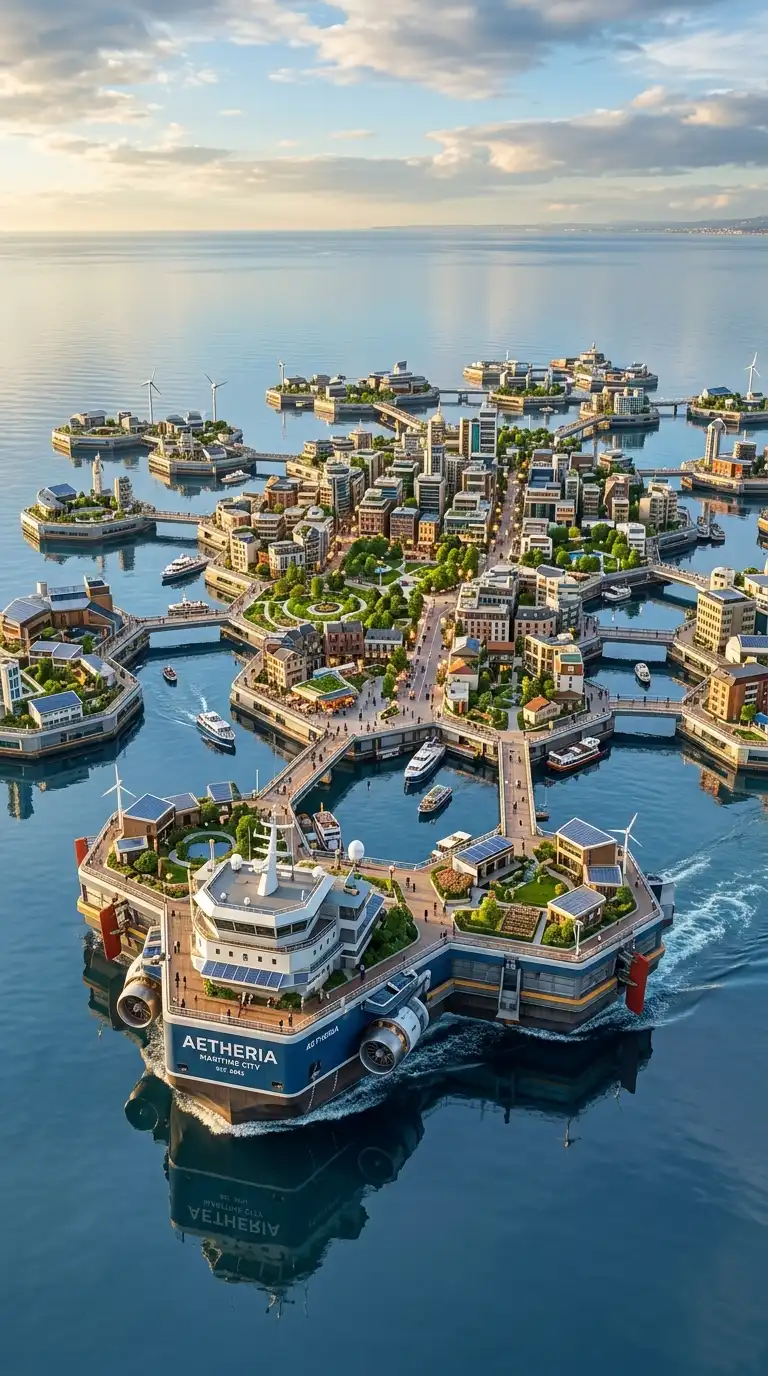
The floating city is a city on water. Platforms support buildings, streets, and parks. The city rises and falls with tides and storms. It can be towed to new locations. The floating city is nautical, mobile, and precarious.
This design is ideal for sea-level rise and climate refugees. The emotional effect is nautical, mobile, and precarious.
Quick Tips
- The city must be on floating platforms.
- The platforms must be interconnected.
- The city must be able to move.
4. The Underwater City
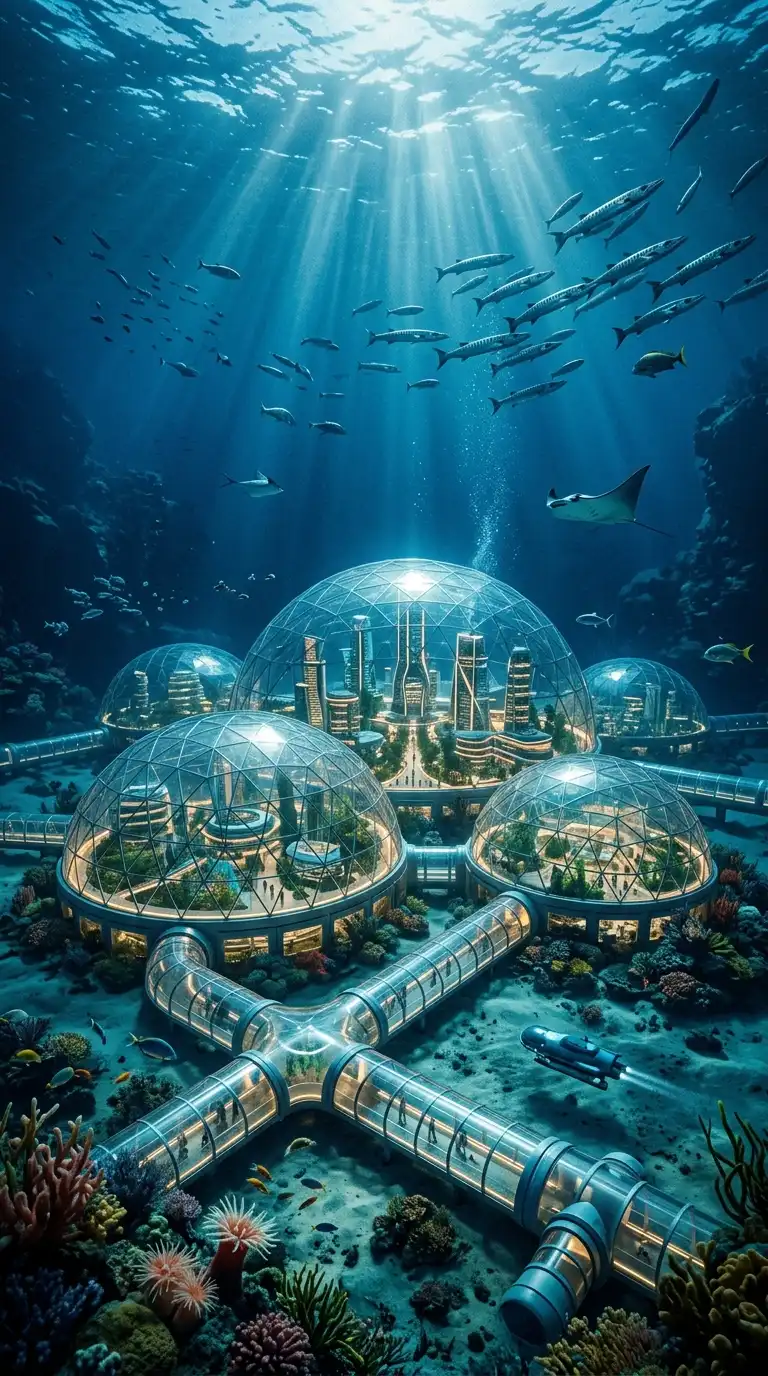
The underwater city is a city beneath the sea. Buildings are sealed within transparent domes or tunnels. Light enters from above. The city is accessible by submarine or elevator. The underwater city is alien, protected, and aquatic.
This design is ideal for ocean worlds and climate adaptation. The emotional effect is alien, protected, and aquatic.
Quick Tips
- The city must be below the surface.
- Buildings must be within transparent domes or tunnels.
- Light must enter from above.
5. The Vertical Farm
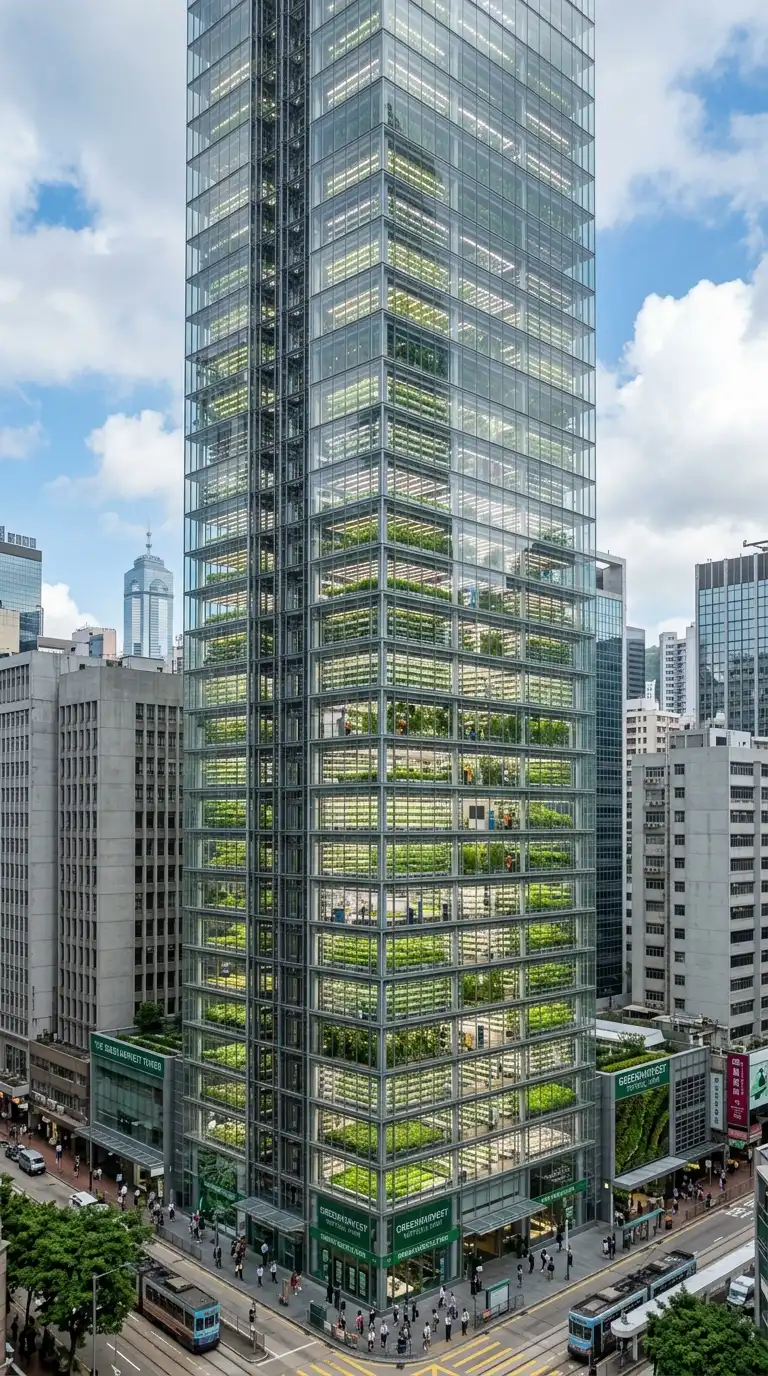
The vertical farm is a skyscraper for growing food. Floors are stacked with hydroponic and aeroponic systems. The building is a farm, not an office. The vertical farm is vertical, agricultural, and efficient.
This design is ideal for food production in cities and space colonies. The emotional effect is vertical, agricultural, and efficient.
Quick Tips
- The building must be tall (20-50 storeys).
- Each floor must be a growing level.
- The facade must be transparent for light.
6. The Dystopian Megastructure
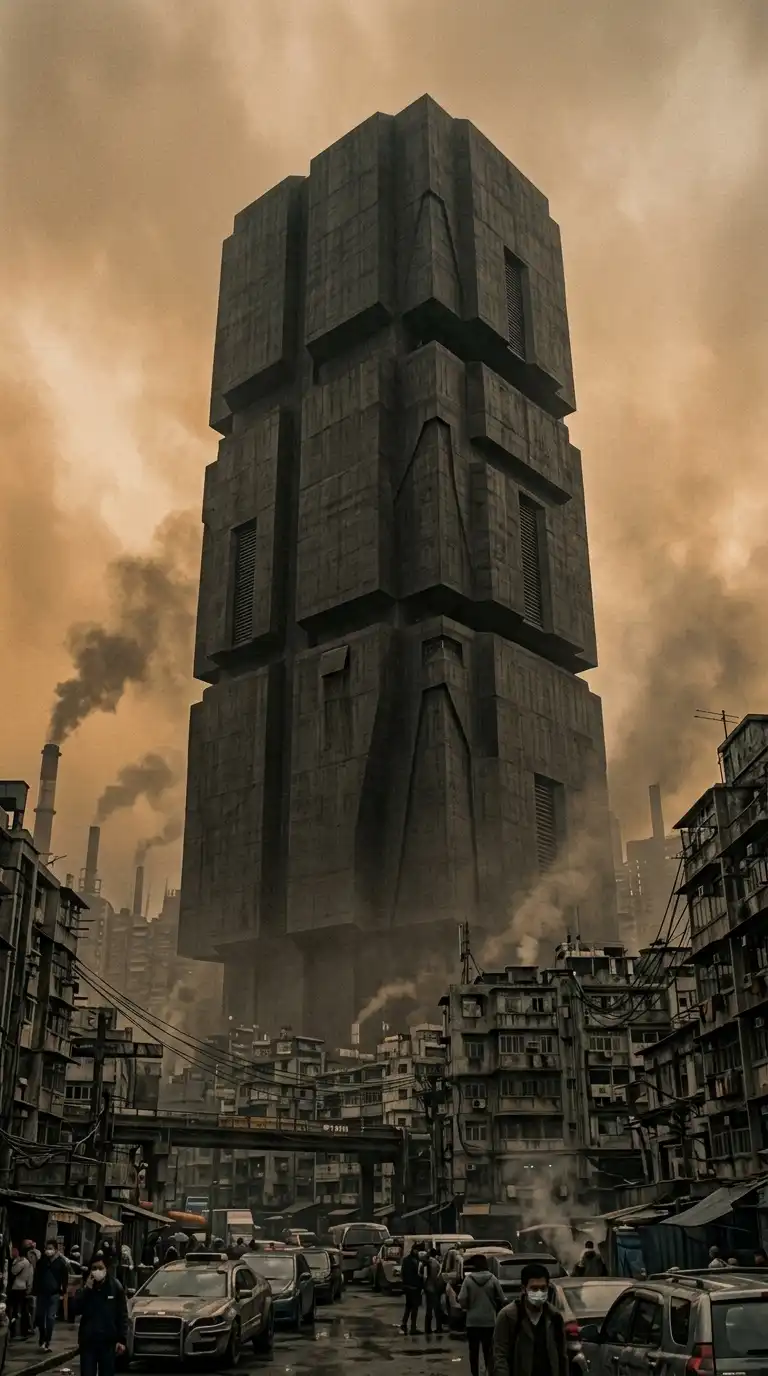
The dystopian megastructure is a massive, oppressive building in a dystopian future. The building is dark, brutal, and endless. It is made of concrete and steel. It has no windows, no ornament, no humanity. The dystopian megastructure is brutal, oppressive, and endless.
This design is ideal for dystopian fiction and dark futures. The emotional effect is brutal, oppressive, and endless.
Quick Tips
- The building must be massive and dark.
- The material must be concrete or steel.
- There must be no windows or very few windows.
7. The Alien City
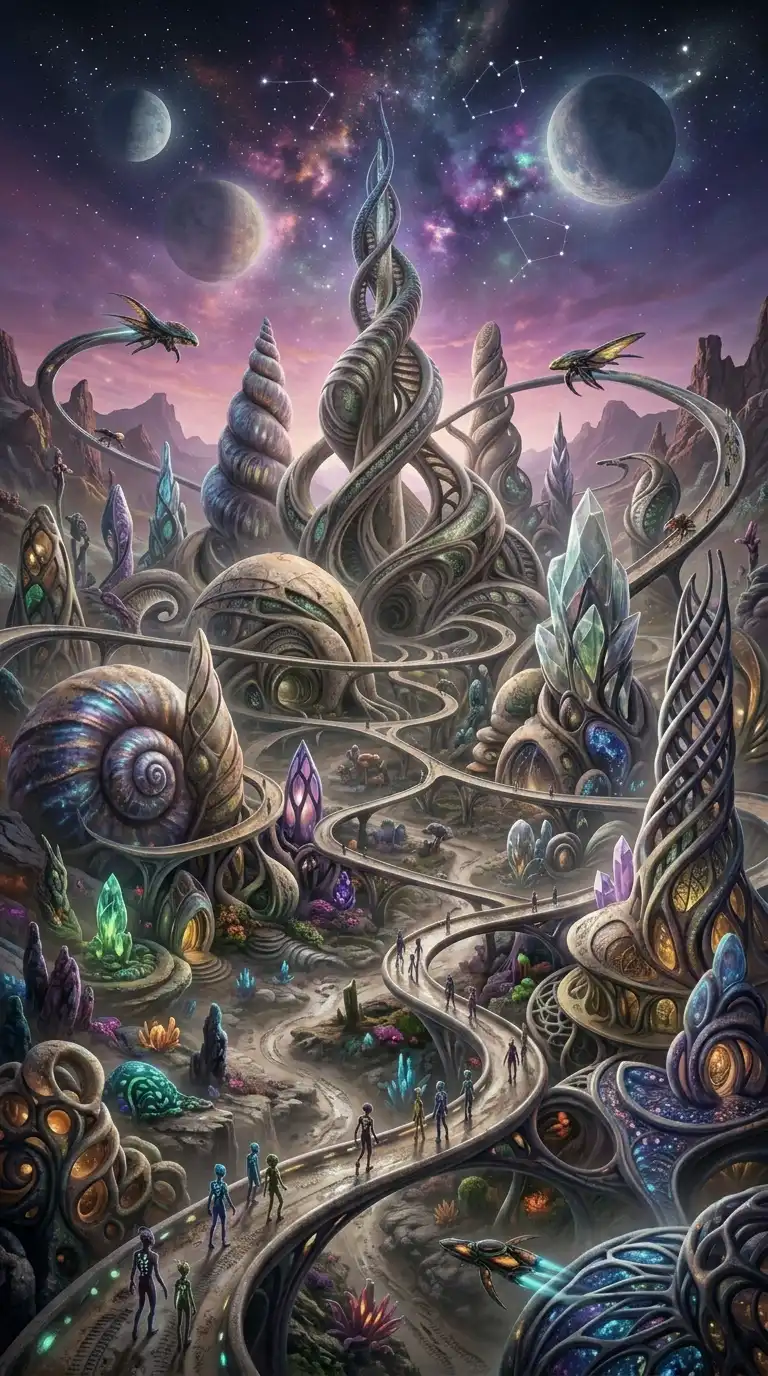
The alien city is a city designed by non-humans. The architecture is organic, non-rectilinear, and strange. The buildings are shaped like shells, bones, plants, or crystals. The alien city is organic, strange, and non-human.
This design is ideal for science fiction and world-building. The emotional effect is organic, strange, and non-human.
Quick Tips
- Avoid straight lines and right angles.
- Use organic, biomorphic forms.
- The city must look non-human.
8. The Space Elevator
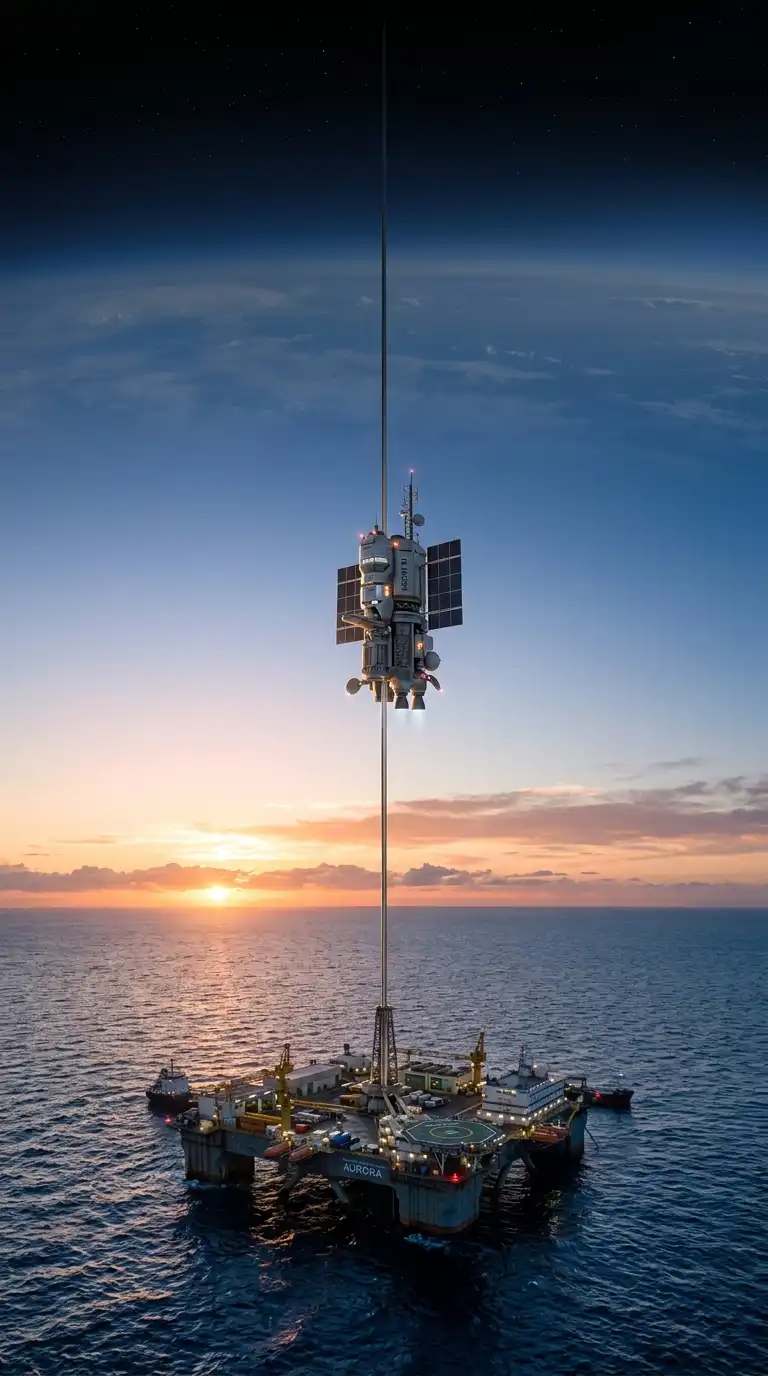
The space elevator is a cable from Earth to geostationary orbit. Climbers carry payloads up the cable. The space elevator replaces rockets. The space elevator is a vertical city — a cable, not a building. The space elevator is vertical, technological, and revolutionary.
This design is ideal for space access and science fiction. The emotional effect is vertical, technological, and revolutionary.
Quick Tips
- The cable must be anchored at the equator.
- Climbers must be visible on the cable.
- The cable must disappear into the sky.
9. The Terraformed Dome
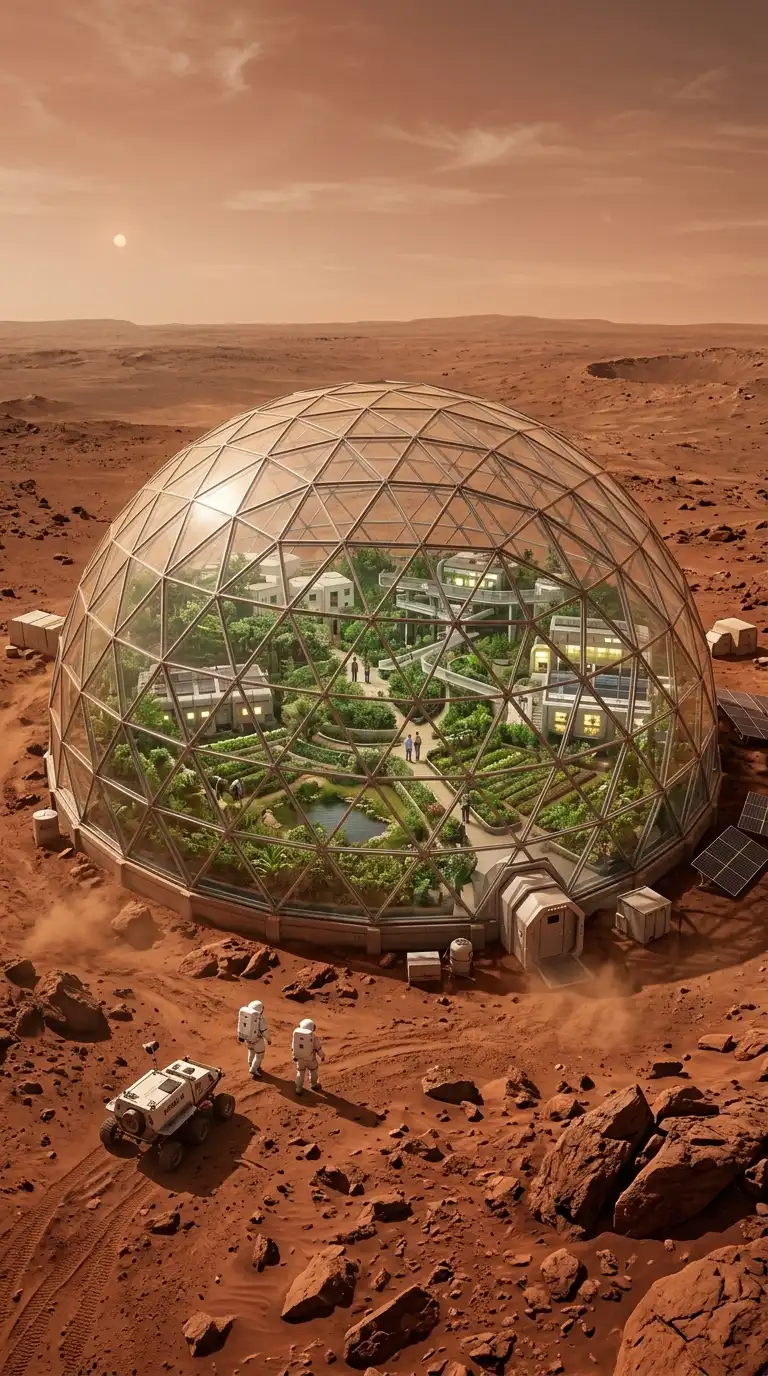
The terraformed dome is a large dome on a hostile planet (Mars, the Moon). Inside the dome is a habitable environment — air, water, plants, buildings. The dome protects the inhabitants from the hostile exterior. The terraformed dome is domed, protected, and terraformed.
This design is ideal for planetary colonisation. The emotional effect is domed, protected, and terraformed.
Quick Tips
- The dome must be transparent or translucent.
- The interior must be green and habitable.
- The exterior must be hostile (red dust, grey rock).
10. The Orbital Ring
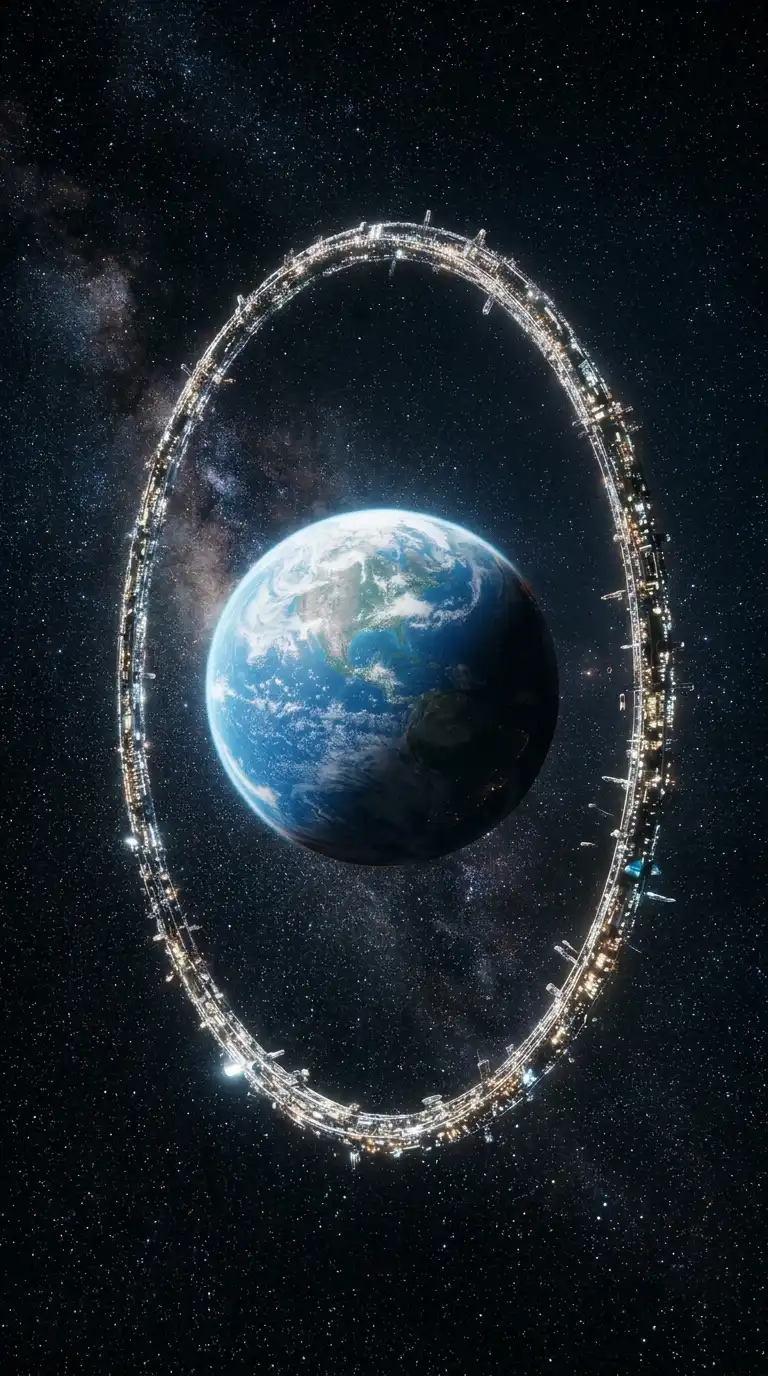
The orbital ring is a ring around a planet. The ring is a space station, a habitat, a transport system. The ring rotates for artificial gravity. The orbital ring is circular, orbital, and continuous.
This design is ideal for advanced space civilisations. The emotional effect is circular, orbital, and continuous.
Quick Tips
- The ring must be a complete circle around the planet.
- The ring must be inhabited.
- The ring must be visible against the planet.
11. The Megastructure Bridge
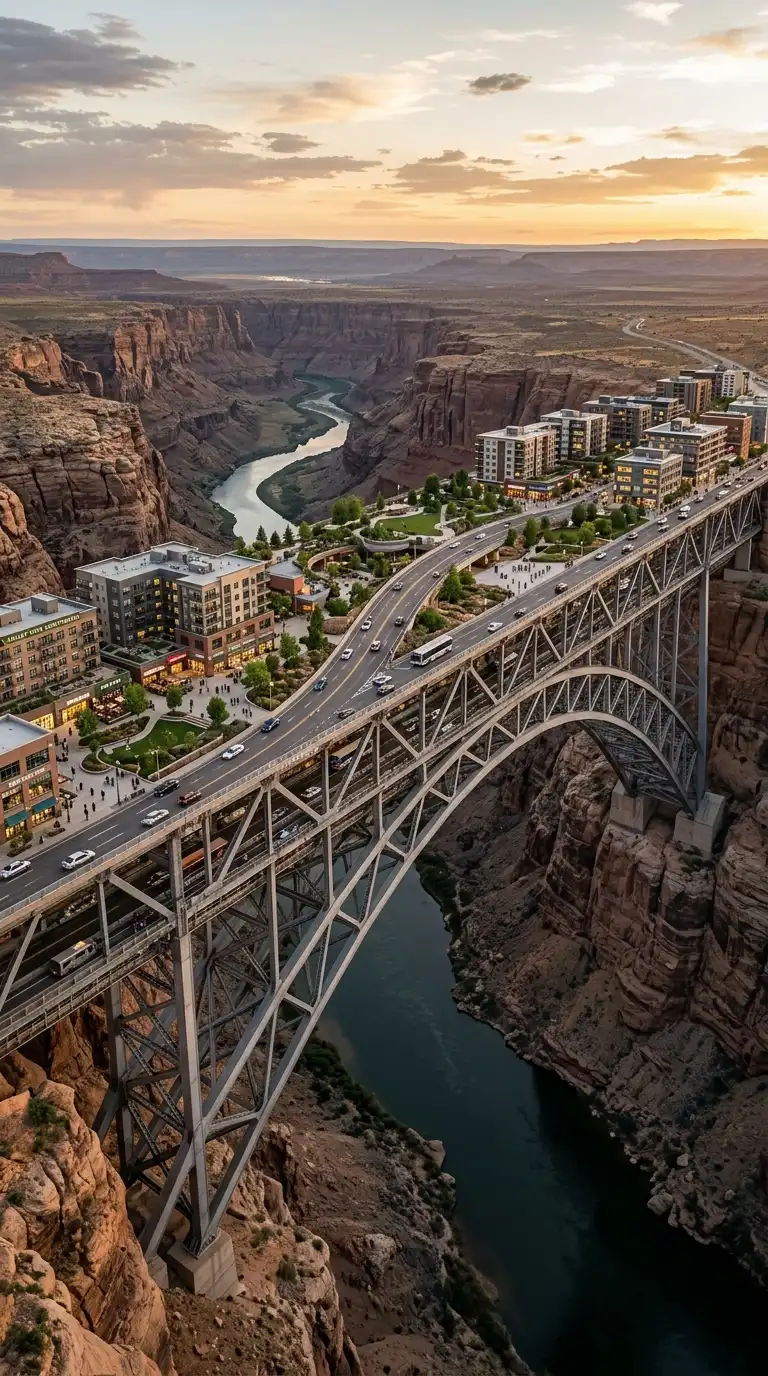
The megastructure bridge is a bridge that is also a city. The bridge spans a chasm, a river, or a canyon. The bridge contains housing, shops, parks, and transport. The megastructure bridge is spanning, inhabited, and structural.
This design is ideal for difficult terrain and science fiction. The emotional effect is spanning, inhabited, and structural.
Quick Tips
- The bridge must span a dramatic gap.
- The bridge must contain inhabited space.
- The structure must be visible.
12. The Crystal Spire
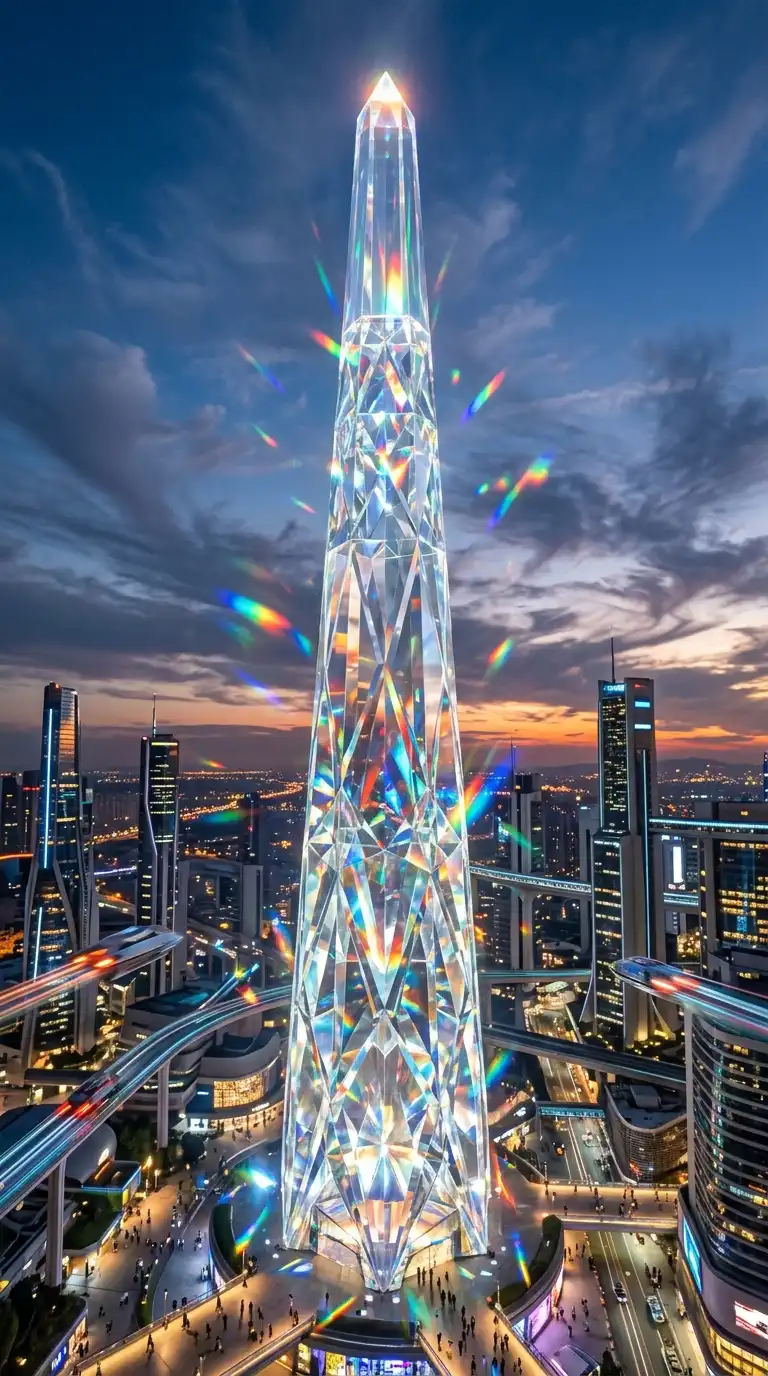
The crystal spire is a tall, faceted tower made of crystal or glass. The spire catches the light, glowing and refracting. The crystal spire is vertical, faceted, and luminous.
This design is ideal for futuristic cities and utopian visions. The emotional effect is vertical, faceted, and luminous.
Quick Tips
- The tower must be tall and faceted.
- The material must be transparent or translucent.
- The tower must catch and refract light.
13. The Biomorphic Skyscraper
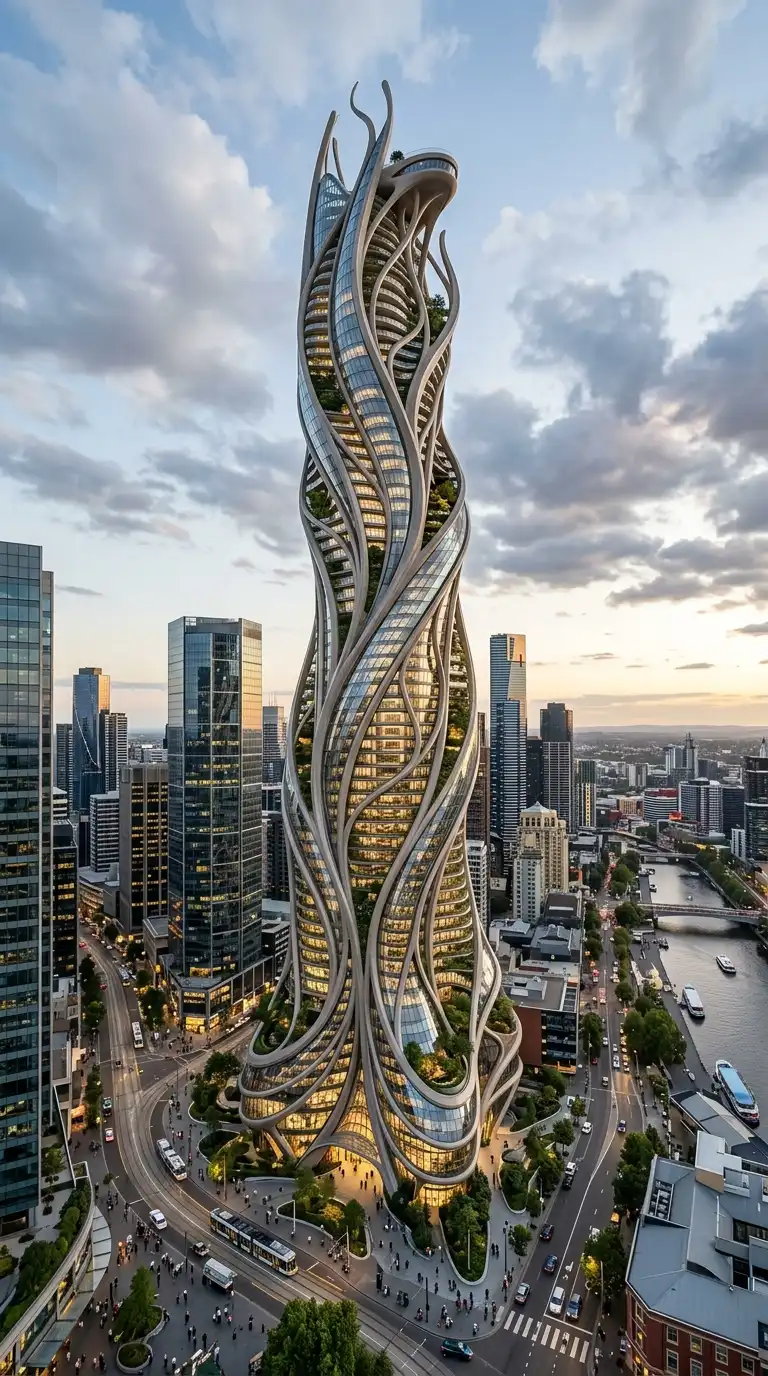
The biomorphic skyscraper is a tall building shaped like a living organism — a tree, a bone, a shell. The form is organic and curved. The biomorphic skyscraper is organic, vertical, and biomorphic.
This design is ideal for futuristic cities and organic architecture. The emotional effect is organic, vertical, and biomorphic.
Quick Tips
- Avoid straight lines and right angles.
- The form must be inspired by a living organism.
- The skyscraper must taper or curve.
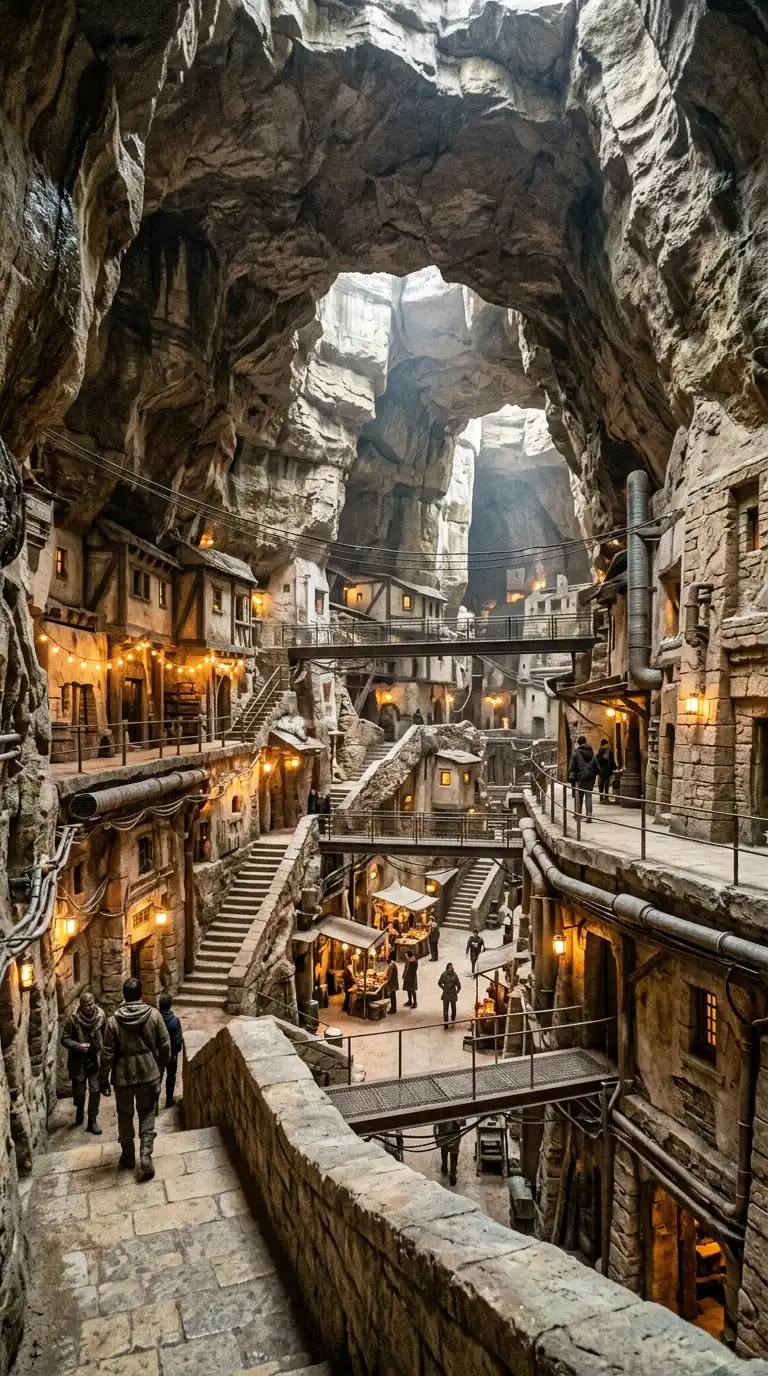
14. The Underground City
The underground city is a city beneath the surface. The city is carved into rock or built in excavated caverns. Light is artificial or from light wells. The underground city is subterranean, protected, and hidden.
This design is ideal for hostile planets and post-apocalyptic futures. The emotional effect is subterranean, protected, and hidden.
Quick Tips
- The city must be below the surface.
- Light must be artificial or from light wells.
- The rock must be visible.
15. The Hive City
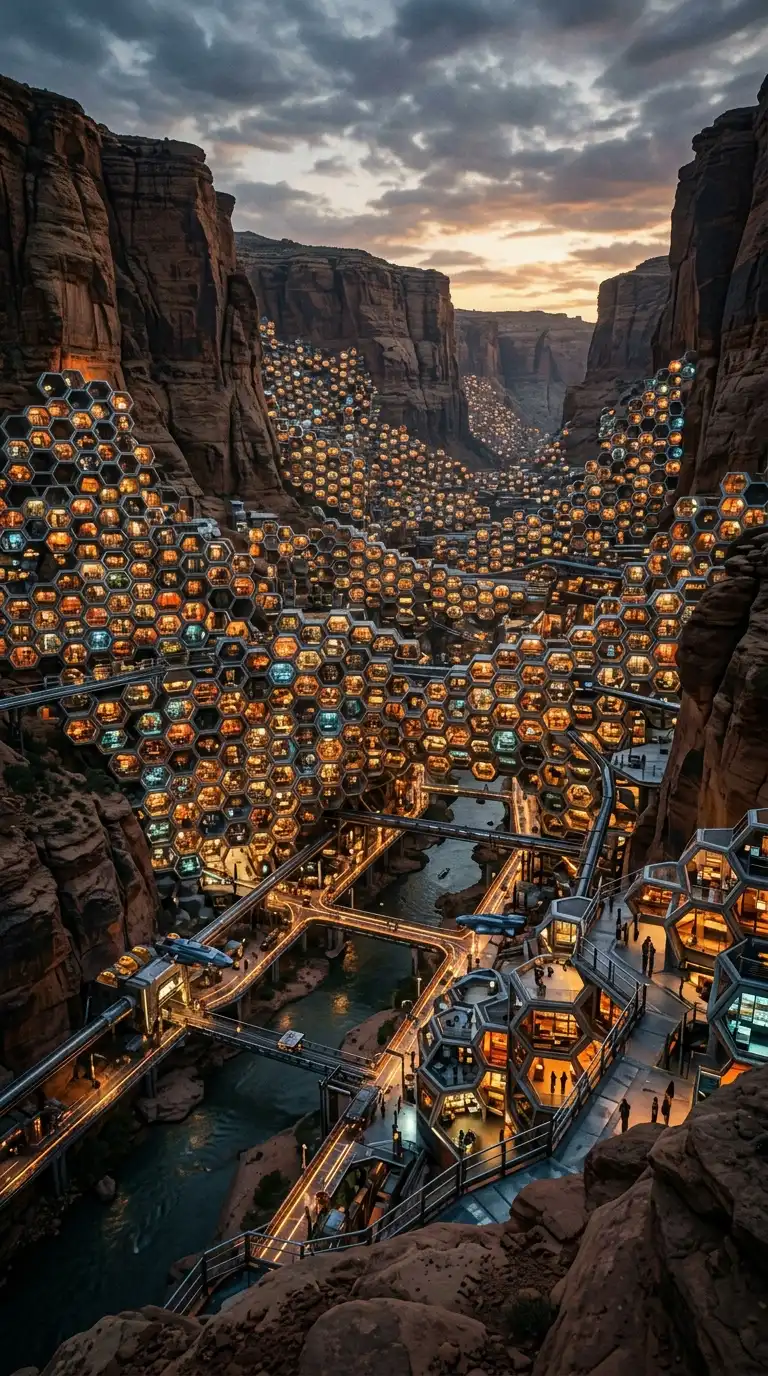
The hive city is a city organised like a beehive. The structure is a hexagonal honeycomb of cells. Each cell is a room or a building. The hive city is cellular, repetitive, and insect-like.
This design is ideal for high-density populations and alien civilisations. The emotional effect is cellular, repetitive, and insect-like.
Quick Tips
- The structure must be a hexagonal honeycomb.
- Each cell must be a habitable space.
- The city must be infinitely expandable.
16. The Desert City
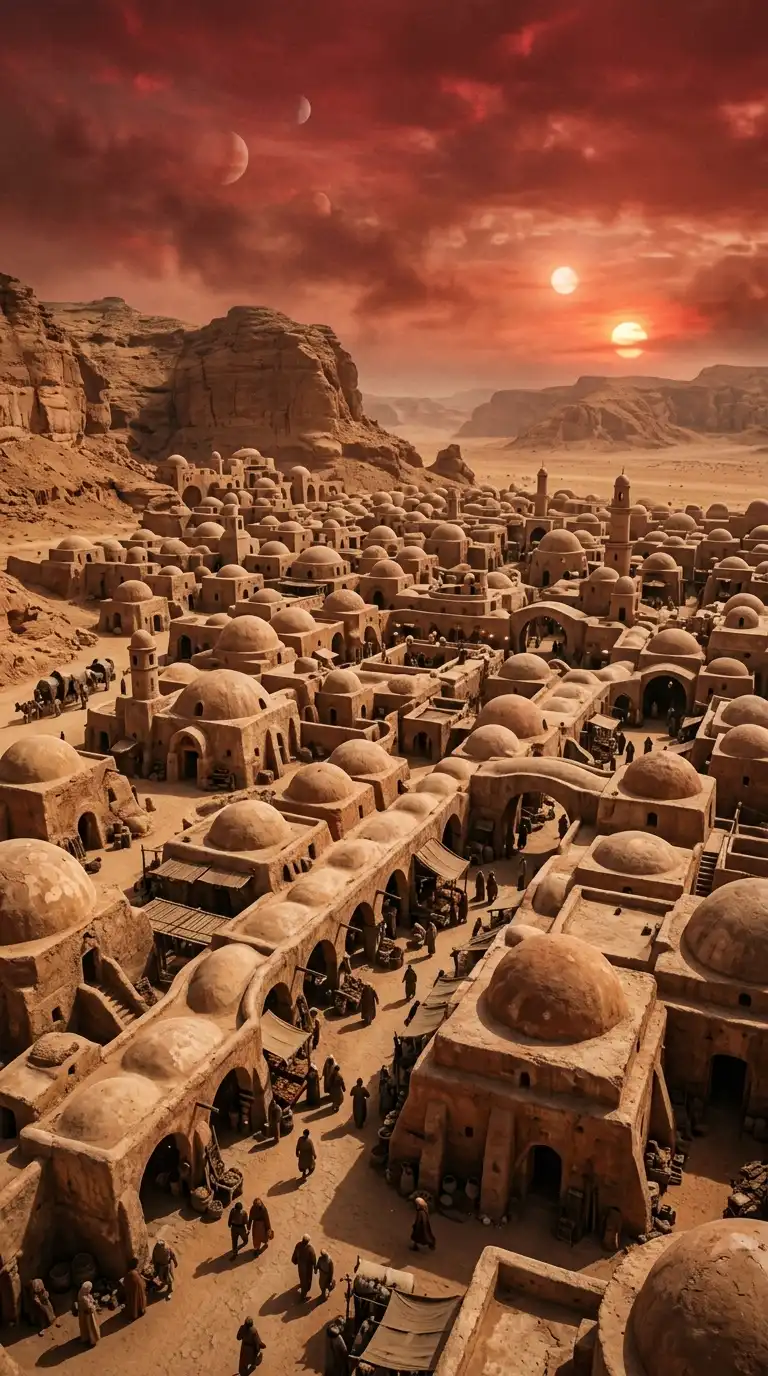
The desert city is a city in a desert on a distant planet. The buildings are low, domed, and earth-coloured. The city is shaded and cool. The desert city is earthy, domed, and desert-adapted.
This design is ideal for desert planets and harsh environments. The emotional effect is earthy, domed, and desert-adapted.
Quick Tips
- The buildings must be low and domed.
- The colour must be earth tones (ochre, red, brown).
- The city must be shaded.