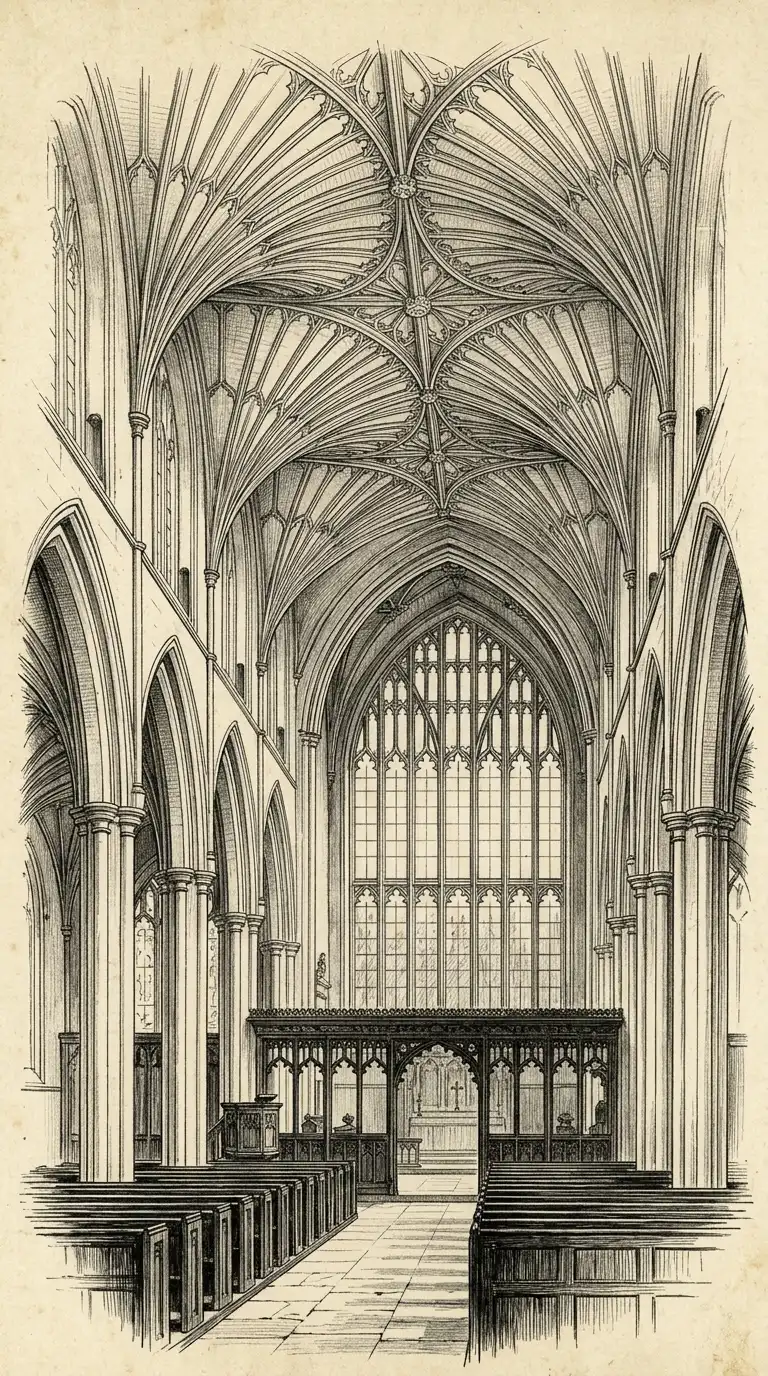
A site plan is an architectural drawing that shows a building in its context. It is a map of relationships: building to property line, entrance to street, parking to landscape, sun to shading, view to window. A good site plan does not just place a building on a lot — it situates the building in its environment. It considers sun, wind, slope, view, noise, neighbours, and ecology.
These 16 site plan architecture designs span site strategies, organisational principles, and landscape integrations. Each design includes defining characteristics, site considerations, and design principles.
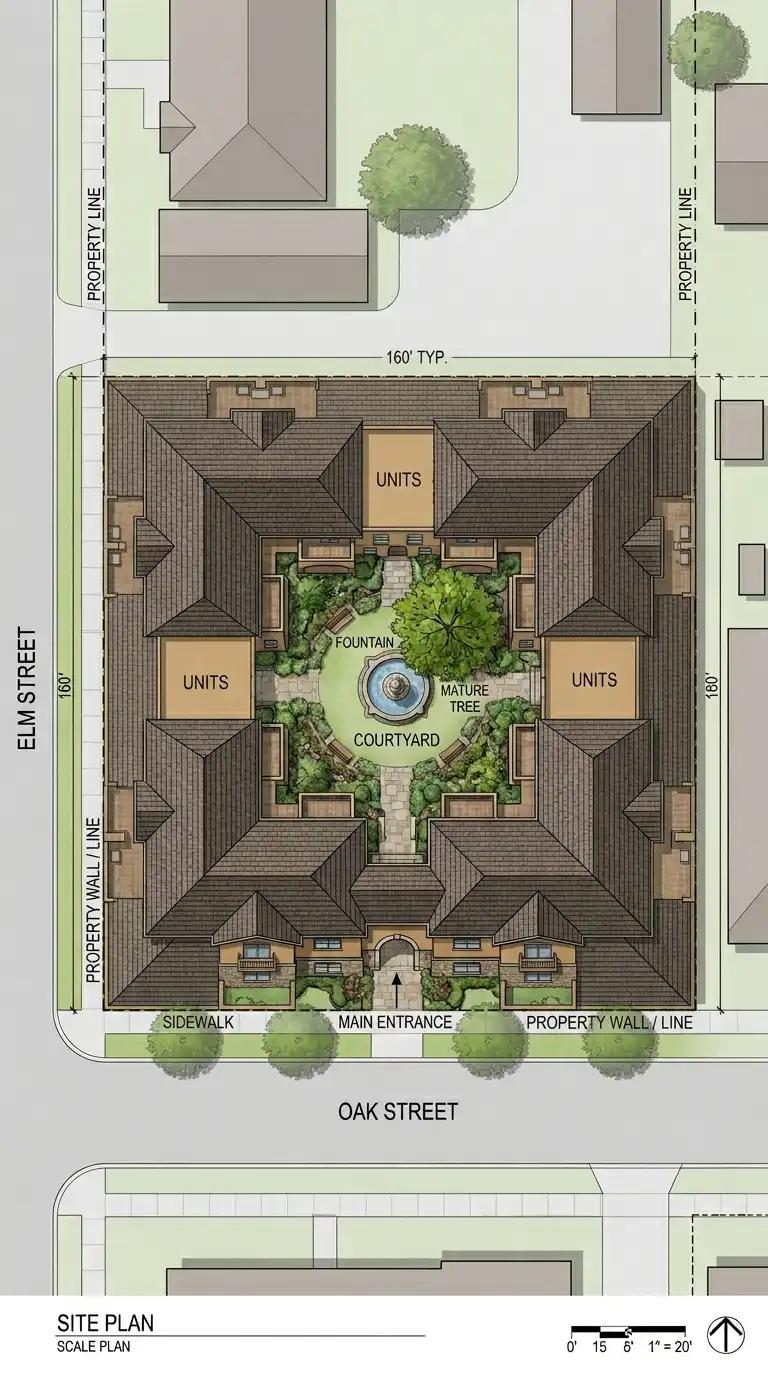
1. The Central Courtyard Site Plan
The central courtyard site plan wraps the building around an open centre. The exterior walls are close to the property lines, creating a solid, private edge. The interior opens entirely to the courtyard. The courtyard is the heart of the site — visible from all major rooms.
This design is ideal for tight urban sites and hot climates. The emotional effect is private, calm, and inward-focused.
Quick Tips
- The courtyard should be at least 5×5 metres to feel usable.
- Place the entrance on the street side, with a path leading to the courtyard.
- The courtyard should contain a tree, water, or garden.
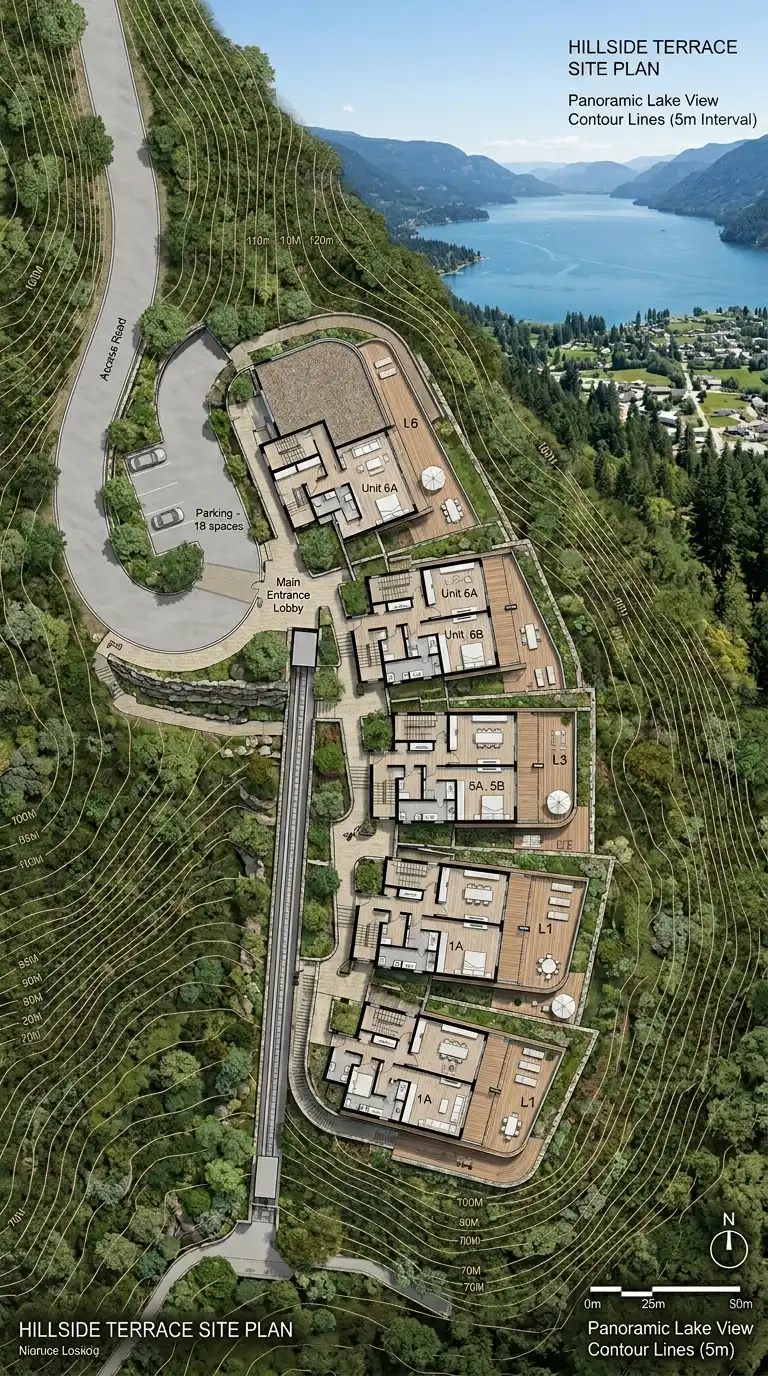
2. The Hillside Terrace Site Plan
The hillside terrace site plan steps the building down a slope. Each building terrace is cut into the hill, with the roof of the lower terrace becoming the terrace of the unit above. The site plan follows the contour lines. The building is invisible from below, visible from above.
This design is ideal for steep, scenic sites. The emotional effect is dramatic, site-responsive, and terraced.
Quick Tips
- Follow the contour lines — do not fight the slope.
- Each terrace should step down 1.5 to 2 metres.
- Orient the terraces toward the view.
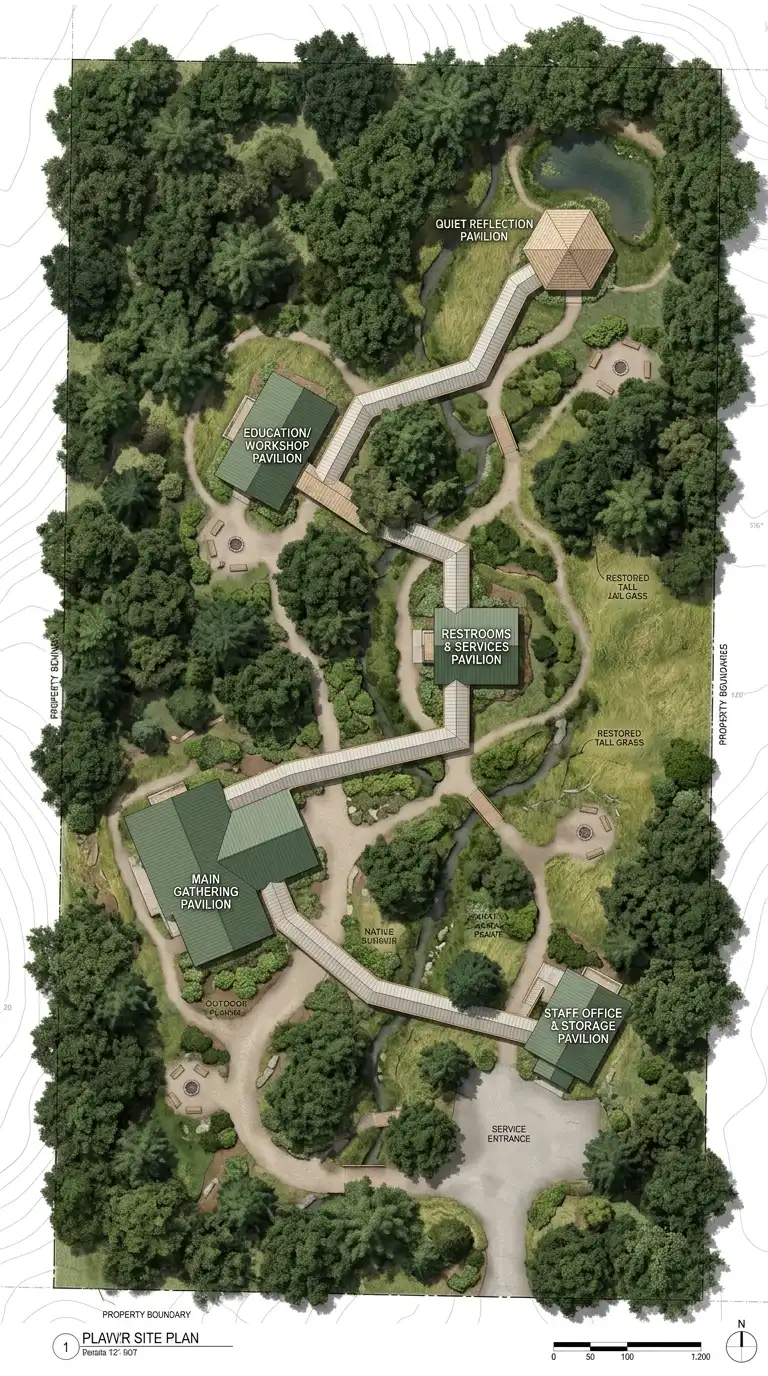
3. The Clustered Pavilion Site Plan
The clustered pavilion site plan spreads multiple small buildings across the site. Each pavilion has a single function. Covered walkways connect the pavilions. The landscape flows between and around the buildings. The site is as important as the architecture.
This design is ideal for large rural sites and warm climates. The emotional effect is relaxed, resort-like, and landscape-integrated.
Quick Tips
- Each pavilion should be no larger than 50-80 square metres.
- Walkways should be covered but open on the sides.
- Preserve existing trees and grade as much as possible.
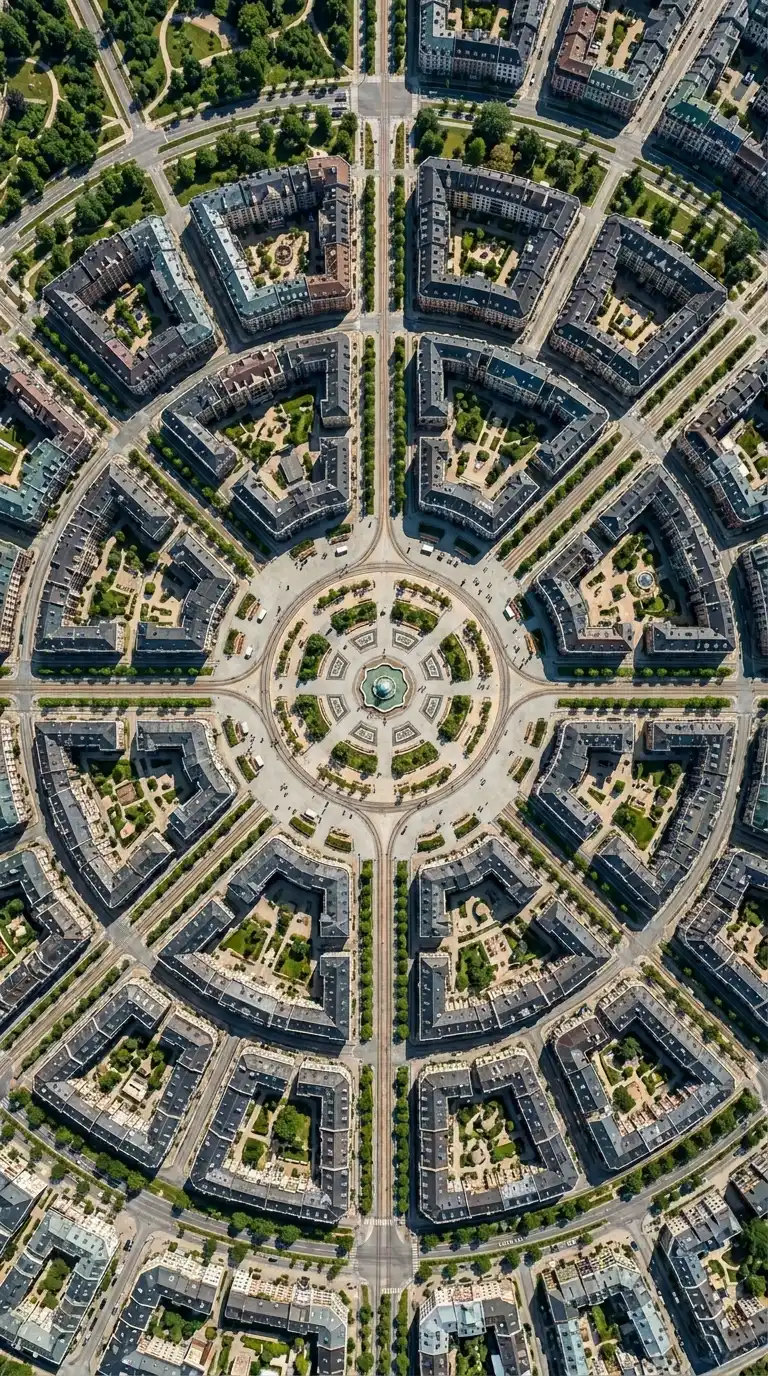
4. The Radial Site Plan
The radial site plan arranges buildings or functions around a central point. The centre is a plaza, a courtyard, or a landmark. Roads or paths radiate outward like spokes. The radial plan is dramatic and hierarchical.
This design is ideal for civic buildings, museums, and master plans. The emotional effect is centralised, dramatic, and hierarchical.
Quick Tips
- The centre must be a significant space or landmark.
- Paths should radiate at equal angles.
- Buildings should face the centre.
5. The Grid Site Plan
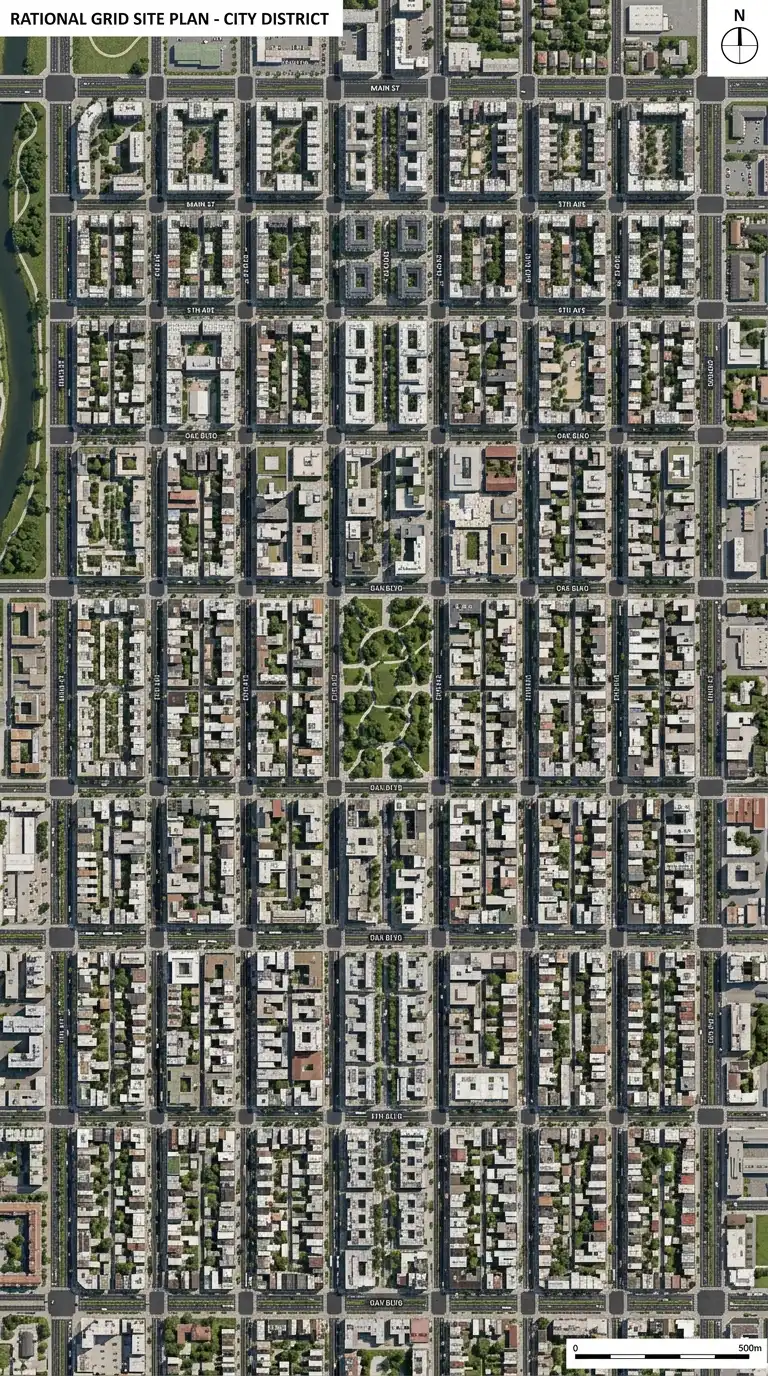
The grid site plan organises the site with a regular orthogonal grid. Streets, buildings, and plots are aligned to the grid. The grid is rational, efficient, and expandable. The grid can be rotated to respond to sun or view.
This design is ideal for urban development and large sites. The emotional effect is rational, efficient, and ordered.
Quick Tips
- The grid should be regular — square or rectangular blocks.
- Orient the grid for solar access (north-south, east-west).
- The grid can be rotated to respond to topography or view.
6. The Cul-de-Sac Site Plan
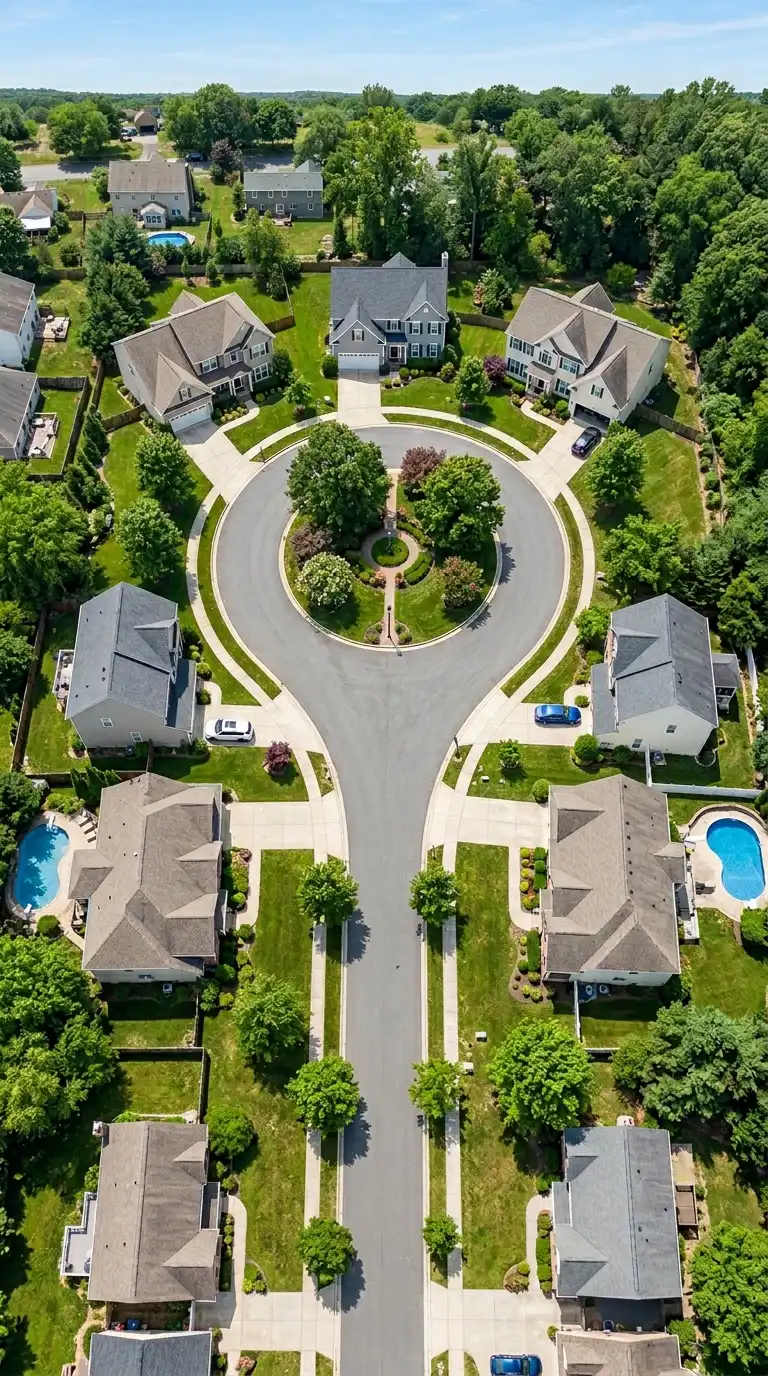
The cul-de-sac site plan uses a dead-end street with a circular turnaround. Houses are arranged around the cul-de-sac. The street is quiet and safe for children. The cul-de-sac is a common suburban pattern.
This design is ideal for residential subdivisions. The emotional effect is quiet, safe, and suburban.
Quick Tips
- The cul-de-sac should have a turning radius of at least 12 metres.
- Houses should face the cul-de-sac, not the through street.
- The centre of the cul-de-sac can be landscaped.
7. The Linear Site Plan
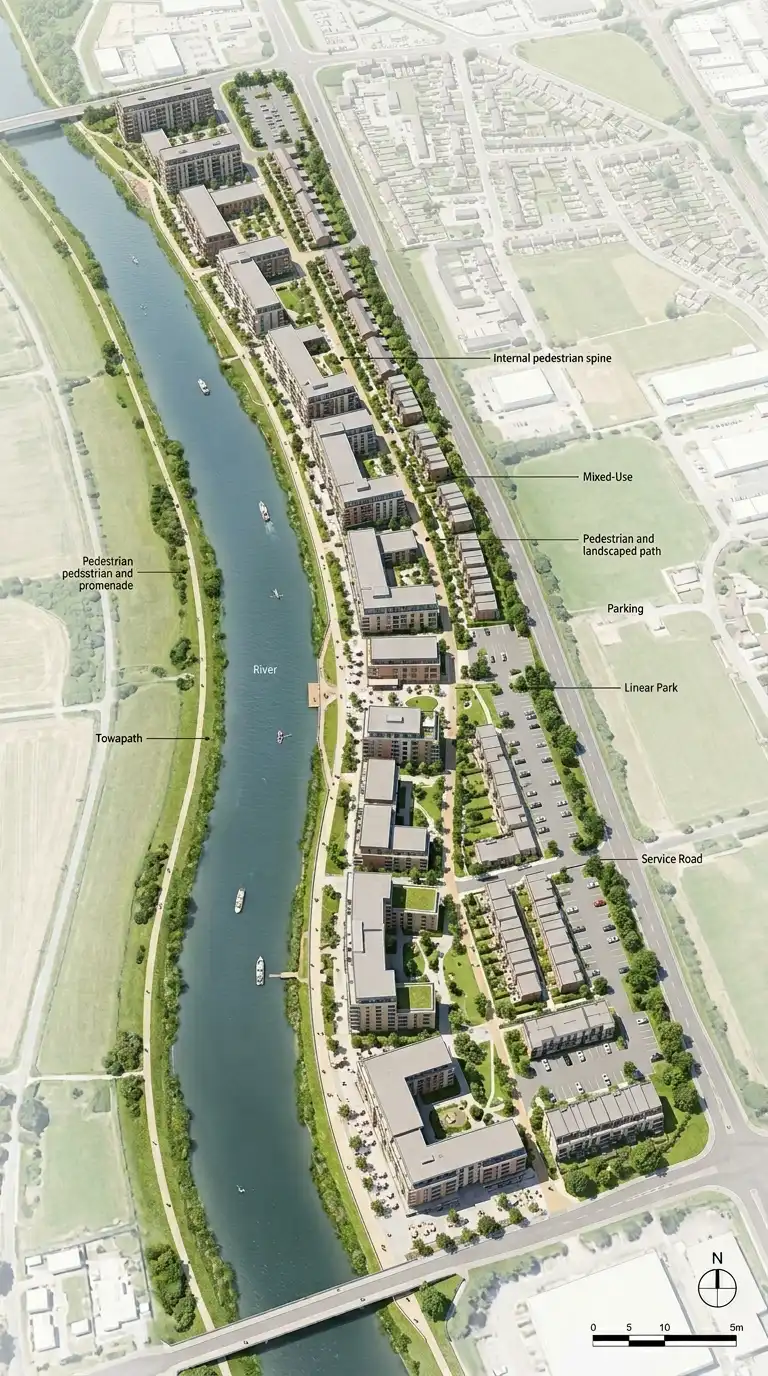
The linear site plan arranges buildings along a single axis — a road, a river, a ridge, or a beach. The buildings are strung like beads on a string. The linear plan is ideal for long, narrow sites.
This design is ideal for waterfronts, ridgelines, and corridors. The emotional effect is linear, sequential, and directional.
Quick Tips
- The axis should be the organising element (road, river, ridge).
- Buildings should face the axis.
- The axis should have a clear beginning and end.
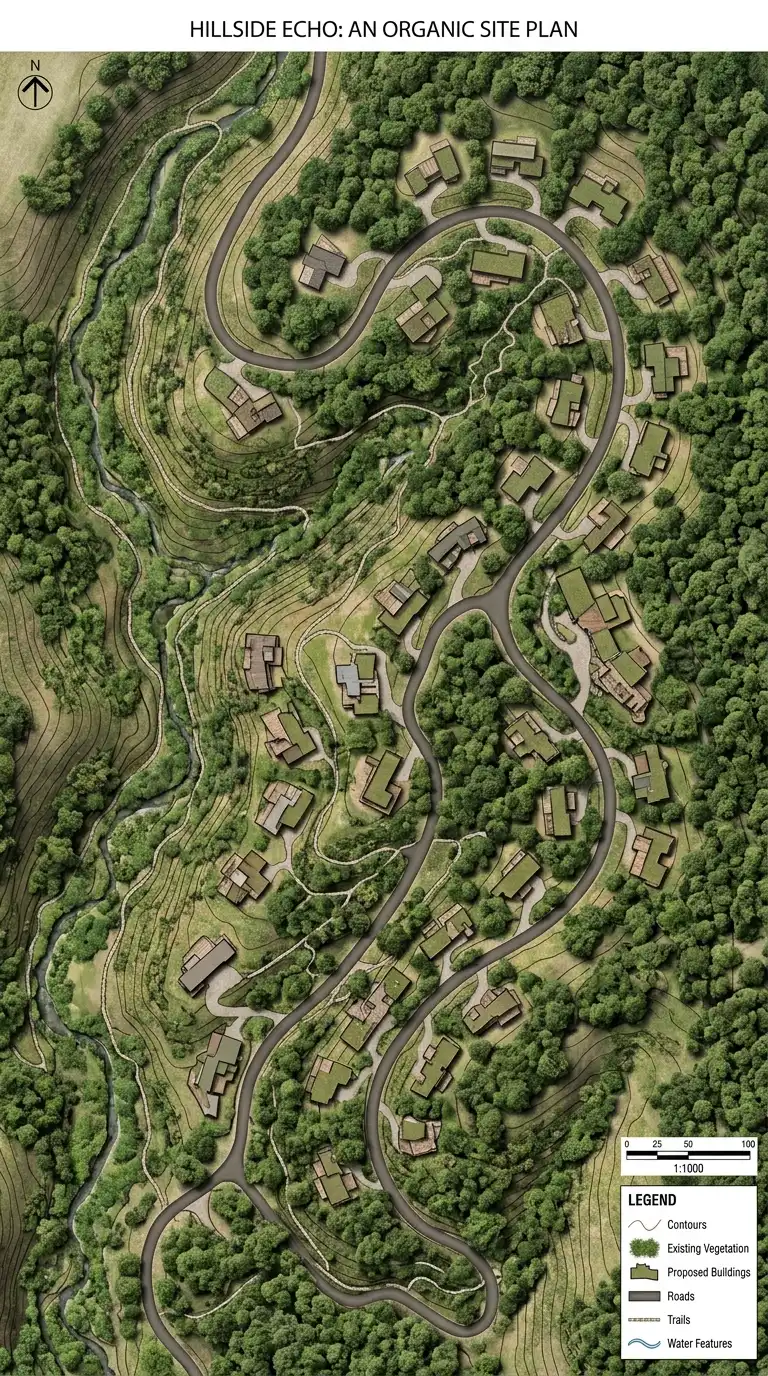
8. The Organic Site Plan
The organic site plan follows the natural forms of the land. Streets curve, buildings are irregular, and open space is preserved. The plan looks like it grew from the site, not imposed upon it.
This design is ideal for rural and suburban sites with significant natural features. The emotional effect is organic, natural, and landscape-integrated.
Quick Tips
- Follow the contour lines for roads and paths.
- Preserve existing trees, streams, and rock outcroppings.
- Buildings should be irregular and scattered, not gridded.
9. The Superblock Site Plan
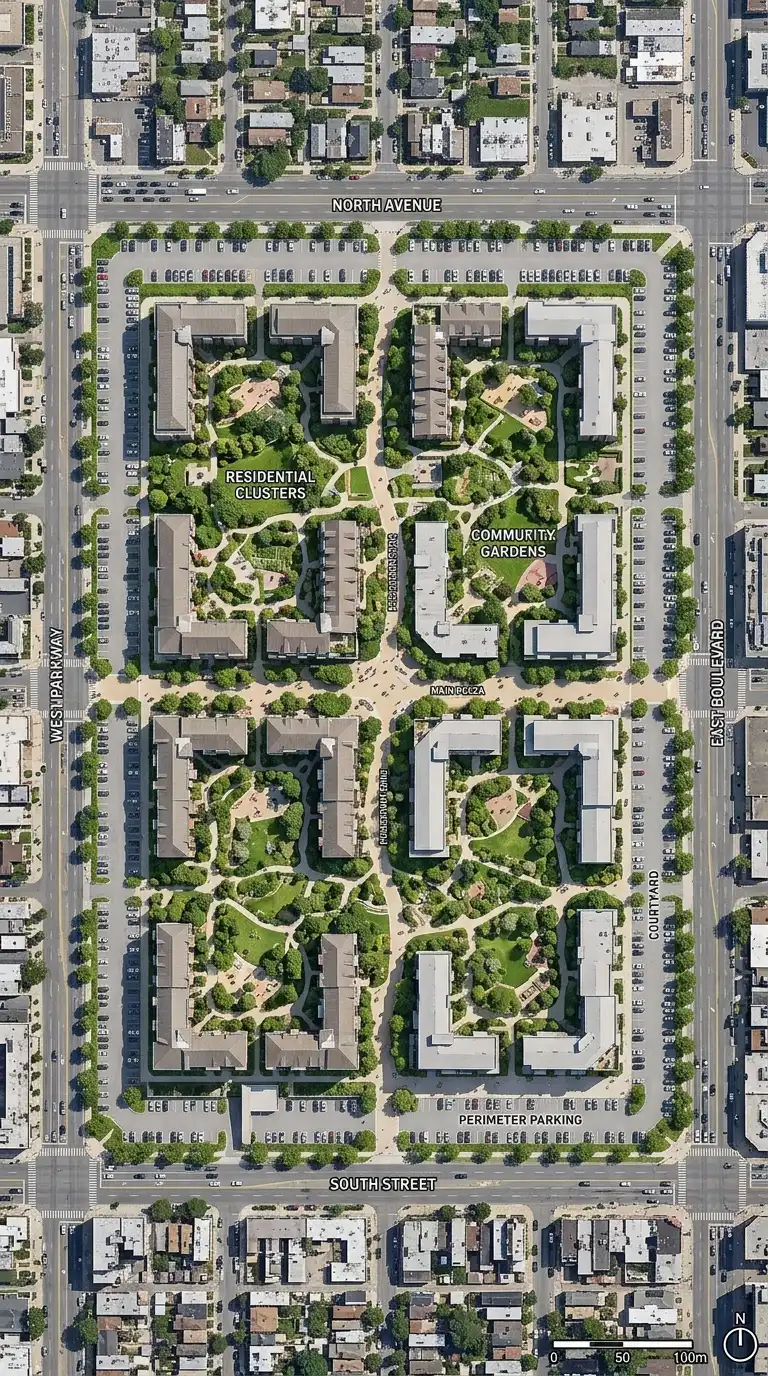
The superblock site plan replaces the traditional street grid with large blocks. The interior of the block is pedestrian-only, with buildings arranged around courtyards. Parking is on the perimeter or underground. The superblock is a modernist planning ideal.
This design is ideal for dense urban development and campus plans. The emotional effect is pedestrian-friendly, green, and modern.
Quick Tips
- The block should be at least 100×100 metres.
- Parking should be on the perimeter or underground.
- The interior should be pedestrian-only with courtyards and gardens.
10. The Finger Site Plan
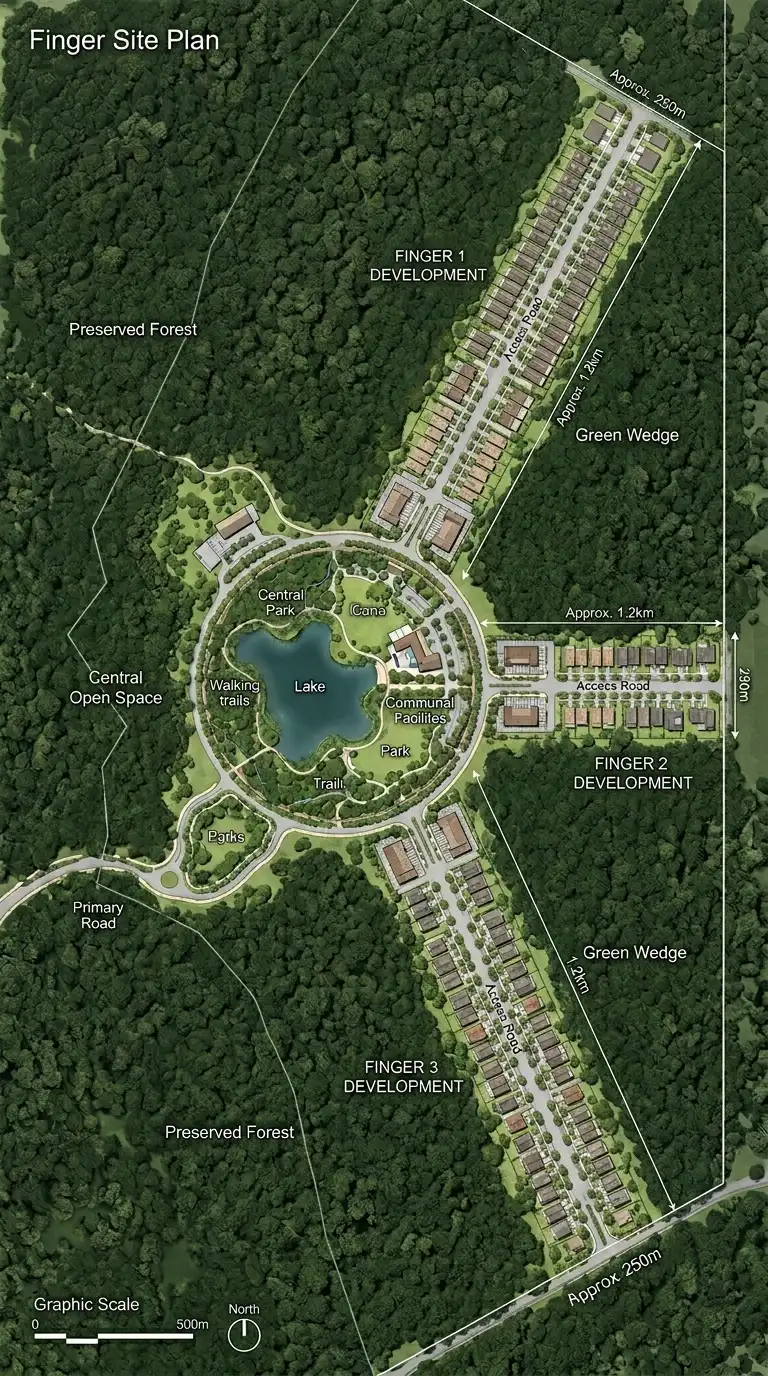
The finger site plan extends fingers of development into preserved open space. Each finger is a linear cluster of buildings. The fingers are separated by green wedges that penetrate from the perimeter to the centre. The plan preserves open space while allowing development.
This design is ideal for suburban and rural sites with significant natural features. The emotional effect is green, linear, and nature-preserving.
Quick Tips
- Fingers should be narrow (100-200 metres wide).
- Green wedges should be at least as wide as the fingers.
- The centre of the plan should be preserved as open space.
11. The Perimeter Block Site Plan
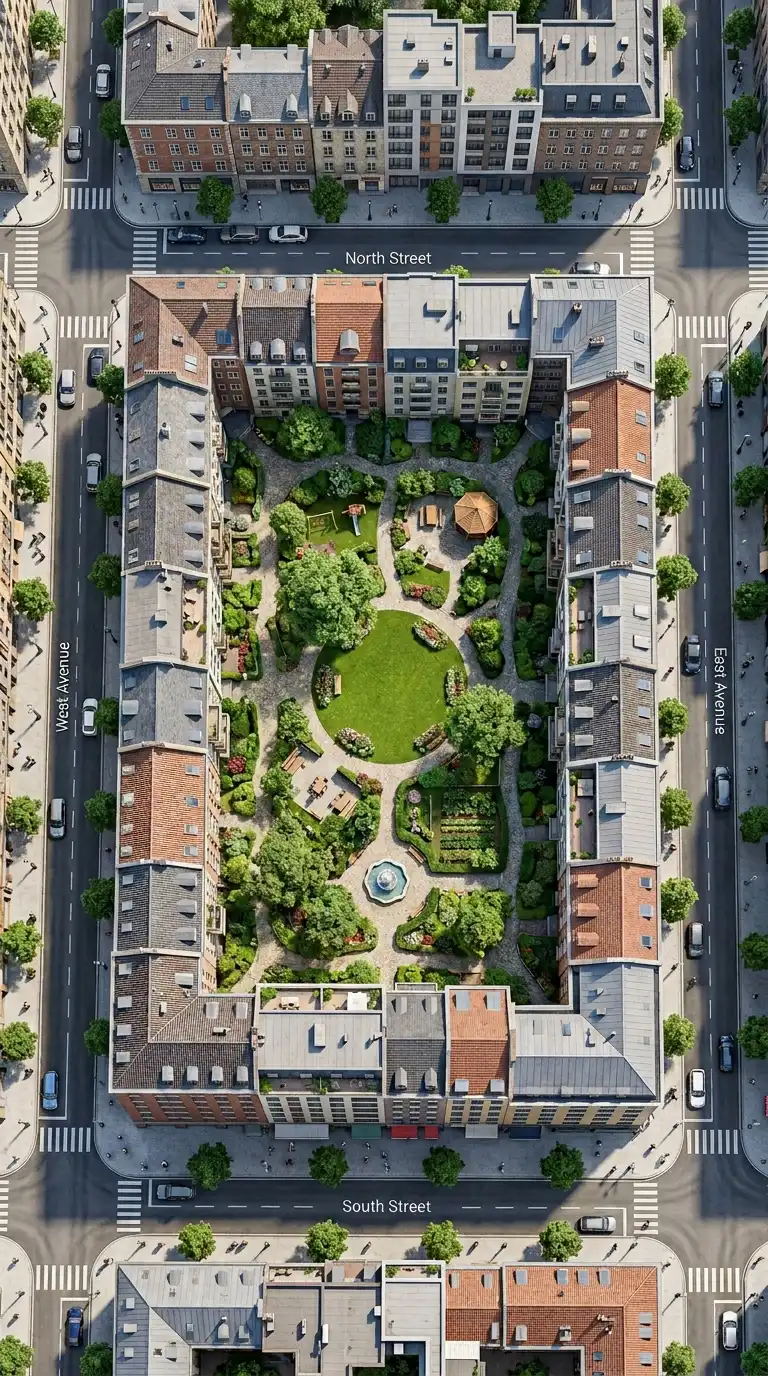
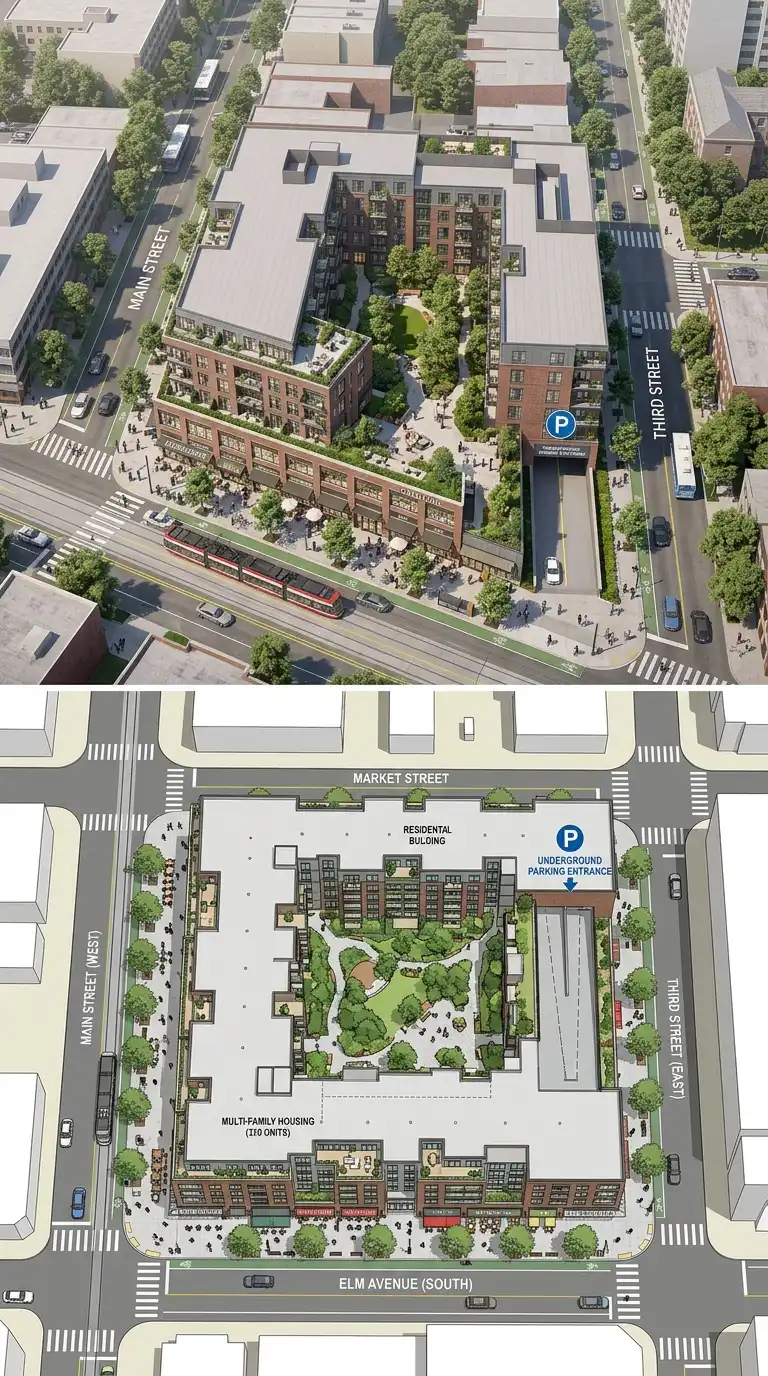
The perimeter block site plan places buildings around the perimeter of the block, with a common courtyard in the centre. The street edge is solid and urban. The interior is private and green. This plan is common in European cities.
This design is ideal for urban infill and mixed-use development. The emotional effect is urban, private, and communal.
Quick Tips
- Buildings must line the street edge — no set-backs.
- The courtyard should be accessible to all residents.
- Parking should be underground or on the street.
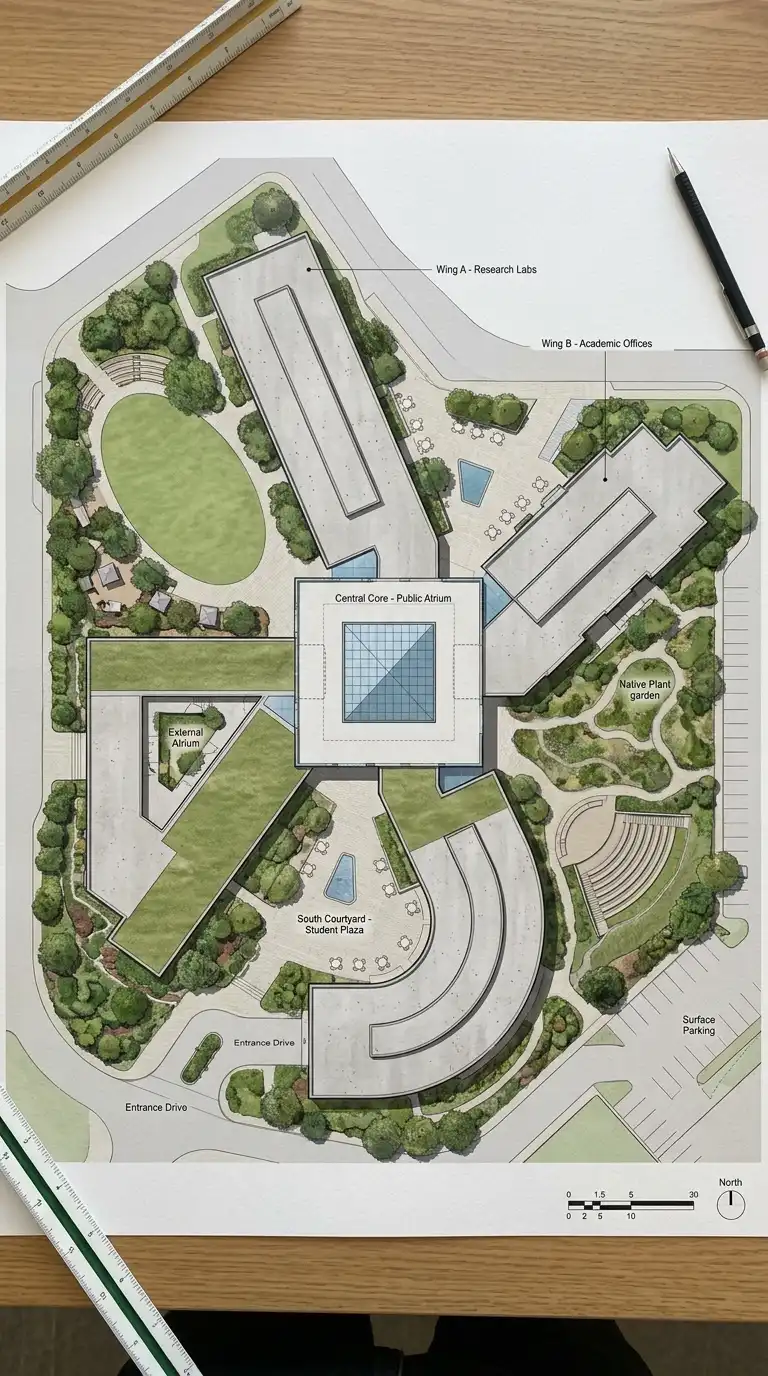
12. The Pinwheel Site Plan
The pinwheel site plan has wings radiating from a central core. Each wing is rotated slightly from the next. The central core contains shared amenities. The gaps between wings become courtyards or gardens. The pinwheel breaks down a large building into smaller, more human-scaled pieces.
This design is ideal for large houses, schools, and institutional buildings. The emotional effect is dynamic, varied, and non-repetitive.
Quick Tips
- Each wing should be rotated 30-45 degrees from the next.
- The central core should contain stairs, elevators, and shared spaces.
- The gaps between wings must be usable as outdoor space.
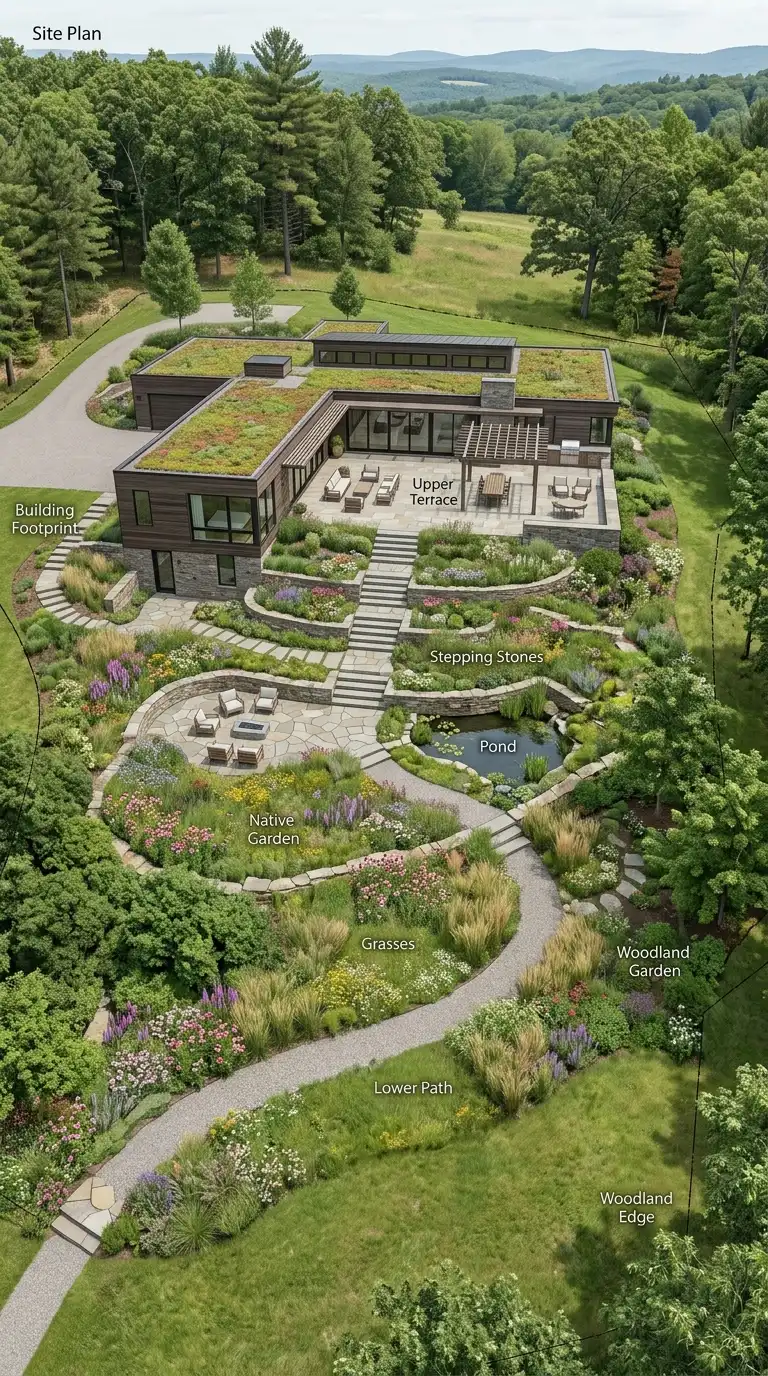
13. The Terrace and Garden Site Plan
The terrace and garden site plan integrates the building with extensive gardens and terraces. The building is low and spread out. Terraces step down to gardens. Gardens are planted with native species. The building and garden are inseparable.
This design is ideal for warm climates and sites with good soil. The emotional effect is green, terraced, and garden-integrated.
Quick Tips
- The building should be low (1-2 storeys) and spread out.
- Terraces should step down to the garden.
- Gardens should be planted with native, drought-tolerant species.
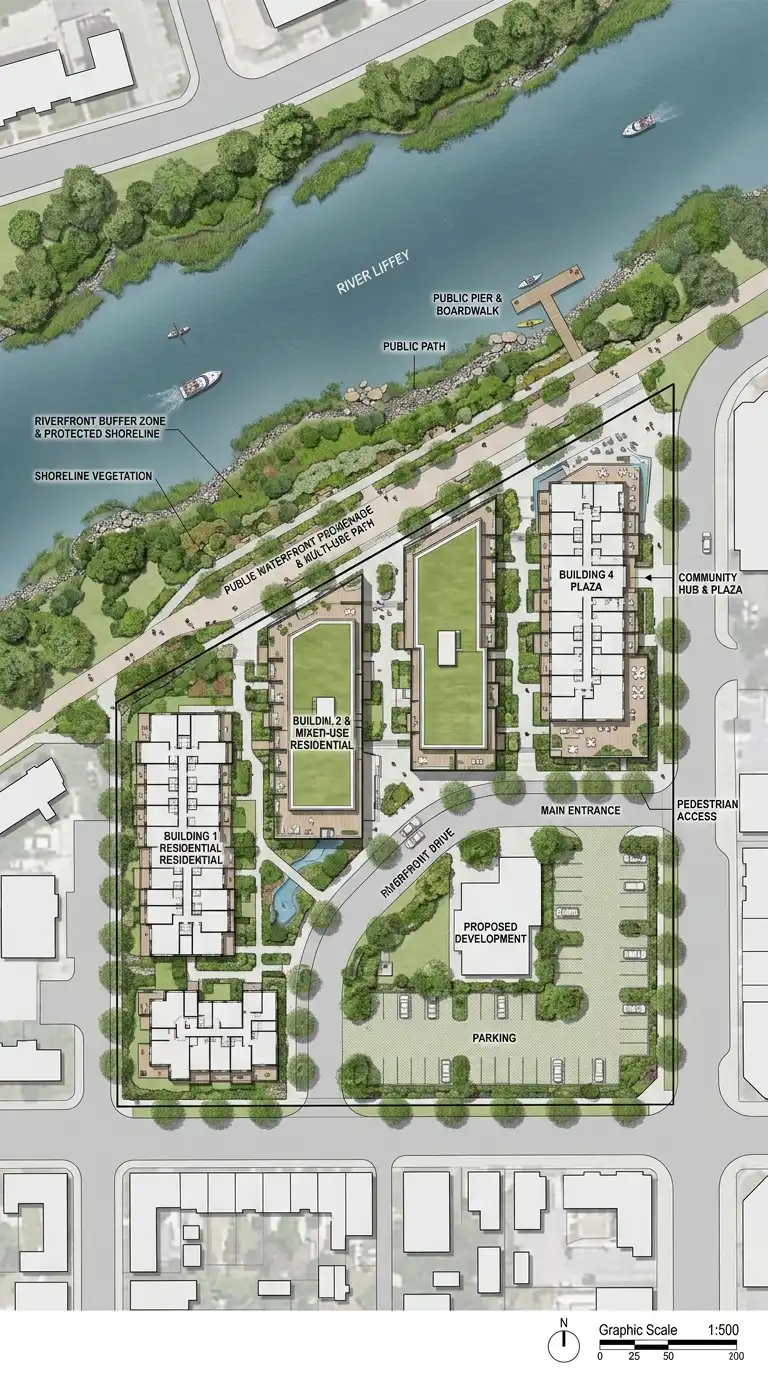
14. The Waterfront Site Plan
The waterfront site plan is organised around a body of water — a lake, river, or ocean. Buildings face the water. Public access to the water is provided. The site plan protects the shoreline from erosion and development.
This design is ideal for coastal and riverine sites. The emotional effect is waterfront, open, and view-oriented.
Quick Tips
- Buildings should face the water, with views from major rooms.
- Provide public access to the water at intervals.
- Protect the shoreline with a setback and native vegetation.
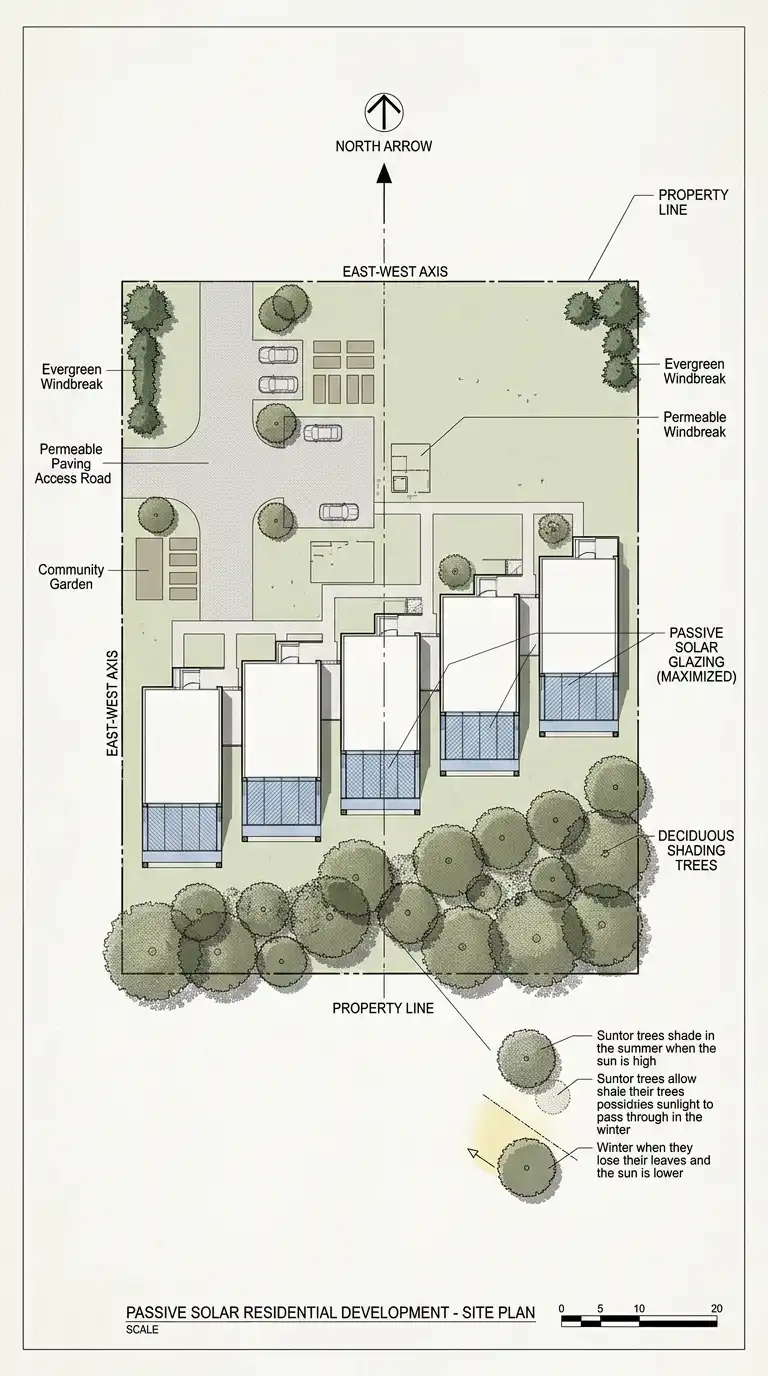
15. The Passive Solar Site Plan
The passive solar site plan is oriented for maximum solar gain. The long axis of the site runs east-west. Buildings are placed on the south side of the site, with south-facing glazing. Deciduous trees shade the south facade in summer, admit sun in winter.
This design is ideal for cold and temperate climates. The emotional effect is sunny, warm, and energy-efficient.
Quick Tips
- The long axis of the site should run east-west.
- Buildings should be on the south side of the site.
- Deciduous trees should shade the south facade in summer.
16. The Mixed-Use Site Plan
The mixed-use site plan combines residential, commercial, and sometimes office uses on the same site. Retail is at the street edge. Housing is above or behind. The site is walkable and transit-oriented. Parking is minimised or underground.
This design is ideal for urban infill and transit-oriented development. The emotional effect is urban, walkable, and diverse.
Quick Tips
- Retail should be at the street edge, housing above.
- Parking should be underground or in a structure.
- The site should be within walking distance of transit.
Final Thoughts
A site plan is not a floor plan. A floor plan organises space inside a building. A site plan organises a building in its environment. A good site plan considers sun, wind, slope, view, noise, neighbours, and ecology. It does not just place a building on a lot — it situates the building in its place.
These 16 site plan types are not mutually exclusive. A central courtyard plan can be passive solar. A hillside terrace plan can be clustered pavilions. A mixed-use plan can be a superblock. The best site plans are not the most efficient — they are the most responsive. They respond to the sun, the slope, the view, and the street. They make the building belong to its site.