Turkish architecture is the architecture of Anatolia, spanning the Seljuk, Ottoman, and Republican periods. It is a synthesis of Central Asian, Persian, Byzantine, and Islamic traditions, transformed into something uniquely Turkish. The most famous Turkish buildings are the mosques of Mimar Sinan — domed, light-filled, and structural. But Turkish architecture also includes caravanserais, covered bazaars, bridges, and houses.
These 14 Turkish architecture designs span the Seljuk to the contemporary. Each design includes defining characteristics, key examples, and architectural principles.
1. The Ottoman Mosque
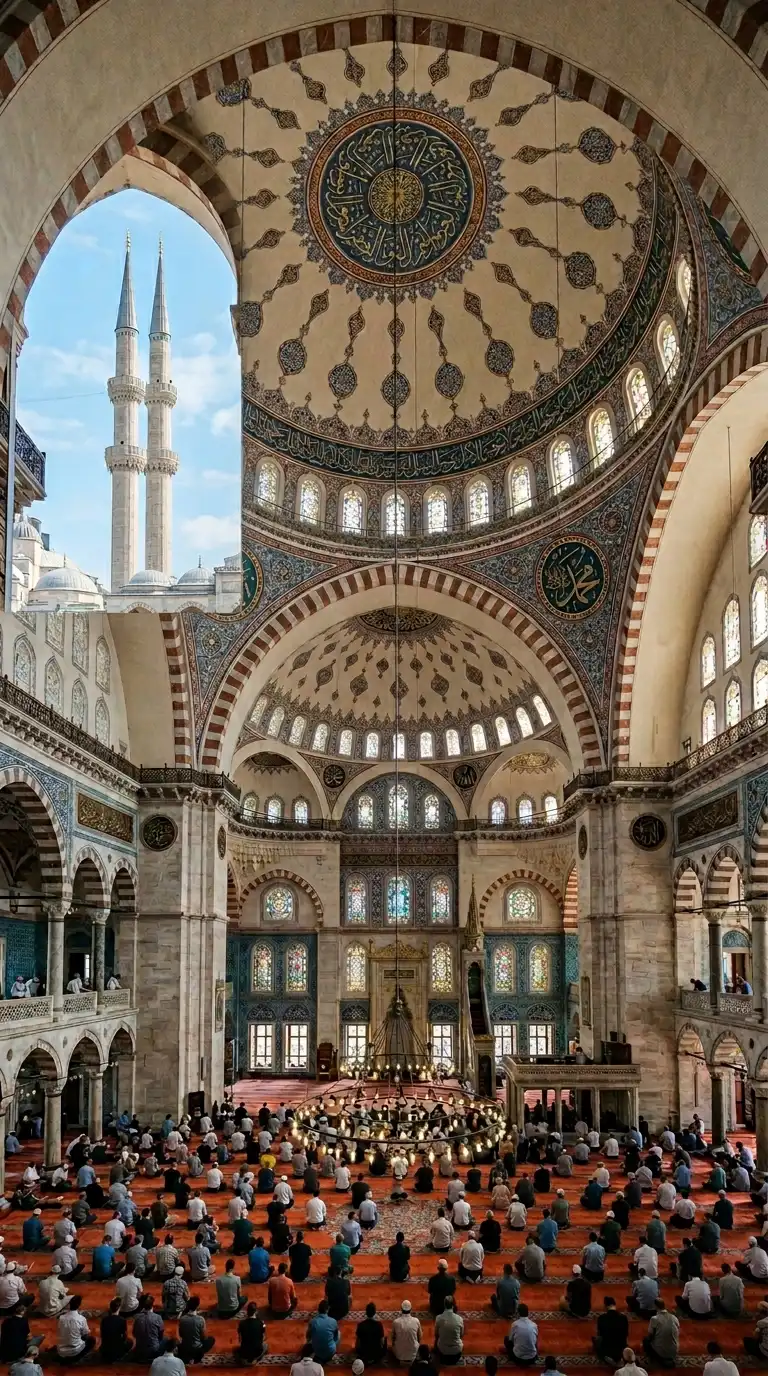
The Ottoman mosque is the most recognisable Turkish building type. The prayer hall is a single, domed space. The dome is tall and hemispherical, often surrounded by semi-domes. The minarets are pencil-thin and tall. The interior is light, open, and spacious. The Ottoman mosque is celestial, structural, and awe-inspiring.
This design is ideal for congregational mosques. The emotional effect is celestial, structural, and awe-inspiring.
Quick Tips
- The prayer hall must be a single domed space.
- The dome should be surrounded by semi-domes.
- The minarets must be pencil-thin.
2. The Seljuk Caravanserai
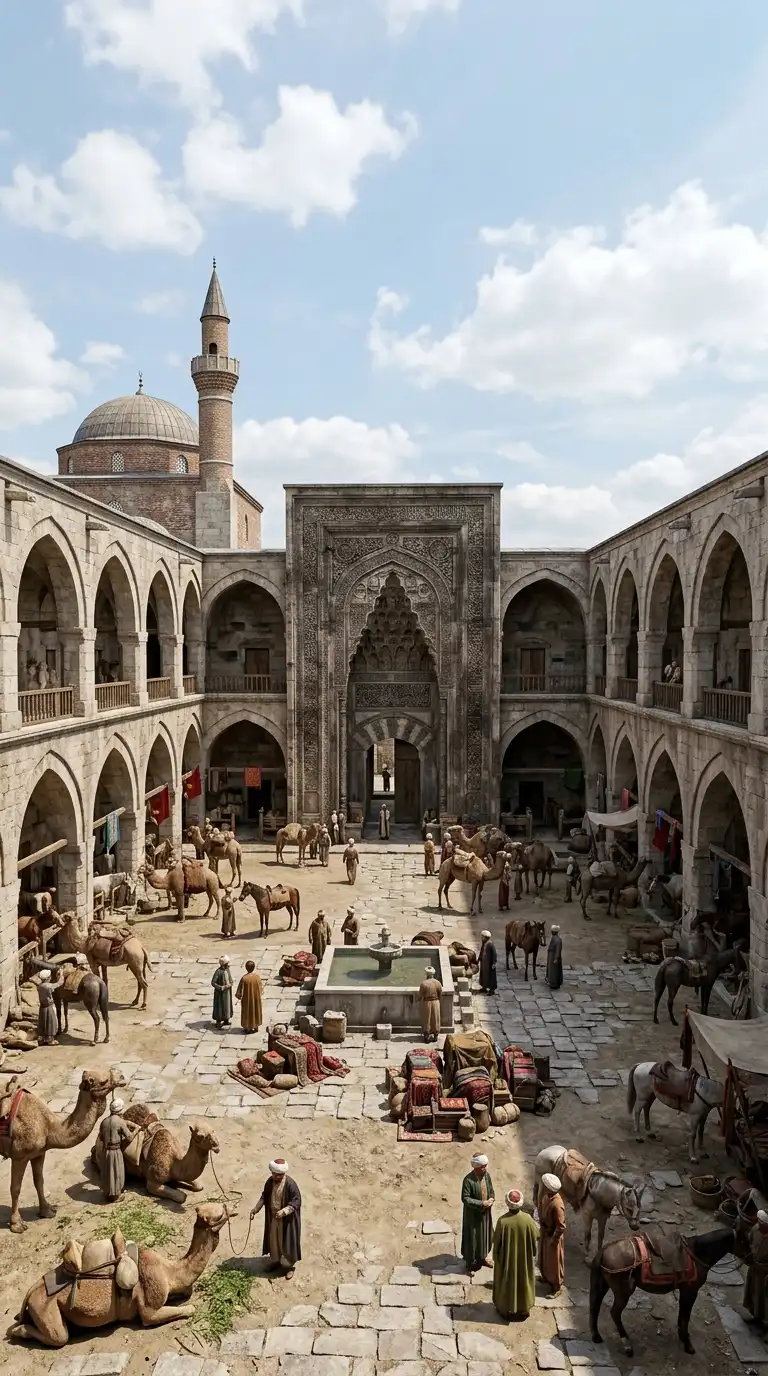
The Seljuk caravanserai was a roadside inn for merchants and their caravans. The plan is a large courtyard surrounded by arcaded rooms. The courtyard is large enough for camels or horses. The gateway is monumental, often with a carved portal. The caravanserai is protective, communal, and commercial.
This design is ideal for trade routes and rural sites. The emotional effect is protective, communal, and commercial.
Quick Tips
- The courtyard must be large enough for animals.
- The gateway must be monumental with a carved portal.
- A small mosque must be attached.
3. The Covered Bazaar (Bedesten)
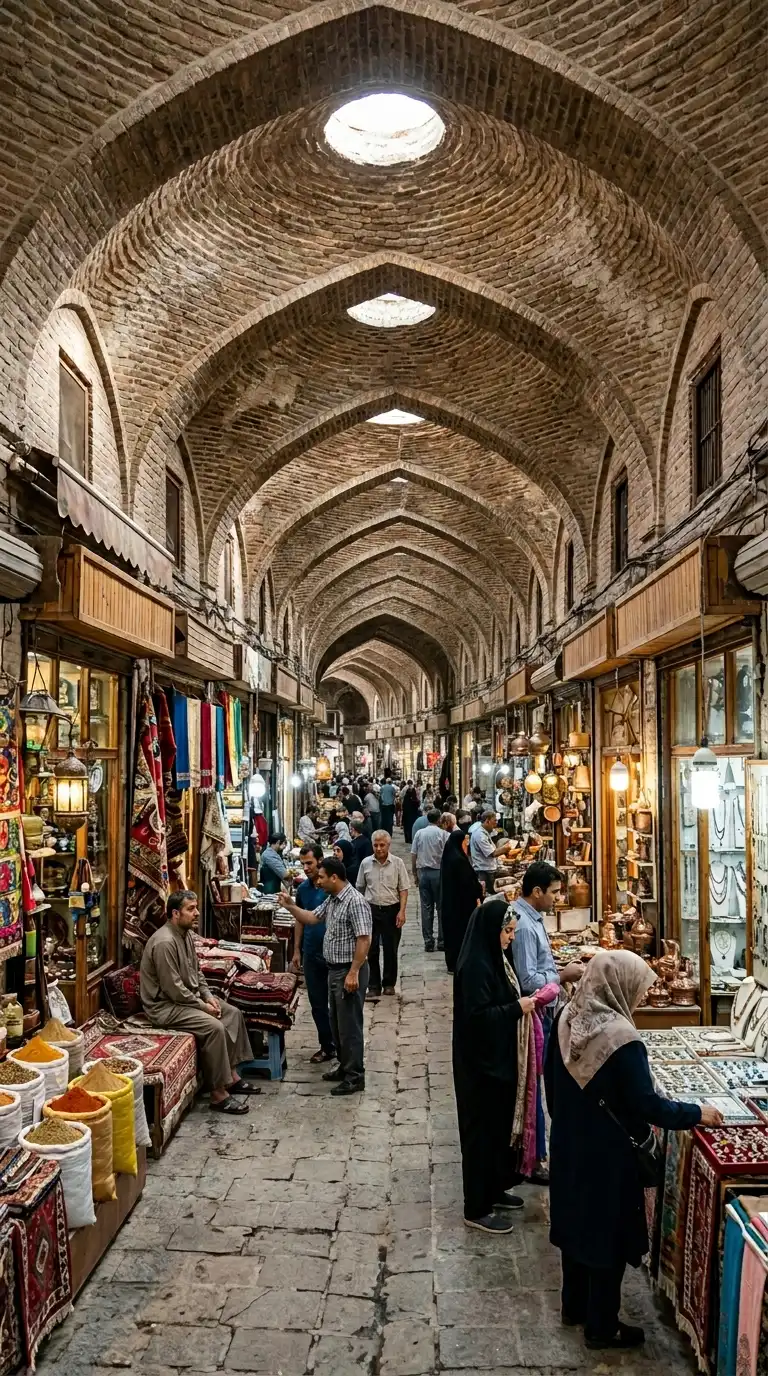
The covered bazaar is a market street covered by domes or vaults. The street is lined with shops on both sides. The domes have openings for light. The bazaar is a linear space, sometimes branching into smaller streets. The covered bazaar is bustling, shaded, and labyrinthine.
This design is ideal for commercial districts in cities. The emotional effect is bustling, shaded, and labyrinthine.
Quick Tips
- The street should be 4-5 metres wide for pedestrian flow.
- Shops should be small and uniform (2-3 metres wide).
- Domes or vaults must have openings for light.
4. The Turkish House (Konak)
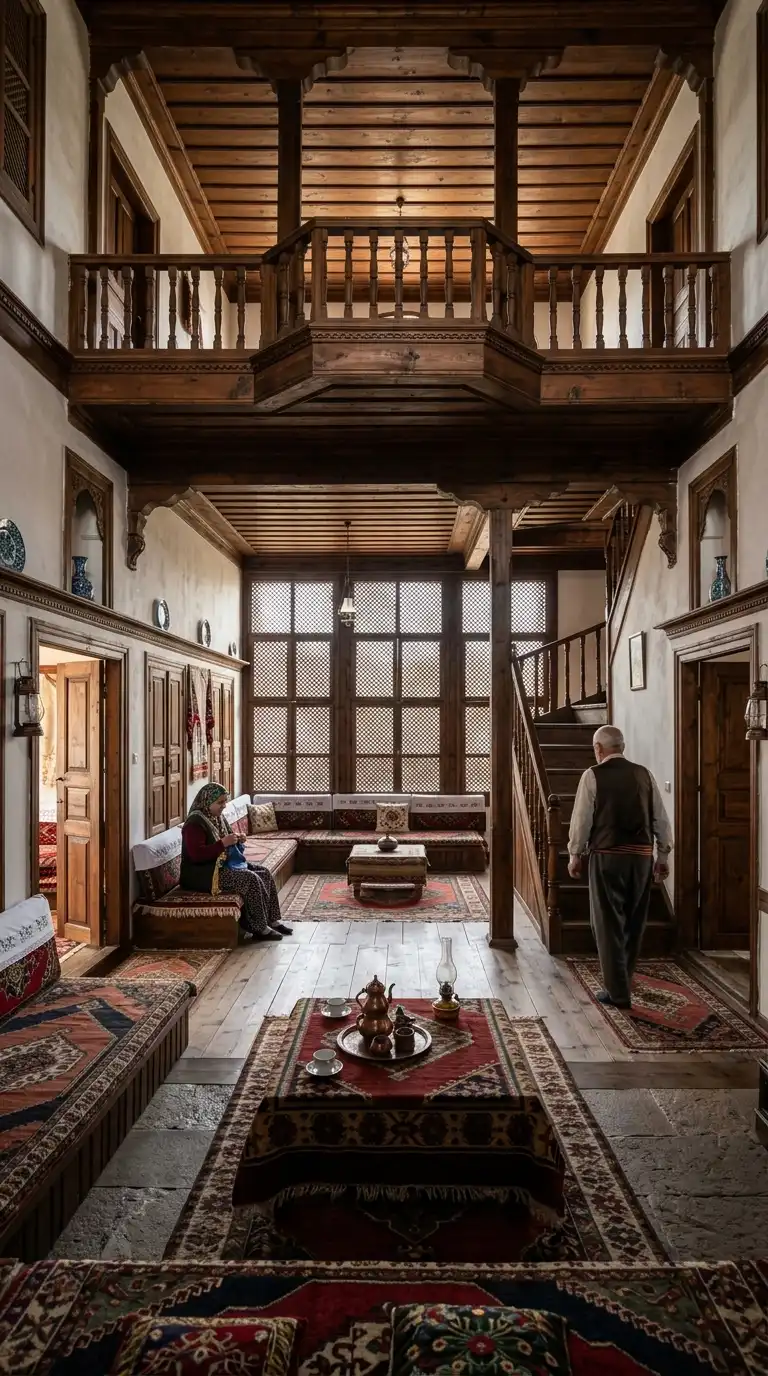
The Turkish house (konak) is a traditional Ottoman house. The house is organised around a central hall (sofa). The rooms open onto the sofa. The upper floor overhangs the lower floor. The windows have wooden lattices (kafes) for privacy. The Turkish house is inward-focused, private, and shaded.
This design is ideal for houses in hot climates. The emotional effect is inward-focused, private, and shaded.
Quick Tips
- The house must have a central hall (sofa).
- The upper floor must overhang the lower floor.
- Windows must have wooden lattices (kafes) for privacy.
5. The Ottoman Bridge
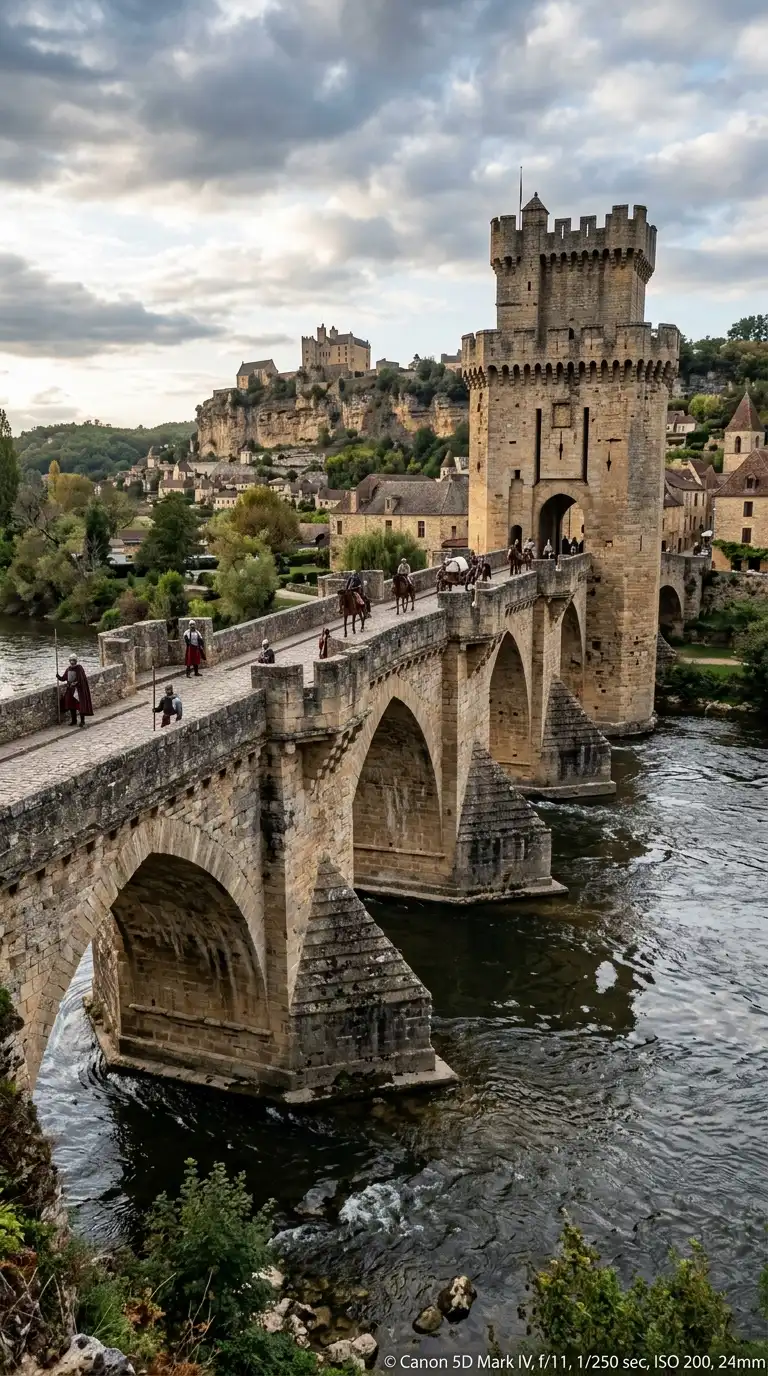
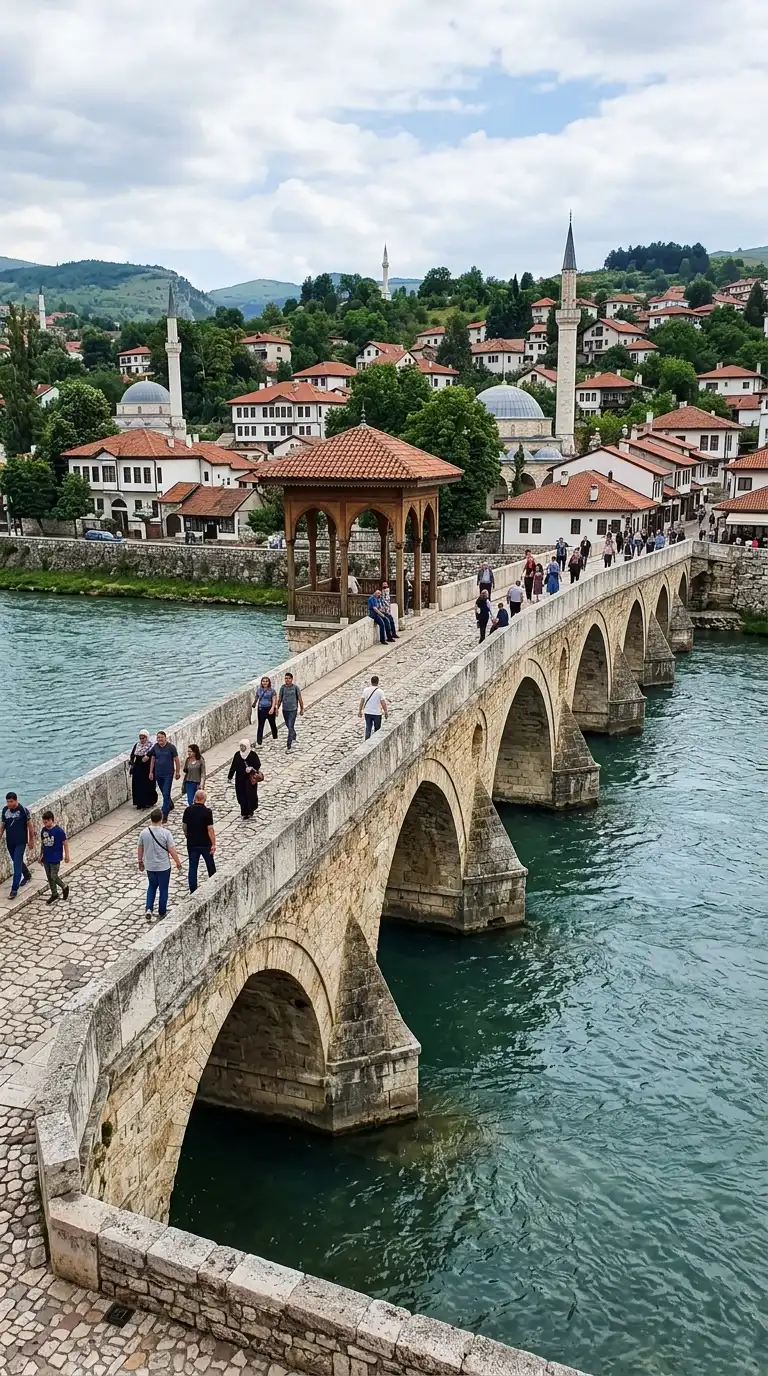
The Ottoman bridge is a stone arch bridge, often with multiple arches. The bridge has pedestrian walkways and sometimes a pavilion at the centre. The most famous is the Mostar Bridge (in Bosnia, built by the Ottomans). The Ottoman bridge is functional, beautiful, and arched.
This design is ideal for river crossings in cities. The emotional effect is functional, beautiful, and arched.
Quick Tips
- The bridge must have multiple arches.
- Arches should be pointed or semi-circular.
- A pedestrian walkway must be provided.
6. The Turkish Bath (Hammam)
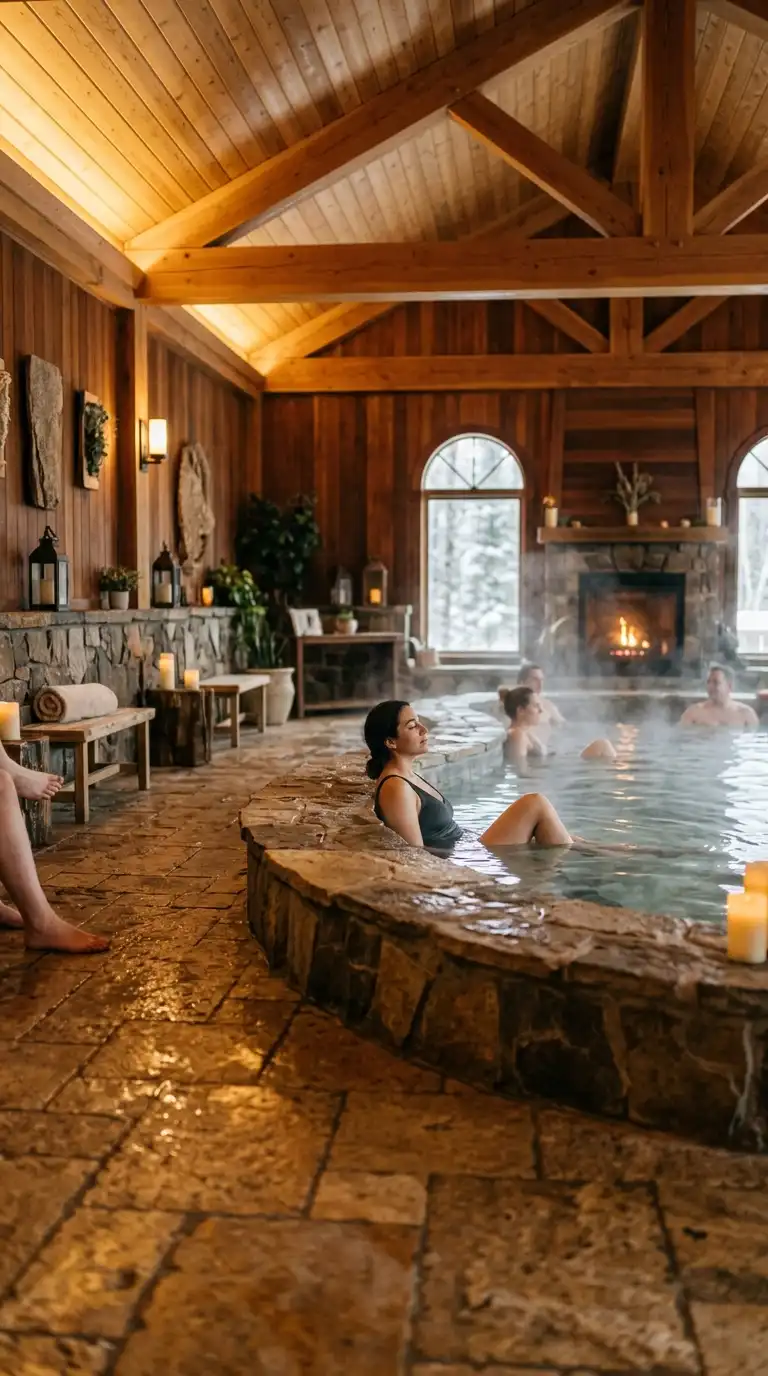
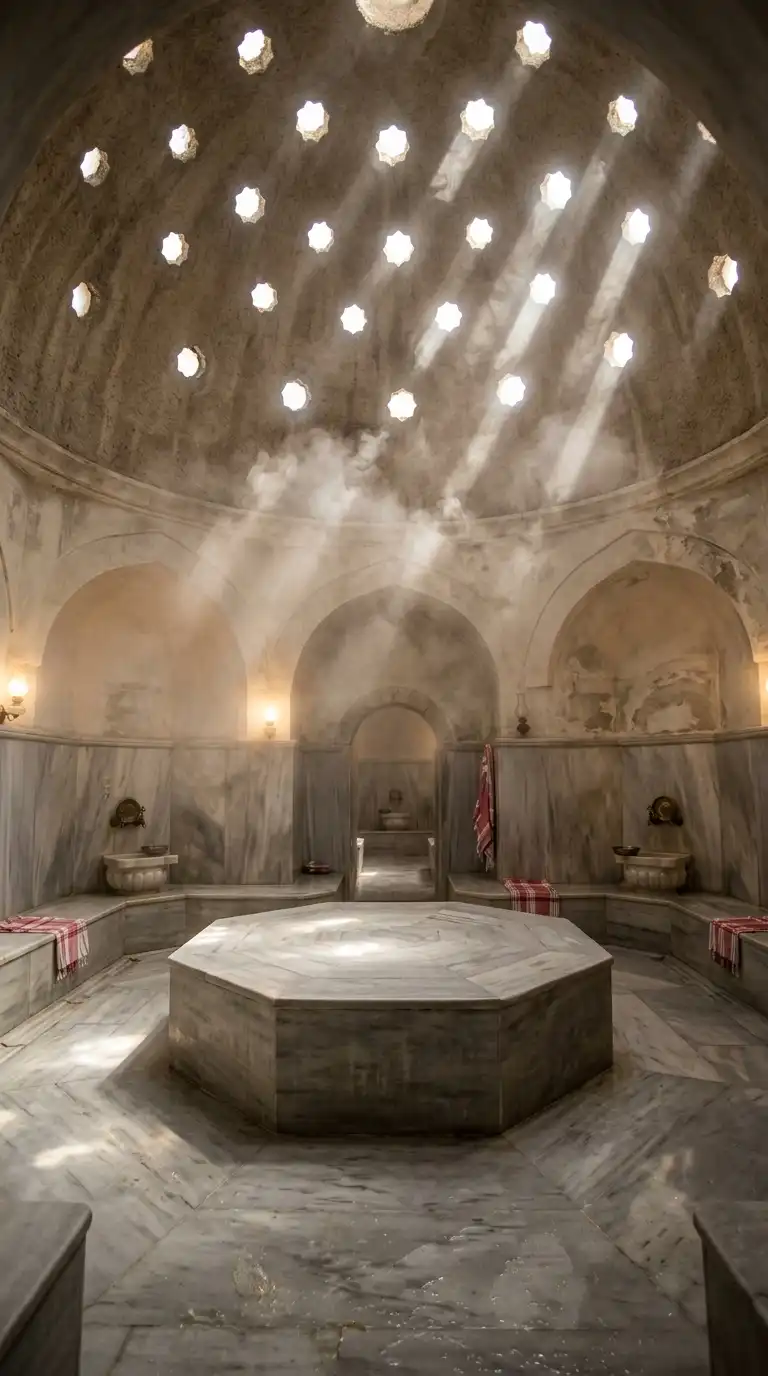
The Turkish bath (hammam) is a sequence of three rooms: cold, warm, and hot. The hot room has a domed ceiling with small glass openings. Light streams through the openings, creating a starry effect. Steam rises to the dome. The hammam is social, steamy, and relaxing.
This design is ideal for public baths in cities. The emotional effect is steamy, social, and relaxing.
Quick Tips
- The three rooms must be in sequence: cold, warm, hot.
- The hot room must have a domed ceiling with light openings.
- Floor heating (hypocaust) must be provided.
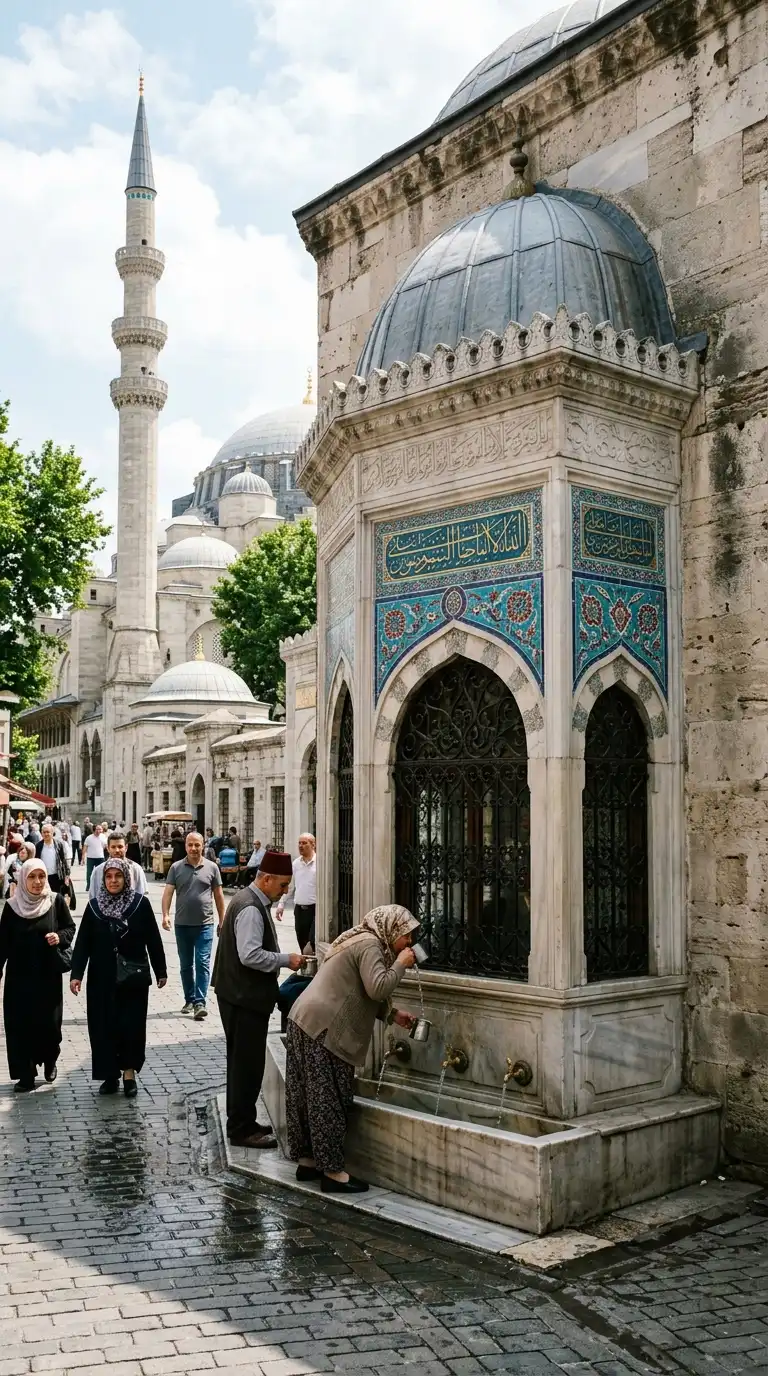
7. The Ottoman Fountain (Sebil)
The Ottoman fountain (sebil) is a public fountain attached to a mosque or charitable complex. The sebil is a small kiosk with grilled windows. Water was distributed free to passersby. The sebil is decorated with marble, tile, and carved stone. The sebil is charitable, refreshing, and beautifully crafted.
This design is ideal for urban sites and mosque complexes. The emotional effect is charitable, refreshing, and beautifully crafted.
Quick Tips
- The sebil must be at street level, accessible to pedestrians.
- Grilled windows should allow water to be passed through.
- A water tank must be located above the sebil for gravity flow.
8. The Turkish Cemetery
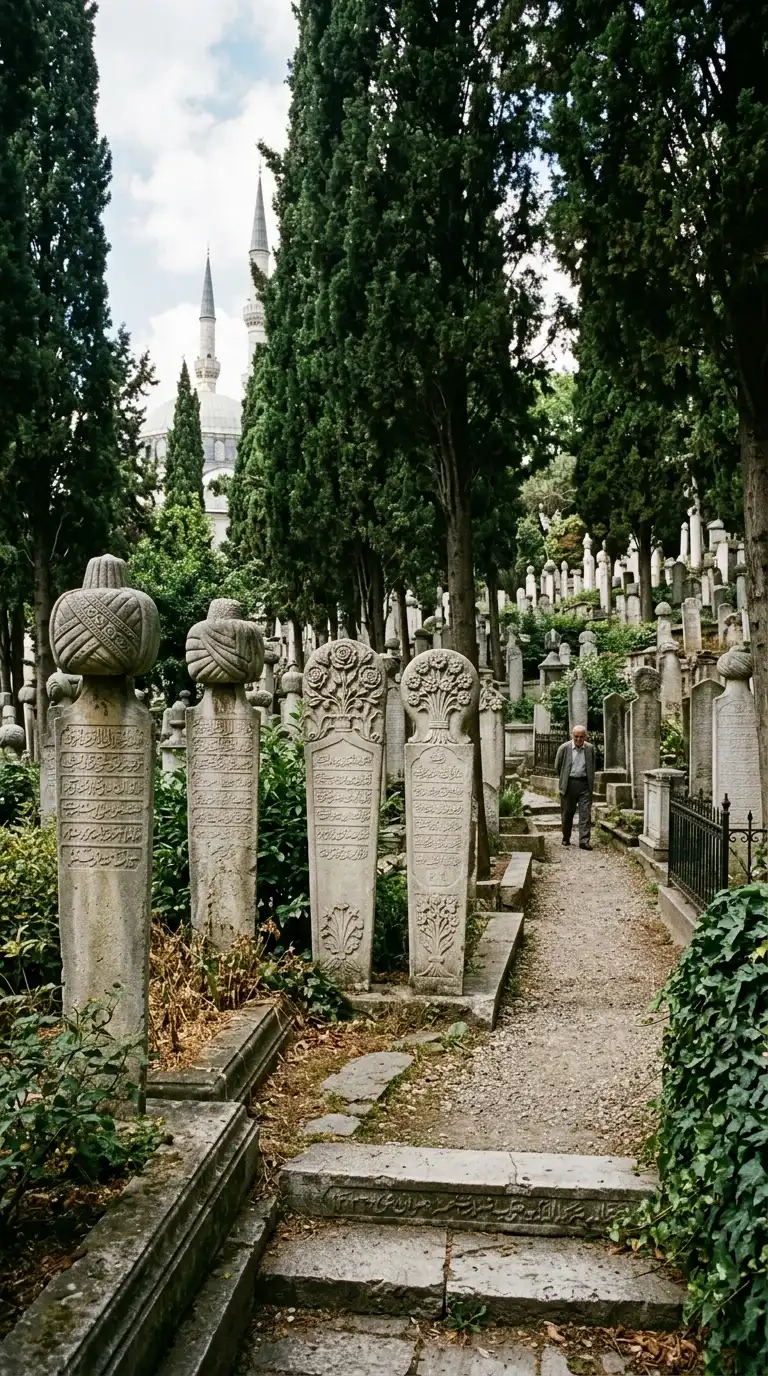
The Turkish cemetery is a garden of stone tombstones. The tombstones are tall and carved. The men’s tombstones have turban-like tops. The women’s tombstones have floral tops. The cemetery is shaded by cypress trees. The Turkish cemetery is peaceful, shaded, and sculptural.
This design is ideal for burial grounds and memorial gardens. The emotional effect is peaceful, shaded, and sculptural.
Quick Tips
- Tombstones must be tall and carved.
- Men’s tombstones have turban-like tops.
- Women’s tombstones have floral tops.
9. The Ottoman Fortress
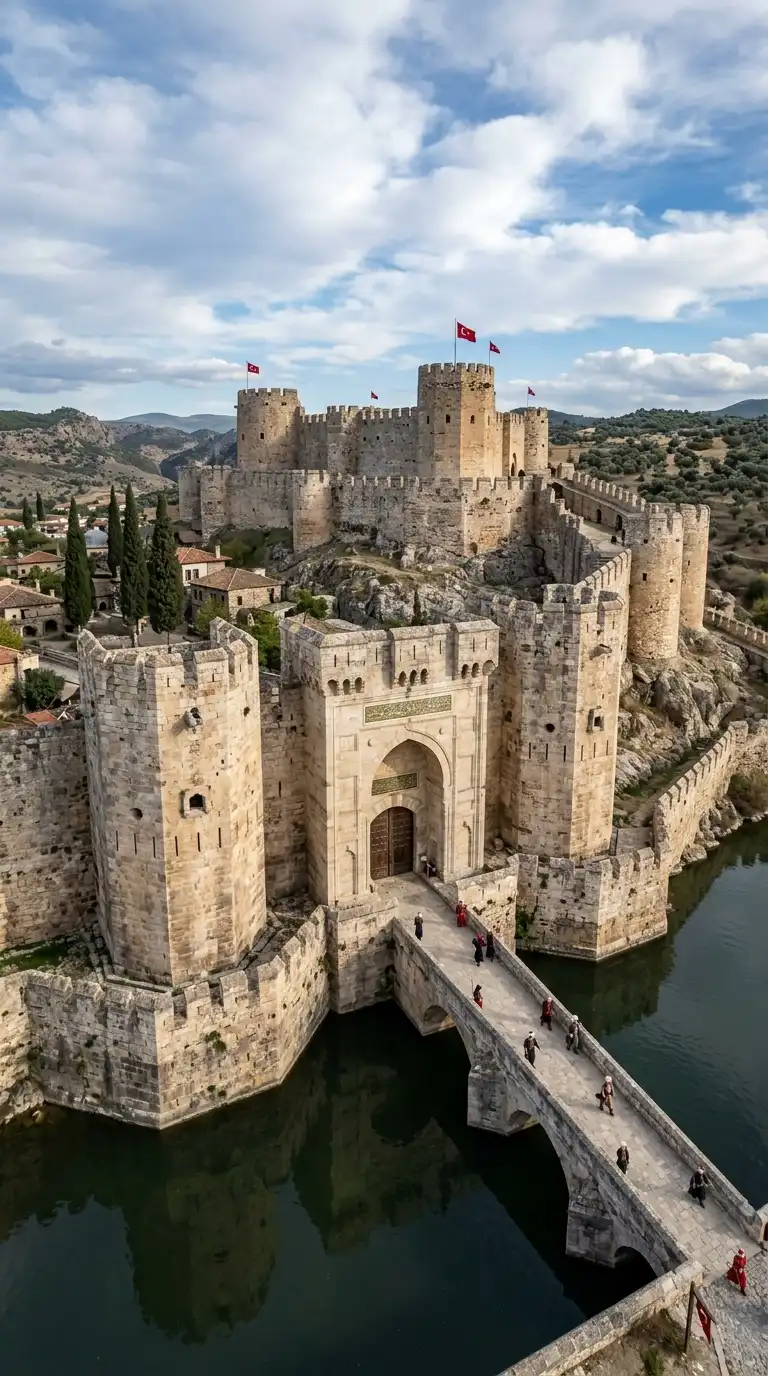
The Ottoman fortress is a defensive structure with high walls, towers, and a moat. The walls are thick stone. The towers are round or polygonal. The entrance is a monumental gate. The Ottoman fortress is defensive, massive, and protective.
This design is ideal for strategic sites and border towns. The emotional effect is defensive, massive, and protective.
Quick Tips
- The walls must be thick stone.
- The towers must be round or polygonal.
- The entrance must be a monumental gate.
10. The Ottoman Clock Tower
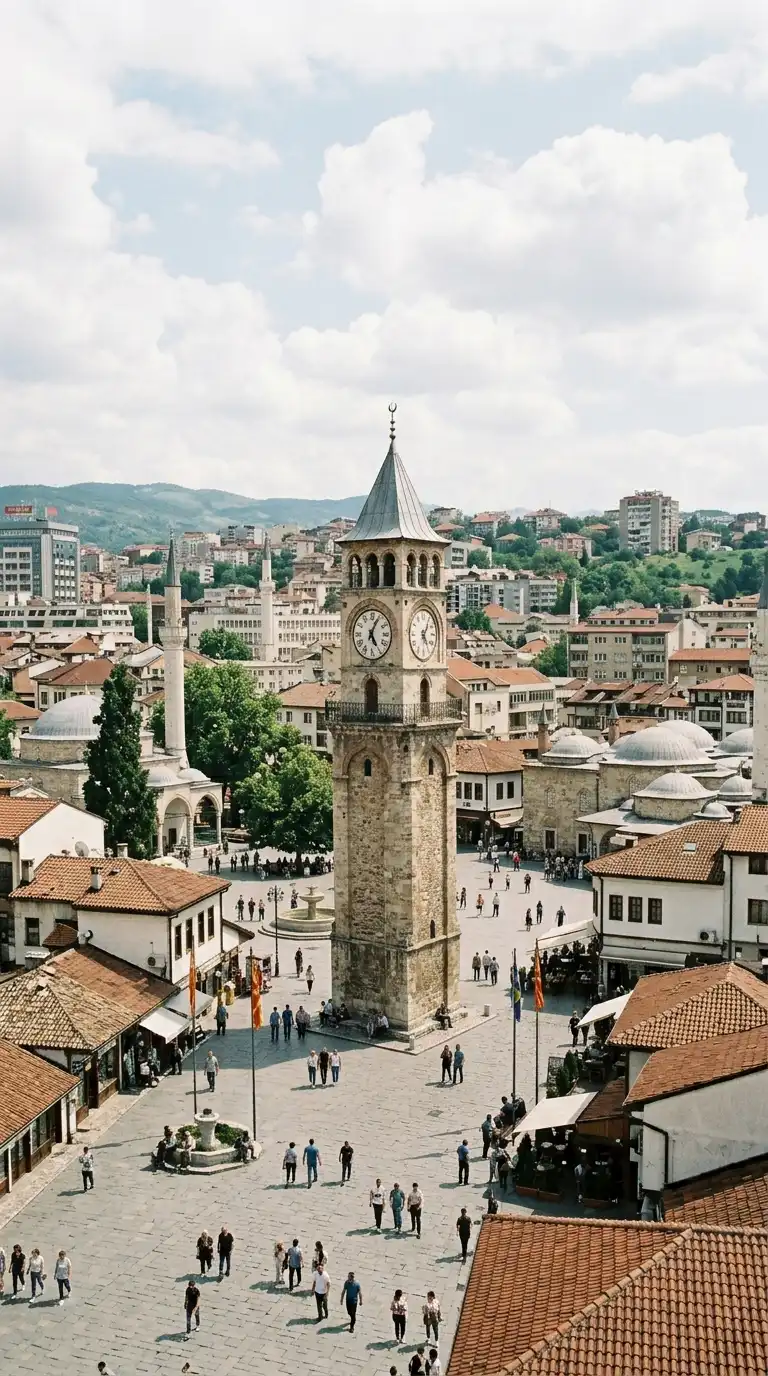
The Ottoman clock tower is a tall stone tower with a clock on each face. The tower is often at a square or a public building. The clock tower is a landmark and a timekeeper. The Ottoman clock tower is vertical, public, and timekeeping.
This design is ideal for city squares and civic centres. The emotional effect is vertical, public, and timekeeping.
Quick Tips
- The tower must be tall and stone.
- The clock must be on all four faces.
- The tower should be visible from a distance.
11. The Ottoman Library
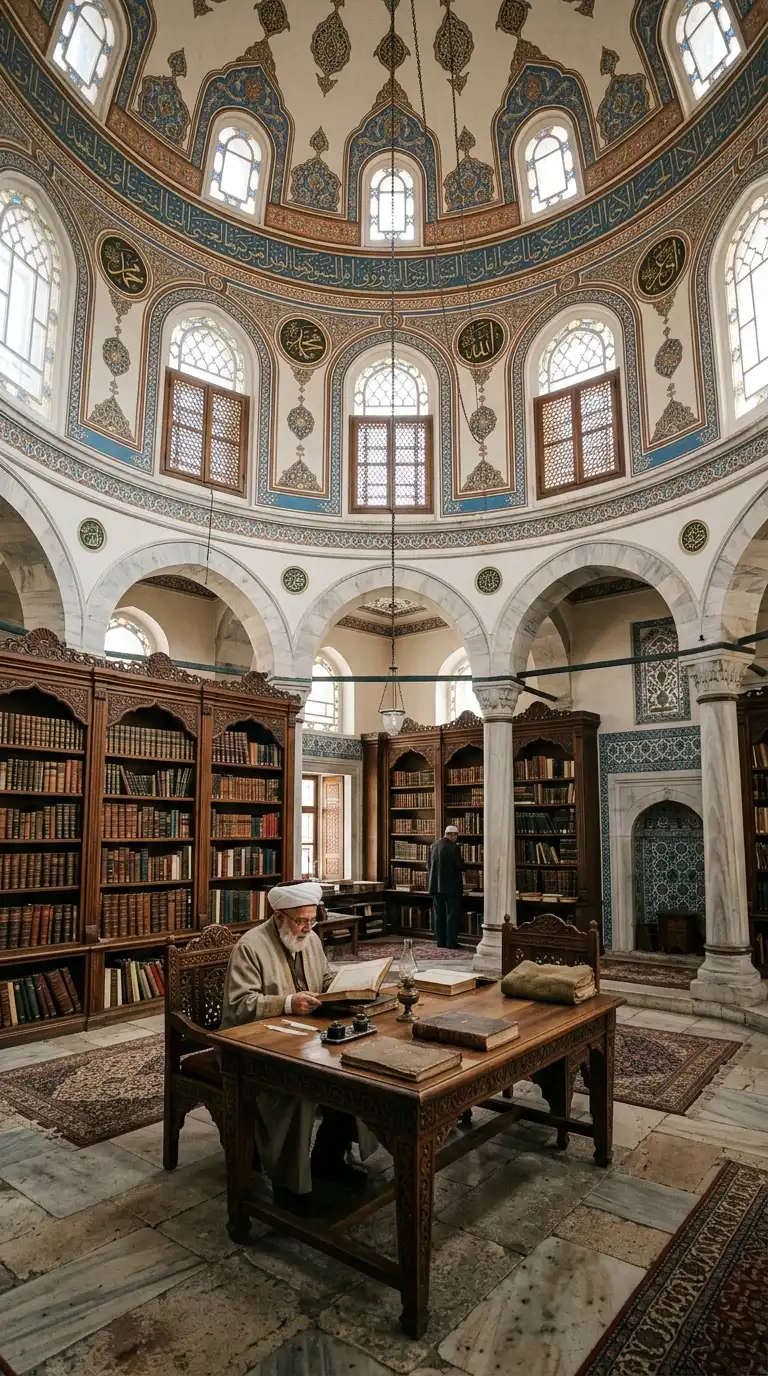
The Ottoman library is a domed reading room with bookcases on the walls. The dome has an oculus or skylights. The bookcases are built-in, often with carved wooden doors. The reading room is calm, light-filled, and scholarly.
This design is ideal for libraries in mosques and madrasas. The emotional effect is calm, light-filled, and scholarly.
Quick Tips
- The room must be domed.
- Bookcases must be built-in on the walls.
- Light must enter from the dome.
12. The Turkish Garden
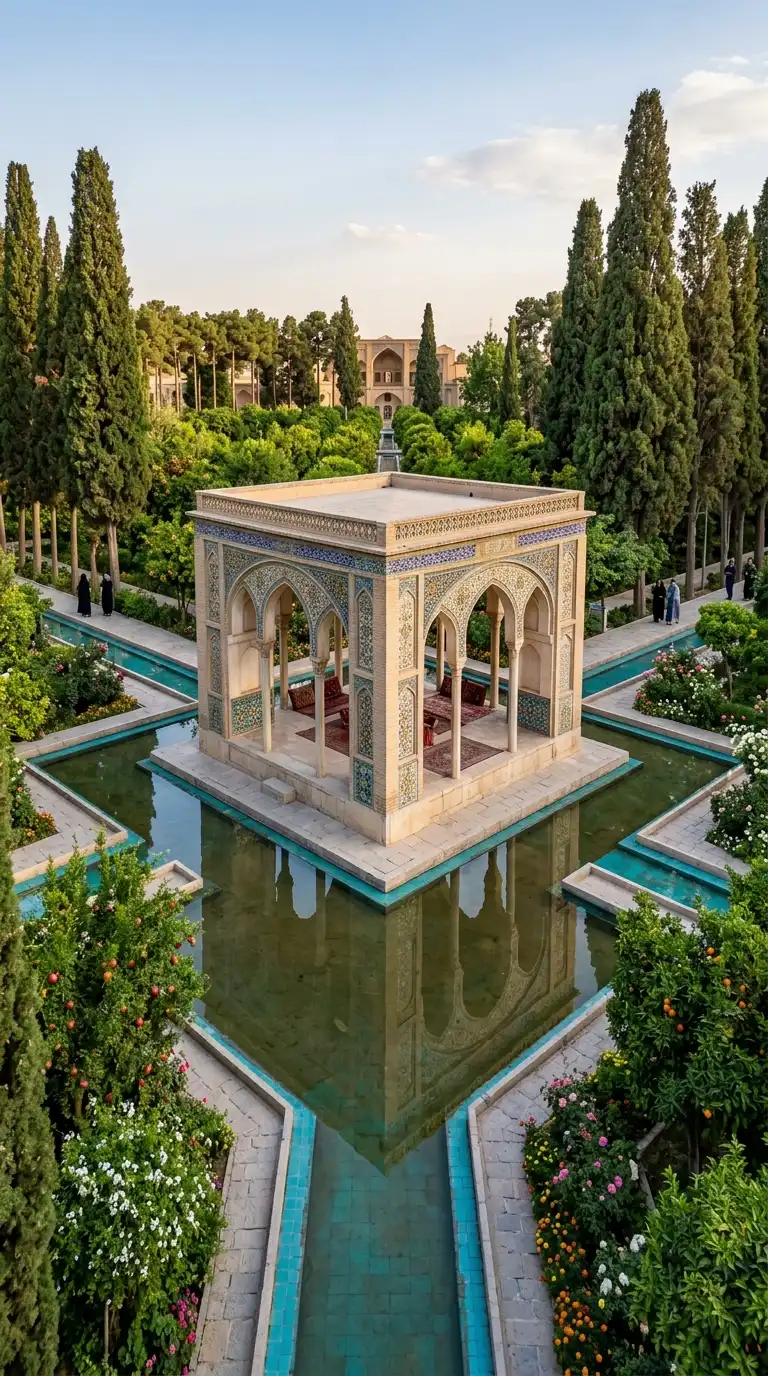
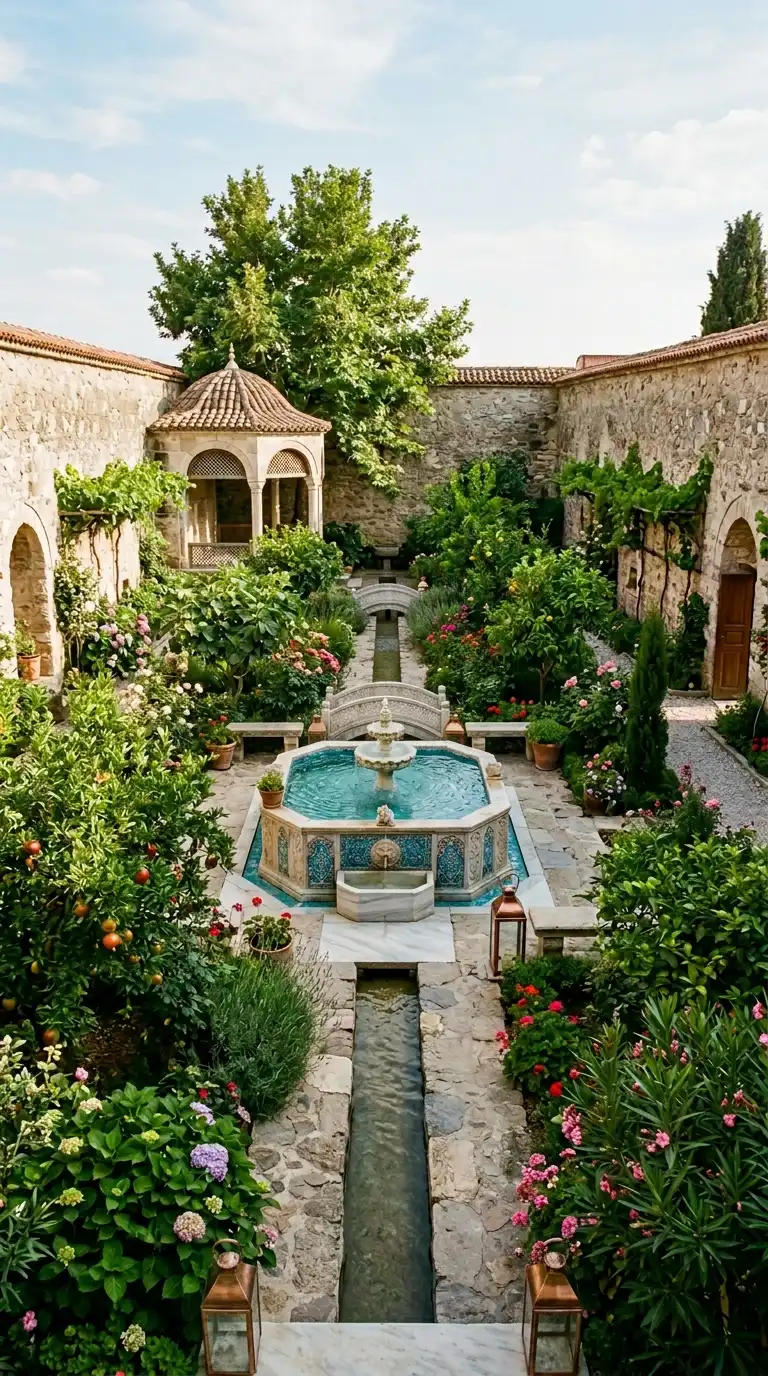
The Turkish garden is a walled garden with water channels, fruit trees, and flowering plants. The garden is divided into four quadrants by water channels. A central pool or pavilion marks the intersection. The Turkish garden is paradisiacal, ordered, and refreshing.
This design is ideal for palaces and houses. The emotional effect is paradisiacal, ordered, and refreshing.
Quick Tips
- The garden must be walled.
- Water channels must divide the garden into quadrants.
- A central pool or pavilion must mark the intersection.
13. The Ottoman Madrassa
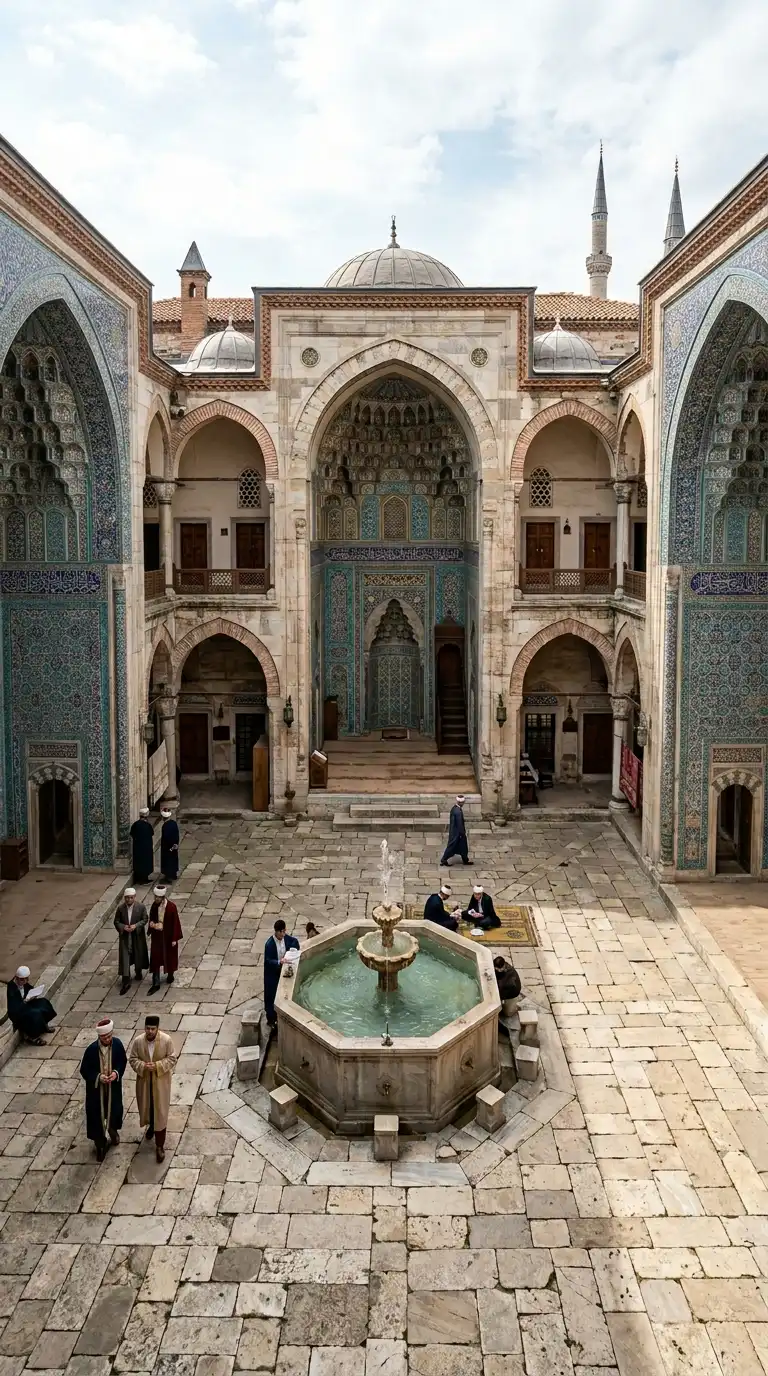
The Ottoman madrassa is a theological school. The plan is a courtyard with iwans on four sides. The iwans are vaulted halls open to the courtyard. Student cells are on the upper floor. The madrassa is scholarly, communal, and pious.
This design is ideal for religious schools in cities. The emotional effect is scholarly, communal, and pious.
Quick Tips
- The plan must have a courtyard with four iwans.
- Student cells must be on the upper floor.
- The courtyard must have a fountain.
14. The Contemporary Turkish Museum
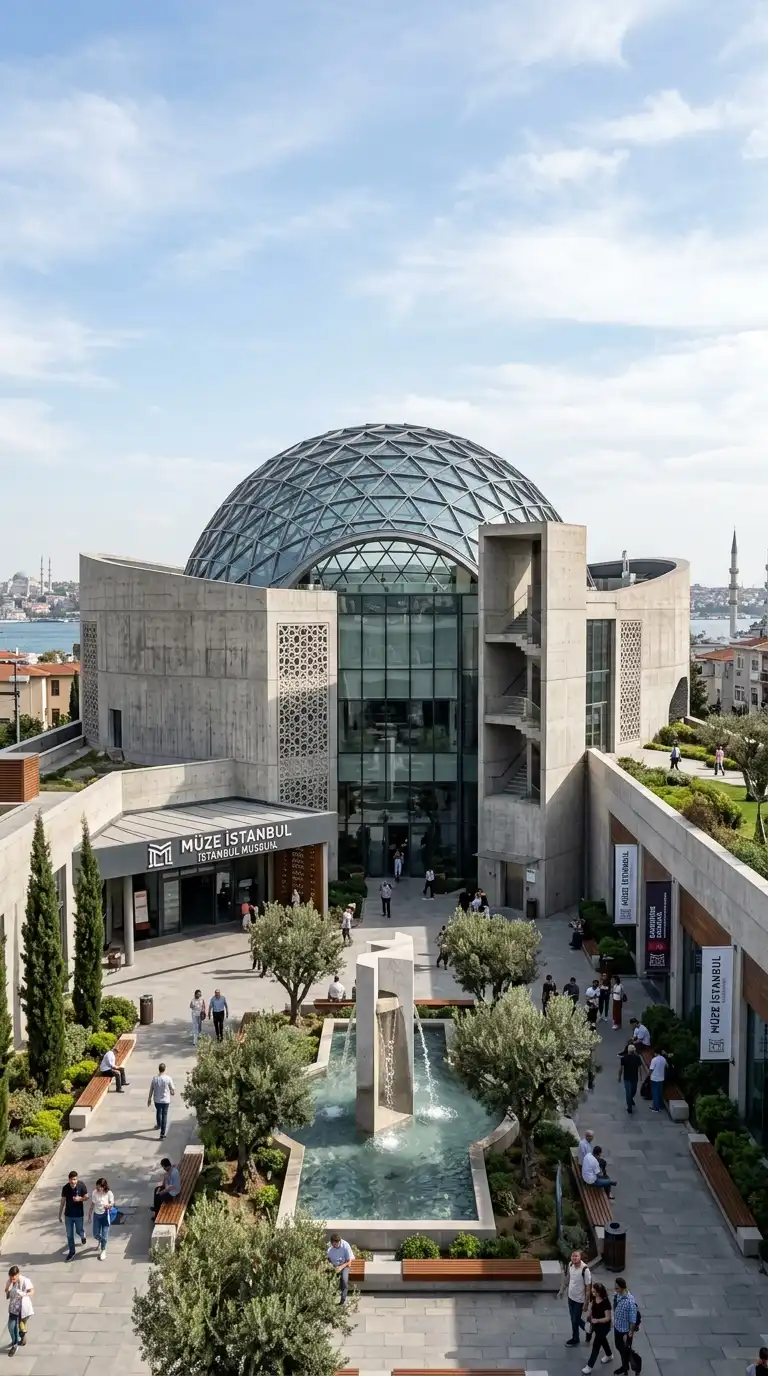
The contemporary Turkish museum combines traditional Turkish forms with modern materials. The building may have a domed roof, a courtyard, or a fountain, but built in concrete, steel, and glass. The contemporary Turkish museum is modern, Turkish, and museum-like.
This design is ideal for art museums and cultural centres. The emotional effect is modern, Turkish, and museum-like.
Quick Tips
- Use traditional Turkish forms (dome, courtyard, fountain).
- Use modern materials (concrete, steel, glass).
- The building must be clearly contemporary.
Final Thoughts
These 14 Turkish designs are not mutually exclusive. An Ottoman mosque can have a sebil. A Turkish house can have a garden. A contemporary museum can have a domed roof and a courtyard. The best Turkish architecture is not the most decorated — it is the most appropriate. It is the architecture of light, water, and stone. It is the architecture of Mimar Sinan. It is the architecture of Turkey.