Vernacular architecture is building without architects. It is the architecture of place — built by local people using local materials, responding to local climate and local culture. Vernacular architecture is not a style. It is a process. It is the accumulated wisdom of generations, tested by time and weather. Vernacular buildings are not designed — they evolve.
These 14 vernacular architecture designs span the globe, from Arctic to Equator. Each design includes defining characteristics, climatic strategies, and construction principles.
1. The Japanese Minka
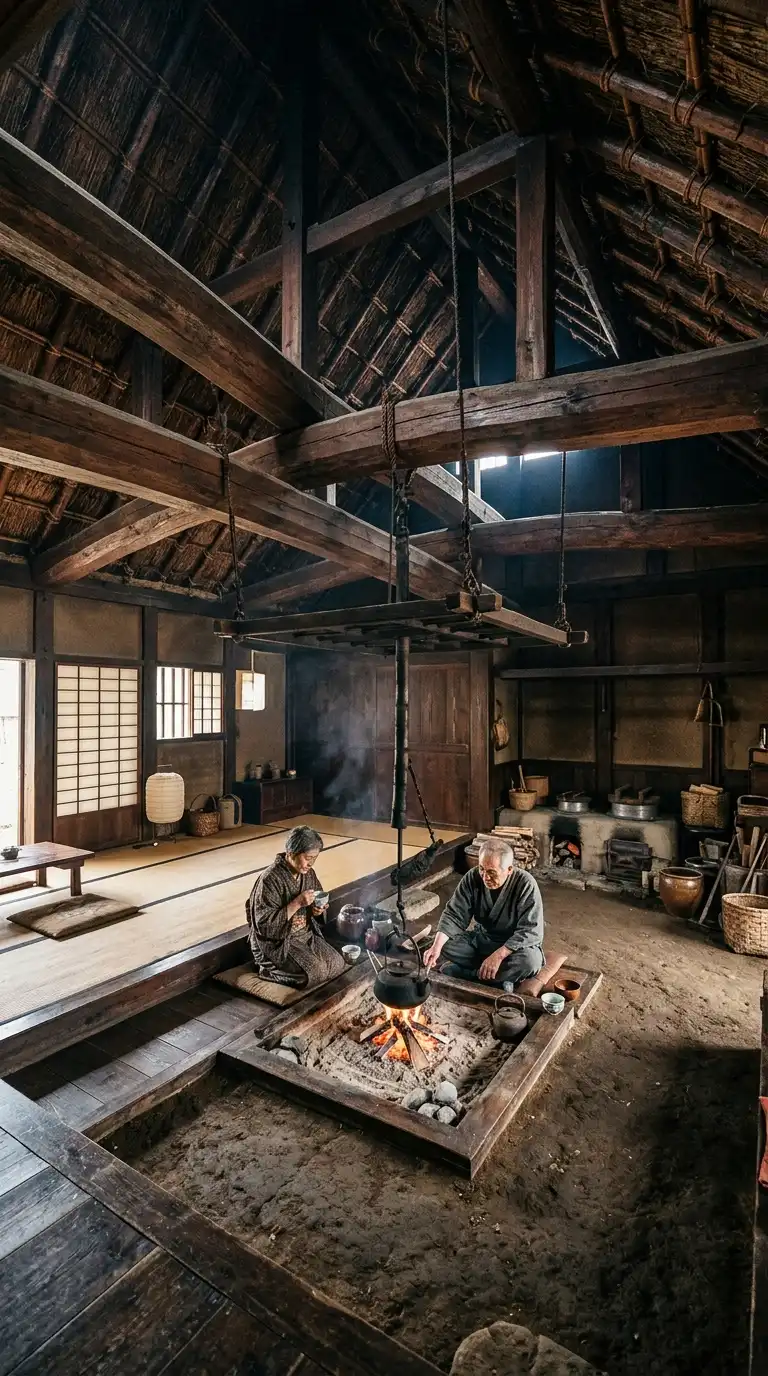
The minka is the traditional Japanese farmhouse. The roof is steep and thatched or shingled. The roof structure is massive and visible inside. The floor is earth in the kitchen area, raised wood in the living area. A sunken hearth (irori) is the centre of family life. The minka is designed for hot, humid summers and cold winters.
This design is ideal for rural Japan and similar climates. The emotional effect is rustic, massive, and domestic.
Quick Tips
- The roof must be steep and thatched or shingled.
- The roof structure must be visible from inside.
- A sunken hearth (irori) must be the centre of the living space.
2. The Norwegian Stave Church
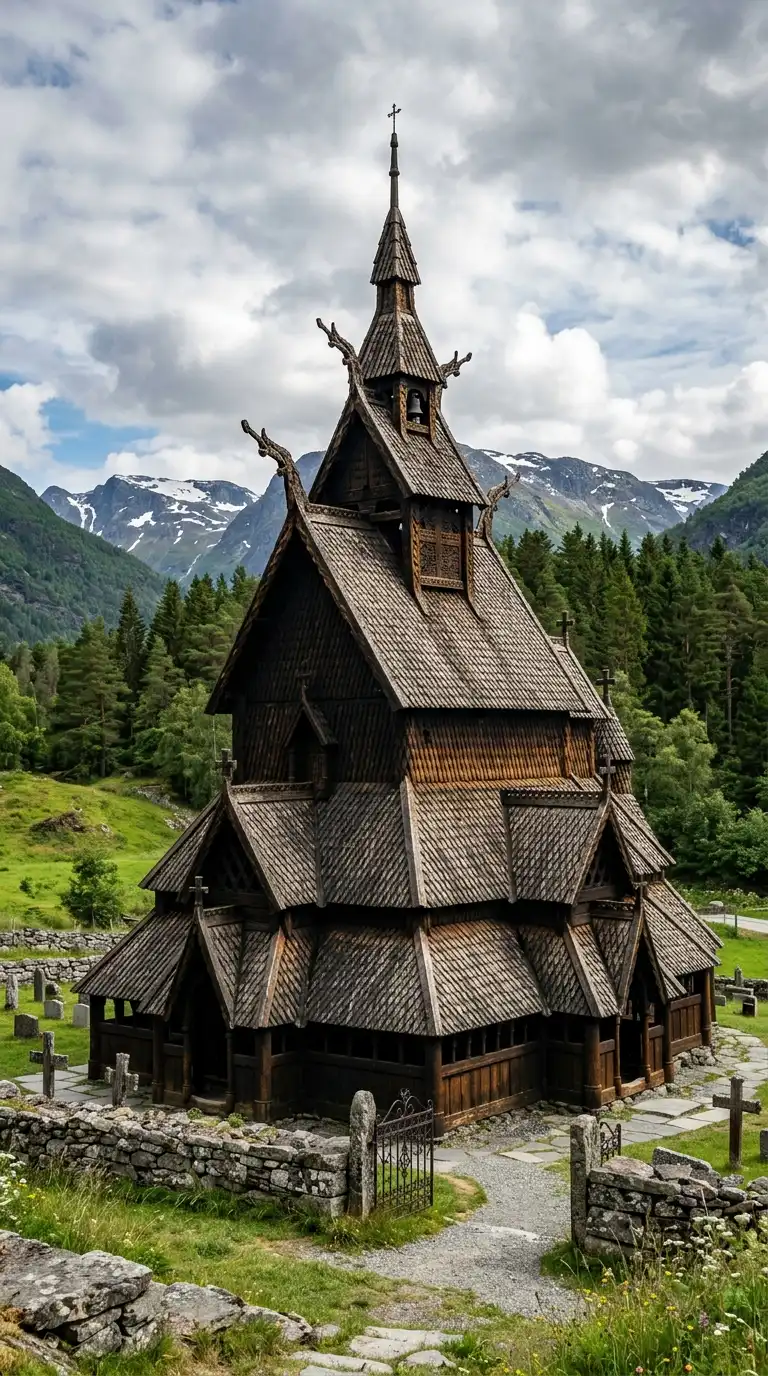
The stave church is a medieval wooden church from Norway. The walls are made of vertical staves (planks). The roof is steep and shingled. The corners are raised into dragon heads. The stave church is built entirely of wood, without metal fasteners. The wood is treated with pine tar for durability.
This design is ideal for cold, wet climates. The emotional effect is vertical, wooden, and mythical.
Quick Tips
- The walls must be vertical wooden staves.
- The roof must be steep and shingled.
- The wood must be treated with pine tar.
3. The Moroccan Riad
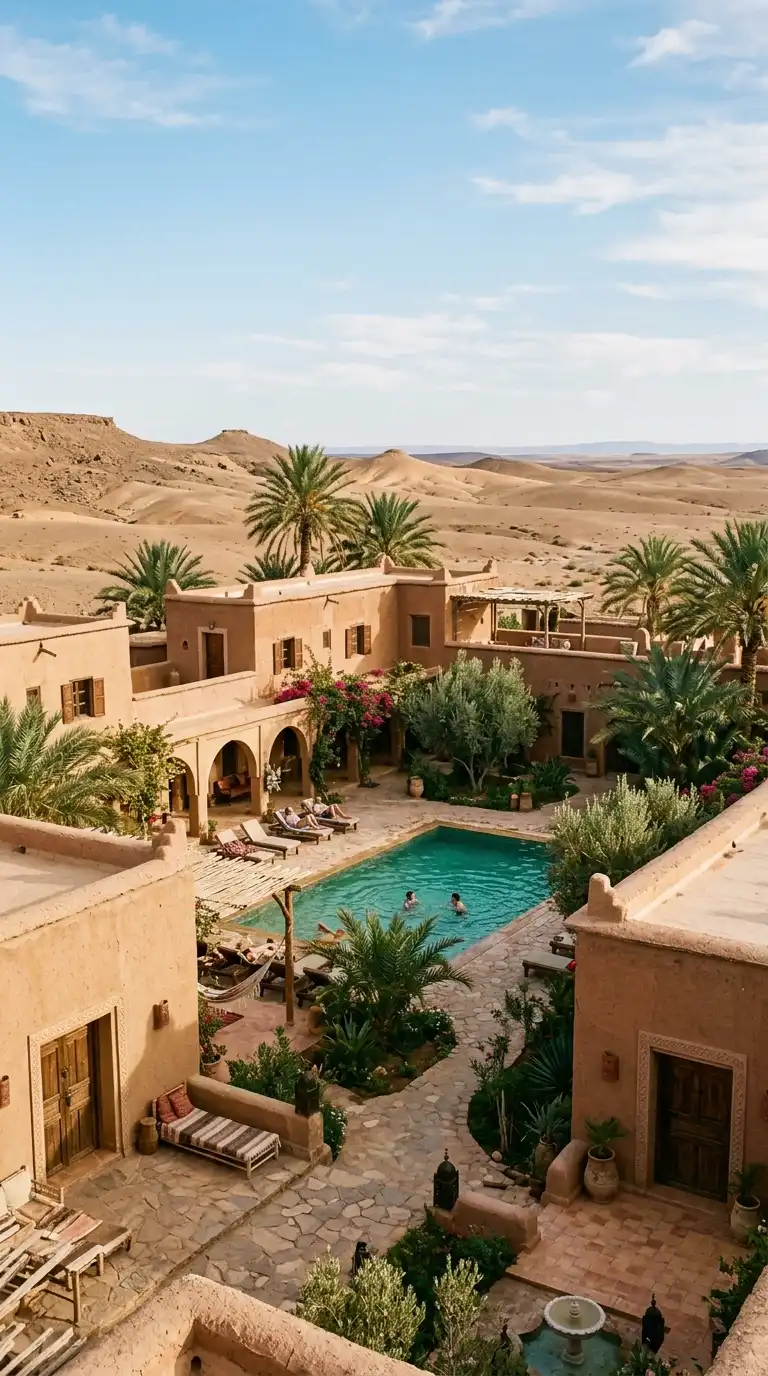
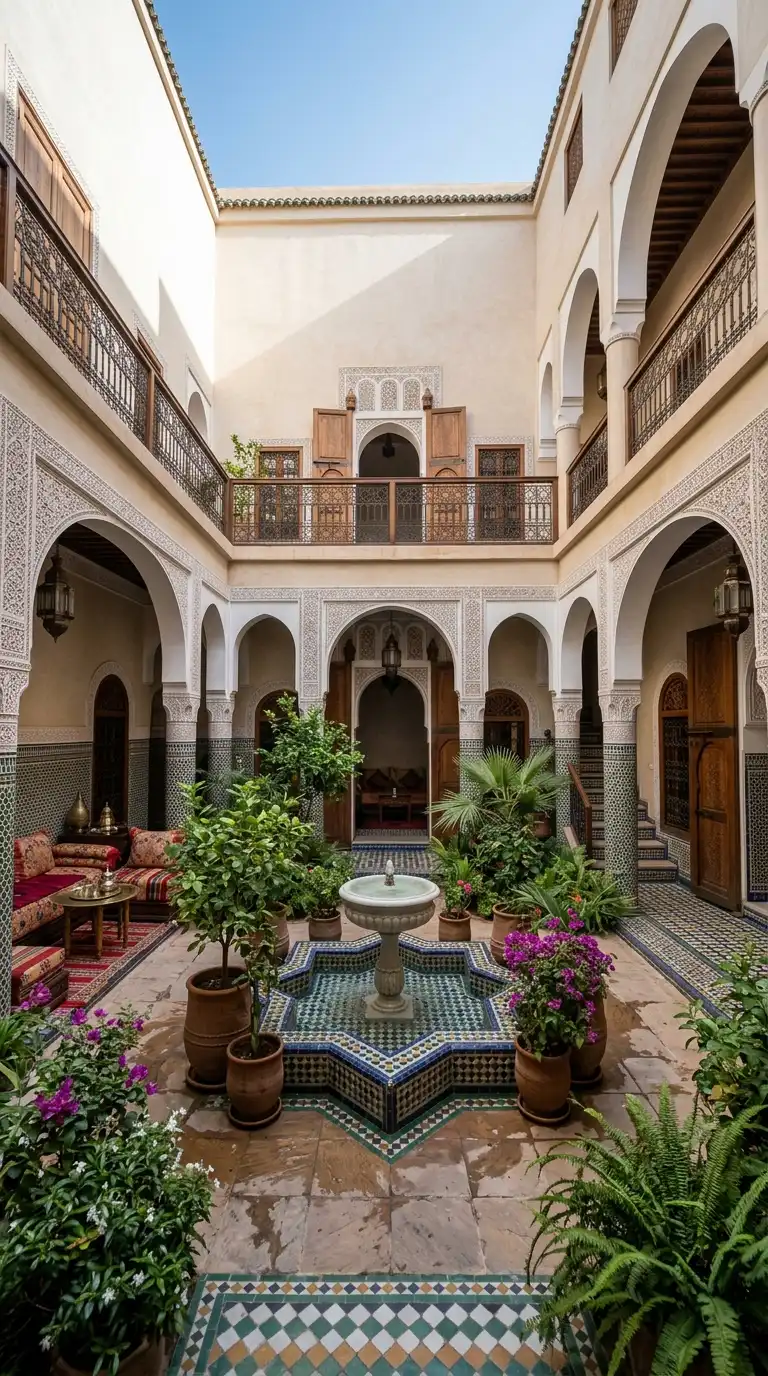
The riad is a traditional Moroccan house with an interior courtyard. The courtyard has a fountain or garden. The house is inward-facing, with high, windowless exterior walls. The rooms open onto the courtyard. The riad is designed for hot, dry climates. The courtyard provides shade, water, and cooling.
This design is ideal for North Africa and similar climates. The emotional effect is inward-facing, cool, and private.
Quick Tips
- The house must have a central courtyard.
- Exterior walls must be high and windowless.
- The courtyard must have a fountain or garden.
4. The Dogon Cliff Dwelling
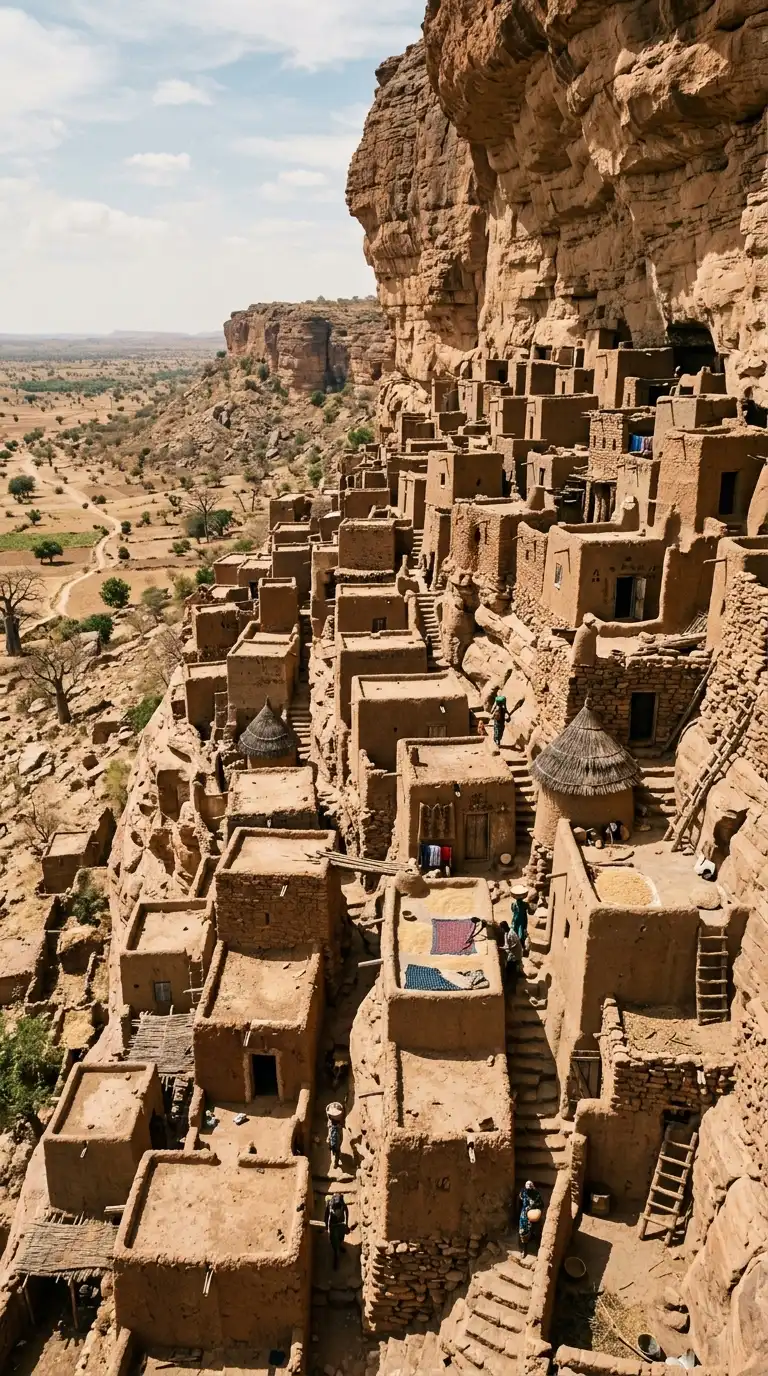
The Dogon people of Mali built their villages on the side of cliffs. The houses are made of mud brick and stone. The roofs are flat, used for sleeping and drying grain. The villages are defensible and cool. The cliff provides shade and protection from the sun.
This design is ideal for hot, dry cliffsides. The emotional effect is defensive, vertical, and cliff-hugging.
Quick Tips
- The village must be built on a cliff face.
- Houses must be made of mud brick and stone.
- The roofs must be flat and usable.
5. The Alpine Chalet
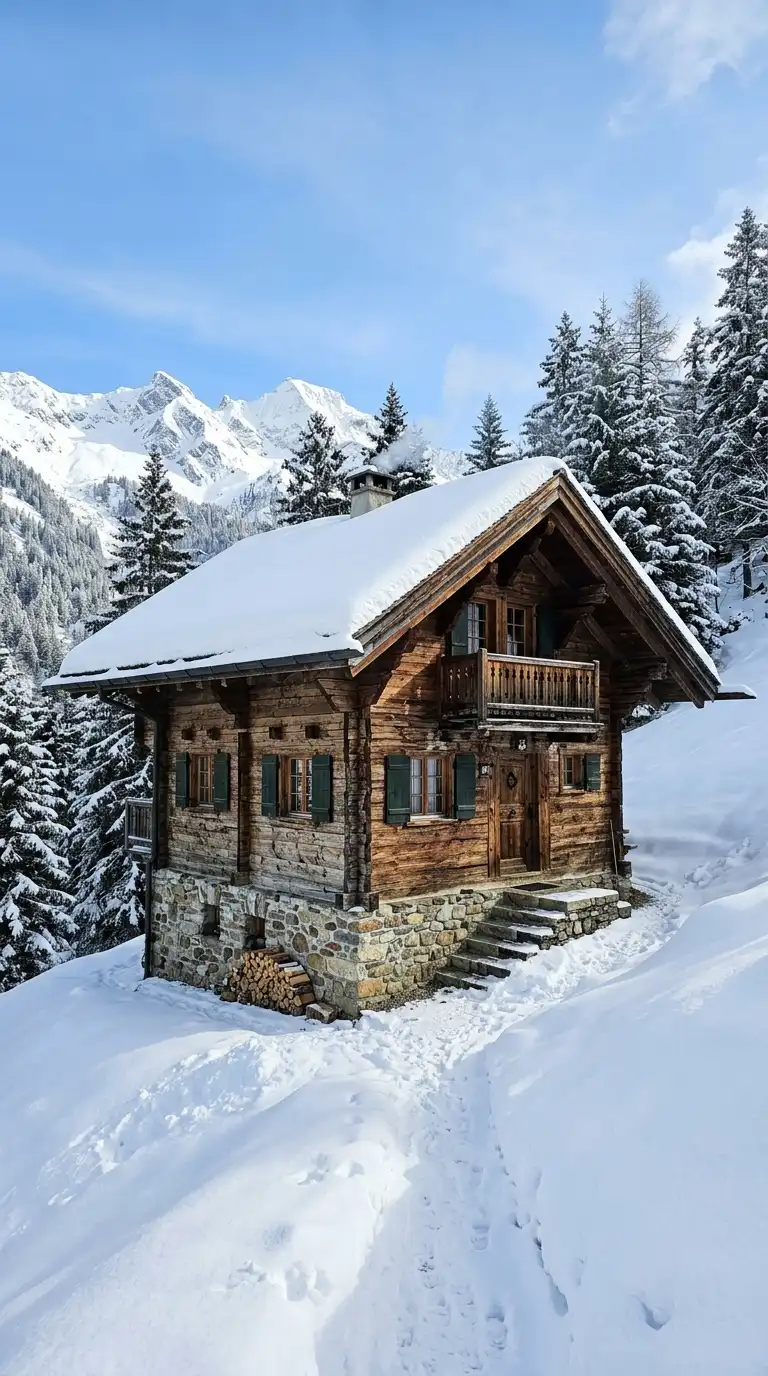
The alpine chalet is a wooden house from the Swiss Alps. The roof is steep and wide-eaved, to shed snow. The walls are heavy timber. The house is raised on a stone foundation. The windows are small, to keep out the cold. The chalet is designed for heavy snow and cold winters.
This design is ideal for mountainous, snowy climates. The emotional effect is steep-roofed, timber, and alpine.
Quick Tips
- The roof must be steep with wide eaves.
- The walls must be heavy timber.
- The house must be raised on a stone foundation.
6. The Yemeni Tower House
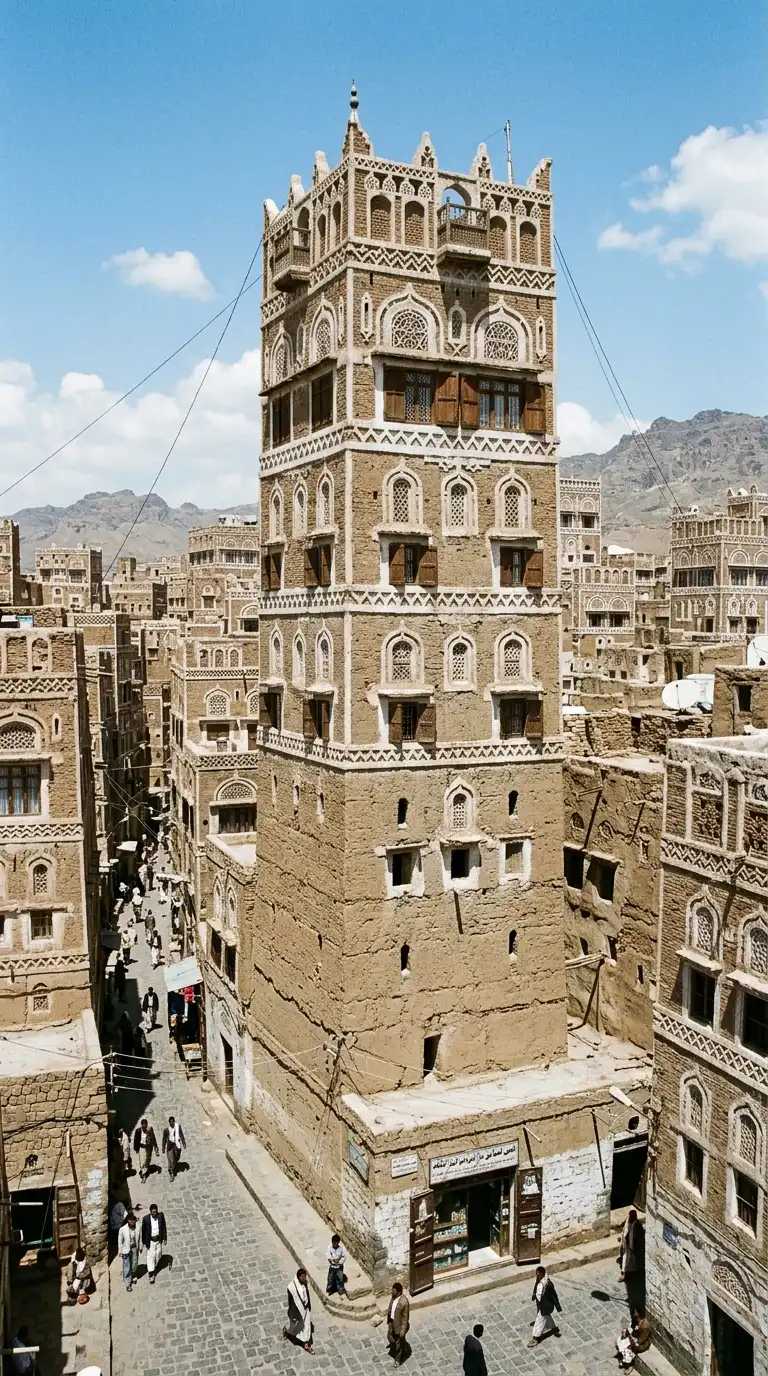
The Yemeni tower house is a tall, narrow house made of mud brick. The house is five to eight storeys tall. The windows are small and high. The walls are thick (60-90cm). The tower house is designed for hot, dry climates. The thick walls keep the interior cool. The height captures breezes.
This design is ideal for hot, dry urban sites. The emotional effect is vertical, mud-brick, and tower-like.
Quick Tips
- The house must be tall and narrow (5-8 storeys).
- The walls must be thick (60-90cm) mud brick.
- Windows must be small and high.
7. The Balinese Compound
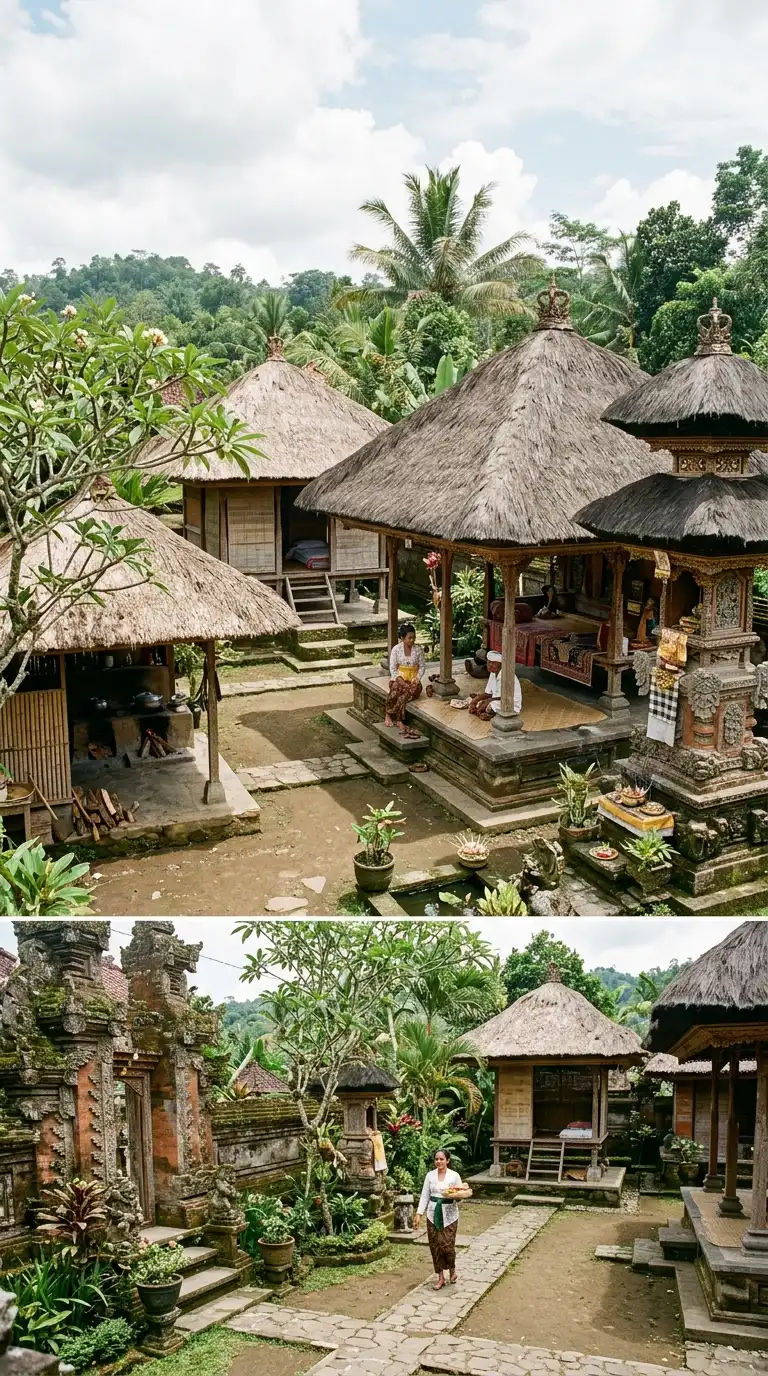
The Balinese compound is a family compound of several small buildings within a walled courtyard. The compound includes sleeping pavilions, a kitchen pavilion, a temple pavilion, and a meeting pavilion. The buildings are open and roofed with thatch or shingles. The compound is designed for hot, humid, tropical climates.
This design is ideal for tropical, humid climates. The emotional effect is pavilion-like, open, and compound.
Quick Tips
- The compound must be walled.
- The compound must contain multiple pavilions.
- Pavilions must be open on the sides for ventilation.
8. The Pueblo
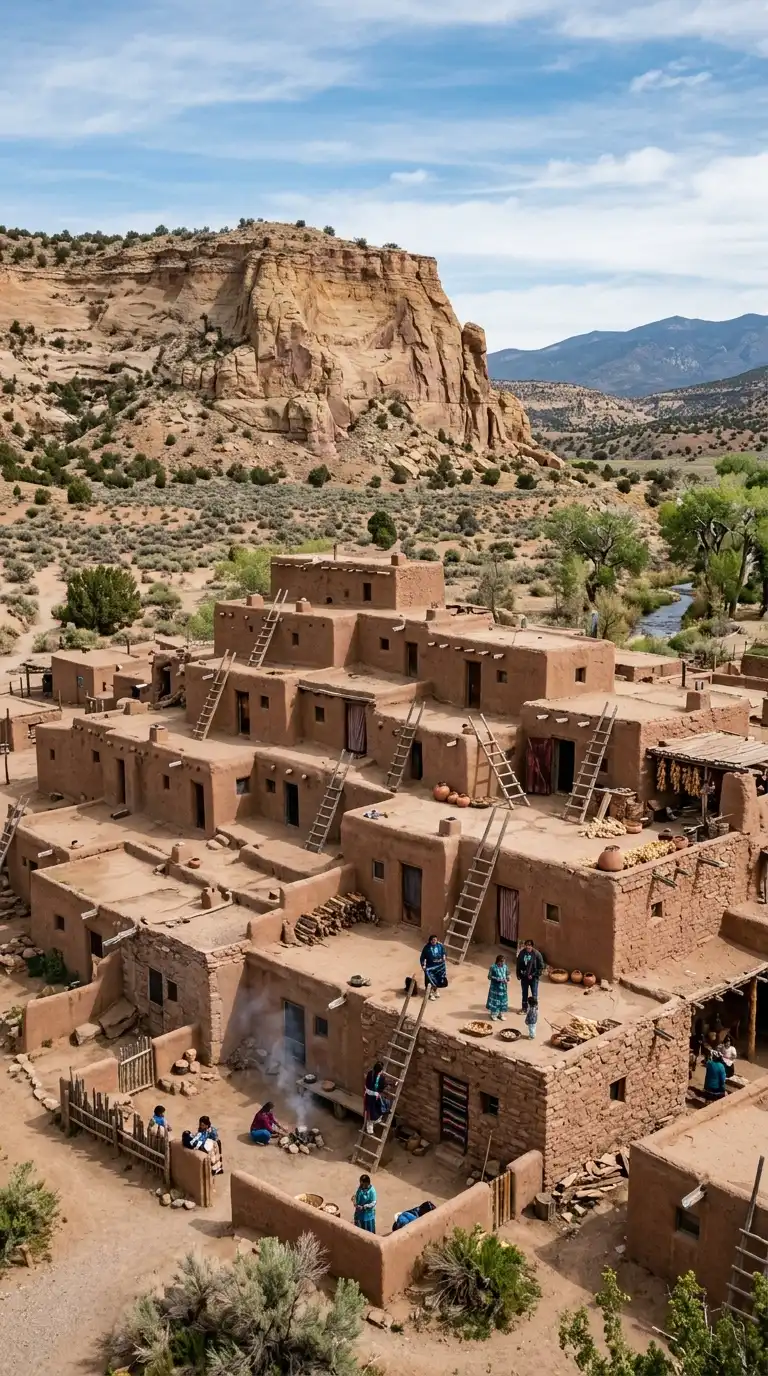
The pueblo is a multi-storey communal dwelling of the Ancestral Puebloans of the American Southwest. The building is made of adobe (sun-dried mud brick) or stone. The roofs are flat. The rooms are stacked in stepped terraces. The pueblo is designed for hot, dry, high-desert climates. The thick walls keep the interior cool.
This design is ideal for hot, dry, high-desert climates. The emotional effect is terraced, adobe, and communal.
Quick Tips
- The building must be multi-storey with stepped terraces.
- Walls must be adobe or stone.
- The roof must be flat.
9. The Icelandic Turf House
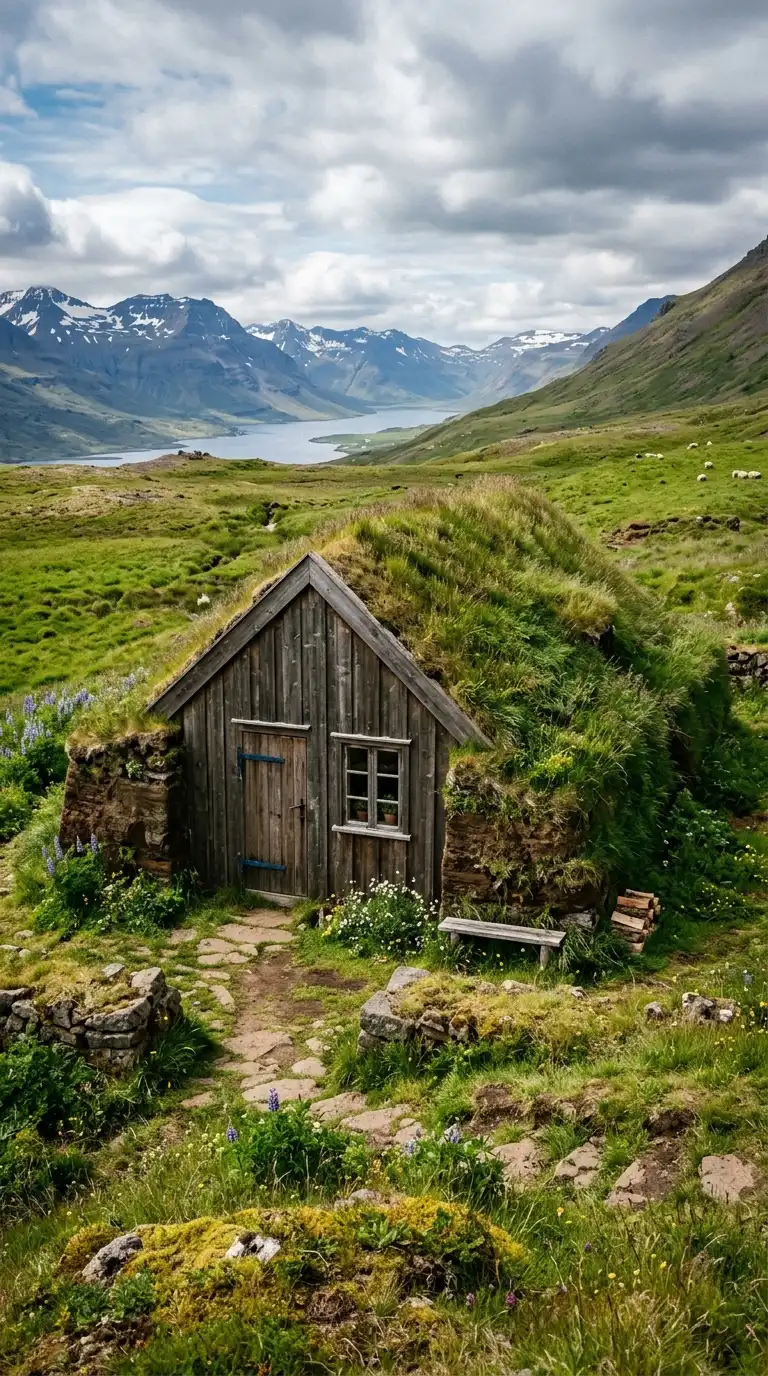
The Icelandic turf house is a house built of turf (earth and grass) over a timber frame. The walls are turf. The roof is turf. Only the front facade is wood. The turf house is designed for cold, windy, treeless Iceland. The turf provides insulation. The grass blends the house into the landscape.
This design is ideal for cold, windy, treeless climates. The emotional effect is turf-covered, low, and insulated.
Quick Tips
- The walls must be turf.
- The roof must be turf.
- Only the front facade may be wood.
10. The Greek Island House
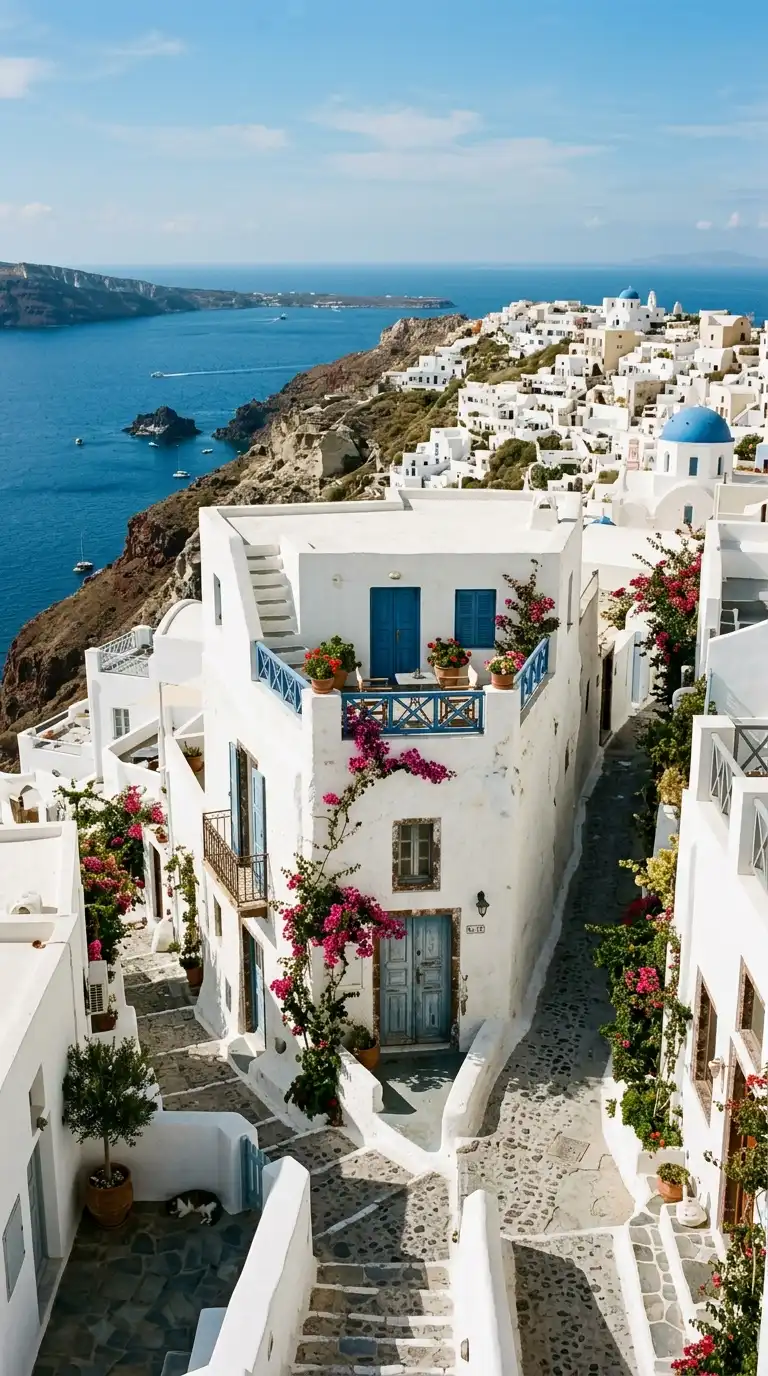
The Greek island house is a whitewashed cubic house on the Aegean islands. The house has flat roofs, small windows, and thick walls. The houses are clustered on hillsides. The streets are narrow and shaded. The whitewash reflects the sun. The thick walls keep the interior cool.
This design is ideal for hot, dry, sunny coastal climates. The emotional effect is white, cubic, and clustered.
Quick Tips
- The house must be whitewashed.
- The walls must be thick.
- The roofs must be flat.
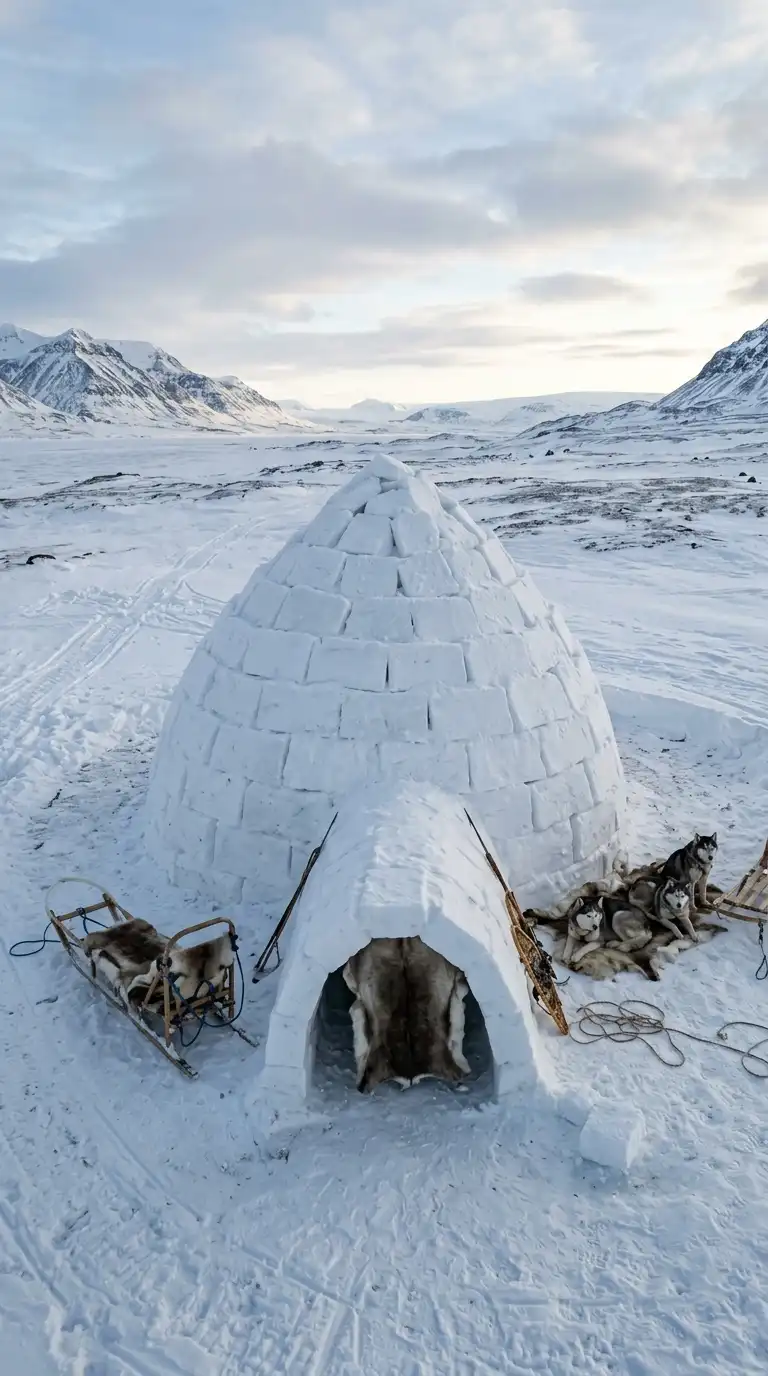
11. The Inuit Igloo
The igloo is a domed shelter made of snow blocks. The igloo is built by the Inuit of the Arctic. The snow blocks are cut from packed snow. The dome is built in a spiral. The entrance is a low tunnel to trap cold air. The igloo is surprisingly warm inside (0-5°C when it is -40°C outside).
This design is ideal for Arctic, snowy climates. The emotional effect is domed, snow-block, and temporary.
Quick Tips
- The igloo must be built of snow blocks.
- The dome must be built in a spiral.
- The entrance must be a low tunnel.
12. The Indonesian Toraja House
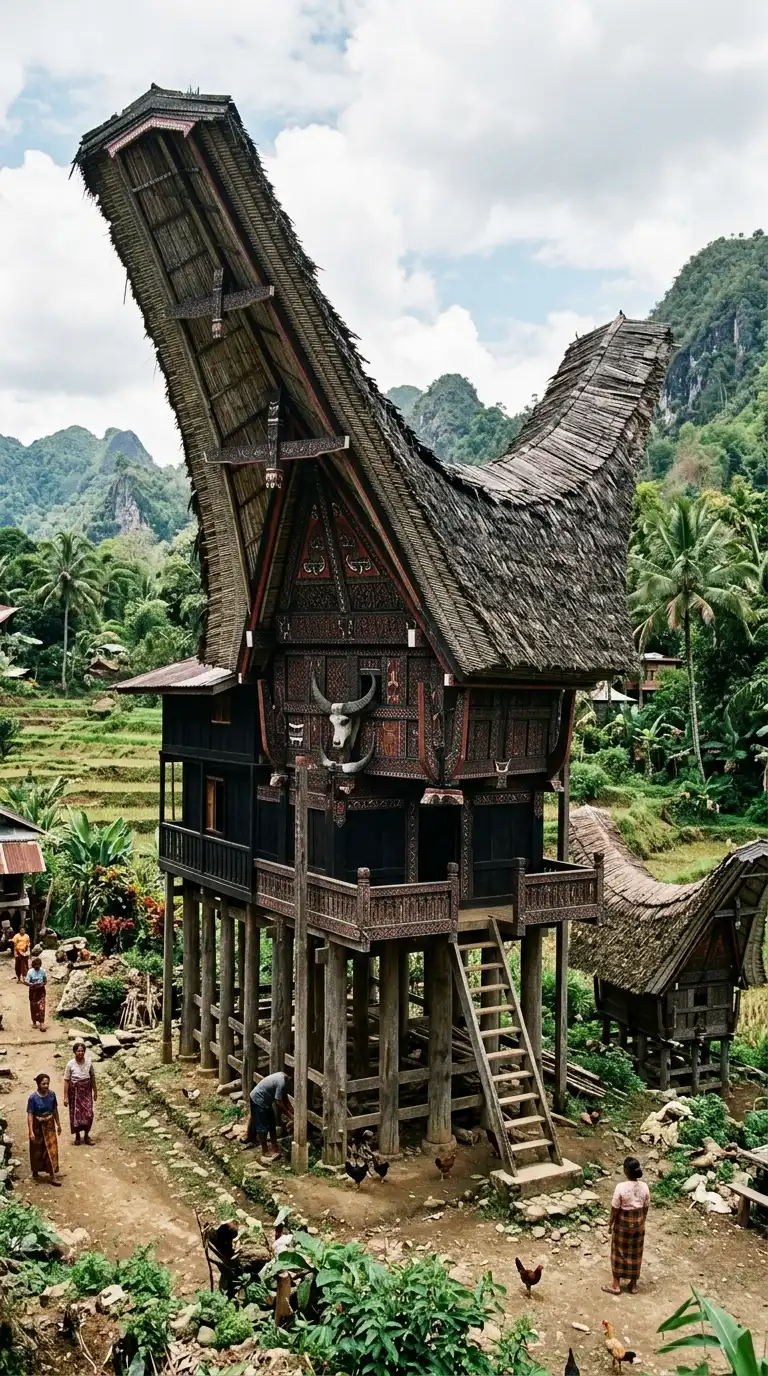
The Toraja house (tongkonan) is a traditional house of the Toraja people of Sulawesi, Indonesia. The roof is a distinctive curved boat shape. The roof is thatched. The house is raised on piles. The facade is decorated with carved and painted panels. The Toraja house is designed for tropical, humid climates.
This design is ideal for tropical, humid, forested climates. The emotional effect is boat-shaped, raised, and decorated.
Quick Tips
- The roof must be a curved boat shape.
- The roof must be thatched.
- The house must be raised on piles.
13. The Berber Tent
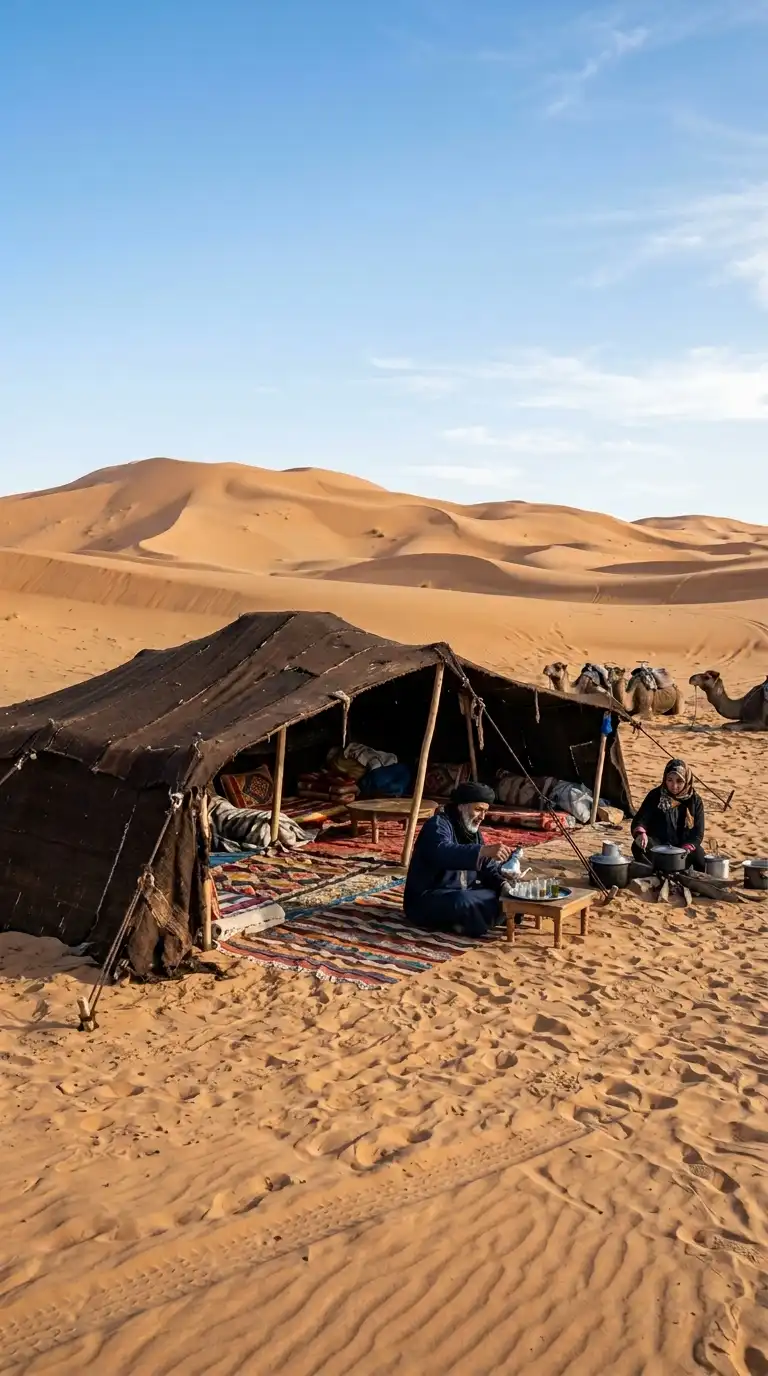
The Berber tent is a traditional tent of the Berber people of North Africa. The tent is made of woven goat hair. The fabric is dark and heavy. The tent is low and wide. The interior is divided into men’s and women’s sections. The tent is designed for hot, dry, desert climates. The dark fabric absorbs heat, but the weave allows breeze.
This design is ideal for hot, dry, desert climates. The emotional effect is tent-like, dark, and woven.
Quick Tips
- The tent must be made of woven goat hair.
- The fabric must be dark and heavy.
- The tent must be low and wide.
14. The Kerala House (Nalukettu)
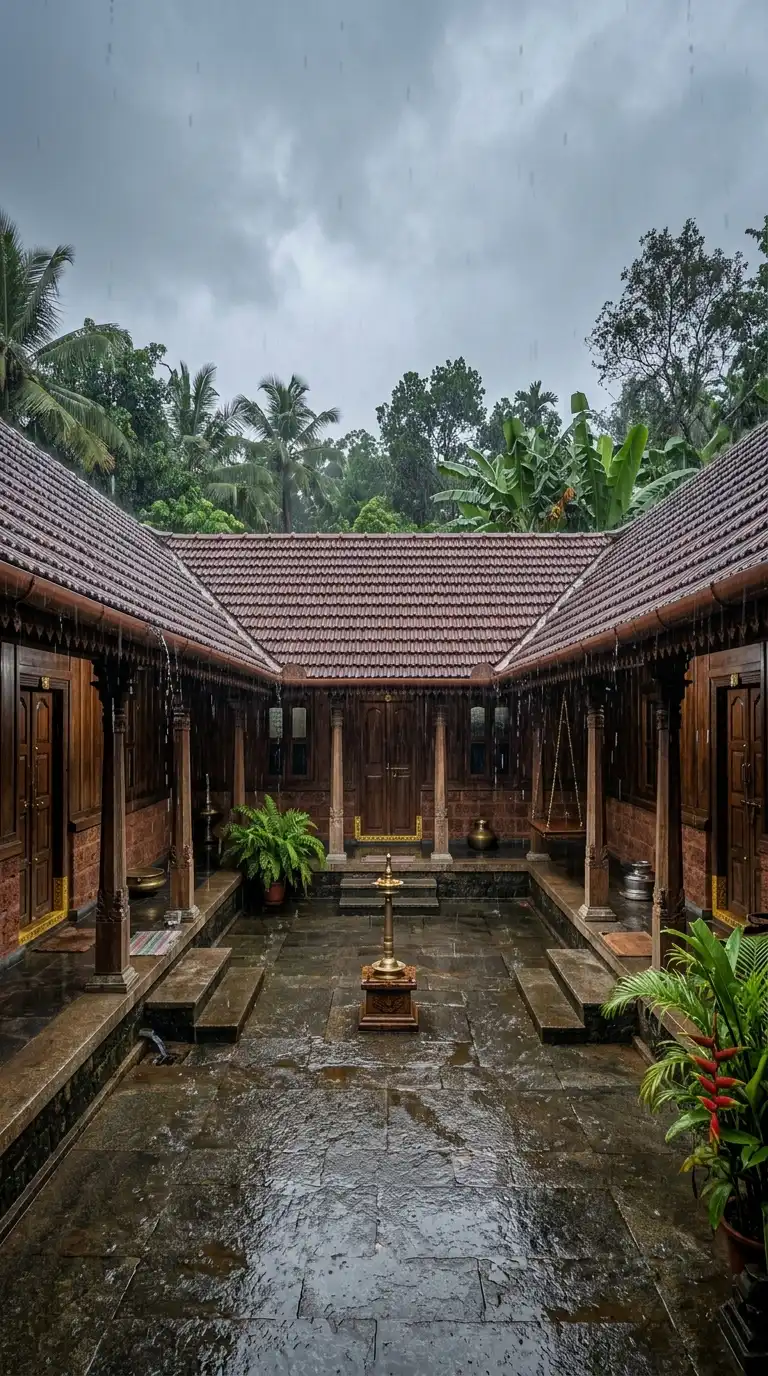
The nalukettu is a traditional house of Kerala, India. The house has a central courtyard. The four wings are arranged around the courtyard. The roof is steep and tiled. The house is built of timber and laterite stone. The nalukettu is designed for hot, humid, monsoon climates. The courtyard provides light and ventilation. The steep roof sheds heavy rain.
This design is ideal for hot, humid, monsoon climates. The emotional effect is courtyard, tiled, and monsoon-ready.
Quick Tips
- The house must have a central courtyard.
- Four wings must be arranged around the courtyard.
- The roof must be steep and tiled.
Final Thoughts
Vernacular architecture is not a style to copy. It is a way of thinking. The minka is designed for hot, humid summers and cold winters. The riad is designed for hot, dry, private courtyards. The chalet is designed for heavy snow. The pueblo is designed for high-desert sun. The turf house is designed for treeless, windy Iceland. The igloo is designed for the Arctic. Each is perfect for its place. Each is the accumulated wisdom of generations.
These 14 vernacular designs are not mutually exclusive. A riad can have a steep roof. A pueblo can have a courtyard. A chalet can be raised on piles. The best vernacular architecture is not the most complex — it is the most appropriate. It uses local materials. It responds to local climate. It respects local culture. It is not designed — it evolves. It is architecture without architects. It is the architecture of place.