Interior architecture is the design of space within a building. Unlike decoration, which is applied to surfaces, interior architecture shapes the volume itself — ceilings are raised or lowered, walls are added or removed, light is directed, materials are layered. A well-designed interior is not just furnished — it is constructed.
These 18 interior architecture ideas span residential, commercial, and public spaces. Each idea includes defining characteristics, spatial principles, and material applications.
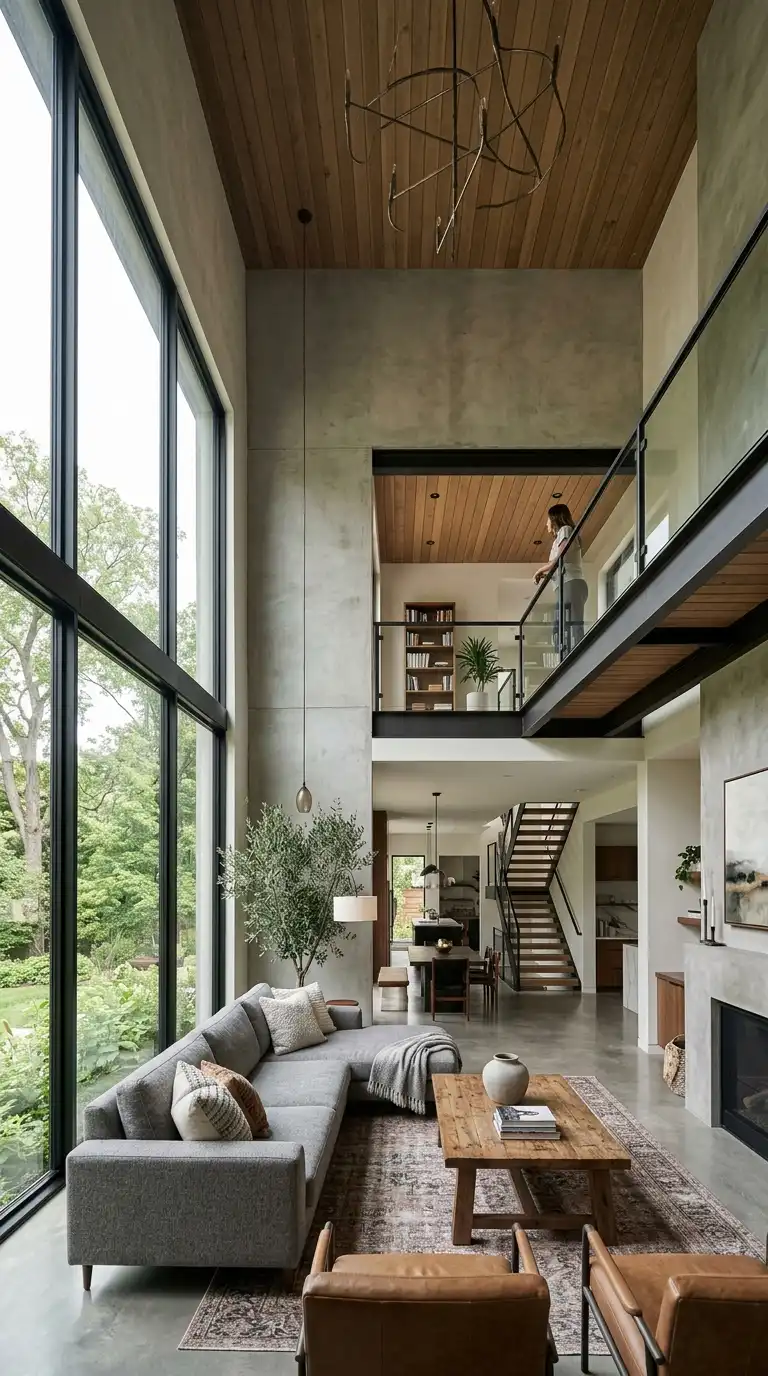
1. The Double-Height Space
The double-height space is created by removing part of an upper floor, allowing the ceiling to rise two storeys. The space is dramatic and luminous. A balcony or bridge may surround the double-height area on the upper level.
This idea is ideal for living rooms, atriums, lobbies, and galleries. The emotional effect is vertical, generous, and dramatic.
Quick Tips
- The double-height space should be at least 1.5 times as tall as it is wide.
- Place windows high on the wall to bring light deep into the space.
- A bridge or balcony on the upper level adds interest and connection.
2. The Open Plan
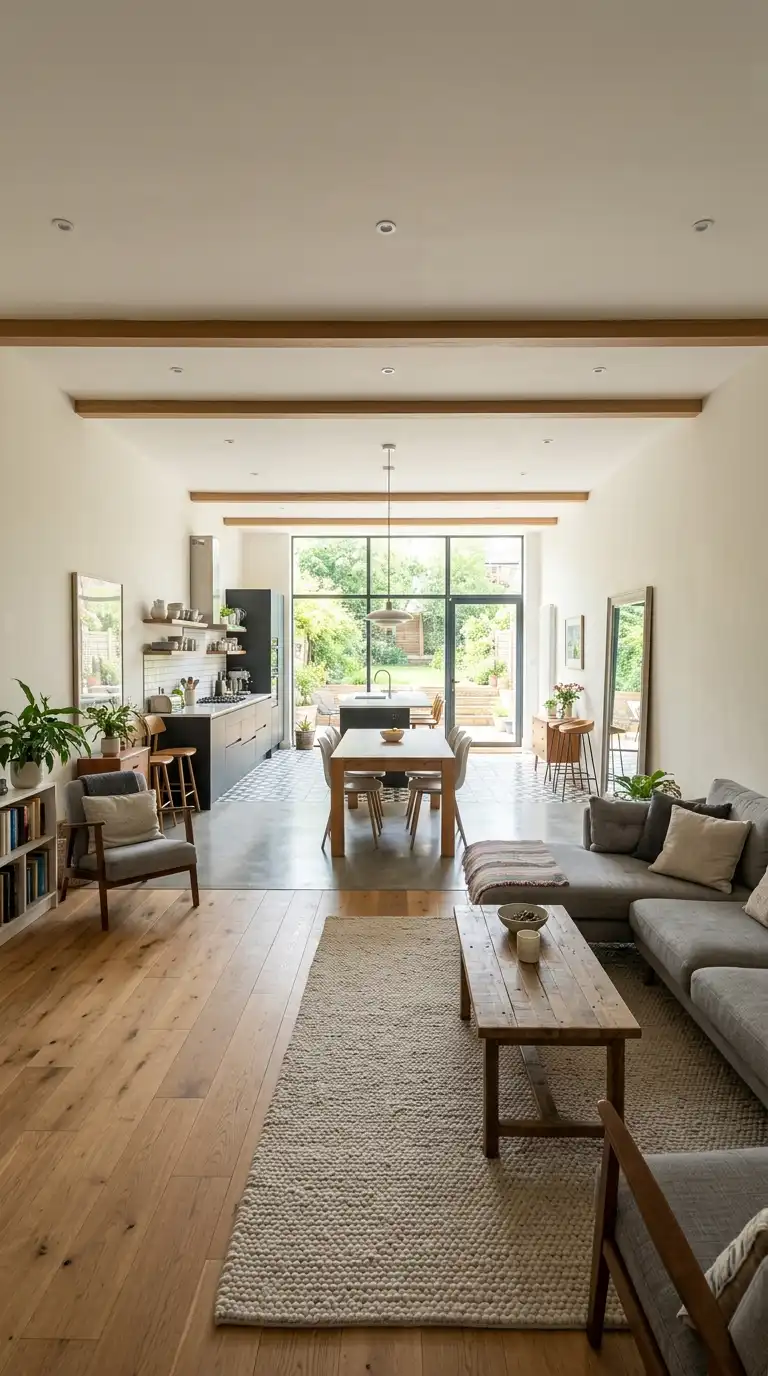
The open plan removes interior walls, creating a single continuous space. Living, dining, and kitchen flow into each other. The space is defined by furniture, lighting, and changes in ceiling height, not by walls.
This idea is ideal for apartments, lofts, and modern houses. The emotional effect is spacious, flexible, and social.
Quick Tips
- Use changes in ceiling height or flooring to define zones.
- Place the kitchen at one end for service access and ventilation.
- Use furniture placement to create distinct areas without walls.
3. The Mezzanine
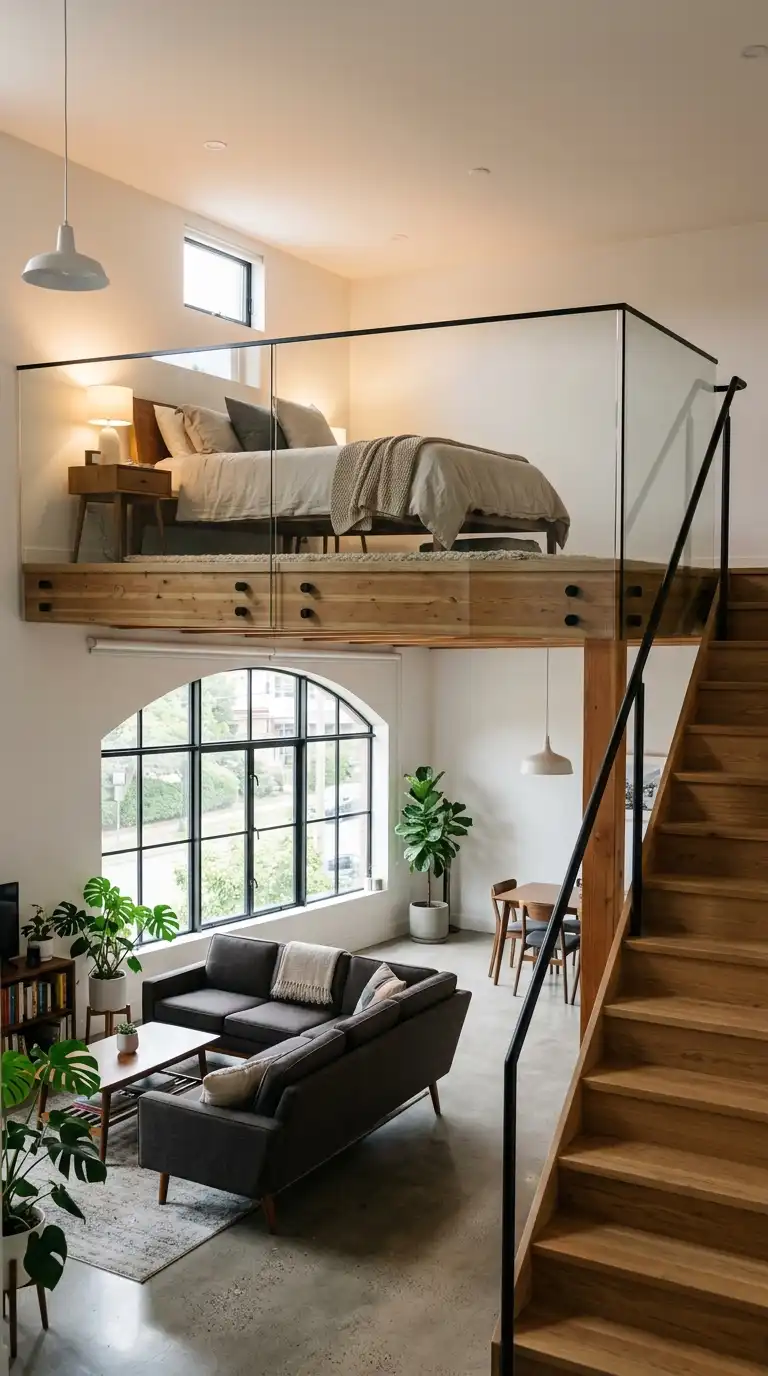
The mezzanine is an intermediate floor inserted between two main floors. It is open to the space below, creating a partial upper level. The mezzanine is ideal for bedrooms, studies, or reading nooks in a double-height space.
This idea is ideal for small apartments, studios, and lofts. The emotional effect is vertical, efficient, and intimate.
Quick Tips
- The mezzanine should cover no more than 50% of the floor area below.
- The ceiling height below the mezzanine must be at least 2.2 metres.
- A glass or metal railing is required for safety.
4. The Sunken Living Room
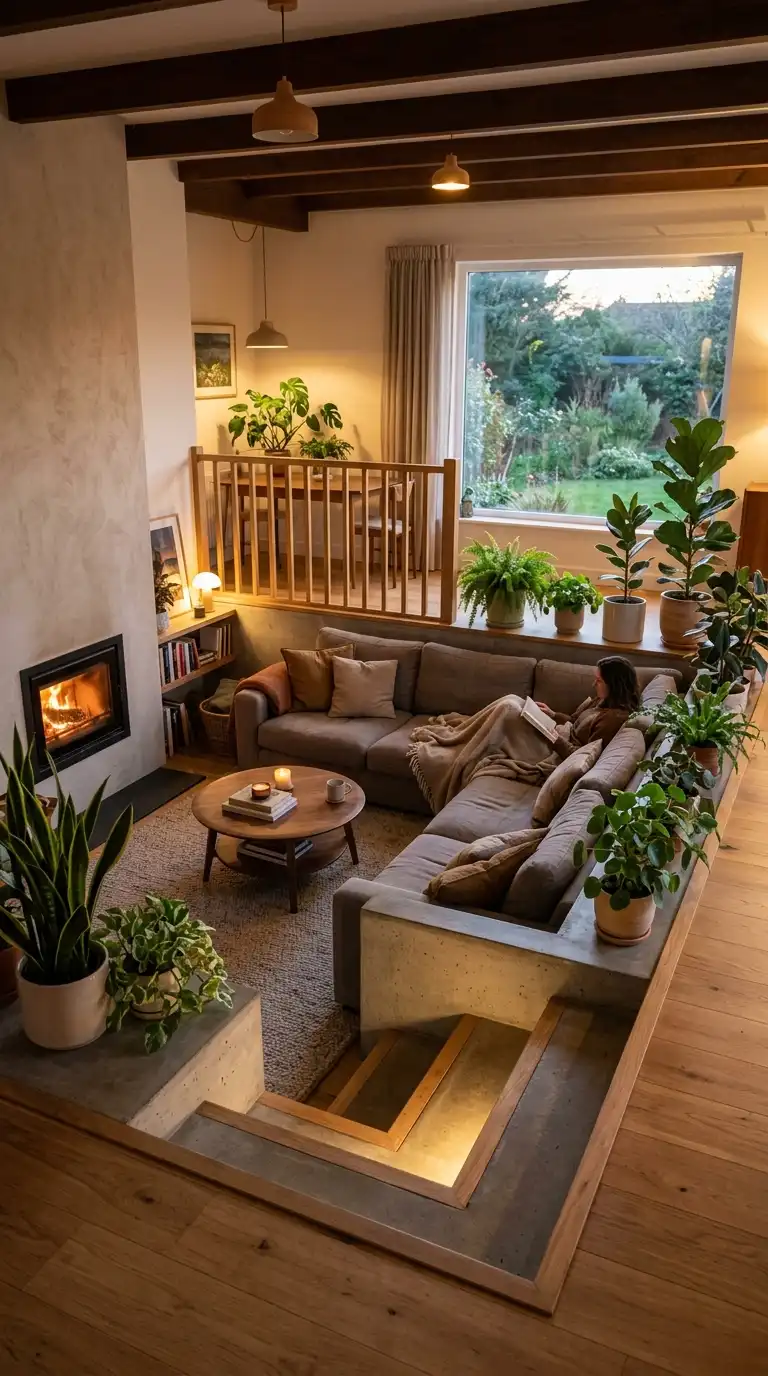
The sunken living room is lowered one or two steps below the main floor level. The change in level defines the space without walls. The sunken area feels intimate and protected.
This idea is ideal for conversation pits, media rooms, and casual living areas. The emotional effect is intimate, grounded, and defined.
Quick Tips
- Lower the floor by 30-45cm — one or two steps.
- Use the raised edge as seating or a ledge for plants.
- Ensure the step is clearly marked for safety.
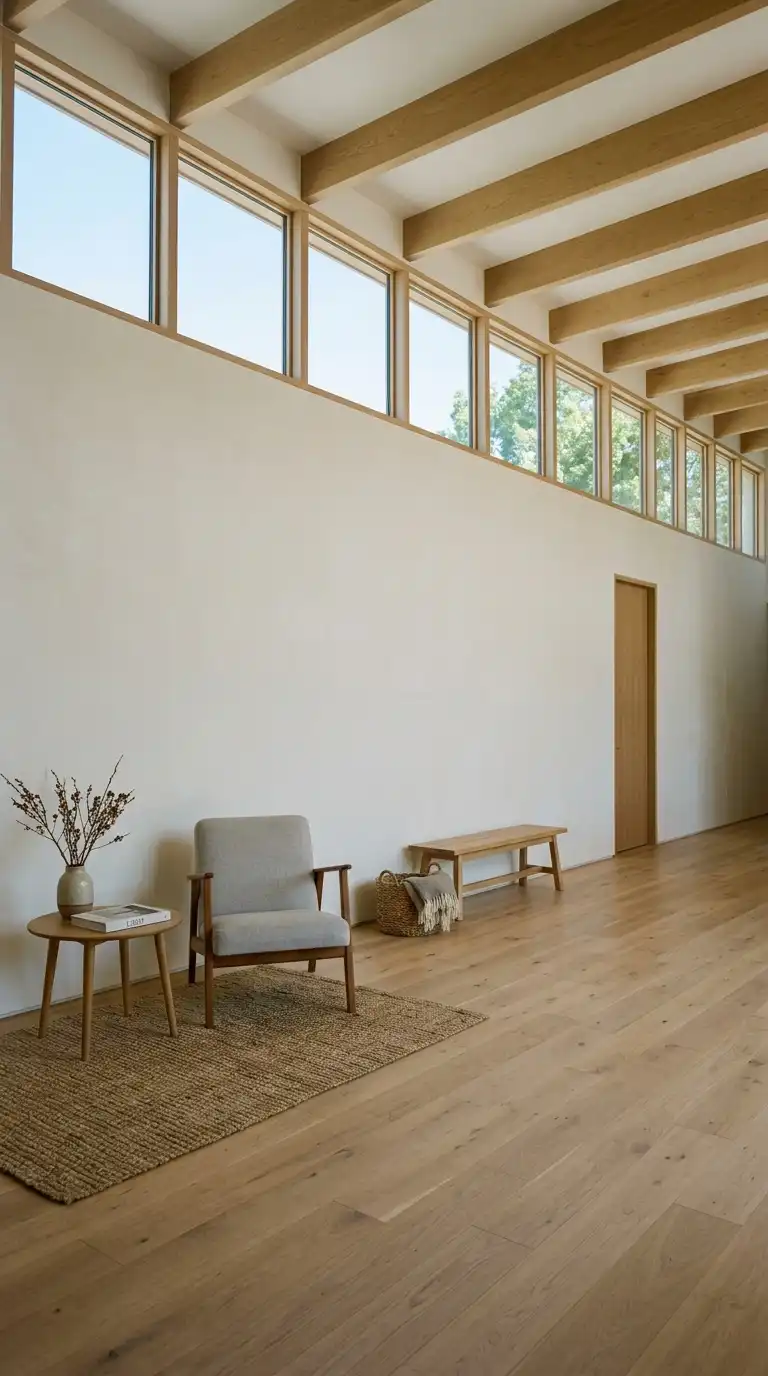
5. The Clerestory Window
The clerestory is a band of high windows placed near the ceiling. The windows bring light deep into a room without compromising privacy or wall space. Clerestories are ideal for north-facing light or for rooms on busy streets.
This idea is ideal for studios, galleries, and private rooms. The emotional effect is luminous, private, and evenly lit.
Quick Tips
- Place clerestory windows at least 2 metres above the floor.
- North-facing clerestories provide even, shadowless light.
- Use clerestories on both sides of a room for cross-ventilation.
6. The Exposed Structure
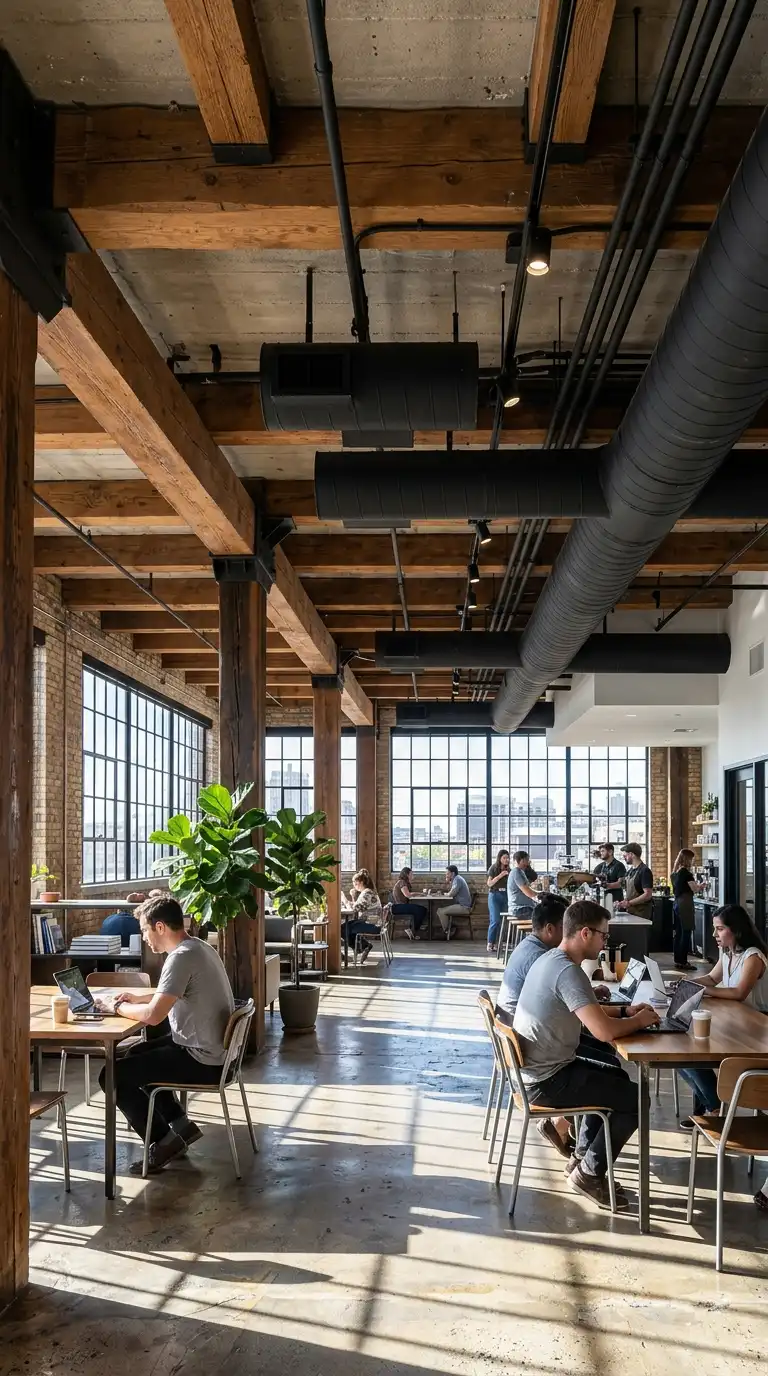
The exposed structure leaves beams, columns, and ducts visible instead of hiding them. The structure becomes the ornament. The space is honest and industrial.
This idea is ideal for lofts, offices, and contemporary homes. The emotional effect is honest, industrial, and structural.
Quick Tips
- Paint structural elements a single colour for unity.
- Leave concrete board-formed for texture.
- Coordinate ducts and pipes neatly — they become part of the design.
7. The Continuous Floor Material
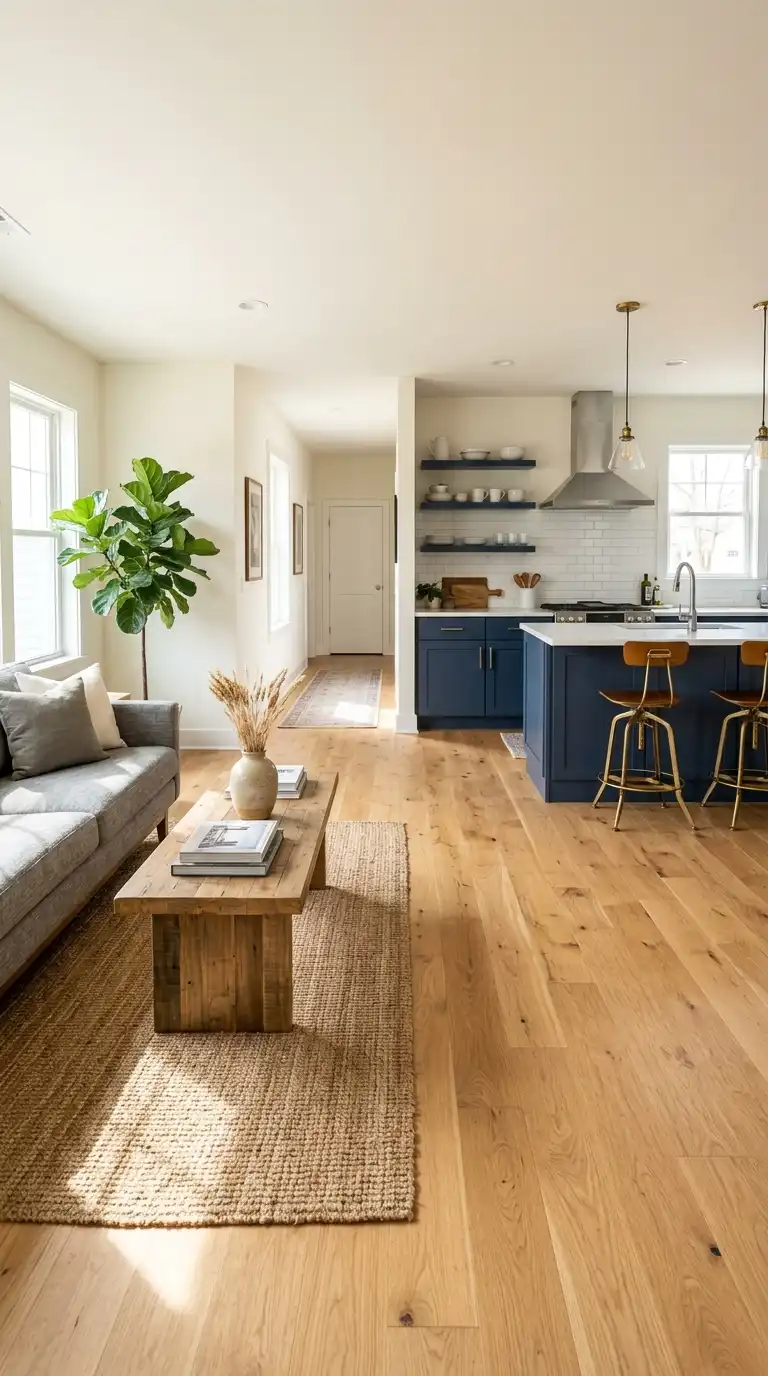
Using the same flooring material across multiple rooms creates visual continuity. The floor flows from space to space without thresholds or transitions. The space feels larger and more unified.
This idea is ideal for open plans and small apartments. The emotional effect is continuous, unified, and spacious.
Quick Tips
- Use the same material in all connected rooms.
- Carry the material up the wall for a monolithic effect.
- Choose a durable material for high-traffic areas.
8. The Monochromatic Interior
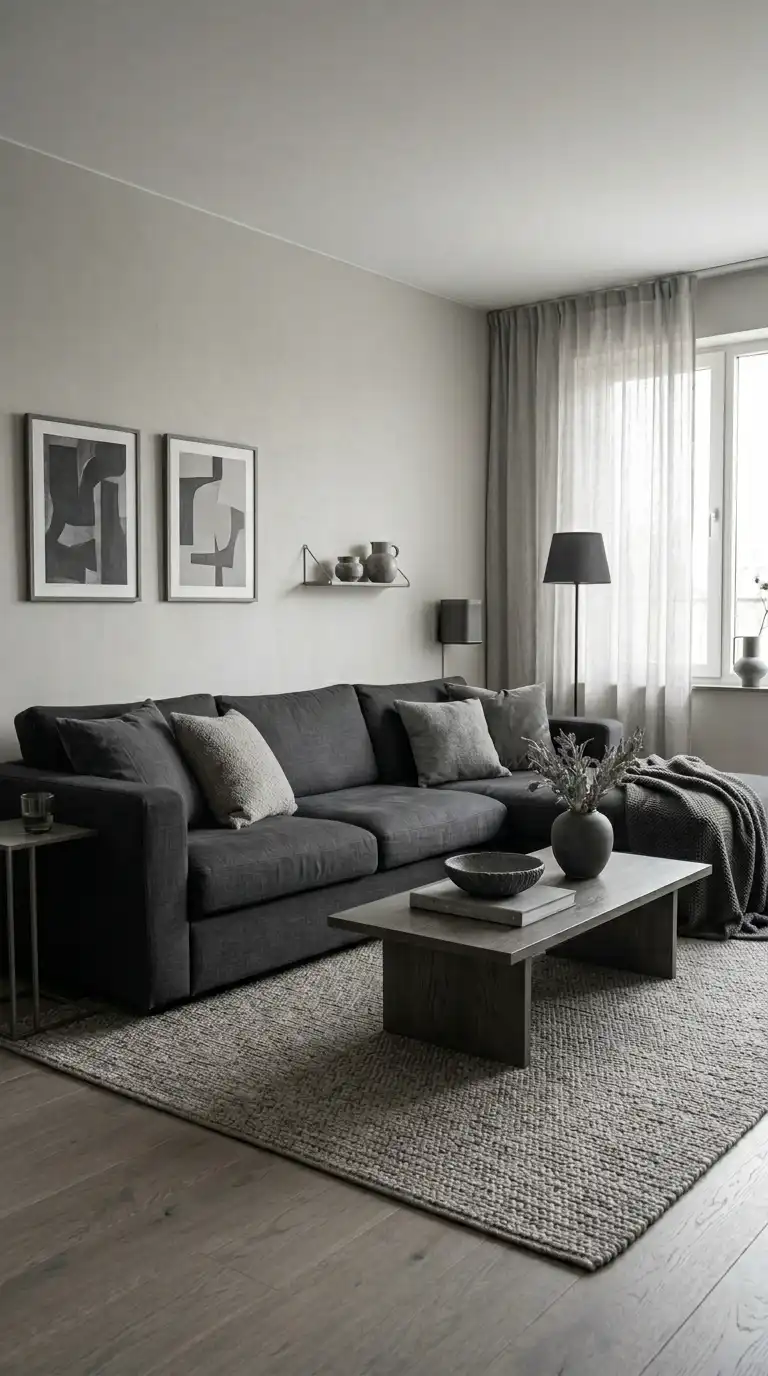
The monochromatic interior uses a single colour in varying shades. Walls, ceiling, floor, and furniture are all tones of the same hue. The effect is calm, unified, and sophisticated.
This idea is ideal for bedrooms, galleries, and minimalist spaces. The emotional effect is calm, unified, and refined.
Quick Tips
- Use at least five different values from pale to dark.
- Vary texture to add interest — matte walls, glossy floor, velvet furniture.
- A single accent colour can be used sparingly.
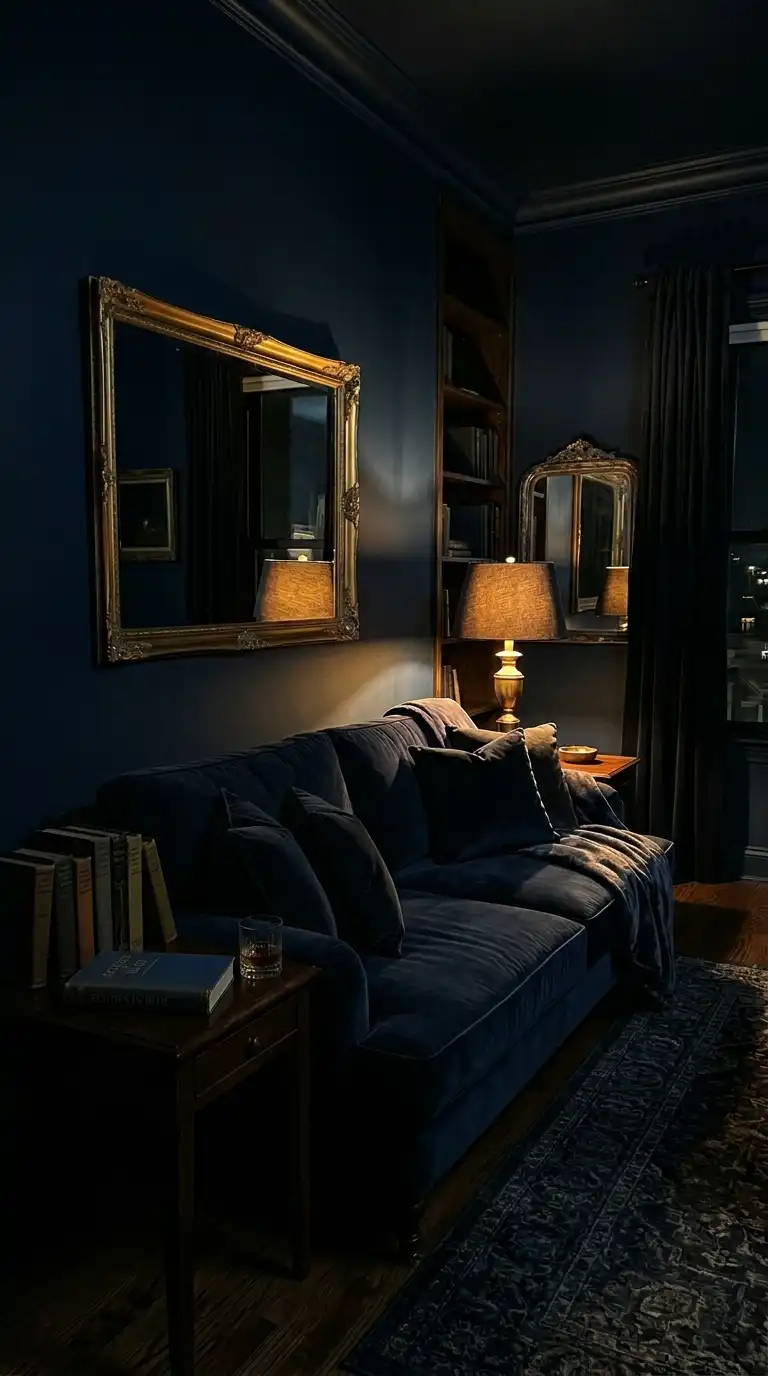
9. The Dark Interior
The dark interior uses deep, saturated colours on walls, ceiling, and floor. The space is moody and intimate. Light is used dramatically, with pools of brightness against dark surfaces.
This idea is ideal for home theatres, bars, and bedrooms. The emotional effect is moody, intimate, and dramatic.
Quick Tips
- Use matte finishes to absorb light and avoid glare.
- Light the space with pools of light, not even illumination.
- Use mirrors to reflect light and expand the space.
10. The Glass Wall Interior
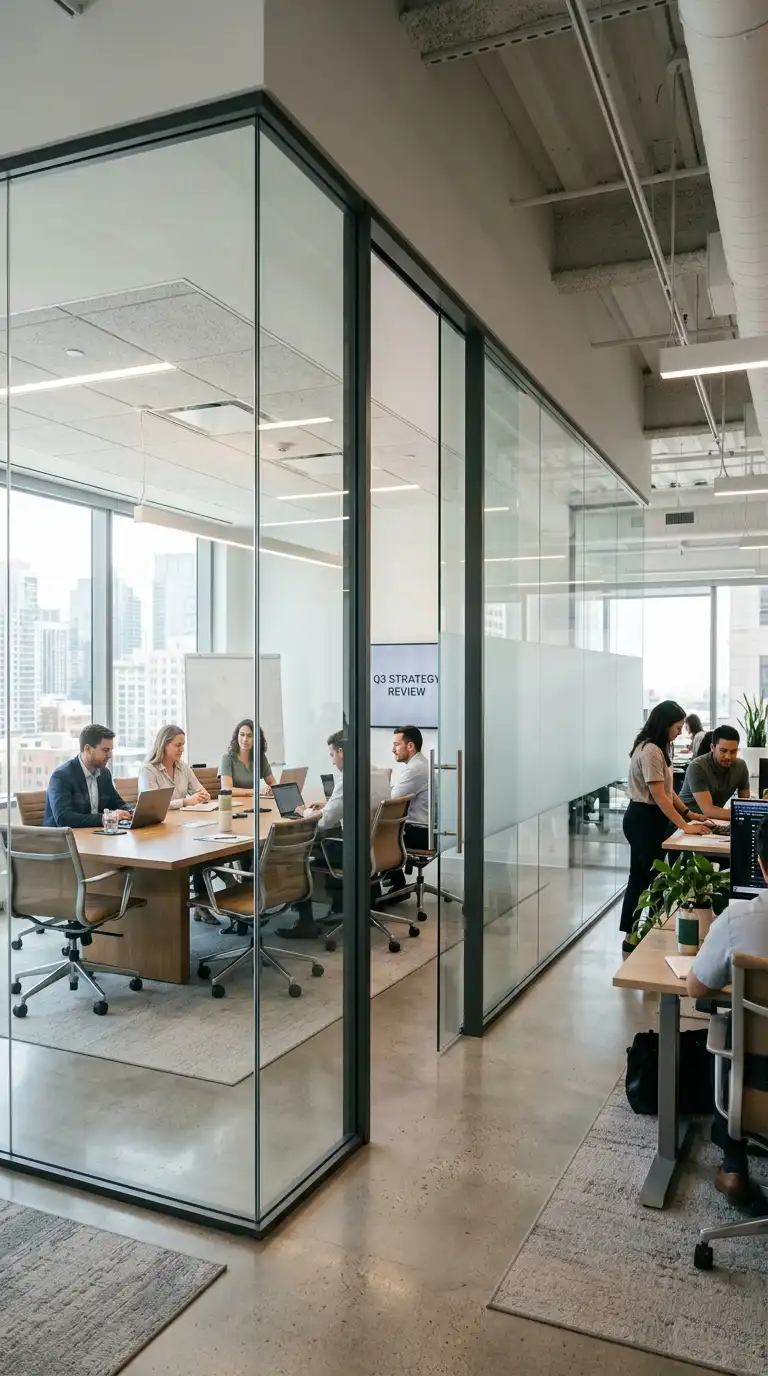
The glass wall interior replaces solid walls with glass. Rooms are visually connected while remaining acoustically separate. Light flows through the entire floor plate.
This idea is ideal for offices, conference rooms, and modern apartments. The emotional effect is transparent, connected, and luminous.
Quick Tips
- Use frosted or switchable glass for privacy when needed.
- Frame glass with minimal metal frames for maximum transparency.
- Use glass walls on interior rooms to bring light from exterior windows.
11. The Curved Wall
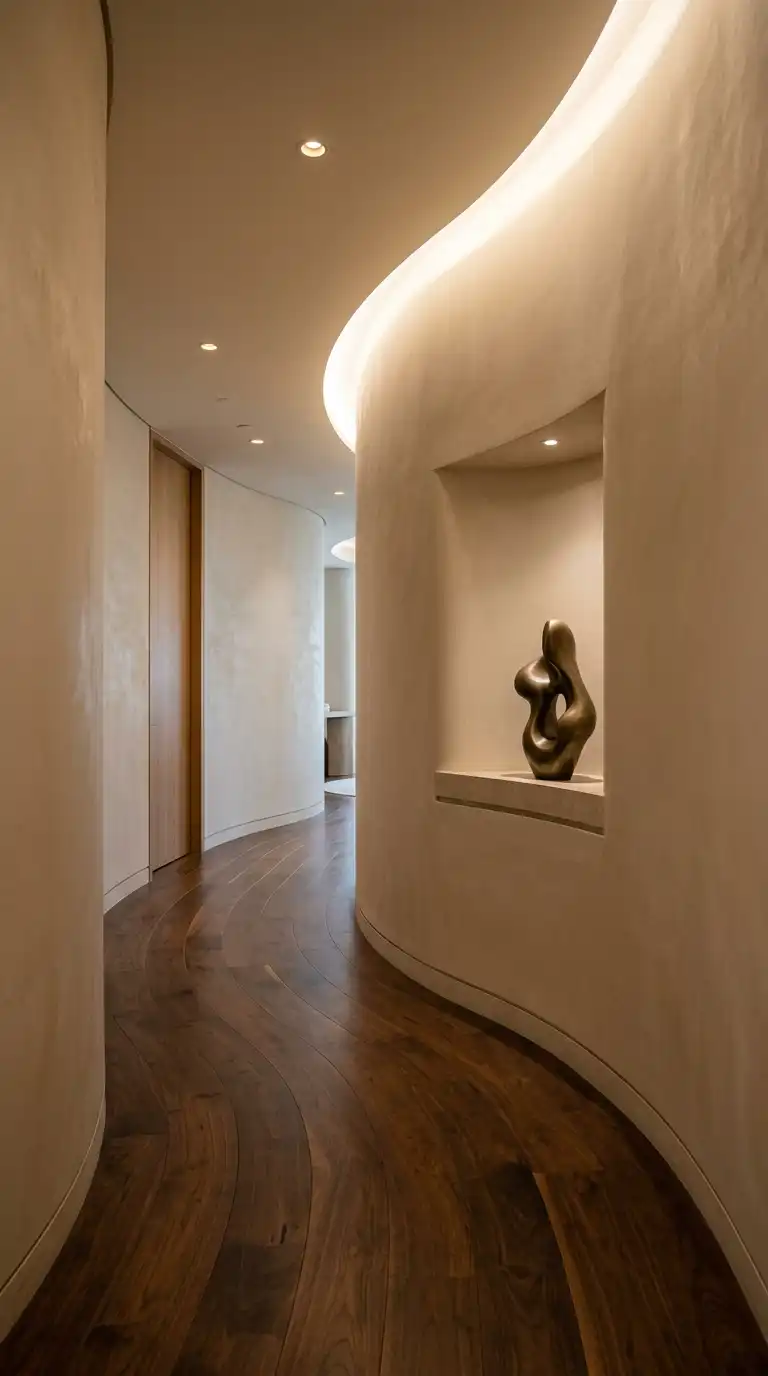
The curved wall replaces the right angle with a curve. The wall bends gently, creating a sense of movement and softness. The curve can be a full wall, a corner, or a niche.
This idea is ideal for hallways, entrances, and feature walls. The emotional effect is soft, flowing, and dynamic.
Quick Tips
- The curve should be a single radius or a smooth spline.
- Use plaster or drywall for seamless curved surfaces.
- Lighting along the curve emphasises the form.
12. The Recessed Lighting Cove
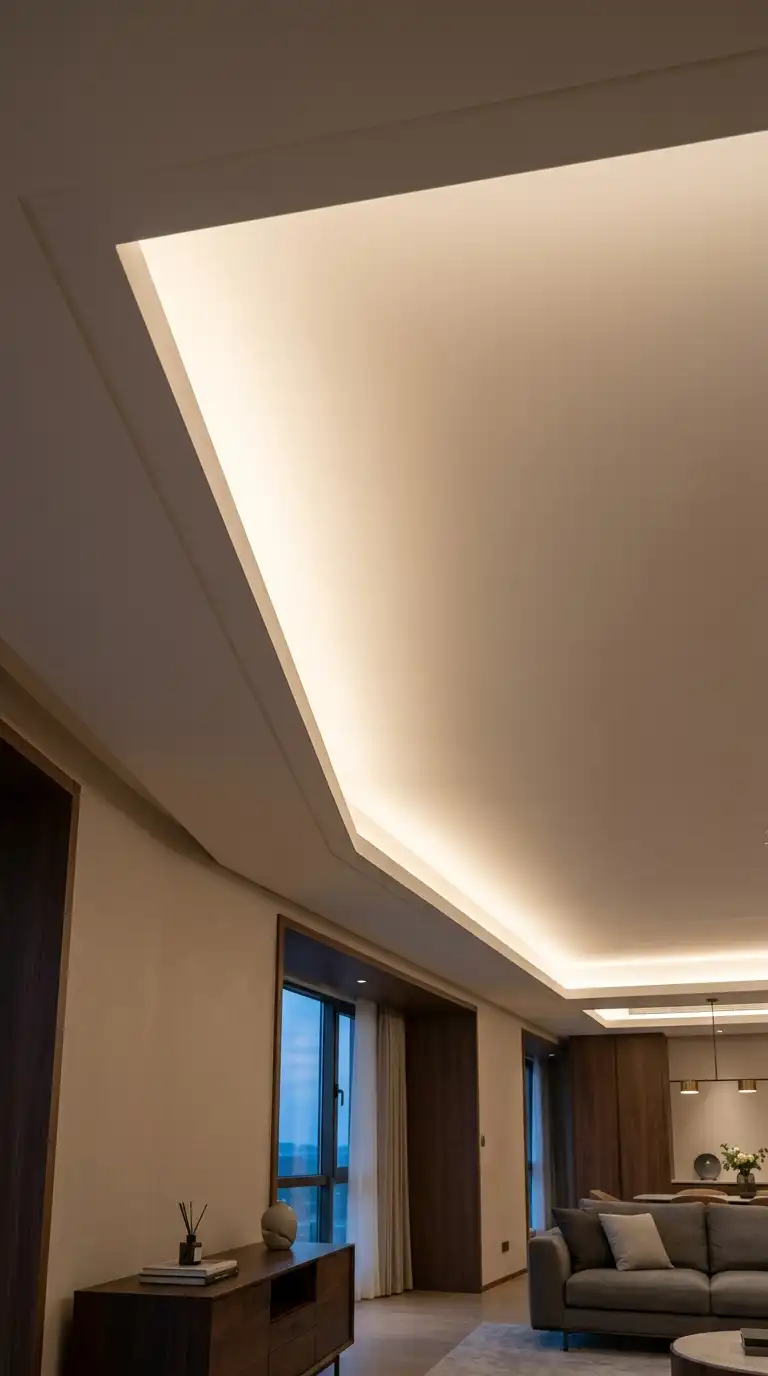
The recessed lighting cove is a stepped or angled recess in the ceiling that hides light sources. Light bounces off the ceiling, creating indirect, even illumination. The cove itself is visible, but the light source is hidden.
This idea is ideal for living rooms, bedrooms, and galleries. The emotional effect is even, indirect, and luminous.
Quick Tips
- The cove should be at least 10cm deep to hide the light source.
- Use LED strip lights for continuous, even light.
- Paint the inside of the cove white for maximum reflection.
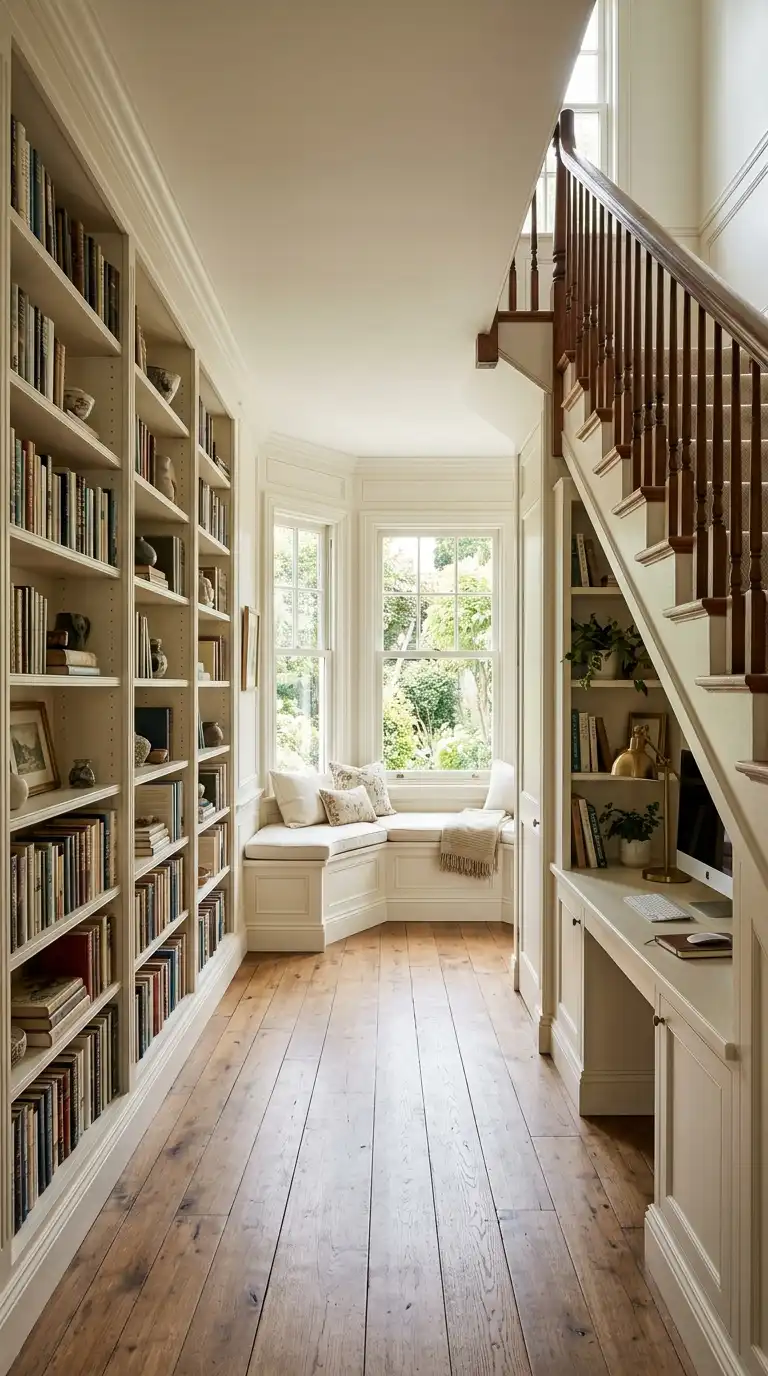
13. The Built-In Furniture
Built-in furniture is designed as part of the architecture. Bookcases, benches, desks, and beds are built into walls, under stairs, or into niches. The furniture cannot be moved — it is permanent.
This idea is ideal for small spaces, hallways, and custom homes. The emotional effect is integrated, efficient, and seamless.
Quick Tips
- Design built-ins to fit exactly into available spaces.
- Use the same materials as walls and floors for integration.
- Include lighting inside bookcases and display niches.
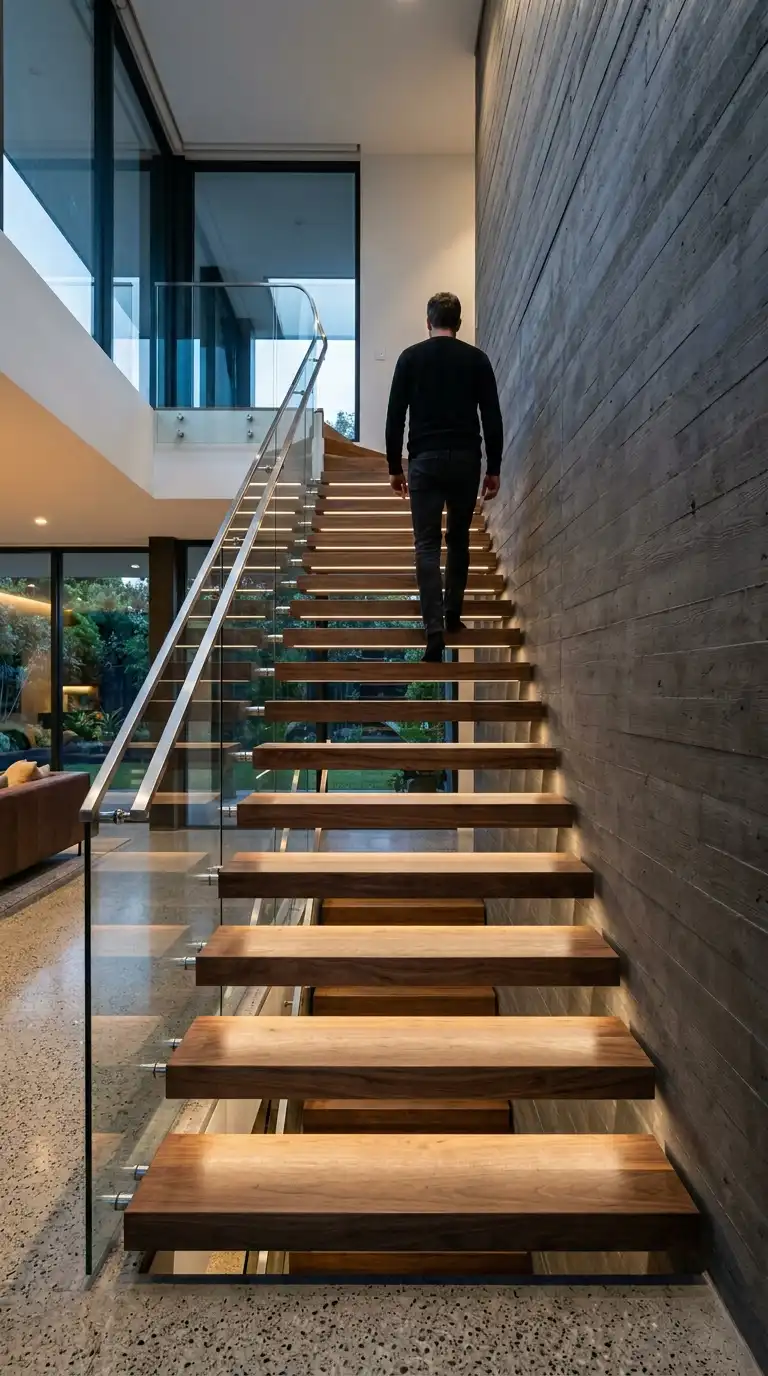
14. The Floating Stair
The floating stair appears to have no visible support. Treads are cantilevered from a wall or suspended from above. The stair is light, open, and sculptural.
This idea is ideal for modern houses, lofts, and entryways. The emotional effect is weightless, sculptural, and dramatic.
Quick Tips
- Each tread must be structurally anchored into a wall.
- Use a glass or metal railing to maintain the floating effect.
- Light the treads from below to emphasise the floating.
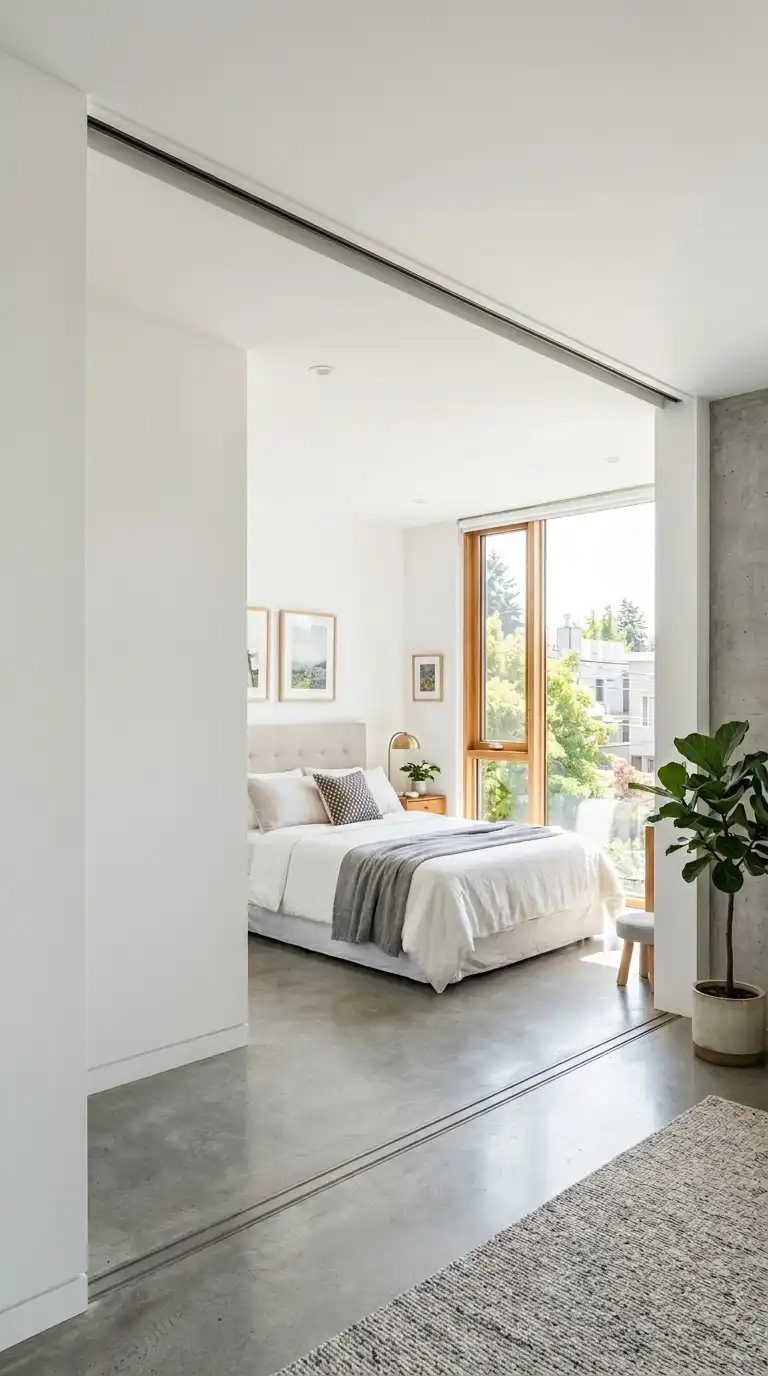
15. The Sliding Wall
The sliding wall is a movable partition that allows spaces to be opened or closed as needed. The wall slides on a track, disappearing into a pocket or against another wall. The space is flexible.
This idea is ideal for apartments, studios, and flexible offices. The emotional effect is flexible, adaptable, and space-saving.
Quick Tips
- The track must be recessed into the ceiling for a clean look.
- Use acoustic seals for sound privacy when closed.
- The pocket must be deep enough to hold the entire wall.
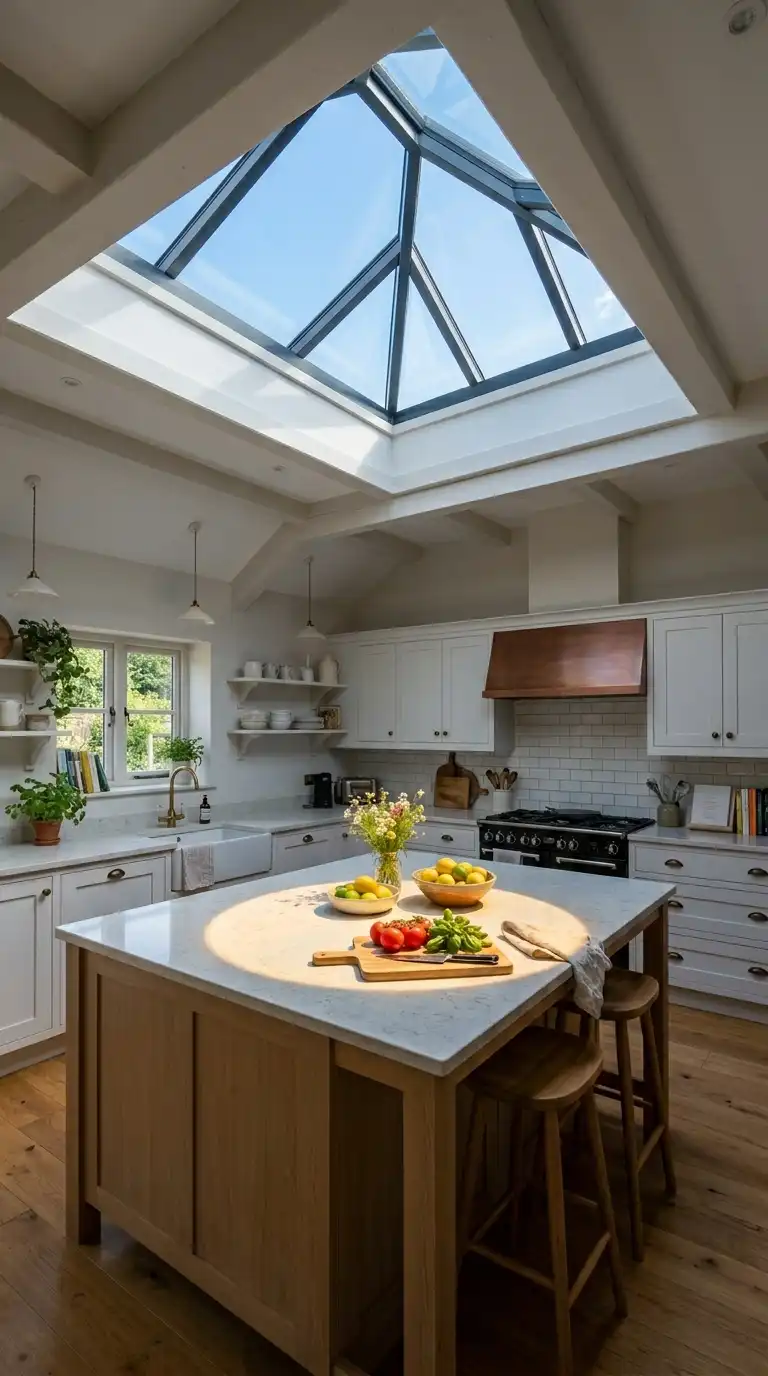
16. The Skylit Interior
The skylit interior brings light from above. A skylight or roof window admits direct or diffused light from the sky. The light changes with the time of day and weather.
This idea is ideal for bathrooms, kitchens, and stairwells. The emotional effect is luminous, vertical, and celestial.
Quick Tips
- North-facing skylights provide even, shadowless light.
- Use diffusing glass or a light well to soften direct sun.
- Include operable skylights for ventilation.
17. The Alcove
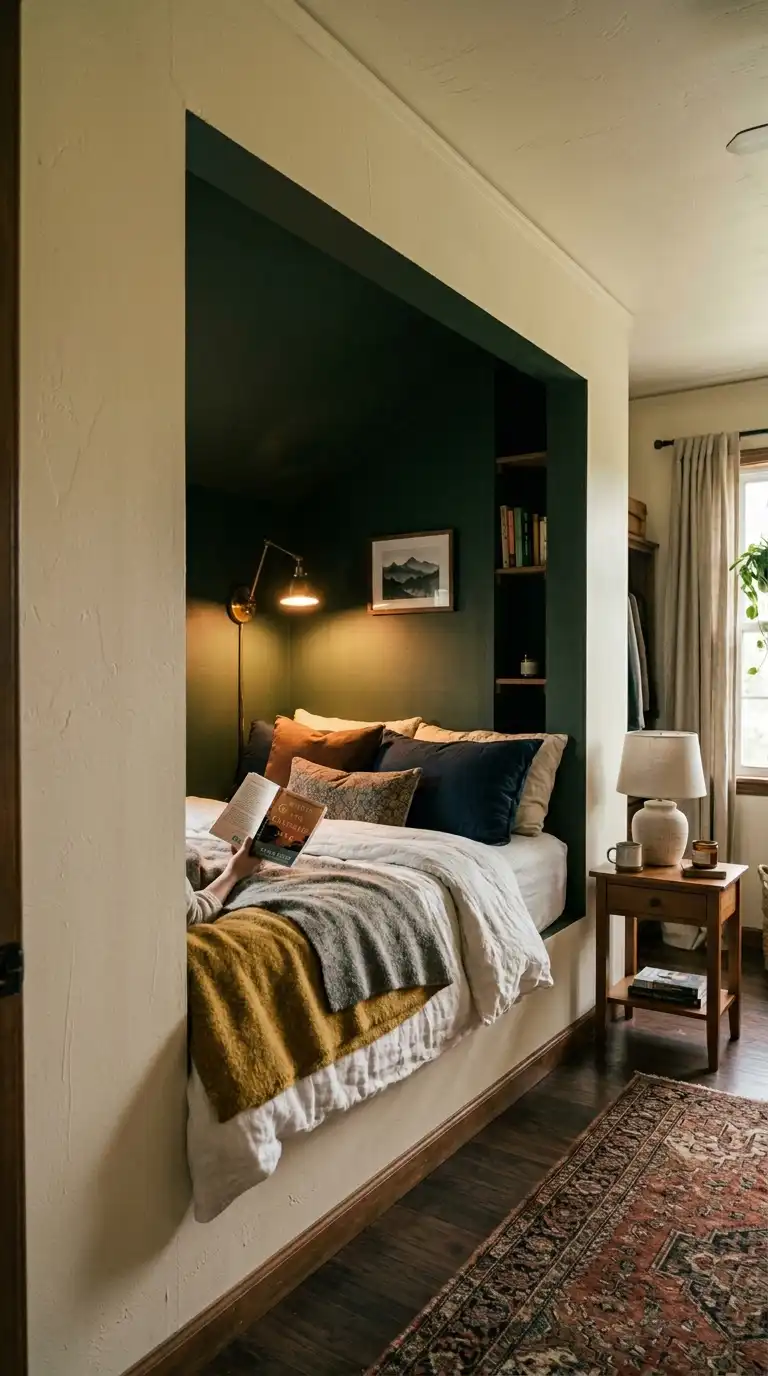
The alcove is a recessed niche in a wall. The alcove creates a small, intimate space within a larger room. It can hold a bed, a desk, a reading chair, or a sculpture.
This idea is ideal for bedrooms, hallways, and living rooms. The emotional effect is intimate, protected, and carved.
Quick Tips
- The alcove should be at least 1.2 metres deep to feel like a space.
- Light the alcove separately from the main room.
- Use a different wall colour or material to distinguish the alcove.
18. The Continuous Material Wrapped Interior
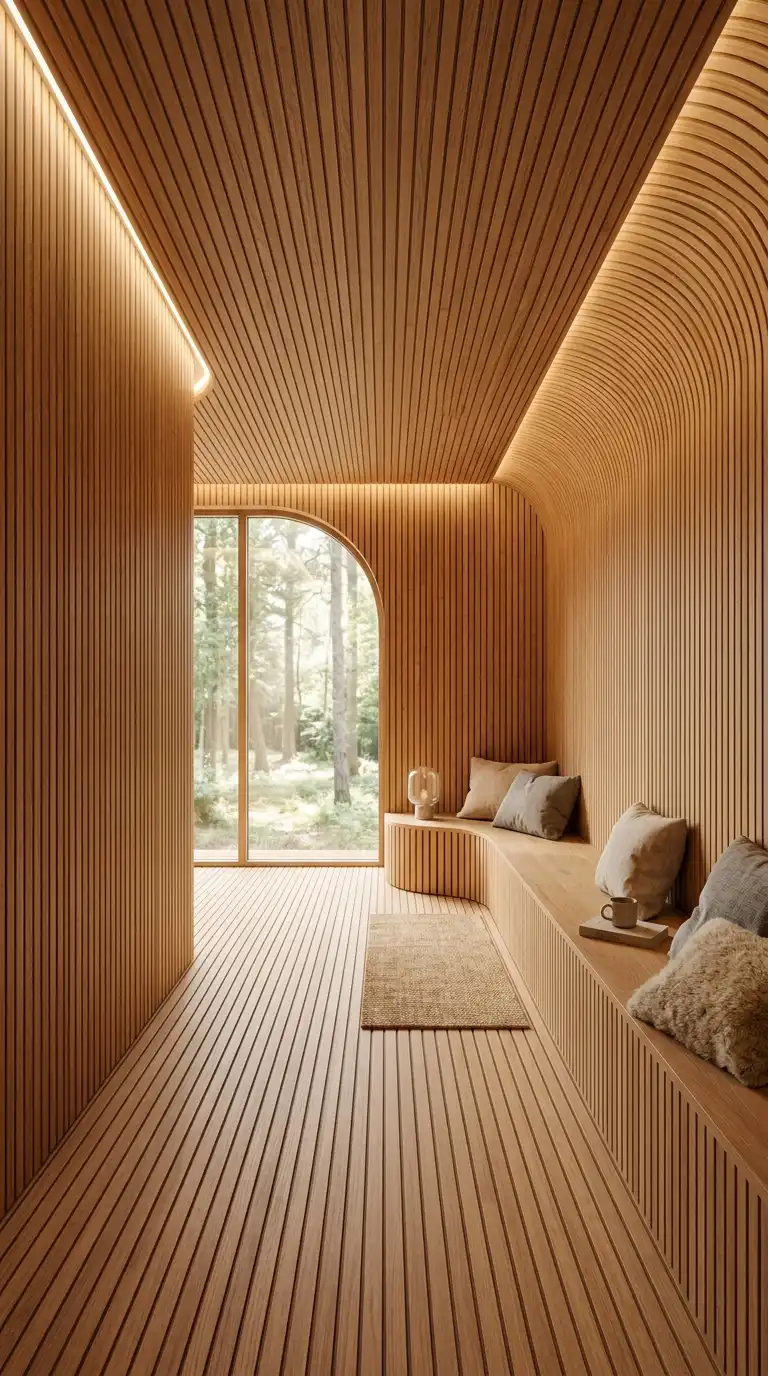
The continuous material wrapped interior uses a single material on walls, ceiling, and floor. The material wraps from one surface to the next, eliminating corners. The room is a seamless volume.
This idea is ideal for bathrooms, saunas, and meditation rooms. The emotional effect is seamless, continuous, and monolithic.
Quick Tips
- Use the same material on all six surfaces.
- Round corners where walls meet ceiling for a continuous wrap.
- Choose a material that can be used on floors and ceilings.
Final Thoughts
Interior architecture is not decoration. It is the shaping of space itself. A double-height space changes how you feel. A clerestory window changes how light falls. An exposed structure changes what you see. These are not finishes — they are moves.
These 18 interior ideas are not mutually exclusive. A double-height space can have a mezzanine. A clerestory can light a monochromatic room. A floating stair can be in a glass-walled atrium. The best interior architecture is not the most decorated — it is the most considered. It shapes space before a single piece of furniture is placed.