Chinese architecture is one of the world’s oldest continuous traditions. For over 3,000 years, Chinese builders developed a distinctive language of timber construction, curved roofs, courtyard organisation, and symbolic colour. Unlike Western architecture, which emphasised vertical stone monuments, Chinese architecture emphasised horizontal wooden halls, courtyards, and integration with nature.
These 15 Chinese architecture designs span imperial palaces, religious temples, vernacular houses, and contemporary works. Each design includes defining characteristics, key examples, and architectural principles.
1. The Siheyuan Courtyard House
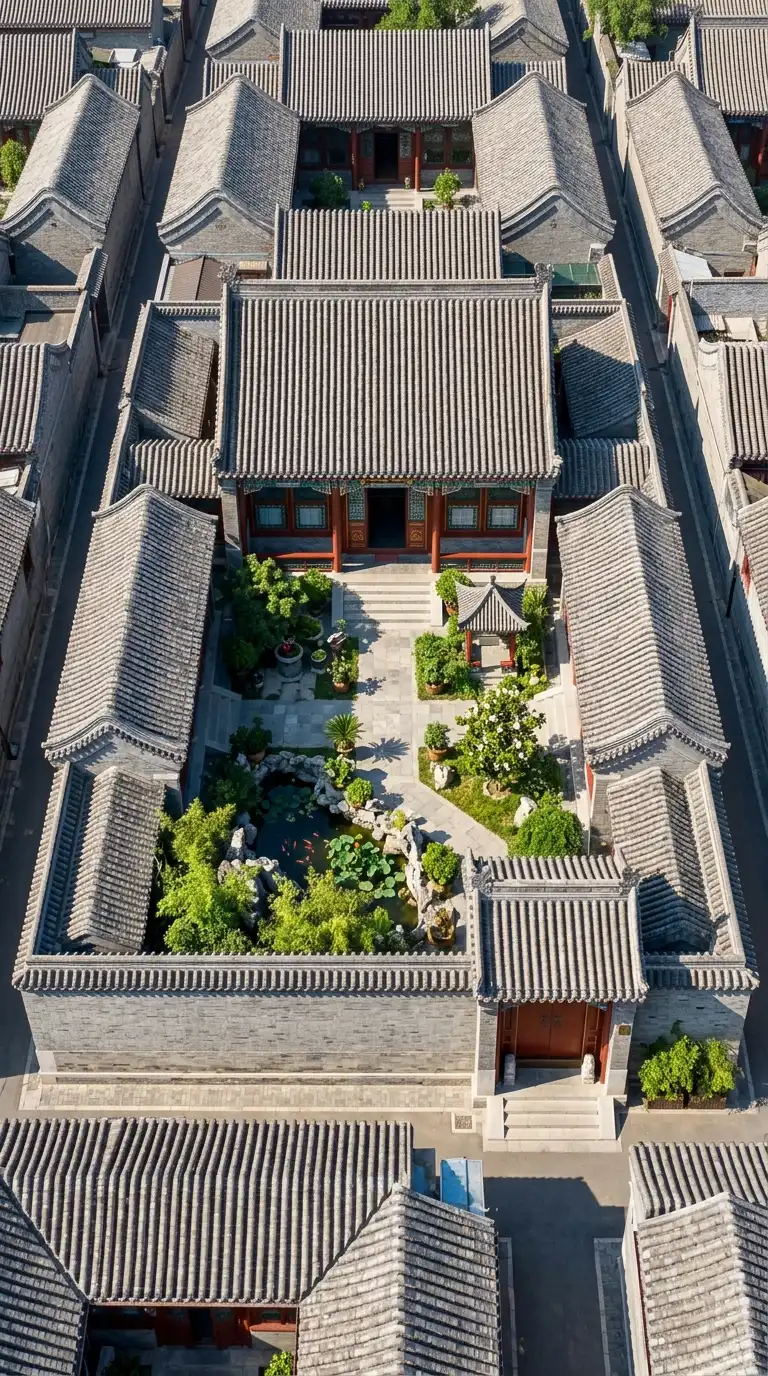
The siheyuan is the traditional Chinese courtyard house. A square or rectangular wall encloses the compound. Buildings are on all four sides: the main hall facing south, the opposite hall facing north, and side halls on the east and west. The courtyard is the heart of the house.
This design is ideal for families and urban sites. The emotional effect is inward-focused, hierarchical, and communal.
Quick Tips
- The main hall must face south for solar gain.
- The courtyard should be at least 10×10 metres.
- The entrance is in the southeast corner for feng shui.
2. The Dou Gong Bracket Set
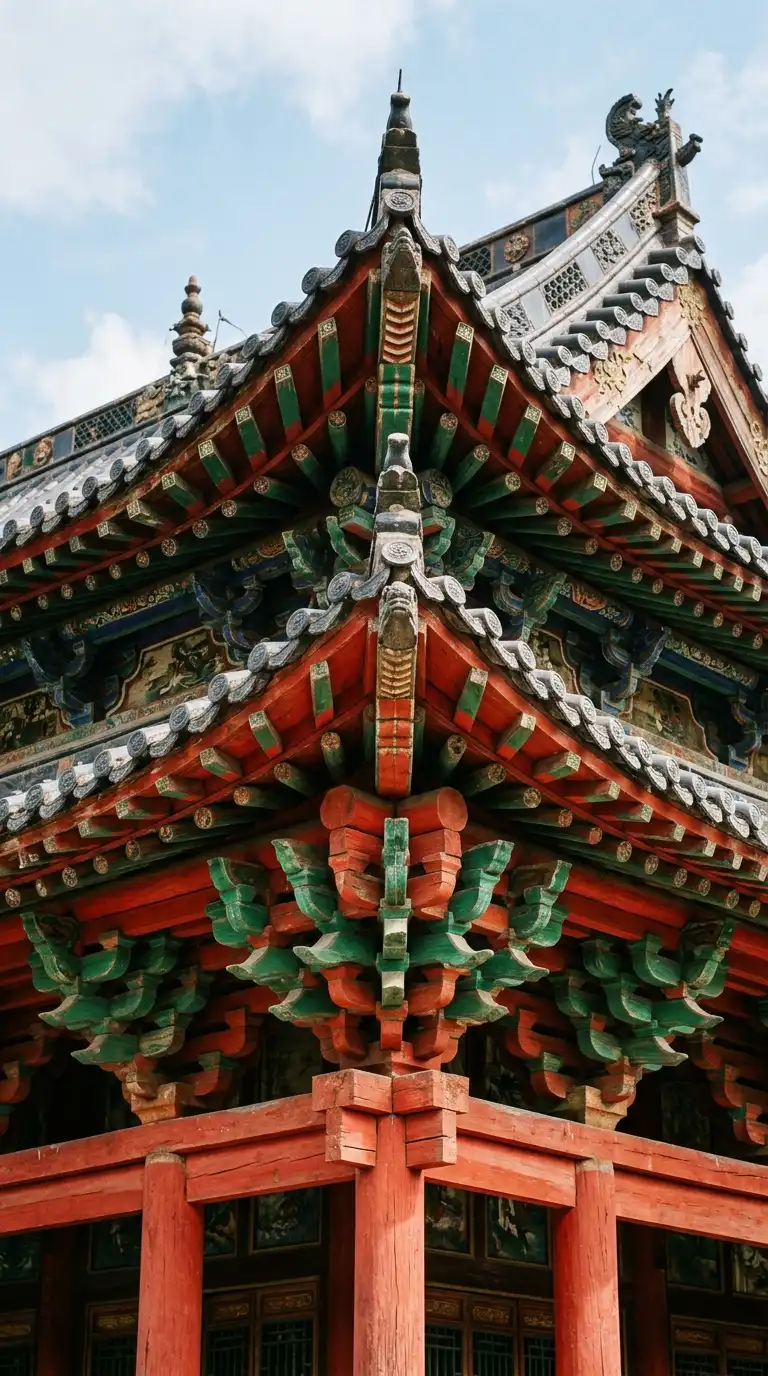
The dou gong is a wooden bracket set that transfers weight from the roof to the columns. It is the most distinctive element of Chinese architecture. The dou gong is composed of interlocking brackets (gong) and blocks (dou). The dou gong is both structural and decorative.
This design is used in temples, palaces, and important buildings. The emotional effect is structural, intricate, and distinctly Chinese.
Quick Tips
- The dou gong must be visible below the roof eaves.
- Brackets should interlock, not be glued or nailed.
- The number of bracket sets indicates the building’s importance.
3. The Curved Roof
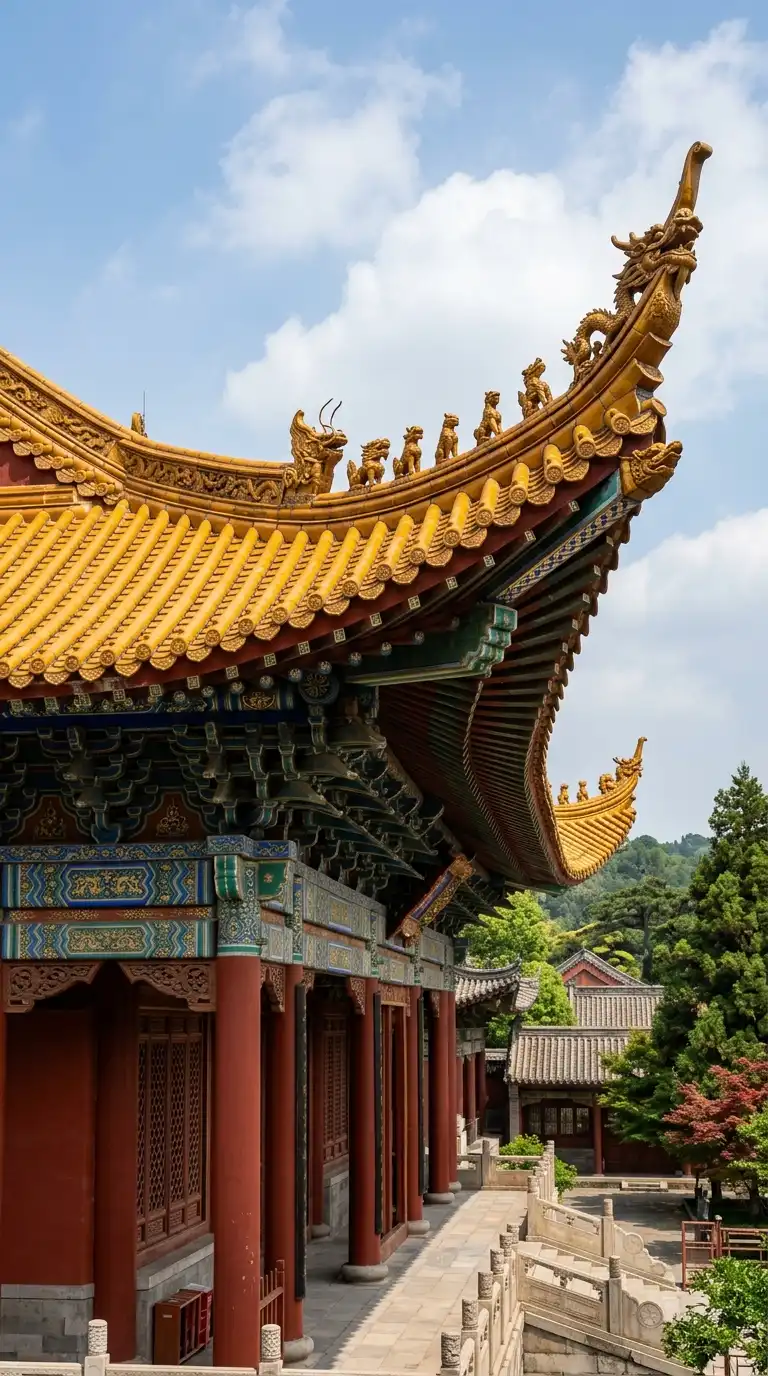
The curved roof is the most recognisable element of Chinese architecture. The roof has a sweeping curve, with the corners upturned. The curve is not arbitrary — it follows a mathematical curve. The roof is covered with glazed ceramic tiles. The ridge is decorated with mythical creatures.
This design is used on all important Chinese buildings. The emotional effect is sweeping, protective, and majestic.
Quick Tips
- The roof must curve upward at the corners.
- The eaves should extend far beyond the walls.
- Glazed tiles should be yellow for imperial buildings, green for others.
4. The Forbidden City Palace
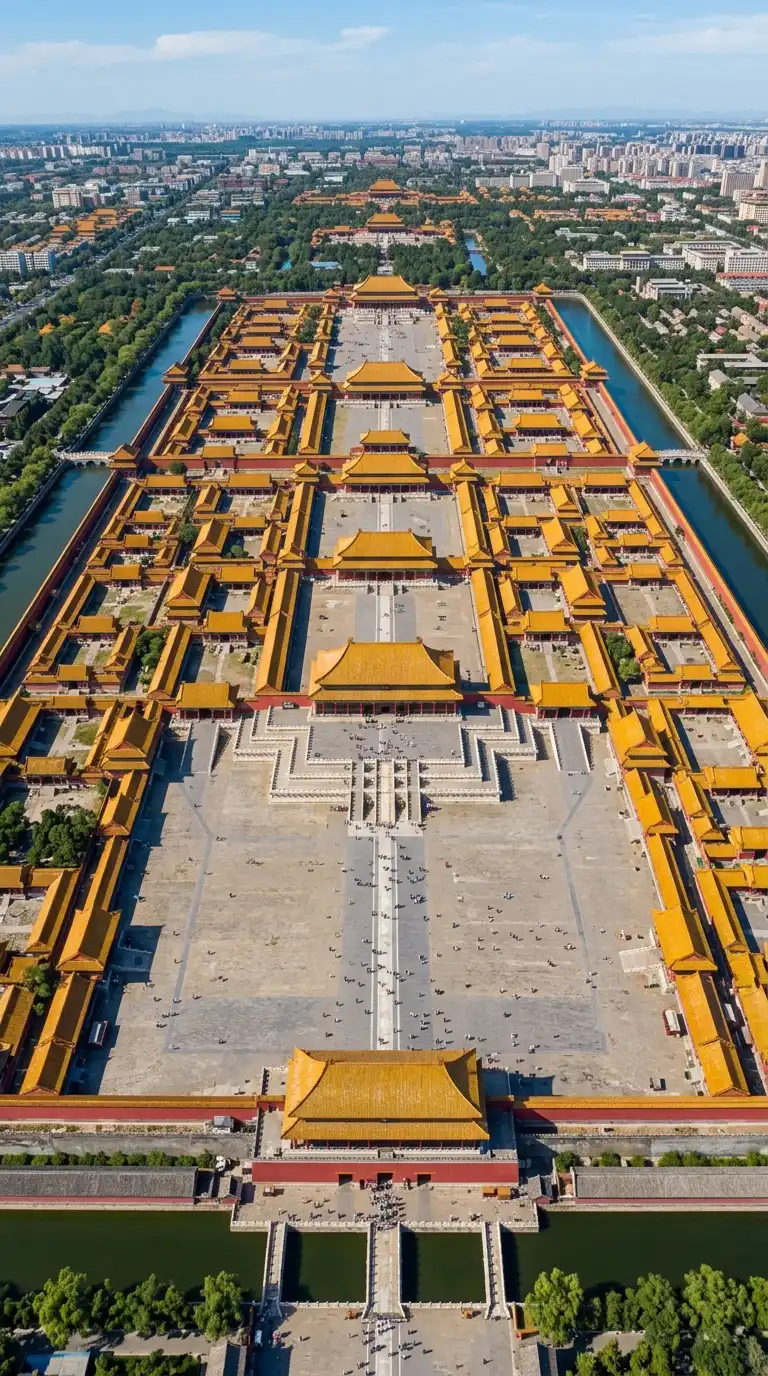
The Forbidden City in Beijing is the largest and most important Chinese palace complex. The complex is organised along a north-south axis. The most important buildings are at the centre. The buildings have yellow glazed roofs, red columns, and white stone bases. The complex is a city within a city.
This design is ideal for imperial and government buildings. The emotional effect is axial, hierarchical, and imperial.
Quick Tips
- The plan must be organised along a north-south axis.
- The most important buildings must be at the centre.
- Yellow roofs, red columns, and white stone bases are required.
5. The Pagoda
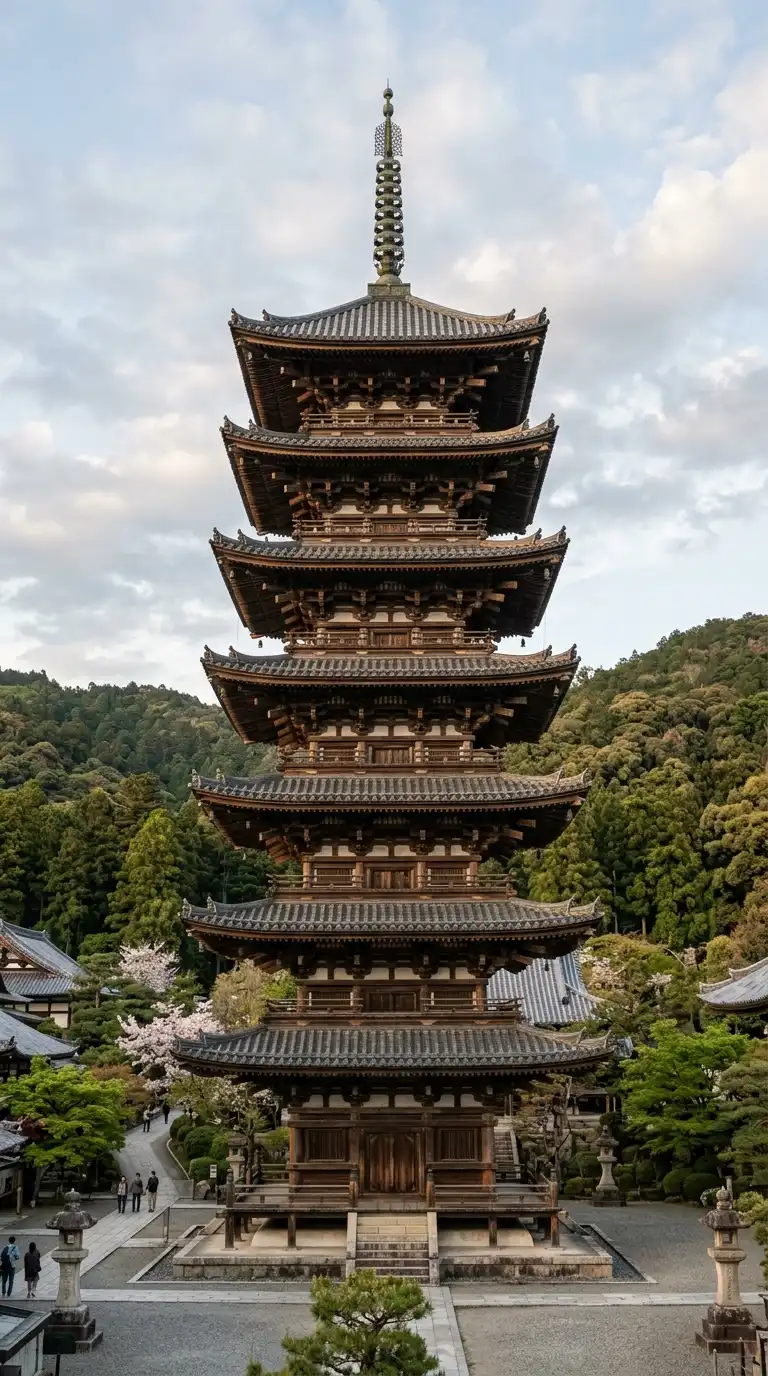
The pagoda is a multi-storey tower, derived from the Indian stupa. The pagoda is built of timber, brick, or stone. Each storey has a curved roof and eaves. The number of storeys is odd — 3, 5, 7, 9, or 13. The pagoda is used for religious purposes.
This design is ideal for temples and gardens. The emotional effect is vertical, rhythmic, and sacred.
Quick Tips
- The number of storeys must be odd.
- Each storey must have a curved roof and eaves.
- The pagoda should be taller than it is wide.
6. The Moon Gate
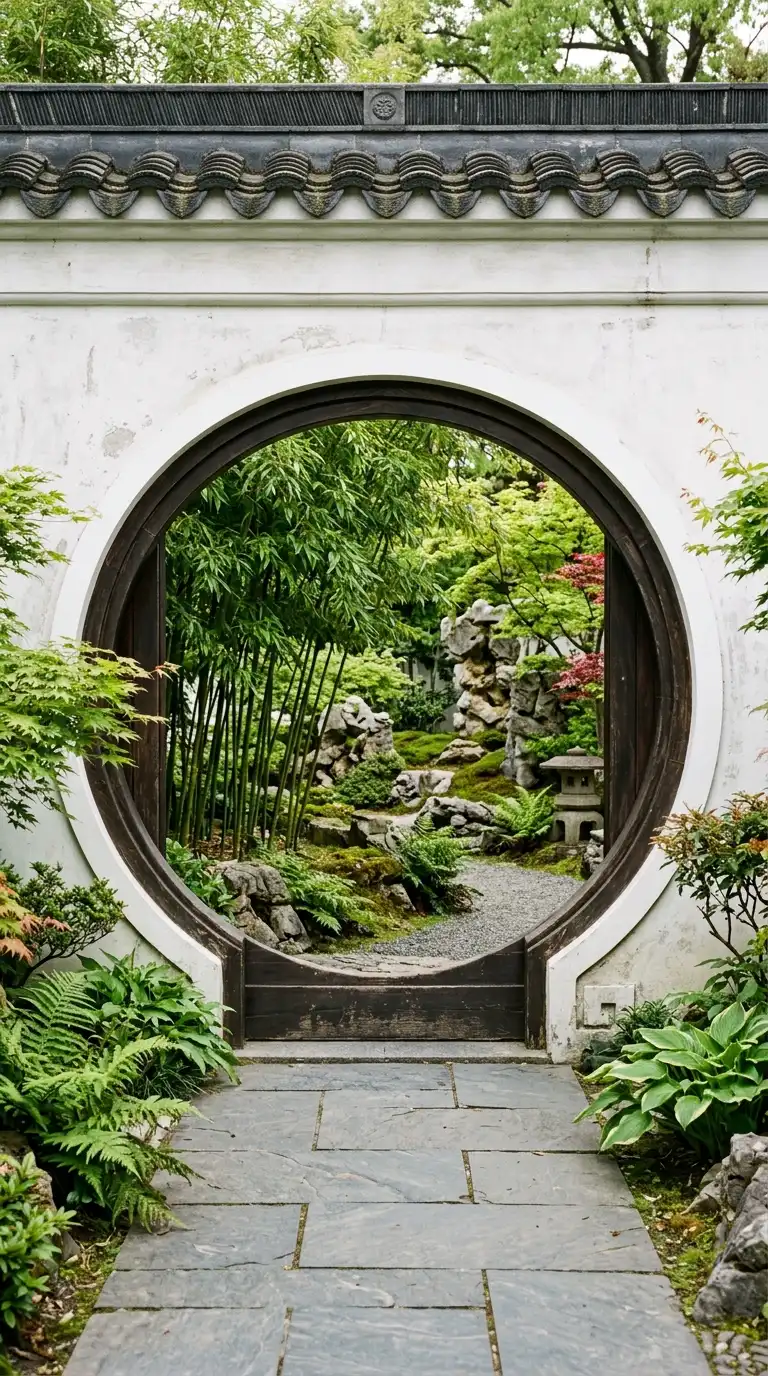
The moon gate is a circular opening in a garden wall. The gate is perfectly round, symbolising the moon. The gate frames a view of the garden beyond. The moon gate is both an entrance and a picture frame.
This design is ideal for gardens and residential compounds. The emotional effect is circular, framed, and poetic.
Quick Tips
- The opening must be a perfect circle.
- The gate should frame a view of a garden or courtyard.
- The wall should be white plastered.
7. The Scholar’s Garden
The scholar’s garden is a small, private garden for contemplation. The garden is a miniature landscape, with rocks representing mountains, water representing rivers, and pavilions representing buildings. The garden is designed to be viewed from a path that reveals new views at every turn.
This design is ideal for private residences and retreats. The emotional effect is miniature, layered, and contemplative.
Quick Tips
- The garden should have rocks, water, plants, and pavilions.
- The path should wind, revealing new views at each turn.
- The garden should be walled for privacy.
8. The Tulou
The tulou is a large, circular or rectangular fortified earth building in Fujian province. The tulou houses an entire clan, up to 800 people. The exterior is a thick earth wall with no windows on the ground floor. The interior is a courtyard with multiple storeys of rooms.
This design is ideal for communal living and defence. The emotional effect is fortified, communal, and circular.
Quick Tips
- The exterior must be thick earth (rammed earth).
- The ground floor must have no windows for defence.
- The interior must have a courtyard and multiple storeys.
9. The Chinese Garden Pavilion
The Chinese garden pavilion is a small, open building set within a garden. The pavilion has a curved roof, upturned corners, and red columns. The pavilion is open on all sides, with benches for seating. The pavilion is a place for rest, poetry, and viewing the garden.
This design is ideal for gardens and parks. The emotional effect is open, garden-framed, and poetic.
Quick Tips
- The roof must be curved with upturned corners.
- The pavilion must be open on all sides.
- Benches should be provided for seating.
10. The Imperial Roof Decoration
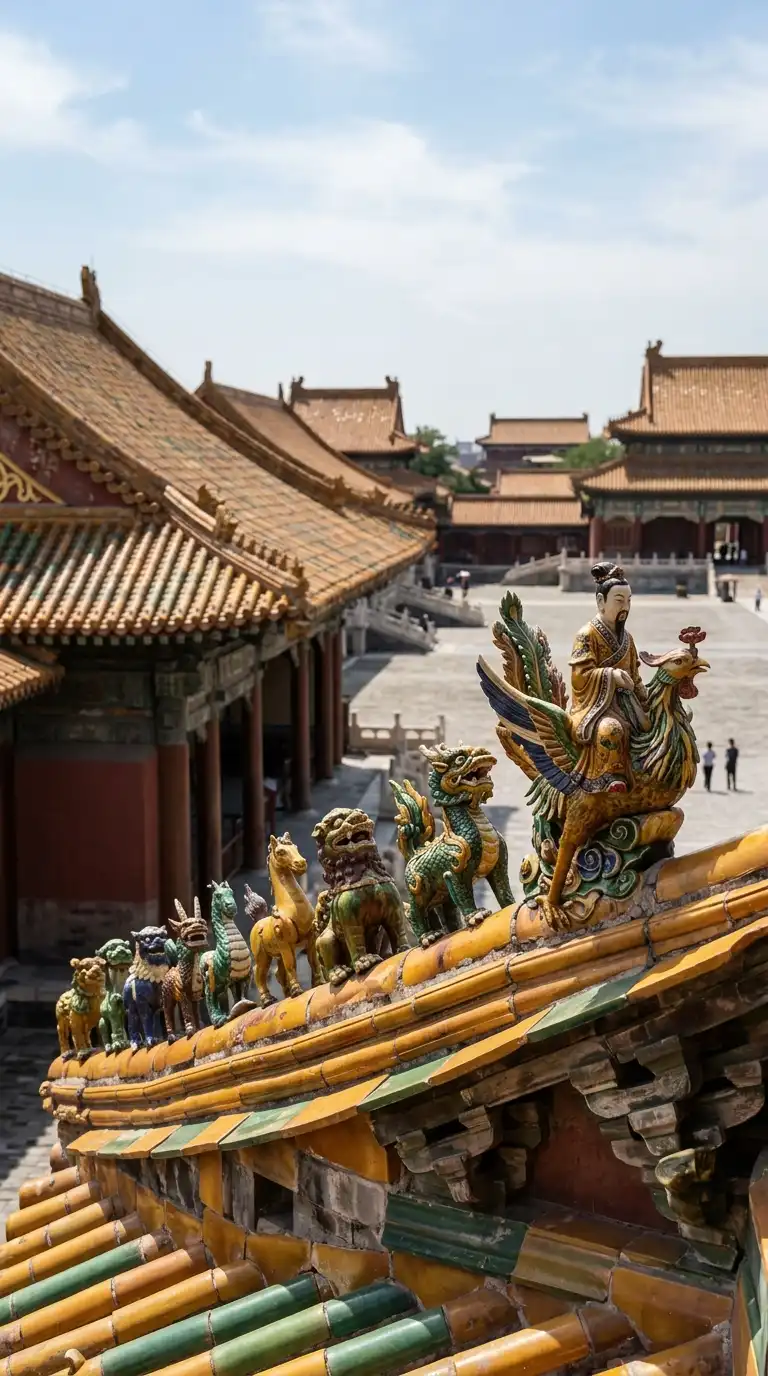
The imperial roof is decorated with mythical creatures on the ridge and eaves. The number of creatures indicates the building’s importance. The most important buildings have nine creatures. The creatures include dragons, phoenixes, lions, and horses. The largest creature at the front is an immortal riding a phoenix.
This design is used on imperial and religious buildings. The emotional effect is decorative, symbolic, and hierarchical.
Quick Tips
- The number of creatures indicates importance (max 9).
- The creatures should be glazed ceramic.
- The immortal riding a phoenix should be at the front.
11. The Chinese Timber Frame
The Chinese timber frame is a structural system of columns and beams, not load-bearing walls. The columns are placed on stone bases. The beams span between columns. The dou gong brackets transfer weight from the beams to the columns. The walls are infill, not structural.
This design is ideal for all traditional Chinese buildings. The emotional effect is structural, wooden, and rational.
Quick Tips
- Columns must be on stone bases to prevent rot.
- Beams must span between columns.
- Walls must be non-structural infill.
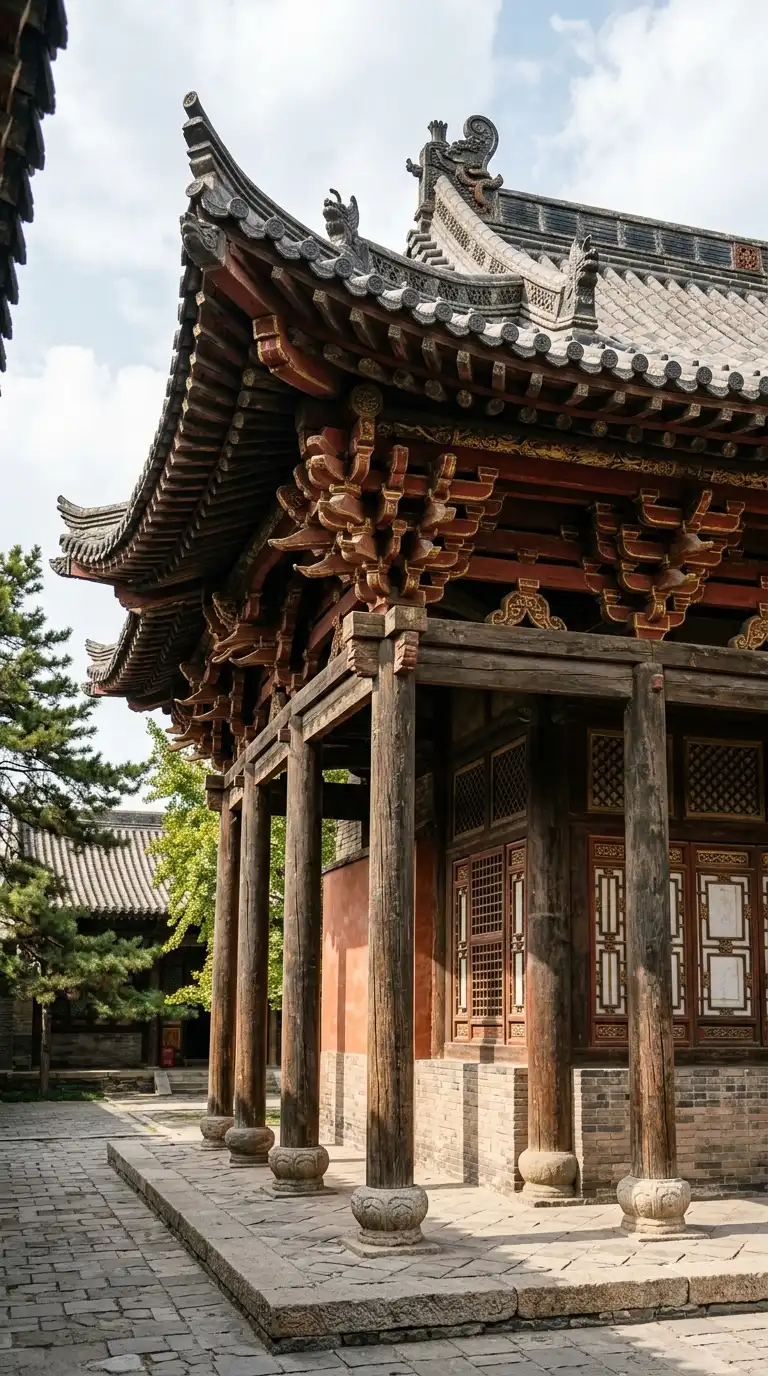
12. The Stone Lion
The stone lion is a guardian sculpture placed at the entrance of a building. A pair of lions guards the gate: the male lion on the right (from inside looking out) plays with a ball; the female lion on the left plays with a cub. The lions are carved from stone or marble.
This design is ideal for gates of temples, palaces, and government buildings. The emotional effect is guardian, sculptural, and symbolic.
Quick Tips
- A pair of lions must guard the entrance.
- The male lion must play with a ball.
- The female lion must play with a cub.
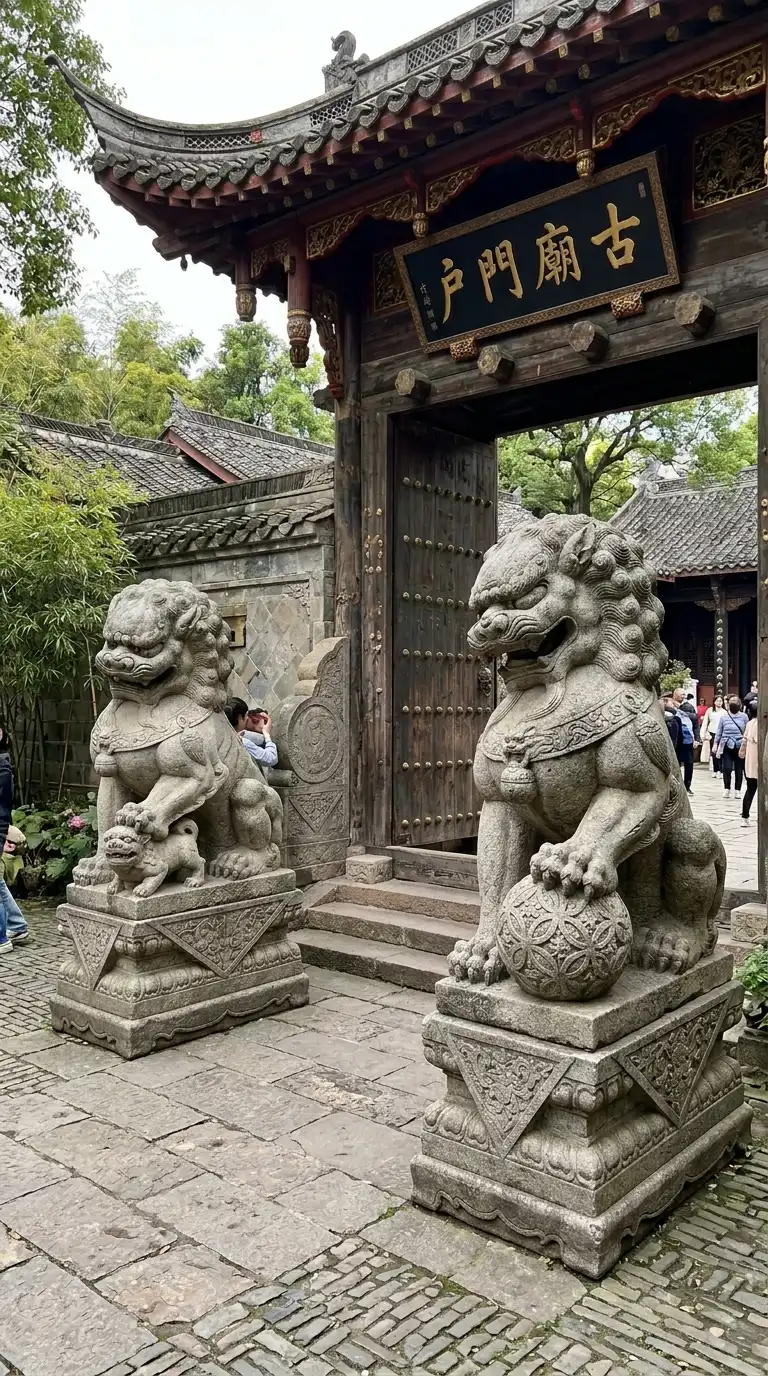
13. The Hutong
The hutong is a narrow alley or lane in a traditional Chinese city, lined with siheyuan courtyard houses. The hutong is the fabric of the old city. The hutong is lined with grey brick walls and simple gates. The hutong is a pedestrian and bicycle space.
This design is ideal for urban residential areas. The emotional effect is dense, human-scaled, and urban.
Quick Tips
- The lane should be 3-6 metres wide.
- The walls should be grey brick.
- The gates should be simple wooden doors.
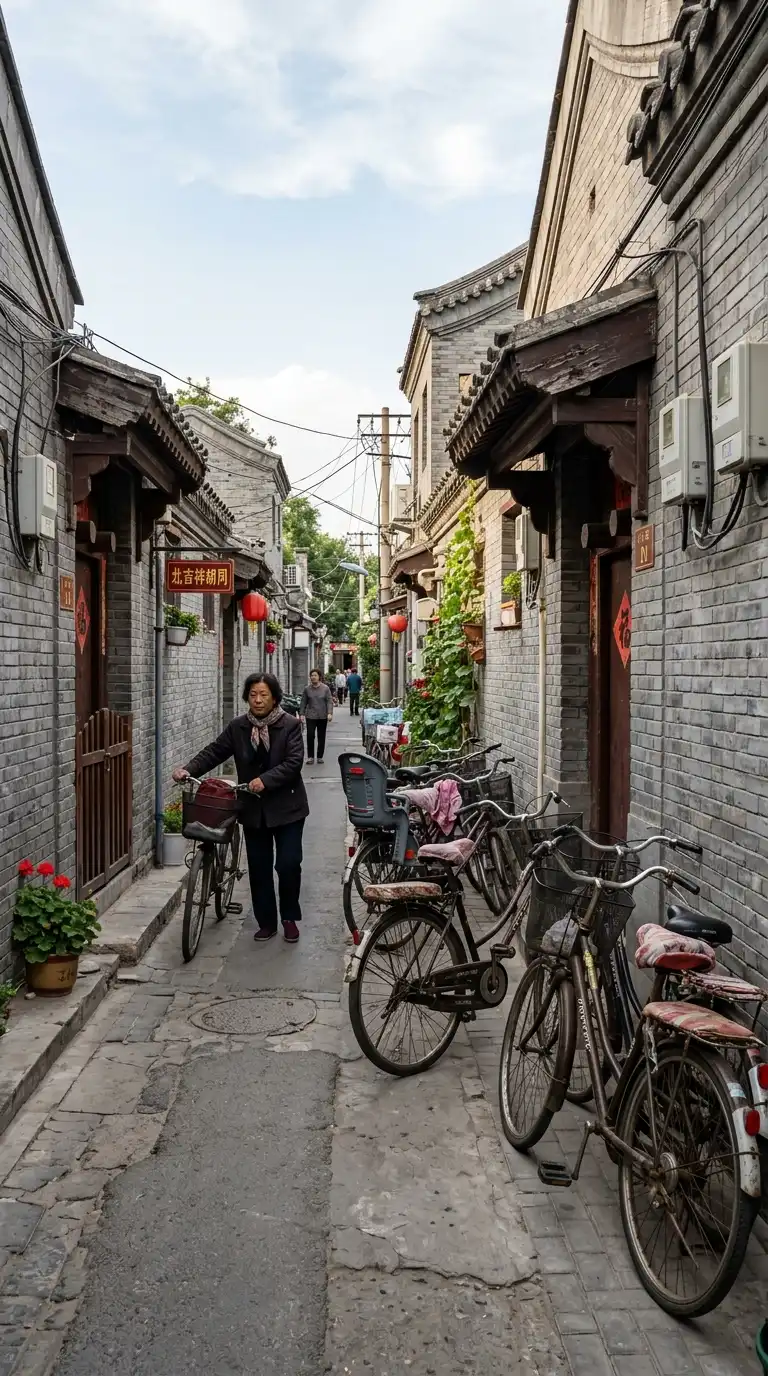
14. The Contemporary Chinese Museum
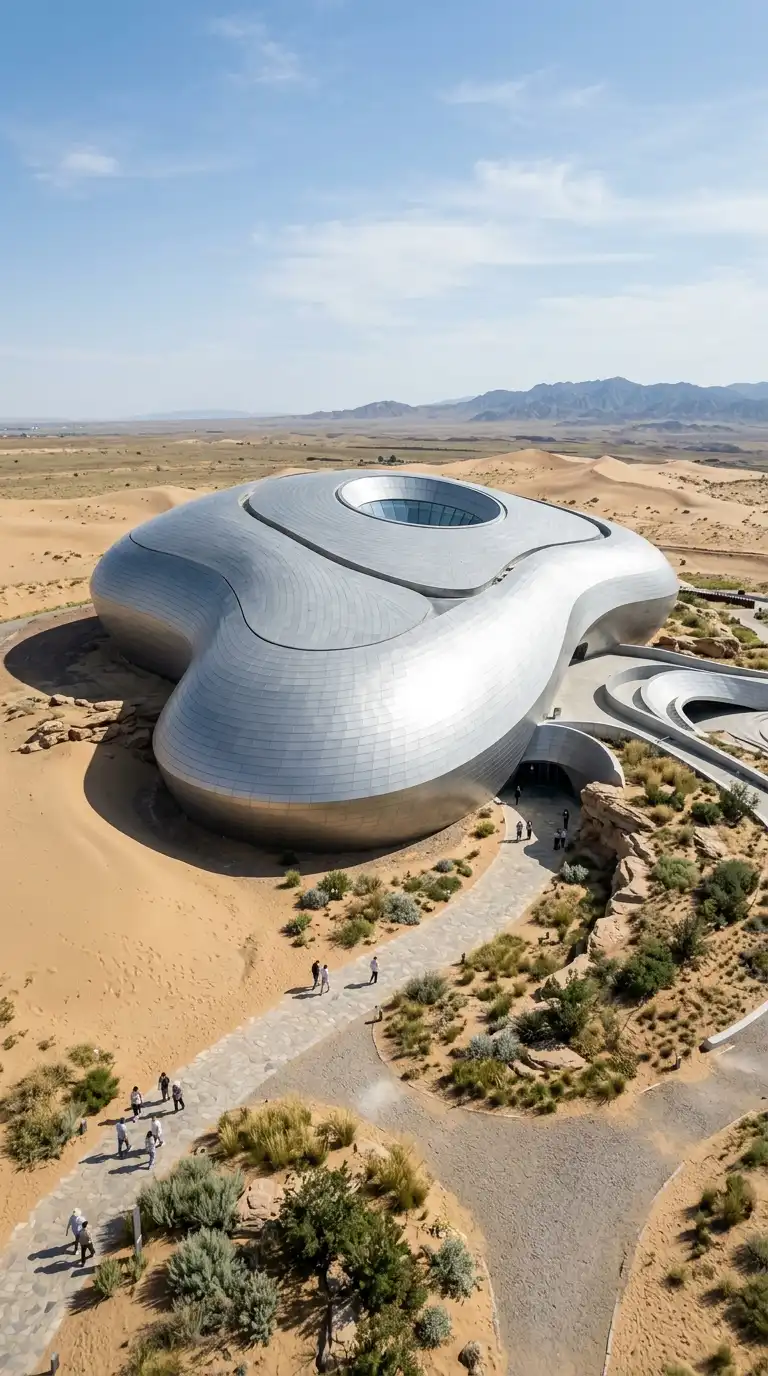
Contemporary Chinese museums combine traditional Chinese forms with modern materials and technology. The building may have a curved roof, red columns, or a courtyard plan, but built in concrete, steel, and glass. The result is a fusion of tradition and modernity.
This design is ideal for cultural institutions in Chinese cities. The emotional effect is traditional, modern, and fusion.
Quick Tips
- Use traditional Chinese forms (curved roof, courtyard, red columns).
- Use modern materials (concrete, steel, glass).
- The building should be clearly contemporary, not a copy.
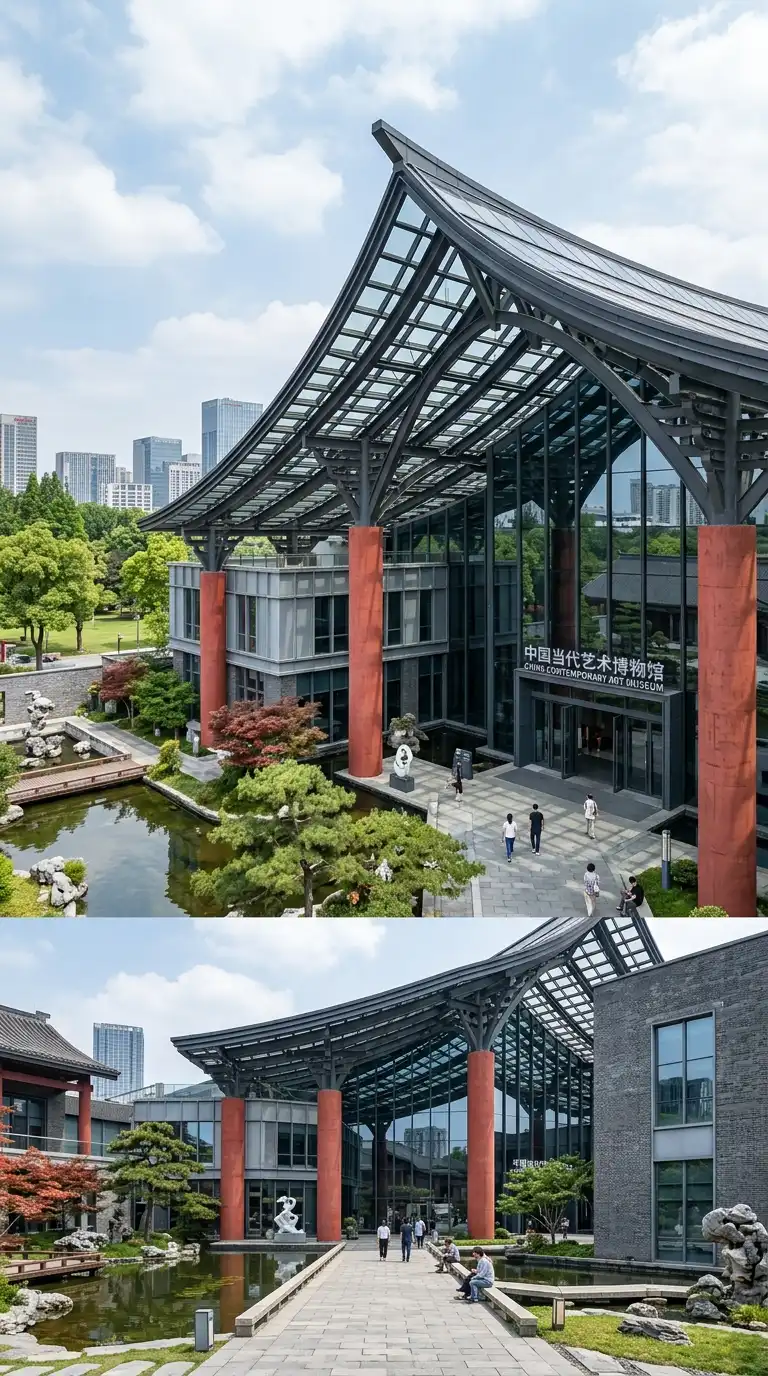
15. The Chinese Landscape Garden
The Chinese landscape garden is a large garden designed to imitate a natural landscape. The garden has mountains (rock piles), water (lakes and streams), forests (trees and bamboo), and buildings (pavilions, bridges, and halls). The garden is designed to be experienced from a winding path.
This design is ideal for large estates and public parks. The emotional effect is natural, winding, and immersive.
Quick Tips
- The garden must have rocks (mountains), water, plants, and buildings.
- The path must wind, revealing new views at each turn.
- The garden should be large enough to get lost in.
Final Thoughts
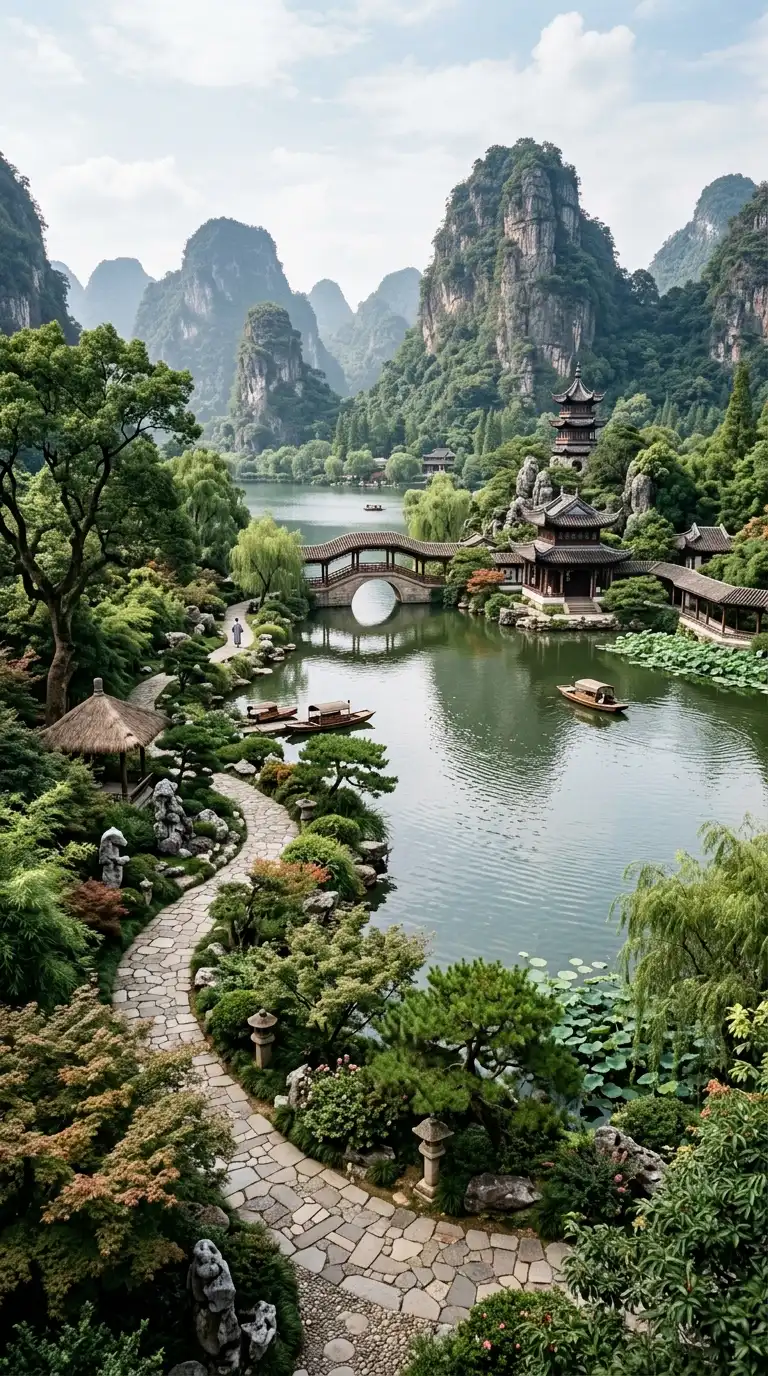
Chinese architecture is not a single style. It is a tradition of timber, courtyard, and roof. A siheyuan is a family compound. A pagoda is a sacred tower. A tulou is a communal fortress. A scholar’s garden is a miniature universe. But all Chinese architecture shares the same values: harmony with nature, respect for hierarchy, and the beauty of the curve.
These 15 Chinese designs are not mutually exclusive. A siheyuan can have a moon gate. A pagoda can have dou gong brackets. A contemporary museum can have a curved roof and a courtyard. The best Chinese architecture is not the most decorated — it is the most harmonious. It balances yin and yang, heaven and earth, tradition and innovation. It is the architecture of the middle way.