A school is not just a building — it is a learning environment. The architecture of a school can inspire curiosity, support concentration, encourage collaboration, and make children feel safe and valued. A well-designed school is flexible, daylit, well-ventilated, and scaled for children. It is a tool for teaching as much as any textbook.
These 14 school architecture designs span early childhood to secondary education, urban to rural sites, and traditional to progressive pedagogies. Each design includes defining characteristics, spatial principles, and educational considerations.
1. The Single-Loaded Corridor School
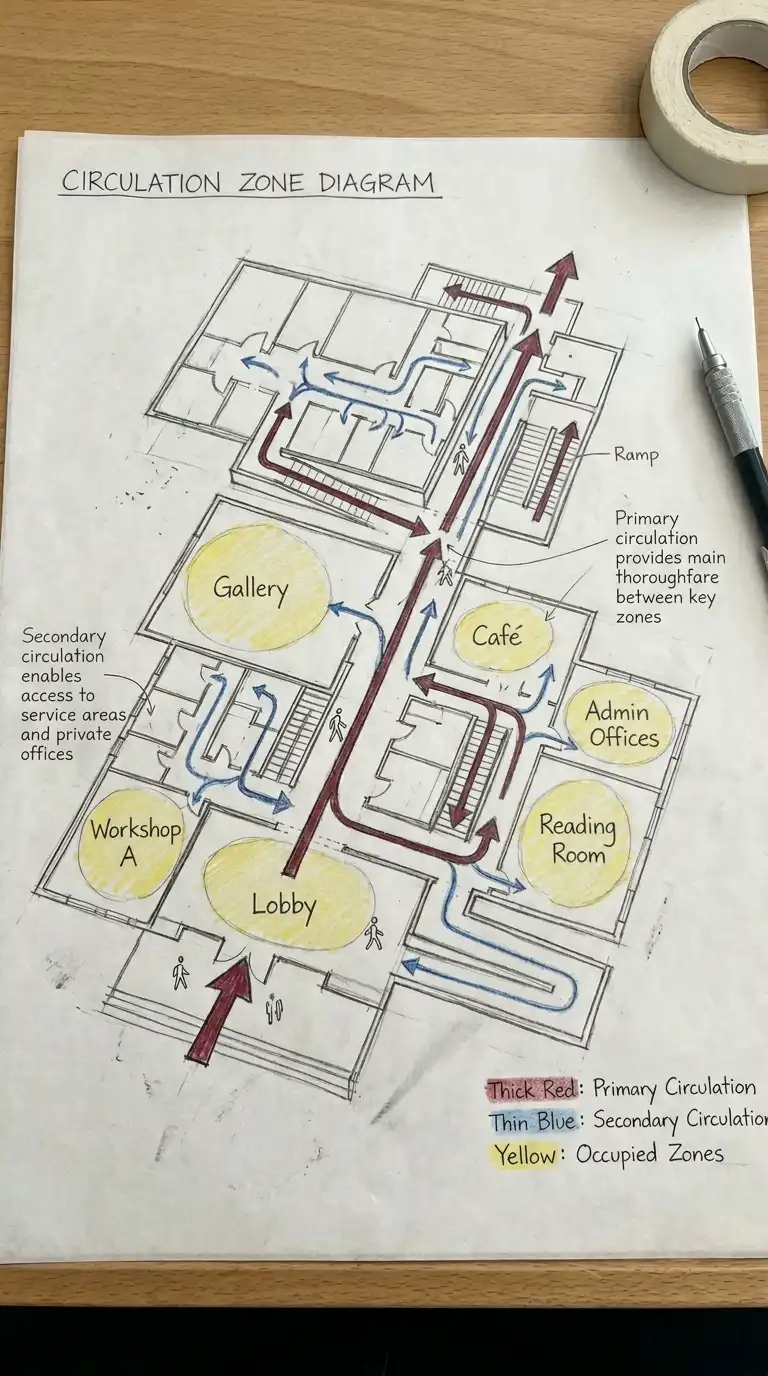
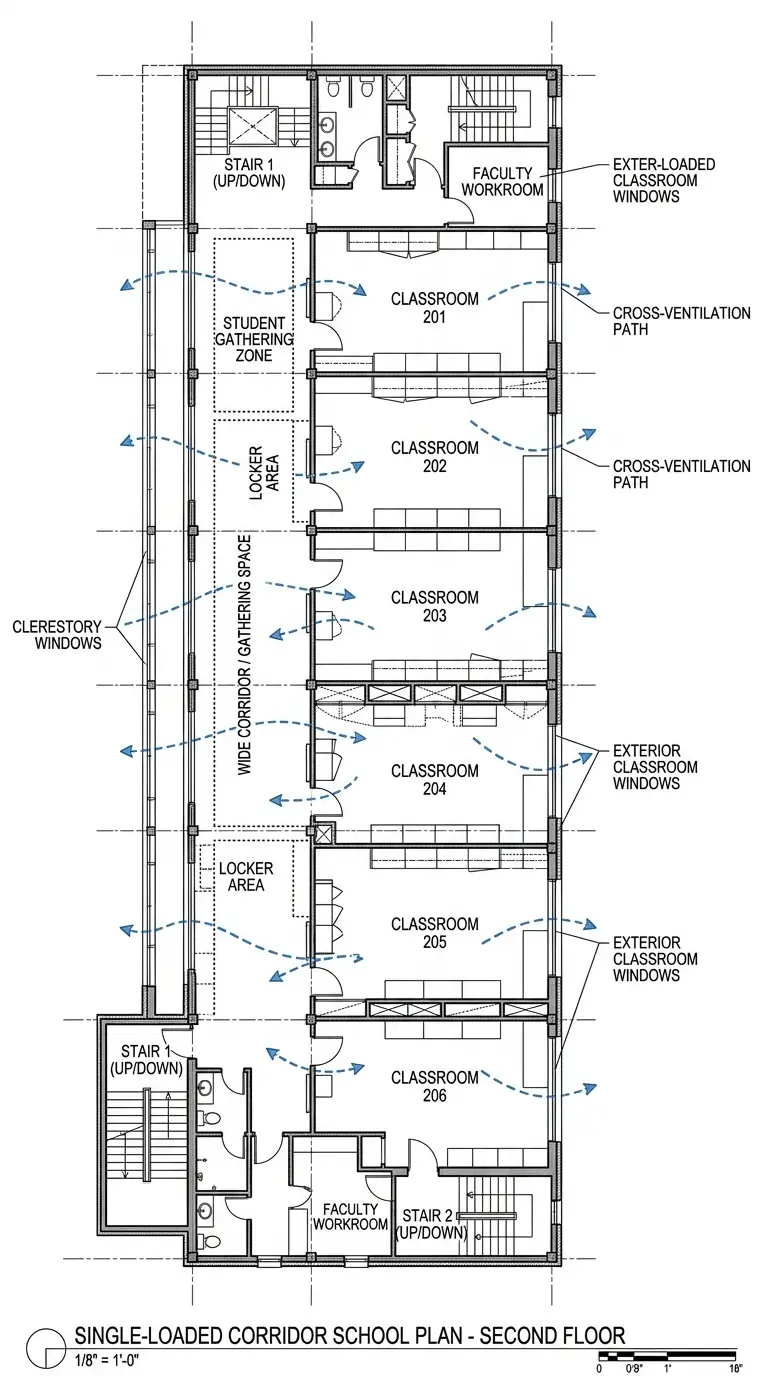
The single-loaded corridor school has a corridor on one side of the classrooms, with windows on the opposite exterior wall. Every classroom has windows. The corridor also has windows. Cross-ventilation is possible. This plan is less efficient than double-loaded but provides better light and air.
This design is ideal for warm climates and progressive schools. The emotional effect is open, well-lit, and well-ventilated.
Quick Tips
- The corridor should face south for passive solar gain (northern hemisphere).
- The corridor should be at least 2 metres wide for student gathering.
- Operable windows on both sides create cross-ventilation.
2. The Double-Loaded Corridor School
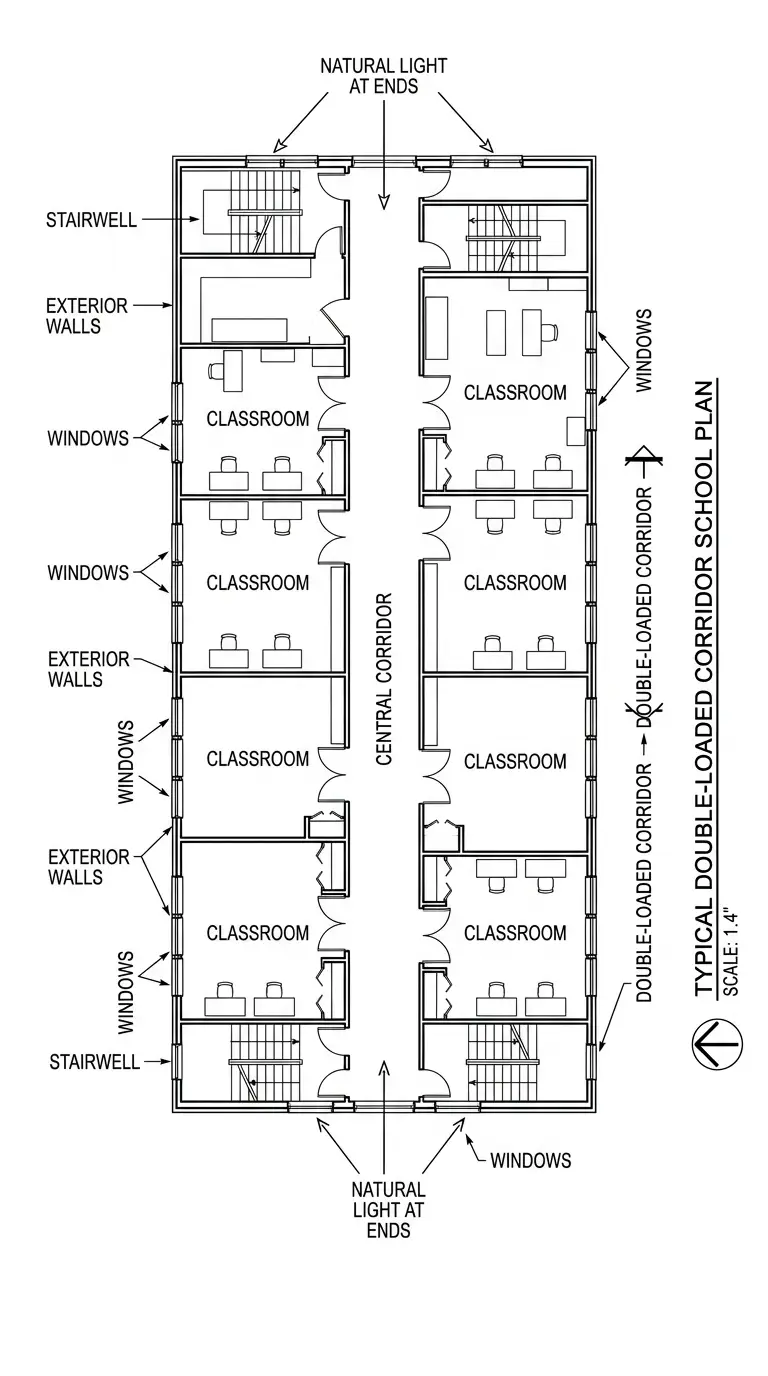
The double-loaded corridor school has a central corridor with classrooms on both sides. This is the most efficient school plan. It uses space well and keeps circulation compact. However, classrooms on the north side have less light, and the corridor has no windows.
This design is ideal for cold climates and budget-conscious projects. The emotional effect is rational, efficient, and familiar.
Quick Tips
- The corridor should be at least 2 metres wide.
- Place windows at the ends of the corridor for natural light.
- Use borrowed light (glass walls between corridor and classroom).
3. The Courtyard School
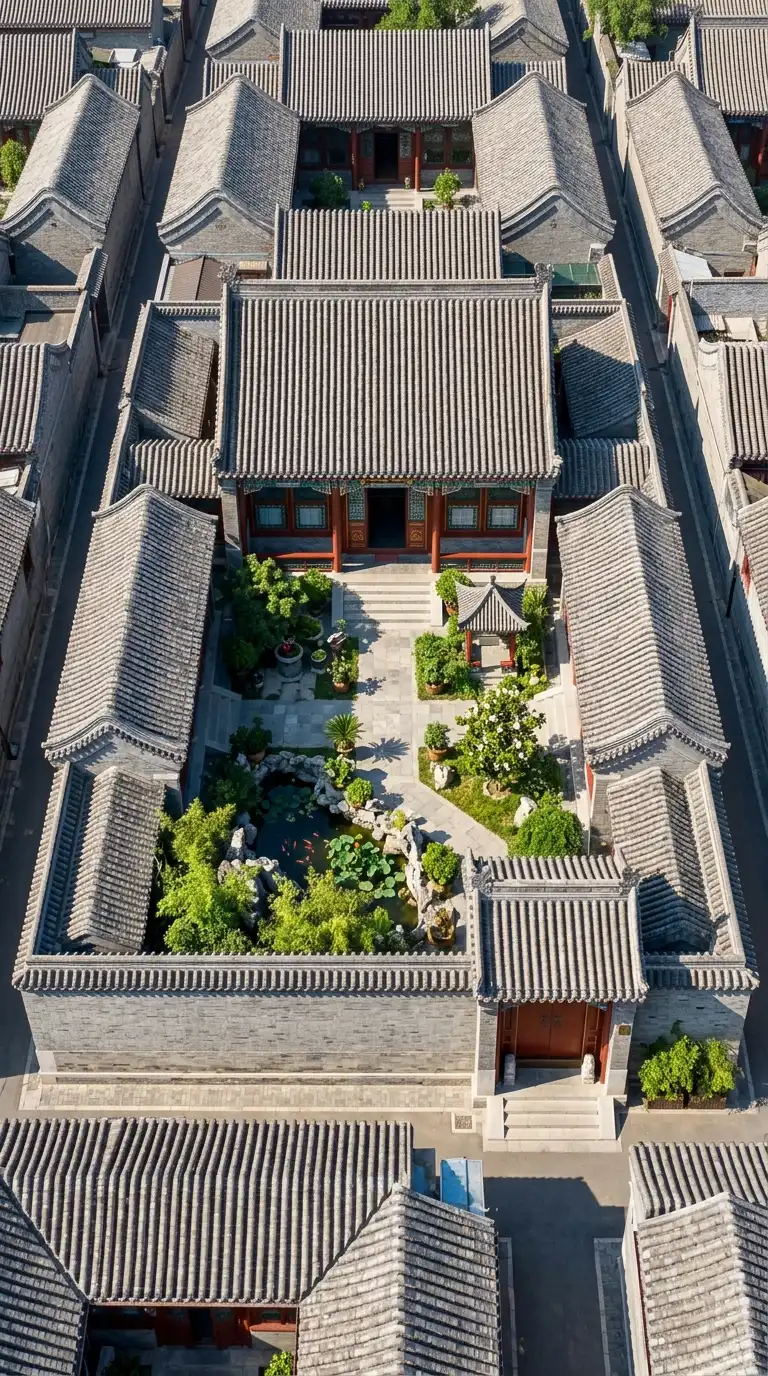
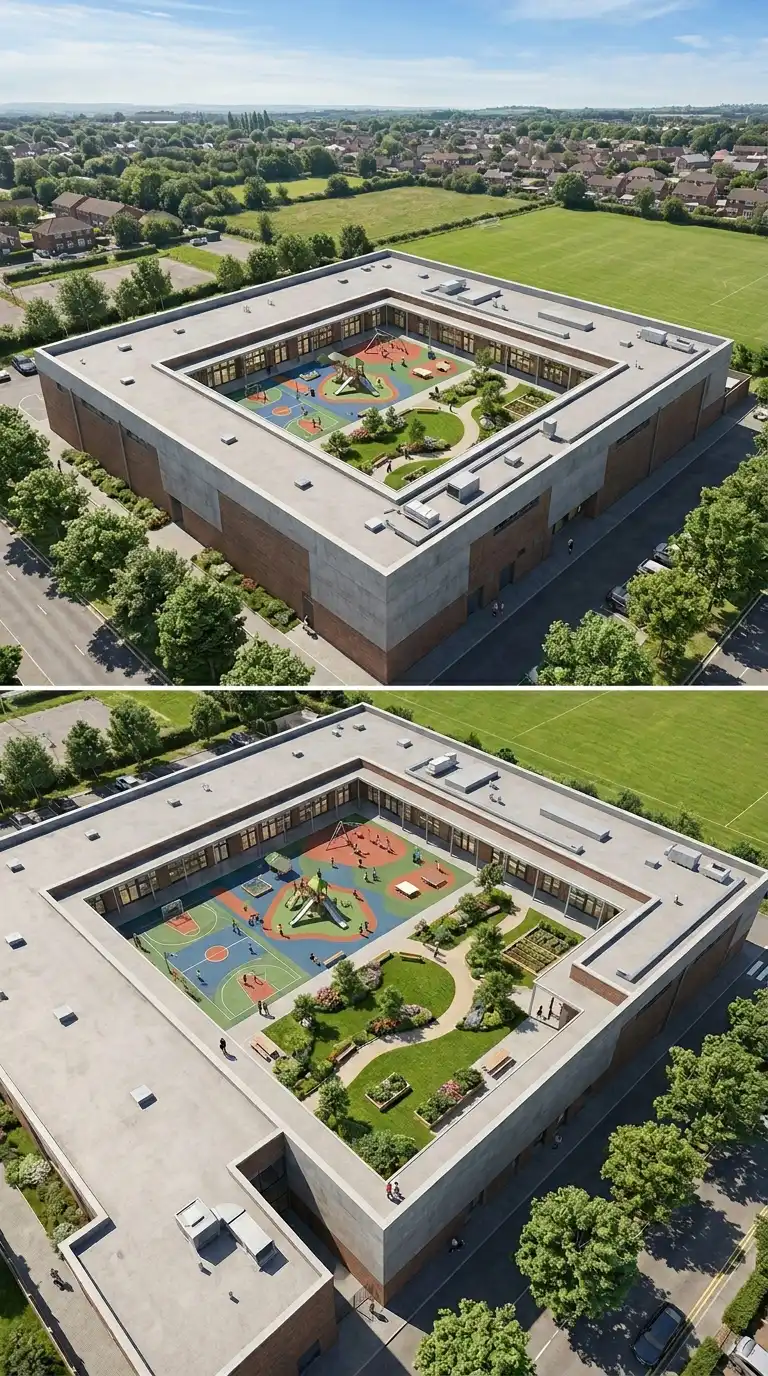
The courtyard school wraps classrooms around an open central courtyard. The courtyard is a safe, enclosed outdoor space for play, assembly, and teaching. All classrooms face the courtyard. The exterior walls are solid and secure.
This design is ideal for urban sites and security-conscious schools. The emotional effect is calm, secure, and inward-focused.
Quick Tips
- The courtyard should be at least 20×20 metres for play.
- All classrooms should have windows facing the courtyard.
- The exterior should have few or no windows for security.
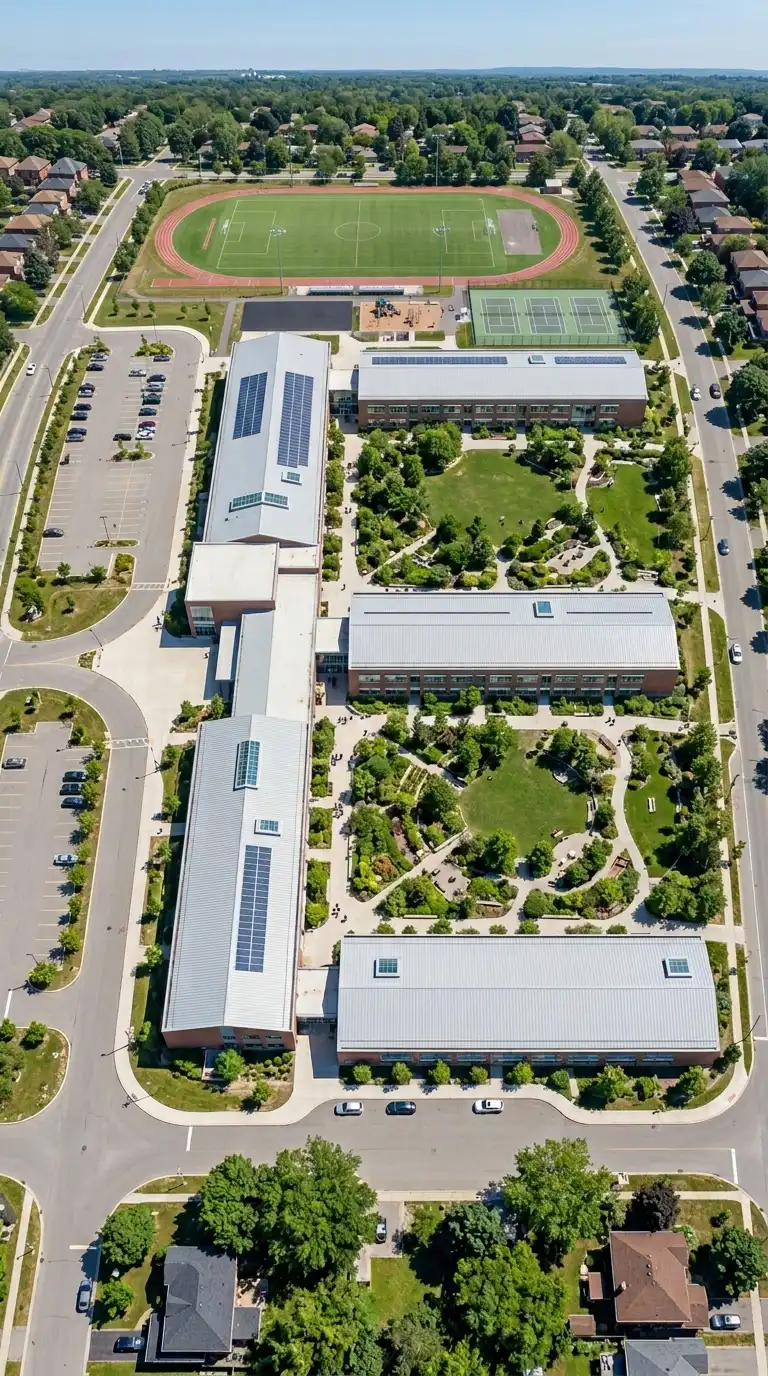
4. The Finger Plan School
The finger plan school extends fingers of classrooms into the landscape. Each finger is a linear cluster of classrooms. The fingers are separated by outdoor courtyards or gardens. The plan brings nature close to every classroom.
This design is ideal for rural and suburban sites. The emotional effect is green, open, and nature-connected.
Quick Tips
- Each finger should have 4-6 classrooms.
- Fingers should be separated by courtyards or gardens.
- The fingers should be oriented for solar gain and view.
5. The Pavilion School
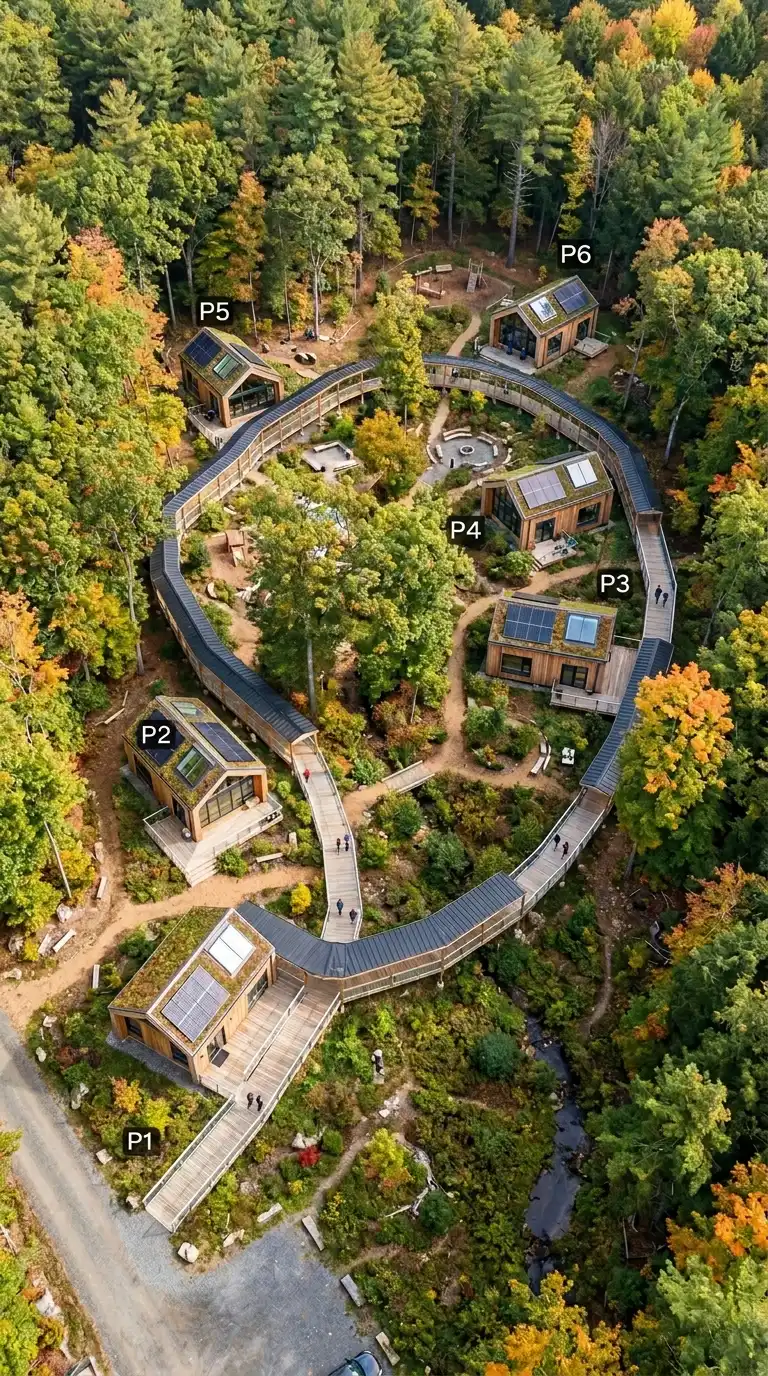
The pavilion school spreads multiple small classroom buildings across a landscaped site. Each pavilion is a single classroom or a small cluster. Covered walkways connect the pavilions. The landscape flows between the buildings.
This design is ideal for warm climates and progressive pedagogies. The emotional effect is relaxed, resort-like, and nature-connected.
Quick Tips
- Each pavilion should be 1-2 classrooms.
- Walkways should be covered but open on the sides.
- Preserve existing trees and grade as much as possible.
6. The Atrium School
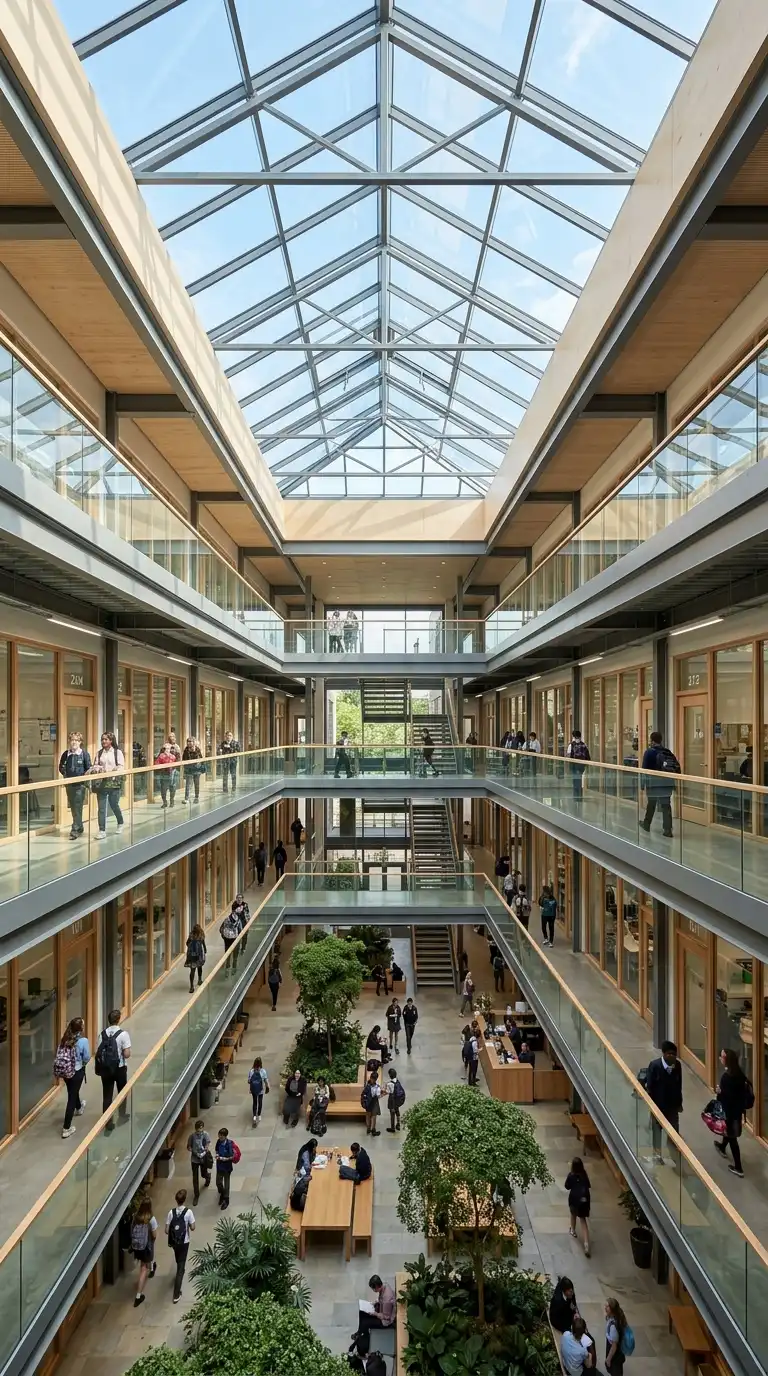
The atrium school has a large central space open to the sky, surrounded by classrooms on multiple levels. The atrium is the heart of the school — a gathering space, a library, a cafeteria, a performance space. Light enters from above.
This design is ideal for dense urban sites and vertical schools. The emotional effect is luminous, communal, and vertical.
Quick Tips
- The atrium should be at least 6 metres wide to feel generous.
- Balconies or bridges should surround the atrium on each level.
- The roof over the atrium should be glass, with shading for summer.
7. The Terraced School
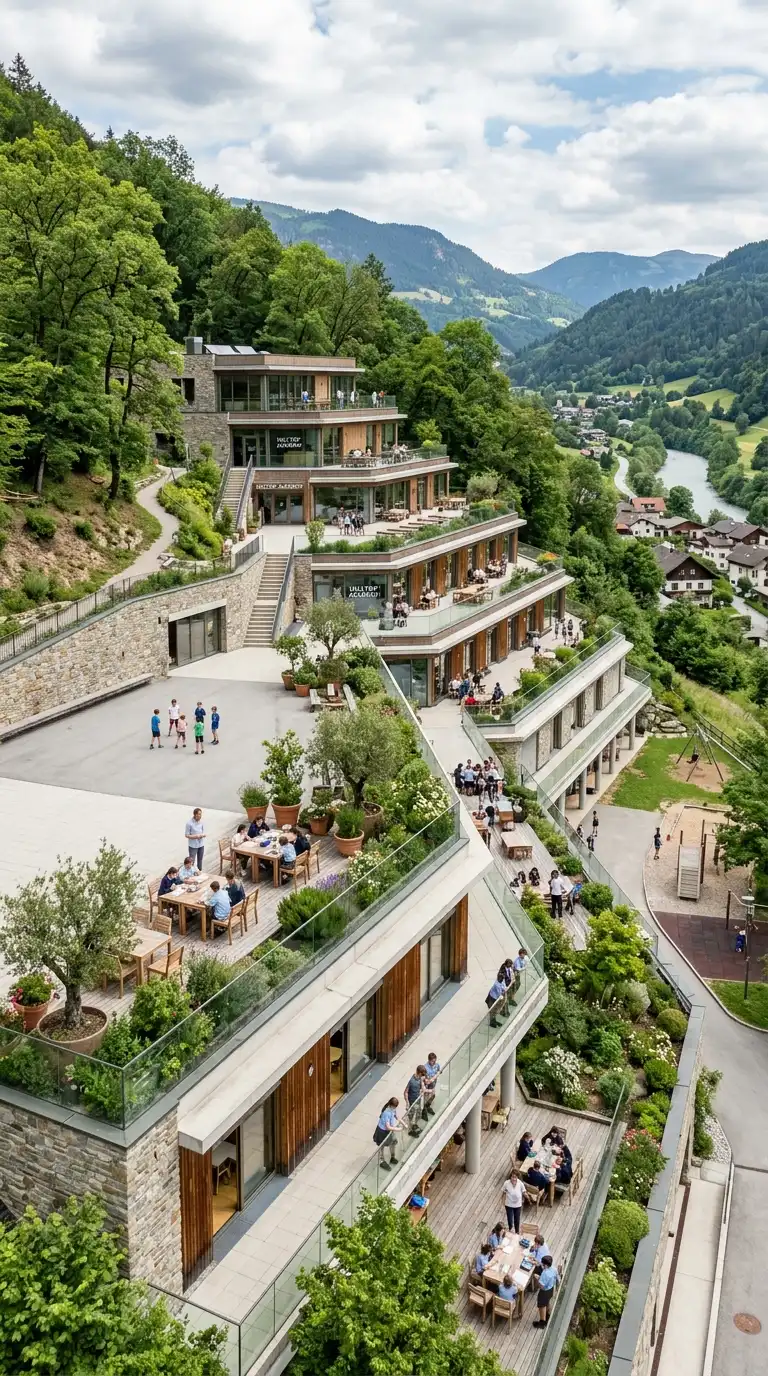
The terraced school steps down a slope. Each floor is set back from the floor below, creating outdoor terraces on every level. The school follows the topography instead of fighting it. Each classroom has direct access to an outdoor terrace.
This design is ideal for hillside sites. The emotional effect is dramatic, site-responsive, and outdoor-oriented.
Quick Tips
- Each terrace should step back 1.5 to 3 metres.
- The school should follow the slope, not cut into it.
- Terraces should be deep enough for outdoor teaching.
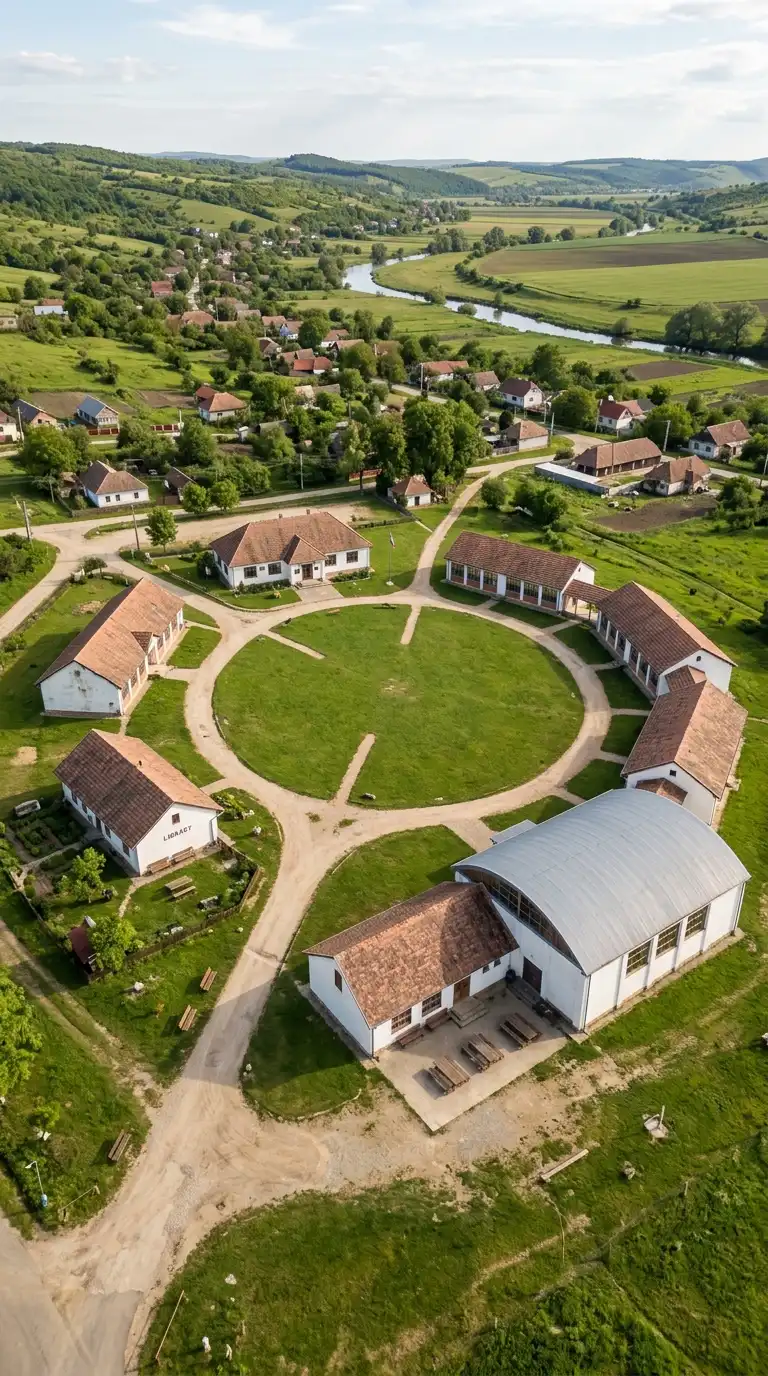
8. The Village School
The village school clusters small buildings around a central commons, like a traditional village. The commons is a shared outdoor space for assembly, play, and gathering. Each building has a distinct function: classrooms, library, cafeteria, gymnasium, administration.
This design is ideal for large suburban and rural sites. The emotional effect is communal, village-like, and human-scaled.
Quick Tips
- The commons should be the centre of the plan.
- Buildings should be 1-2 storeys tall.
- Paths should connect all buildings to the commons.
9. The Loft School
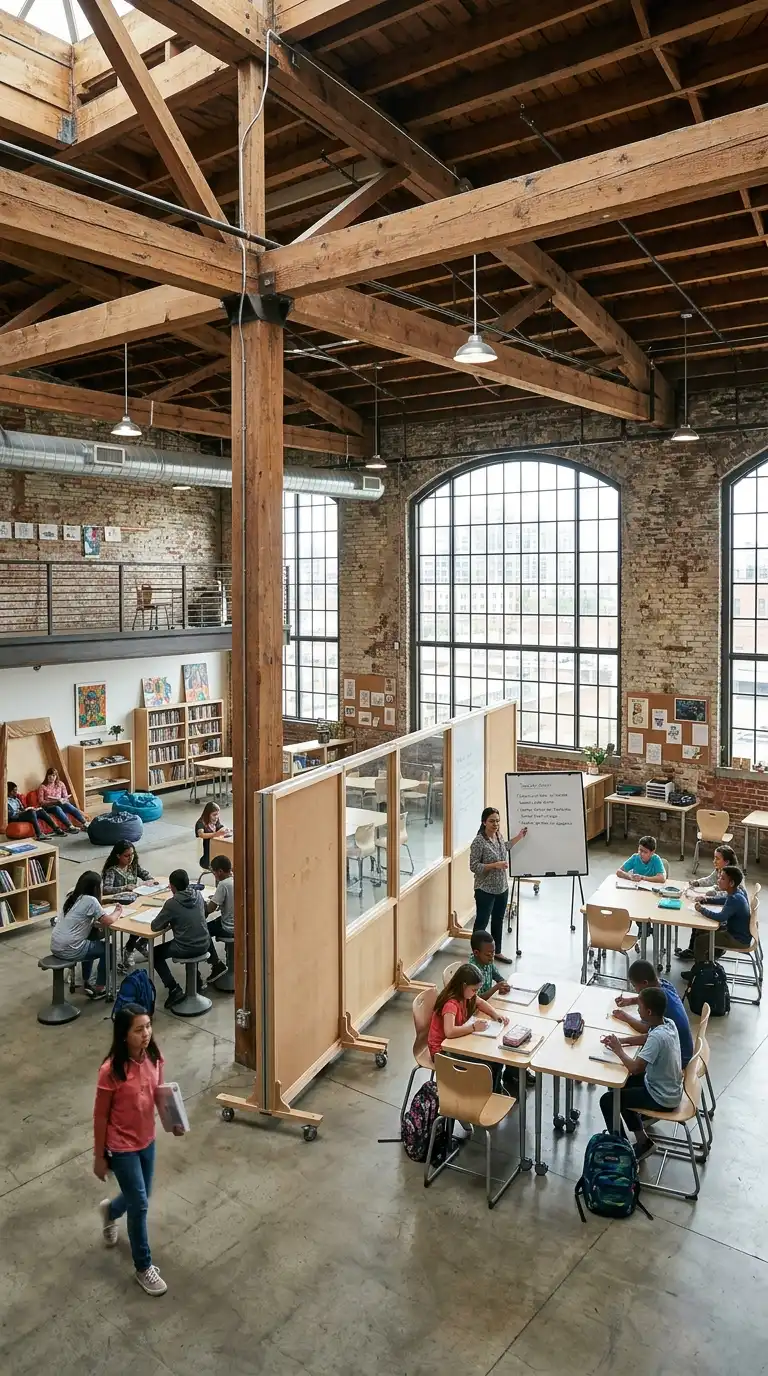
The loft school is located in a converted industrial or commercial building — a warehouse, a factory, a department store. The spaces are open and flexible, with high ceilings, large windows, and exposed structure. Classrooms are defined by furniture and partitions, not walls.
This design is ideal for urban sites and progressive schools. The emotional effect is industrial, flexible, and creative.
Quick Tips
- Preserve original windows, columns, beams, and brick walls.
- Use movable partitions for flexibility.
- Keep the ceiling high and exposed.
10. The Green School
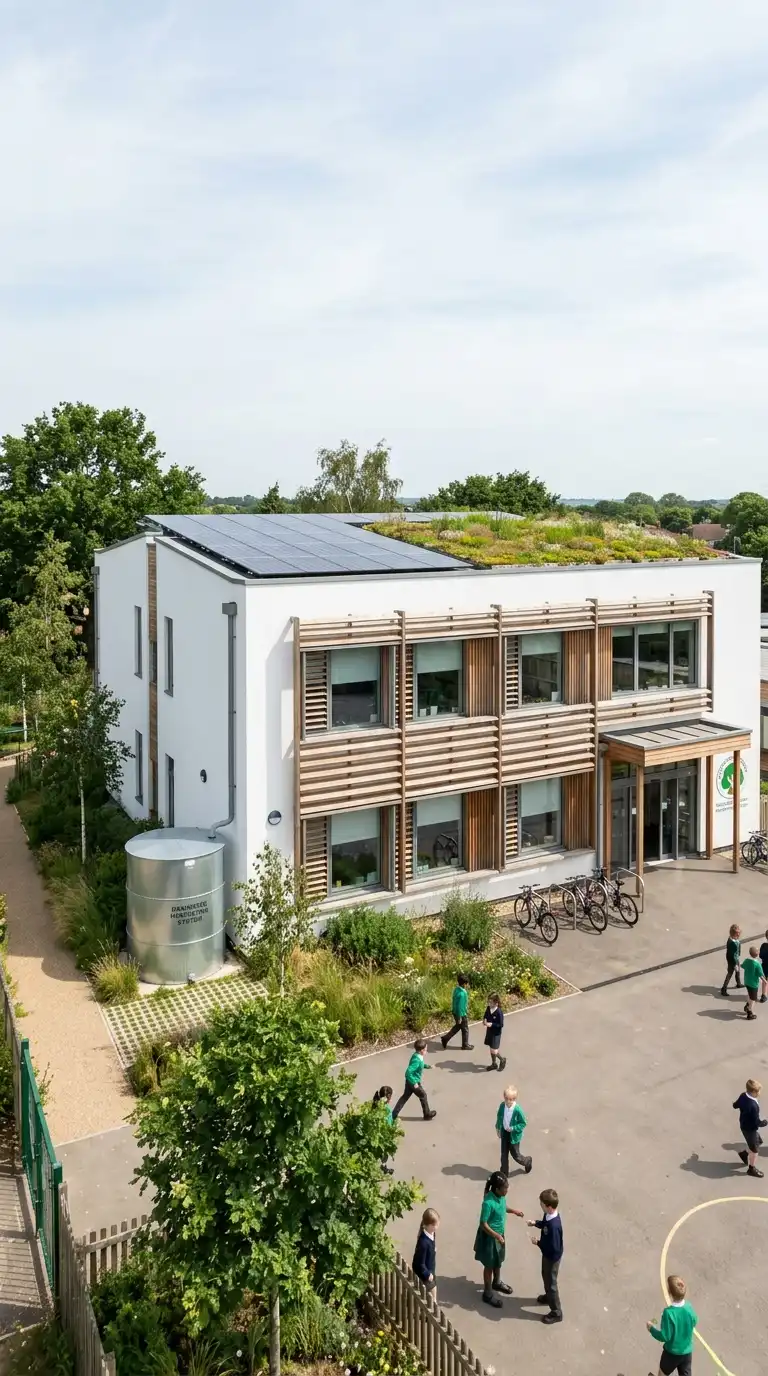
The green school integrates sustainability into every aspect of the design. The school is oriented for passive solar gain. The roof is planted. Rainwater is harvested. Energy is generated by solar panels. The school is a teaching tool for environmental stewardship.
This design is ideal for environmentally conscious communities. The emotional effect is responsible, healthy, and forward-looking.
Quick Tips
- Orient the school for passive solar gain — long axis east-west.
- Use super-insulation and triple-glazed windows.
- The roof should be green or solar, or both.
11. The Small Learning Community School
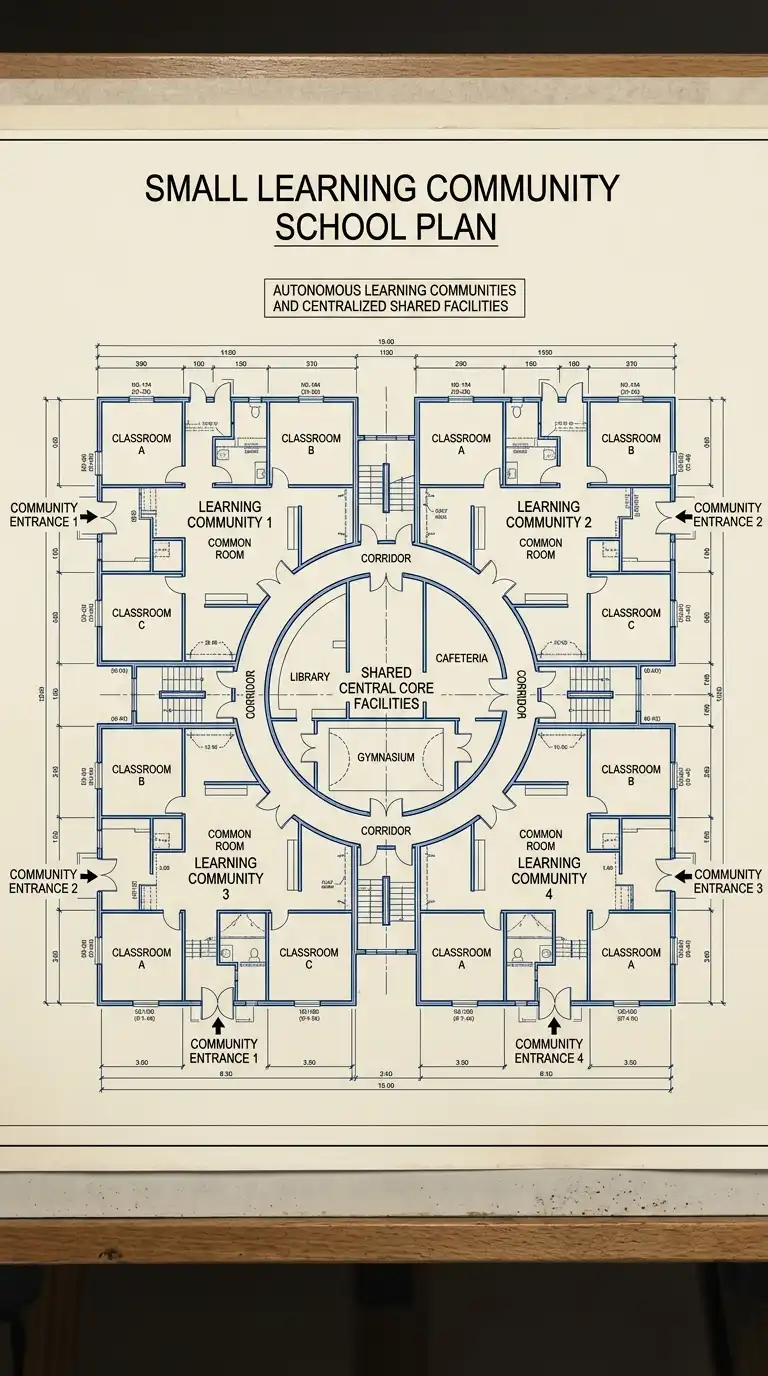
The small learning community school breaks a large school into smaller, autonomous units. Each community has 100-200 students, its own classrooms, a common room, and a team of teachers. The communities are connected by shared facilities: library, cafeteria, gymnasium, arts.
This design is ideal for large secondary schools. The emotional effect is intimate, supportive, and community-oriented.
Quick Tips
- Each community should have 100-200 students.
- Each community should have its own entrance and common room.
- Shared facilities should be centrally located.
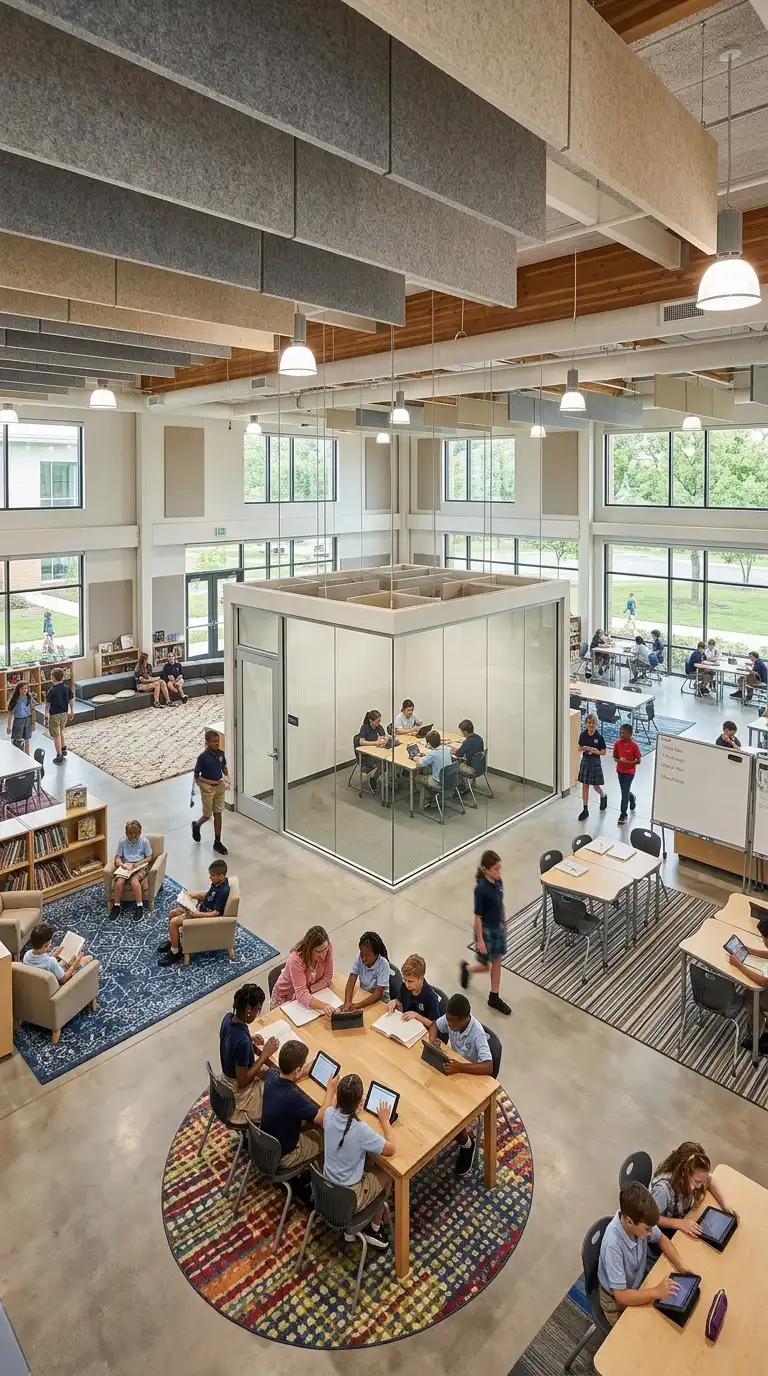
12. The Open Plan School
The open plan school has no interior walls. The entire school is a single, flexible space. Learning zones are defined by furniture, changes in ceiling height, and floor materials. The open plan allows team teaching, cross-age learning, and flexible grouping.
This design was popular in the 1970s and is being reconsidered today. The emotional effect is open, flexible, and communal.
Quick Tips
- Use changes in ceiling height or flooring to define zones.
- Provide quiet rooms for individual work.
- Acoustics are critical — use sound-absorbing materials.
13. The Vertical School
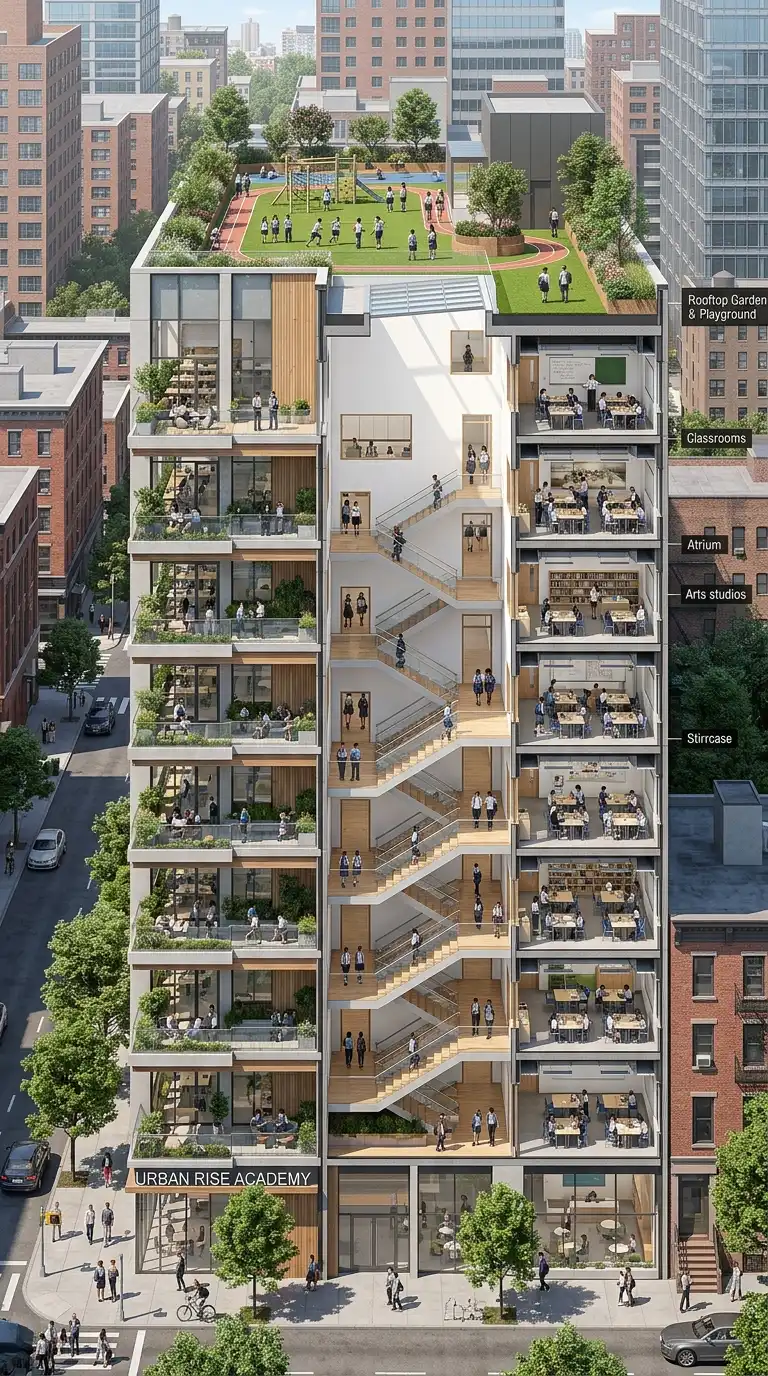
The vertical school is built on a small urban site where the only direction is up. The school is 4-8 storeys tall. Classrooms are stacked. Outdoor space is on the roof, on terraces, or in a central atrium. The vertical school is efficient and urban.
This design is ideal for dense cities and transit-oriented development. The emotional effect is vertical, efficient, and urban.
Quick Tips
- The roof should be a playground and garden.
- Each floor should have outdoor terrace access.
- Stairs should be visible and inviting to encourage movement.
14. The Net-Zero Energy School
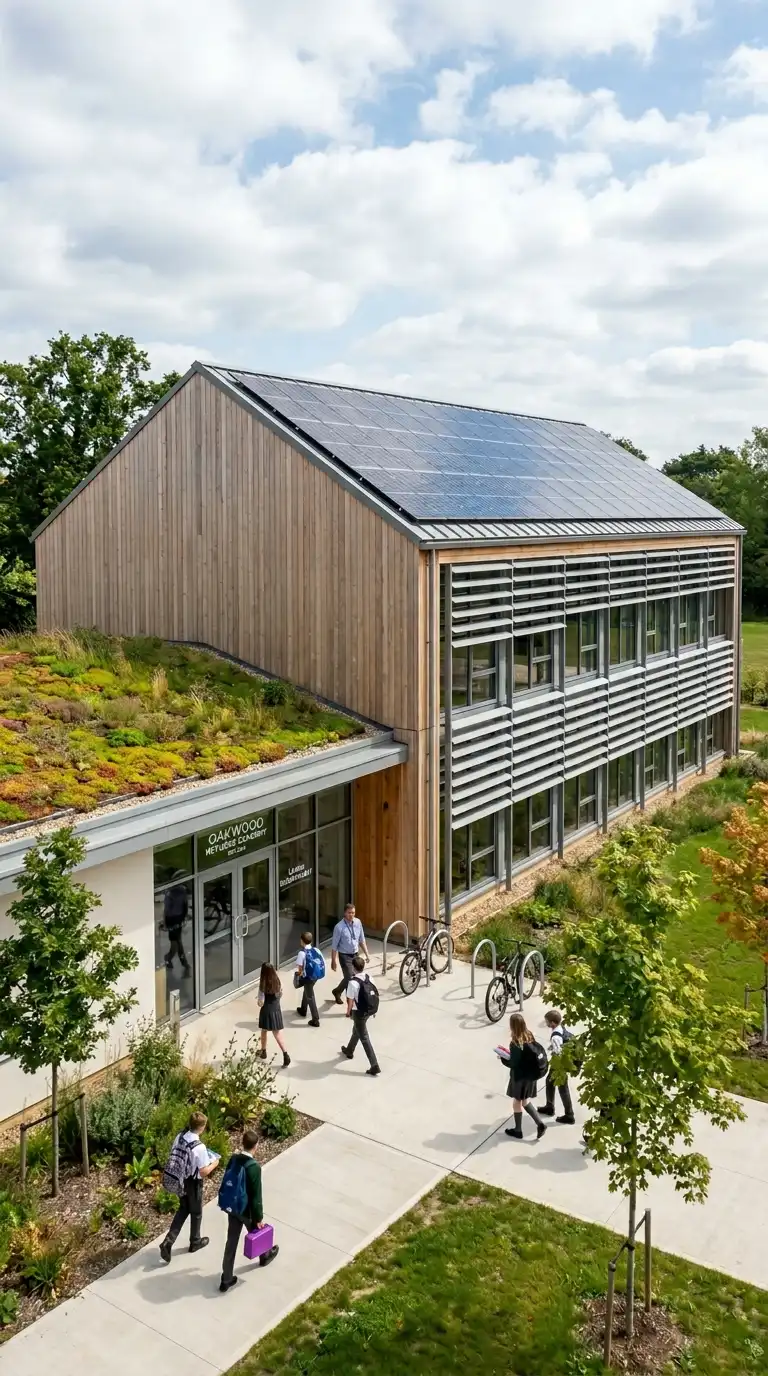
The net-zero energy school produces as much energy as it consumes over a year. The building is super-insulated and airtight. Windows are triple-glazed. Solar panels cover the roof. The school uses geothermal or air-source heat pumps. Energy use is minimised first, then generated.
This design is ideal for any climate with adequate sun. The emotional effect is responsible, efficient, and future-proof.
Quick Tips
- The form must be compact to minimise energy loss.
- South-facing windows should be large, north-facing windows small.
- Solar panels should be integrated into the roof design.
Final Thoughts
A school is not a factory for learning. It is a landscape for learning. A courtyard school brings nature inside. A pavilion school puts classrooms in nature. A vertical school puts a playground on the roof. A green school teaches sustainability just by being. The best school architecture is not just efficient — it is inspiring. It tells children that they matter, that learning matters, and that beauty matters.
These 14 school designs are not mutually exclusive. A courtyard school can be a green school. A vertical school can have a small learning community plan. An open plan school can be a net-zero energy school. The best school architecture draws from multiple types, adapting and combining to fit the specific site, climate, and pedagogy. It is not just a building — it is a tool for teaching, a home for learning, and a gift to the next generation.