Conceptual architecture is architecture before it becomes a building. It is the idea, the diagram, the sketch, the model that explores a possibility without yet committing to a specific site, program, or budget. Unlike built architecture, which must respond to real constraints, conceptual architecture is free to ask: what if?
These 9 conceptual architecture designs span speculative projects, competition entries, and theoretical explorations. Each idea includes defining characteristics, conceptual principles, and architectural applications.
1. The Vertical City
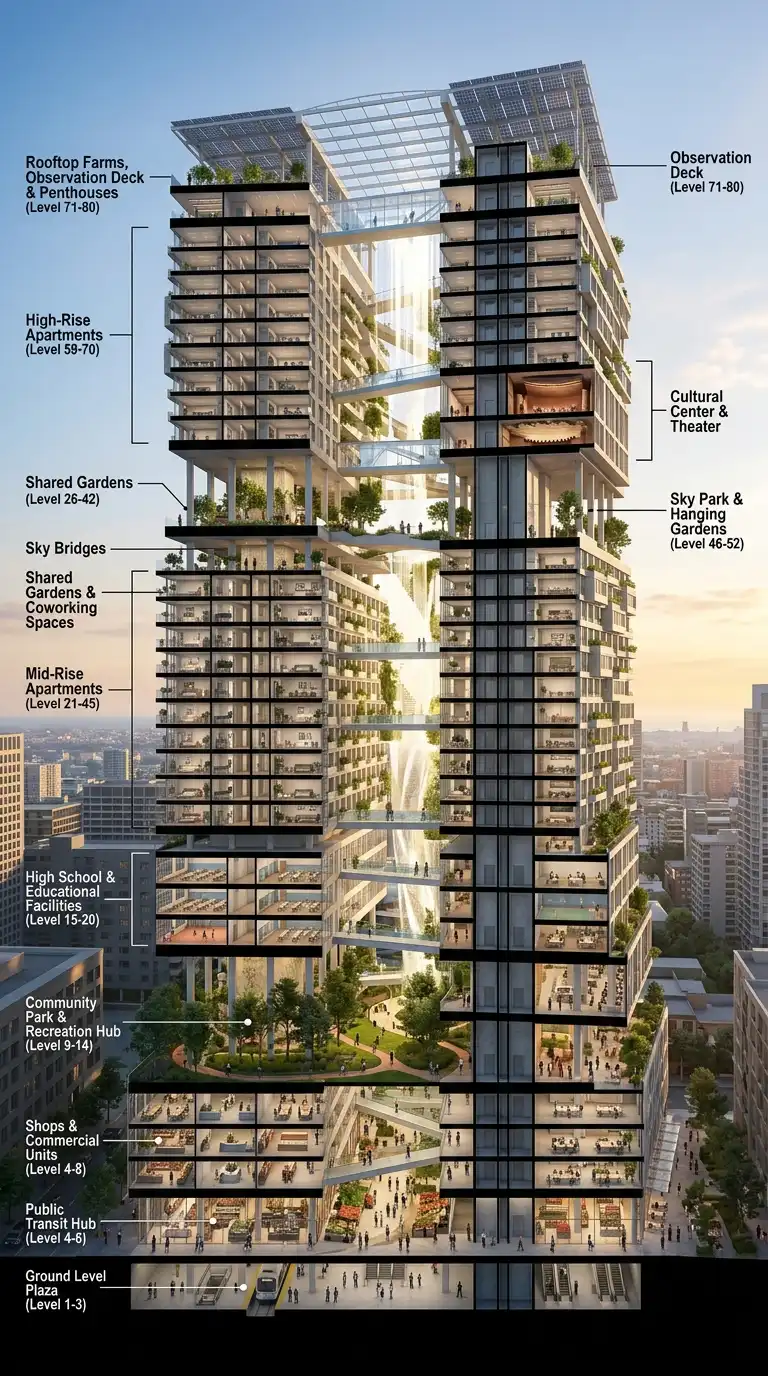
What if an entire city fit inside one building? This concept collapses the horizontal city into a vertical one. Shops, schools, parks, apartments, offices, and public squares are stacked on top of each other, connected by atria, escalators, and bridges.
The building is not a tower of identical floors. It is a vertical neighbourhood, with distinct zones, varied scales, and public spaces that feel like streets. The emotional effect is urban, dense, and surprisingly communal.
Quick Tips
- Public spaces should be at multiple heights, not just the ground floor.
- Each floor should have a different character — no repetition.
- Natural light must reach the centre of the deep plan through atria or light wells.
2. The Bridge Building
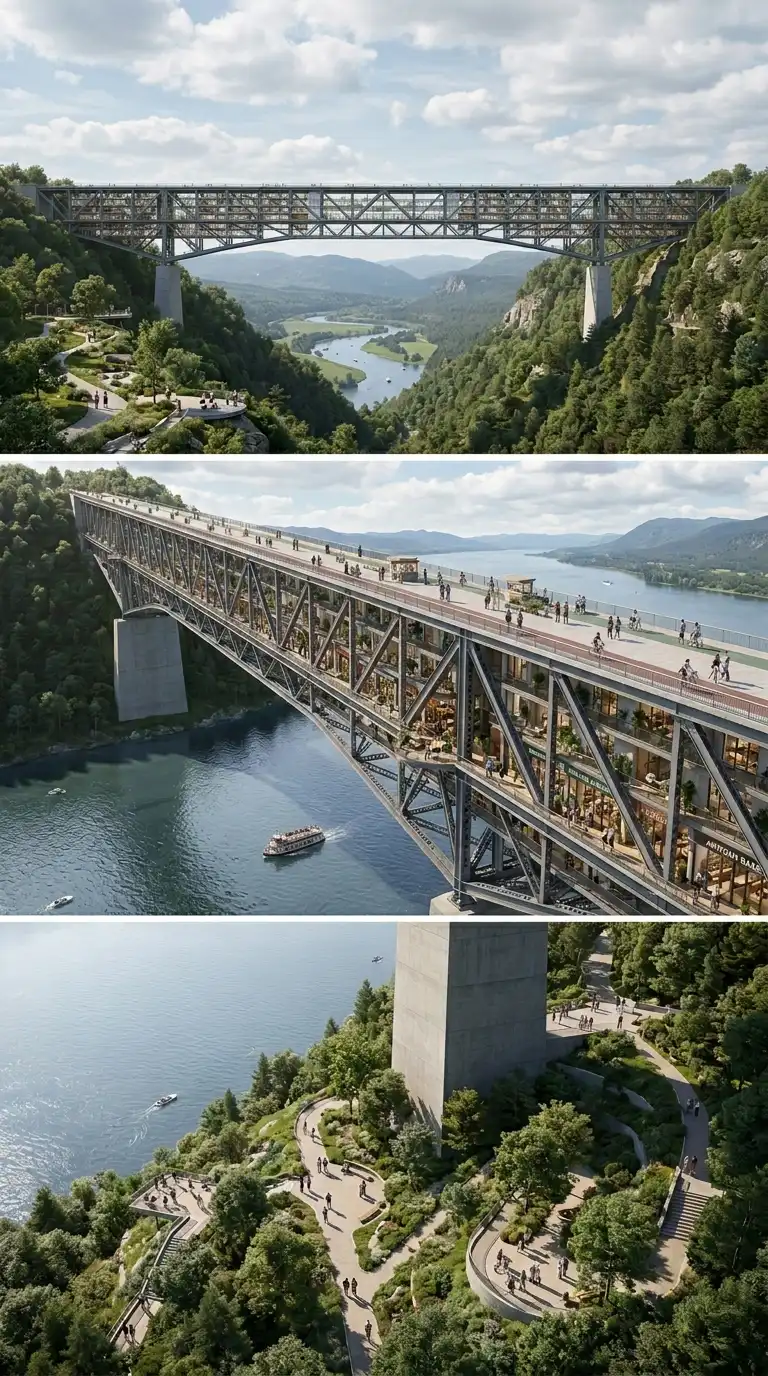
What if a building is also a bridge? This concept spans a river, valley, or road, with occupied space integrated into the structure. The bridge carries people and services, not just traffic.
The building has two distinct conditions: the span, where the structure is deep and the spaces are narrow, and the approaches, where the building widens and settles into the landscape. The emotional effect is dramatic, infrastructural, and site-specific.
Quick Tips
- The structural span determines the plan — keep services near the supports.
- Use the depth of the bridge structure for habitable space.
- Views from the centre of the span are extraordinary — make them public.
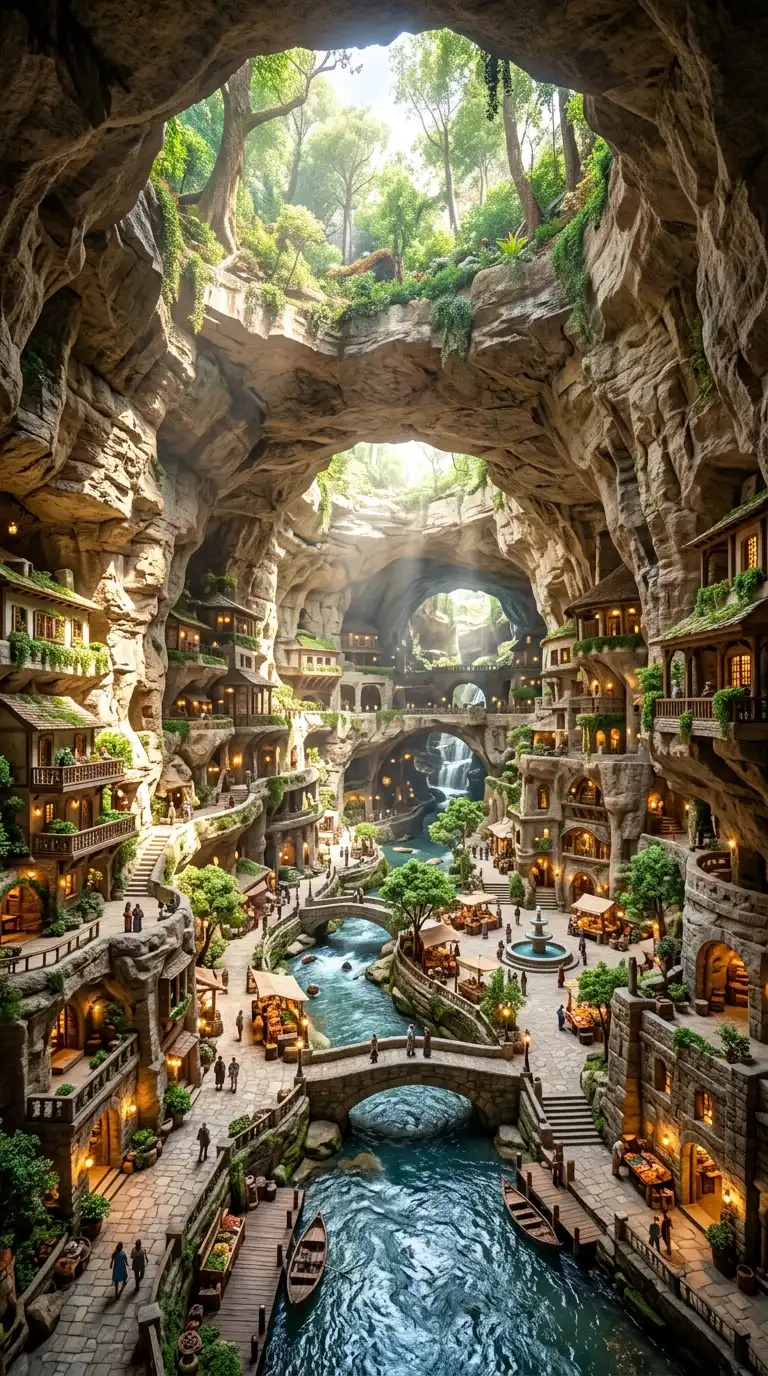
3. The Underground City
What if a city moved underground? This concept buries buildings to preserve surface landscape, moderate temperature, or protect from extreme climate. Light enters through courtyards, light wells, and fibre-optic systems.
The surface is returned to nature: forest, meadow, or agriculture. The underground city is carved from rock or built in excavated caverns. The emotional effect is protected, mysterious, and radically sustainable.
Quick Tips
- Courtyards and light wells are essential for light and orientation.
- The underground spaces should not feel like basements — give them height and volume.
- Ventilation is critical — design for natural airflow where possible.
4. The Growing Building
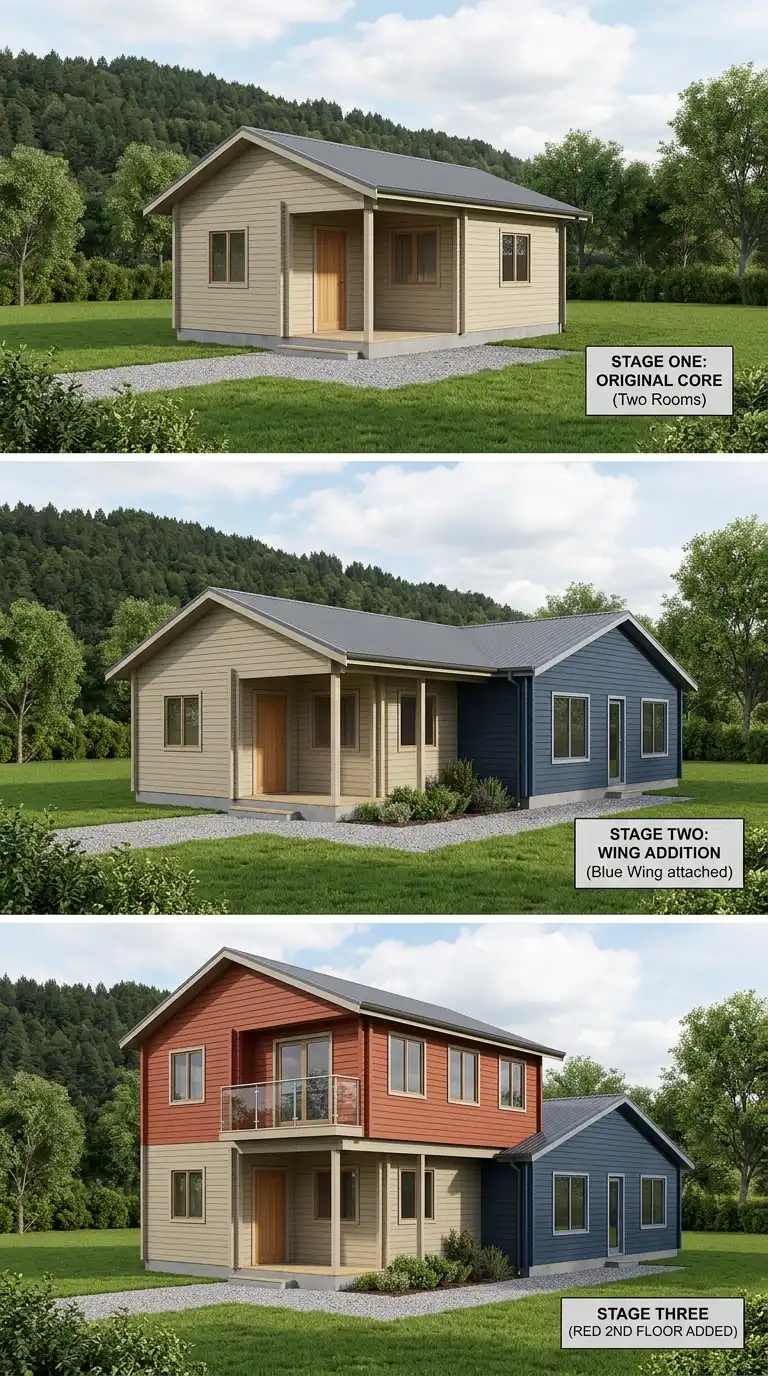
What if a building could grow? This concept designs for expansion over time. The building starts small — a core, a few rooms — with structural and mechanical capacity to add floors, wings, or modules as needed.
The building is never finished. It grows with its inhabitants, adding a bedroom for a new child, a studio for a new business, a guest wing for aging parents. The emotional effect is organic, patient, and deeply pragmatic.
Quick Tips
- Design the core structure for maximum future load.
- Plan mechanical and vertical circulation for future expansion.
- Make additions legible as additions — do not disguise them.
5. The Demountable Building
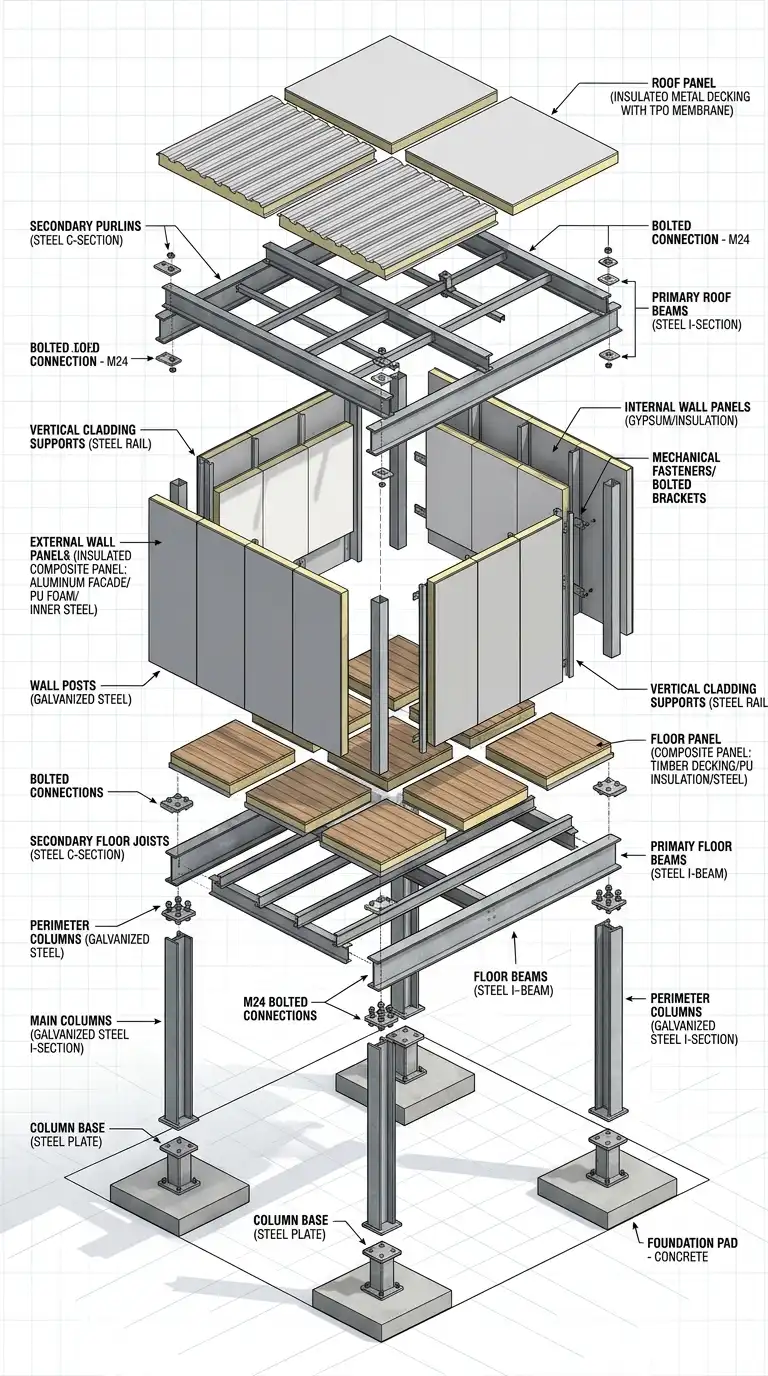
What if a building could be taken apart and moved? This concept designs for disassembly. Connections are bolted, not welded. Materials are chosen for their recyclability. The building is a kit of parts, not a monolithic object.
The building can be relocated, reconfigured, or recycled at the end of its life. Nothing is wasted. The emotional effect is temporary, adaptable, and environmentally responsible.
Quick Tips
- Use mechanical connections (bolts, screws) instead of chemical (glue, weld).
- Design components to be replaced or repaired individually.
- Label each component with its material and recycling instructions.
6. The Walking Building
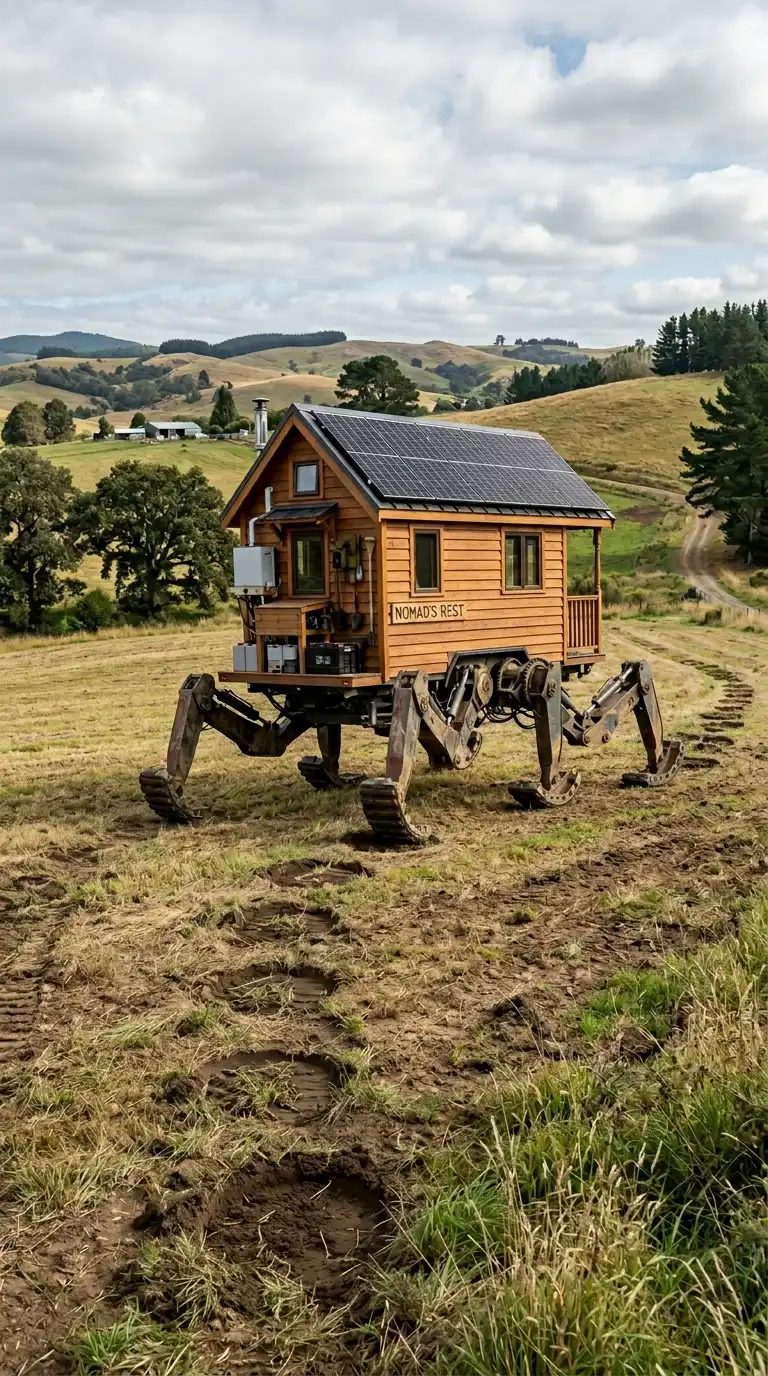
What if a building could move? This concept places architecture on legs, tracks, or wheels. The building changes location with the seasons, follows the sun, or escapes environmental threats.
The building is part vehicle, part shelter. It has its own power source, water storage, and waste treatment. The emotional effect is nomadic, autonomous, and radically free.
Quick Tips
- The building must be self-sufficient in energy and water.
- Mobility determines scale — smaller is easier to move.
- Legs or tracks require a different structural logic than foundations.
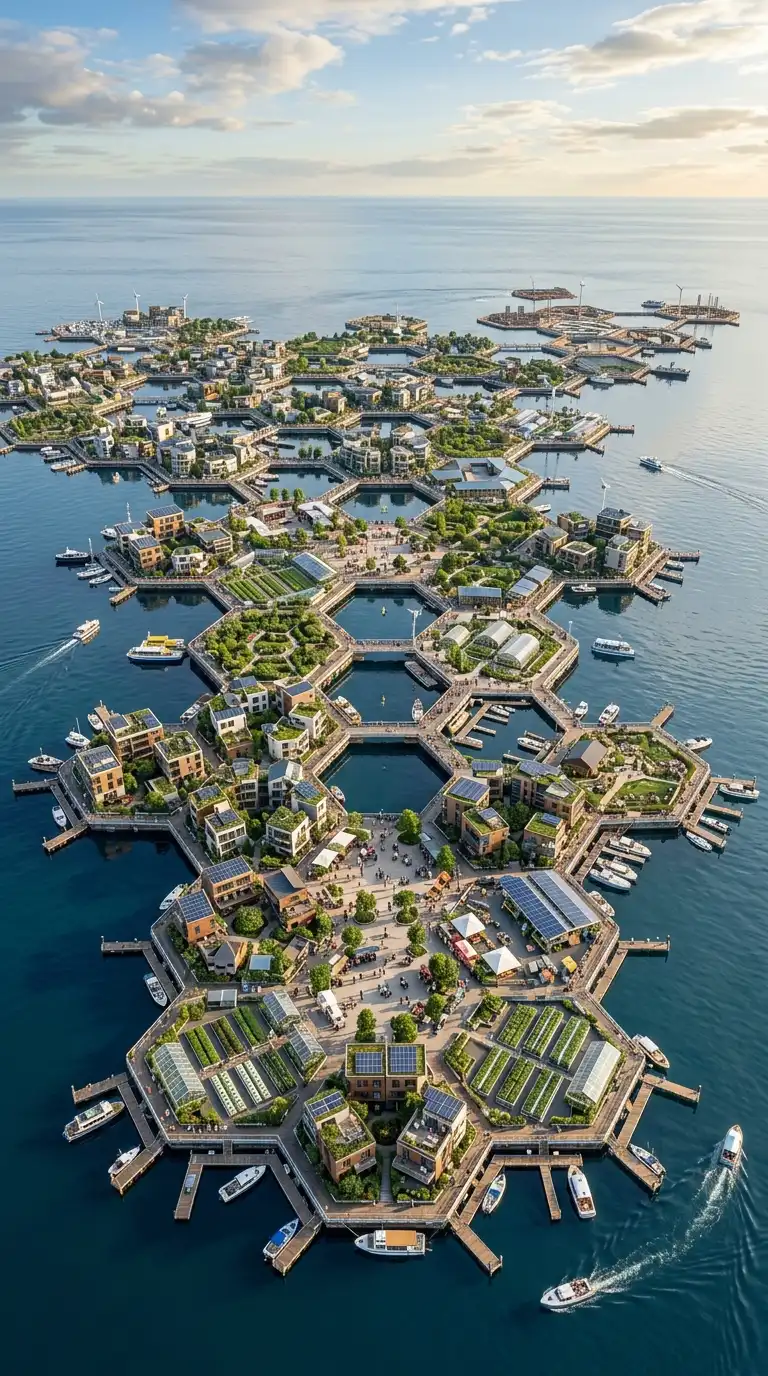
7. The Floating City
What if a city could float? This concept builds on water, not land. Platforms support buildings, streets, and parks. The city rises and falls with tides and storms. It can be towed to new locations or expanded indefinitely.
Floating cities address sea-level rise, urban density, and the desire for waterfront living. The emotional effect is nautical, optimistic, and precarious.
Quick Tips
- The platform must be stable — use multiple interconnected pontoons.
- Fresh water and waste treatment must be onboard.
- The city should be designed for expansion, not fixed size.
8. The Recycled Building
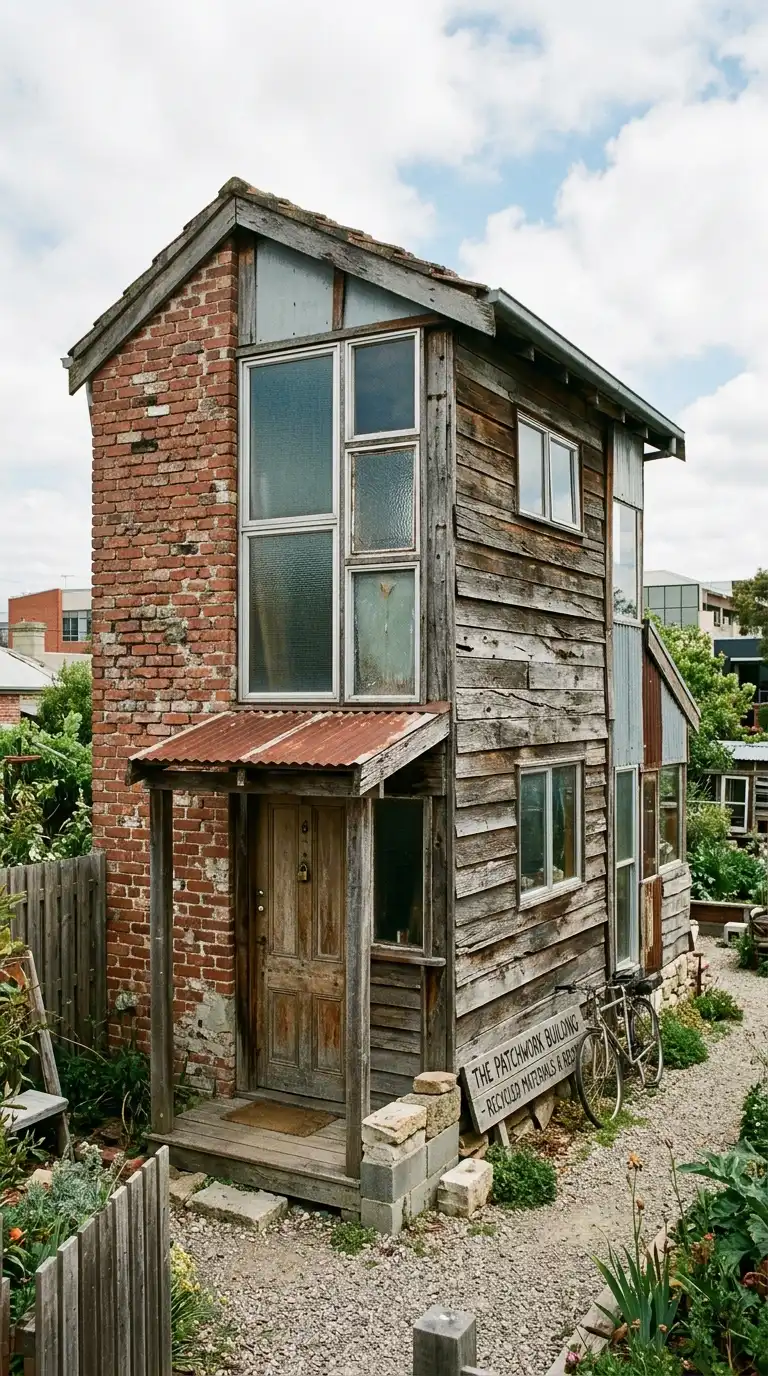
What if a building was made entirely from other buildings? This concept uses salvaged materials: bricks from a demolished factory, timber from a decommissioned barn, windows from an office building. The building is an archive of previous lives.
The materials are not hidden. Their scars, stains, and patina are celebrated. The emotional effect is historical, sustainable, and deeply textured.
Quick Tips
- Source materials locally to reduce transport emissions.
- Test salvaged materials for strength and safety before use.
- Leave visible evidence of previous use — nail holes, paint, wear.
9. The Building as Instrument
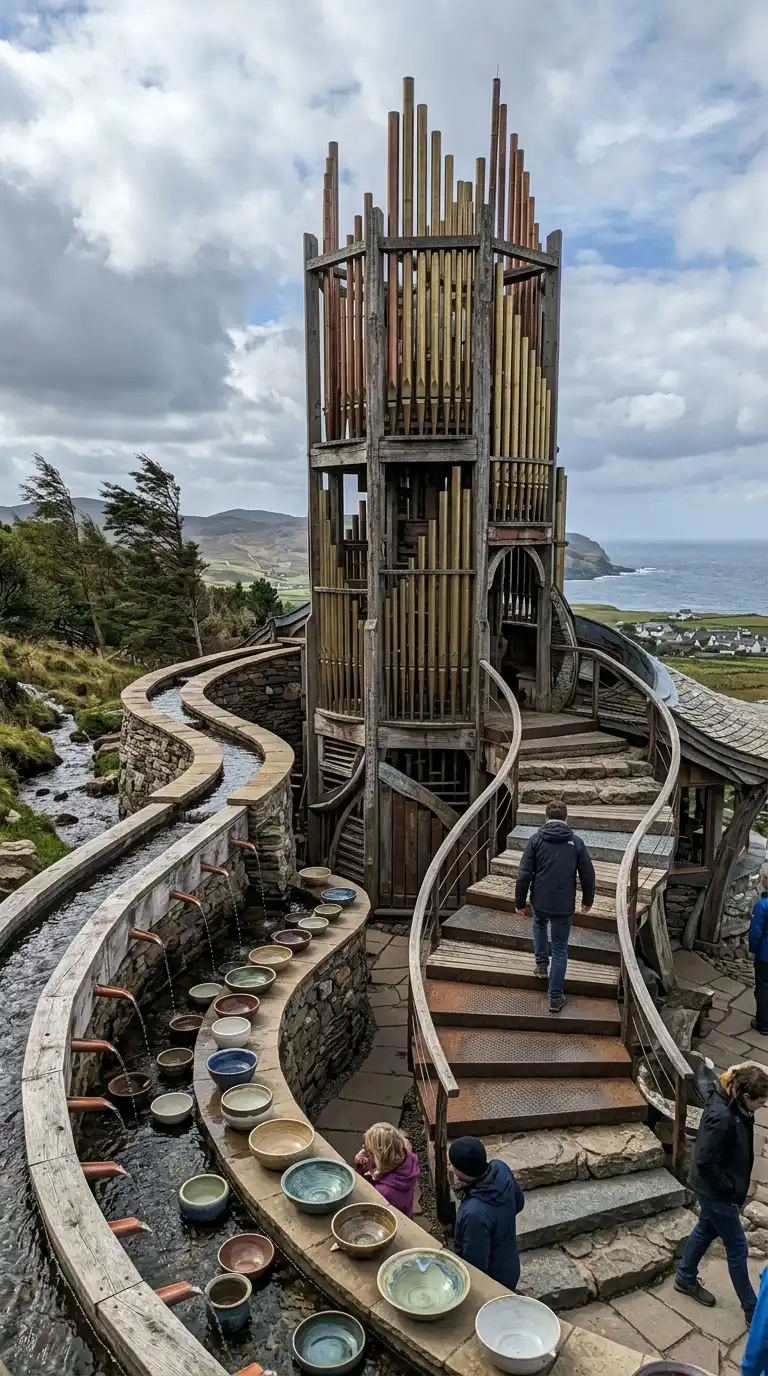
What if a building could make music? This concept designs architecture that produces sound through wind, water, or movement. The building is an instrument. Its form is shaped by acoustics, not just structure.
The building hums in the wind. Water drips through tuned pipes. Footsteps on different materials create a score. The emotional effect is musical, surprising, and experiential.
Quick Tips
- The site’s wind, water, and sun are the energy sources — no electronics.
- Different materials produce different sounds when struck or rubbed.
- The building should be experienced over time, not just in a moment.
Final Thoughts
Conceptual architecture is the laboratory of the discipline. It asks questions that built architecture cannot afford to ask. What if a city moved underground? What if a building was made entirely from other buildings? What if a building could make music? Most of these concepts will never be built. That is not the point. The point is to expand the imagination of what architecture can be.
These 9 concepts are not mutually exclusive. A building can be demountable and recycled. A city can be floating and plug-in. A house can be self-sufficient and folded into the landscape. The best conceptual architects draw from multiple ideas, adapting and combining to ask new questions.