The mosque is the most significant building type in Islamic architecture. It is a place of prayer, but also of community, education, and charity. Unlike a church or temple, the mosque has no required form — only functional requirements: a space for prayer, orientation toward Mecca, and a place for ablution. This freedom has produced extraordinary diversity across fourteen centuries and three continents.
These 19 mosque architecture designs span from the earliest hypostyle mosques to contemporary expressions. Each design includes defining characteristics, key examples, and architectural principles.
1. The Hypostyle Mosque
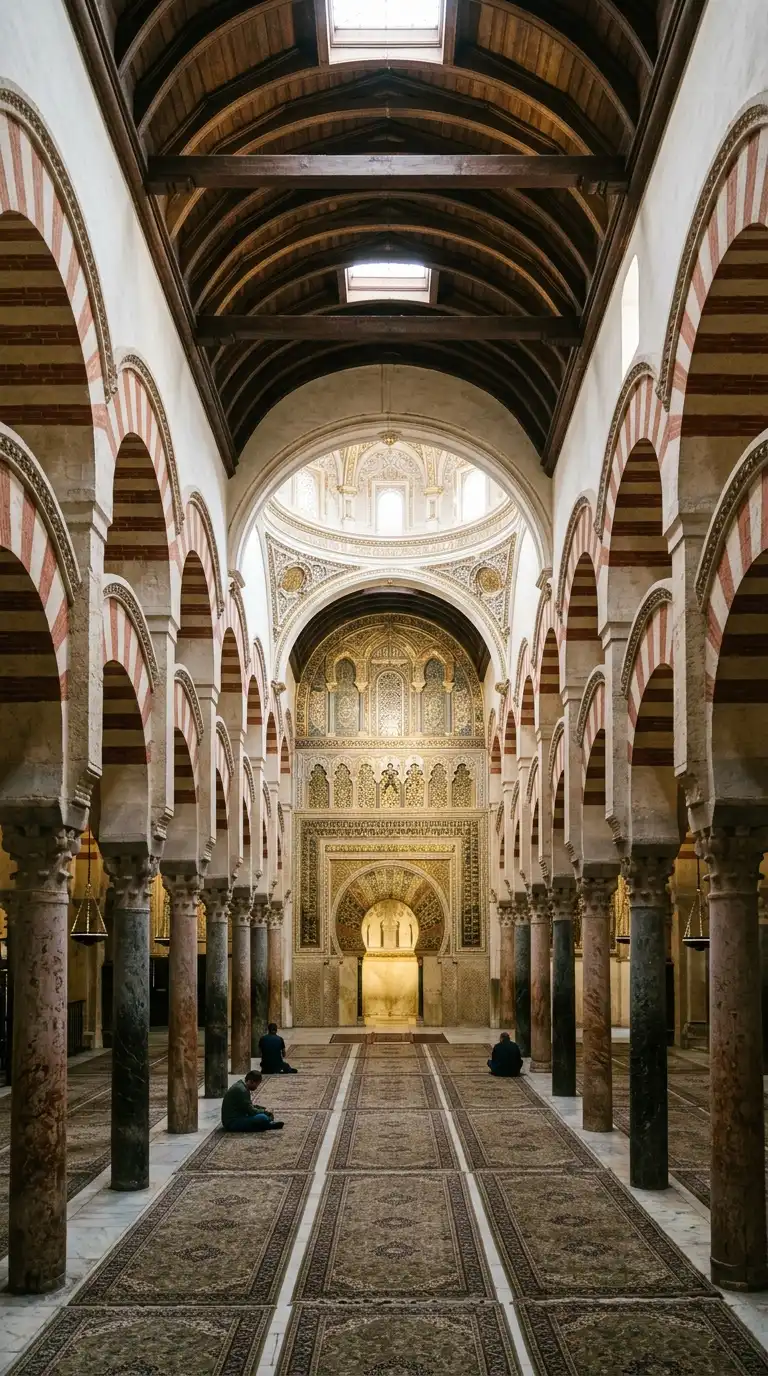
The hypostyle mosque is the earliest form of congregational mosque. The prayer hall is a forest of columns supporting a flat roof. The columns are closely spaced — typically 3-4 metres apart. The qibla wall faces Mecca, with the mihrab (niche) marking the direction of prayer.
The Great Mosque of Córdoba (Spain, 784-987) is the defining example. The emotional effect is rhythmic, infinite, and meditative.
Quick Tips
- Columns should be closely spaced to create a forest-like effect.
- The qibla wall must be perpendicular to the direction of Mecca.
- The mihrab should be the most decorated element in the prayer hall.
2. The Four-Iwan Mosque
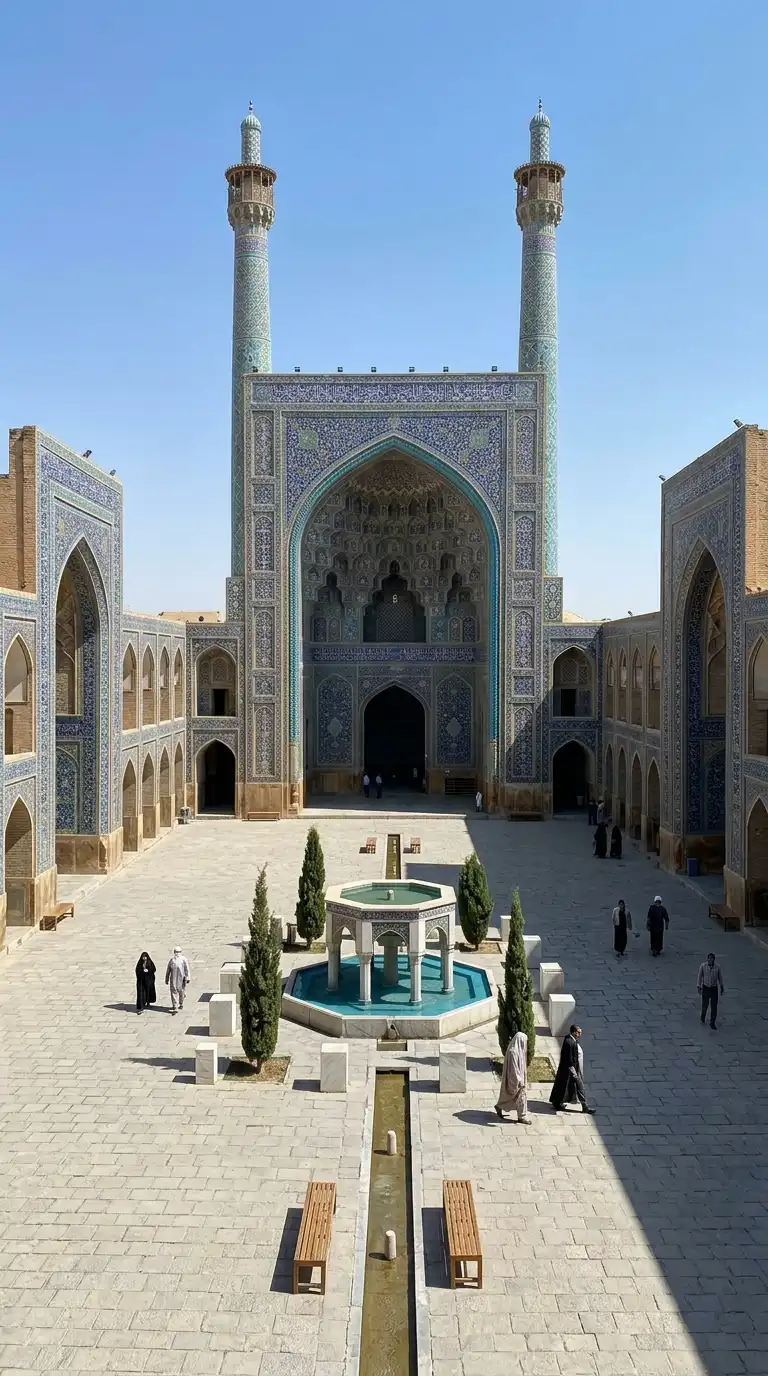
The four-iwan mosque developed in Iran and Central Asia. The mosque has a central courtyard with four iwans — vaulted halls open to the courtyard on one side — one on each side. The largest iwan leads to the domed prayer hall on the qibla side.
The iwans are framed by pishtaqs (tall, decorated portals). The courtyard has a central fountain for ablutions. The emotional effect is axial, monumental, and hierarchical.
Quick Tips
- The qibla iwan must be the largest and most decorated.
- The courtyard should be large enough for the entire congregation to gather.
- Pishtaqs should rise above the courtyard walls, framing each iwan.
3. The Domed Central Plan Mosque
The domed central plan mosque is organised around a single large dome on a square base. The transition from square to circle is achieved with pendentives or squinches. The dome is often double-shelled: an inner dome visible from inside, an outer dome visible from outside.
The Selimiye Mosque in Edirne (Turkey, 1575) by Mimar Sinan is the masterpiece of this type. The emotional effect is centralised, celestial, and awe-inspiring.
Quick Tips
- The dome should be the dominant element, visible from outside and inside.
- Pendentives or squinches must be used to transition from square to circle.
- The mihrab should be centred beneath the dome.
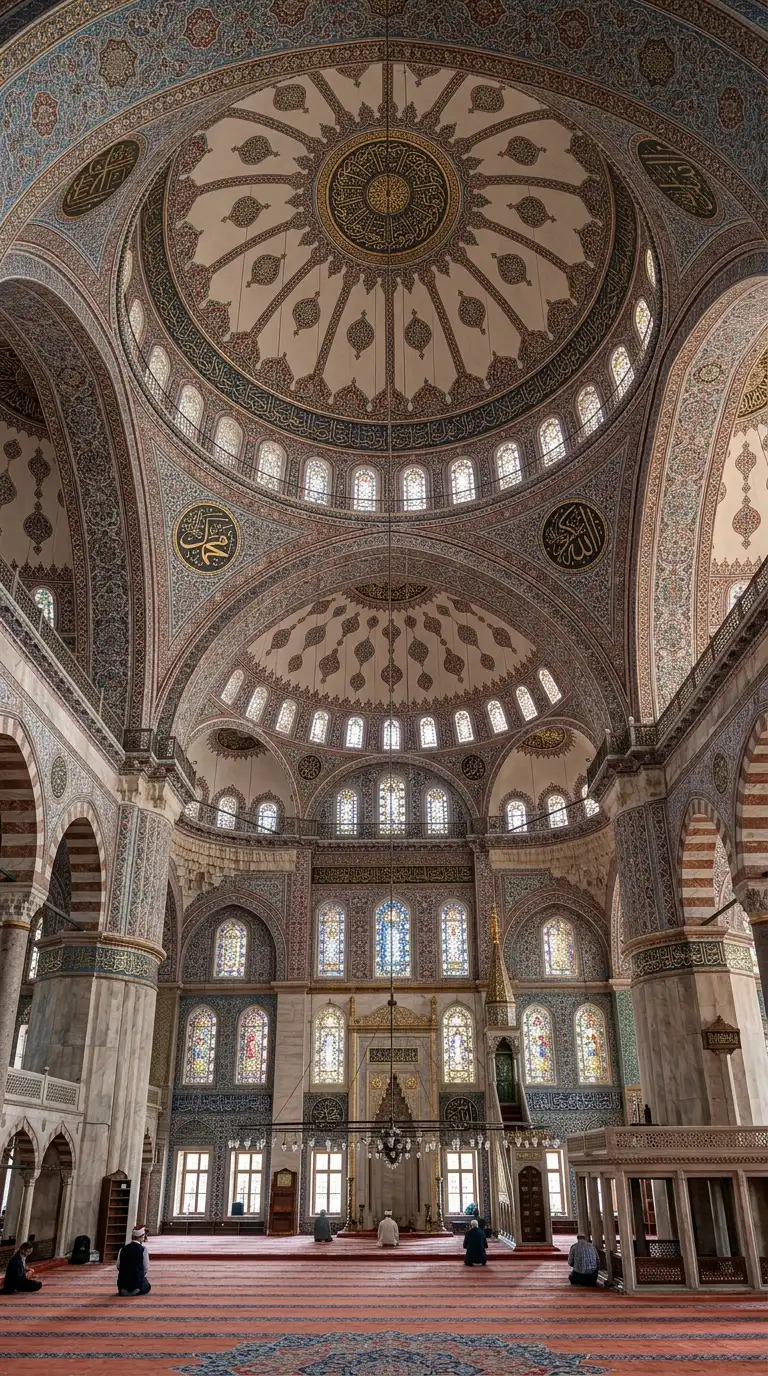
4. The Ottoman Mosque Complex (Külliye)
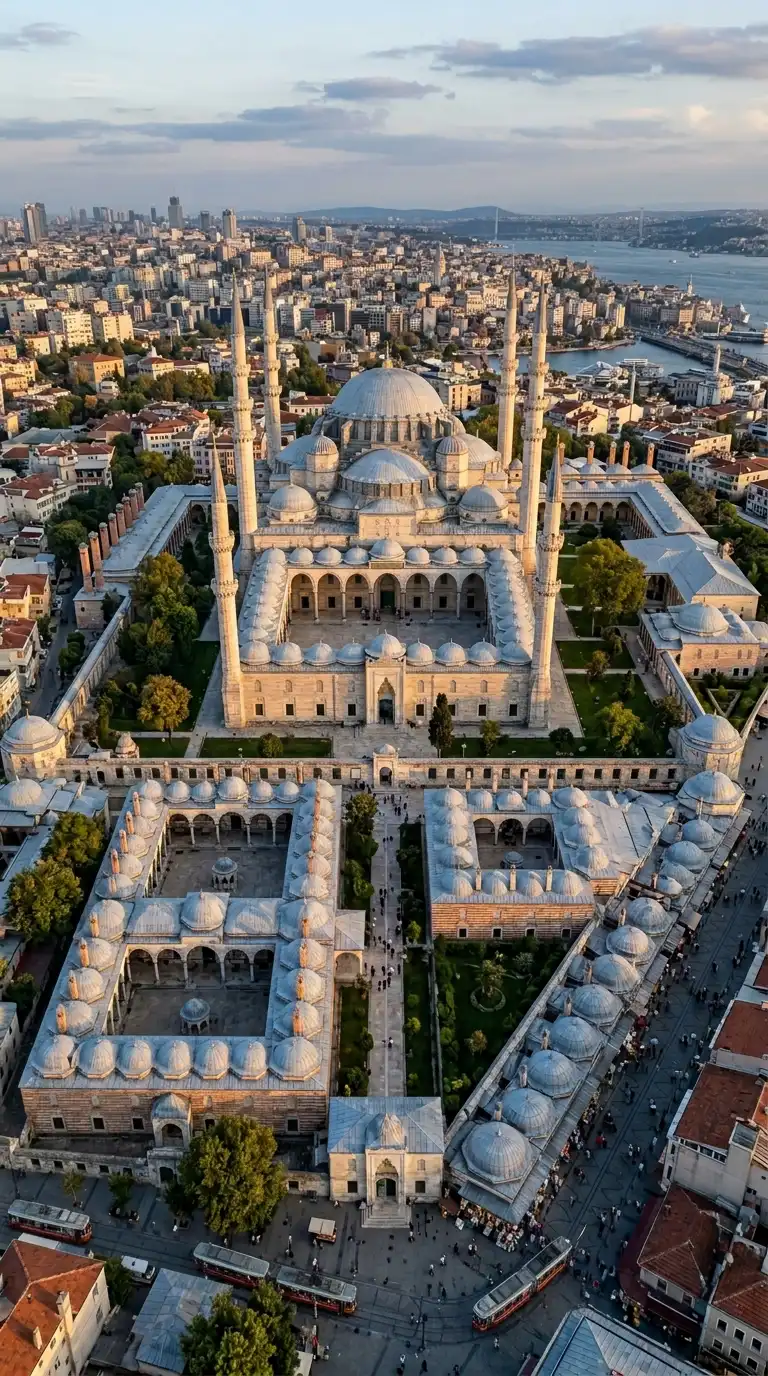
The Ottoman külliye integrated a mosque with social, educational, and charitable functions. The complex included a mosque, a madrasa (school), a hospital, a kitchen for the poor, a bathhouse, a library, and shops whose rents supported the foundation.
The Süleymaniye Complex in Istanbul (1557) by Mimar Sinan is the defining example. The emotional effect is benevolent, urban, and comprehensive.
Quick Tips
- The mosque must be the largest and most prominent building in the complex.
- Supporting buildings should be arranged symmetrically around the mosque.
- The complex should include income-generating shops or markets.
5. The Mughal Mosque
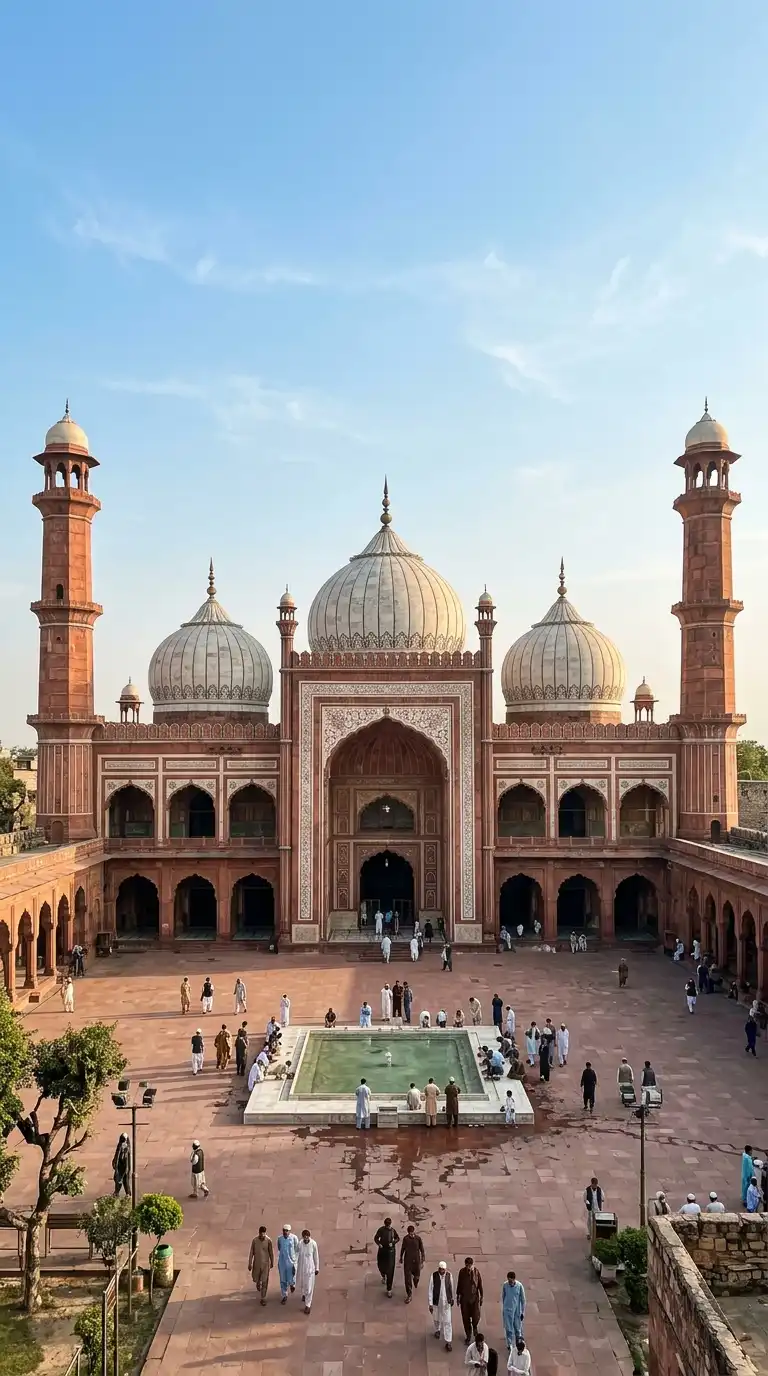
The Mughal mosque developed in the Indian subcontinent under the Mughal Empire. It combines Persian, Indian, and Central Asian elements. The mosque is often built of red sandstone with white marble inlay. The prayer hall has three domes, with a large central dome flanked by two smaller domes.
The Badshahi Mosque in Lahore (1673) is the defining example. The emotional effect is imperial, symmetrical, and richly decorated.
Quick Tips
- Use red sandstone and white marble as the primary materials.
- The prayer hall should have three domes — one large, two small.
- The facade should have a monumental iwan at the centre.
6. The Chinese Mosque
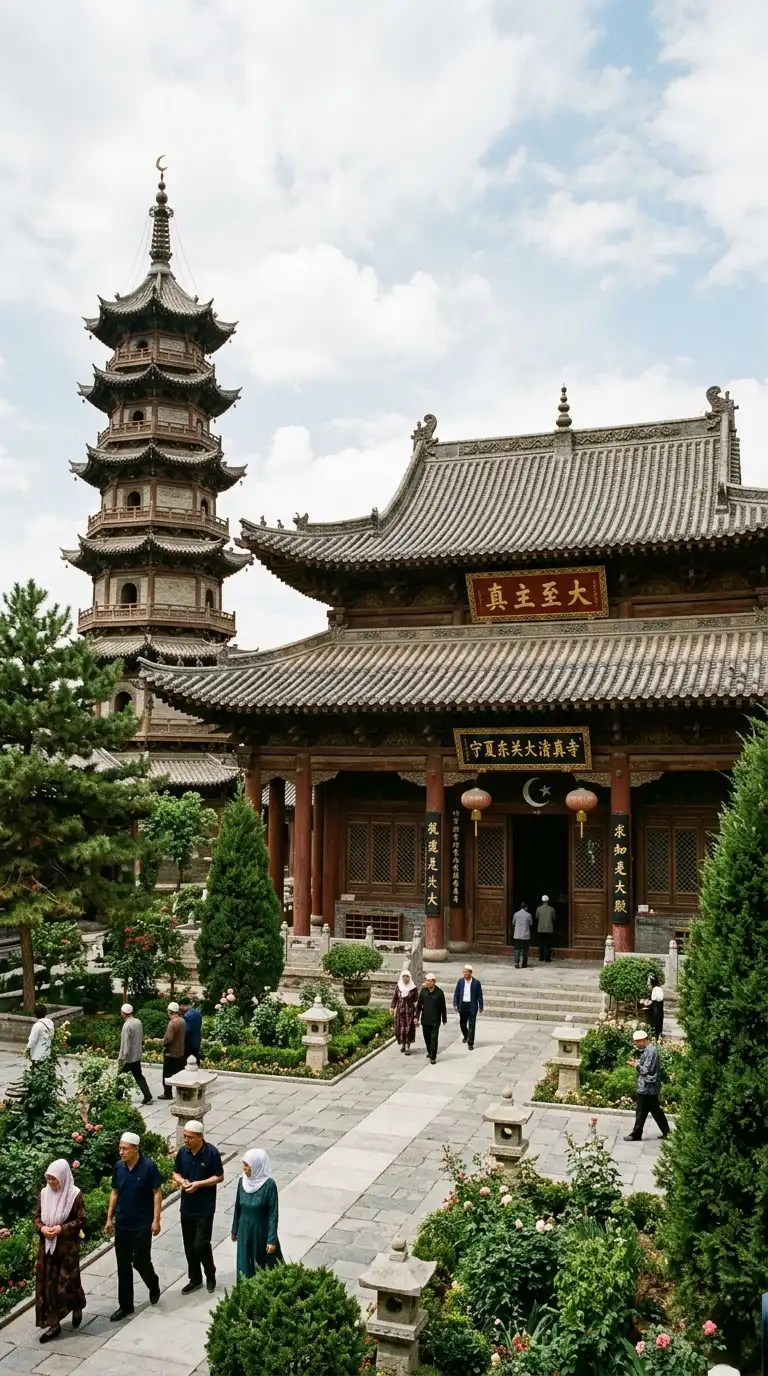
The Chinese mosque adapts Islamic architecture to Chinese building traditions. The mosque looks like a Buddhist temple from the outside: wooden columns, curved roofs, and courtyard organisation. The interior contains Islamic calligraphy and avoids figurative decoration.
The Great Mosque of Xi’an (742, rebuilt 14th century) is the defining example. The emotional effect is syncretic, peaceful, and culturally specific.
Quick Tips
- Use traditional Chinese timber construction and roof forms.
- The minaret should be a pagoda, not a tower.
- Avoid Arabic architectural forms — the mosque should read as Chinese.
7. The Sub-Saharan African Mosque
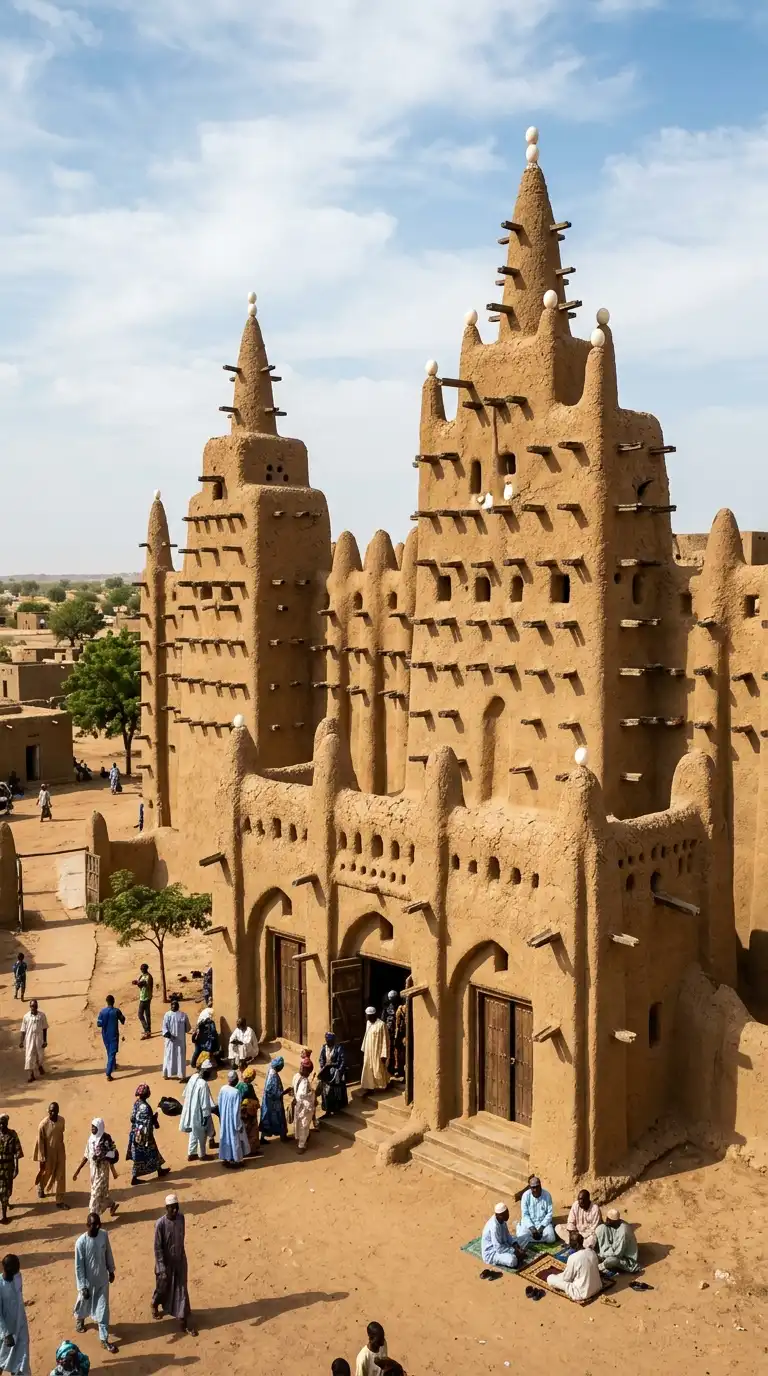
The sub-Saharan African mosque is built of mud brick and timber. The Great Mosque of Djenné in Mali (1907, but representing a much older tradition) is the most famous example. The mosque has three large towers, each topped with ostrich eggs. The walls are thick and massive, with timber beams projecting from the surface for scaffolding and ventilation.
The emotional effect is earthy, monumental, and communal.
Quick Tips
- Use mud brick or rammed earth as the primary material.
- Projecting timber beams serve as permanent scaffolding for replastering.
- The walls should be thick for thermal mass.
8. The Indonesian Mosque
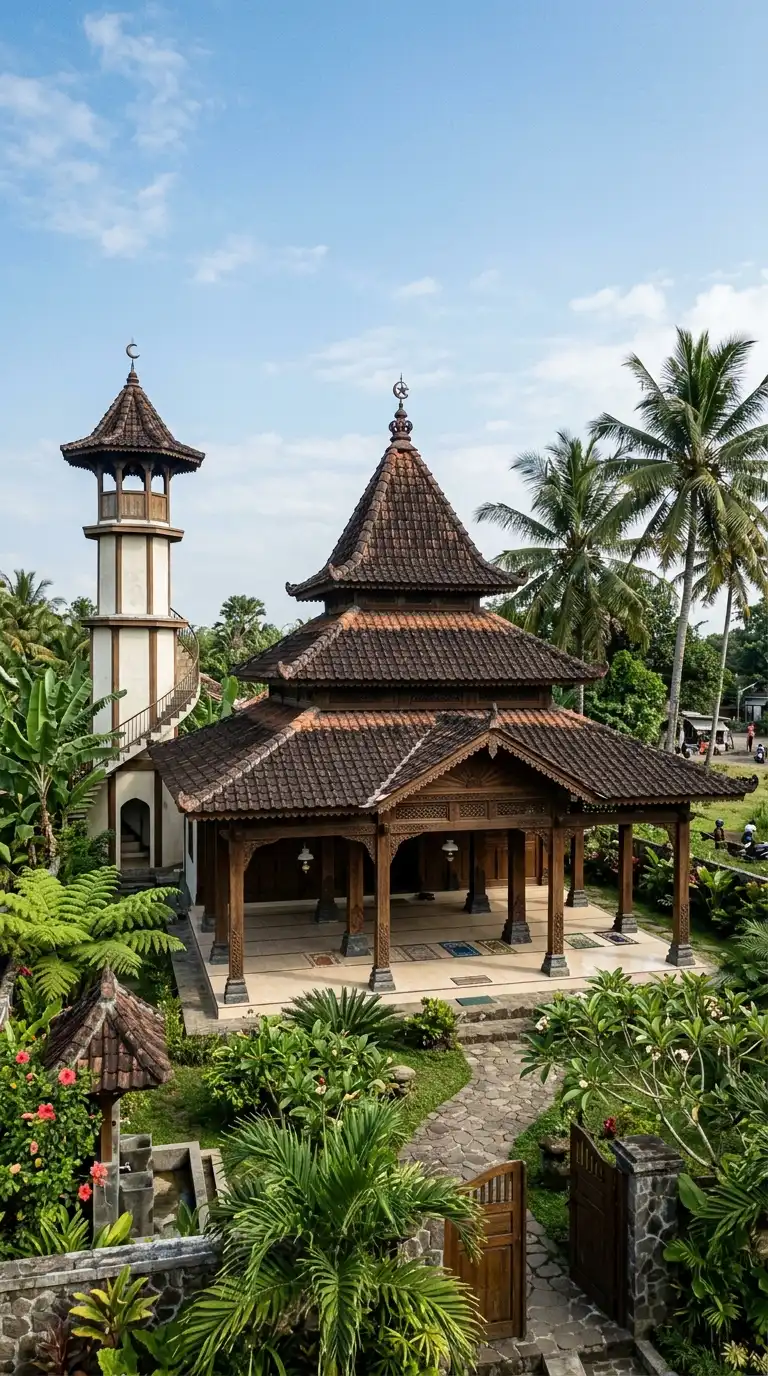
The Indonesian mosque adapts Islamic architecture to the Malay archipelago. The most distinctive feature is the multi-tiered roof, derived from Hindu-Buddhist temple architecture. The roof has three or five tiers, each smaller than the one below. The minaret is often separate.
The Demak Great Mosque (15th century) is the defining example. The emotional effect is tropical, layered, and culturally hybrid.
Quick Tips
- The roof should have three or five tiers, each smaller than the one below.
- The prayer hall should be open on the sides for cross-ventilation.
- The minaret should be separate from the main building.
9. The Contemporary Minimalist Mosque
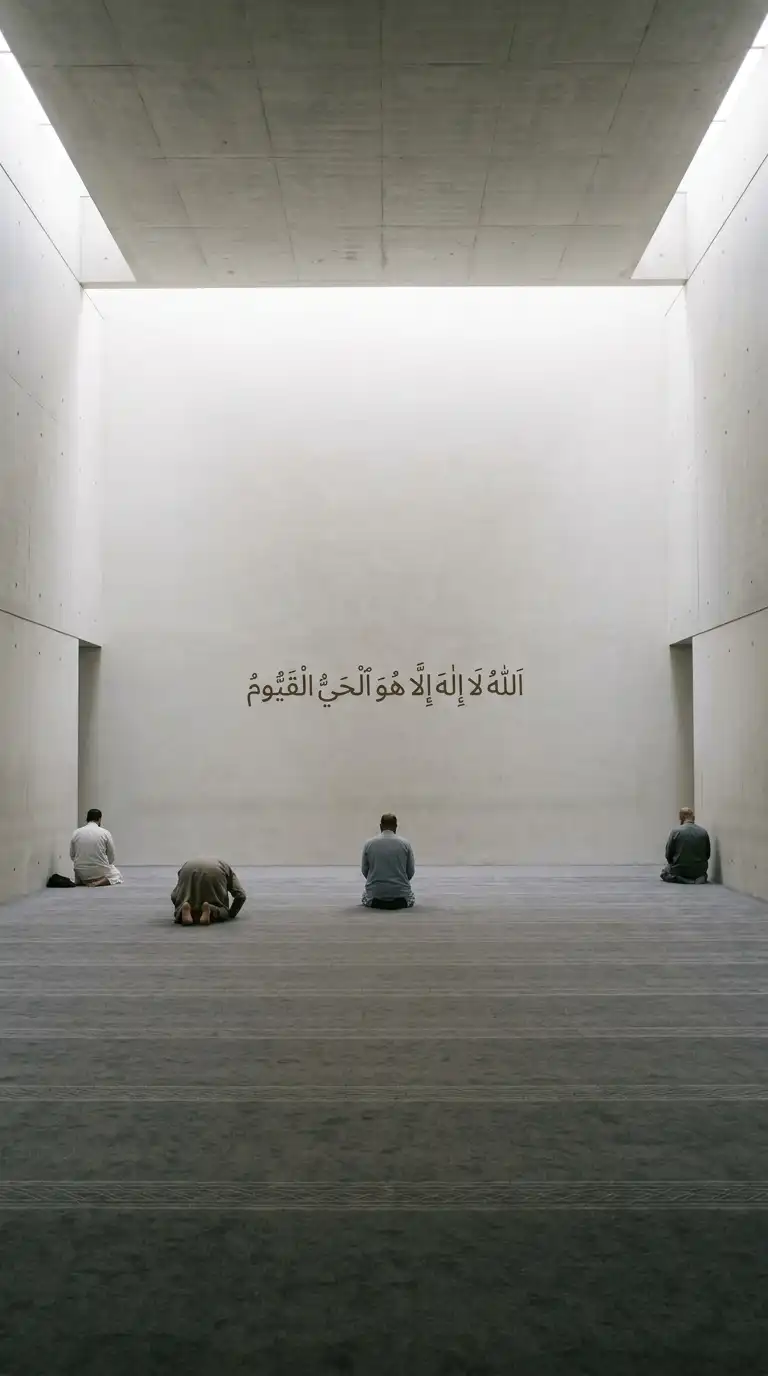
The contemporary minimalist mosque strips away ornament to focus on light, space, and geometry. The form is simple: a cube or a circle. The only decoration is calligraphy or geometric pattern. Light enters through hidden sources.
The Sancaklar Mosque in Istanbul (2012) by Emre Arolat is a defining example. The emotional effect is meditative, pure, and spiritually focused.
Quick Tips
- Eliminate all non-essential ornament — the form itself is the decoration.
- Use light as the primary spiritual element.
- The building should be grounded in its site, not floating above it.
10. The Mosque with a Musholla
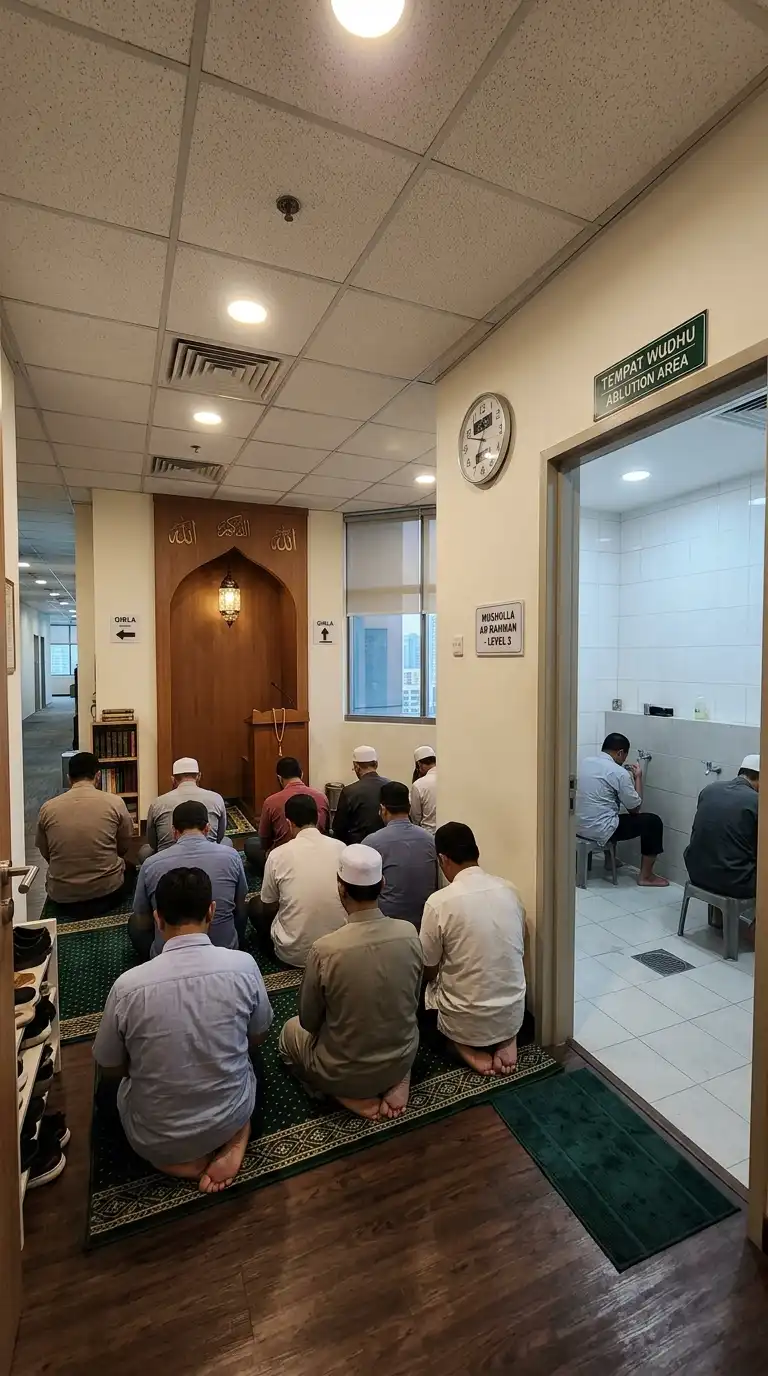
The musholla is a small prayer space, often attached to a larger mosque or located in an airport, office, or shopping centre. Unlike a congregational mosque, the musholla does not host Friday prayers. It is for daily prayers only.
The emotional effect is convenient, intimate, and accessible.
Quick Tips
- The musholla should be located near entrances for easy access.
- Ablution facilities must be adjacent.
- The space should be flexible for different group sizes.
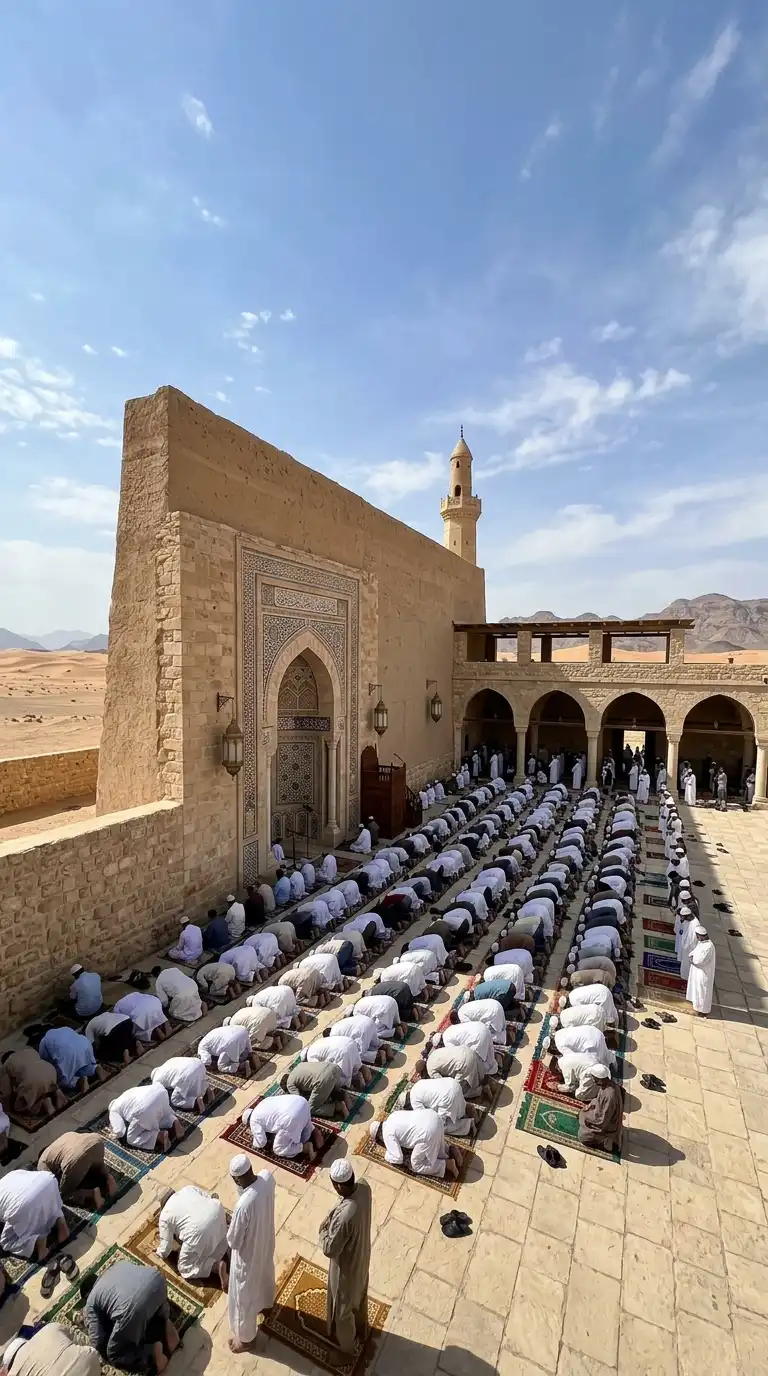
11. The Open-Air Mosque
The open-air mosque has no roof over the prayer hall. The qibla wall provides shade in the afternoon. The floor is paved. Worshippers pray under the sky. This design is suitable for warm, dry climates.
The emotional effect is humble, exposed, and directly connected to the elements.
Quick Tips
- The qibla wall should be tall enough to provide afternoon shade.
- The floor must be paved and level for prostration.
- A covered area should be provided for rain or extreme heat.
12. The Mosque with a Green Roof
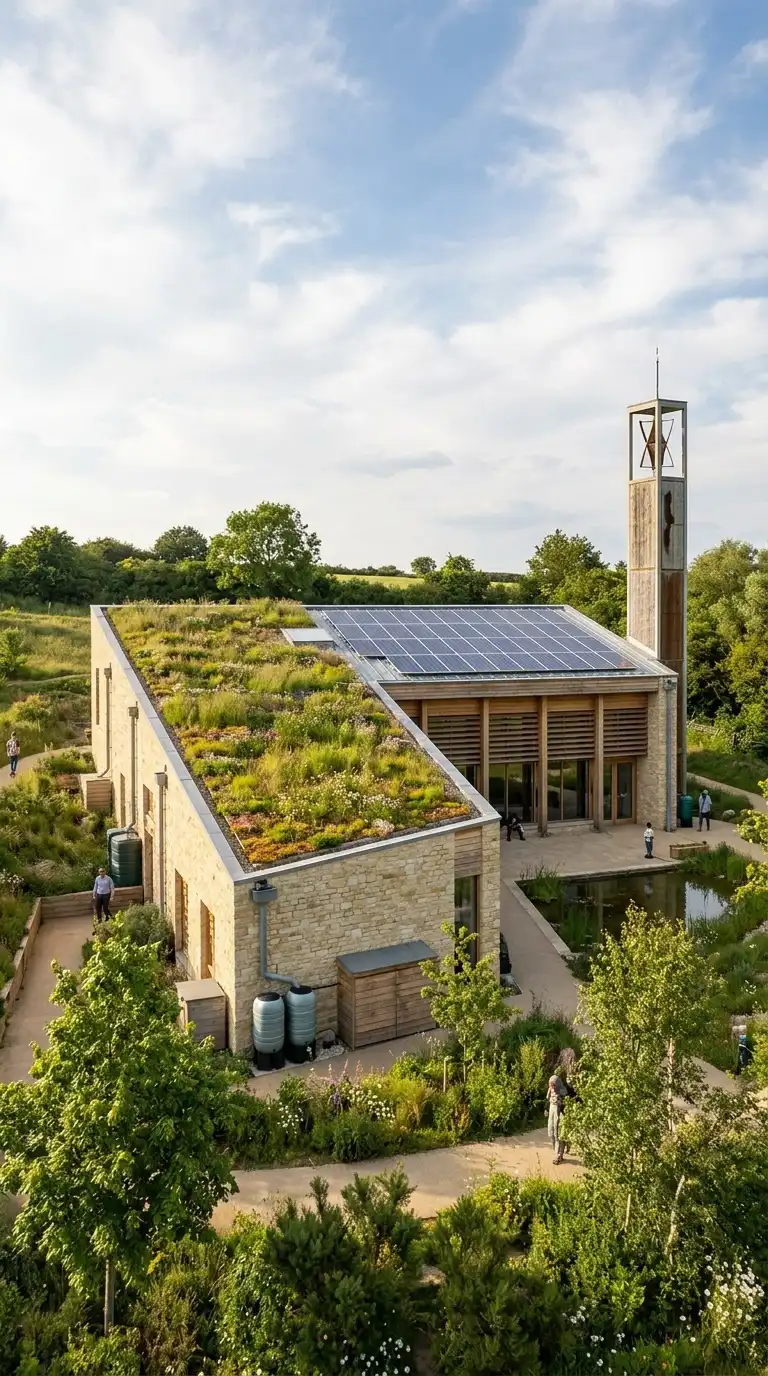
The green mosque integrates environmental sustainability with spiritual practice. The roof is planted with native vegetation. The building uses passive cooling, rainwater harvesting, and solar energy.
The emotional effect is responsible, peaceful, and ecologically conscious.
Quick Tips
- The roof must be structurally capable of supporting soil and water.
- Use native, drought-tolerant plants adapted to the local climate.
- Rainwater should be harvested for ablution and irrigation.
13. The Underground Mosque
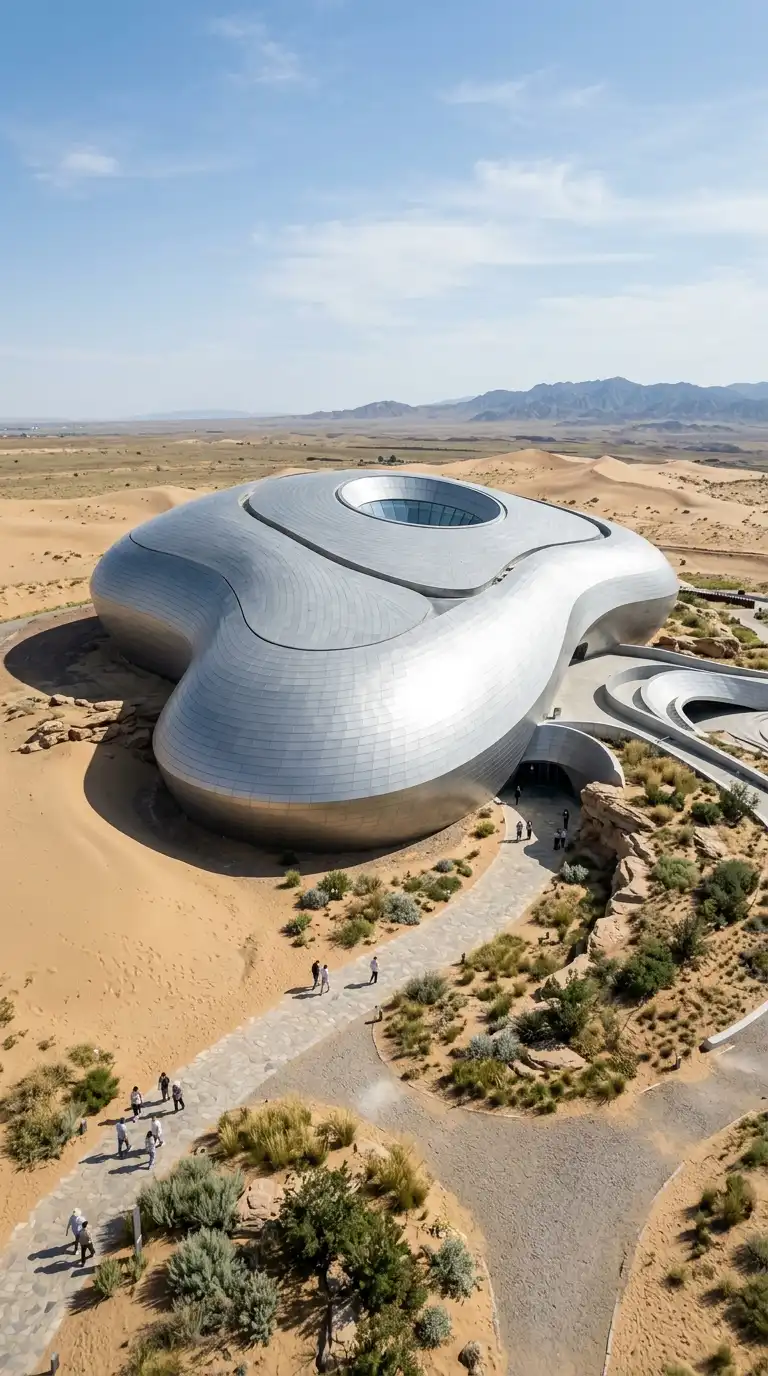
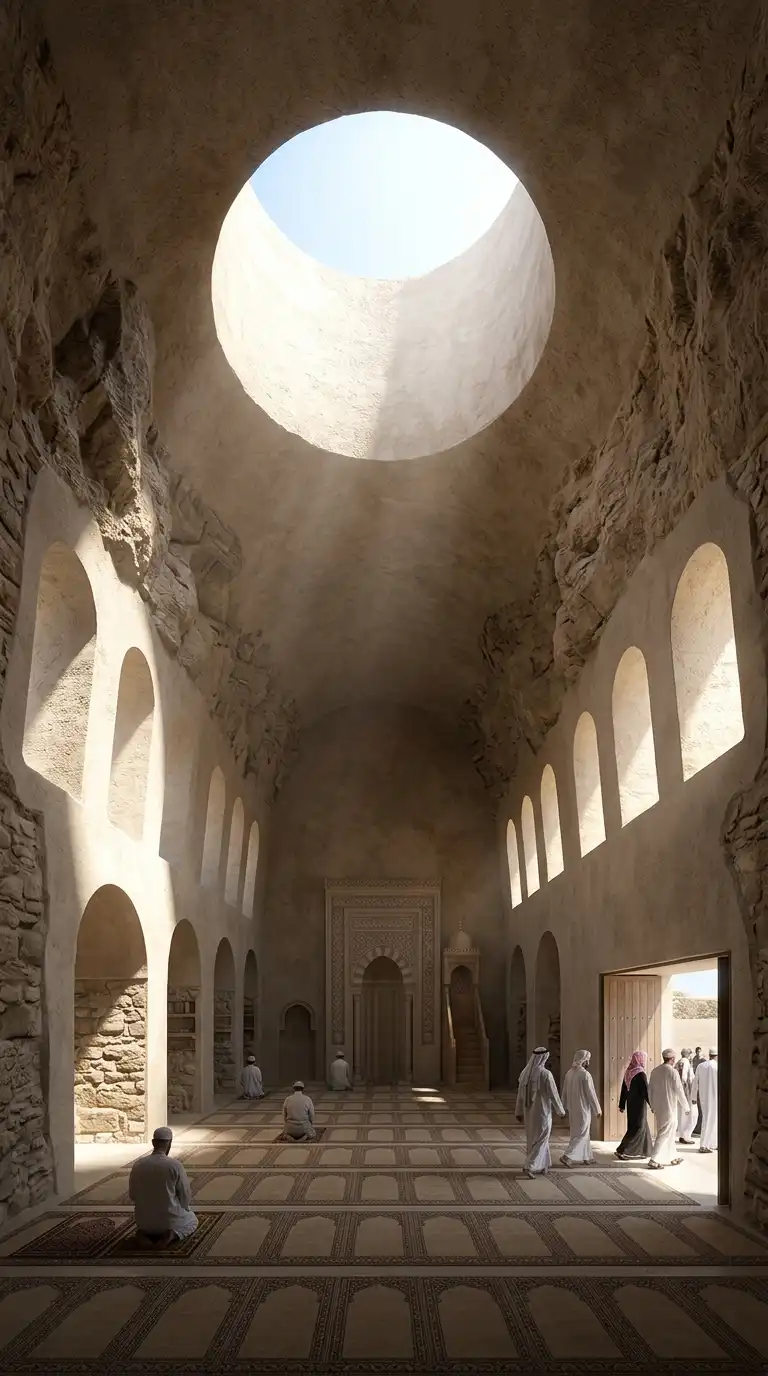
The underground mosque is carved into a hillside or excavated below grade. The earth provides thermal mass, cooling the space in summer and warming it in winter. Light enters through courtyards, light wells, or a central oculus.
The emotional effect is cave-like, meditative, and deeply grounded.
Quick Tips
- The earth provides thermal mass — no mechanical cooling needed.
- Light must enter through openings in the roof or walls.
- Ventilation must be designed for natural airflow.
14. The Floating Mosque
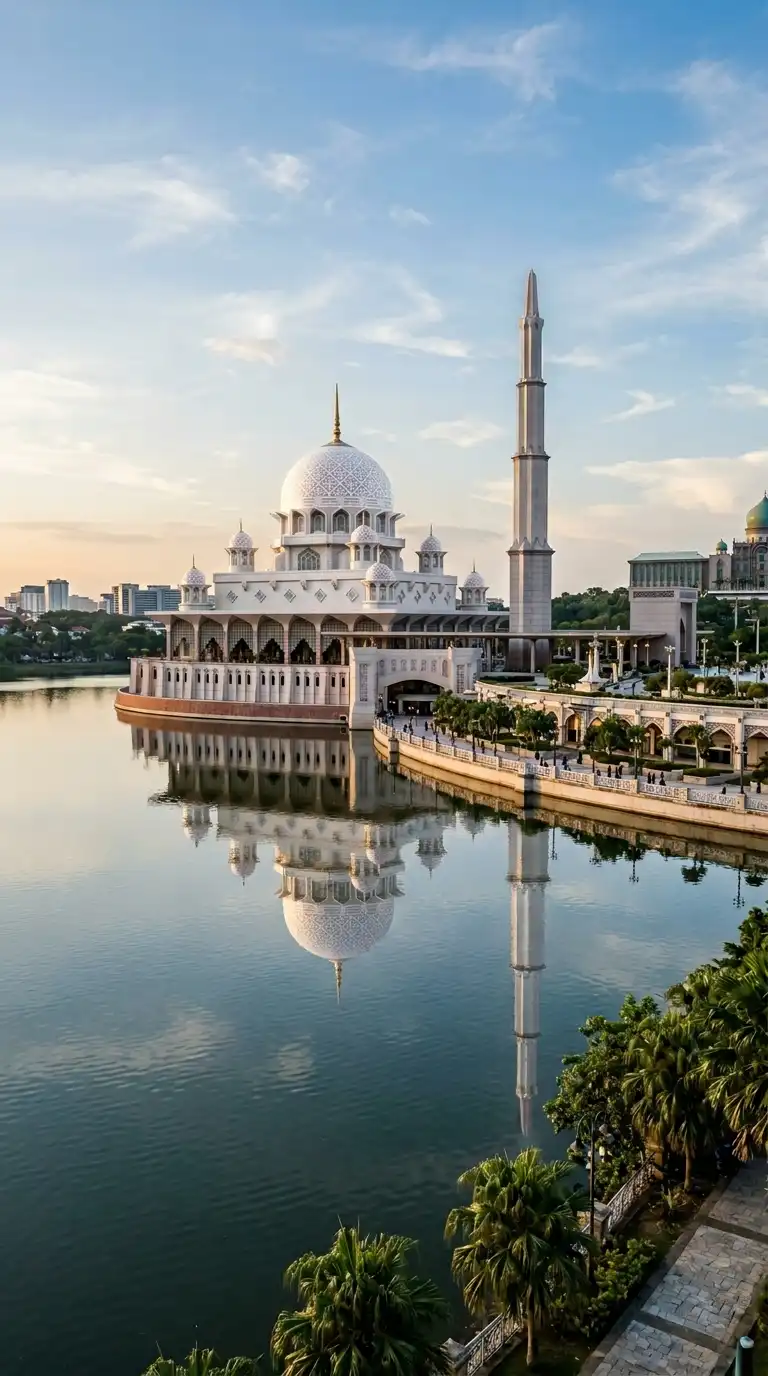
The floating mosque is built on water. The mosque appears to float on a lake, river, or sea. The reflection doubles the building. Water surrounds the worshipper.
The emotional effect is serene, reflective, and visually dramatic.
Quick Tips
- The foundation must be pile-supported or floating.
- The building should be accessible by land and water.
- The reflection is part of the design.
15. The Mosque with a Sahn
The sahn is the courtyard of a mosque. It is a large open space, often paved with stone or marble. A fountain for ablutions is in the centre or offset. The courtyard is surrounded by a riwaq — a covered arcade on one or more sides.
The emotional effect is calm, open, and communal.
Quick Tips
- The sahn should be large enough for the entire congregation to gather.
- The ablution fountain should be accessible from all sides.
- The riwaq should provide shade for those waiting for prayer.
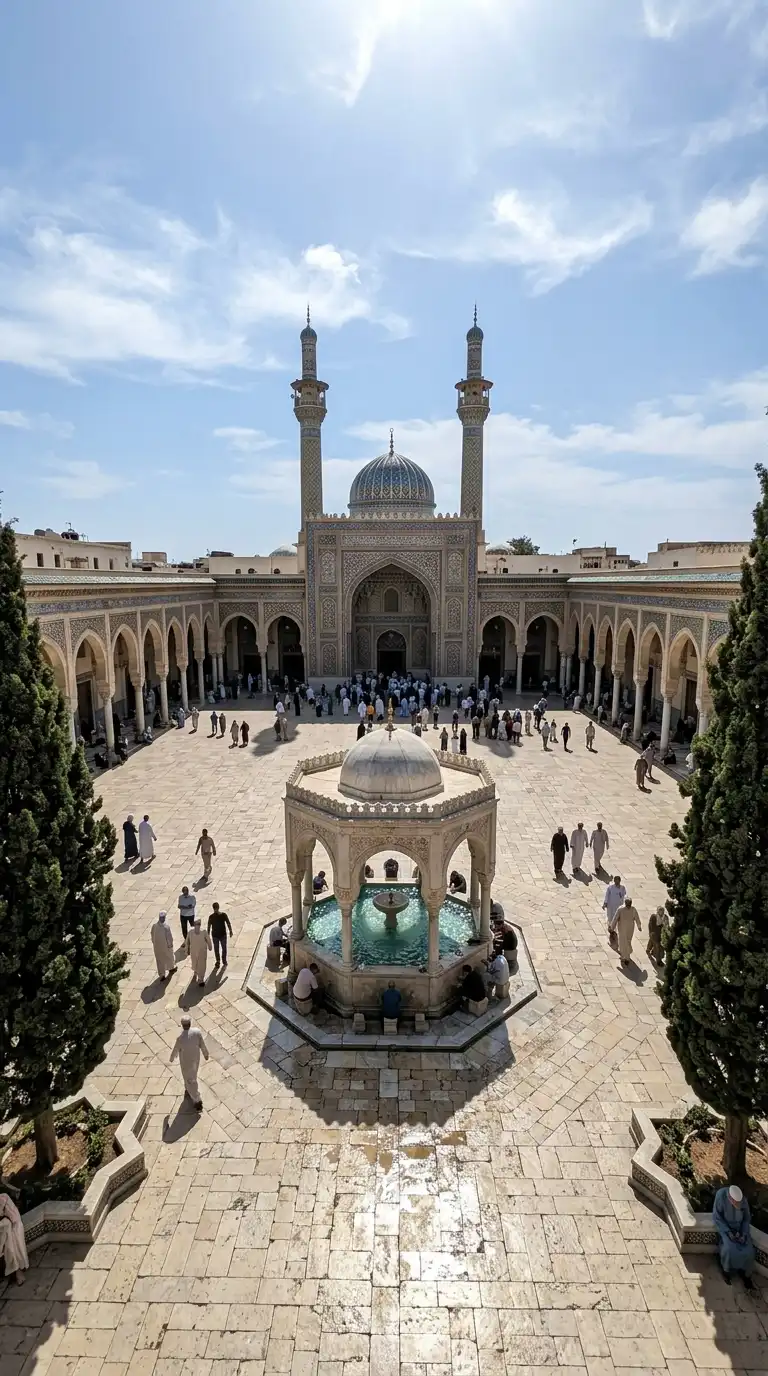
16. The Mosque with a Shadirvan
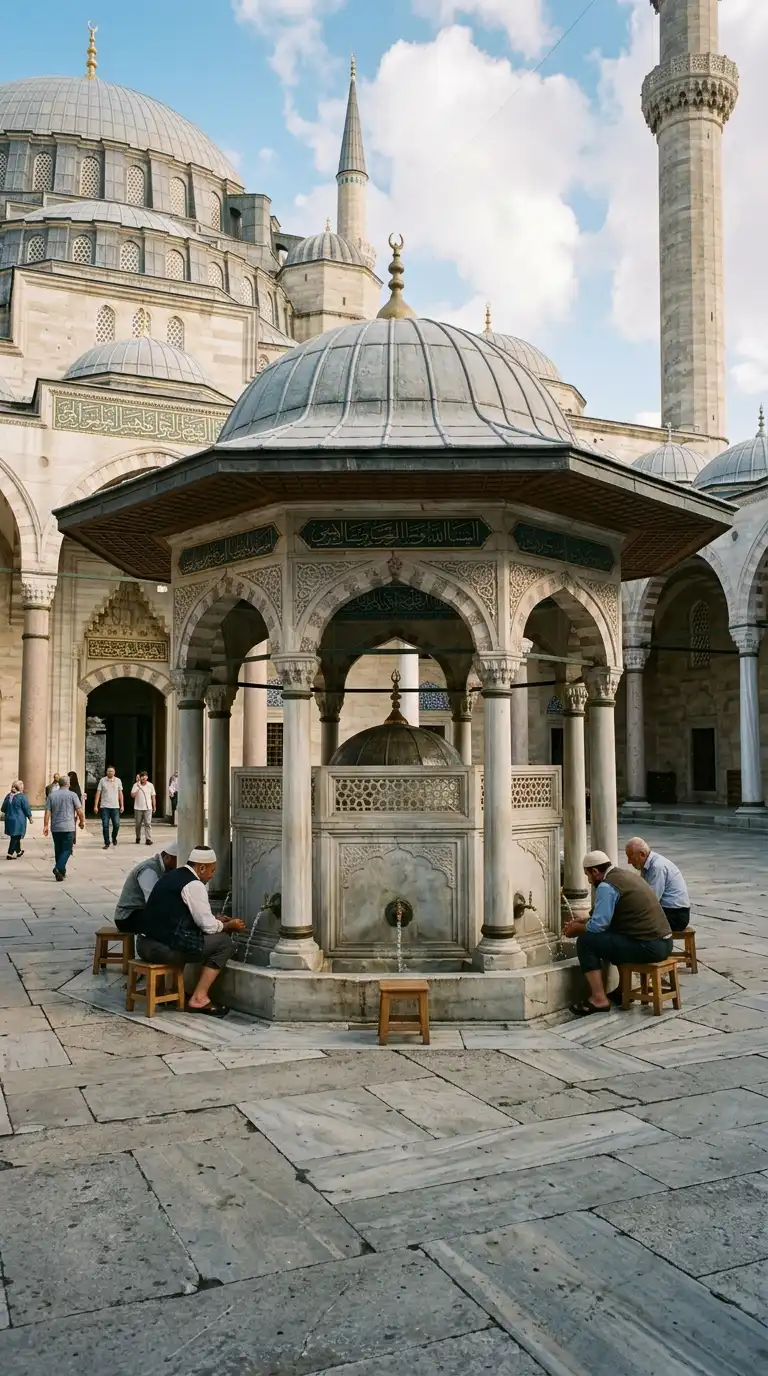
The shadirvan is a large ablution fountain, often in the courtyard of an Ottoman mosque. Unlike a simple pool, the shadirvan is a covered structure with water flowing from multiple taps. Worshippers perform ablution around its perimeter.
The emotional effect is cooling, soothing, and communal.
Quick Tips
- The shadirvan should be centrally located in the courtyard.
- Water should flow from multiple taps around the perimeter.
- The structure should provide shade for those performing ablution.
17. The Mosque with a Mahfil
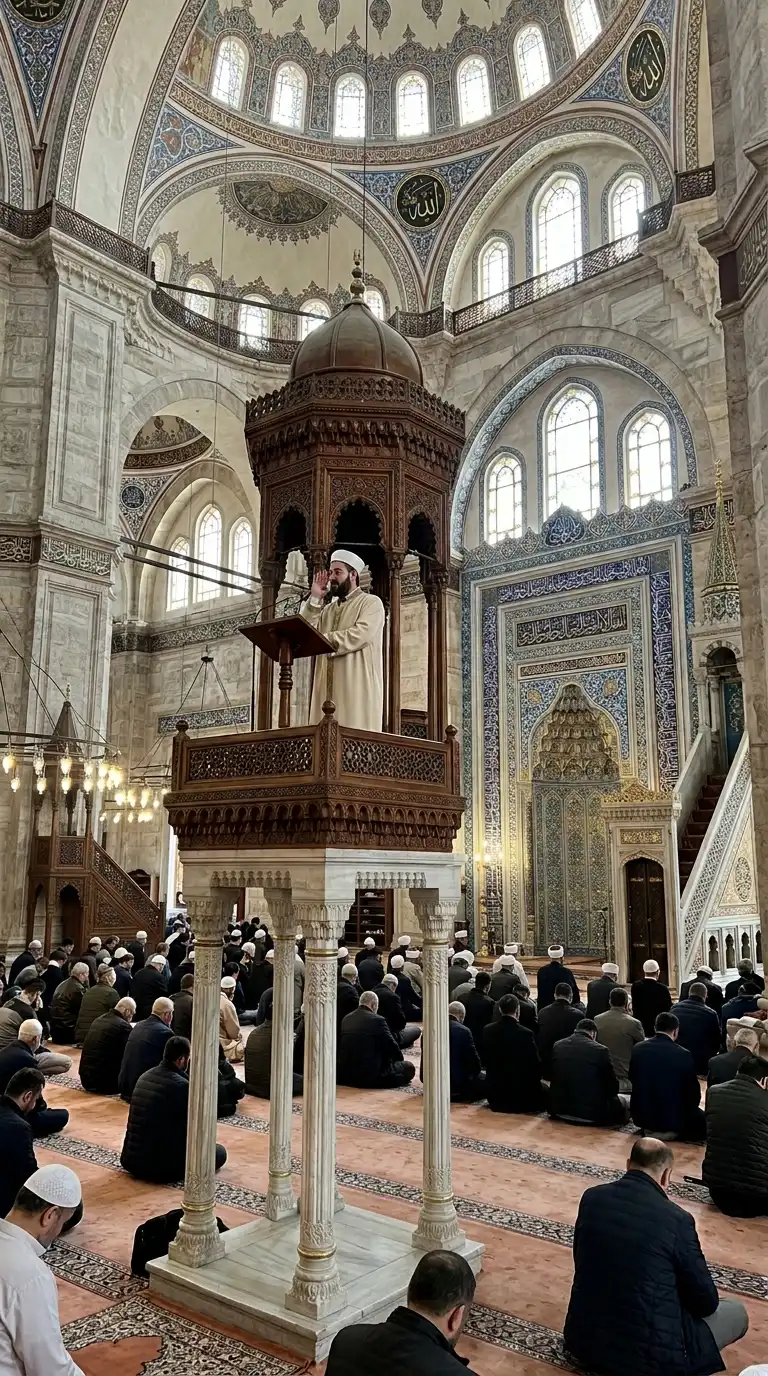
The mahfil is a raised platform in a mosque, used for the muezzin (call to prayer) or for recitation. It is often a small, elevated structure within the prayer hall, accessed by stairs. The mahfil adds vertical interest and improves acoustics.
The emotional effect is hierarchical, decorative, and acoustically functional.
Quick Tips
- The mahfil should be elevated 1-2 metres above the prayer floor.
- Stairs should be on the side away from the qibla.
- The structure should not block the view of the mihrab.
18. The Star-Shaped Mosque
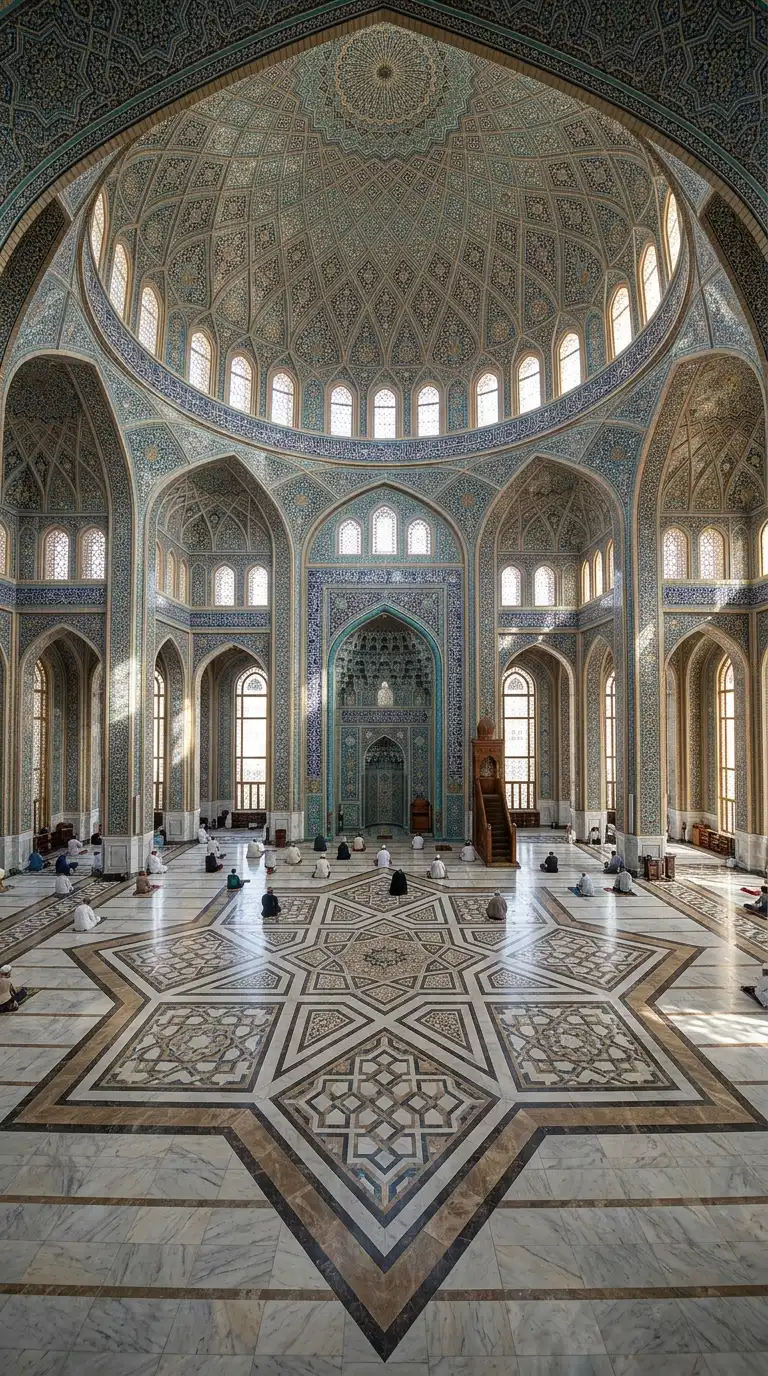
The star-shaped mosque is a rare but powerful form. The plan is a star polygon — typically a six-pointed or eight-pointed star. The points of the star become niches or iwans. The centre is domed. The star form symbolises divine light.
The emotional effect is geometric, celestial, and intellectually rigorous.
Quick Tips
- The star must be geometrically precise — use a compass and straightedge.
- The centre should be domed.
- The points of the star can contain mihrabs or entrances.
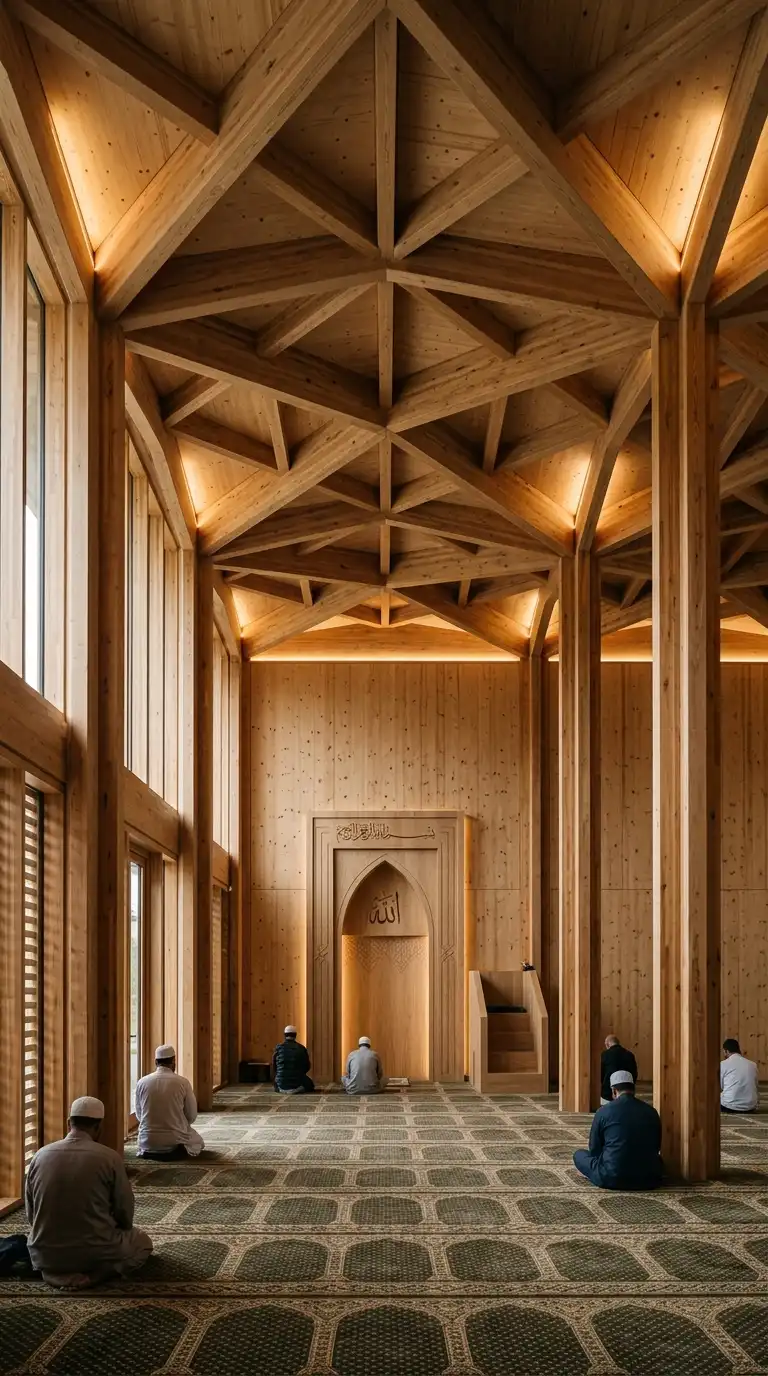
19. The Contemporary Timber Mosque
The contemporary timber mosque uses mass timber construction — cross-laminated timber (CLT) and glue-laminated timber (glulam) — for structure and finish. The timber is exposed, warm, and sustainable. The form is often geometric and contemporary.
The emotional effect is warm, sustainable, and spiritually grounded.
Quick Tips
- Expose the timber structure — do not hide it.
- Use the wood grain as ornament — no additional decoration needed.
- The form should be simple and geometric.
Final Thoughts
The mosque is one of the most varied building types in architectural history. It has been built in mud brick, stone, marble, timber, concrete, and glass. It has taken forms as different as the forest of columns in Córdoba, the domed centrality of Selimiye, and the carved hillside of Sancaklar.
Yet all mosques share the same purpose: a space for prostration before God. The design follows from that purpose. The qibla wall faces Mecca. The mihrab marks the direction. The space is cleared for prayer. Everything else is interpretation, tradition, and local culture.
These 19 designs are not mutually exclusive. A four-iwan mosque can have a shadirvan. A contemporary mosque can have a green roof. A Mughal mosque can have a mahfil. The best mosque designs honour the past while serving the present.