Old architecture is not obsolete. It is accumulated wisdom. Before steel, before concrete, before electricity, builders built with stone, brick, timber, and earth. They built for climate, for materials, for ritual, and for eternity. Old architecture is not primitive — it is ingenious. It is the foundation of everything built since.
These 15 old architecture designs span prehistory to the Middle Ages, from巨石阵 to Gothic cathedrals. Each design includes defining characteristics, construction principles, and cultural meanings.
1. The Megalithic Dolmen
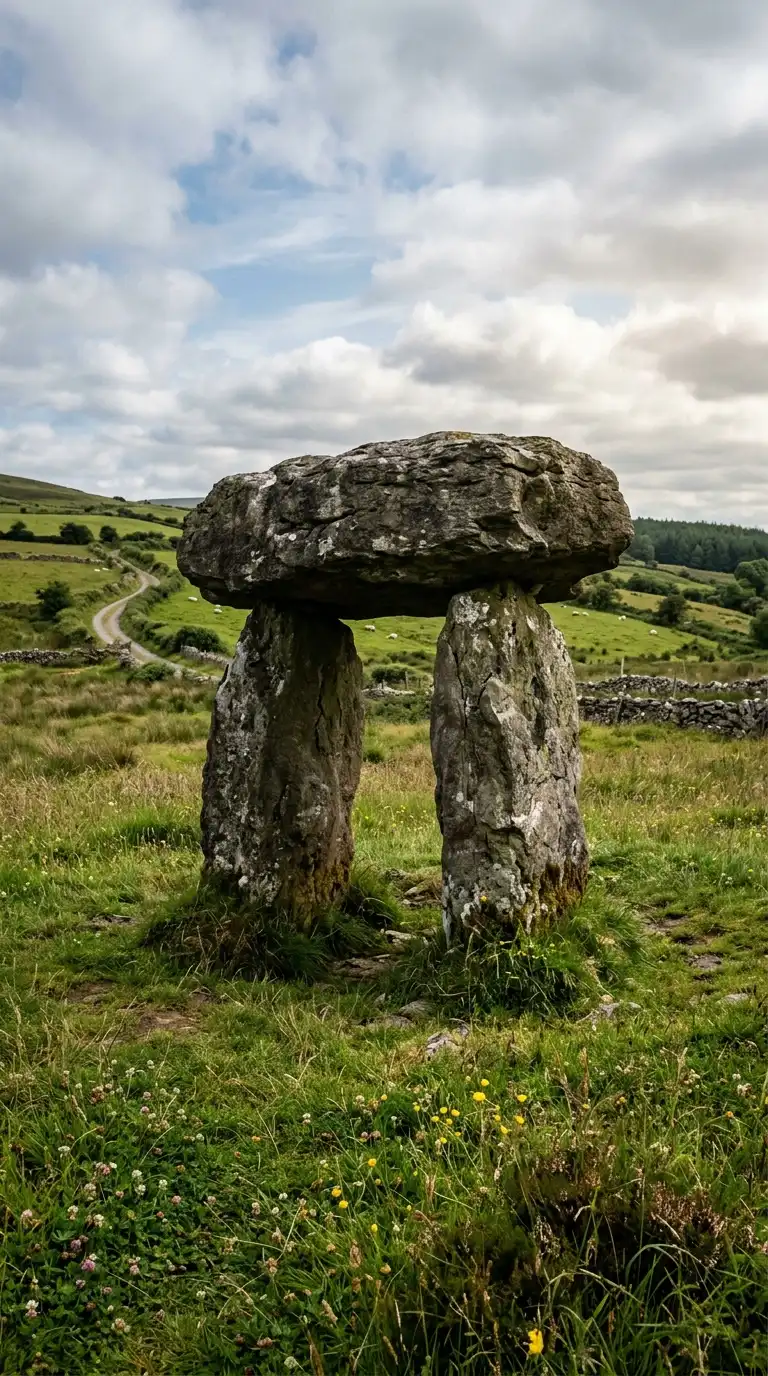
The dolmen is a stone table: two upright stones supporting a horizontal capstone. The dolmen is a tomb, a marker, a sacred place. The stones weigh many tons. They were moved without wheels or pulleys. The dolmen is ancient, heavy, and mysterious.
This design is ideal for tombs and memorials. The emotional effect is ancient, heavy, and mysterious.
Quick Tips
- Two upright stones must support a horizontal capstone.
- The capstone must be larger than the uprights.
- The structure must be dry-stone (no mortar).
2. The Stone Circle
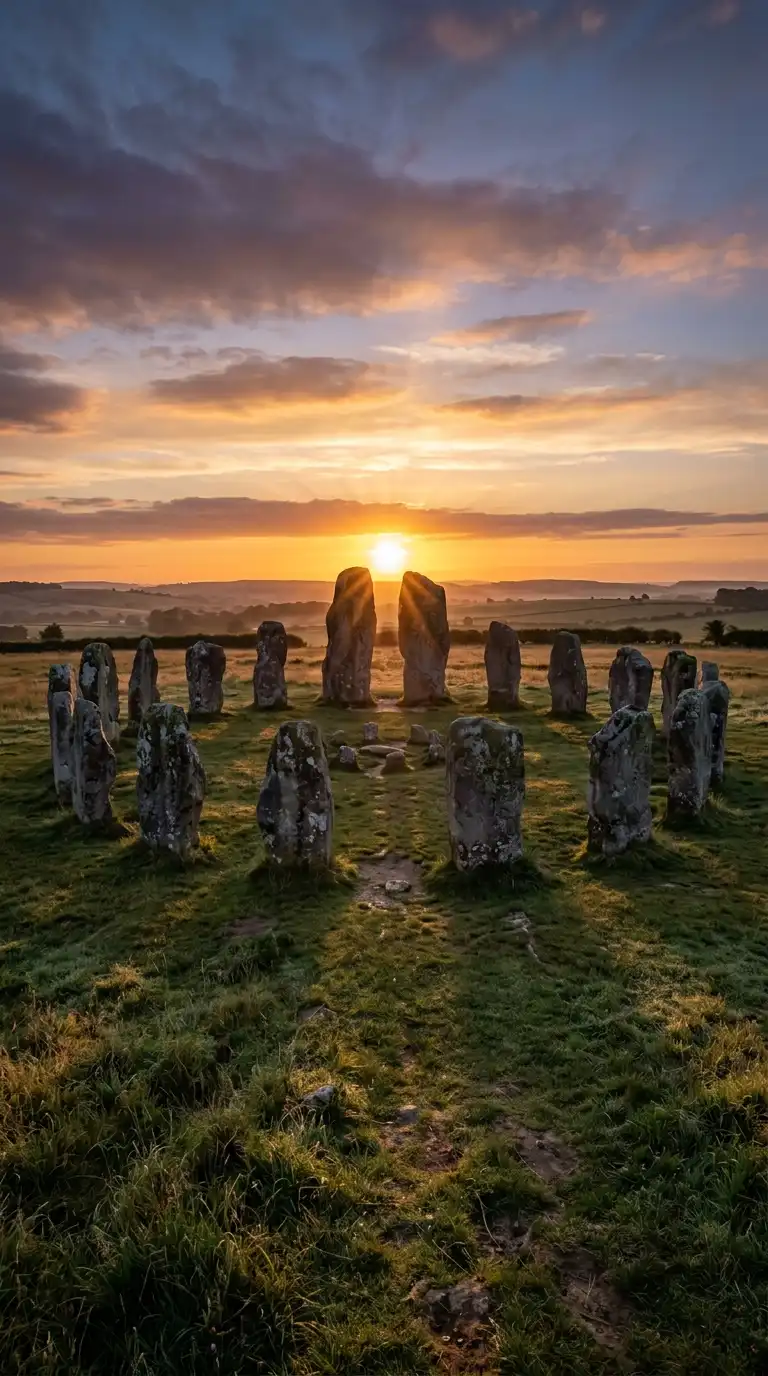
The stone circle is a ring of standing stones. The stones are evenly spaced. The circle is aligned with the sun or stars. Stonehenge is the most famous. The stone circle is a calendar, a temple, a gathering place.
This design is ideal for ceremonial sites and parks. The emotional effect is circular, aligned, and ceremonial.
Quick Tips
- The stones must be arranged in a circle.
- The stones must be evenly spaced.
- The circle must be aligned with the sun or stars.
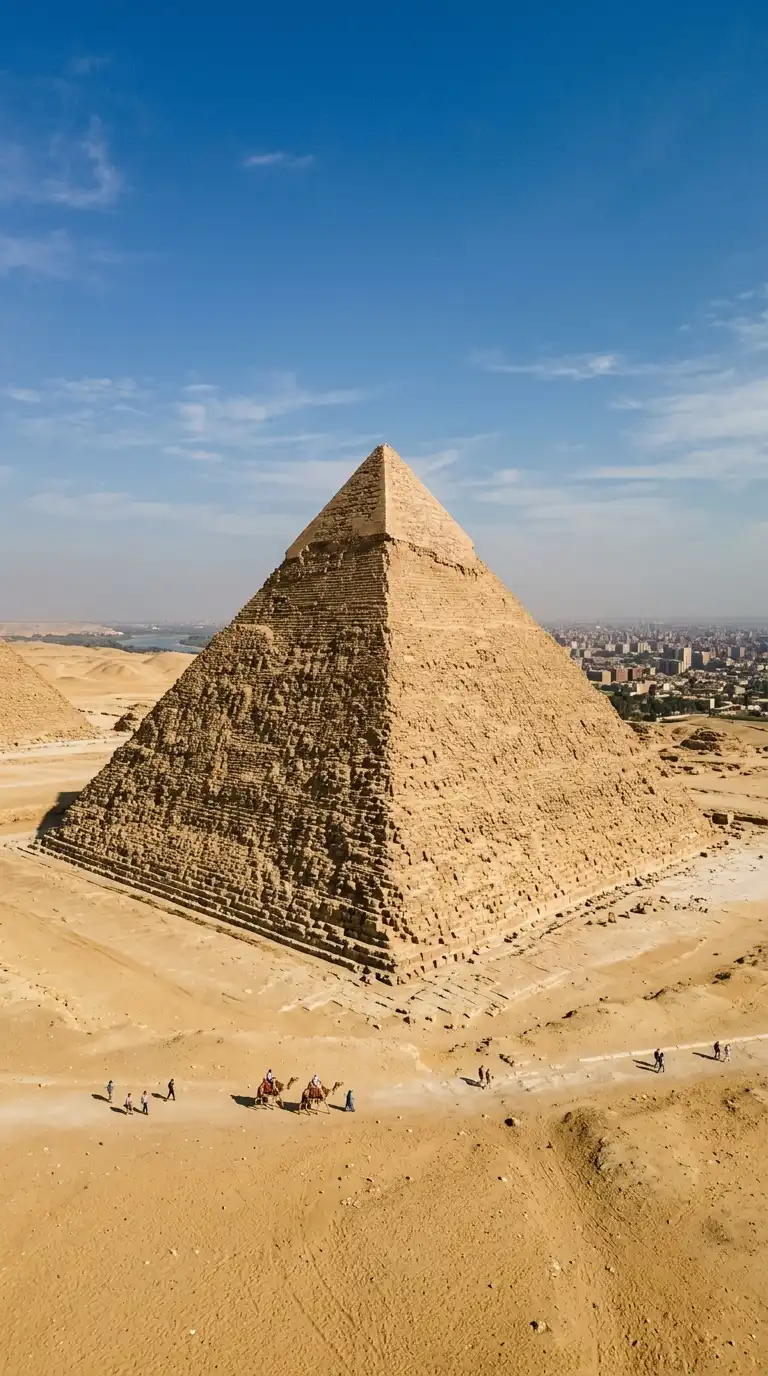
3. The Egyptian Pyramid
The pyramid is a square-based, four-sided stone tomb. The sides are smooth and sloping. The pyramid is aligned with the cardinal directions. The pyramid is the tomb of a pharaoh. The pyramid is massive, geometric, and eternal.
This design is ideal for tombs and monuments. The emotional effect is massive, geometric, and eternal.
Quick Tips
- The base must be square.
- The sides must slope to a point.
- The pyramid must be aligned with the cardinal directions.
4. The Greek Temple
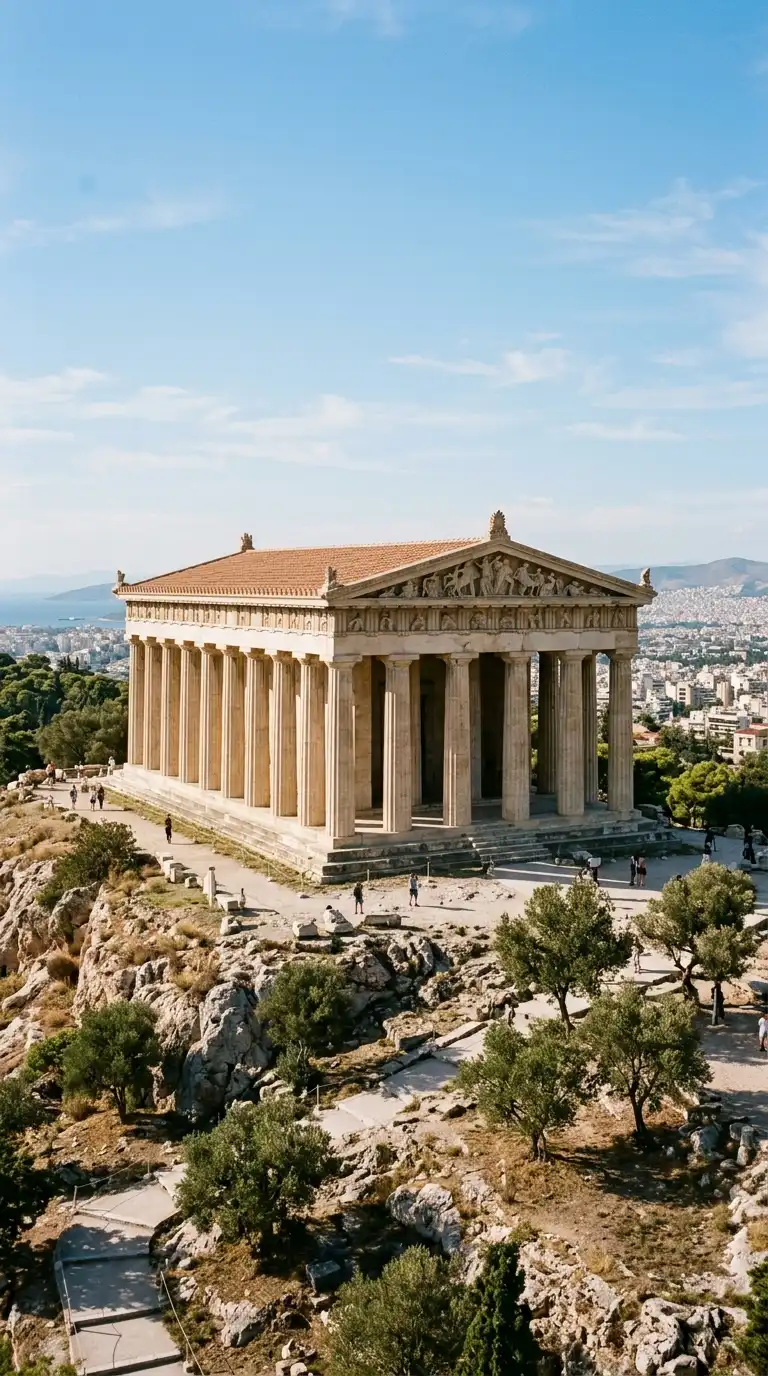
The Greek temple is a rectangular building with a colonnade on all sides. The columns are Doric, Ionic, or Corinthian. The roof is a low pediment. The temple is the home of a god. The Greek temple is rational, proportional, and ideal.
This design is ideal for temples and civic buildings. The emotional effect is rational, proportional, and ideal.
Quick Tips
- The plan must be rectangular with a colonnade on all sides.
- The columns must follow a single order (Doric, Ionic, Corinthian).
- The roof must be a low pediment.
5. The Roman Basilica
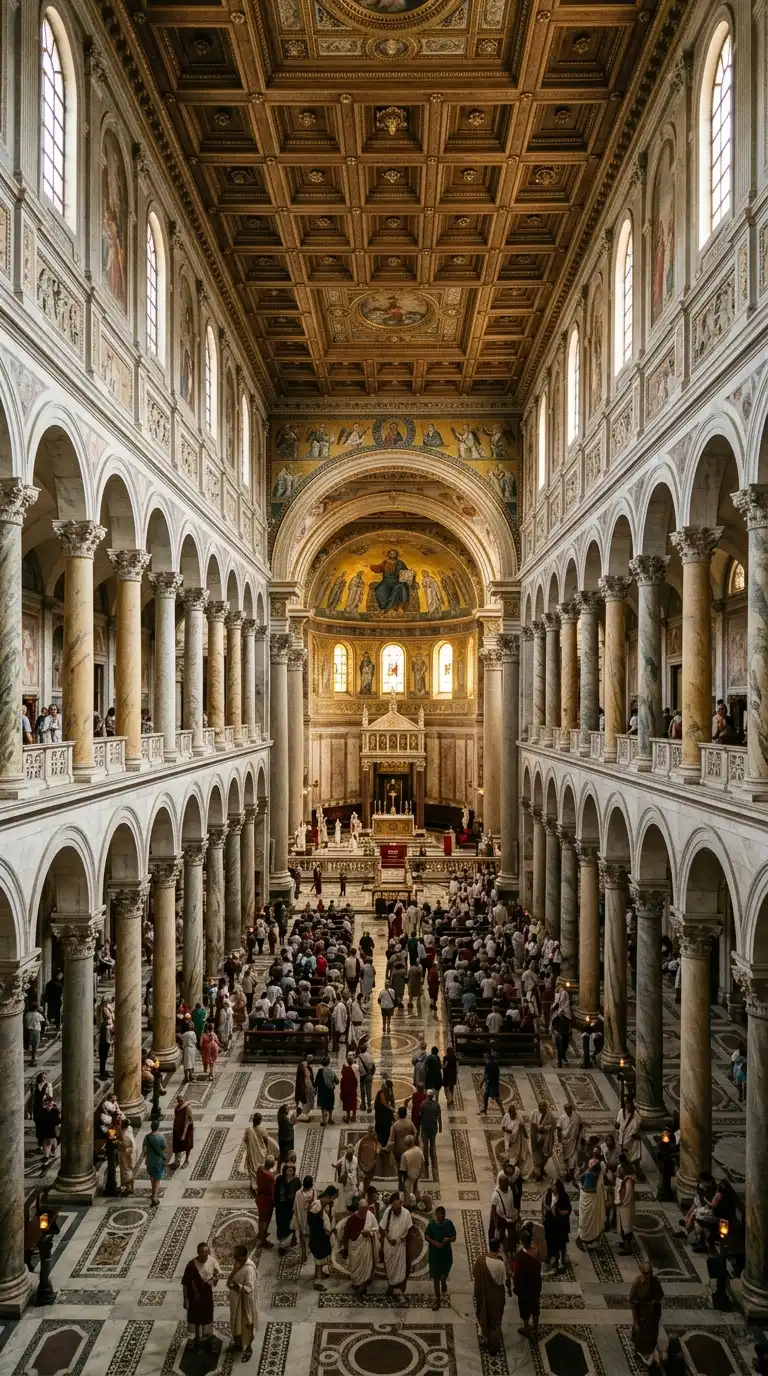
The Roman basilica is a long rectangular hall with a central nave and lower side aisles. The nave is lit by a clerestory. The apse at the end held the magistrate’s tribunal. The basilica is a law court, a meeting hall, a market. The basilica is axial, hierarchical, and public.
This design is ideal for law courts and public halls. The emotional effect is axial, hierarchical, and public.
Quick Tips
- The plan must be a long rectangle with a nave and side aisles.
- The nave must be higher than the aisles with a clerestory.
- An apse must be at one or both ends.
6. The Roman Aqueduct
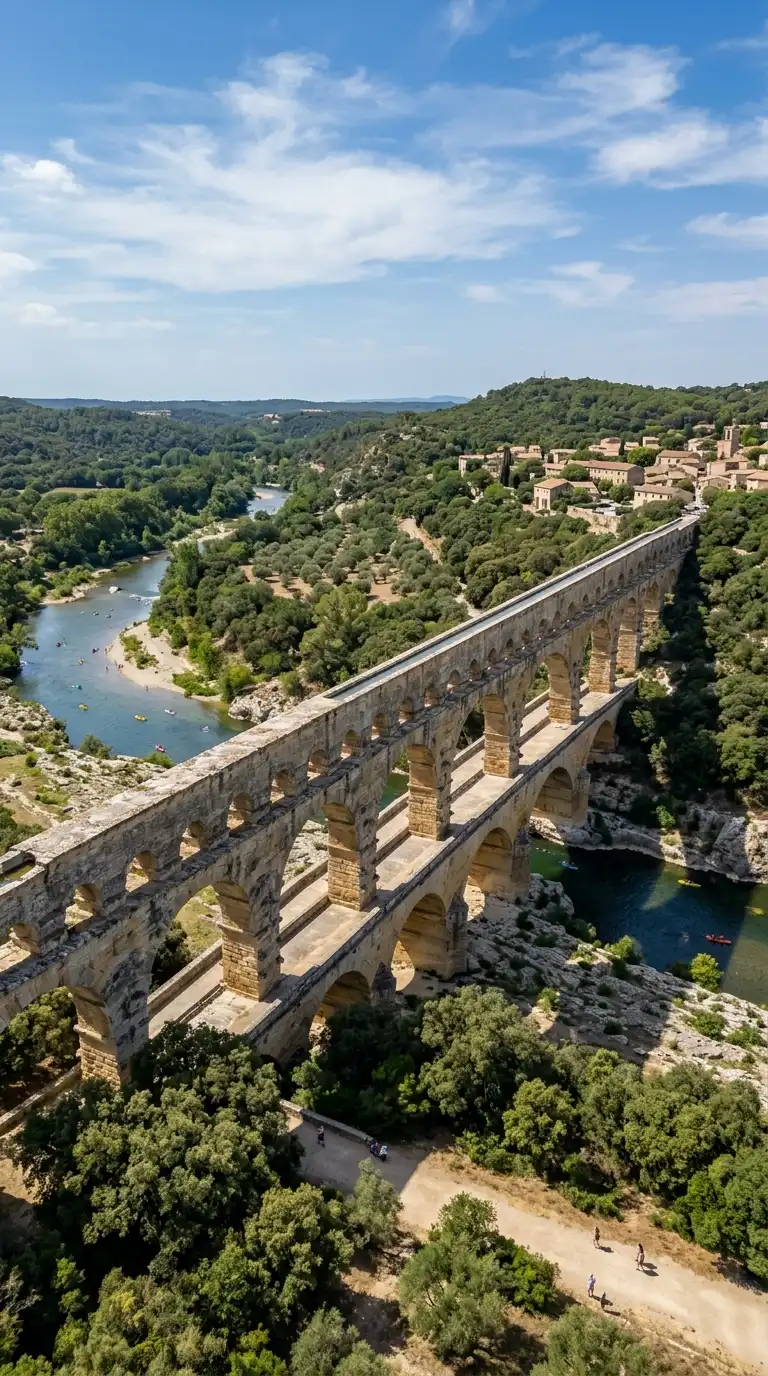
The Roman aqueduct is a long arcade of arches carrying water across valleys. The arches are stacked in two or three levels. The top level carries the water channel. The aqueduct is infrastructure as architecture. The aqueduct is engineered, rhythmic, and monumental.
This design is ideal for water supply and bridges. The emotional effect is engineered, rhythmic, and monumental.
Quick Tips
- The aqueduct must have two or three levels of arches.
- The top level must carry the water channel.
- The arches must be semicircular.
7. The Byzantine Church
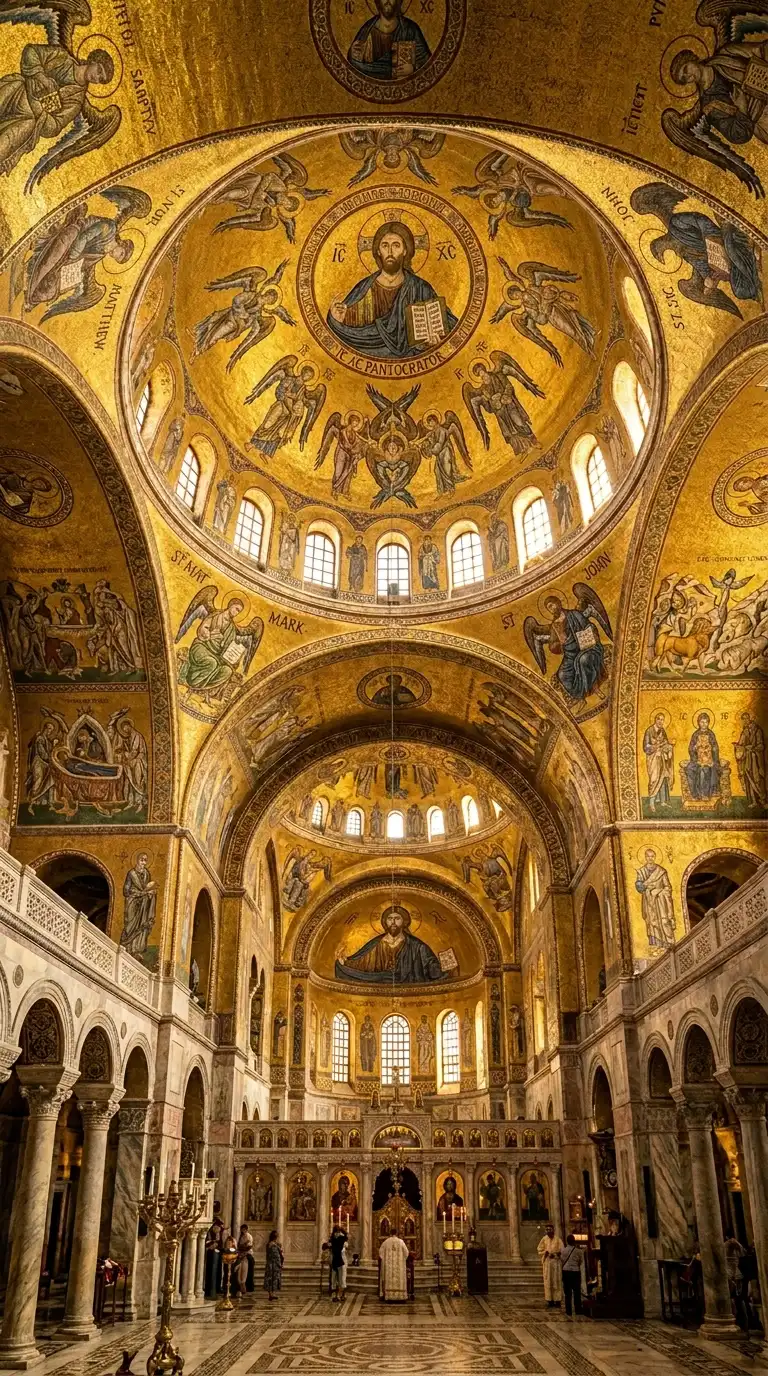
The Byzantine church is a centralised plan with a large dome on pendentives. The dome is the vault of heaven. The interior is covered in mosaics. The Byzantine church is celestial, golden, and mysterious.
This design is ideal for churches and baptisteries. The emotional effect is celestial, golden, and mysterious.
Quick Tips
- The plan must be centralised (circle, octagon, or Greek cross).
- The dome must be on pendentives.
- The interior must have mosaics.
8. The Romanesque Church
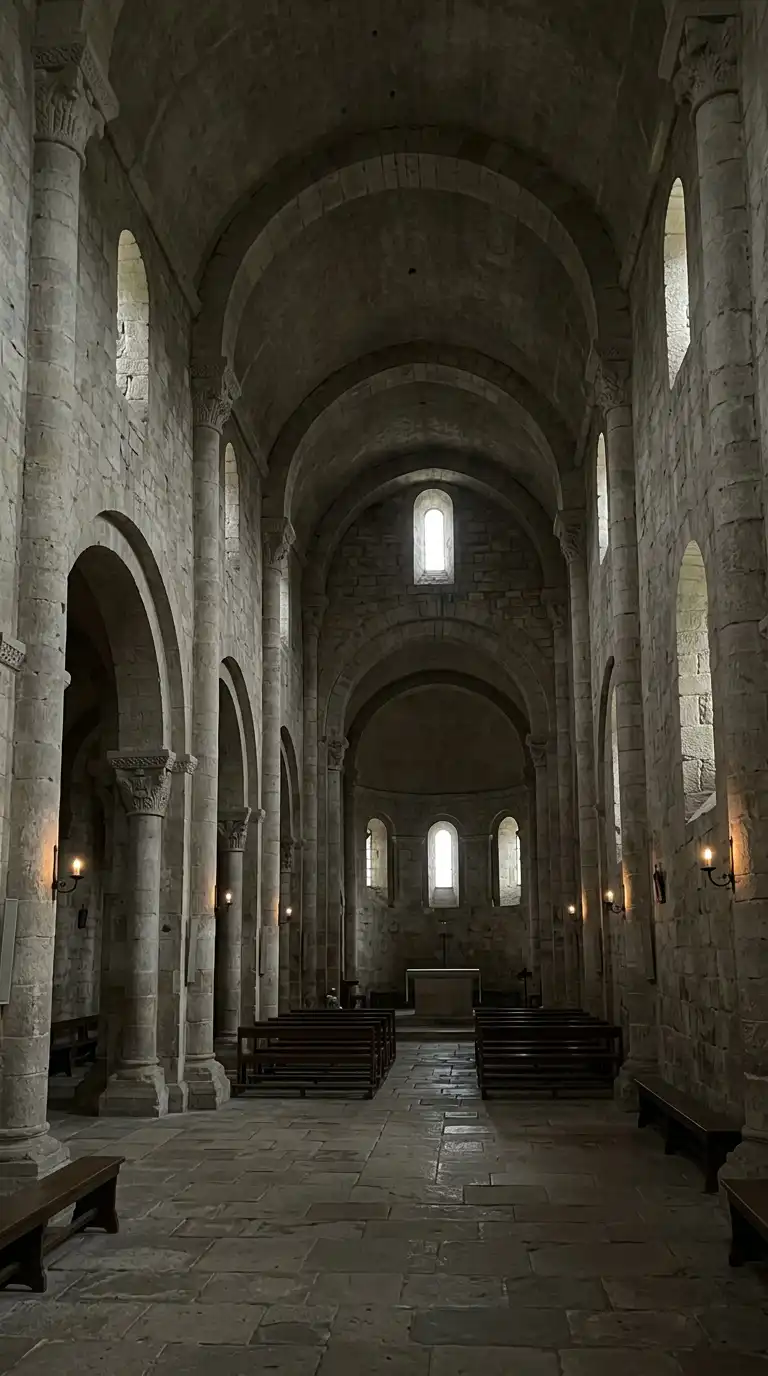
The Romanesque church has thick stone walls, small windows, and round arches. The interior is dark and heavy. The vault is a stone barrel vault. The Romanesque church is fortress-like, solid, and dark.
This design is ideal for pilgrimage churches and monasteries. The emotional effect is fortress-like, solid, and dark.
Quick Tips
- Walls must be thick stone.
- Windows must be small.
- Arches must be round (not pointed).
9. The Gothic Cathedral
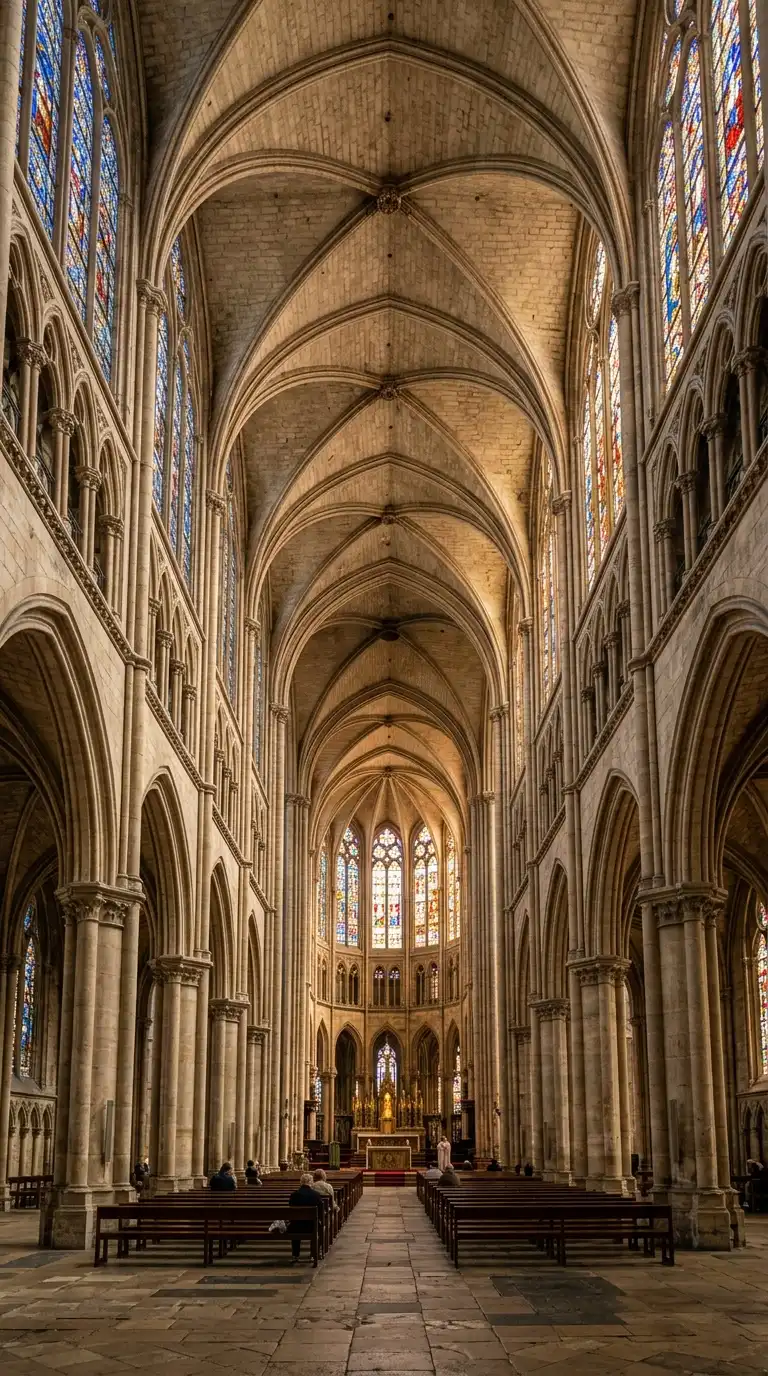
The Gothic cathedral has pointed arches, ribbed vaults, and flying buttresses. The walls are thin and filled with stained glass. The cathedral is tall, light, and vertical. The Gothic cathedral is aspiring, luminous, and awe-inspiring.
This design is ideal for cathedrals and large churches. The emotional effect is aspiring, luminous, and awe-inspiring.
Quick Tips
- Arches must be pointed.
- Vaults must be ribbed.
- Flying buttresses must support the upper walls.
10. The Medieval Castle
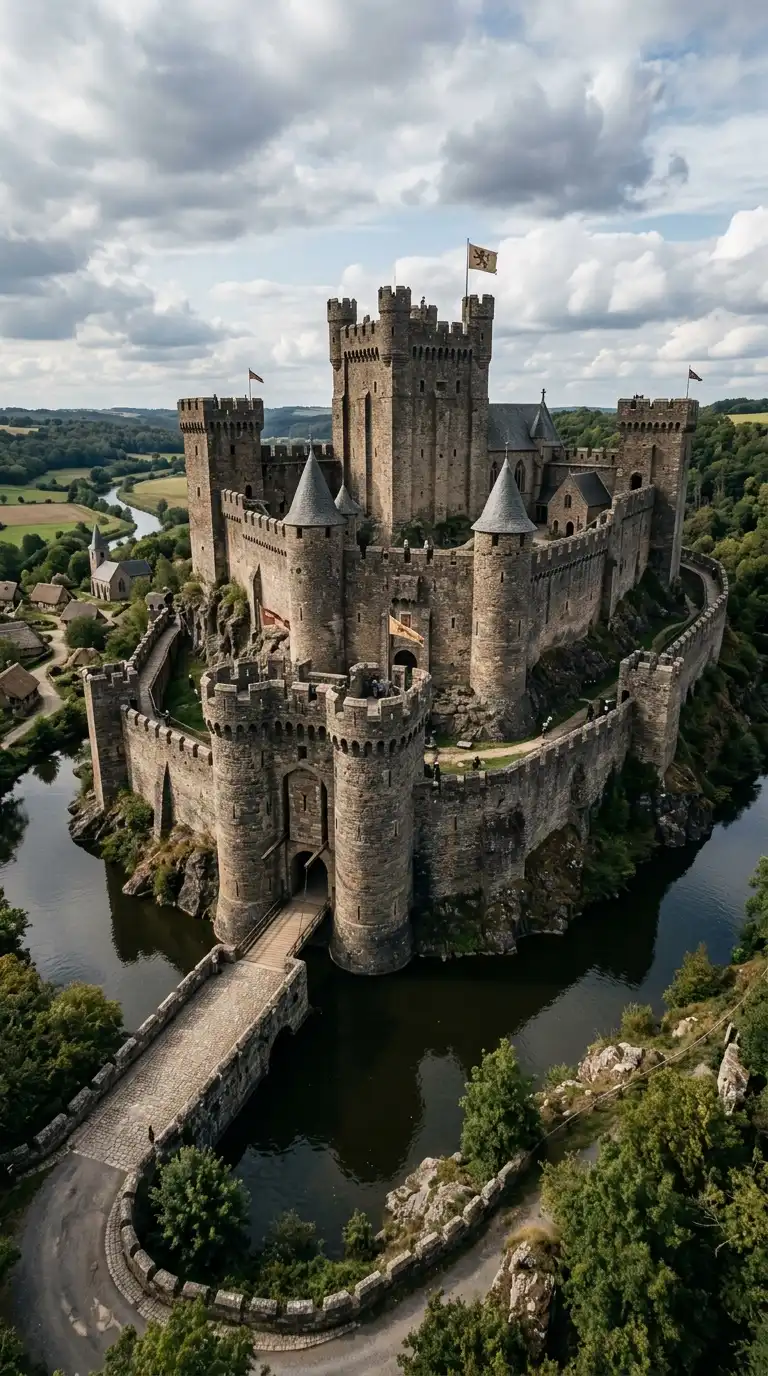
The medieval castle has high stone walls, corner towers, a gatehouse, and a moat. The walls are crenellated for defence. The castle is a fortress and a residence. The medieval castle is defensive, vertical, and powerful.
This design is ideal for fortresses and palaces. The emotional effect is defensive, vertical, and powerful.
Quick Tips
- Walls must be high stone with crenellations.
- Towers must be at the corners.
- A gatehouse and moat must be present.
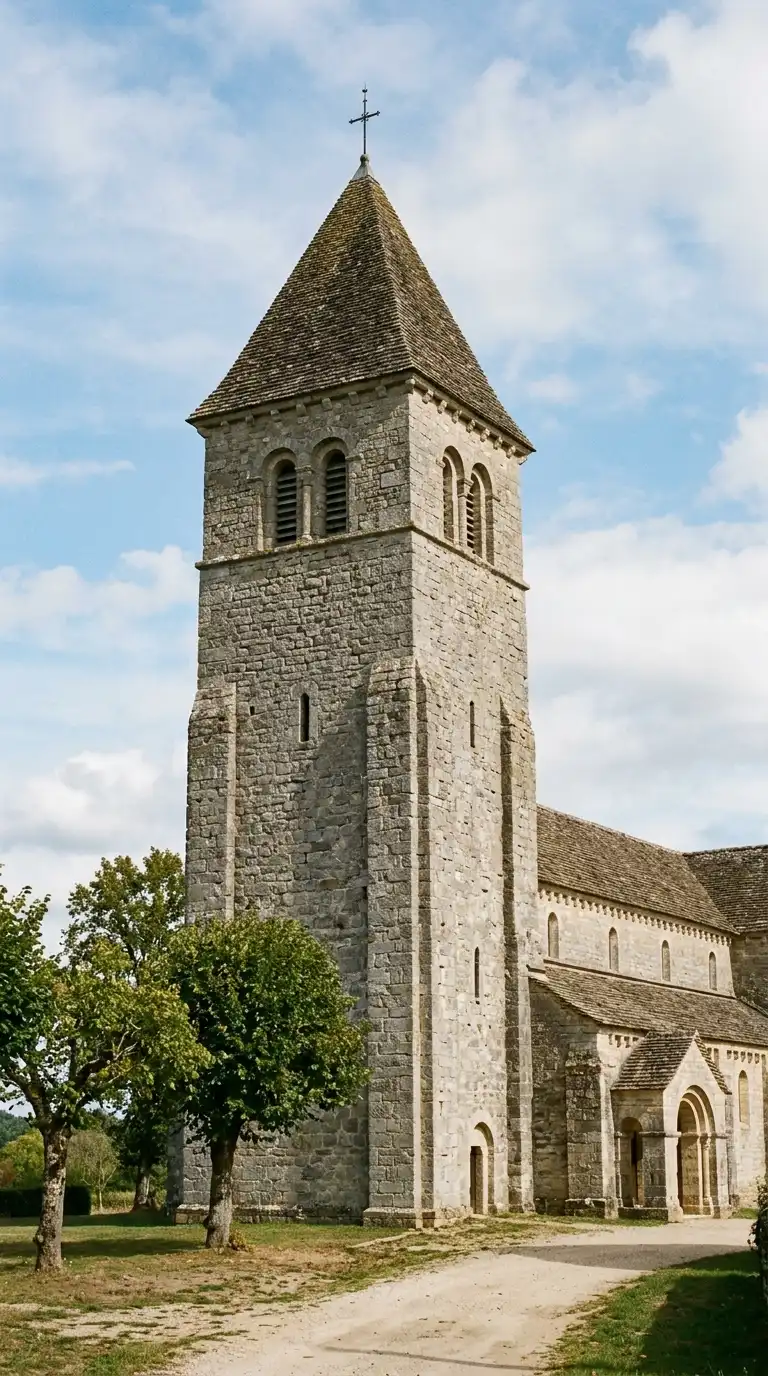
11. The Romanesque Tower
The Romanesque tower is a square stone tower with small windows and a pyramidal roof. The tower is solid, vertical, and defensive. The Romanesque tower is often part of a church or castle.
This design is ideal for bell towers and defensive towers. The emotional effect is solid, vertical, and defensive.
Quick Tips
- The plan must be square.
- Windows must be small.
- The roof must be pyramidal.
12. The Medieval Bridge
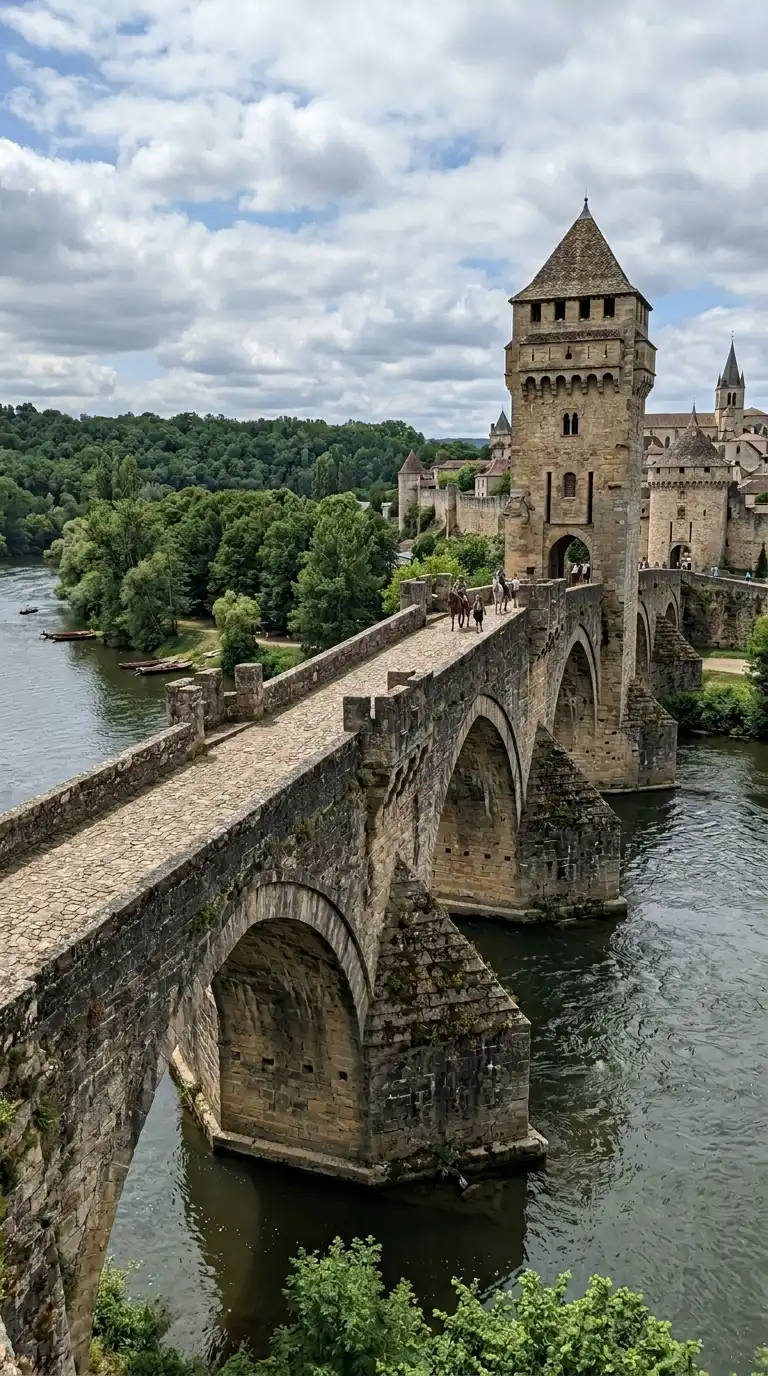
The medieval bridge is a stone arch bridge with pointed arches and defensive towers. The bridge has cutwaters on the piers. The bridge is functional and defensible. The medieval bridge is arched, defensive, and stone.
This design is ideal for river crossings and fortified towns. The emotional effect is arched, defensive, and stone.
Quick Tips
- Arches must be pointed.
- Piers must have cutwaters.
- A defensive tower must be at one end.
13. The Medieval Guildhall
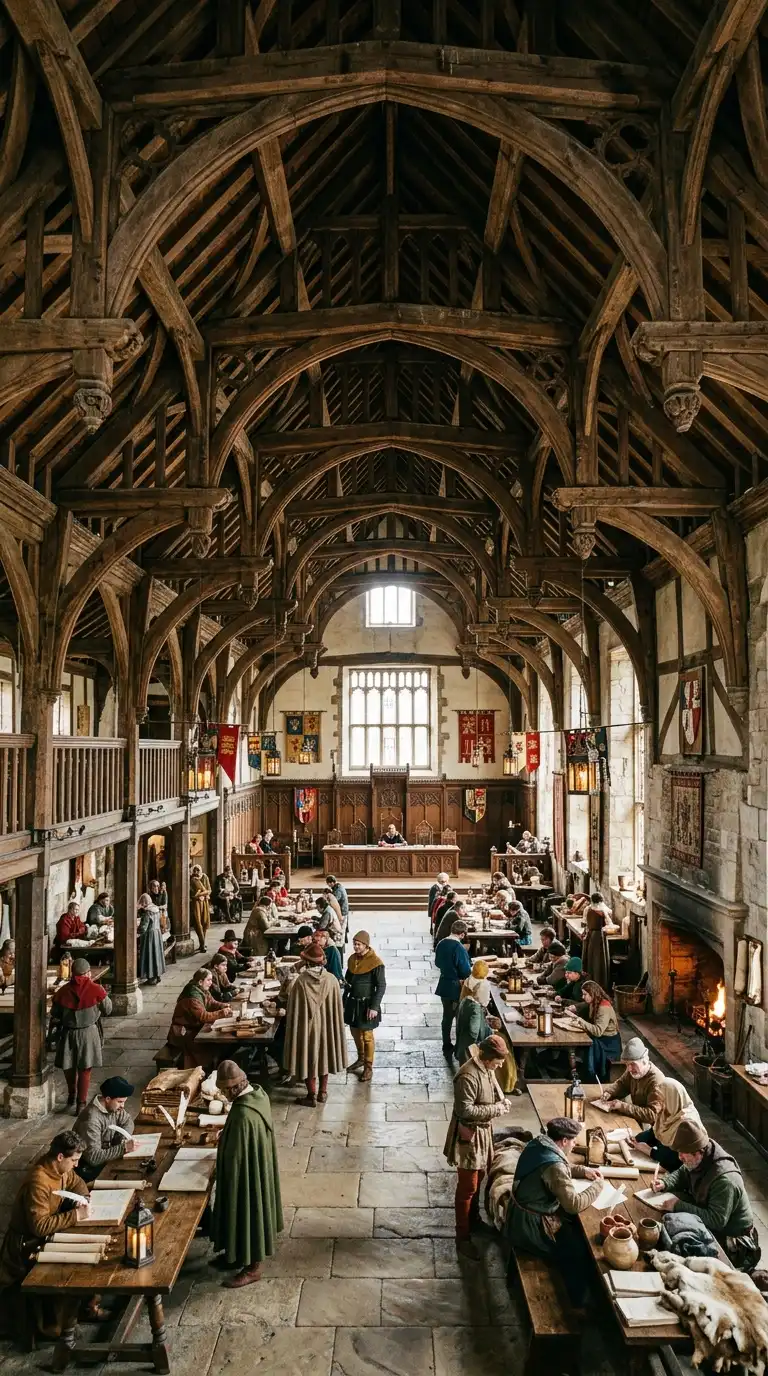
The medieval guildhall is a timber-framed hall for trade guilds. The hall is large and open. The roof is a hammerbeam roof. The guildhall is commercial, civic, and timber.
This design is ideal for town halls and guildhalls. The emotional effect is commercial, civic, and timber.
Quick Tips
- The hall must be a single large room.
- The roof must be a hammerbeam roof.
- The frame must be exposed timber.
14. The Medieval Market Cross
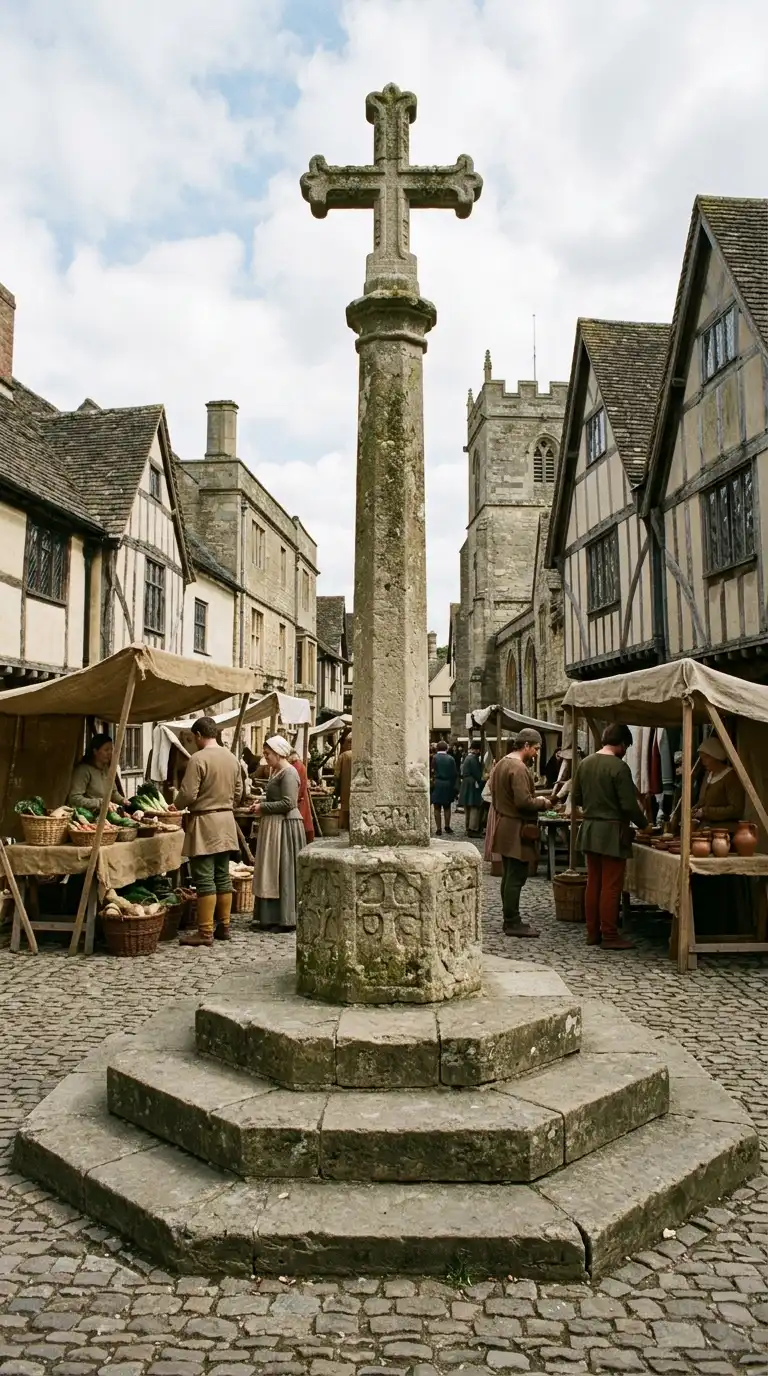
The medieval market cross is a stone column with a cross on top. The column is on a stepped base. The market cross marks the centre of the market. The market cross is civic, commemorative, and stone.
This design is ideal for market squares and town centres. The emotional effect is civic, commemorative, and stone.
Quick Tips
- The column must be on a stepped base.
- A cross must be on top.
- The column must be freestanding.
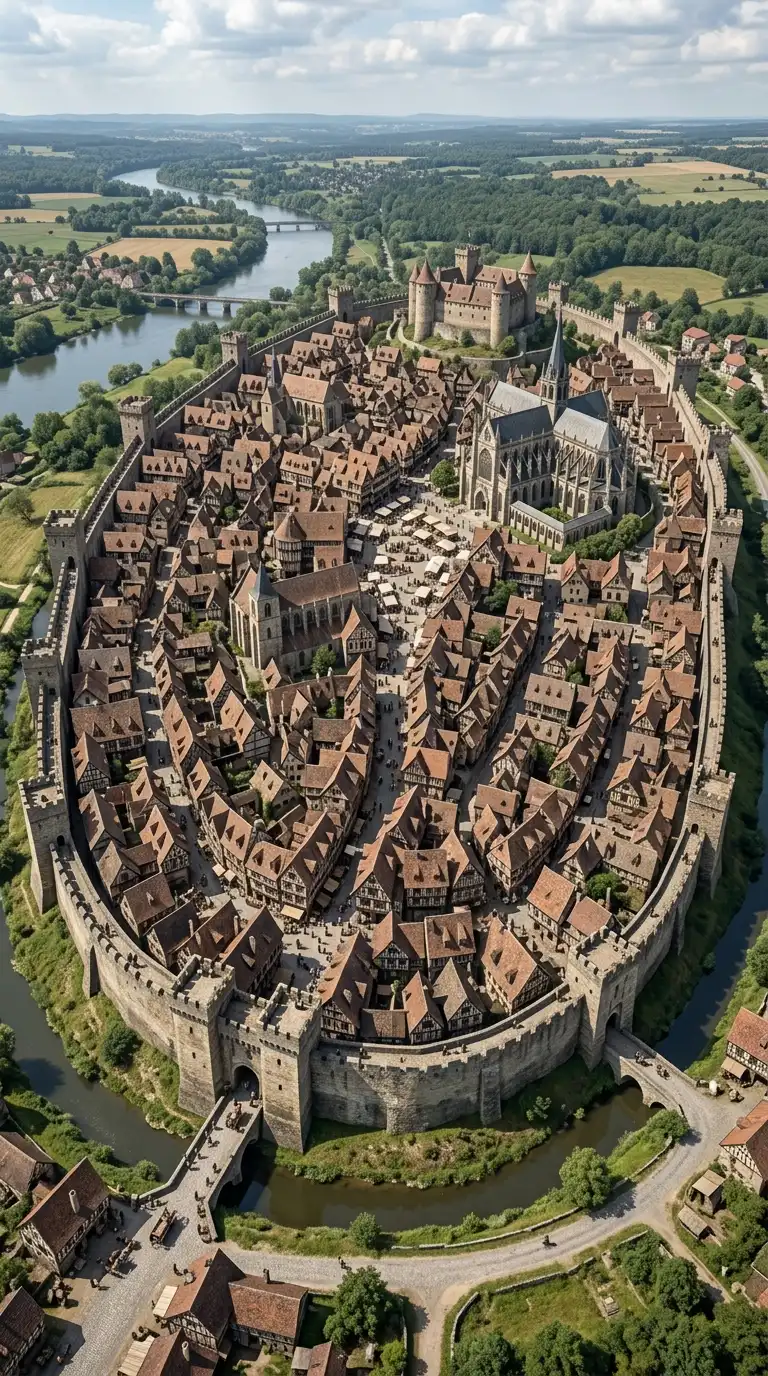
15. The Medieval Walled City
The medieval walled city is a city surrounded by a stone wall with gates and towers. The streets are narrow and winding. The buildings are timber-framed. The walled city is defensive, dense, and medieval.
This design is ideal for old towns and historic centres. The emotional effect is defensive, dense, and medieval.
Quick Tips
- The city must be surrounded by a stone wall.
- The wall must have gates and towers.
- Streets must be narrow and winding.
Final Thoughts
These 15 old designs are not mutually exclusive. A Gothic cathedral can have a Romanesque tower. A medieval walled city can have a medieval bridge. A Roman aqueduct can be part of a medieval city. The best old architecture is not the most decorated — it is the most intelligent. It uses local materials. It responds to climate. It expresses its purpose. It is not primitive — it is wise. It is the foundation of everything built since. It is old, but not obsolete. It is the architecture of memory. It is the architecture of stone, timber, and earth. It is the architecture of our ancestors. It is the architecture of forever.