Tropical architecture is architecture for hot, humid climates. It is not about style — it is about survival. A good tropical building is shaded, ventilated, and raised. It protects from sun, rain, and insects. It captures the breeze and rejects the heat. Tropical architecture is not air-conditioned boxes — it is intelligent, passive, and comfortable.
These 12 tropical architecture designs span vernacular houses, resorts, and contemporary buildings. Each design includes defining characteristics, climatic strategies, and material principles.
1. The Raised House
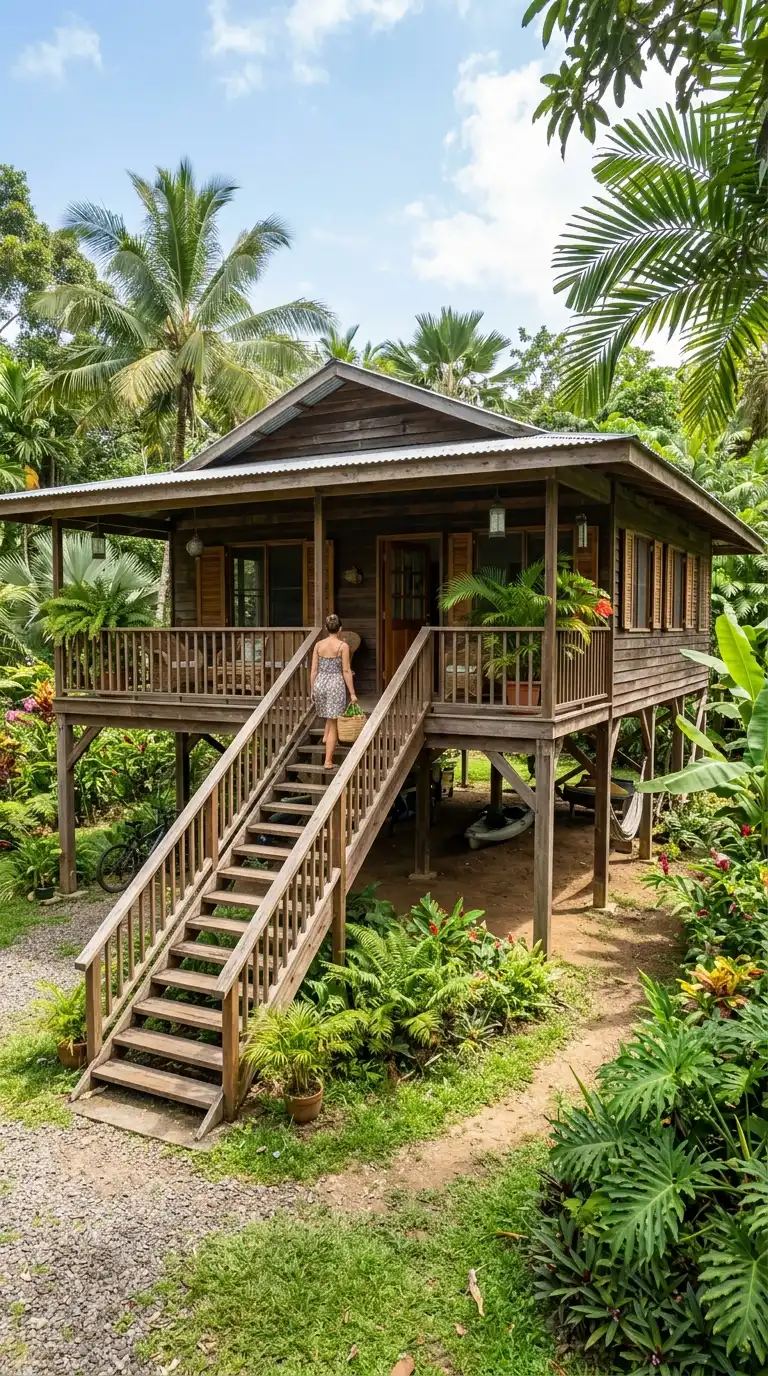
The raised house is lifted off the ground on stilts or piles. The space underneath is open for ventilation. The raised house protects from flooding, insects, and ground moisture. The raised house is cool, dry, and protected.
This design is ideal for flood-prone and humid sites. The emotional effect is raised, ventilated, and protected.
Quick Tips
- The house must be raised at least 1 metre above grade.
- The space underneath must be open for airflow.
- Stairs must lead up to the entrance.
2. The Deep Veranda House
The deep veranda house has a wide, covered porch on all sides. The veranda shades the walls and windows. The veranda is a room outside — for sitting, eating, sleeping. The deep veranda house is shaded, sheltered, and outdoor-living.
This design is ideal for houses in hot, sunny climates. The emotional effect is shaded, sheltered, and outdoor-living.
Quick Tips
- The veranda must be at least 2 metres deep.
- The veranda must wrap around at least two sides.
- The roof must overhang the veranda.
3. The Courtyard House
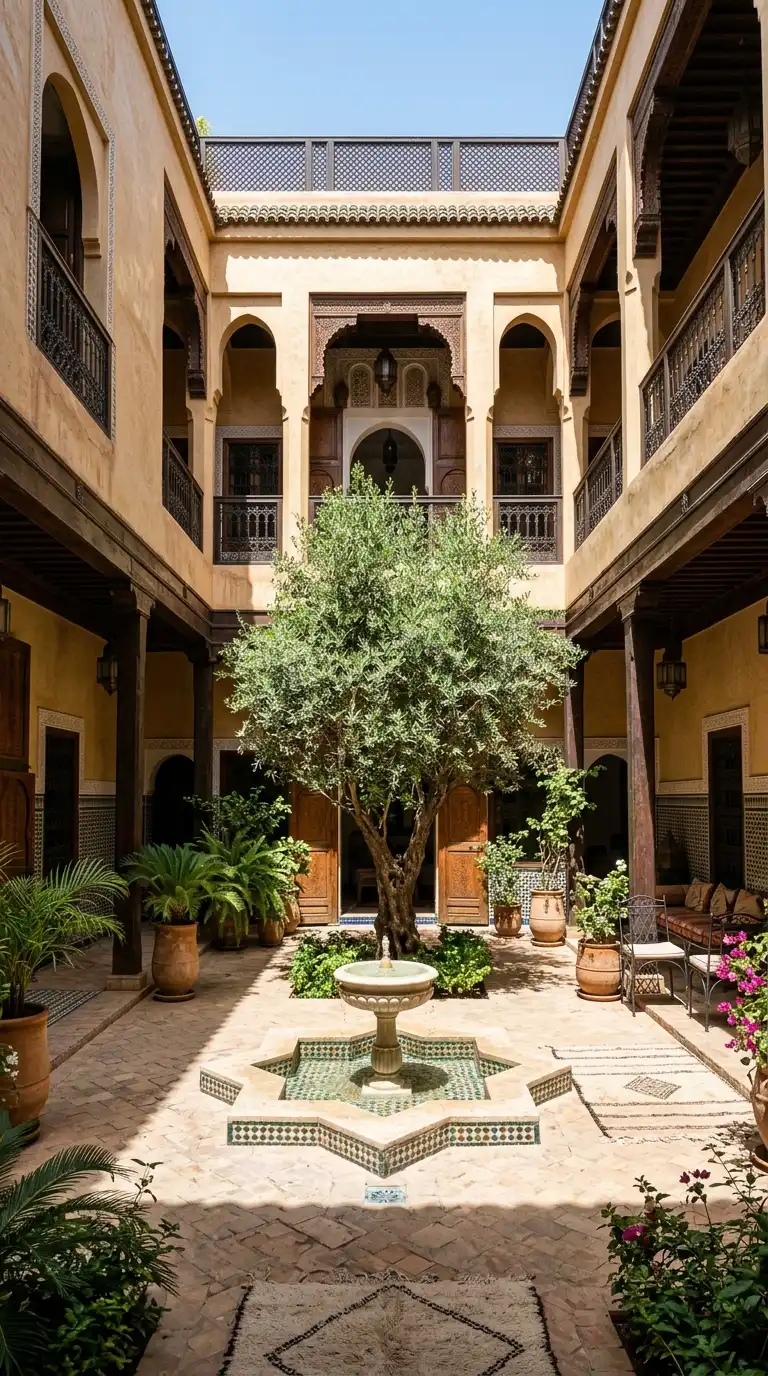
The courtyard house is a building wrapped around an open courtyard. The courtyard is shaded by the building. The courtyard captures breezes. The courtyard is a private outdoor room. The courtyard house is private, shaded, and ventilated.
This design is ideal for dense urban sites and hot climates. The emotional effect is private, shaded, and ventilated.
Quick Tips
- The courtyard must be at least 5×5 metres.
- The building must wrap around all four sides.
- The courtyard must have a tree or fountain.
4. The Cross-Ventilation House
The cross-ventilation house has windows on two opposite walls. Air flows through the house from one side to the other. The cross-ventilation house is cool, breezy, and healthy. Cross-ventilation is the most effective passive cooling strategy.
This design is ideal for houses in hot, humid climates. The emotional effect is breezy, cool, and healthy.
Quick Tips
- Windows must be on two opposite walls.
- Windows must be operable (openable).
- The depth of the room must be less than 5 times the ceiling height.
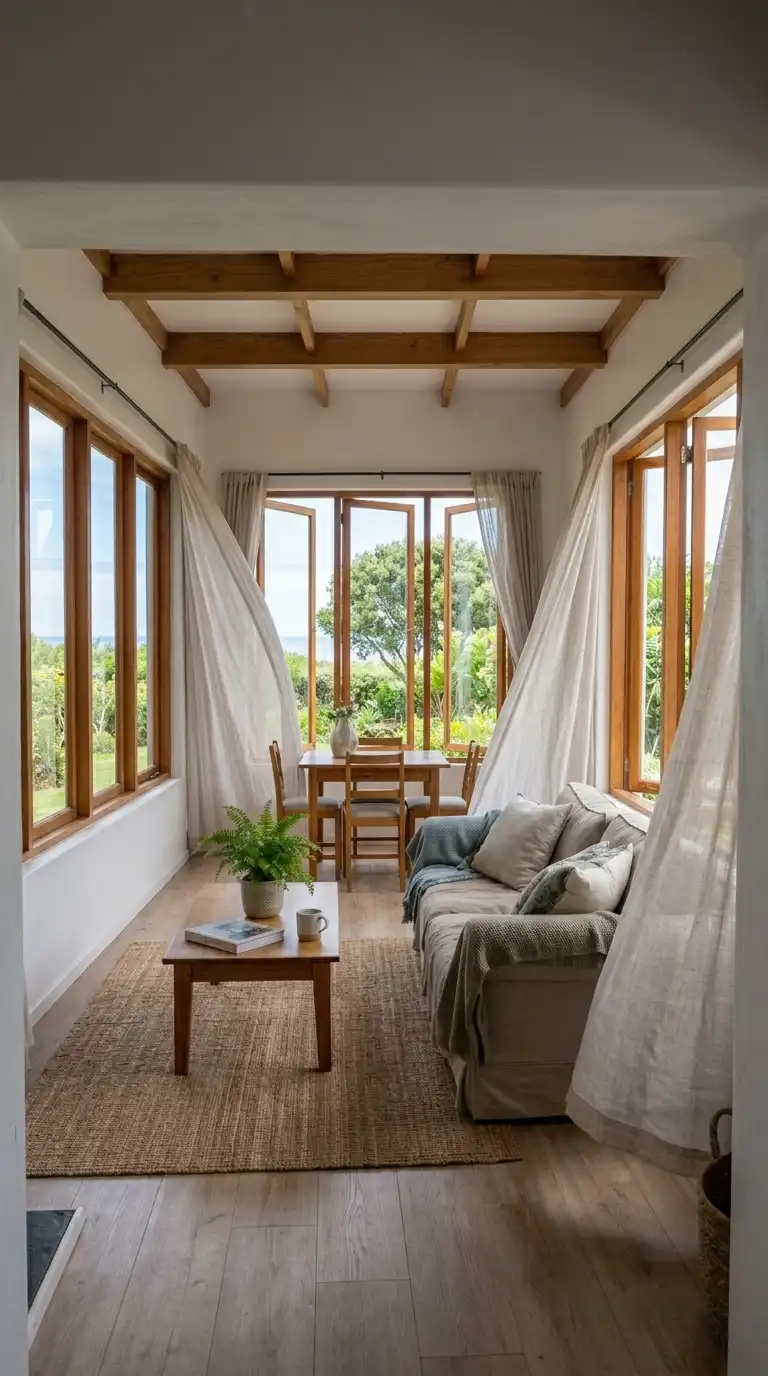
5. The High Ceiling House
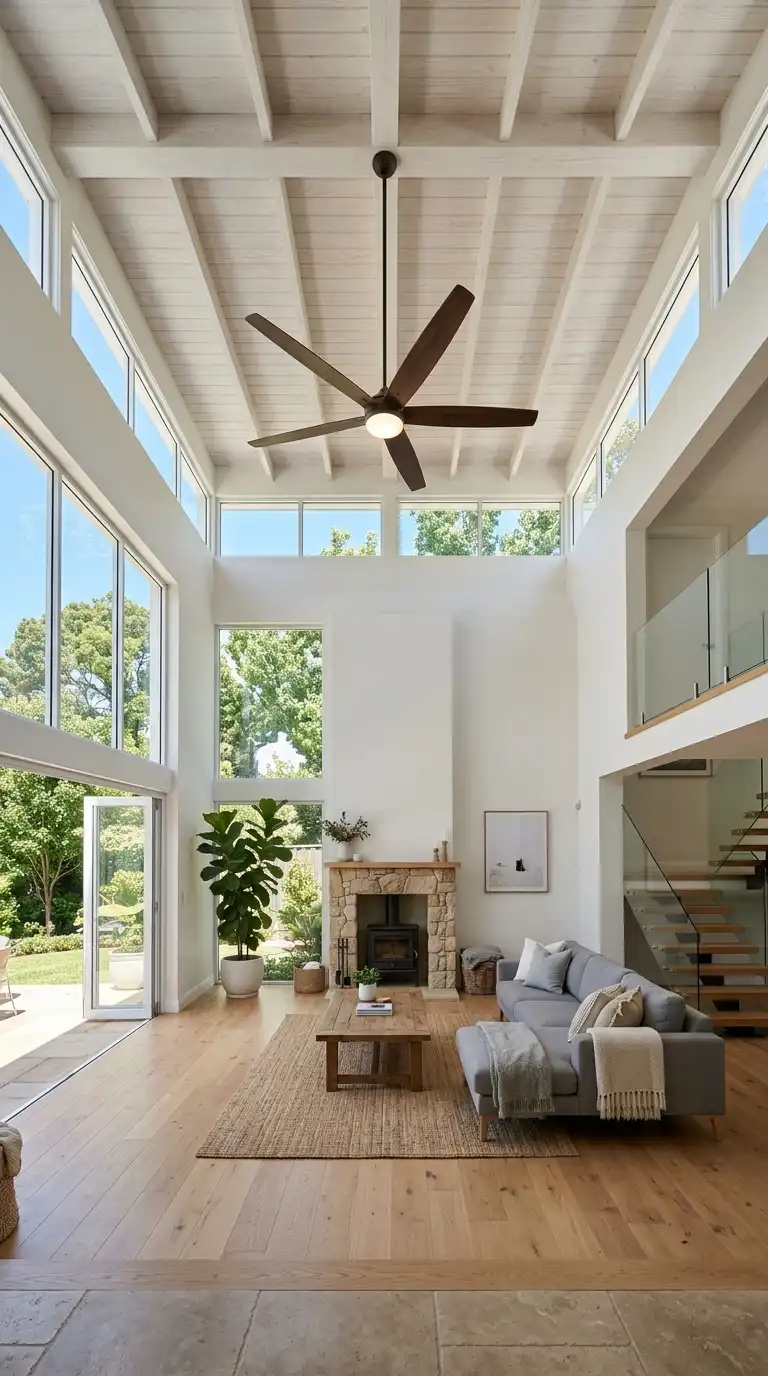
The high ceiling house has ceilings at least 3.5 metres high. Hot air rises to the ceiling, leaving cooler air below. The high ceiling house is cooler than a standard ceiling house. The high ceiling is passive cooling.
This design is ideal for houses in hot climates. The emotional effect is tall, cool, and airy.
Quick Tips
- Ceiling height must be at least 3.5 metres.
- High windows (clerestory) can release hot air.
- Ceiling fans are recommended.
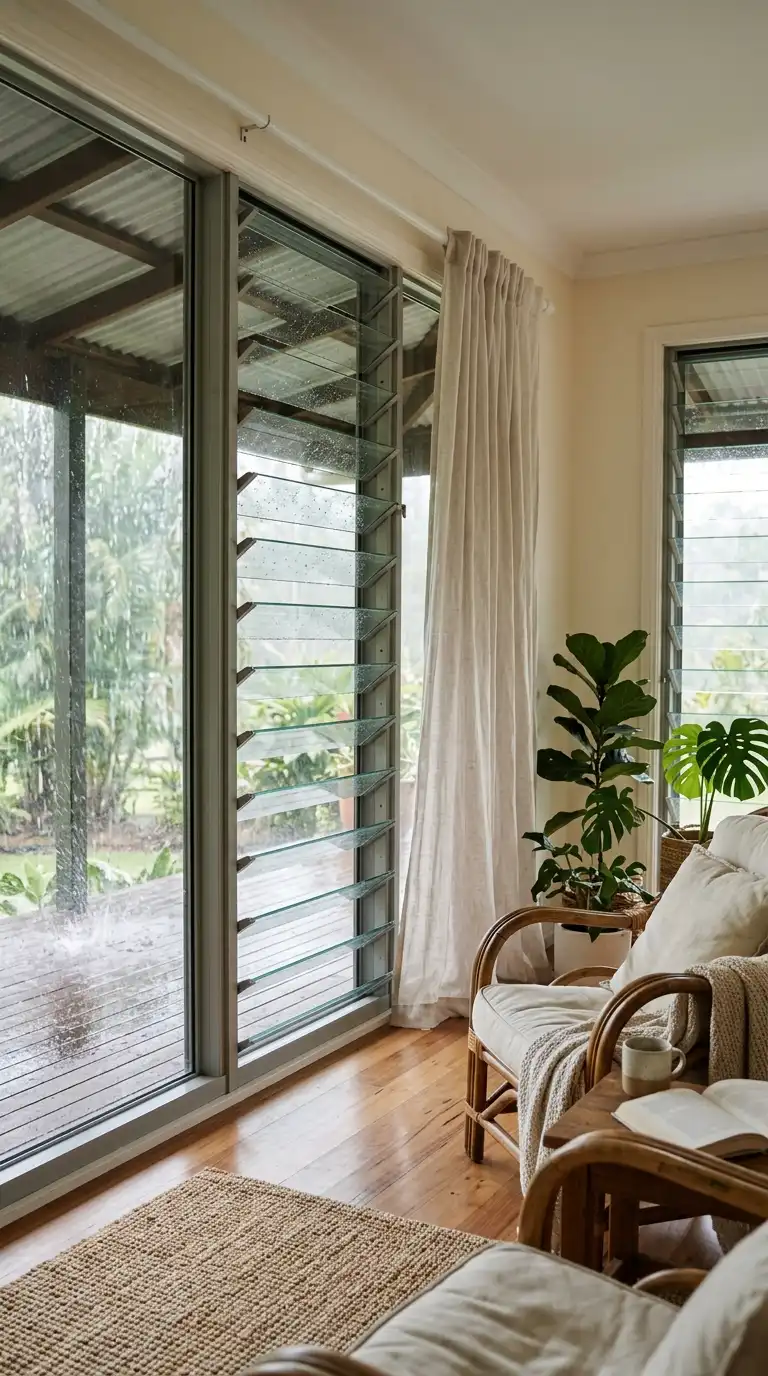
6. The Louvre Window House
The louvre window house has louvre windows (horizontal glass or timber slats). The louvres can be angled to admit breeze while blocking rain and sun. The louvre window house is ventilated, rain-protected, and light-controlled.
This design is ideal for houses in rainy, humid climates. The emotional effect is ventilated, rain-protected, and light-controlled.
Quick Tips
- Louvres must be operable (adjustable).
- Louvres should be angled to admit breeze.
- Louvres should be protected by an overhang.
7. The Shaded Wall House
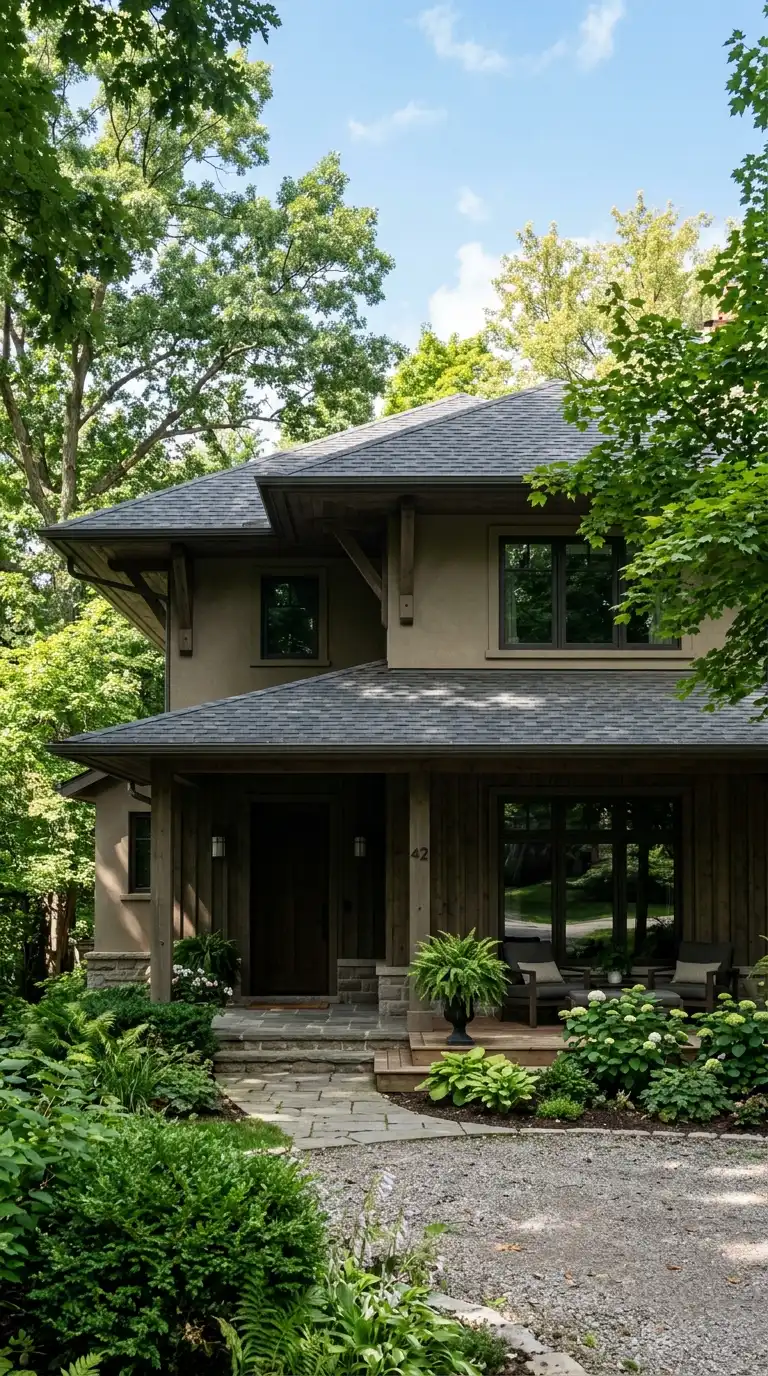
The shaded wall house has walls that are never in direct sun. The walls are shaded by deep overhangs, verandas, or adjacent buildings. Shaded walls stay cool. Cool walls radiate coolth into the room. The shaded wall house is cool, shaded, and comfortable.
This design is ideal for houses in hot, sunny climates. The emotional effect is cool, shaded, and comfortable.
Quick Tips
- Walls must be shaded from direct sun.
- Overhangs must be deep enough to shade walls at noon.
- Verandas or adjacent buildings can also provide shade.
8. The Reflective Roof House
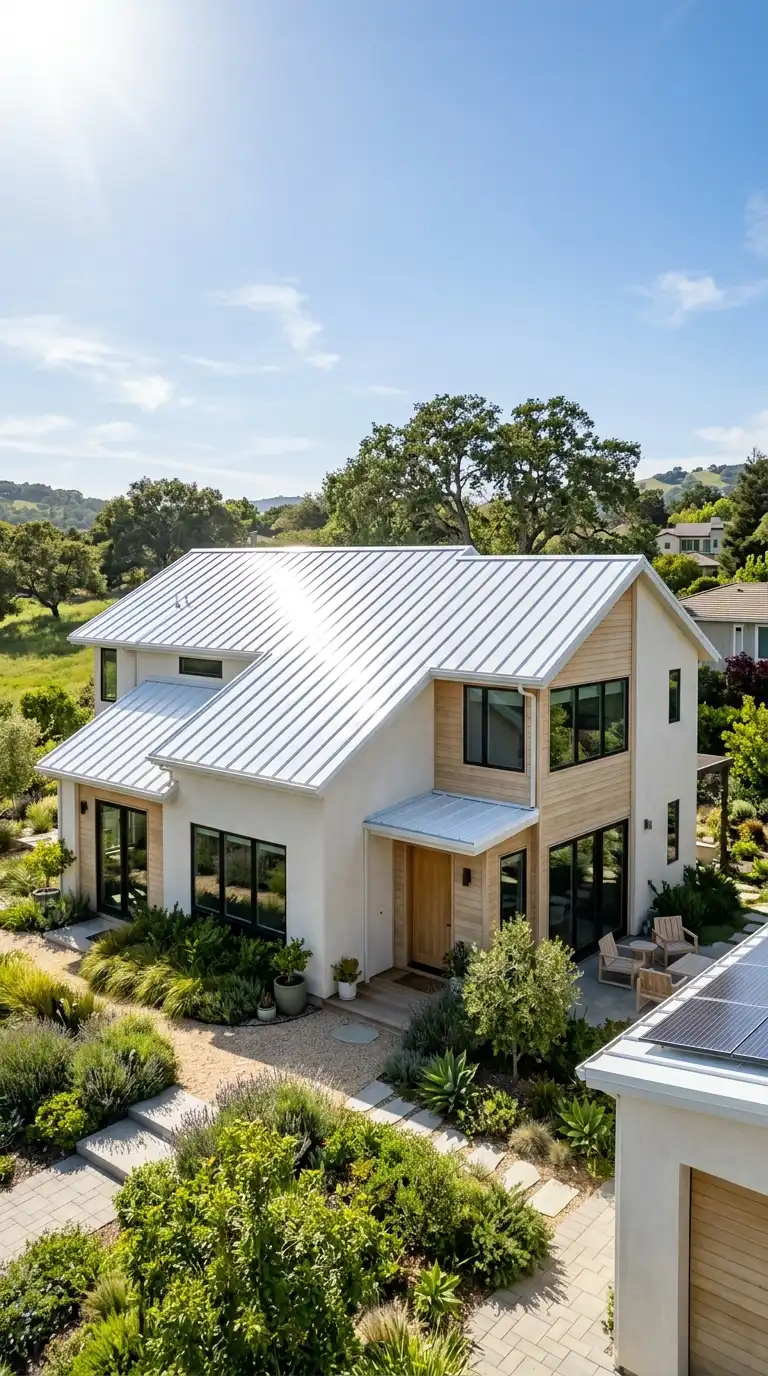
The reflective roof house has a white or light-coloured roof. Light colours reflect sunlight. Dark colours absorb sunlight. A reflective roof is much cooler than a dark roof. The reflective roof house is cool, energy-efficient, and simple.
This design is ideal for houses in hot, sunny climates. The emotional effect is cool, energy-efficient, and simple.
Quick Tips
- The roof must be white or light-coloured.
- Metal roofs are cooler than asphalt.
- Reflective coatings are recommended.
9. The Thermal Mass House
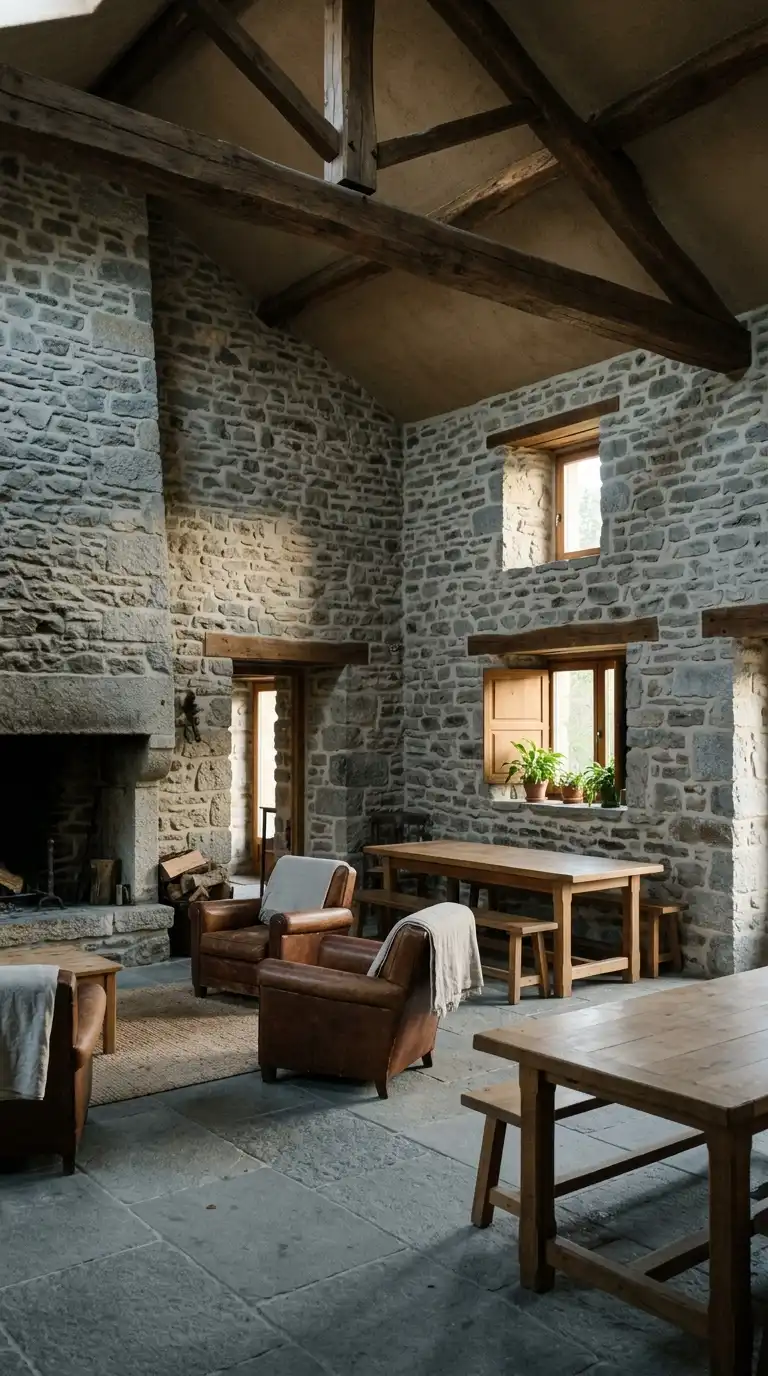
The thermal mass house has thick walls of stone, concrete, or adobe. The thermal mass absorbs heat during the day and releases it at night. The thermal mass house is cool during the day and warm at night. Thermal mass works best in dry climates with large day-night temperature swings.
This design is ideal for houses in hot, dry climates. The emotional effect is massive, cool, and thermal.
Quick Tips
- Walls must be at least 30cm thick.
- Thermal mass works best with night ventilation.
- The house must be shaded during the day.
10. The Breeze Catcher House
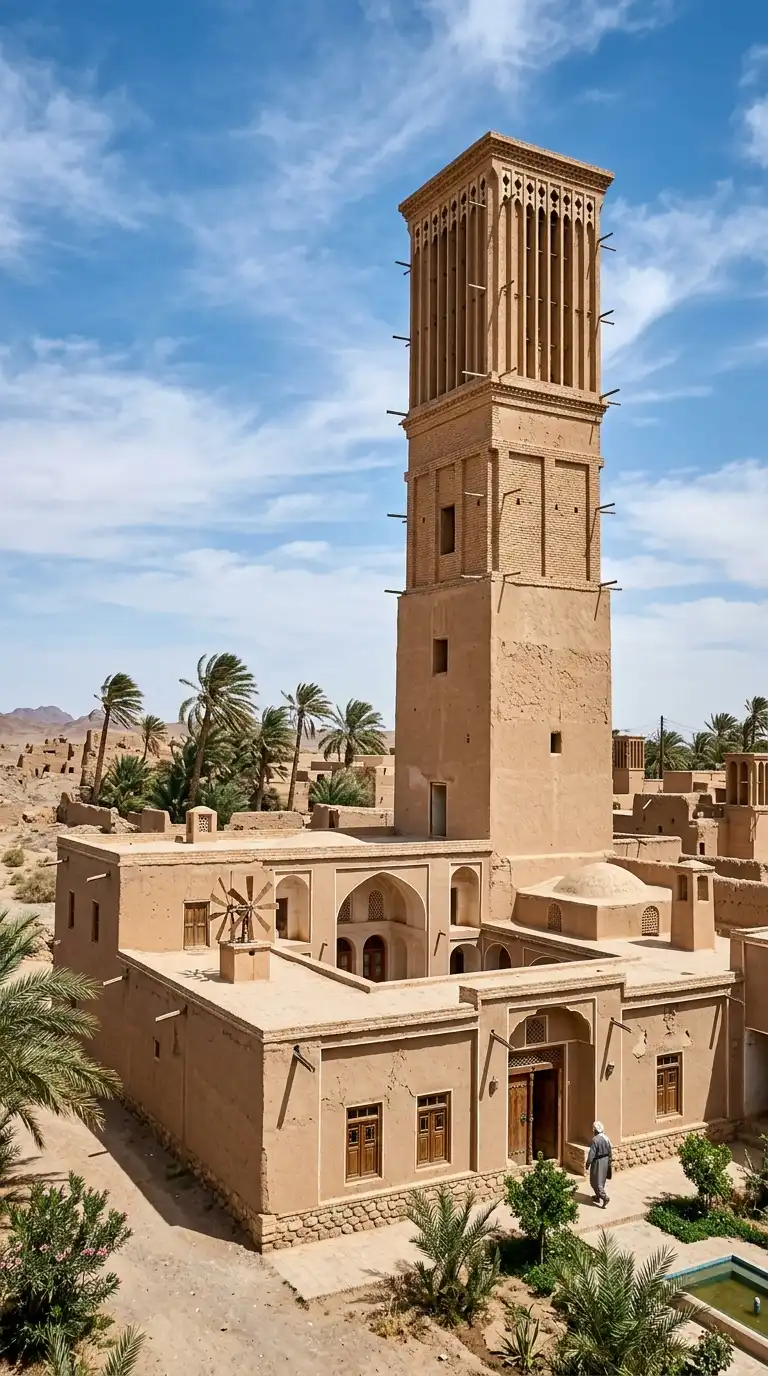
The breeze catcher house has a tower that captures wind and directs it down into the house. The breeze catcher is a traditional Persian cooling device. The tower has openings facing the prevailing wind. The breeze catcher house is wind-powered, passive, and cooling.
This design is ideal for houses in hot, dry climates with prevailing winds. The emotional effect is wind-powered, passive, and cooling.
Quick Tips
- The tower must face the prevailing wind direction.
- The tower must be taller than the house.
- The tower must have openings on the windward side.
11. The Open-Air Pavilion
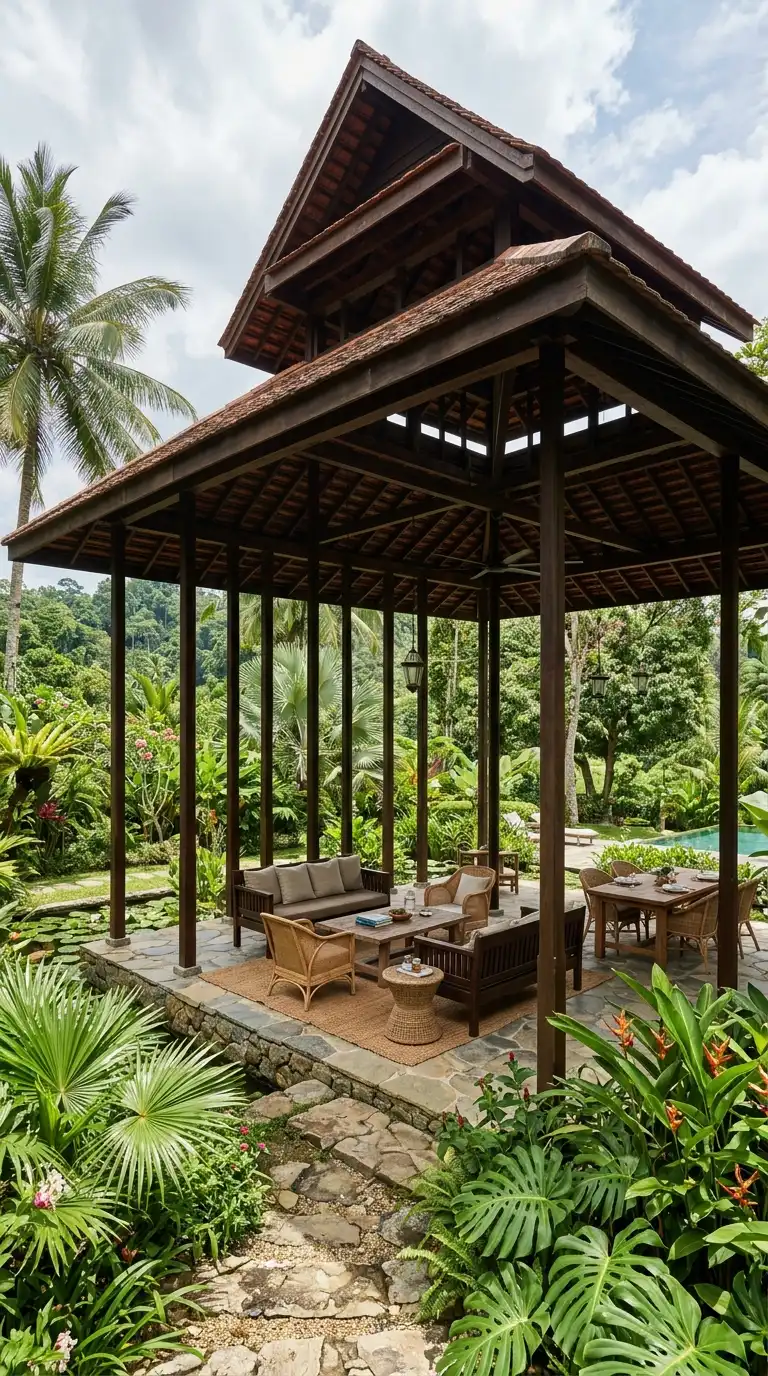
The open-air pavilion is a roof on columns with no walls. The pavilion is open to the breeze. The pavilion is shaded by the roof. The open-air pavilion is a place to sit, eat, and gather, protected from sun and rain but open to the air.
This design is ideal for outdoor living in tropical climates. The emotional effect is open, shaded, and breezy.
Quick Tips
- The roof must be large and high.
- Columns must be slender.
- No walls are permitted.
12. The Tropical Resort
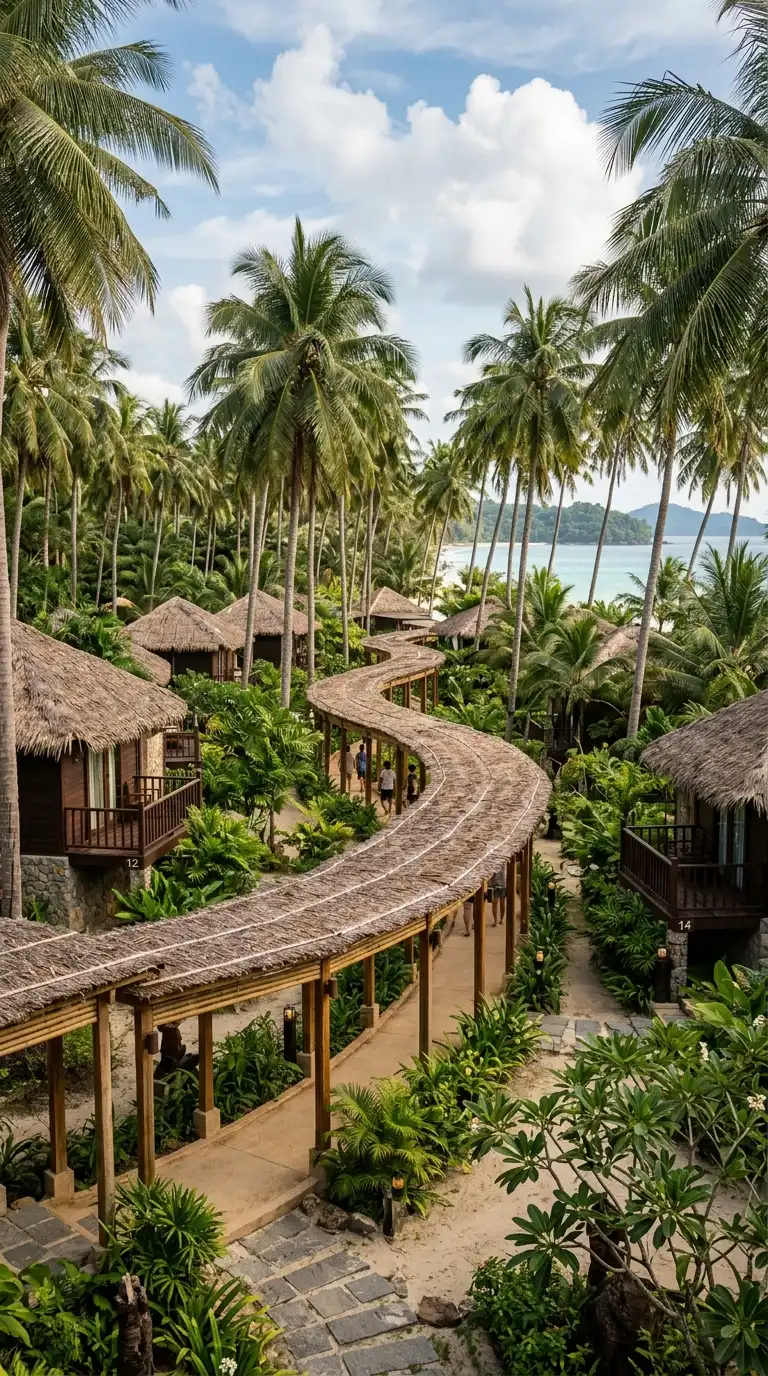
The tropical resort is a cluster of small buildings scattered through the landscape. Each building is a private room. The buildings are connected by covered walkways. The resort is open to the breeze, shaded by trees, and integrated with nature.
This design is ideal for hotels and resorts in tropical locations. The emotional effect is resort-like, nature-integrated, and breezy.
Quick Tips
- Buildings must be small and scattered.
- Walkways must be covered but open on the sides.
- Existing trees must be preserved.
Final Thoughts
Tropical architecture is not about style. It is about climate. A raised house is dry and ventilated. A deep veranda house is shaded and sheltered. A courtyard house is private and shaded. A cross-ventilation house is breezy and cool. A high ceiling house is tall and airy. A louvre window house is ventilated and rain-protected. A shaded wall house is cool and comfortable. A reflective roof house is cool and energy-efficient. A thermal mass house is massive and thermal. A breeze catcher house is wind-powered and cooling. An open-air pavilion is open and shaded. A tropical resort is nature-integrated and breezy.
These 12 tropical designs are not mutually exclusive. A raised house can have a deep veranda. A courtyard house can have cross-ventilation. A tropical resort can have open-air pavilions. The best tropical architecture is not the most technological — it is the most intelligent. It uses the sun for light, not heat. It uses the wind for cooling, not electricity. It uses the rain for water, not flooding. It is not air-conditioned — it is designed. It is the architecture of the equator. It is the architecture of breeze, shade, and rain. It is tropical.