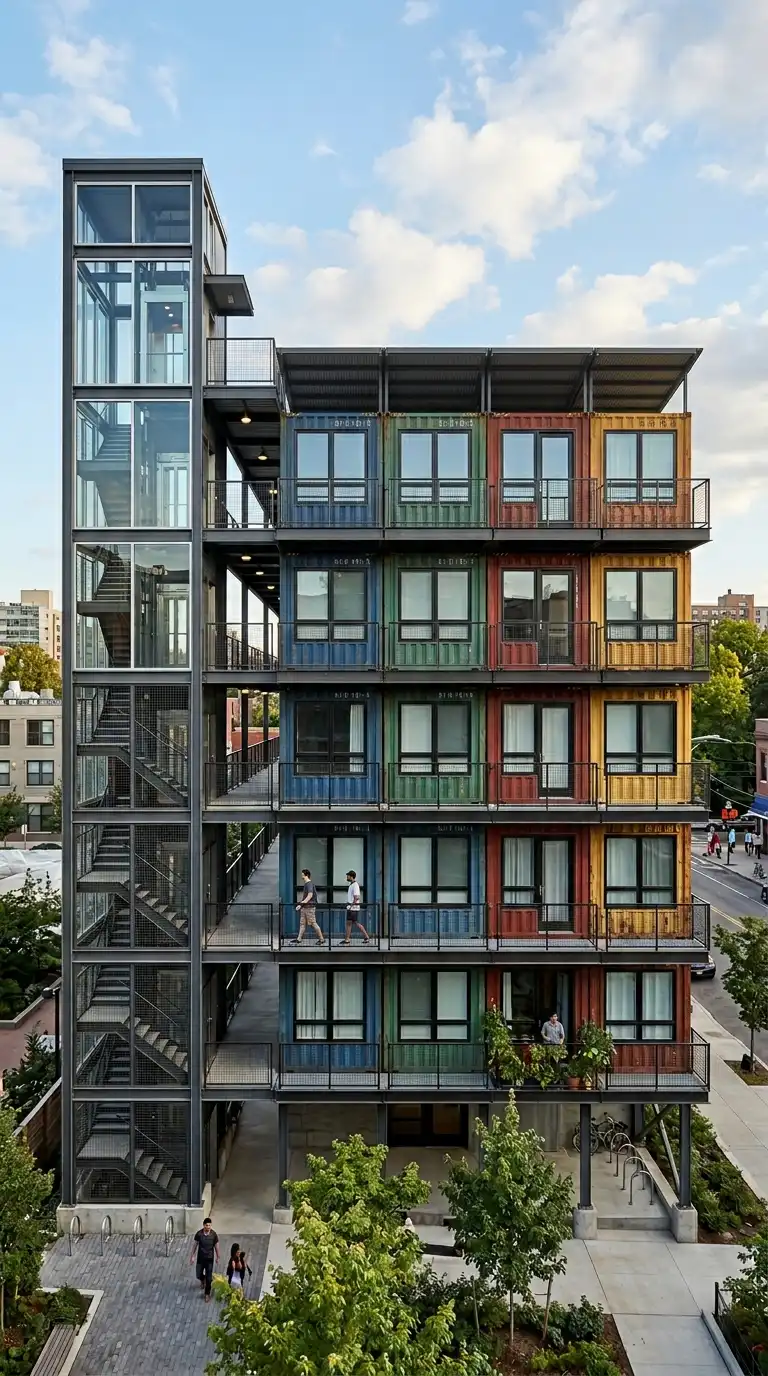
A concept model is the first physical translation of an architectural idea. Unlike a presentation model, which is refined and finished, a concept model is quick, rough, and exploratory. It is made to ask questions, not to answer them. The best concept models are not beautiful — they are informative.
These 12 concept model ideas span materials, techniques, and scales of investigation. Each idea includes defining characteristics, material suggestions, and design principles.
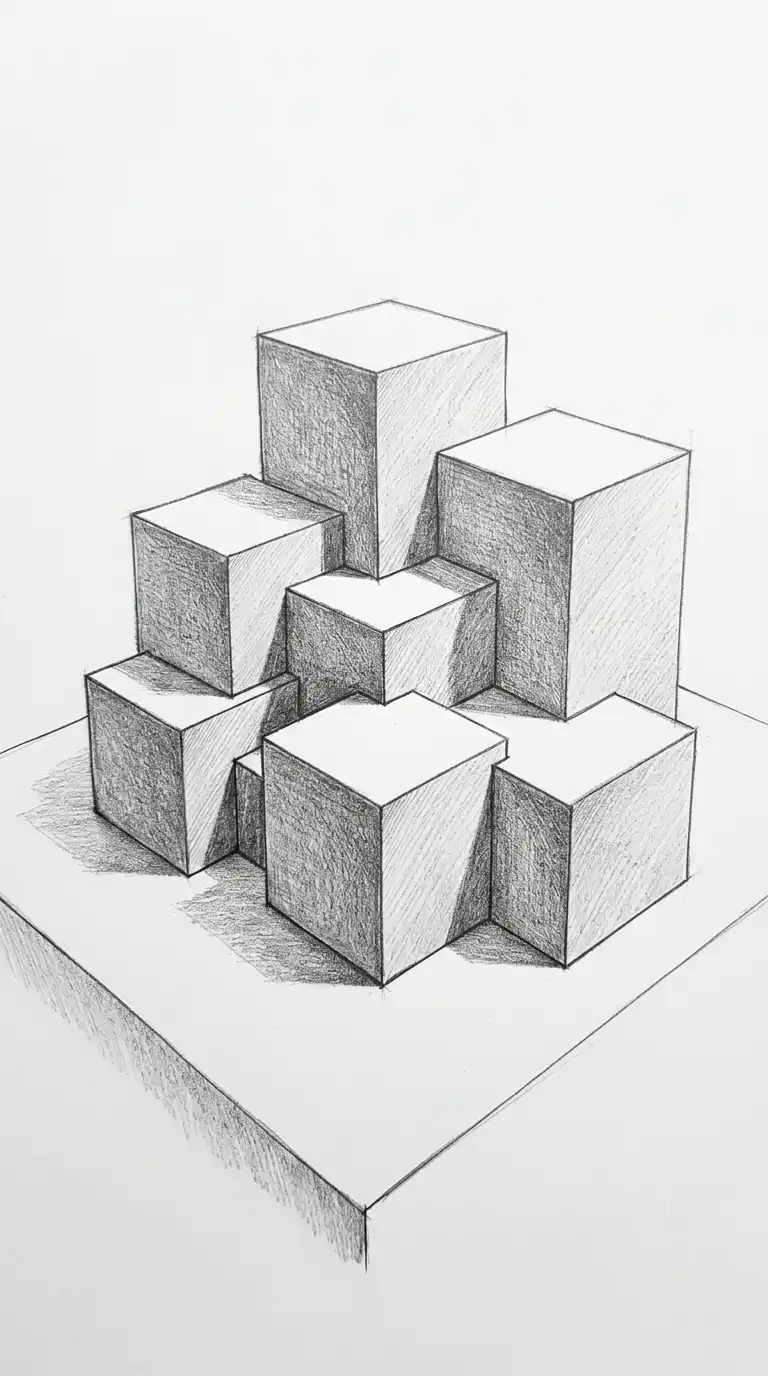
1. The Cardboard Massing Model
The cardboard massing model is the most basic concept model. It is made from grey or white museum board, cut with a sharp knife and assembled with PVA glue. The model shows only form and mass — no windows, no materials, no details.
This model type answers questions about proportion, siting, and overall volume. The emotional effect is pure form, uncluttered by detail.
Quick Tips
- Use 1mm or 1.5mm museum board for most pieces, 2mm for bases.
- Cut with a sharp knife and a metal ruler — dull blades tear the board.
- Glue with PVA applied with a needle-tip bottle for precision.
2. The Foam Core Study Model
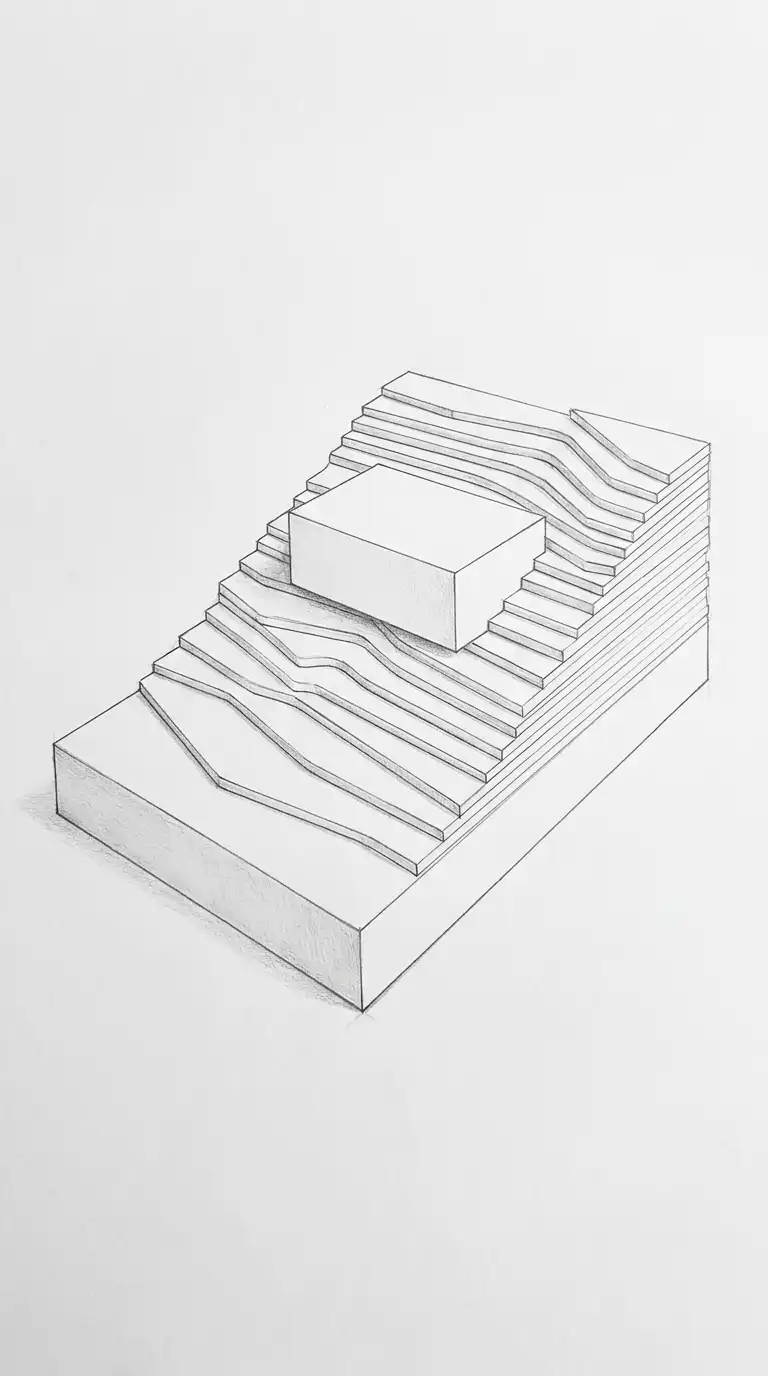
Foam core is white foam board with paper faces. It is thicker than museum board (3mm, 5mm, or 10mm) and can be cut with a knife or hot wire. Foam core models are lightweight and quick to assemble.
This model type is ideal for larger massing studies and topographic models. The white surface reflects light evenly, making the model easy to photograph. The emotional effect is clean, quick, and sculptural.
Quick Tips
- Use a sharp knife and cut through in one pass — multiple passes tear the foam.
- Sand edges with fine sandpaper to remove fuzz.
- Use pins for temporary assembly, glue for permanent.
3. The Balsa Wood Structure Model
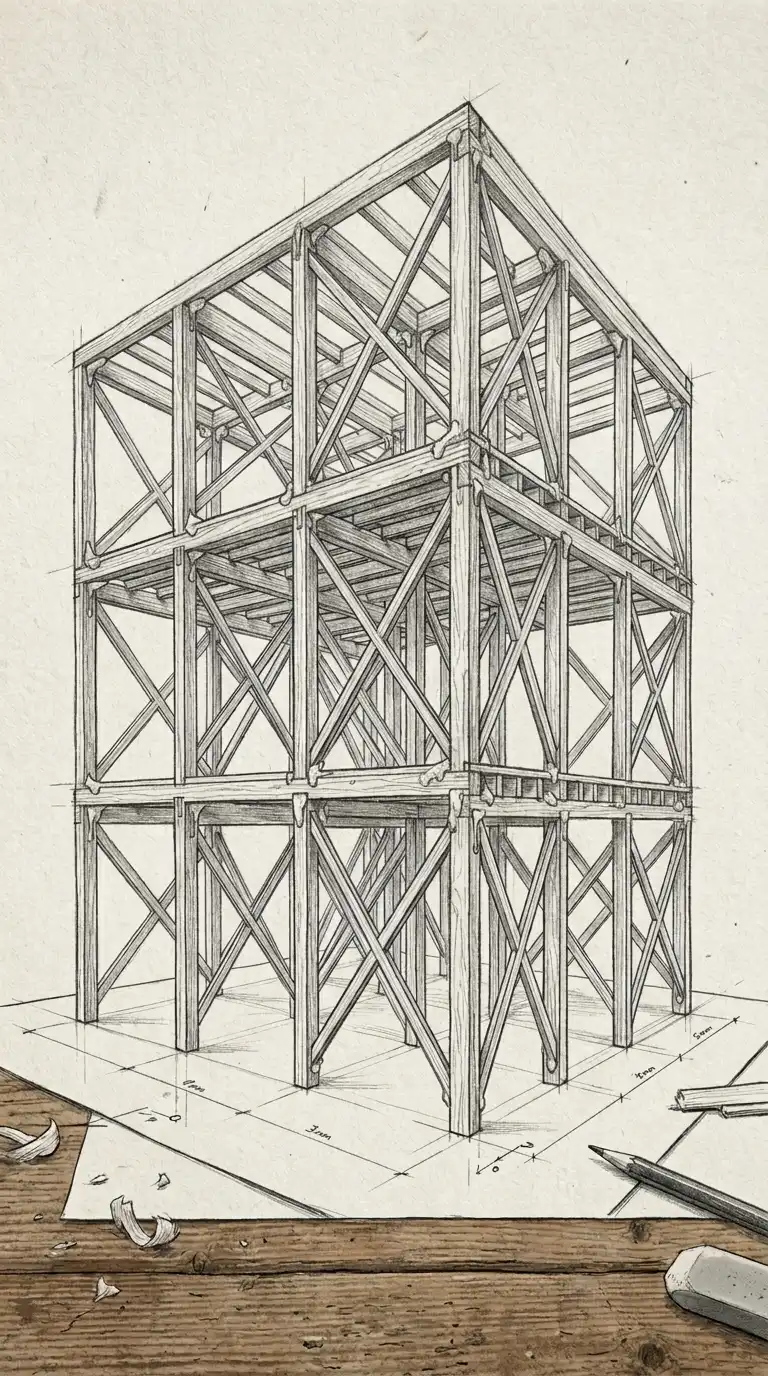
Balsa wood is soft, lightweight, and easily cut with a knife. It is ideal for structural concept models: columns, beams, trusses, and frames. The wood grain adds texture and warmth.
This model type answers questions about structure, span, and connection. The emotional effect is warm, tectonic, and handcrafted.
Quick Tips
- Use basswood for strength, balsa for quick carving.
- Cut with a sharp knife — balsa crushes easily.
- Glue with wood glue or superglue for fast setting.
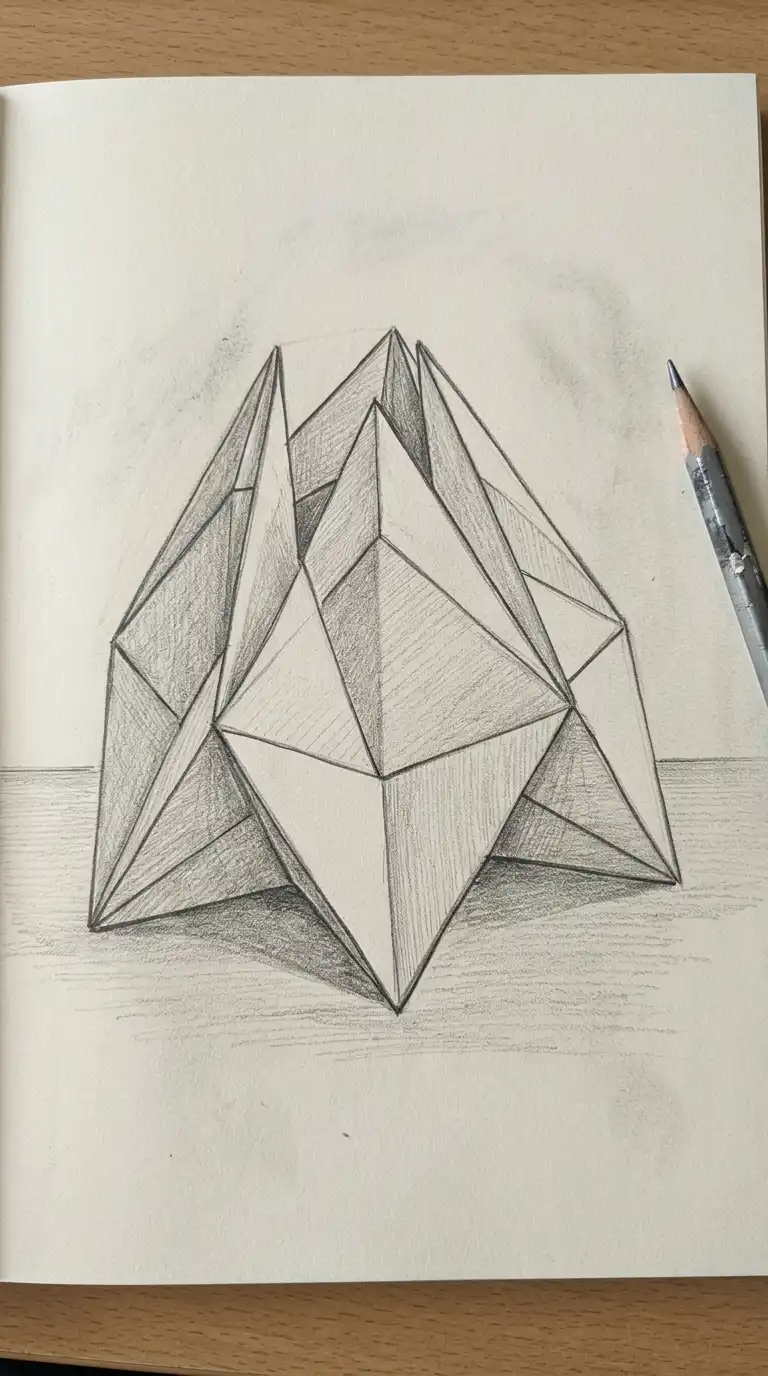
4. The Paper Fold Model
The paper fold model is made from a single sheet of paper, folded into three-dimensional form. No cutting, no glue. The form emerges from folding, scoring, and creasing.
This model type explores surface continuity, folding strategies, and self-supporting forms. The emotional effect is continuous, seamless, and origami-like.
Quick Tips
- Use heavy paper (120-180gsm) for stiffness.
- Score fold lines with a blunt knife before folding.
- Experiment with different fold patterns: accordion, spiral, pleated.
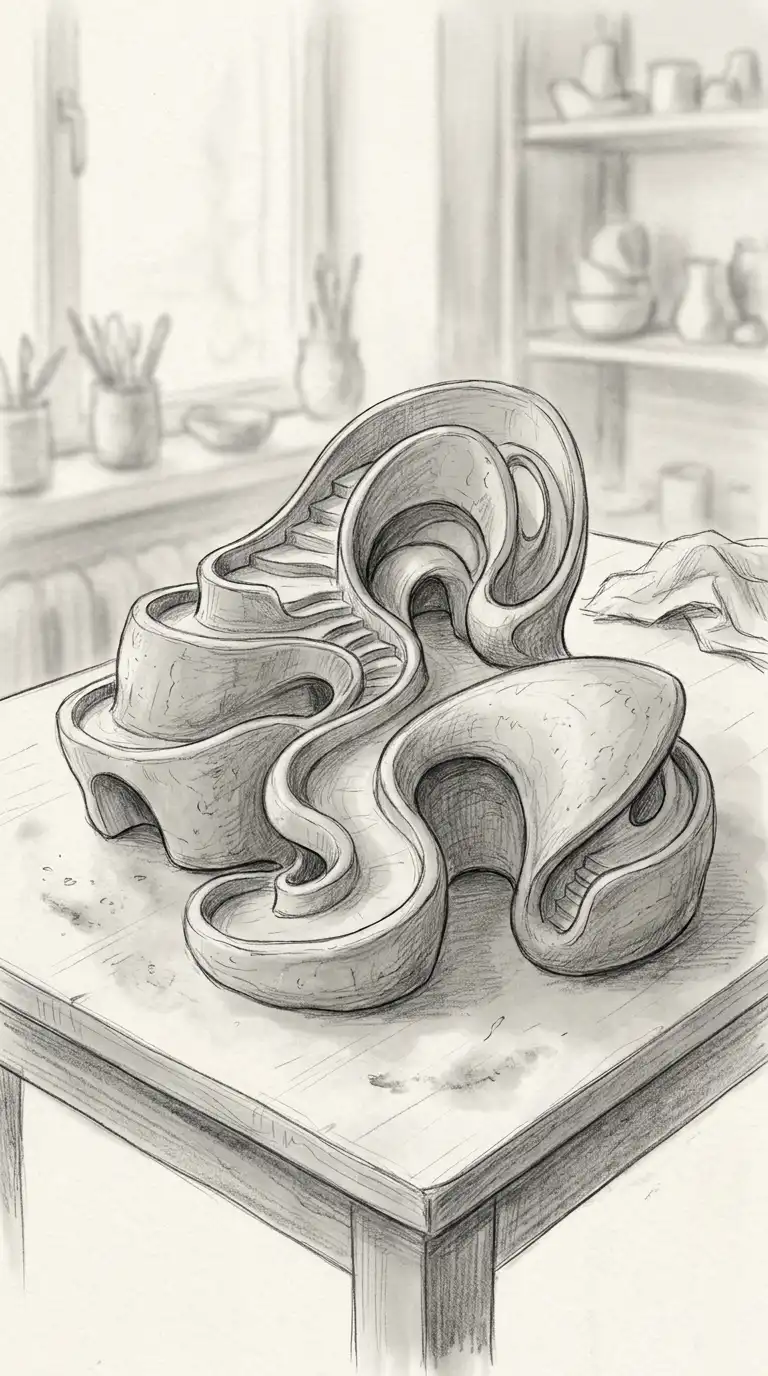
5. The Clay Mass Model
Clay is plastic, malleable, and forgiving. It is ideal for organic, curving, and sculptural forms. The model is built by hand, pinched, rolled, and carved. The surface can be smooth or textured.
This model type answers questions about organic form, mass, and surface. The emotional effect is tactile, sculptural, and handmade.
Quick Tips
- Use water-based clay for easy reshaping, oil-based clay for permanent models.
- Build solid for small models, hollow for large models.
- Smooth with water and a sponge, texture with tools.
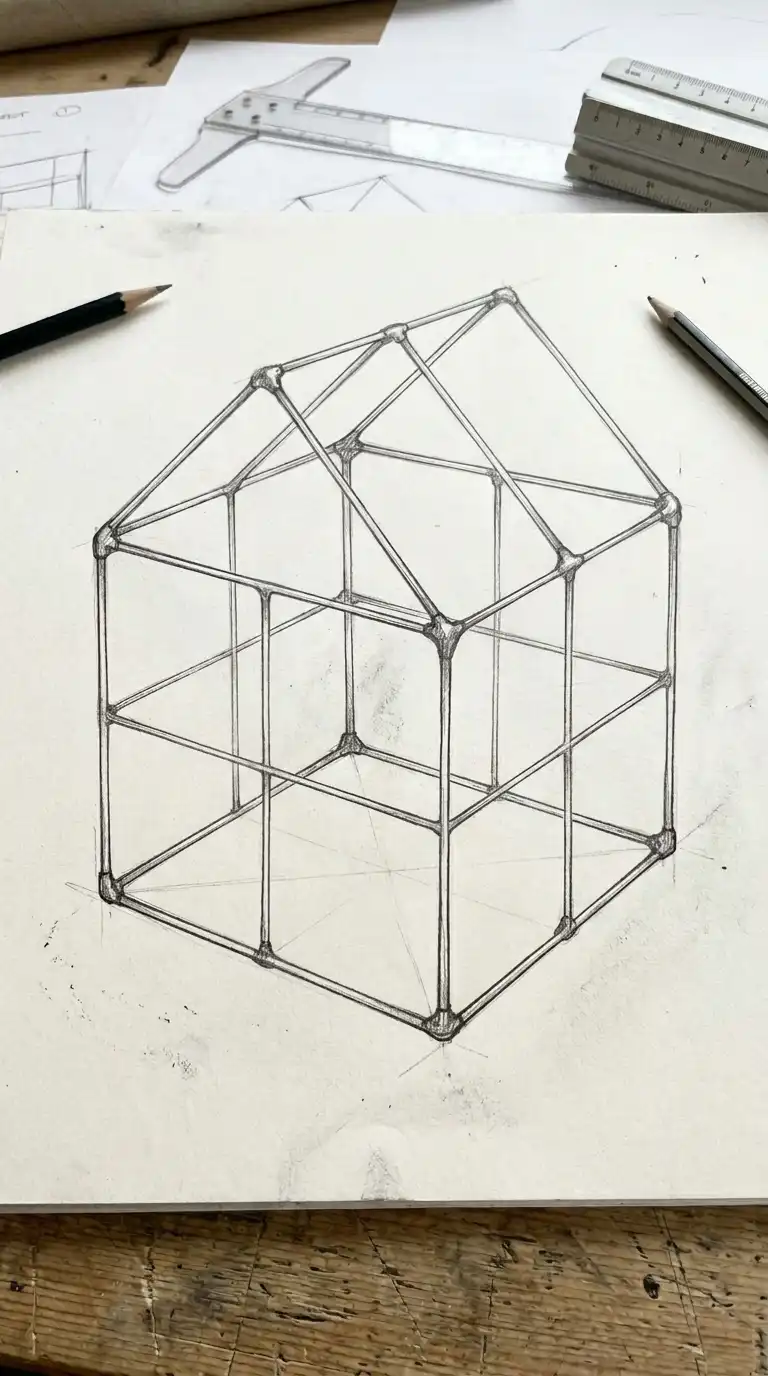
6. The Wire Frame Model
The wire frame model is made from metal wire, bent and soldered into three-dimensional form. The wire defines edges and lines, not surfaces. The model is transparent — you see through it.
This model type answers questions about volume, edge, and transparency. The emotional effect is linear, delicate, and skeletal.
Quick Tips
- Use annealed steel wire (easy to bend) or brass wire (stiffer).
- Bend with pliers for precision, by hand for organic curves.
- Solder connections for strength, or twist for temporary models.
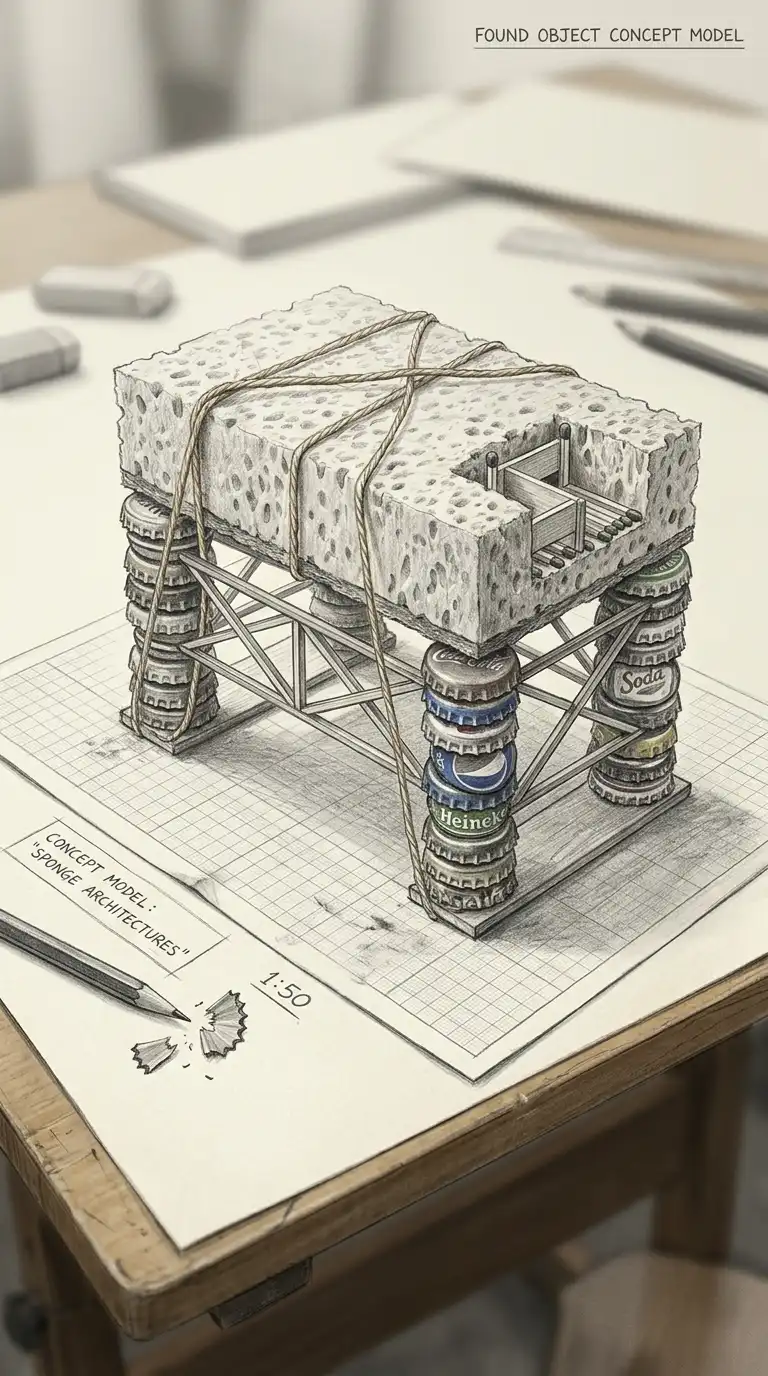
7. The Found Object Model
The found object model is assembled from everyday objects: bottle caps, toothpicks, paper clips, sponge, mesh, string. The objects are not disguised — they are celebrated. A bottle cap is a column. A sponge is a building mass.
This model type forces creative thinking. The emotional effect is playful, resourceful, and surprising.
Quick Tips
- Collect objects before you start — a box of potential materials.
- Do not paint or disguise objects — let them be what they are.
- Glue with hot glue for fast assembly.
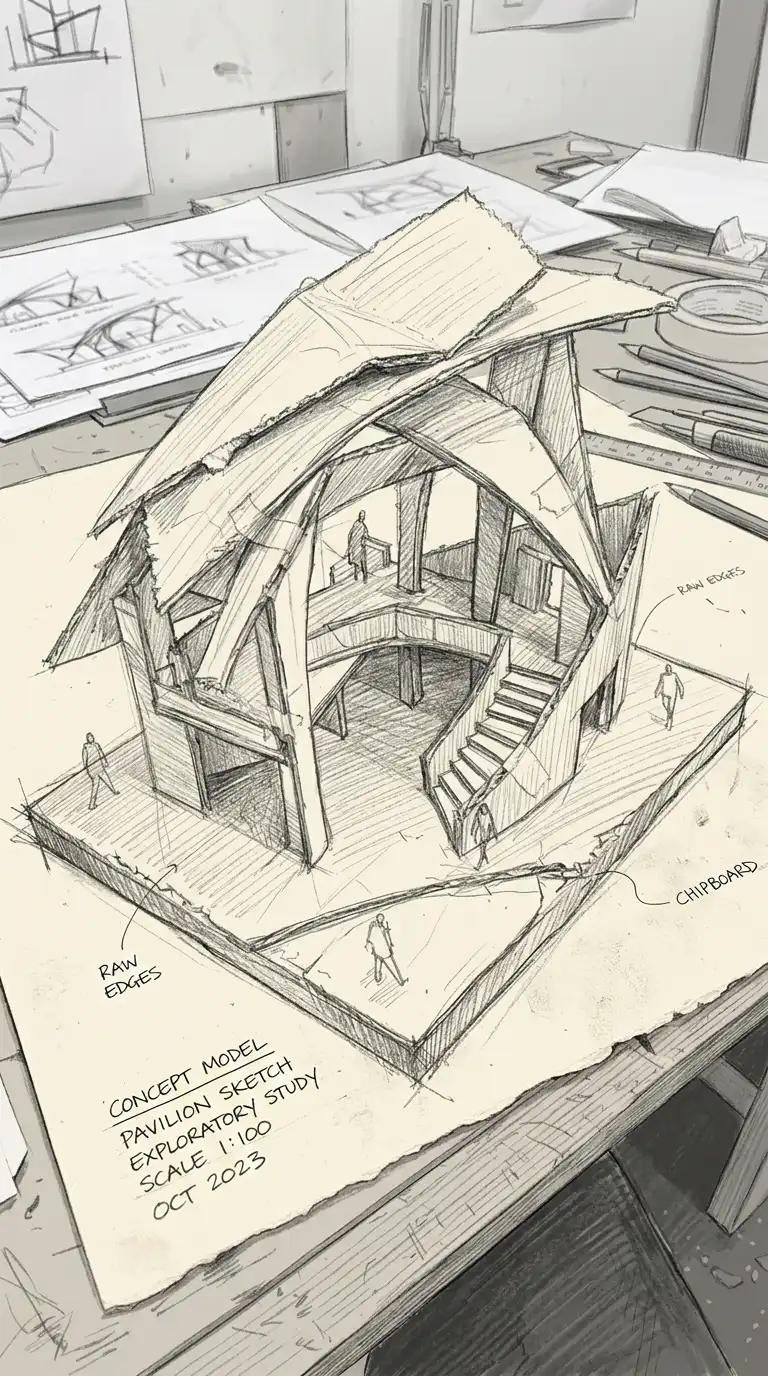
8. The Chipboard Sketch Model
Chipboard is a thin, brown, fibrous board. It is cheaper than museum board and has a warm, natural colour. It cuts easily and accepts glue well. Chipboard models are quick and rough.
This model type is for early exploration when speed matters more than finish. The emotional effect is quick, warm, and sketch-like.
Quick Tips
- Use 1.5mm or 2mm chipboard for most models.
- Cut with a sharp knife — chipboard dulls blades quickly.
- Accept rough edges — they are part of the aesthetic.
9. The Transparent Acrylic Model
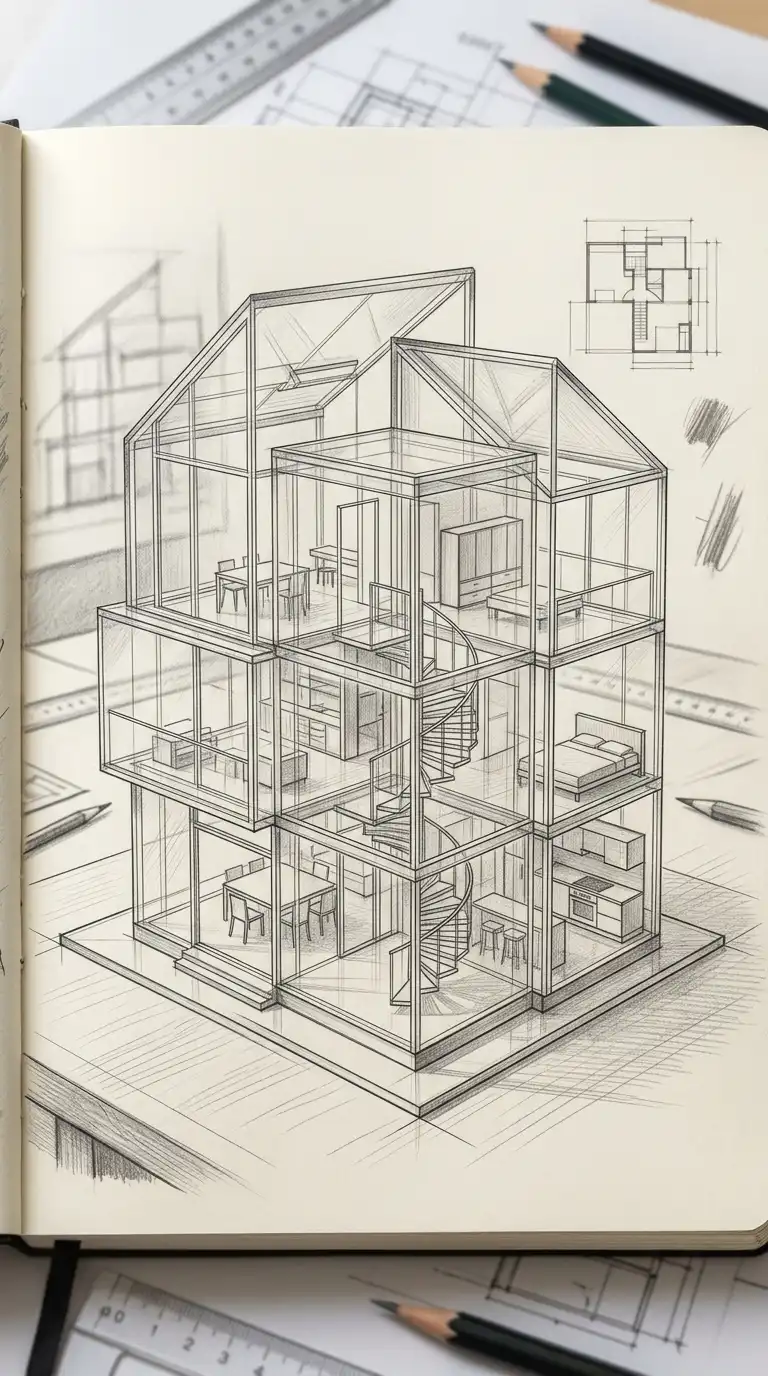
The transparent acrylic model is made from clear acrylic sheet. The material is cut, sanded, and glued. The model is transparent — you see through walls to the interior.
This model type answers questions about spatial relationships, interior volumes, and visual connections. The emotional effect is transparent, precise, and luminous.
Quick Tips
- Use 1mm, 2mm, or 3mm acrylic sheet.
- Cut with a laser cutter or score with a knife and snap.
- Glue with acrylic solvent (weld-on) for invisible joints.
10. The Plaster Cast Model
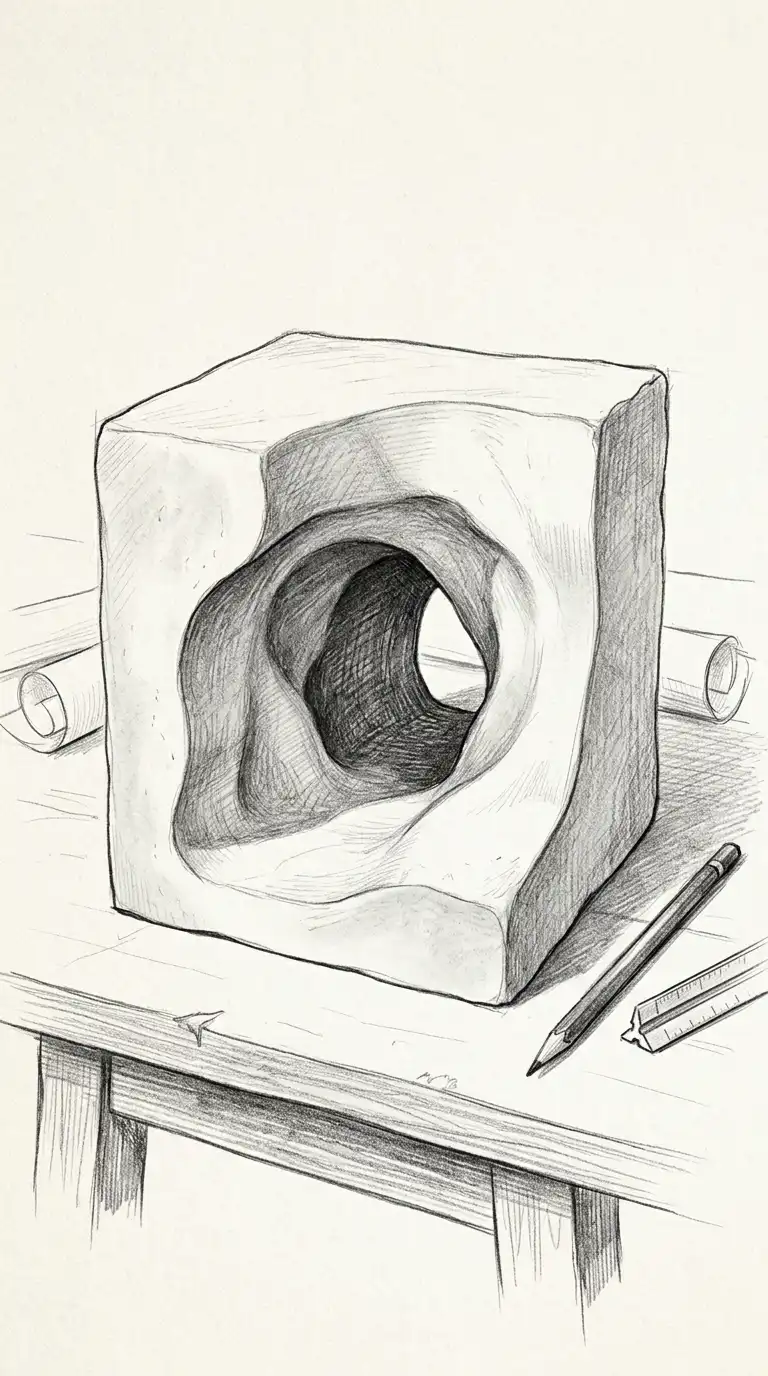
The plaster cast model is made by pouring plaster into a mould. The mould can be made from clay, foam, or silicone. The plaster captures the texture of the mould. The model is white, heavy, and solid.
This model type answers questions about continuous surfaces, negative space, and casting. The emotional effect is solid, white, and sculptural.
Quick Tips
- Use plaster of Paris or hydrocal for strength.
- Build a mould from clay, foam, or cardboard.
- Seal the mould with vaseline or mould release.
11. The Stacked Layer Model
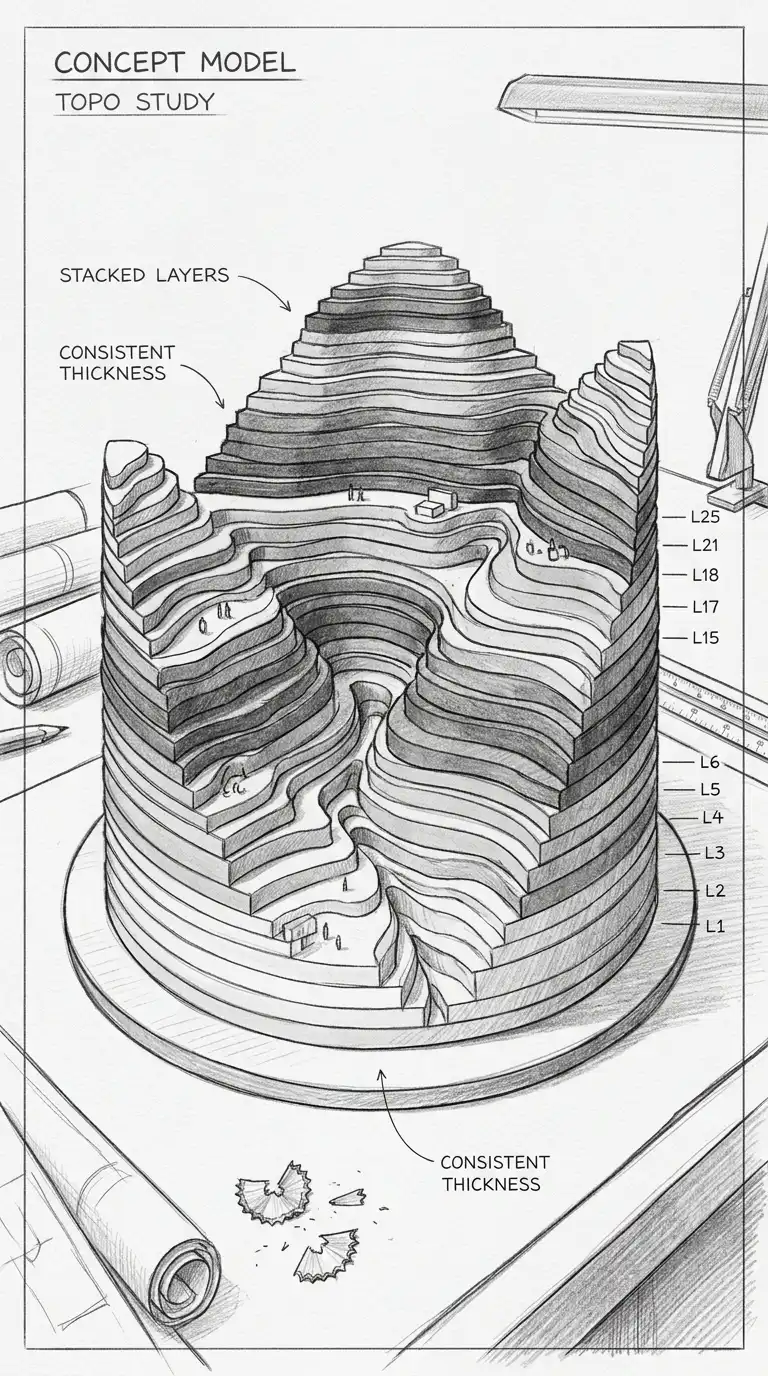
The stacked layer model is made by stacking flat sheets of material. Each sheet represents a contour line or a horizontal slice through the building. The stack is glued or pinned together. The form emerges from the layers.
This model type answers questions about topography, sectional form, and additive manufacturing. The emotional effect is layered, topographic, and precise.
Quick Tips
- Use foam, cardboard, or acrylic for layers.
- Cut each layer to the shape of a contour or floor plan.
- Stack in order from bottom to top.
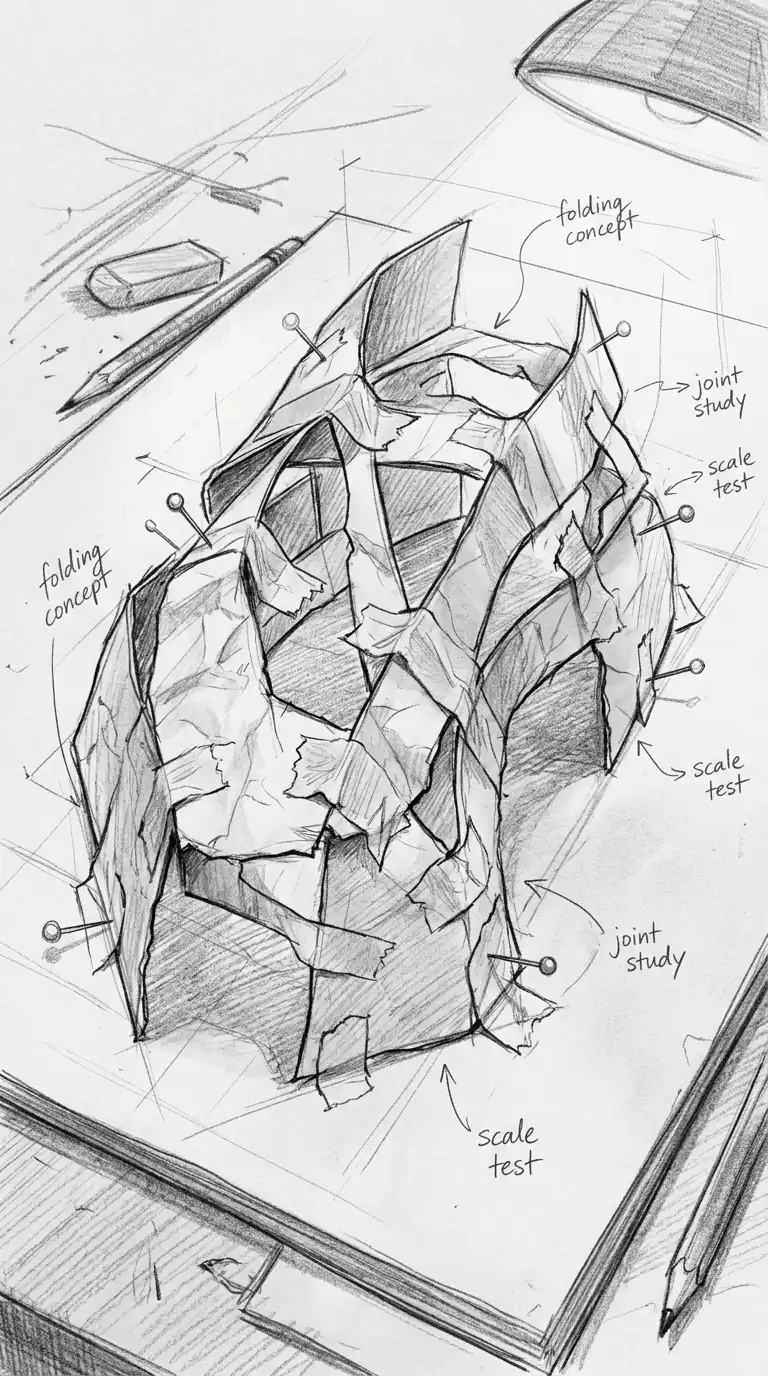
12. The Sketch Model
The sketch model is the quickest of all. It is made from anything at hand: cardboard, tape, pins, paper, string. The goal is speed, not beauty. A single design idea might generate ten sketch models in an afternoon.
This model type is for the architect’s own exploration. It answers questions that drawings cannot. The emotional effect is experimental, messy, and generative.
Quick Tips
- Do not spend more than 5-10 minutes on a single sketch model.
- Use cheap, easily worked materials: paper, tape, pins, foam scraps.
- Make many models, not one perfect one.
Final Thoughts
A concept model is not a presentation model. It is a question. What if the mass was here? What if the structure was exposed? What if the surface was continuous? The best concept models are not beautiful — they are informative. They teach you something about your design that you did not know before.
These 12 concept model types are not mutually exclusive. A foam core model can be stacked. A chipboard model can be a sketch model. A 3D printed model can be a structural model. The best concept modellers move fluidly between techniques, choosing the right material and method for the question they are trying to answer.