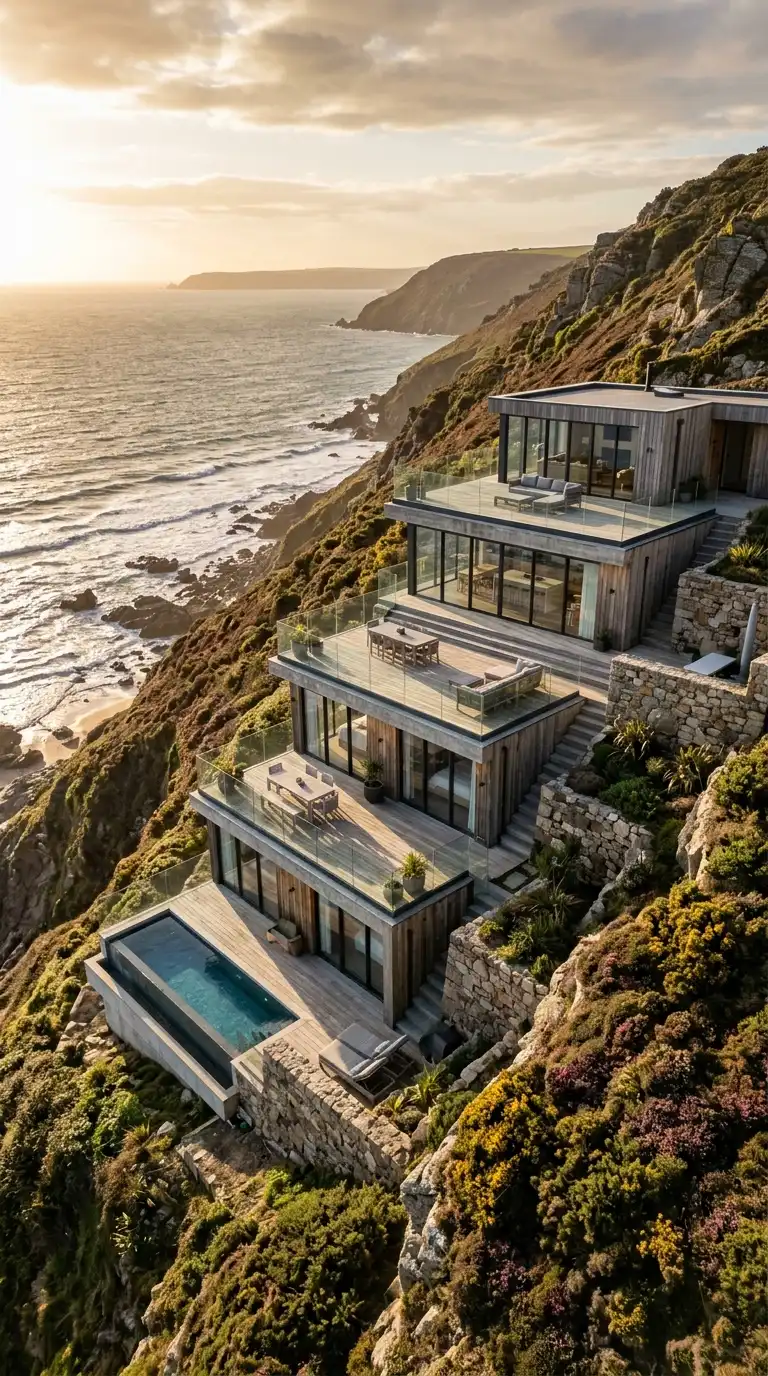
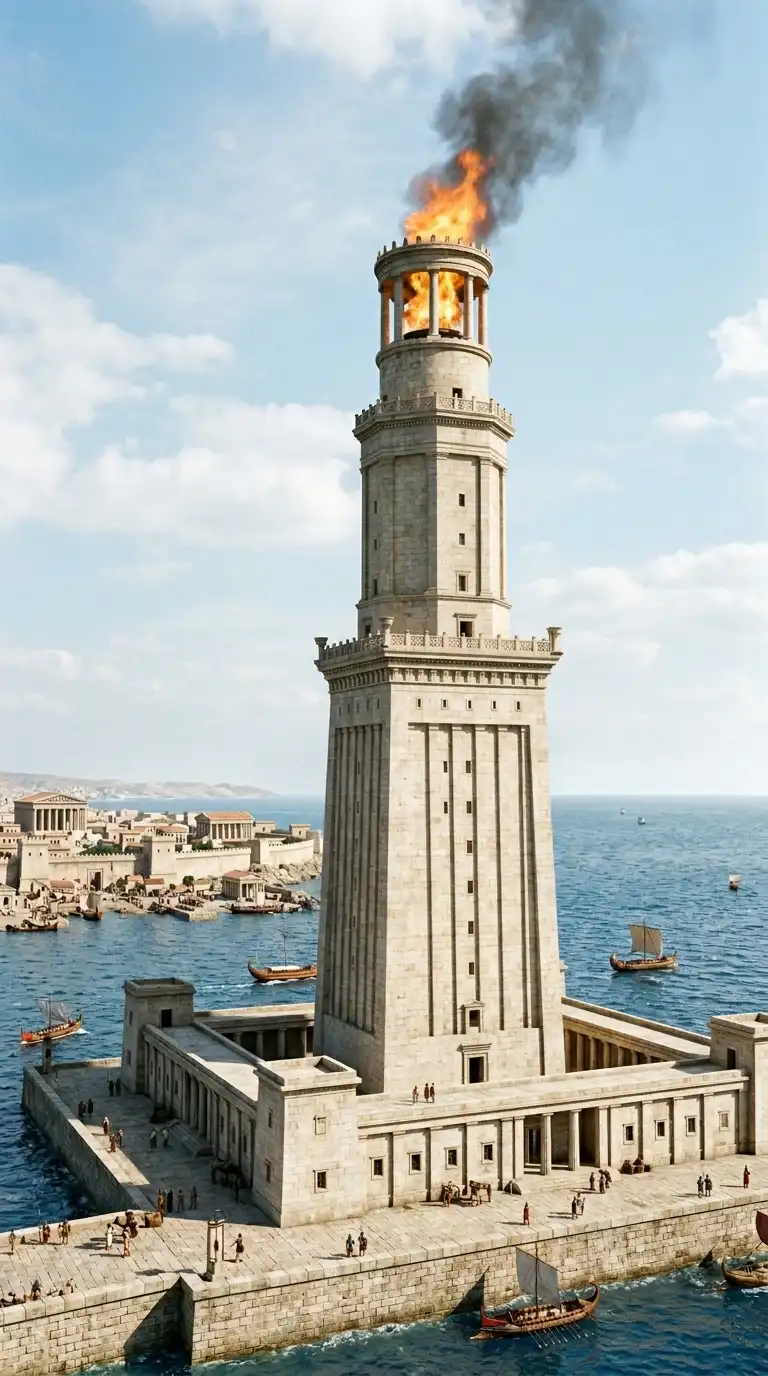
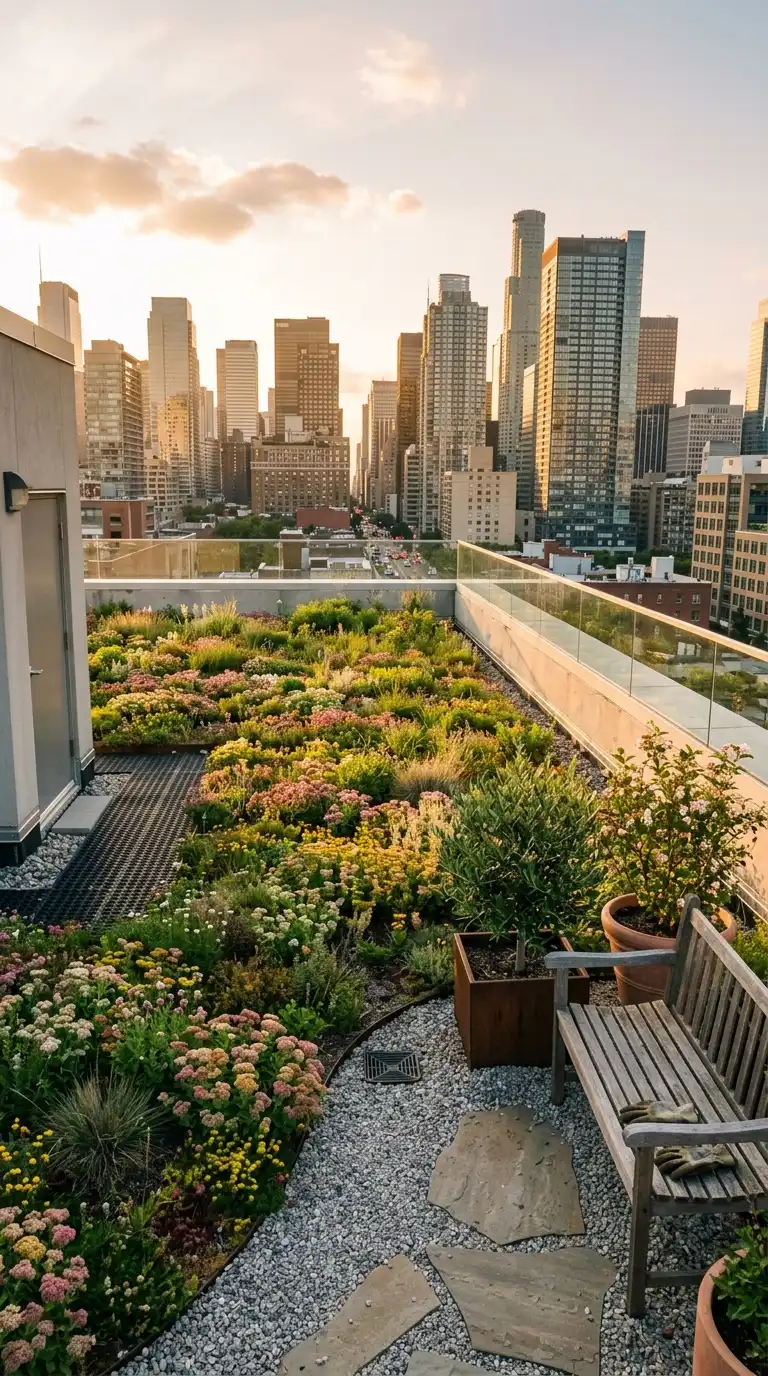
The roof is the most visible part of a building. It is the fifth facade — seen from above, from the street, from the hillside. A well-designed roof manages water, provides shade, insulates the interior, and expresses the building’s character. The roof is not a cap — it is a fundamental part of the architecture.
These 24 roof architecture designs span flat roofs, pitched roofs, vaults, domes, and green roofs. Each design includes defining characteristics, structural principles, and architectural applications.
1. The Flat Roof
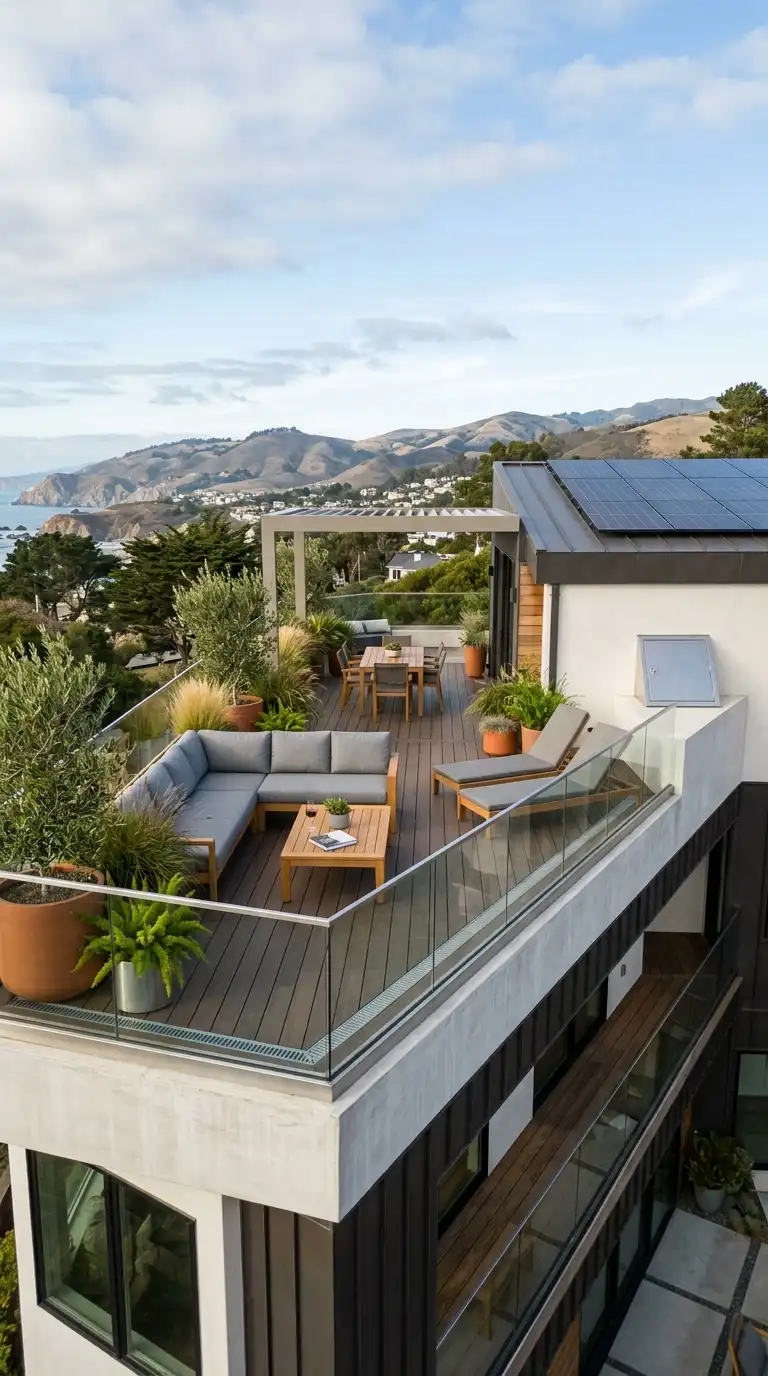
The flat roof is the simplest roof form. It is horizontal or nearly horizontal. The flat roof is used for terraces, gardens, and solar panels. The flat roof is efficient and modern. It requires careful waterproofing and drainage.
This design is ideal for modern houses, office buildings, and skyscrapers. The emotional effect is horizontal, modern, and efficient.
Quick Tips
- The roof must slope at least 1-2% for drainage.
- Use a waterproof membrane (EPDM, TPO, or built-up roof).
- Add a parapet to hide mechanical equipment.
2. The Gable Roof
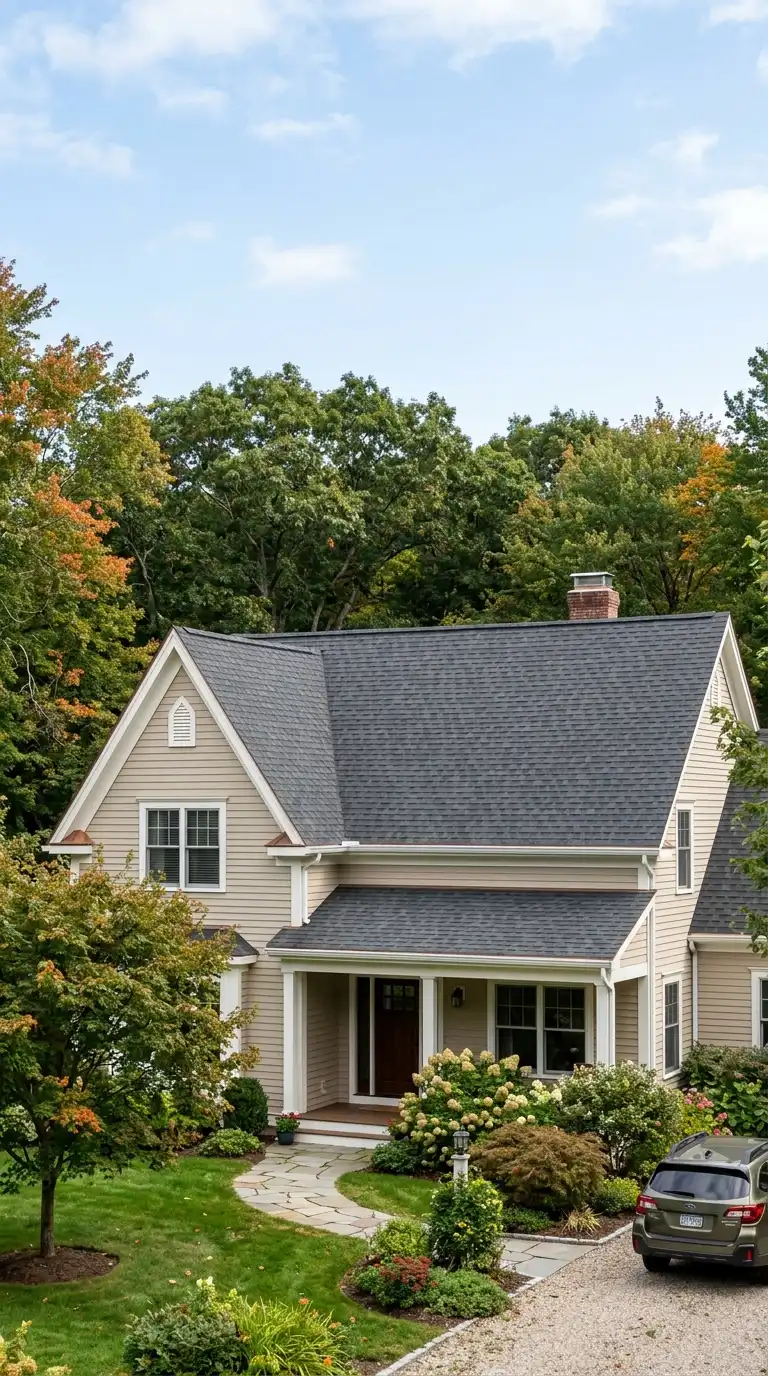
The gable roof is the classic pitched roof. Two sloping planes meet at a ridge. The ends are vertical walls (gables). The gable roof sheds water and snow efficiently. It is simple, economical, and iconic.
This design is ideal for houses, barns, and small buildings. The emotional effect is classic, simple, and sheltering.
Quick Tips
- The pitch should be at least 6:12 (26 degrees) for snow shedding.
- The ridge must be horizontal.
- Gable ends can have windows or louvers.
3. The Hip Roof
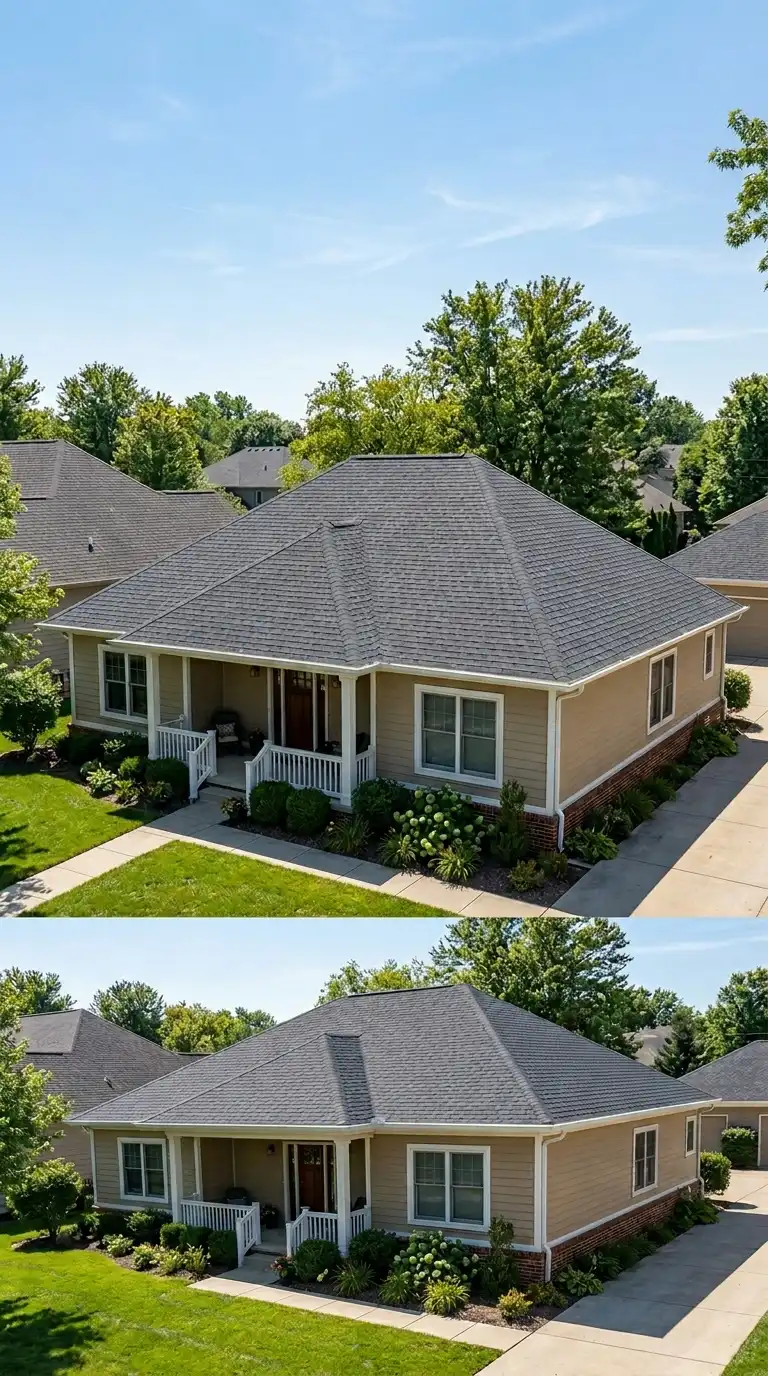
The hip roof slopes on all four sides. There are no vertical gables. The hips are the external corners where two slopes meet. The hip roof is more stable and more wind-resistant than a gable roof.
This design is ideal for houses in hurricane-prone regions. The emotional effect is solid, stable, and pyramidal.
Quick Tips
- All four sides must slope.
- The hips must be straight lines from ridge to eaves.
- The pitch should be consistent on all sides.
4. The Shed Roof
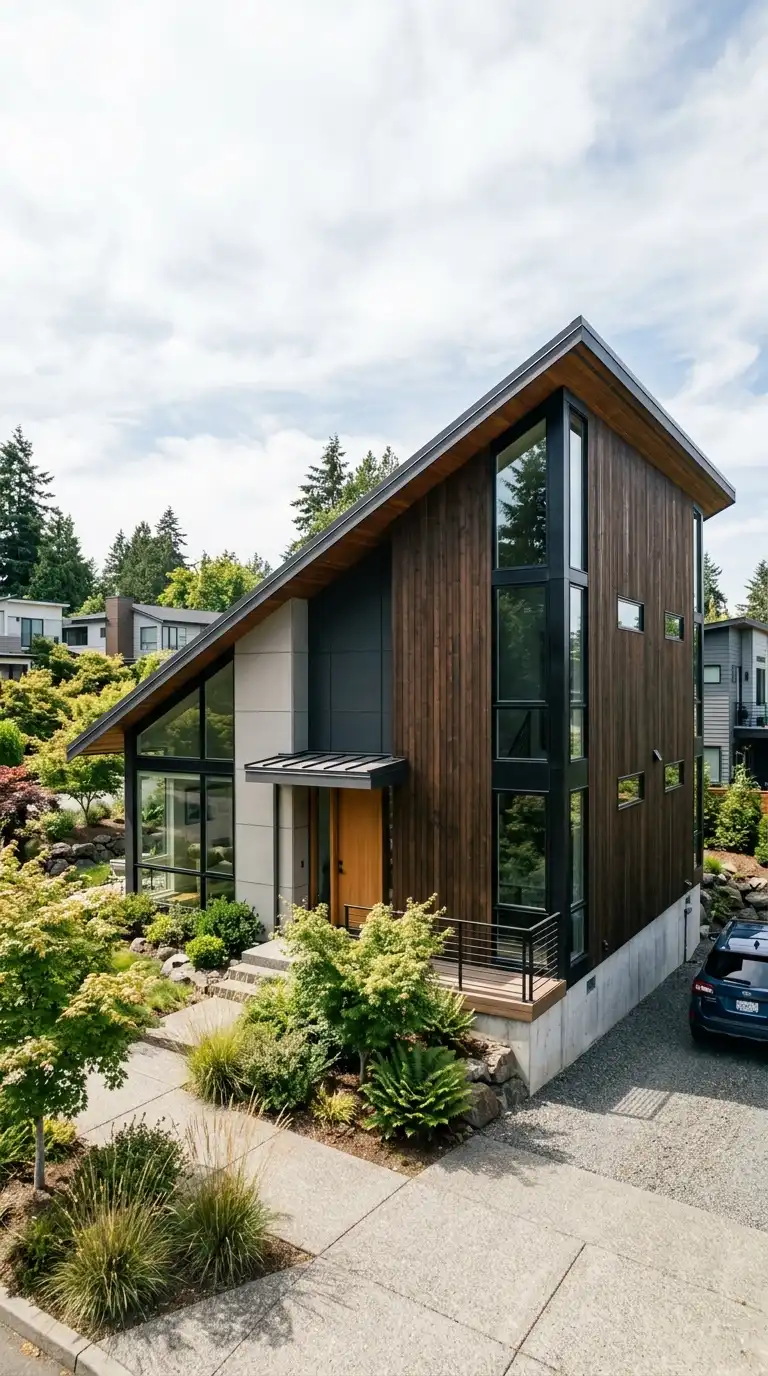
The shed roof is a single sloping plane. It is the simplest roof form. The shed roof is like a flat roof tilted to one side. The high side has a tall wall. The low side has a short wall. The shed roof is modern, asymmetrical, and dramatic.
This design is ideal for modern houses, additions, and lean-tos. The emotional effect is asymmetrical, modern, and dramatic.
Quick Tips
- The slope should be at least 3:12 (14 degrees).
- The high wall can have tall windows.
- The low wall can have a gutter.
5. The Gambrel Roof
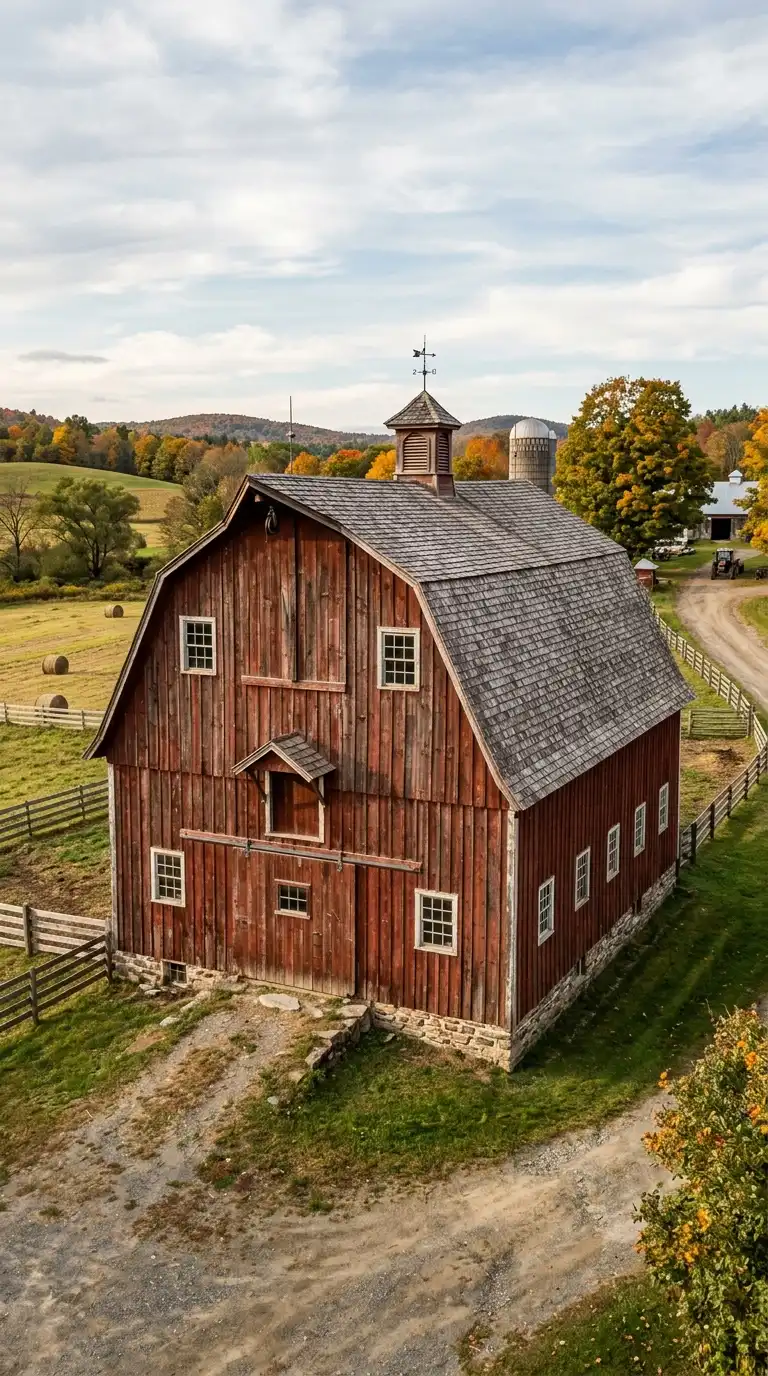
The gambrel roof has two slopes on each side. The lower slope is steeper. The upper slope is shallower. The gambrel roof is a barn roof. It provides more headroom in the attic than a gable roof.
This design is ideal for barns, garages, and Dutch colonial houses. The emotional effect is rural, barn-like, and spacious.
Quick Tips
- The lower slope should be steeper than the upper slope.
- The ridge must be horizontal.
- The gambrel can be symmetric or asymmetric.
6. The Mansard Roof
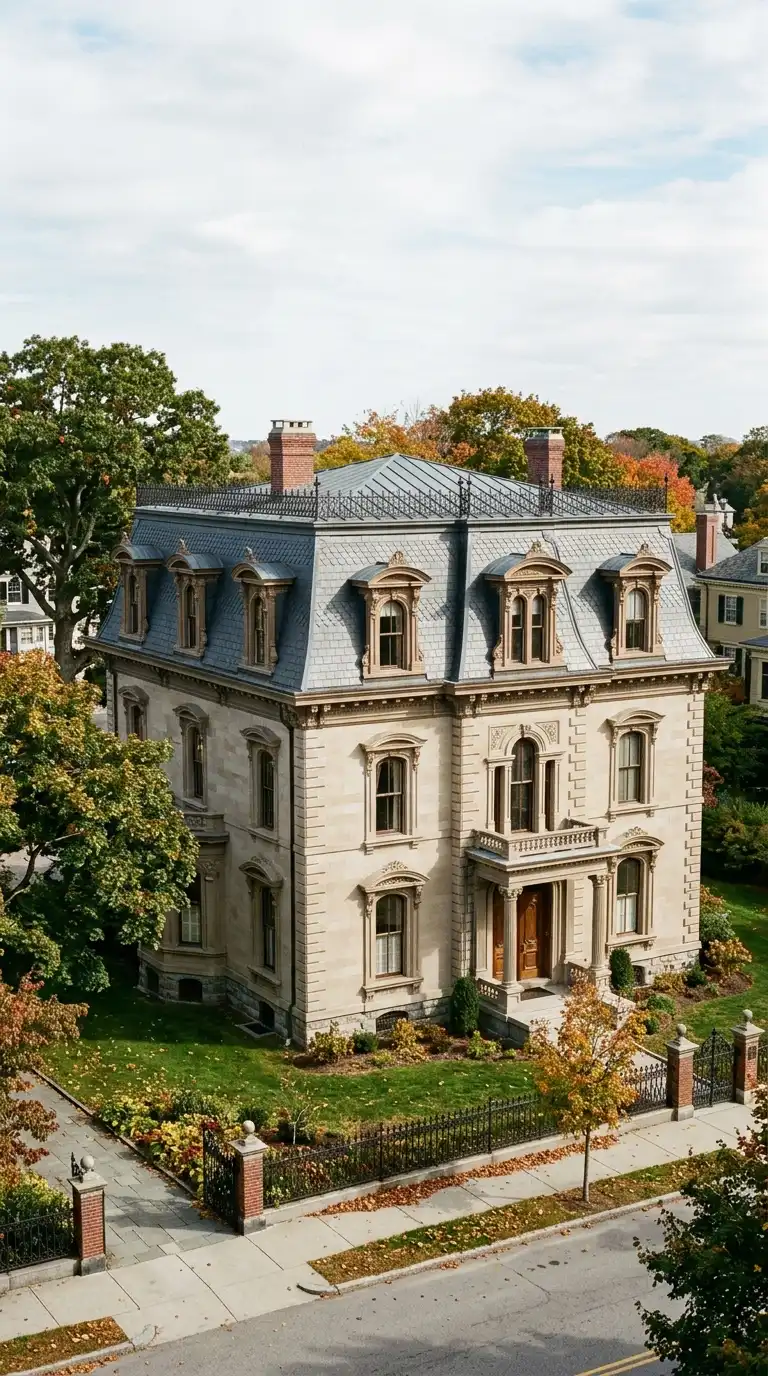
The mansard roof has two slopes on all four sides. The lower slope is nearly vertical. The upper slope is shallow or flat. The mansard roof creates an extra habitable storey inside the roof space. It is a French roof form.
This design is ideal for Second Empire houses and hotels. The emotional effect is French, grand, and roofed.
Quick Tips
- The lower slope must be nearly vertical (60-70 degrees).
- The upper slope can be flat or shallow.
- Dormer windows are characteristic.
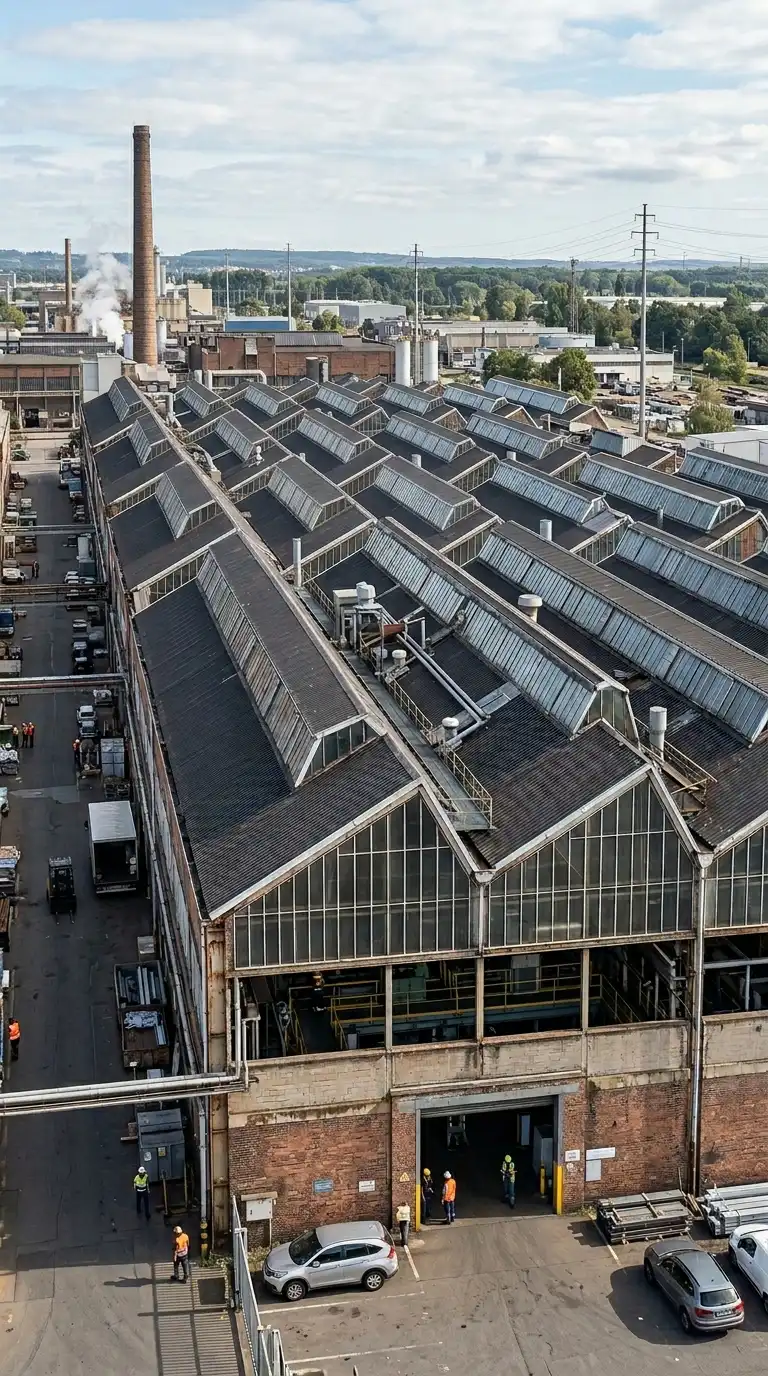
7. The Sawtooth Roof
The sawtooth roof is a series of shed roofs arranged in a row. Each shed roof has a vertical or near-vertical glazed face facing north. The sawtooth roof provides even, shadowless light for factories and studios.
This design is ideal for factories, workshops, and art studios. The emotional effect is industrial, rhythmic, and north-lit.
Quick Tips
- The glazed face should face north for even light.
- The slopes can be south-facing for solar panels.
- The sawtooth can be repeated indefinitely.
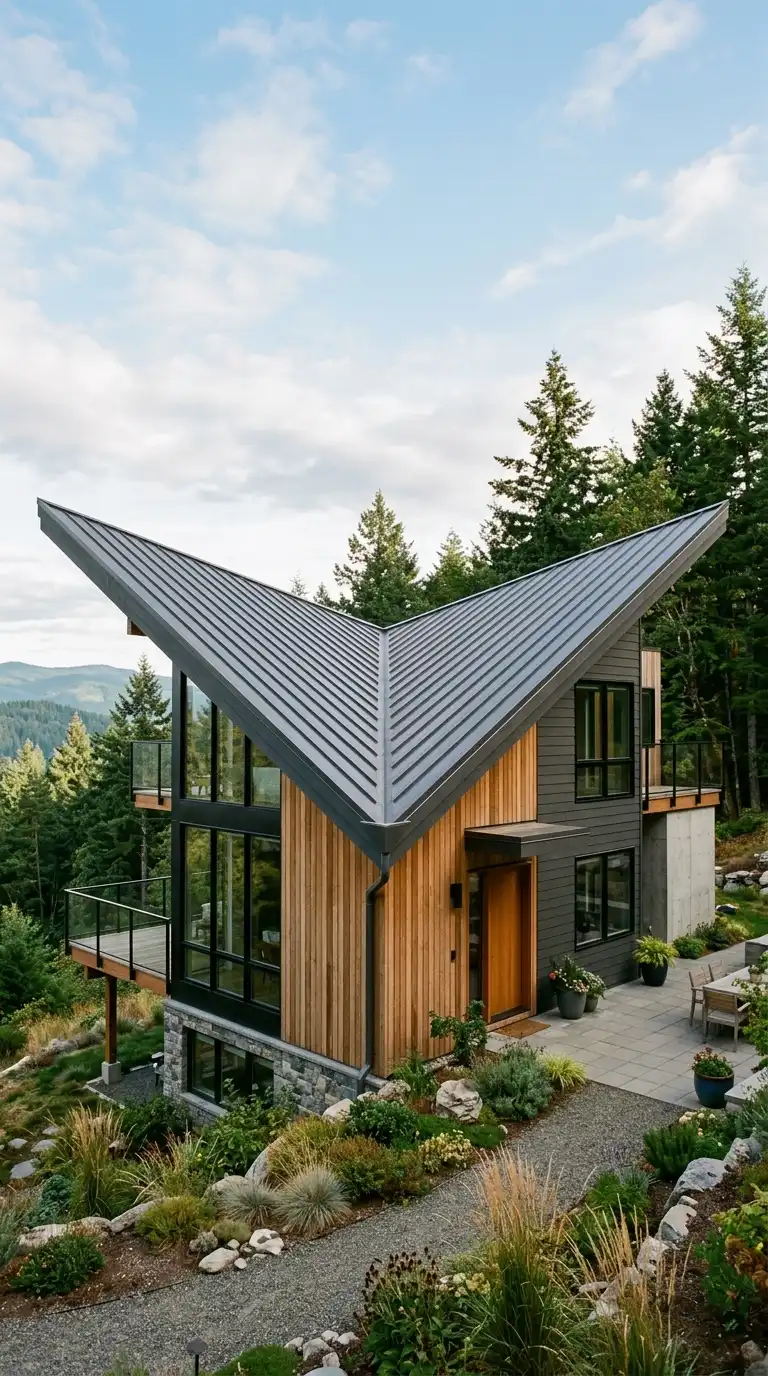
8. The Butterfly Roof
The butterfly roof is an inverted gable roof. Two sloping planes meet at a valley in the centre. The roof collects rainwater in the centre. The butterfly roof is dramatic, modern, and water-collecting.
This design is ideal for modern houses in dry climates. The emotional effect is dramatic, modern, and inverted.
Quick Tips
- The valley must be in the centre.
- The outer edges are higher than the centre.
- The roof collects water for cisterns.
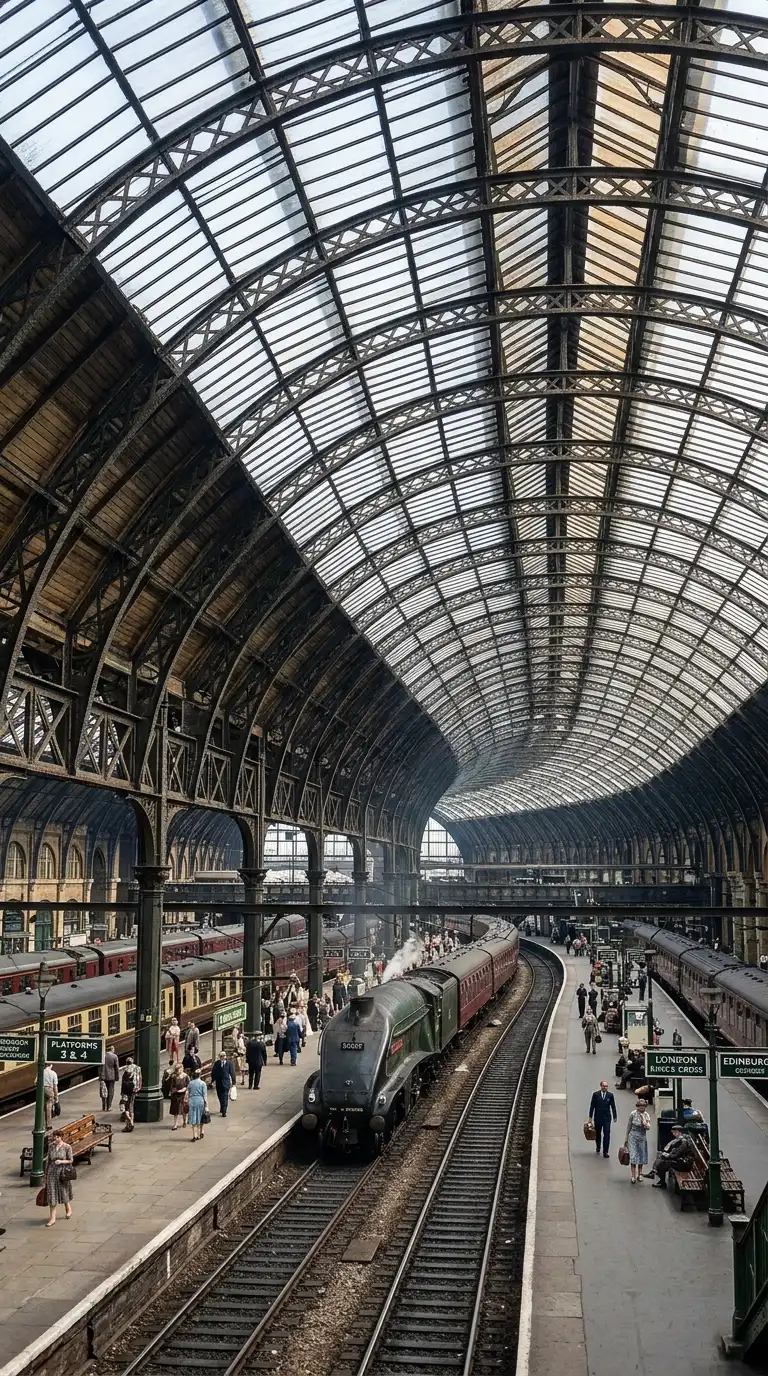
9. The Barrel Vault
The barrel vault is a continuous arched roof. It is a half-cylinder. The barrel vault is strong and simple. It is used for corridors, gymnasiums, and industrial buildings. The barrel vault can be made of masonry, concrete, or metal.
This design is ideal for industrial buildings, gymnasiums, and train sheds. The emotional effect is arched, continuous, and strong.
Quick Tips
- The vault must be a true arc of a circle.
- The vault can be semicircular or segmental.
- The vault can be repeated to form a groin vault.
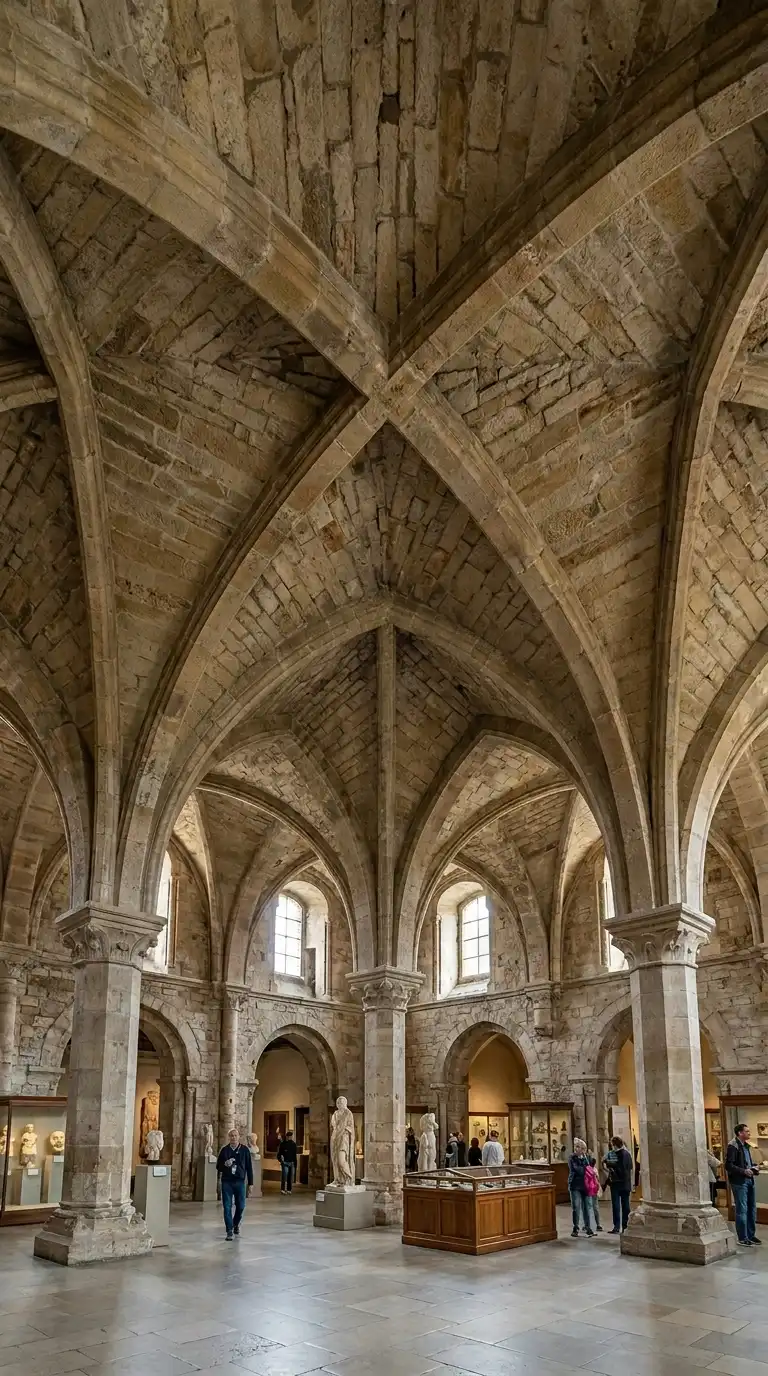
10. The Groin Vault
The groin vault is formed by two barrel vaults intersecting at right angles. The intersection creates a groin (a curved edge). The groin vault concentrates loads at the four corners. It is lighter and more efficient than a barrel vault.
This design is ideal for churches, museums, and large halls. The emotional effect is intersecting, ribbed, and structural.
Quick Tips
- Two barrel vaults must intersect at right angles.
- The groins are the curved intersections.
- Loads are concentrated at the four corners.
11. The Ribbed Vault
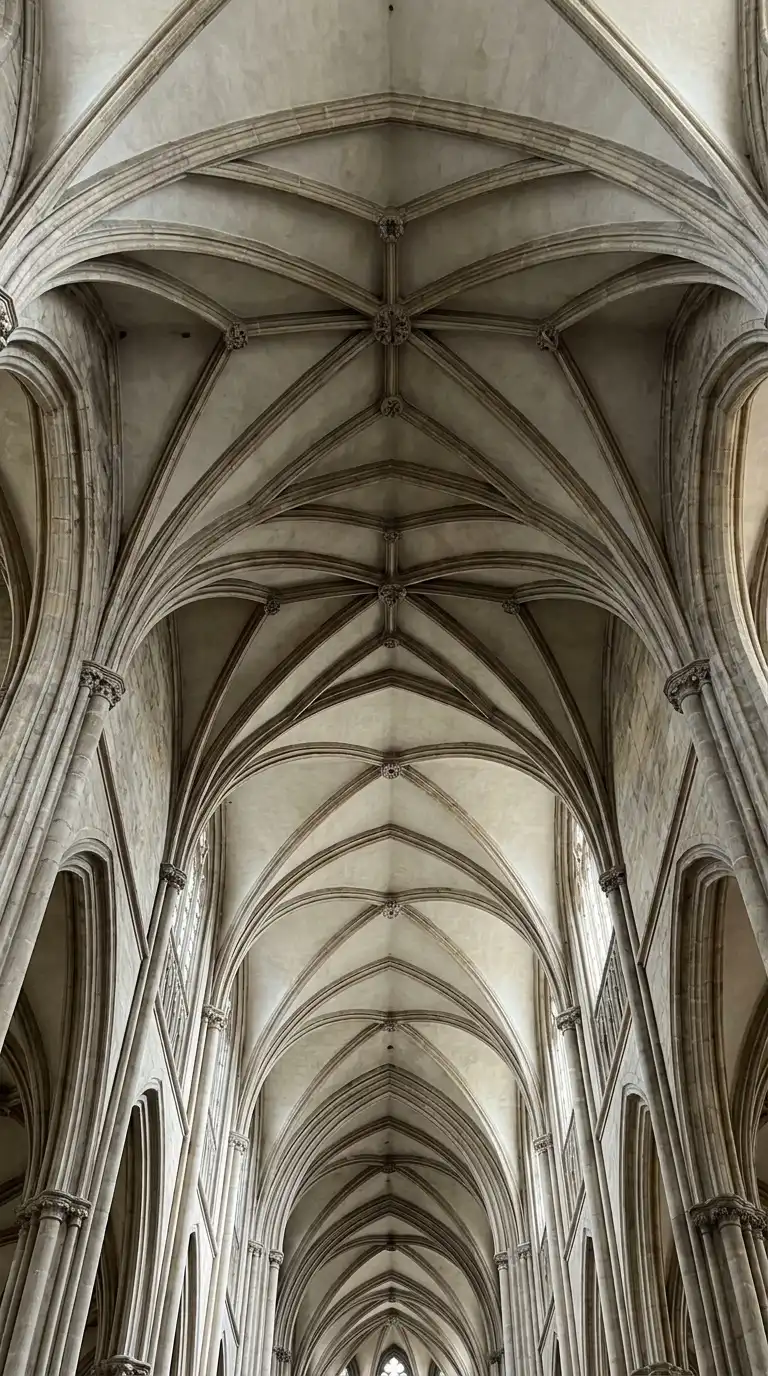
The ribbed vault is a skeleton of stone ribs with thin panels between them. The ribs are the structure. The panels are infill. The ribbed vault is lighter and more flexible than a groin vault. It is the signature roof of Gothic architecture.
This design is ideal for cathedrals, churches, and Gothic revival buildings. The emotional effect is skeletal, ribbed, and Gothic.
Quick Tips
- The ribs must be the primary structure.
- The panels can be thin stone or plaster.
- The ribs can be decorated with mouldings.
12. The Dome
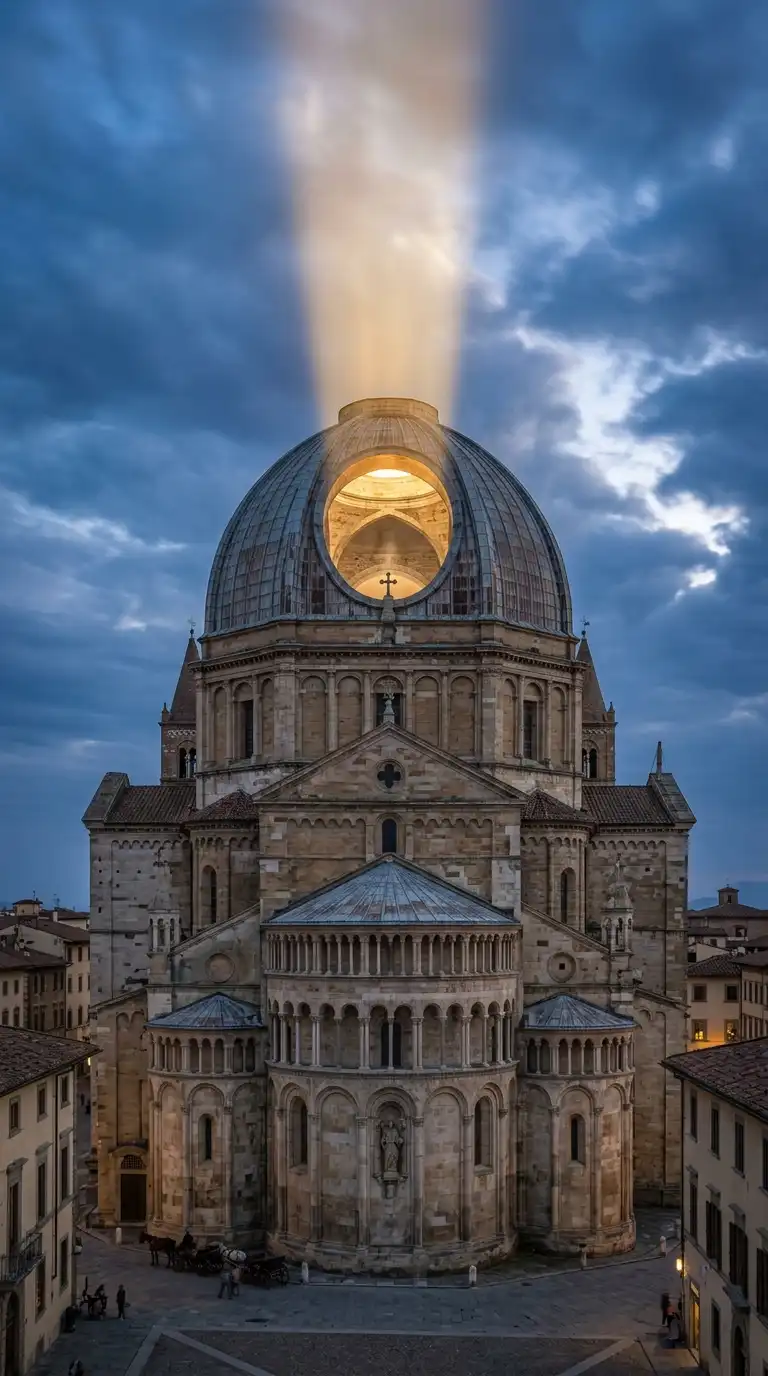
The dome is a hemispherical roof. The dome is strong, efficient, and celestial. The dome can be on a circular, square, or polygonal base. The dome is the signature roof of Byzantine and Renaissance architecture.
This design is ideal for churches, mosques, and capitol buildings. The emotional effect is hemispherical, celestial, and awe-inspiring.
Quick Tips
- The dome can be a hemisphere (height = half the span).
- The dome can be pointed or onion-shaped.
- The dome can have an oculus at the top.
13. The Onion Dome
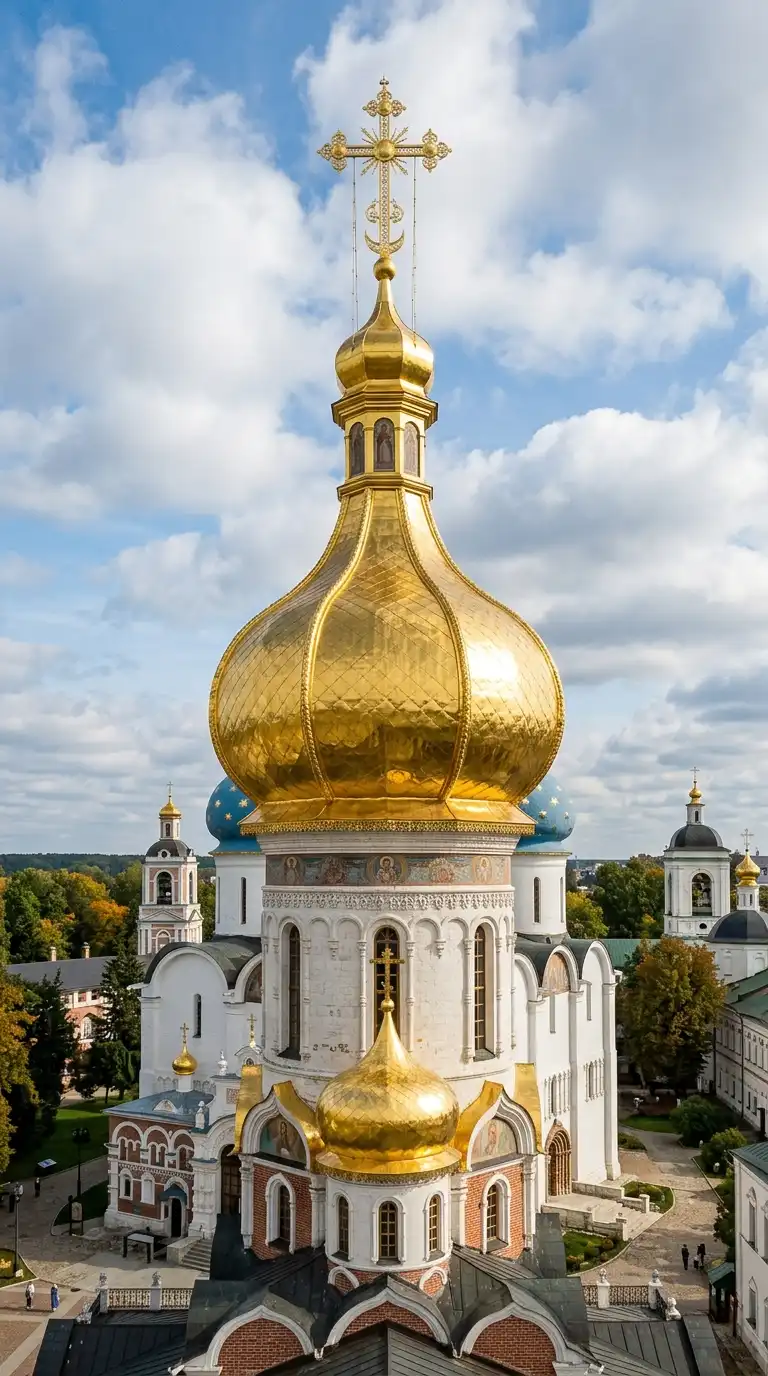
The onion dome is a bulbous dome that swells outward near the base and rises to a point. The onion dome is taller than it is wide. It is the signature roof of Russian architecture. The onion dome is often gilded or painted.
This design is ideal for Russian Orthodox churches. The emotional effect is bulbous, vertical, and festive.
Quick Tips
- The dome must swell outward near the base.
- The dome must be taller than it is wide.
- The dome is often gilded or brightly painted.
14. The Pyramidal Roof
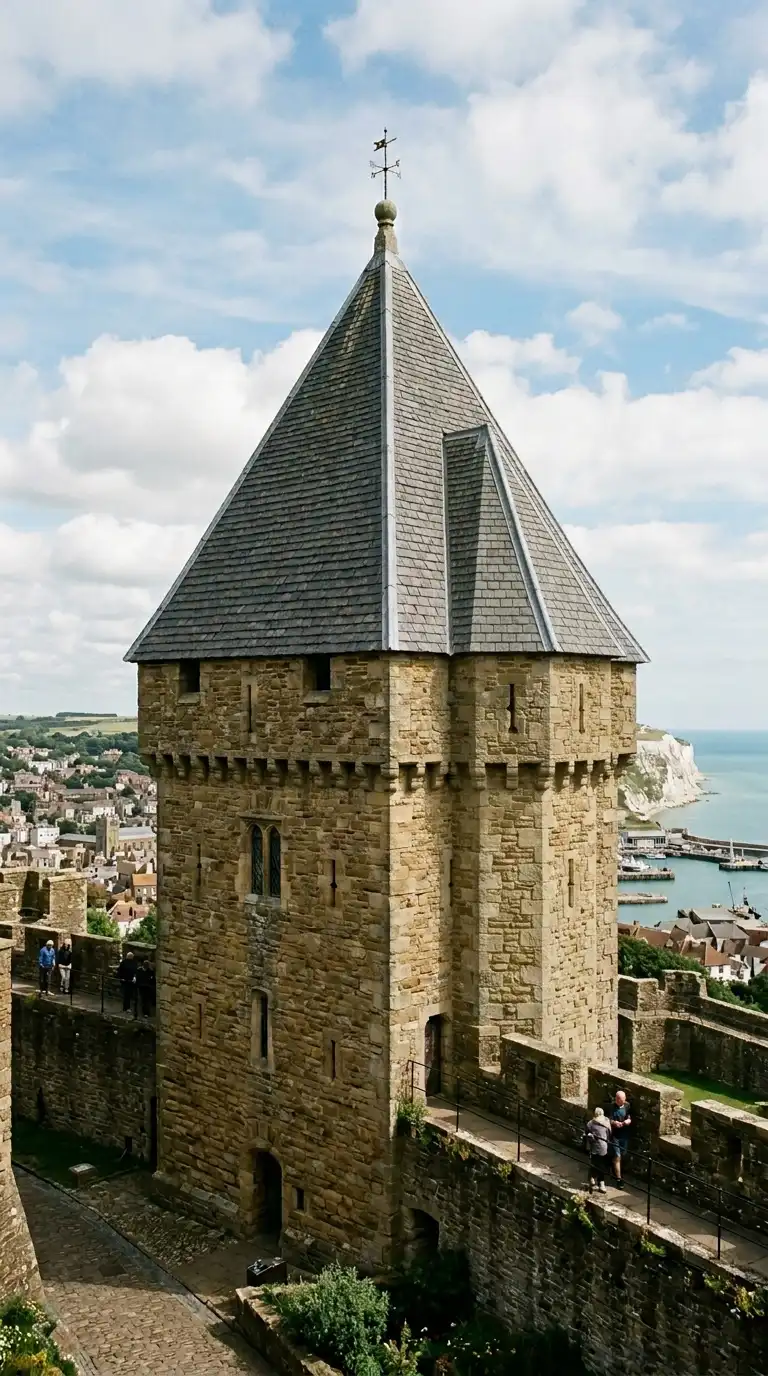
The pyramidal roof is a hip roof with a square base. All four sides slope to a point. The pyramidal roof is simple, strong, and pyramidal. It is used on towers, pavilions, and small buildings.
This design is ideal for towers, gazebos, and garden pavilions. The emotional effect is pyramidal, simple, and strong.
Quick Tips
- The base must be square.
- All four sides must slope to a point.
- The pitch must be consistent on all sides.
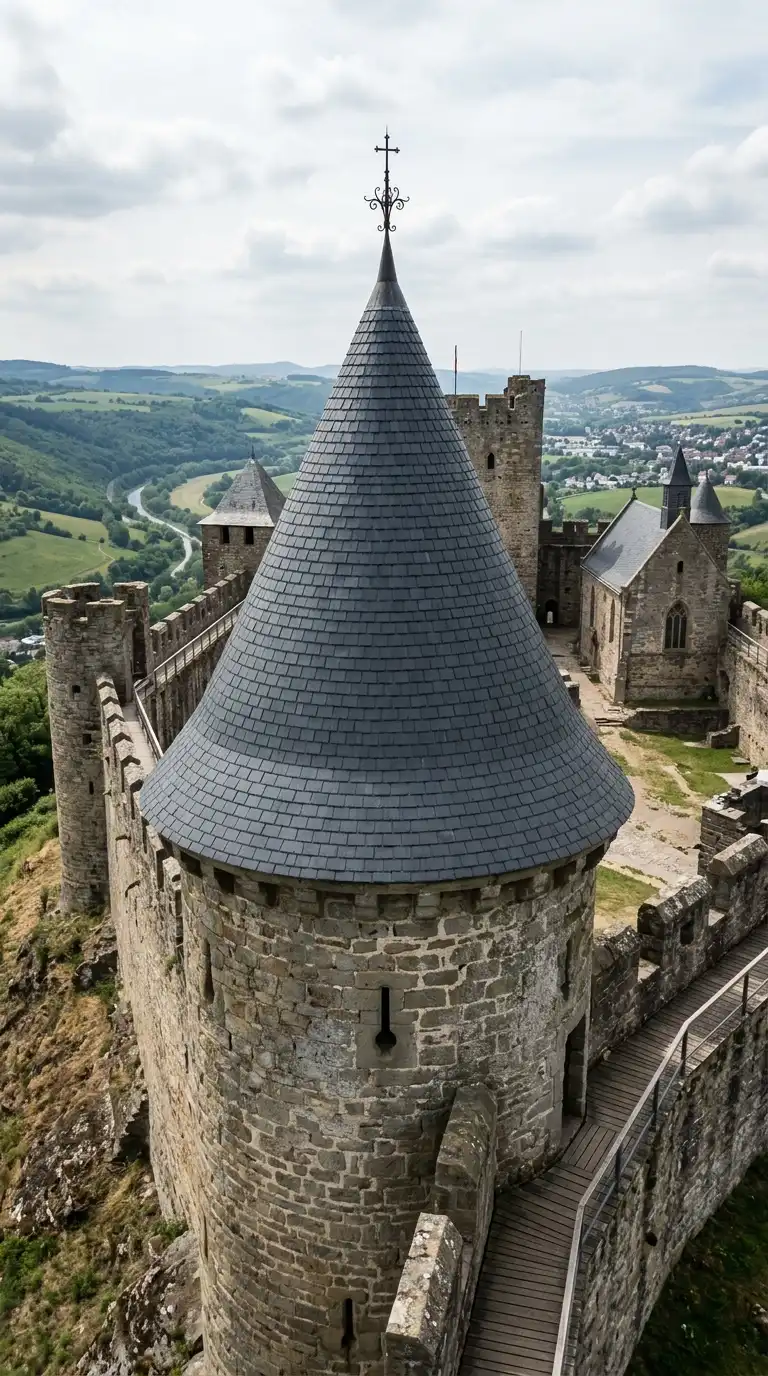
15. The Conical Roof
The conical roof is a cone-shaped roof on a circular base. The conical roof is used on towers, turrets, and round buildings. The conical roof is simple, strong, and conical.
This design is ideal for turrets, gazebos, and round towers. The emotional effect is conical, circular, and simple.
Quick Tips
- The base must be circular.
- The roof must be a true cone.
- The apex must be centred over the base.
16. The Green Roof
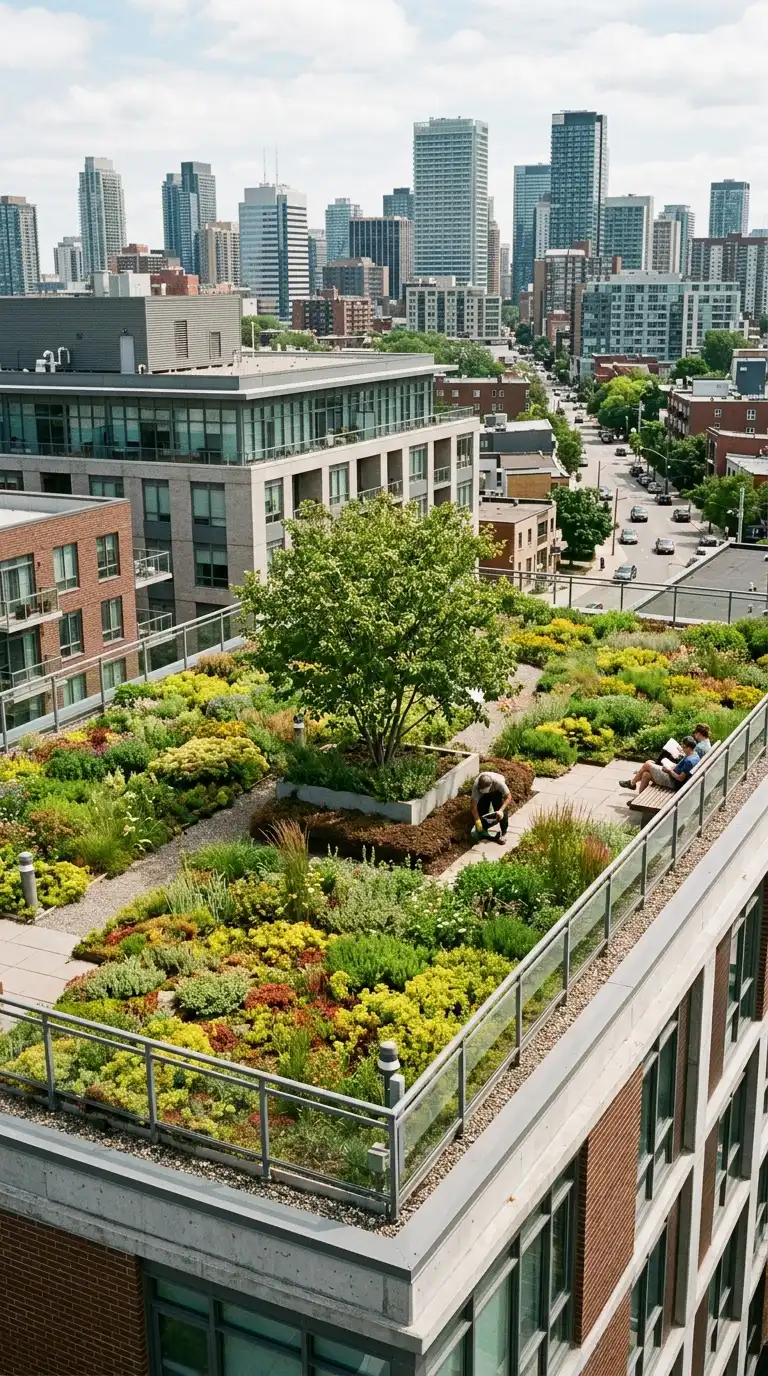
The green roof is a roof planted with vegetation. The roof can be extensive (shallow soil, low plants) or intensive (deep soil, shrubs and trees). The green roof insulates, absorbs rainwater, and provides habitat.
This design is ideal for urban buildings and sustainable design. The emotional effect is green, living, and ecological.
Quick Tips
- Extensive roofs need 5-15cm of soil.
- Intensive roofs need 15-50cm of soil.
- Use native, drought-tolerant plants.
17. The Solar Roof
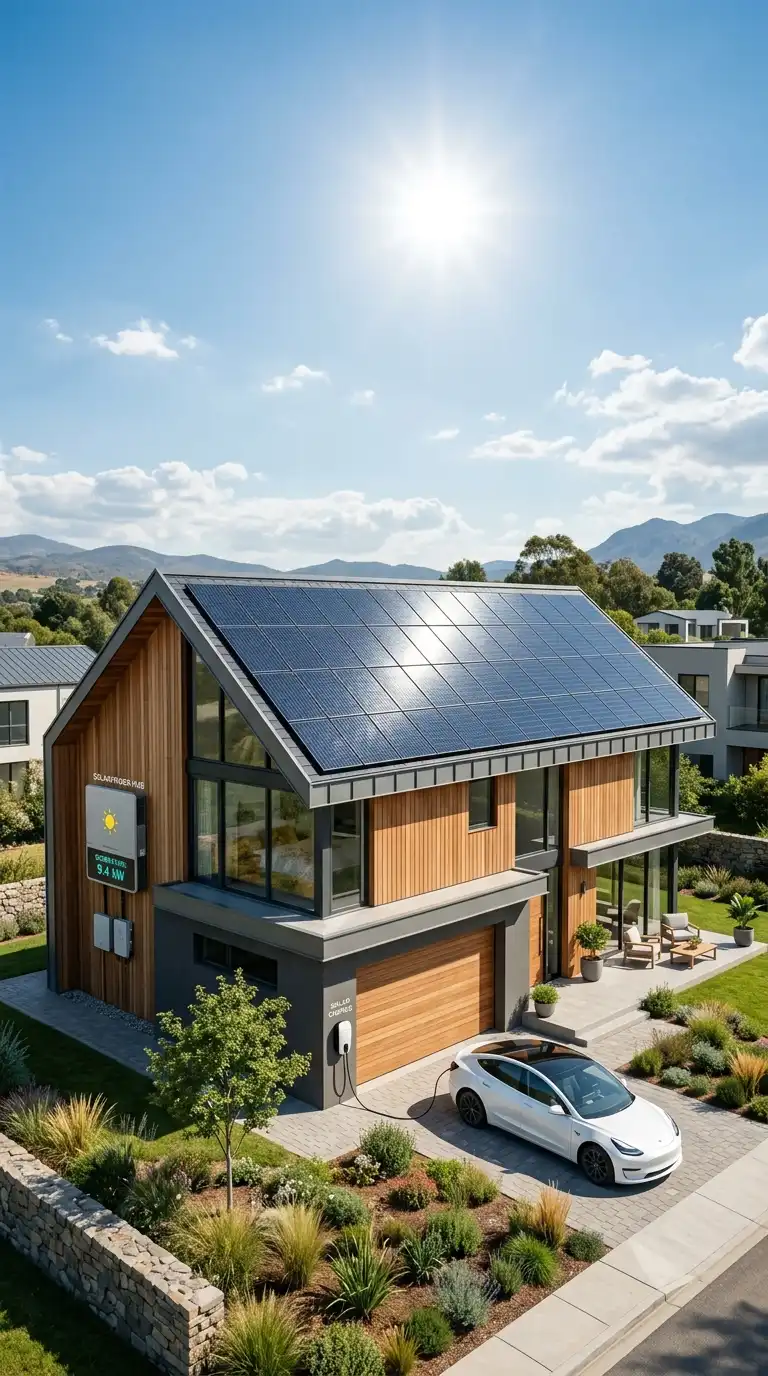
The solar roof is covered with photovoltaic panels. The panels generate electricity. The solar roof can be integrated into the roof (solar shingles) or mounted on top of the roof (solar panels). The solar roof is the most visible part of a net-zero building.
This design is ideal for net-zero houses and sustainable buildings. The emotional effect is solar, generating, and sustainable.
Quick Tips
- South-facing slopes are best for solar (northern hemisphere).
- Solar shingles are more aesthetic than panels.
- The roof structure must support the additional weight.
18. The Living Roof
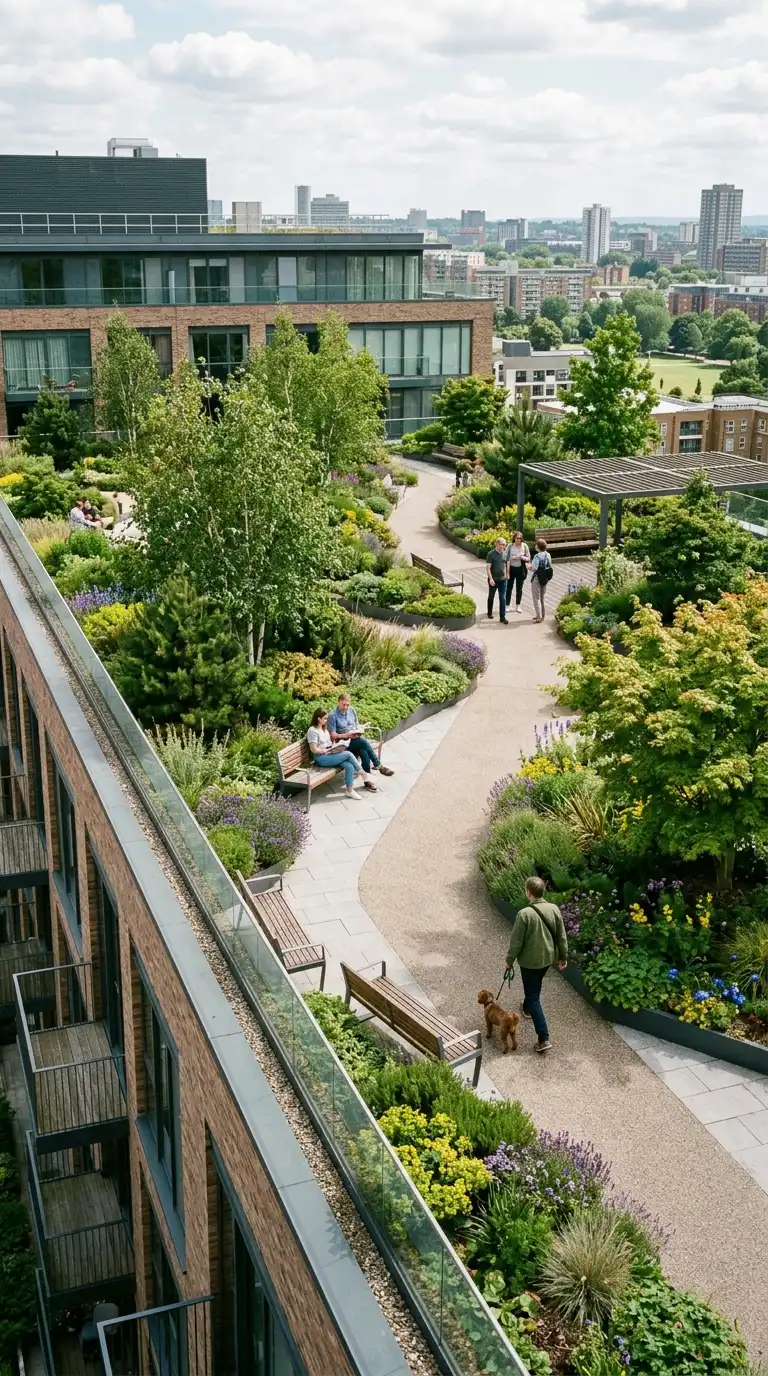
The living roof is a green roof designed for intensive use. The roof has trees, shrubs, gardens, and seating. The living roof is a park in the sky. It is accessible to residents or the public.
This design is ideal for apartment buildings, offices, and hotels. The emotional effect is park-like, accessible, and roofed.
Quick Tips
- The roof must be accessible by stairs or elevator.
- The roof must have seating, paths, and planting.
- The structure must support heavy loads (soil, water, people).
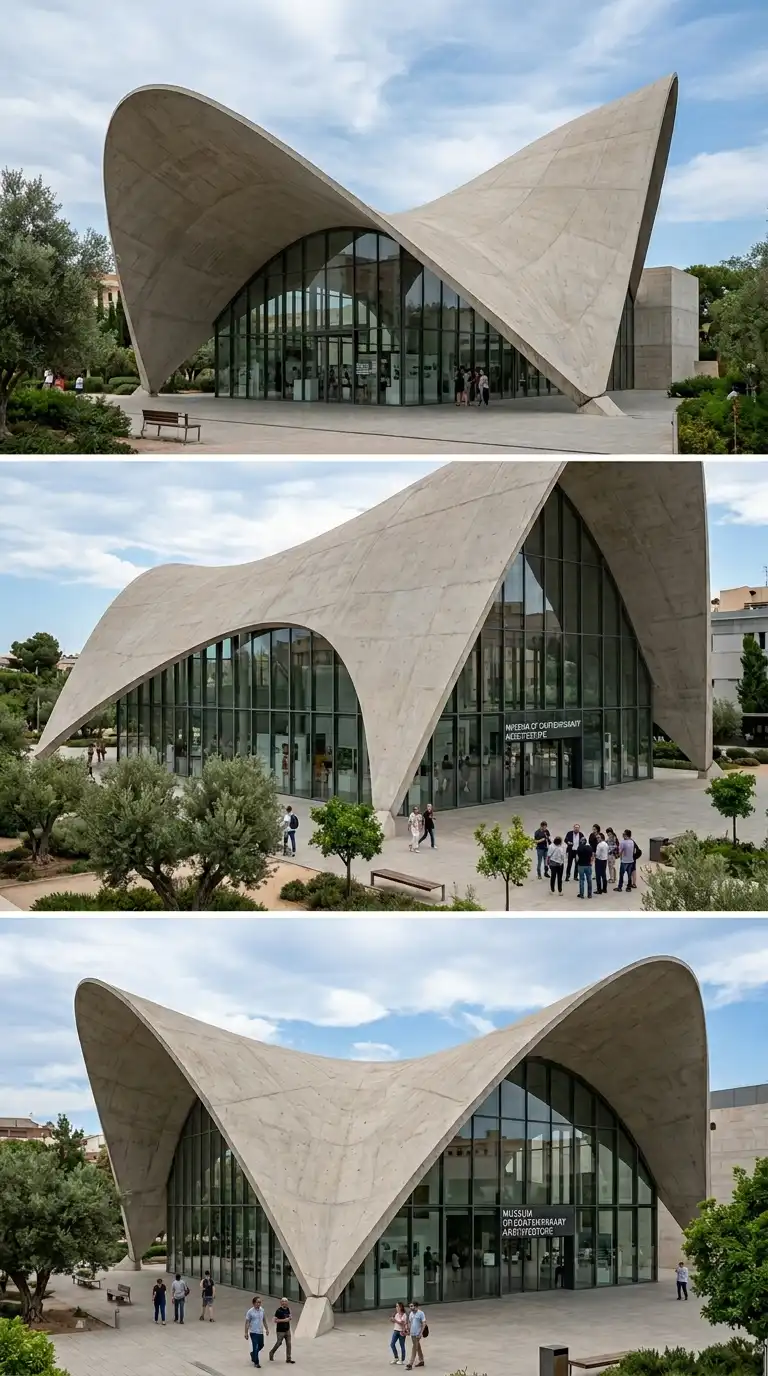
19. The Shell Roof
The shell roof is a thin, curved concrete shell. The shell is strong and lightweight. The shell roof can be a dome, a barrel vault, a hyperbolic paraboloid, or a free-form shape. The shell roof is a showcase for structural innovation.
This design is ideal for museums, airports, and sports arenas. The emotional effect is curved, thin, and structural.
Quick Tips
- The shell must be thin (5-15cm).
- The shell must be curved in one or two directions.
- The shell can be cast in place or precast.
20. The Tensile Roof
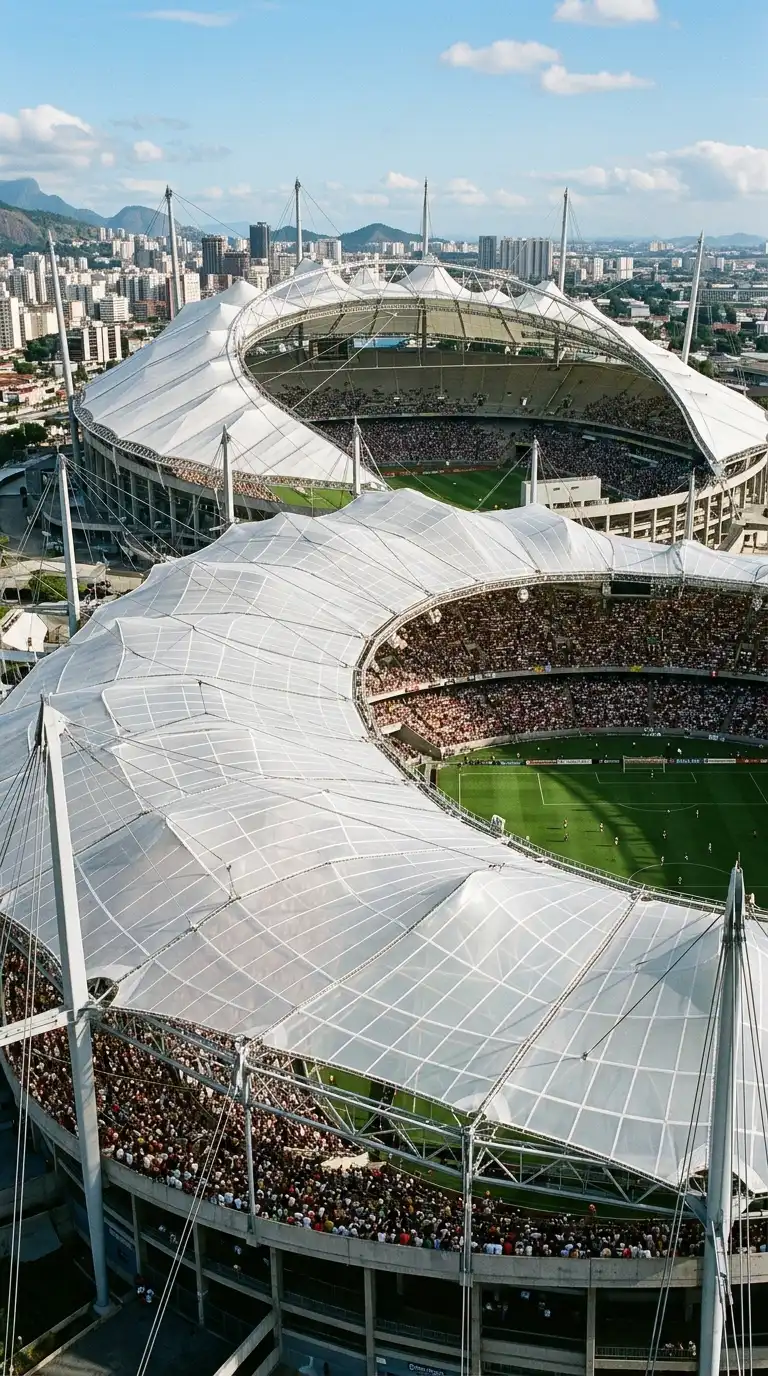
The tensile roof is a fabric roof stretched over a cable net or frame. The fabric is tensioned to create a curved surface. The tensile roof is lightweight, translucent, and dramatic. It is used for stadiums, airports, and pavilions.
This design is ideal for large-span buildings and temporary structures. The emotional effect is tensile, lightweight, and dramatic.
Quick Tips
- The fabric must be tensioned, not draped.
- The fabric can be PTFE-coated fibreglass or PVC-coated polyester.
- The fabric is translucent — it glows at night.
21. The Folding Roof
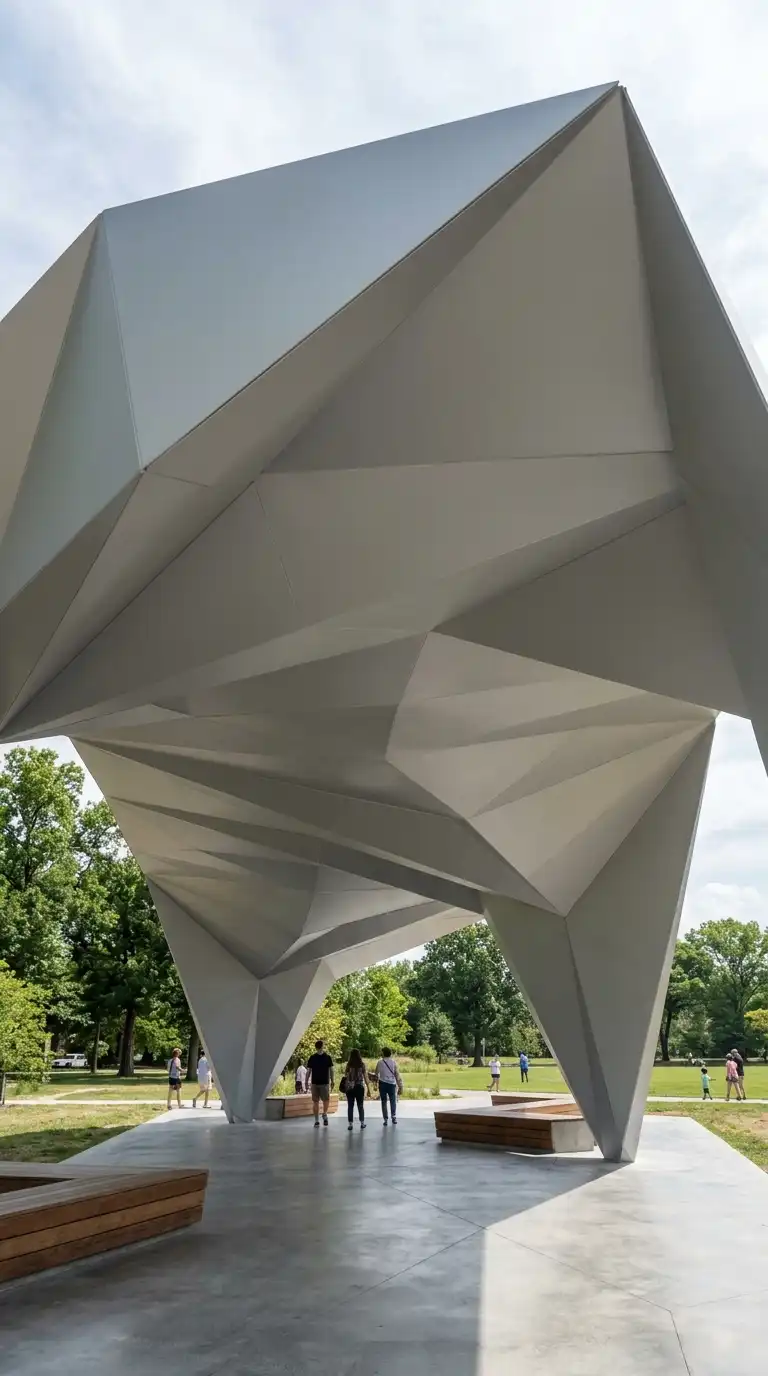
The folding roof is made of flat, planar facets that fold in a continuous surface. The folds create a self-supporting structure. The folding roof is a form of origami architecture. It is lightweight, strong, and dramatic.
This design is ideal for pavilions, schools, and gymnasiums. The emotional effect is folded, faceted, and origami-like.
Quick Tips
- The roof must be made of flat, planar facets.
- The facets must be continuous — no gaps.
- The roof must be self-supporting.
22. The Umbrella Roof
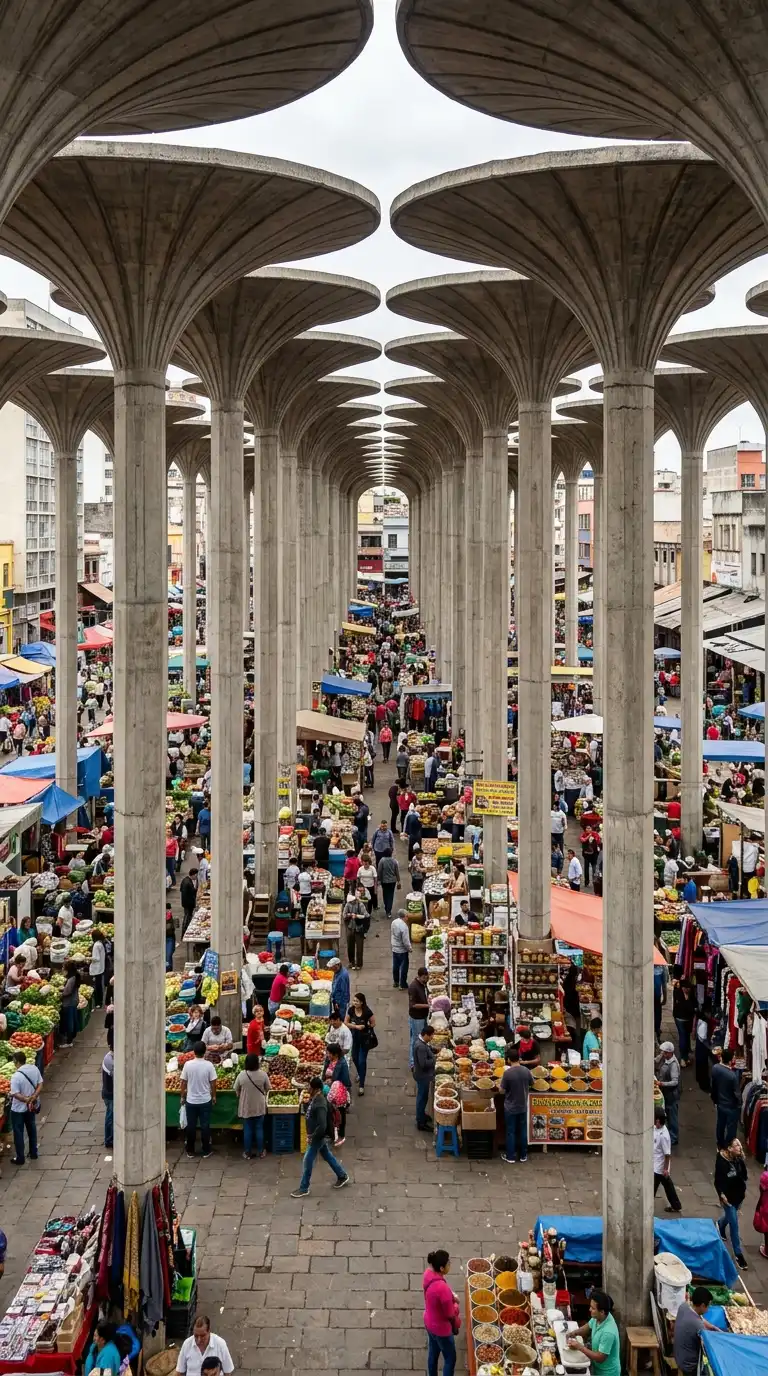
The umbrella roof is a series of mushroom-shaped concrete canopies. Each umbrella has a central column and a flared top. The umbrella roof is a signature of modernist architecture (Félix Candela). The umbrella roof is efficient, repetitive, and dramatic.
This design is ideal for markets, bus stations, and industrial buildings. The emotional effect is mushroom-like, repetitive, and structural.
Quick Tips
- Each umbrella has a central column and a flared top.
- The umbrellas can be square, circular, or hyperbolic.
- The umbrellas can be repeated in a grid.
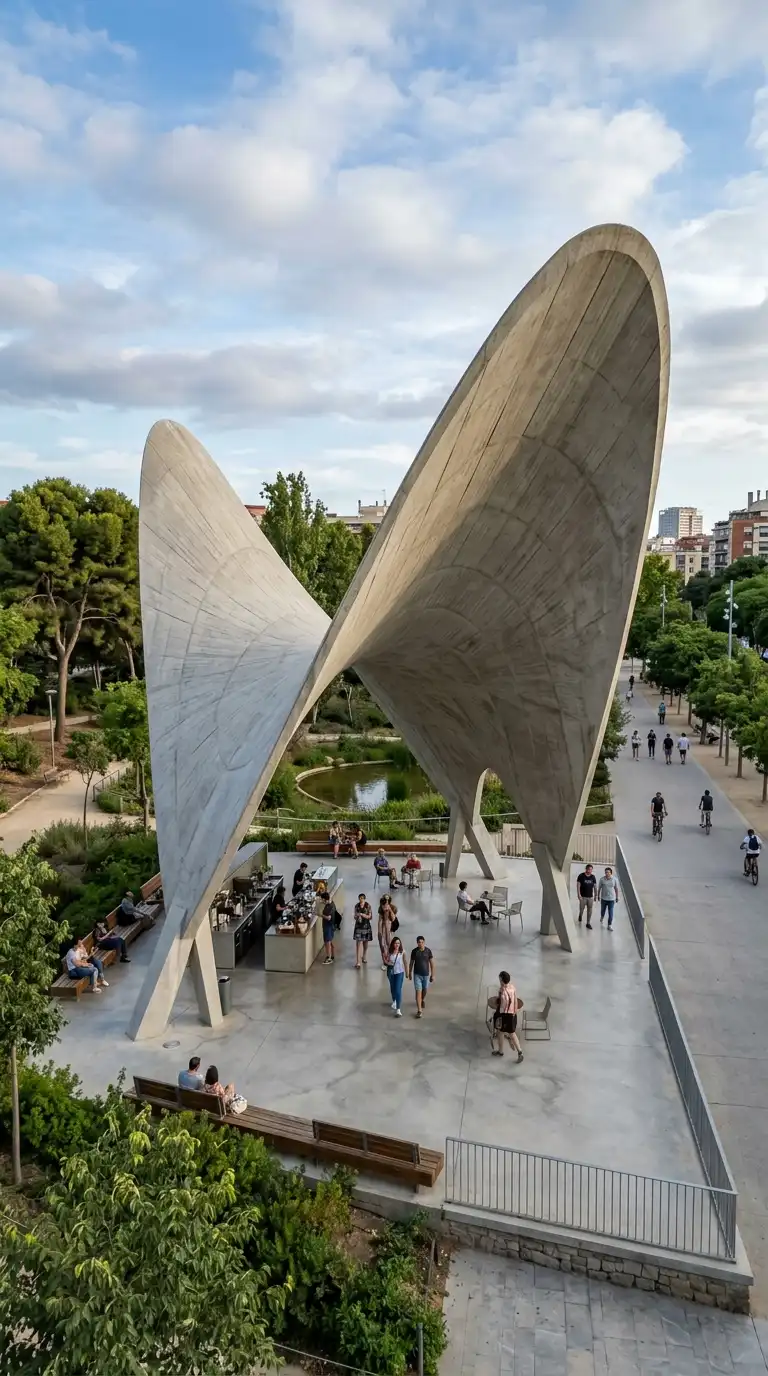
23. The Hyperbolic Paraboloid Roof
The hyperbolic paraboloid (hypar) roof is a saddle-shaped surface. It is curved in two directions: up in one direction, down in the perpendicular direction. The hypar roof is strong, lightweight, and elegant. It is a signature of modernist architecture (Félix Candela).
This design is ideal for pavilions, churches, and restaurants. The emotional effect is saddle-shaped, curved, and elegant.
Quick Tips
- The surface must be curved in two opposite directions.
- The hypar can be formed from straight lines.
- The hypar is a ruled surface.
24. The Open Roof
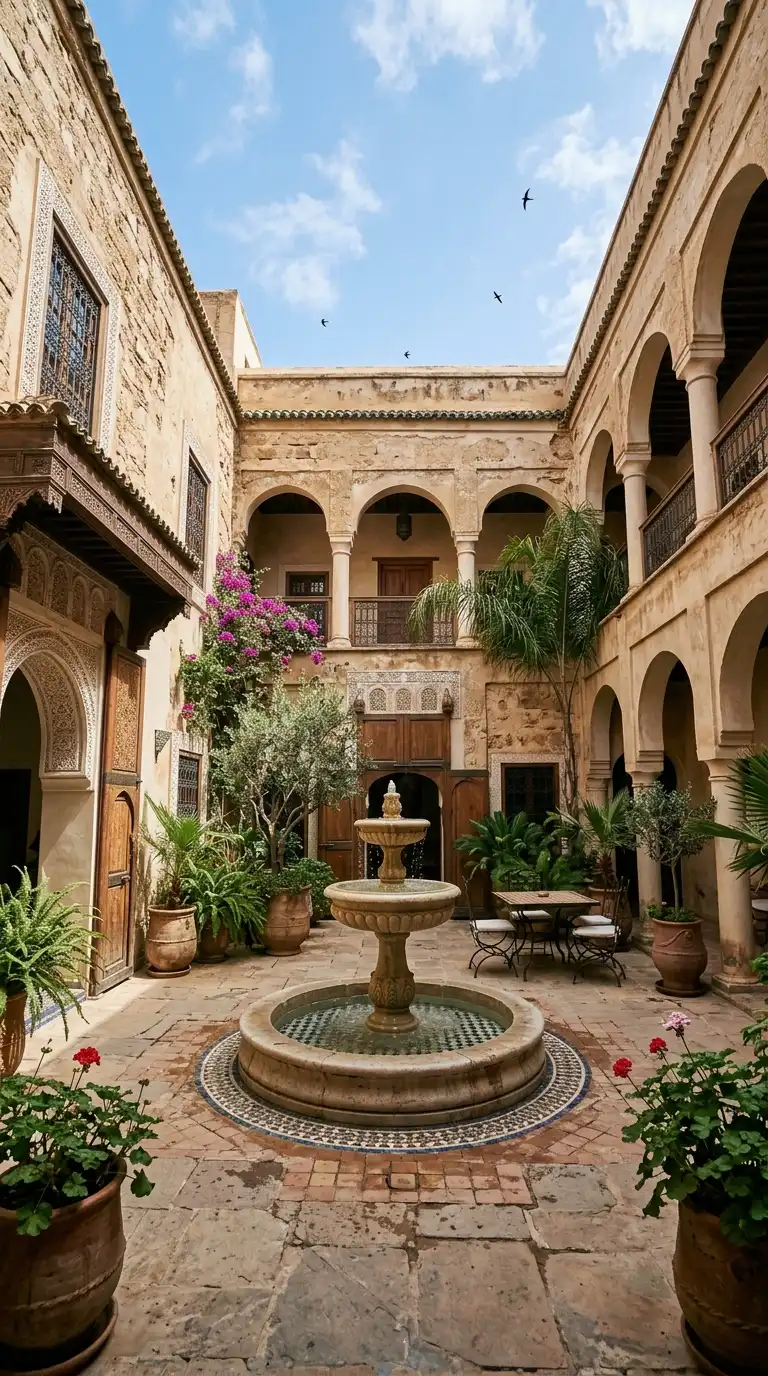
The open roof has no roof covering. The building has walls but no roof. The open roof is used for courtyards, atriums, and outdoor rooms. The open roof lets in rain, sun, and sky. It is the most ancient roof form.
This design is ideal for courtyards, gardens, and outdoor spaces. The emotional effect is open, skyward, and ancient.
Quick Tips
- The open roof is a courtyard or atrium.
- The space is enclosed by walls but open to the sky.
- The open roof can have a retractable cover.
Final Thoughts
The roof is the most visible part of the building. A flat roof is modern and efficient. A gable roof is classic and sheltering. A hip roof is solid and stable. A shed roof is asymmetrical and dramatic. A gambrel roof is rural and barn-like. A mansard roof is French and grand. A sawtooth roof is industrial and rhythmic.
A butterfly roof is dramatic and water-collecting. A barrel vault is arched and strong. A groin vault is intersecting and structural. A ribbed vault is skeletal and Gothic. A dome is celestial and awe-inspiring. An onion dome is bulbous and Russian. A pyramidal roof is simple and strong. A conical roof is conical and circular.
A green roof is living and ecological. A solar roof is generating and sustainable. A living roof is park-like and accessible. A shell roof is thin and structural. A tensile roof is lightweight and dramatic. A folding roof is folded and faceted. An umbrella roof is mushroom-like and repetitive. A hyperbolic paraboloid roof is saddle-shaped and elegant. An open roof is open and skyward.
These 24 roof designs are not mutually exclusive. A gable roof can have solar panels. A flat roof can be a living roof. A dome can be a green roof. The best roofs are not the most complicated — they are the most appropriate. They shed water, provide shade, insulate the interior, and express the building’s character. They are not just caps — they are the fifth facade.