The facade is the face of a building. It is the first thing people see, the element that defines a building’s character, and the interface between interior and exterior. A well-designed facade does more than look beautiful — it manages light, controls temperature, provides privacy, and expresses the building’s structure and purpose.
These 12 facade architecture designs span historical styles, modern innovations, and contemporary material explorations. Each design includes defining characteristics, technical considerations, and architectural principles.
1. The Curtain Wall
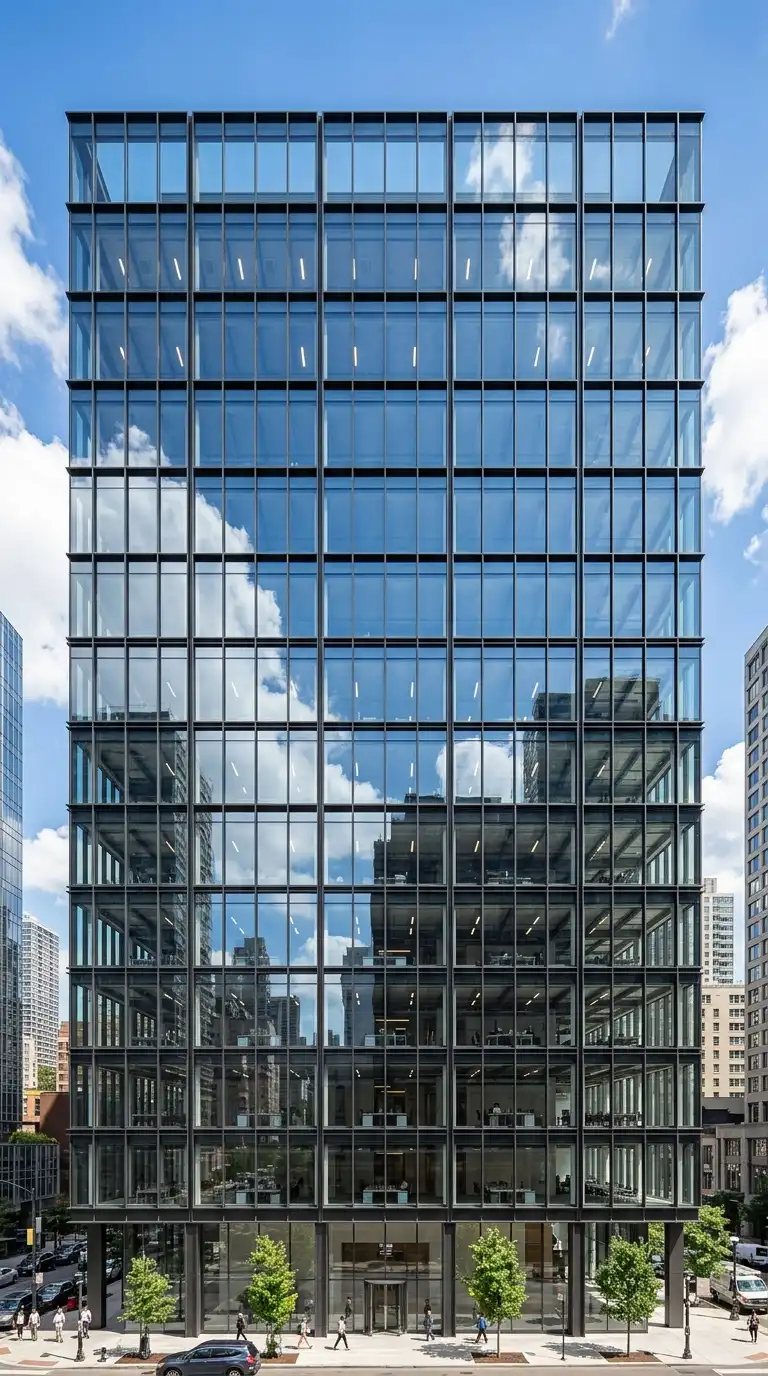
The curtain wall is a non-structural glass facade hung from the building’s frame. It does not hold up the building — it only keeps the weather out. This allows for uninterrupted glass surfaces, ribbon windows, and complete visual transparency.
The curtain wall was perfected by Mies van der Rohe in mid-century skyscrapers. The mullions and transoms (the metal grid holding the glass) are expressed on the exterior, often in dark steel or aluminium. The emotional effect is transparent, weightless, and modern.
Quick Tips
- The curtain wall must be hung from the structure, not resting on it.
- Mullions should be as narrow as possible for maximum transparency.
- Thermal breaks are essential to prevent condensation and heat loss.
2. The Board-Formed Concrete Facade
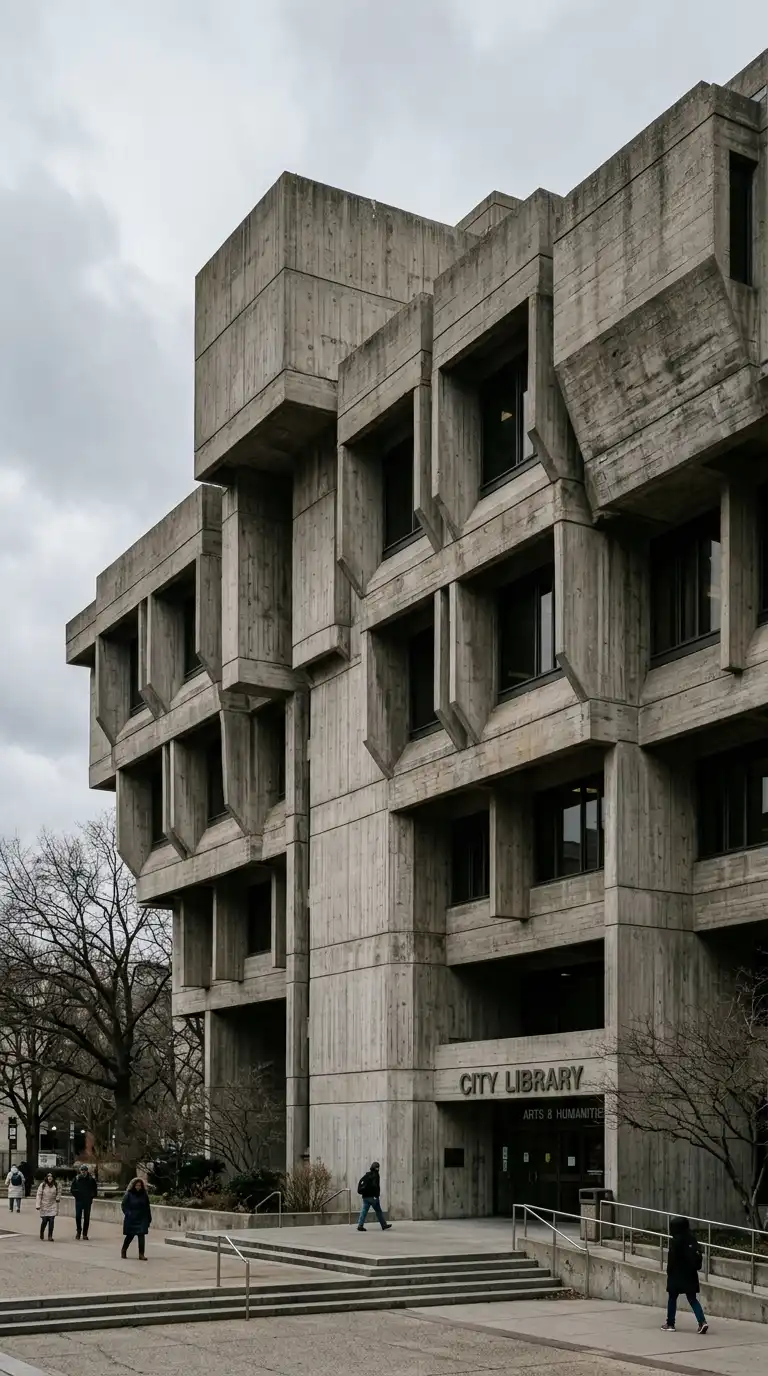
Board-formed concrete is poured into wooden formwork, which is removed after the concrete cures. The grain, knots, and seam marks of the wood transfer to the concrete surface. The result is a material that is both industrial and organic.
Brutalist architecture made board-formed concrete famous. The facade has no cladding, no paint, no ornament — just concrete, exactly as it came out of the forms. The emotional effect is honest, heavy, and sculptural.
Quick Tips
- Use high-quality plywood formwork for clean, consistent grain.
- Seal the concrete with a clear matte sealer — no gloss, no colour.
- Plan formwork joints carefully — they become part of the design.
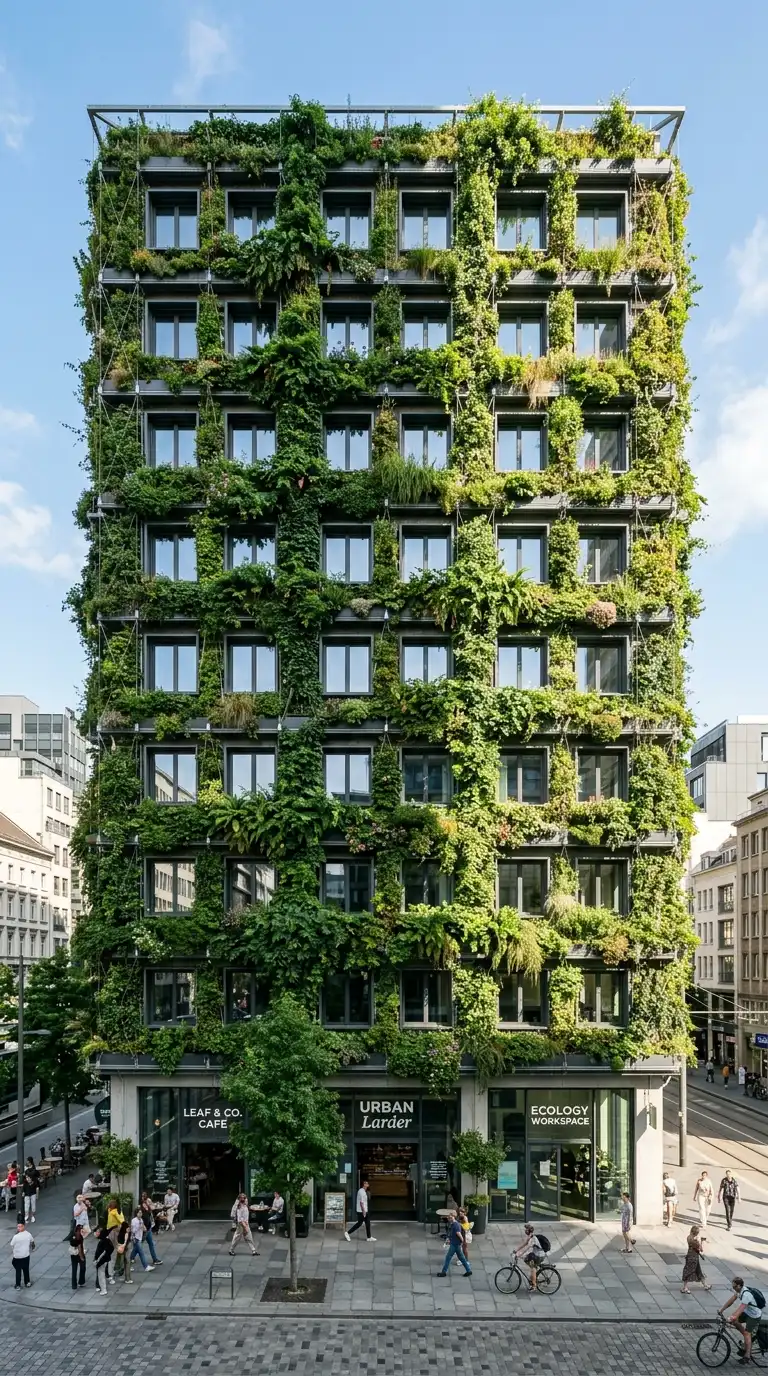
3. The Green Facade
The green facade is covered in living plants. Vegetation grows on cables, trellises, or modular panels attached to the building exterior. The plants provide insulation, shade, stormwater management, and habitat.
Green facades can be ground-grown (plants rooted in the ground, climbing the building) or wall-grown (plants rooted in containers on each floor). The emotional effect is living, breathing, and ecologically responsible.
Quick Tips
- Choose native, drought-tolerant species adapted to the local climate.
- Provide an irrigation system — green facades die without water.
- Consider structural load — wet soil and plants are heavy.
4. The Brick Facade
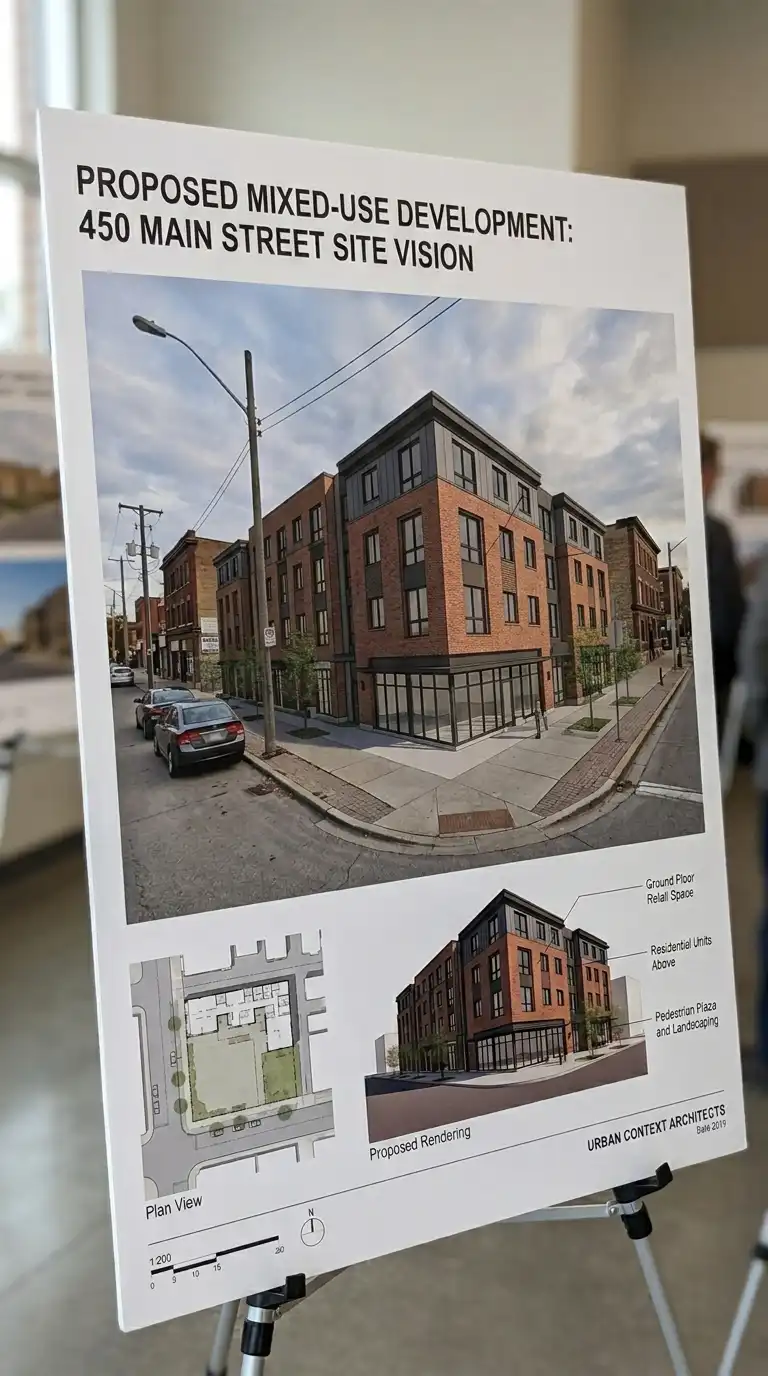
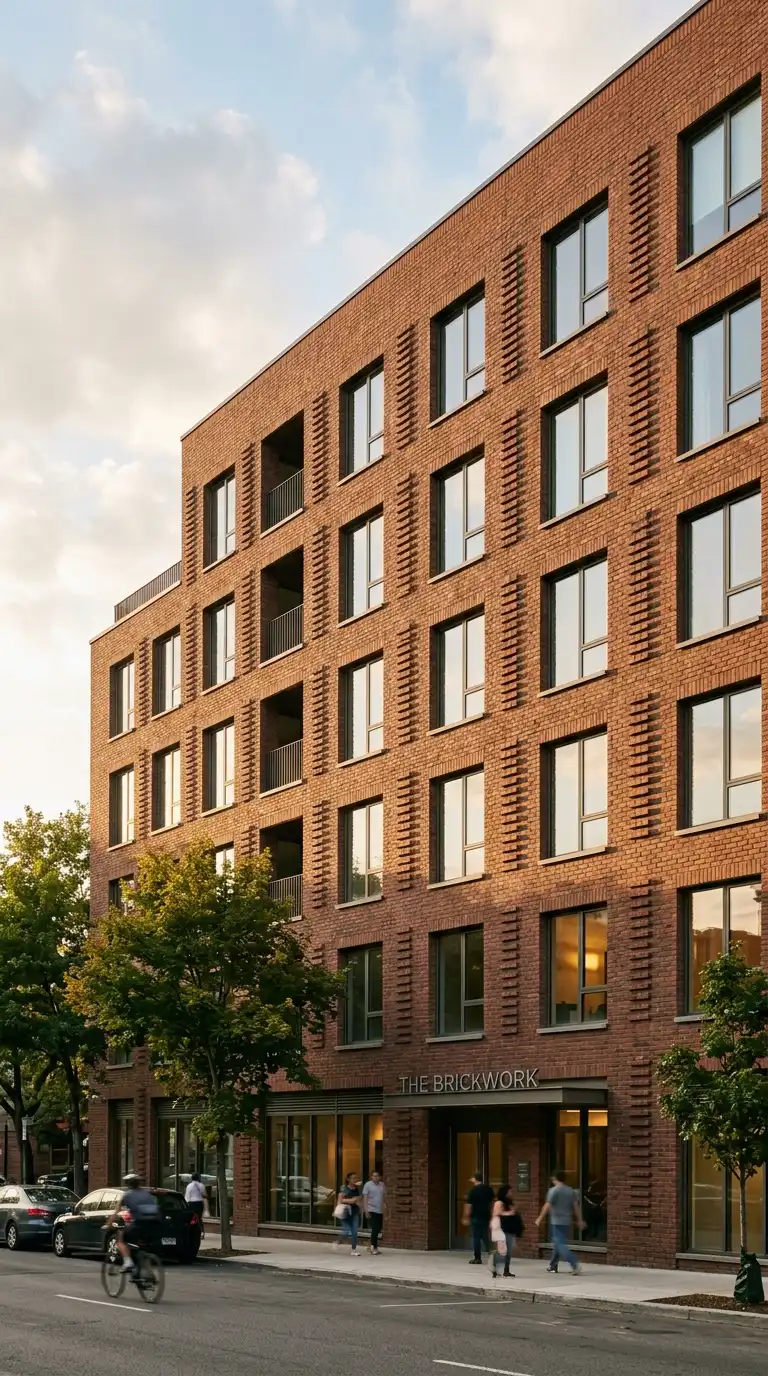
Brick is one of the oldest facade materials, but modern architecture has expanded its possibilities. Brick can be laid in traditional running bond, stacked bond, Flemish bond, or experimental patterns. It can be solid, perforated, or screen.
The key is to use brick honestly — as a structural or cladding material, not as a thin veneer pretending to be structure. The emotional effect is warm, permanent, and tactile.
Quick Tips
- Use real brick, not thin brick veneer, for authentic texture.
- Experiment with bond patterns, projections, and perforations.
- Mortar colour dramatically affects the overall appearance.
5. The Perforated Metal Screen
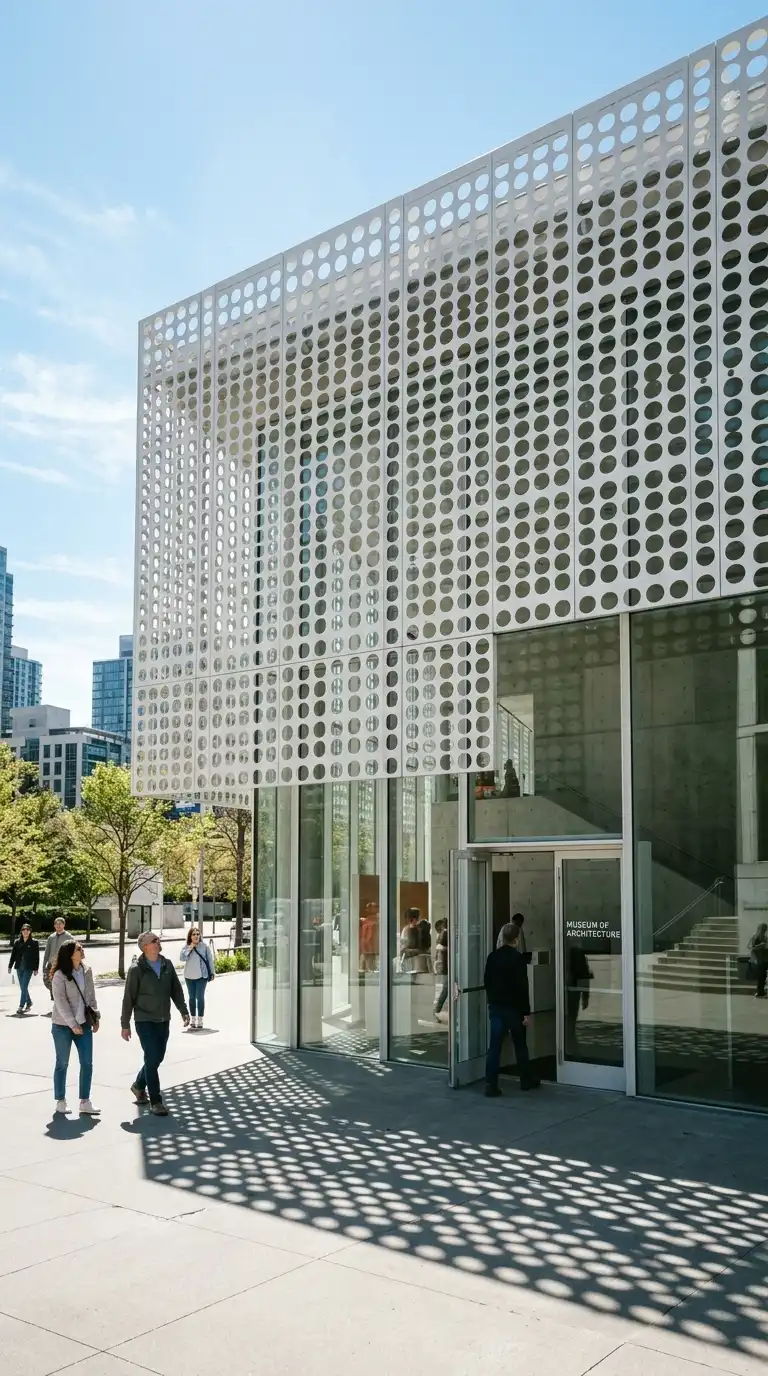
The perforated metal screen is a modern facade that provides shade, privacy, and visual interest while allowing air and filtered light to pass through. Metal panels are punched with patterns — circles, squares, slots, custom designs — and mounted in front of the building.
The screen can be a second skin, hiding an imperfect existing facade, or the primary facade itself. The emotional effect is patterned, light, and contemporary.
Quick Tips
- Pattern size and density determine shade and visibility.
- Use corrosion-resistant metals: aluminium, stainless steel, or coated steel.
- Backlighting the screen at night creates a dramatic effect.
6. The Terracotta Facade
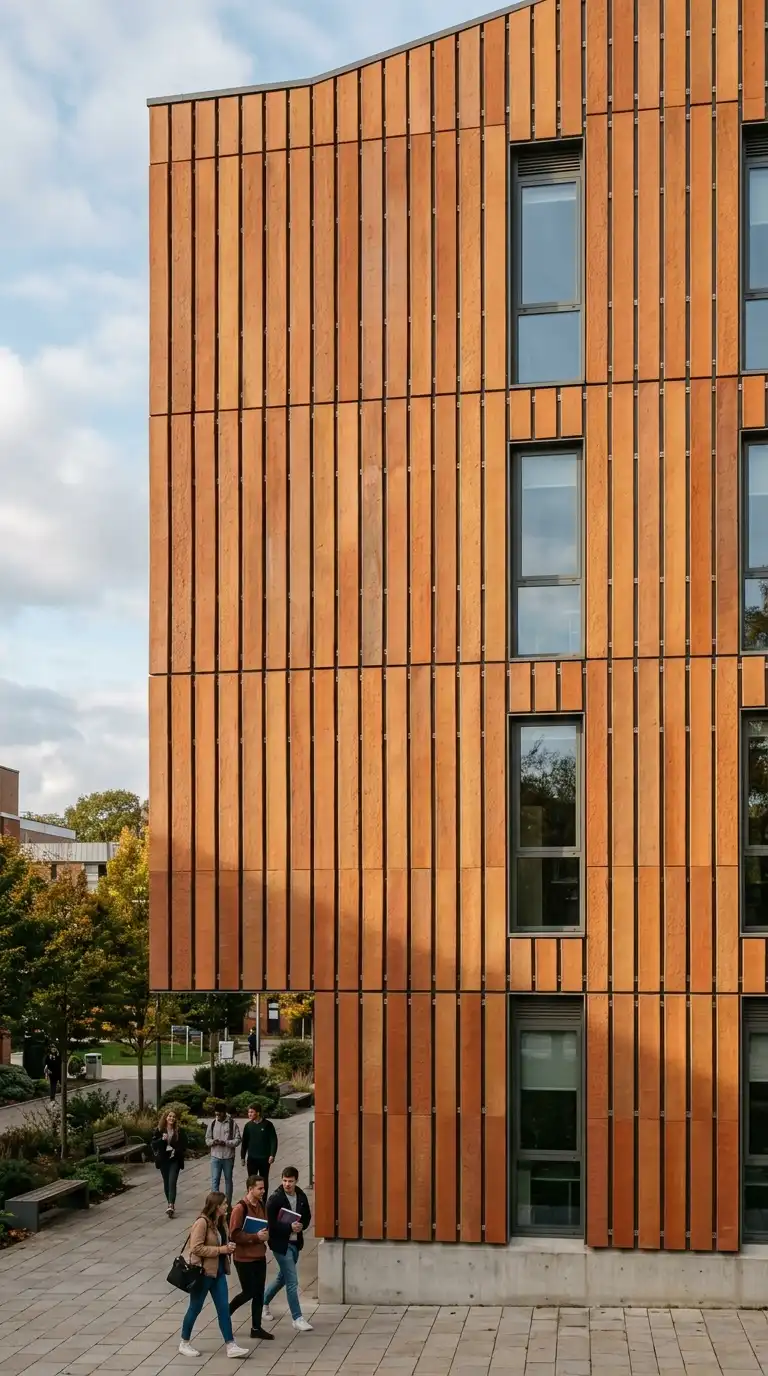
Terracotta is fired clay, available as tiles, panels, or rainscreen cladding. It is durable, low-maintenance, and available in a wide range of colours and textures. Terracotta facades can be smooth, ribbed, glazed, or unglazed.
The material has ancient roots but performs exceptionally well in modern rainscreen systems. The emotional effect is warm, earthy, and refined.
Quick Tips
- Use terracotta in a rainscreen system with an air gap behind the panels.
- Glazed terracotta is easier to clean but less natural in appearance.
- Terracotta fades minimally over time — colour selection is permanent.
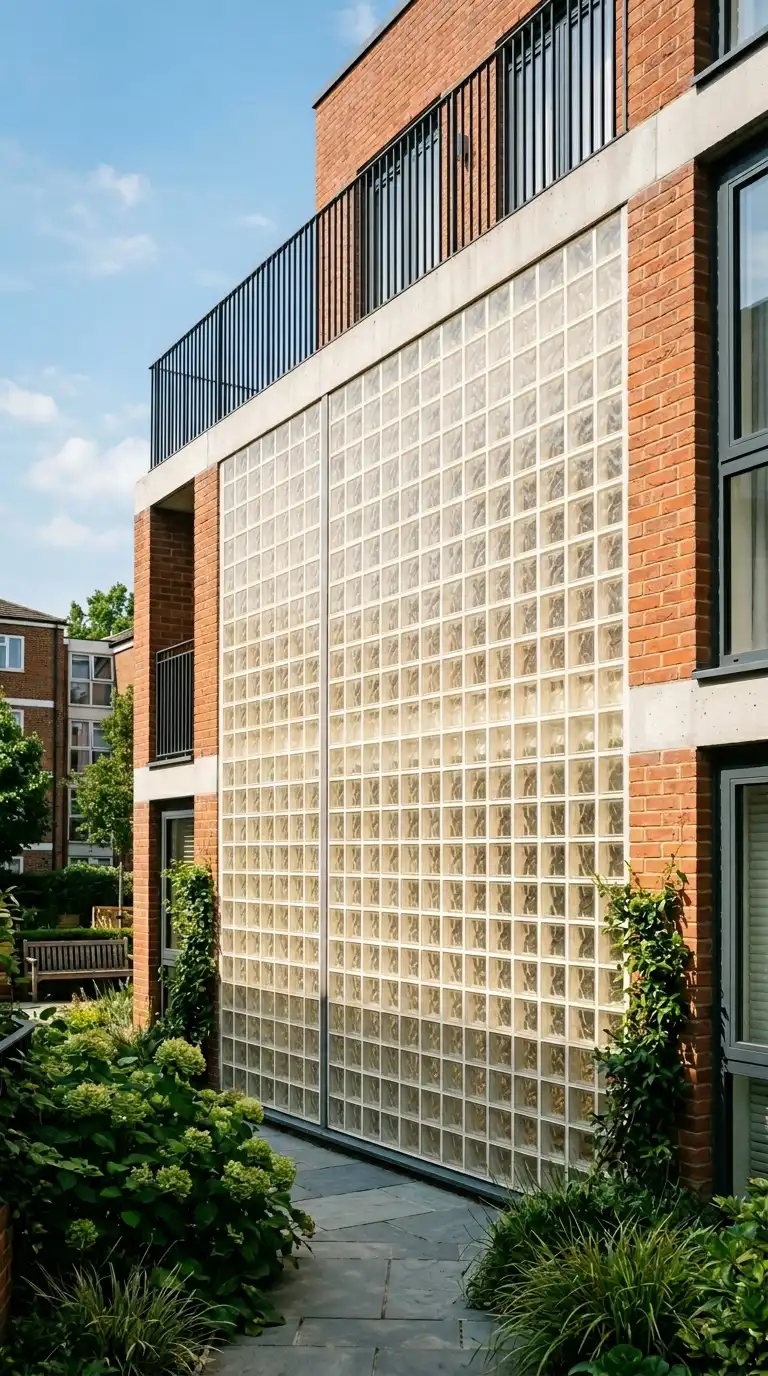
7. The Glass Block Facade
Glass block is a translucent facade material that admits light while obscuring view. Blocks can be clear, frosted, coloured, or patterned. They are laid like brick, with mortar joints, and can be used for entire facades or smaller accents.
Glass block facades are ideal for privacy without sacrificing daylight. The emotional effect is luminous, textured, and slightly retro.
Quick Tips
- Glass block walls are heavy — ensure the structure can support the load.
- Use thermal glass blocks for exterior walls to meet energy codes.
- Mortar colour dramatically affects the appearance.
8. The Timber Facade
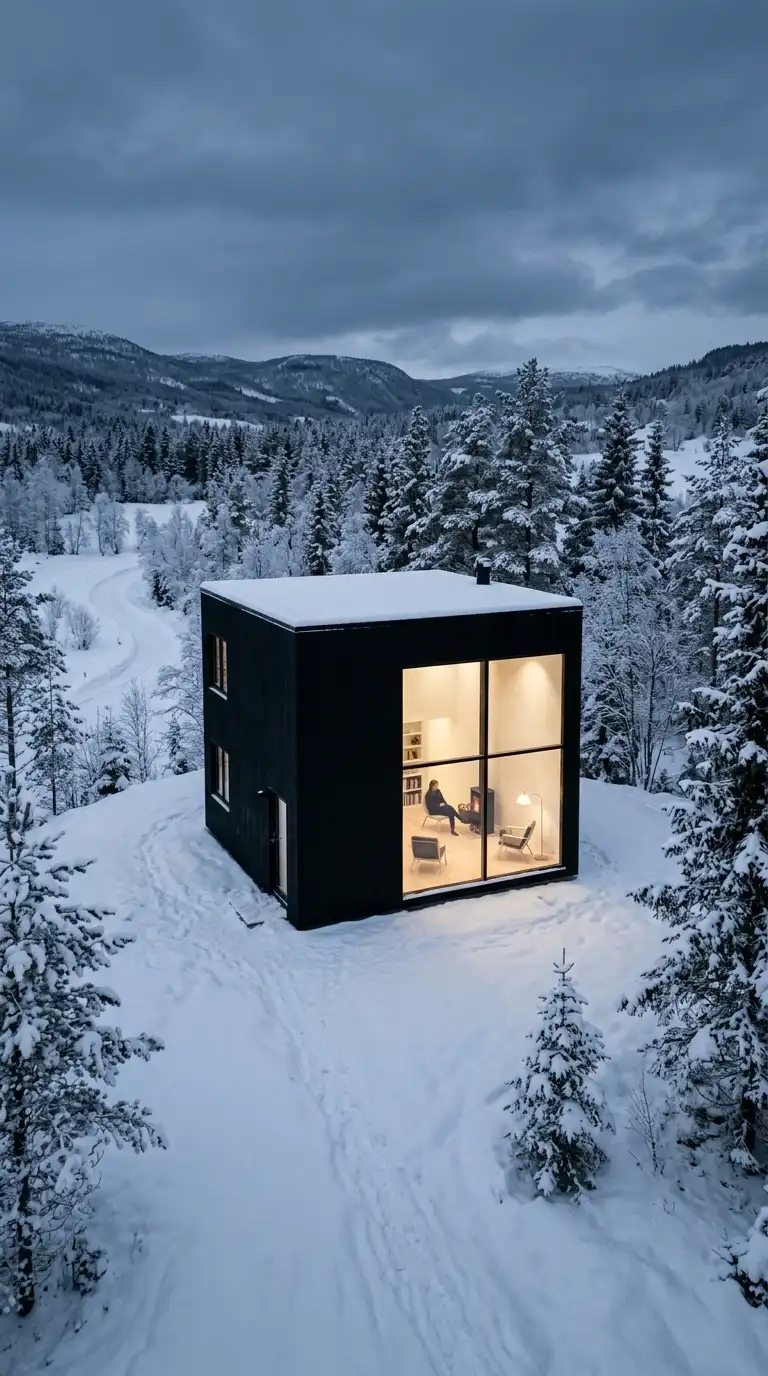
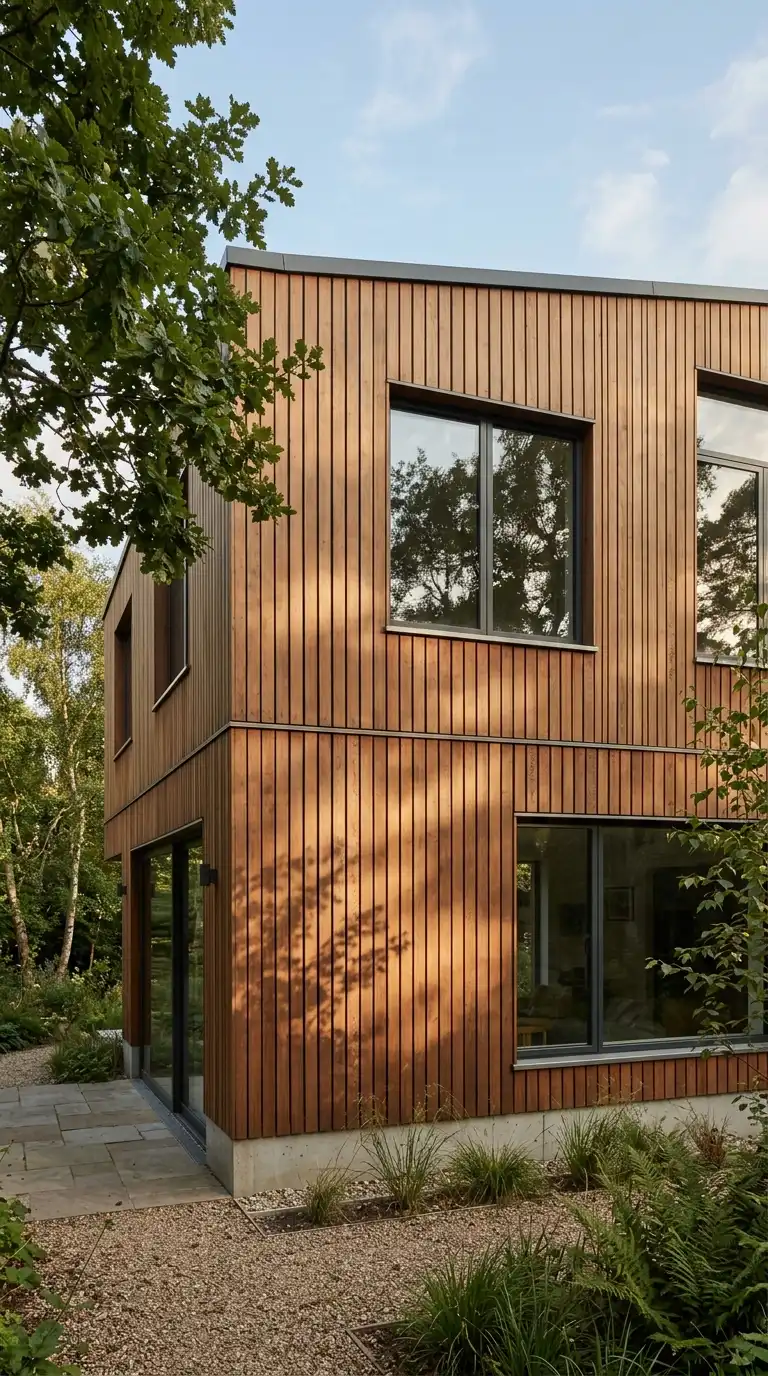
Timber is returning to modern facades thanks to mass timber construction and treated wood cladding. Timber can be solid planks, rain screen panels, or shingles. It can be left natural, stained, painted, or charred (shou sugi ban).
The emotional effect is warm, natural, and biophilic. Timber facades age beautifully if detailed correctly — silver-grey if left untreated, rich brown if maintained.
Quick Tips
- Use treated or naturally rot-resistant species: cedar, larch, thermowood.
- Allow for movement — timber expands and contracts with humidity.
- Detail to keep timber away from standing water.
9. The Folding Facade
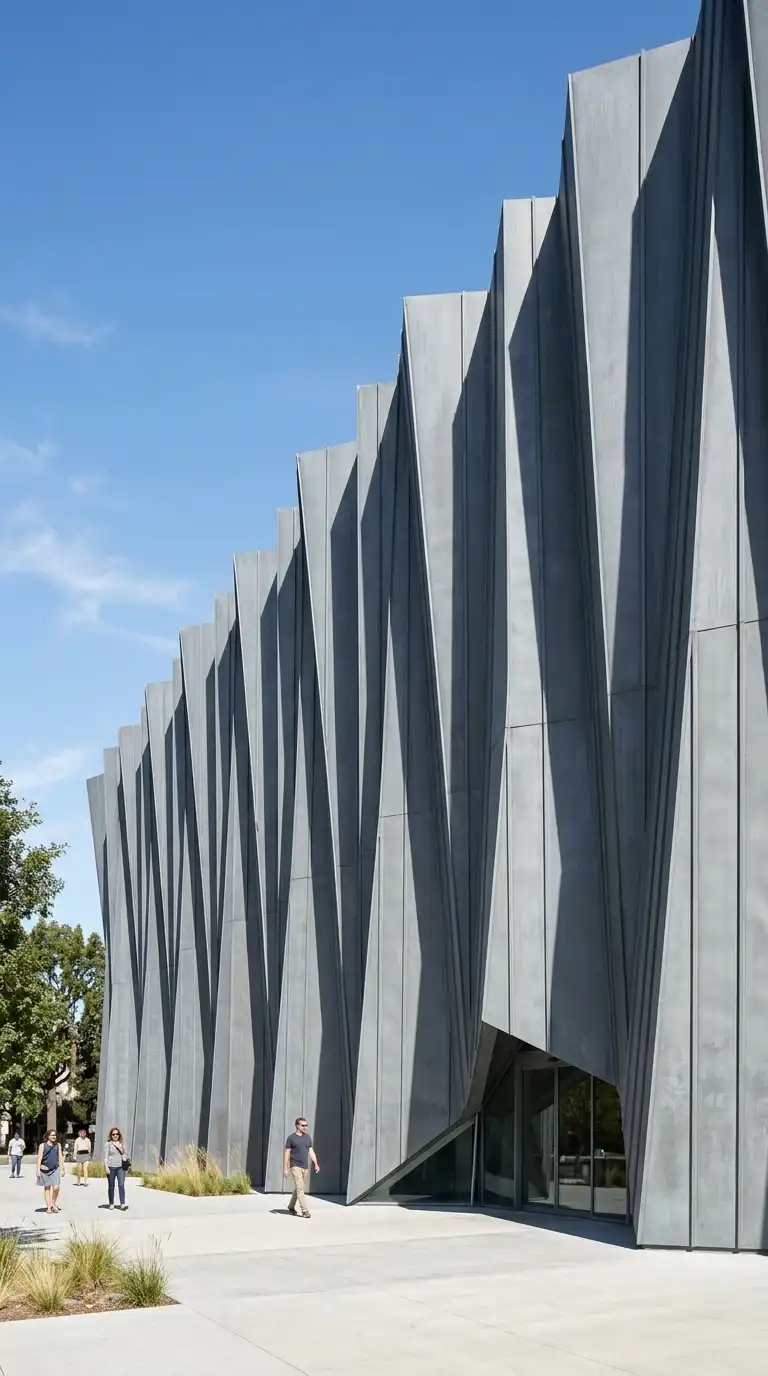
The folding facade is a single continuous surface that folds in and out, creating a three-dimensional pattern of light and shadow. The folds can be horizontal, vertical, or diagonal. They can be shallow or deep, regular or irregular.
This facade type works with many materials: concrete, metal, terracotta, glass fibre reinforced concrete (GFRC). The emotional effect is sculptural, dynamic, and highly expressive.
Quick Tips
- The fold geometry must be constructable — avoid compound curves.
- Shadow depth is determined by fold depth and sun angle.
- Each fold panel must be individually formable or prefabricated.
10. The Louvred Facade
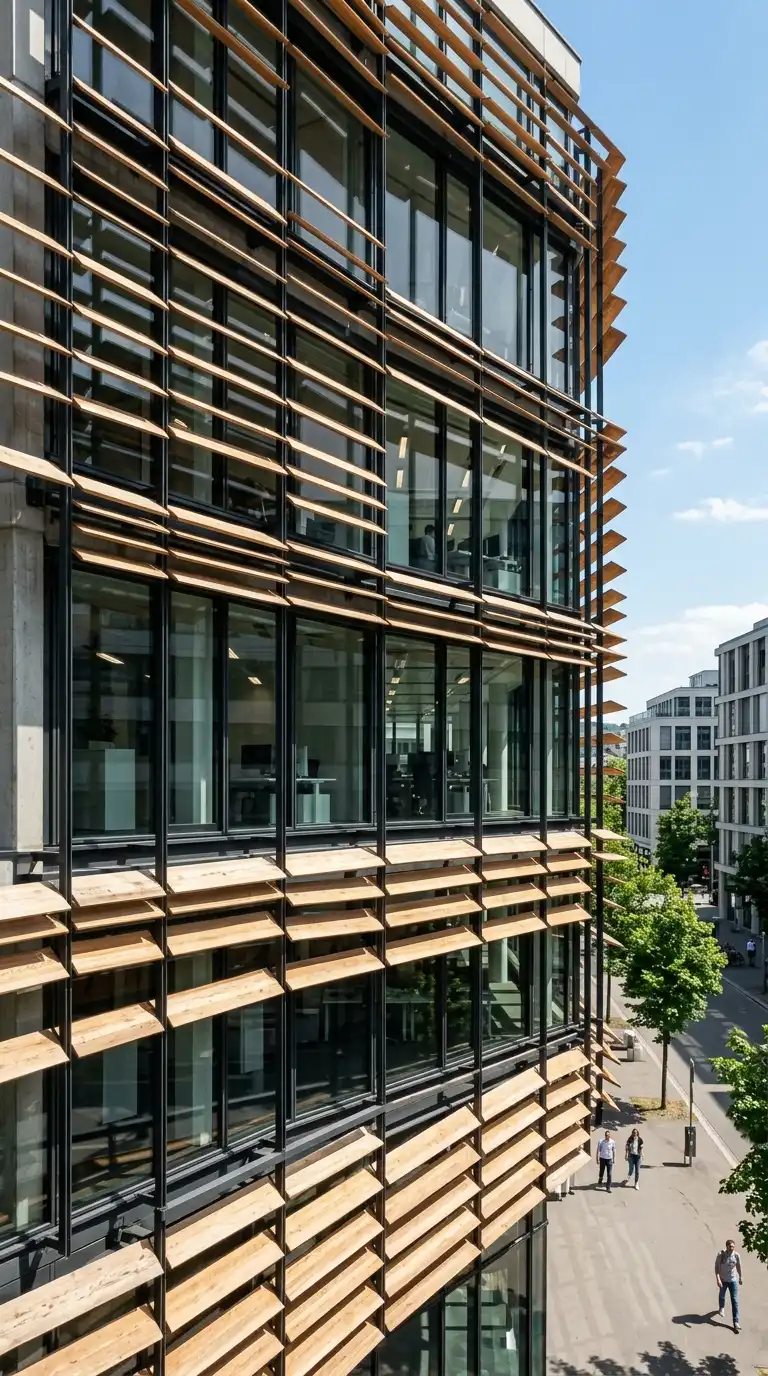
The louvred facade uses horizontal or vertical blades to control light, air, and privacy. Blades can be fixed or adjustable, close-spaced or open. They can be made of wood, metal, glass, or composite materials.
Louvres are the most functional of facades. They block high summer sun while admitting low winter sun. The emotional effect is rhythmic, technical, and precise.
Quick Tips
- Fixed louvres should be angled for the site’s latitude — steeper at higher latitudes.
- Adjustable louvres offer the most flexibility but cost more.
- Blade spacing determines visibility — closer spacing equals more privacy.
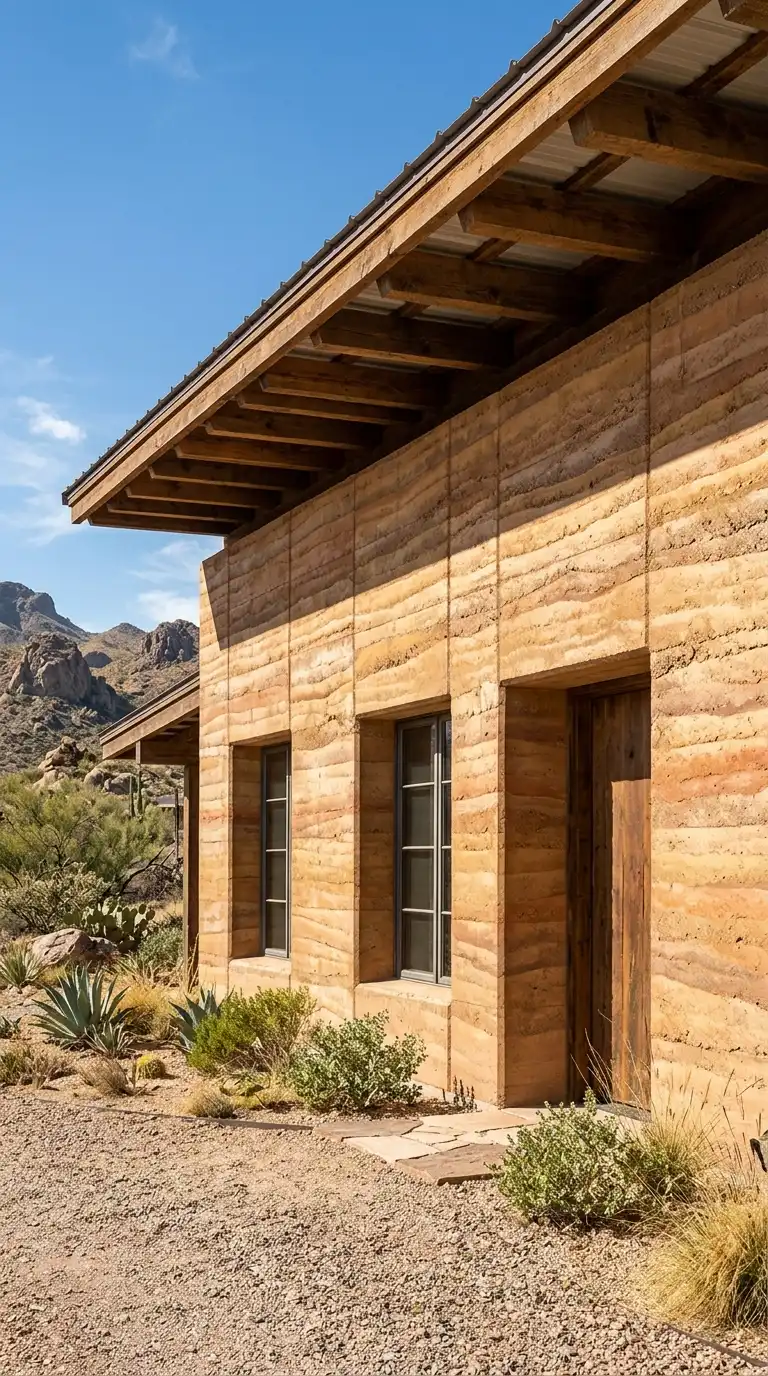
11. The Rammed Earth Facade
Rammed earth is an ancient construction technique revived in contemporary architecture. Soil is mixed with a small percentage of cement, then compacted in forms in layers. The result is a solid, monolithic wall with visible horizontal strata.
Rammed earth facades are massive, providing thermal mass that moderates temperature. The colour comes from the local soil — reds, browns, ochres, greys. The emotional effect is ancient, grounded, and deeply connected to place.
Quick Tips
- Use local soil for authentic colour and low embodied energy.
- Rammed earth must be protected from rain with deep overhangs or sealers.
- The wall is structural — openings must be planned carefully.
12. The Pixelated Facade
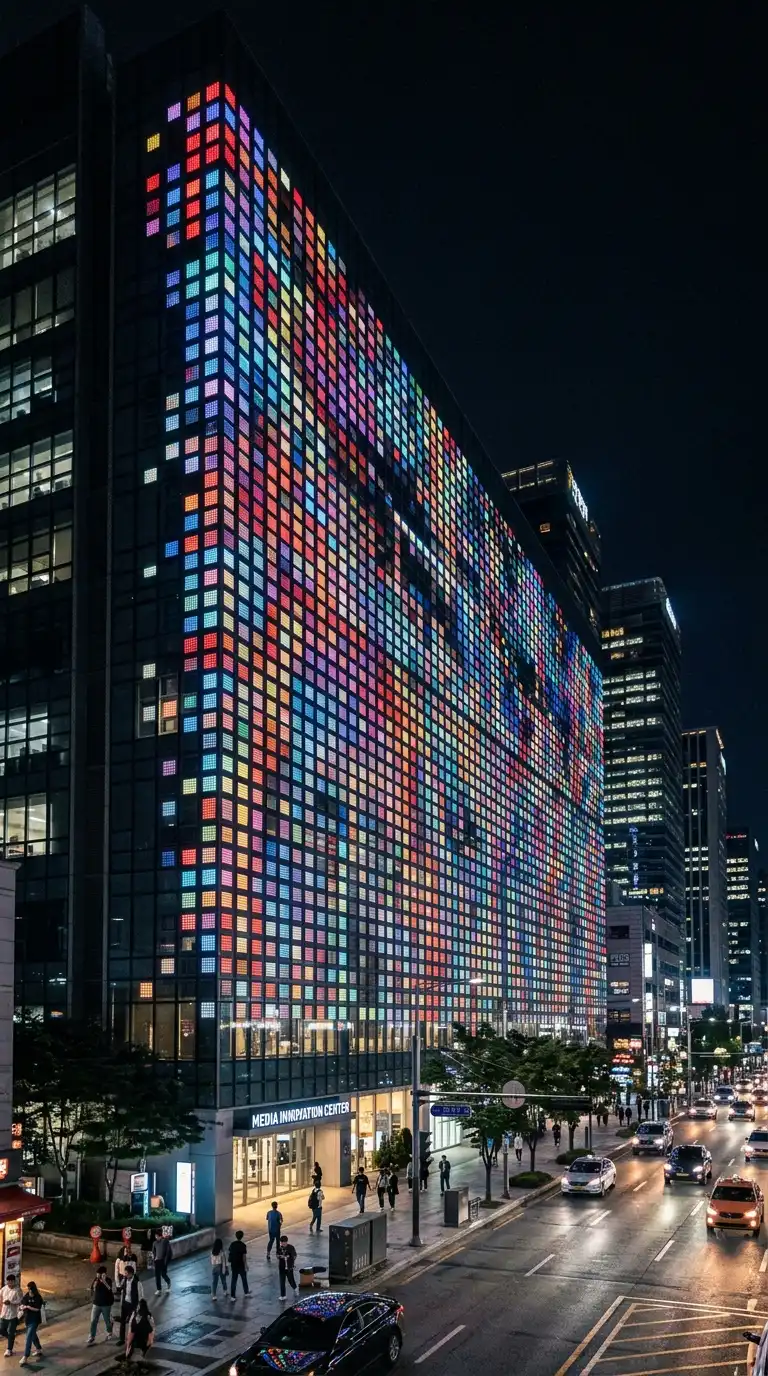
The pixelated facade is composed of many small, identical units — pixels — that can be controlled individually. Each pixel might be a light, a louvre, a solar panel, or a coloured panel. Together, they form a larger image or pattern.
This facade type is interactive and dynamic. Pixels can change colour, open and close, or display data. The emotional effect is digital, playful, and technologically advanced.
Quick Tips
- Each pixel must be individually addressable for dynamic effects.
- The pixel grid must be consistent across the entire facade.
- Consider maintenance — thousands of pixels means many potential failure points.
Final Thoughts
The facade is the building’s most public face. It announces what the building is, what it values, and how it relates to its context. A great facade is not decoration applied to a building — it is the building expressing itself honestly.
These 12 facade types are not mutually exclusive. A building can have a timber rainscreen over a curtain wall. A folding facade can be made of terracotta tiles. A green facade can be mounted on a perforated metal screen. The best facade designs draw from multiple types, adapting and combining to fit the specific needs of each project.