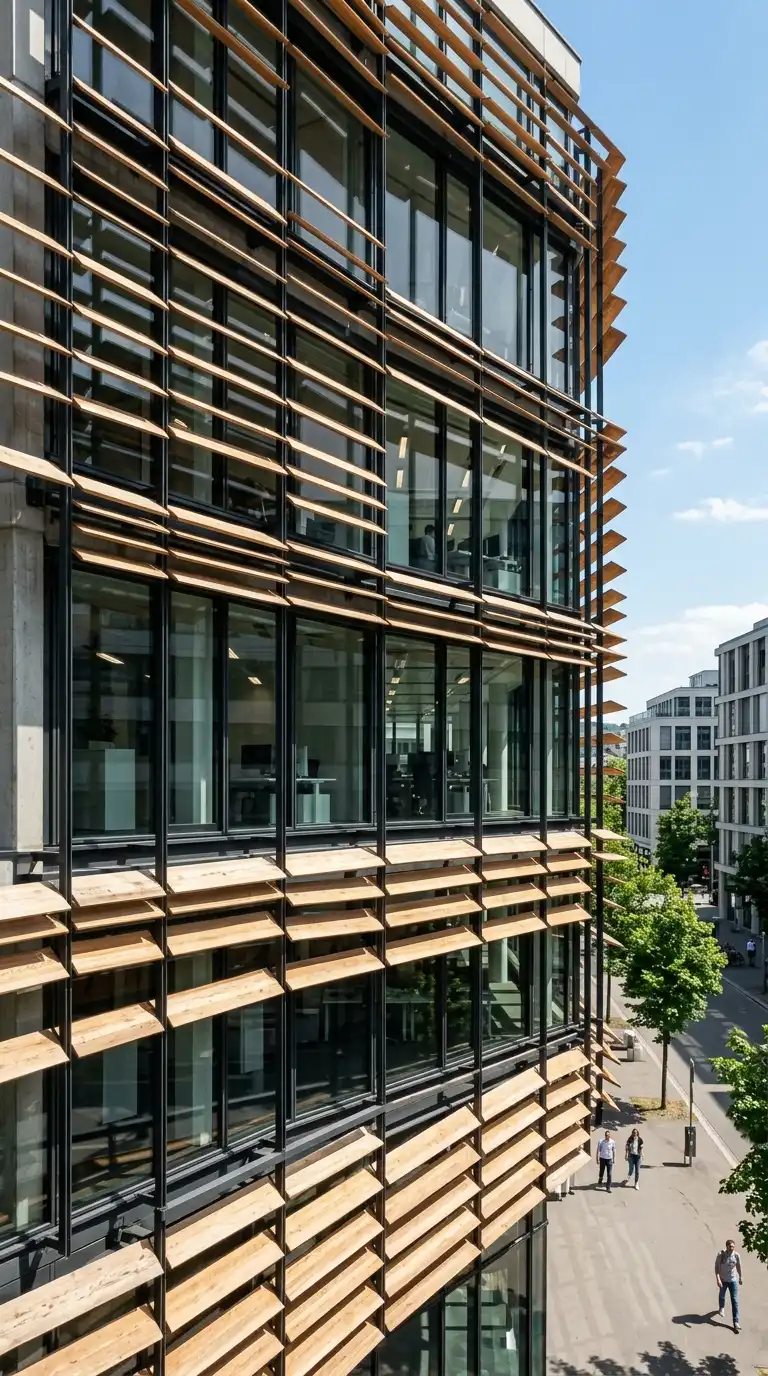
The cube is the simplest architectural form. It is pure geometry — six equal square faces, twelve equal edges, eight equal corners. The cube is not a style. It is a starting point. A cube can be a house, a museum, a pavilion, a skyscraper. The cube is minimal, universal, and endlessly variable.
These 12 cubes architecture designs span houses, pavilions, museums, and towers. Each design includes defining characteristics, spatial principles, and material strategies.
1. The White Cube Gallery
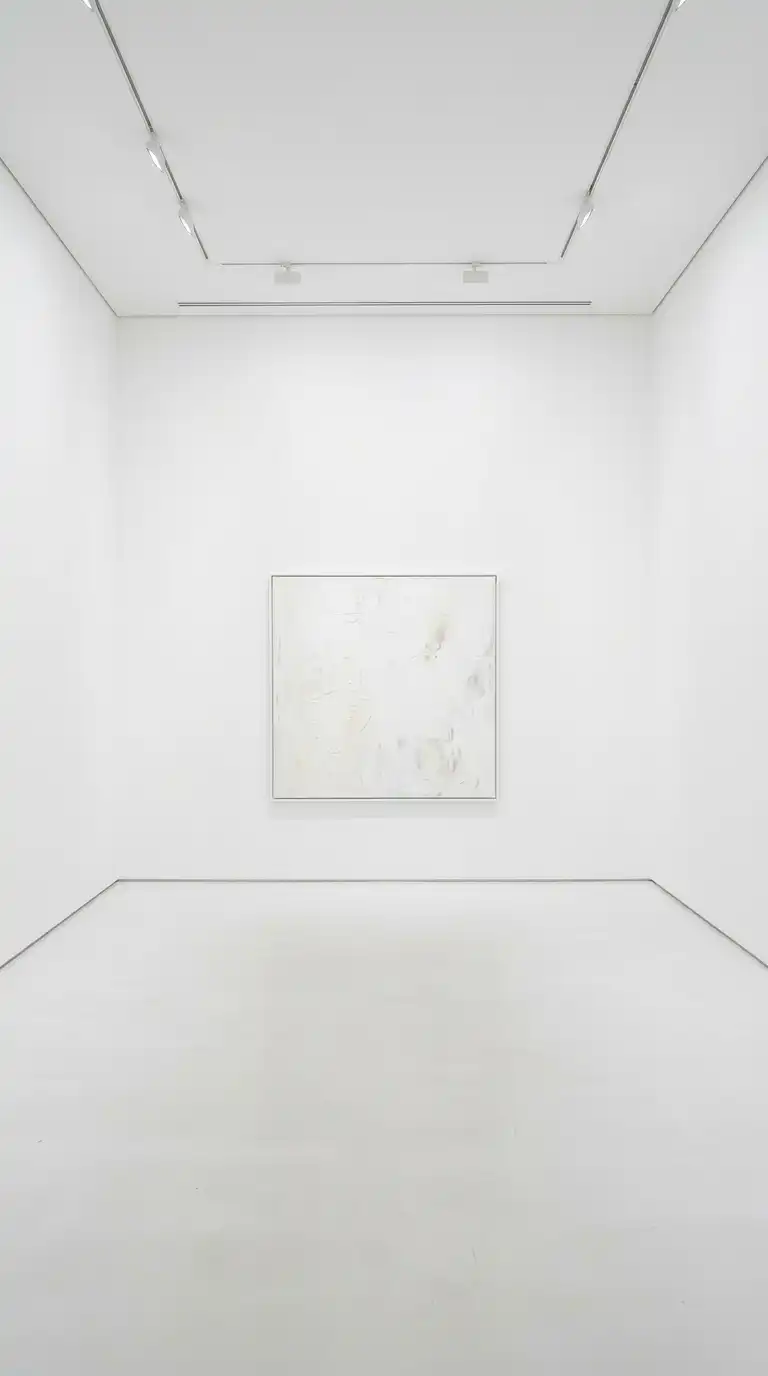
The white cube gallery is a simple cubic room with white walls, white ceiling, white floor. The light is even and diffuse. The cube disappears. The art appears. The white cube gallery is neutral, minimal, and art-focused.
This design is ideal for art museums and galleries. The emotional effect is neutral, minimal, and art-focused.
Quick Tips
- Walls, ceiling, and floor must be white.
- Light must be even and diffuse — no dramatic shadows.
- The space must be a simple cube — no columns, no bays.
2. The Concrete Cube House
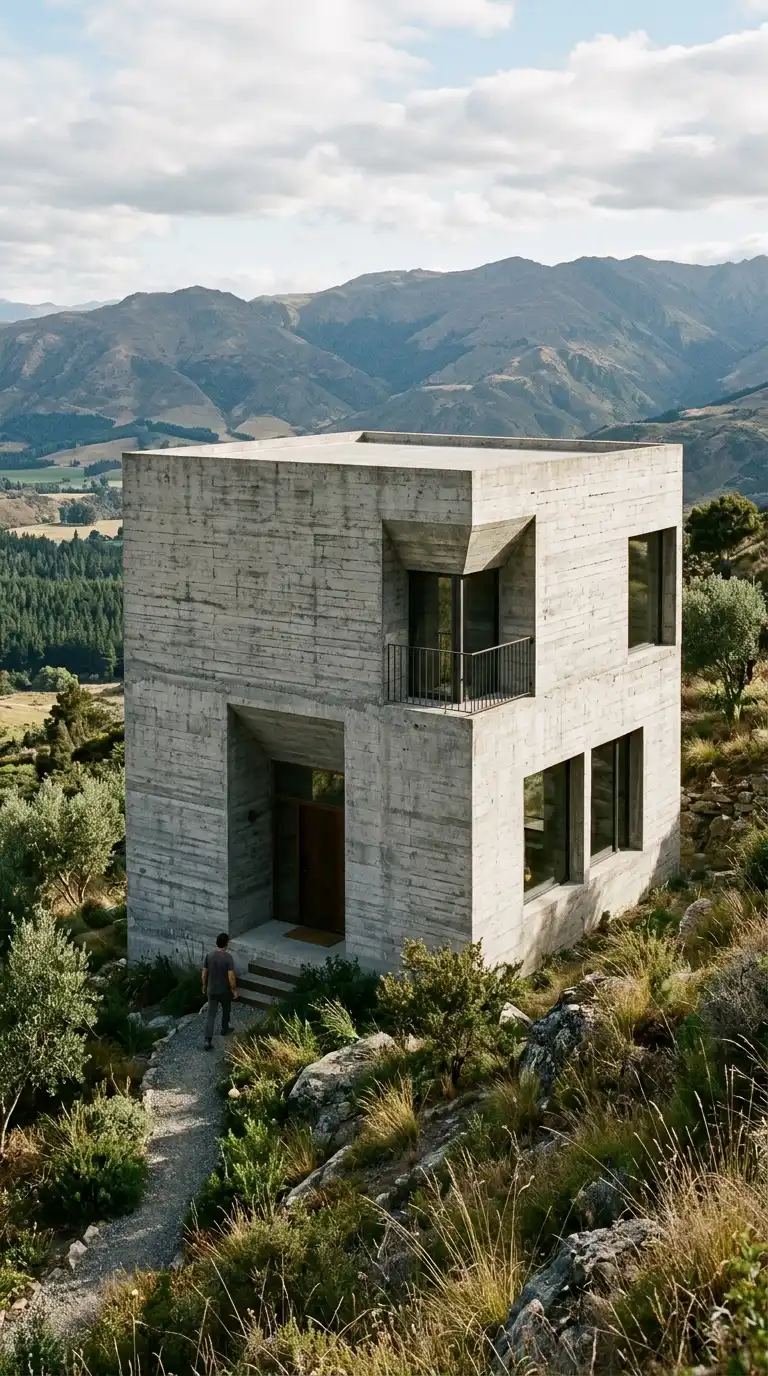
The concrete cube house is a cubic volume made of board-formed concrete. The concrete is left raw — no paint, no cladding. The formwork marks are visible. The windows are deep-set. The entrance is recessed. The concrete cube house is solid, silent, and heavy.
This design is ideal for houses on dramatic sites. The emotional effect is solid, silent, and heavy.
Quick Tips
- The cube must be made of board-formed concrete.
- Windows must be deep-set.
- The entrance must be recessed.
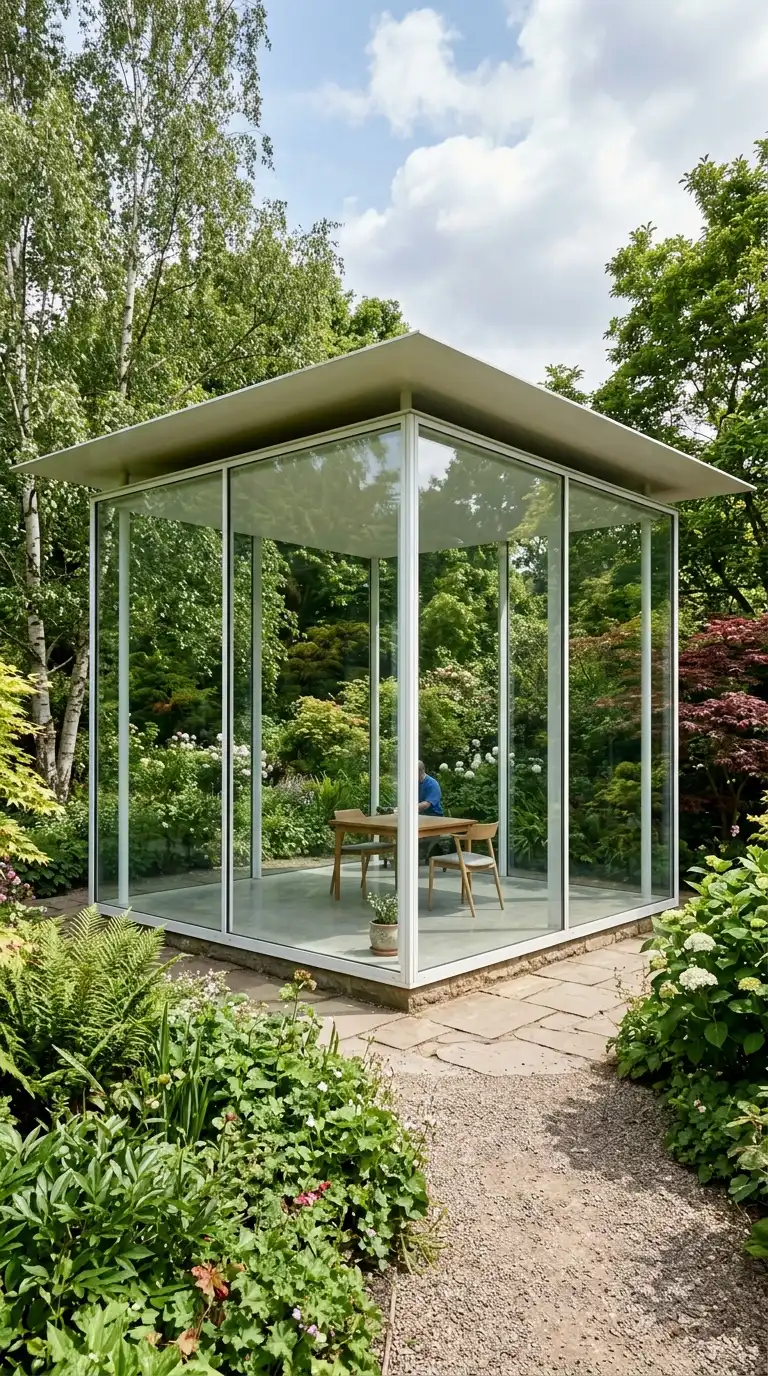
3. The Glass Cube Pavilion
The glass cube pavilion is a cubic volume with glass walls on all four sides. The roof is a thin white slab. The structure is minimal — thin steel columns at the corners. The glass cube pavilion is transparent, weightless, and connected to nature.
This design is ideal for pavilions, garden rooms, and exhibition spaces. The emotional effect is transparent, weightless, and connected.
Quick Tips
- All four walls must be glass.
- The roof must be a thin white slab.
- The structure must be minimal — thin columns at corners.
4. The Black Cube House
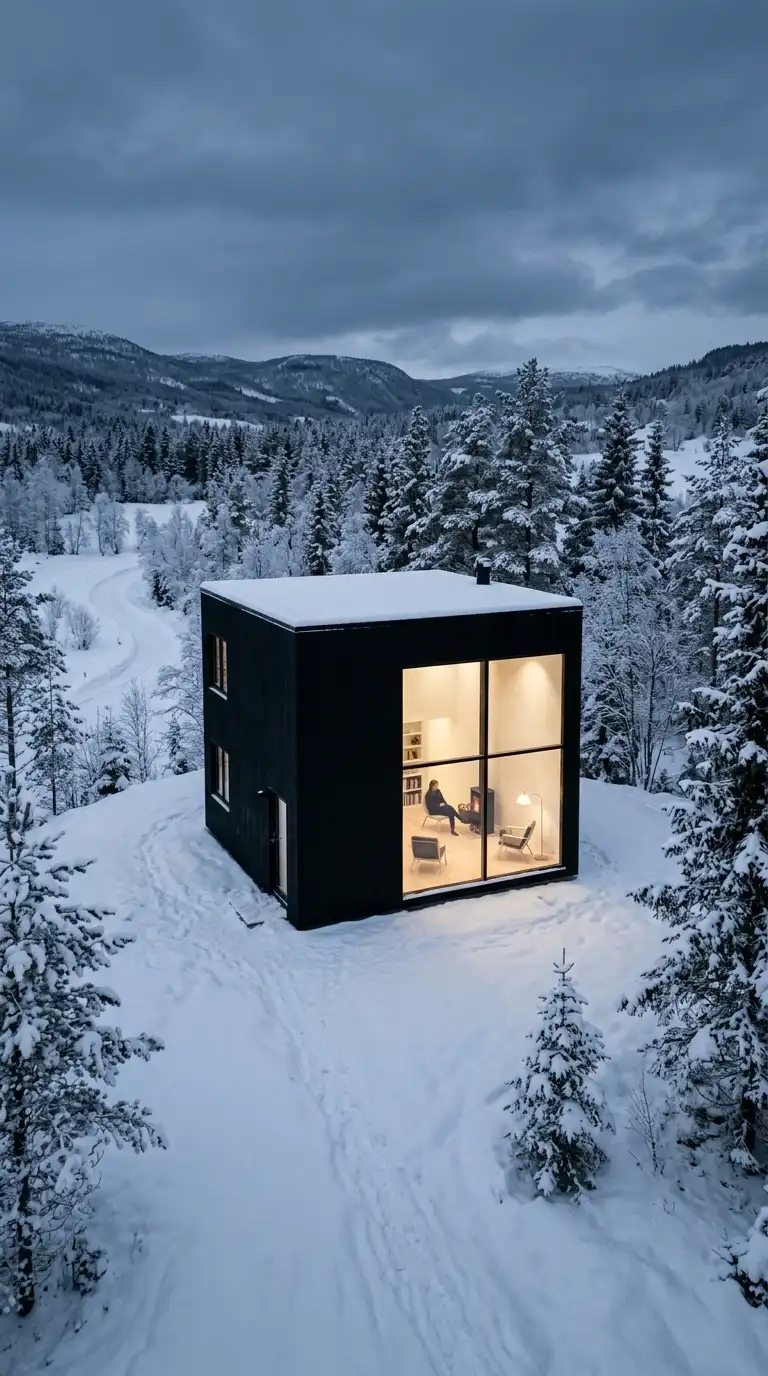
The black cube house is a cubic volume painted matte black. The exterior is black. The interior is white. The black cube house is dramatic, mysterious, and receding. The black cube disappears into the landscape.
This design is ideal for houses in dramatic landscapes. The emotional effect is dramatic, mysterious, and receding.
Quick Tips
- The exterior must be matte black.
- The interior must be white.
- The cube must be simple — no ornament.
5. The Cantilevered Cube
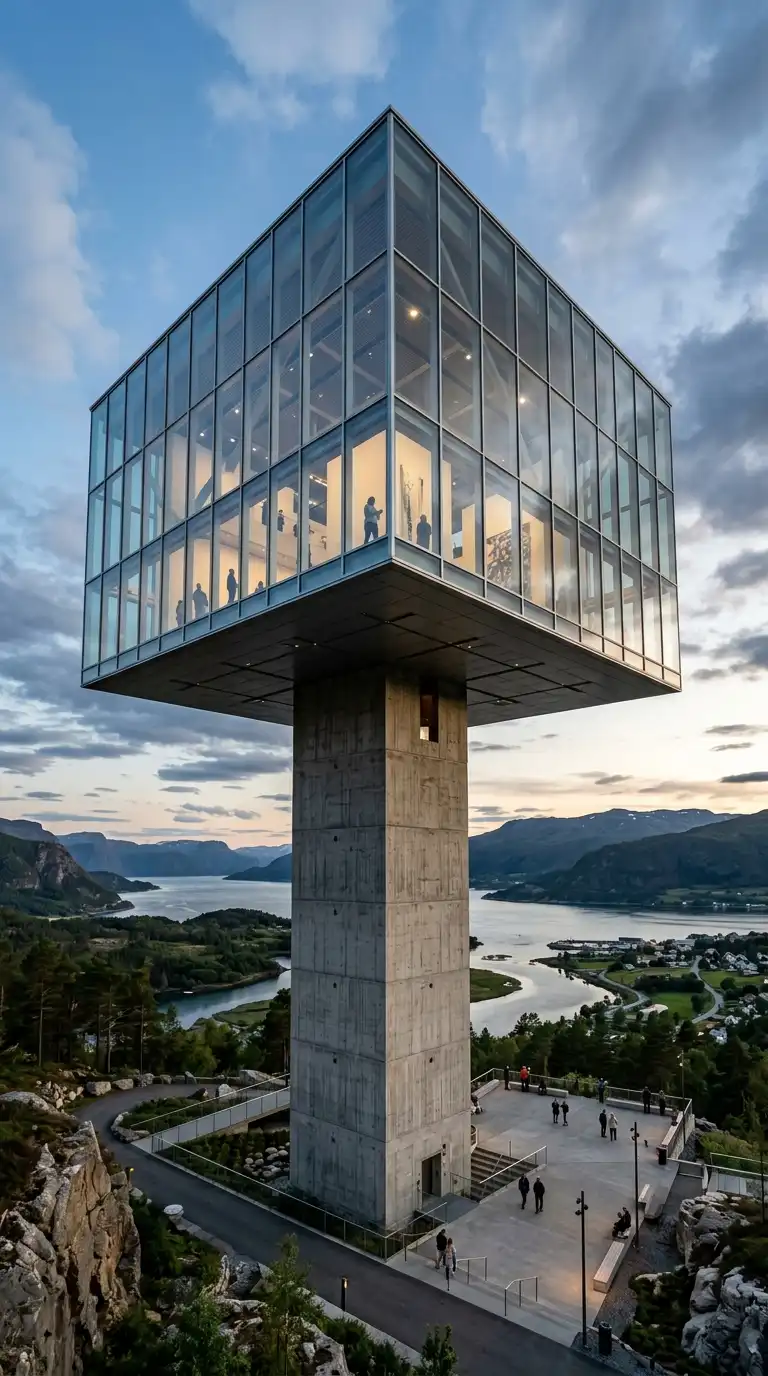
The cantilevered cube is a cubic volume that projects from a central core. The cube appears to float. The cantilever is dramatic and impossible-looking. The cantilevered cube is dynamic, floating, and dramatic.
This design is ideal for museums, visitor centres, and houses on dramatic sites. The emotional effect is dynamic, floating, and dramatic.
Quick Tips
- The cantilever must be at least half the cube’s width.
- The core must be heavy to counterbalance the cantilever.
- The underside of the cantilever must be finished.
6. The Stacked Cubes
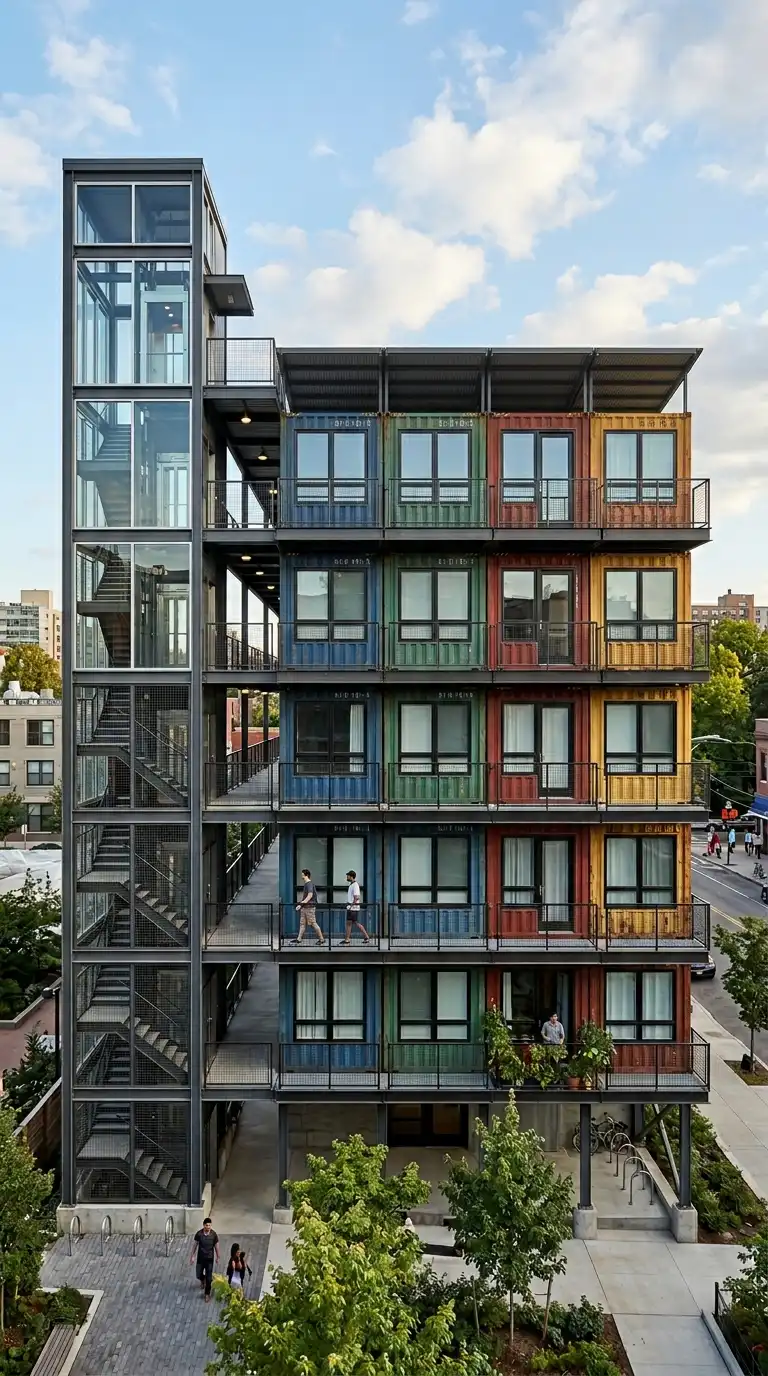
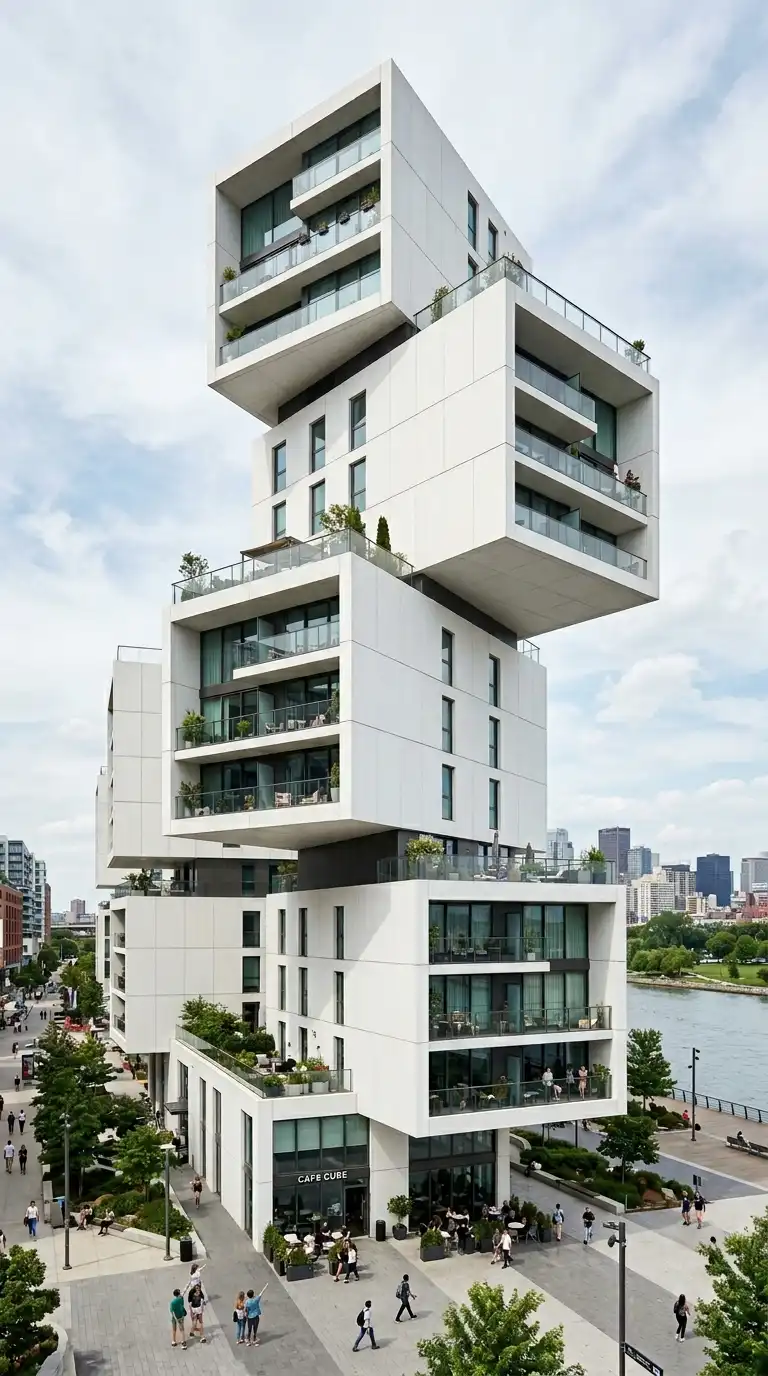
The stacked cubes is a composition of multiple cubes stacked like children’s blocks. Each cube is a different size or colour. The cubes cantilever and rotate. The stacked cubes is playful, sculptural, and dynamic.
This design is ideal for museums, schools, and apartment buildings. The emotional effect is playful, sculptural, and dynamic.
Quick Tips
- Each cube must be a different size or colour.
- Cubes must cantilever or rotate.
- The composition must be asymmetrical.
7. The Subdivided Cube
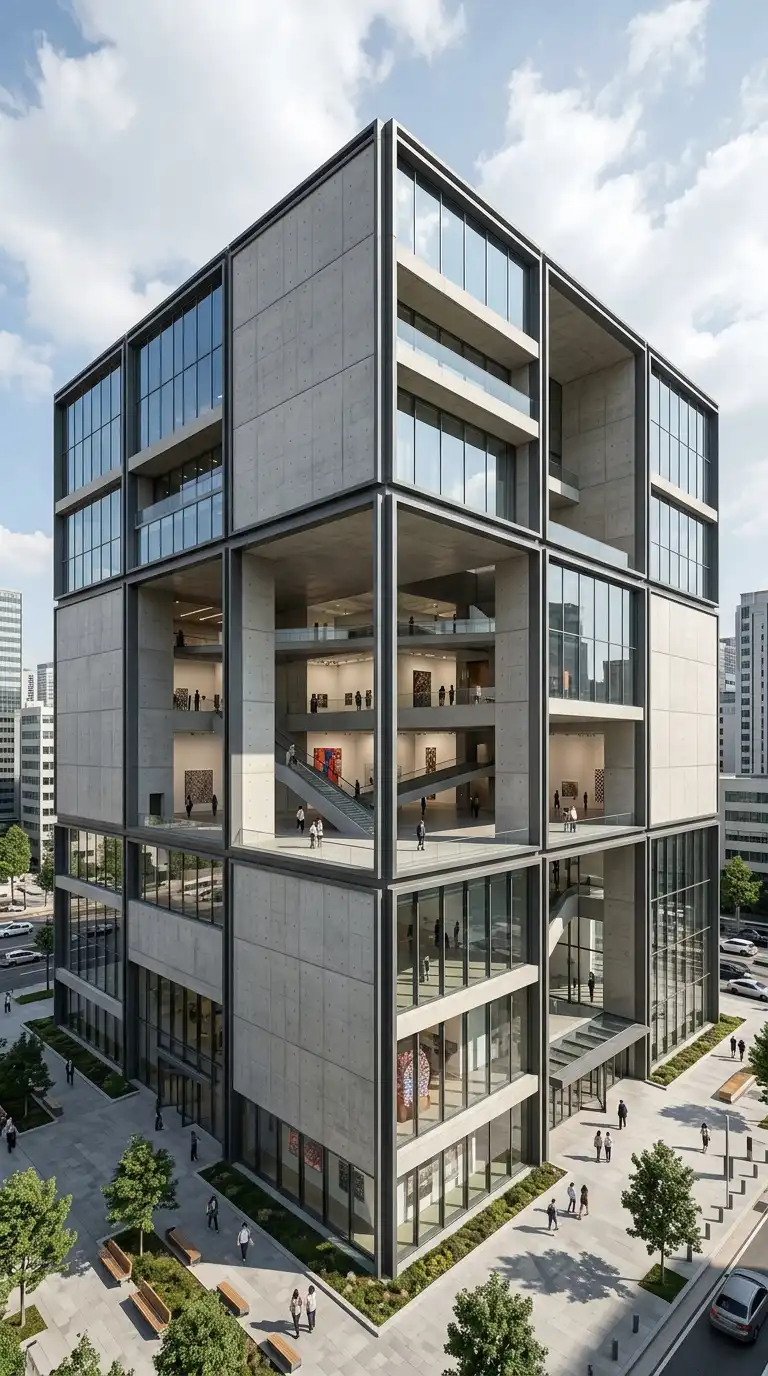
The subdivided cube is a single cube divided into smaller cubes. The cube is a 3x3x3 grid of smaller cubes. Some small cubes are removed to create voids. The subdivided cube is complex, layered, and spatial.
This design is ideal for museums, galleries, and installations. The emotional effect is complex, layered, and spatial.
Quick Tips
- The cube must be divided into a 3x3x3 grid.
- Some small cubes must be removed to create voids.
- The voids must create interior spaces.
8. The Rotated Cube
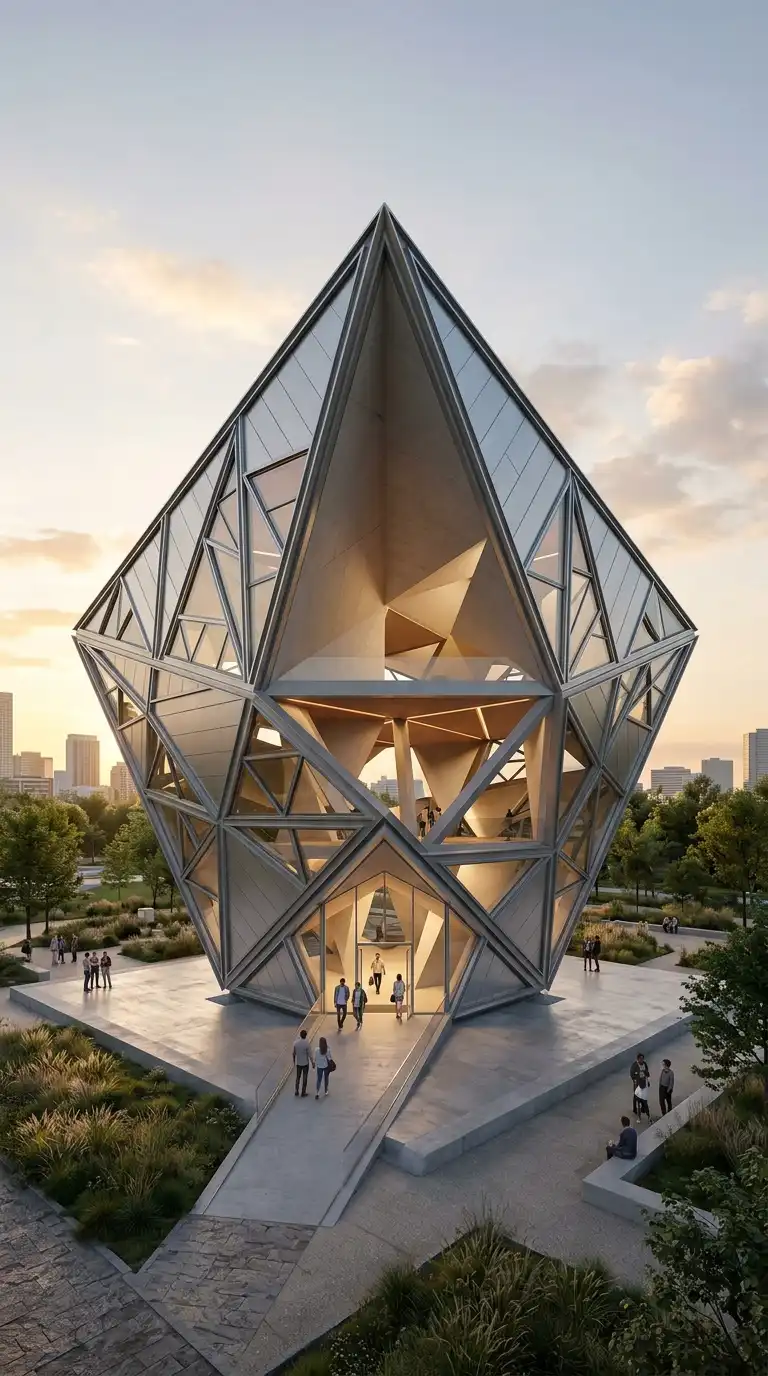
The rotated cube is a cube rotated 45 degrees on its base. The corners become points. The faces become diamonds. The rotated cube is dynamic, directional, and unexpected.
This design is ideal for pavilions, museums, and signature buildings. The emotional effect is dynamic, directional, and unexpected.
Quick Tips
- The cube must be rotated 45 degrees on its base.
- The entrance must be at a corner.
- The interior spaces must be triangular or diamond-shaped.
9. The Cube with a Void
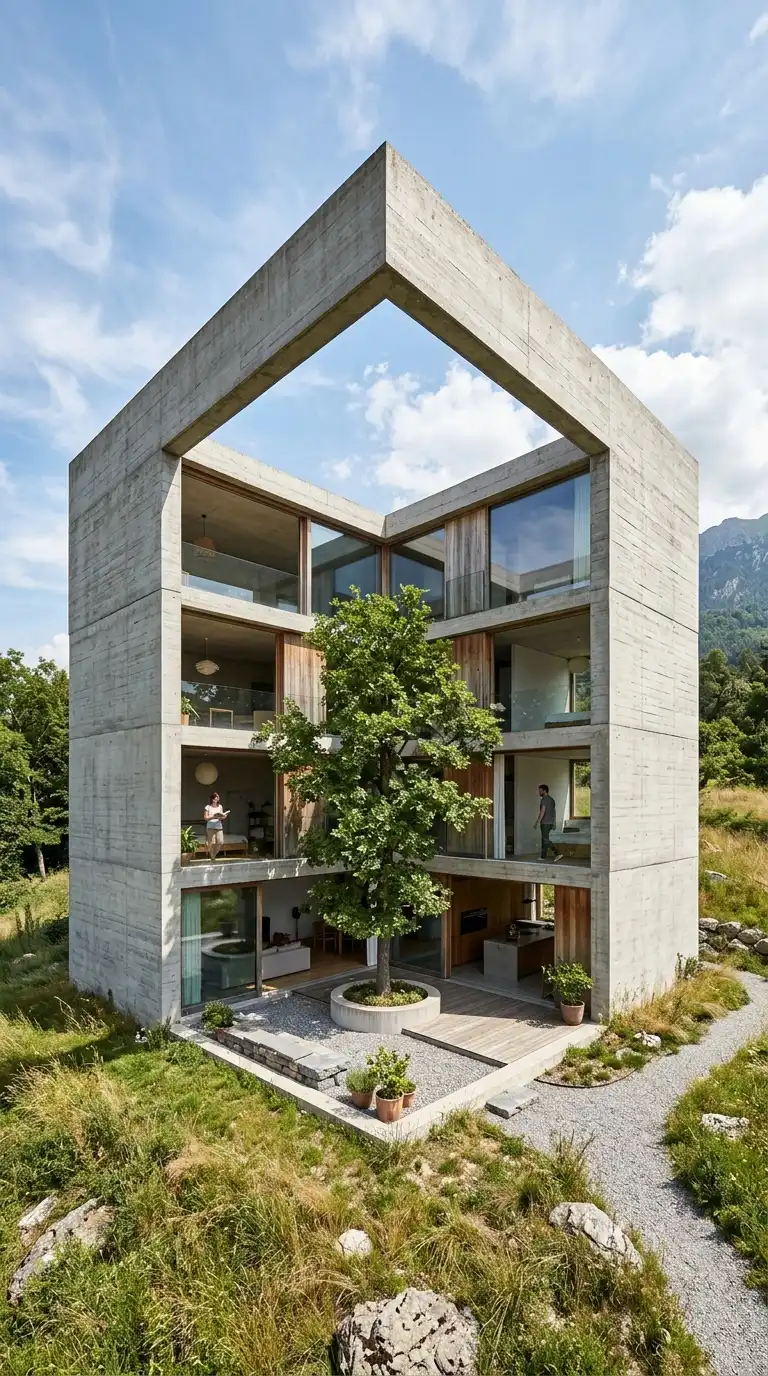
The cube with a void is a solid cube with a large cubic void cut from its centre. The void is open to the sky. The void creates a courtyard inside the cube. The cube with a void is solid, voided, and courtyard-centred.
This design is ideal for houses, museums, and retreats. The emotional effect is solid, voided, and courtyard-centred.
Quick Tips
- The void must be a cube at the centre.
- The void must be open to the sky.
- Rooms must face the void.
10. The Cubes in a Row
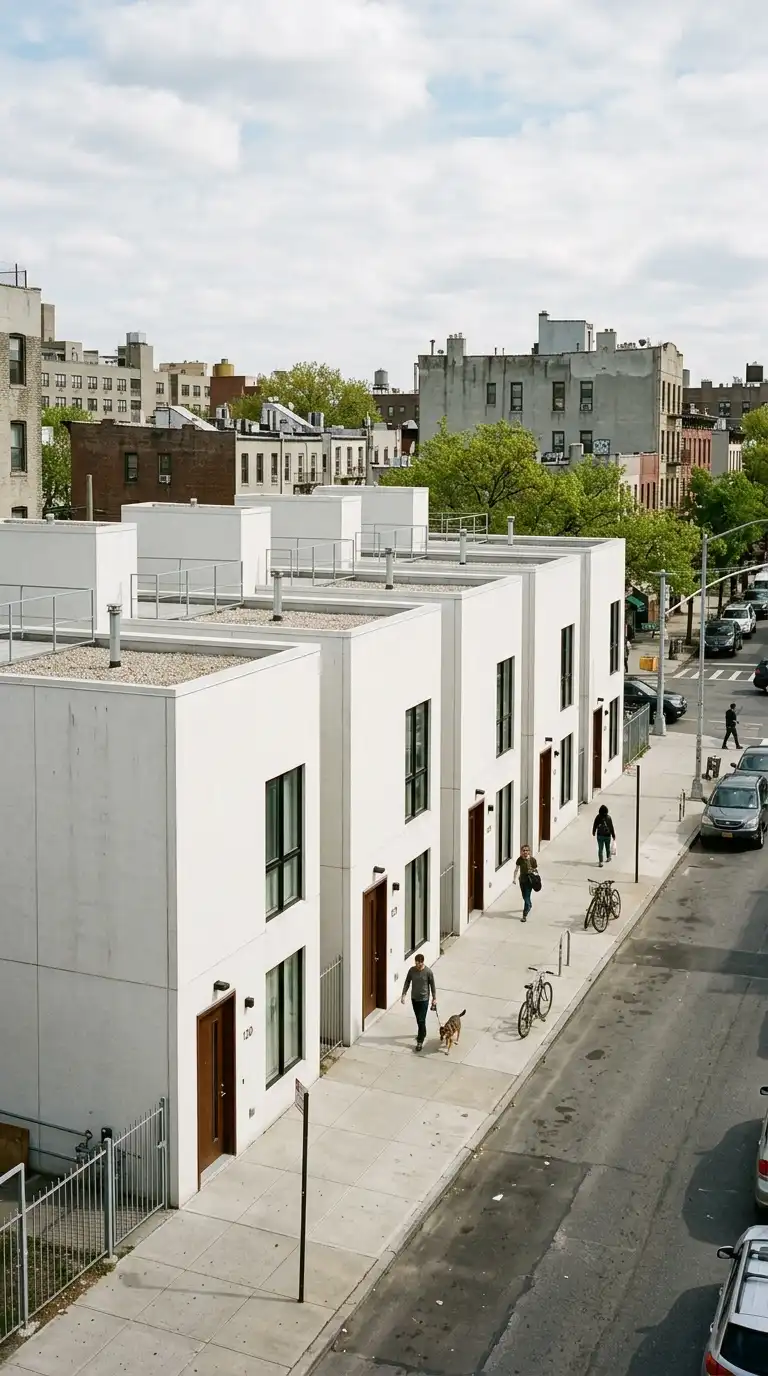
The cubes in a row is a row of identical cubes attached side by side. The cubes are the same size, same colour, same material. The row is repetitive, rhythmic, and urban.
This design is ideal for rowhouses, offices, and galleries. The emotional effect is repetitive, rhythmic, and urban.
Quick Tips
- All cubes must be identical.
- Cubes must be attached side by side.
- The row must be at least three cubes long.
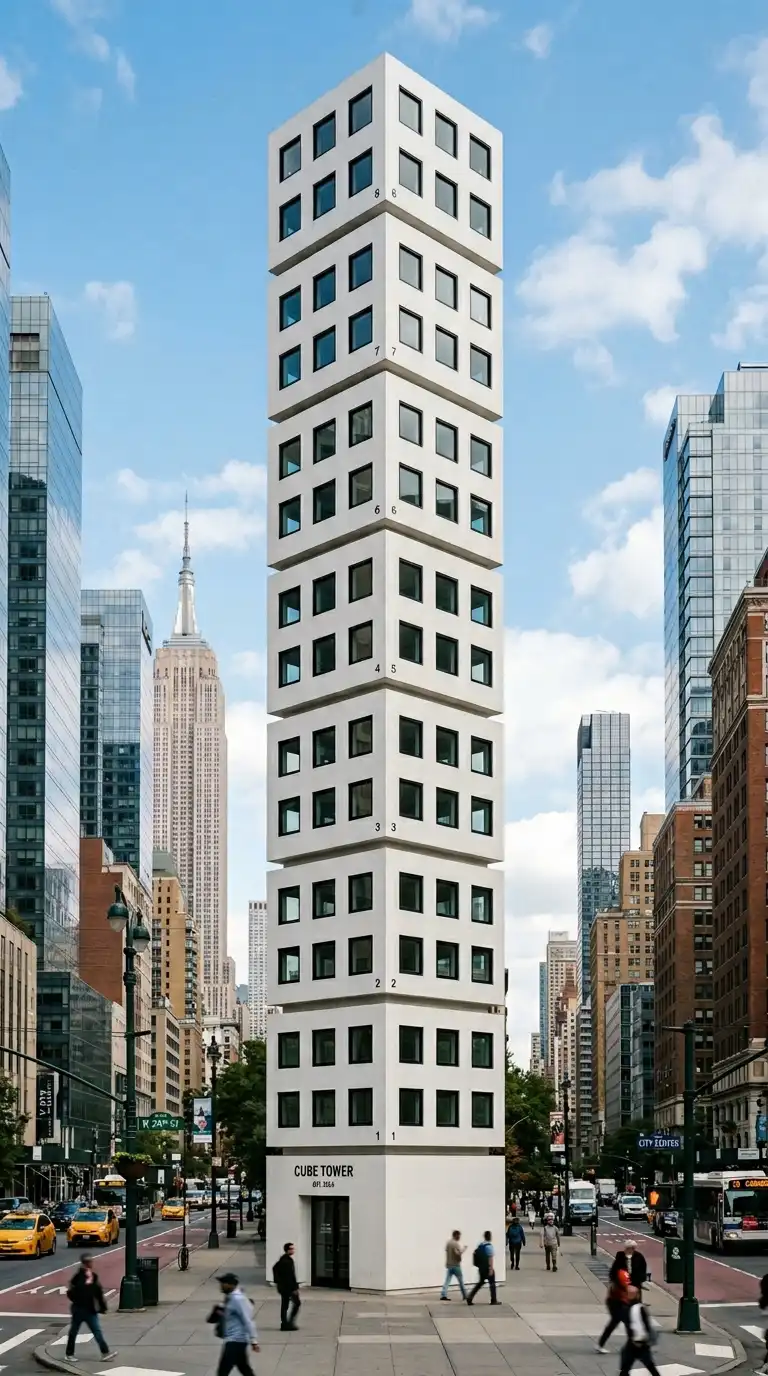
11. The Cube Tower
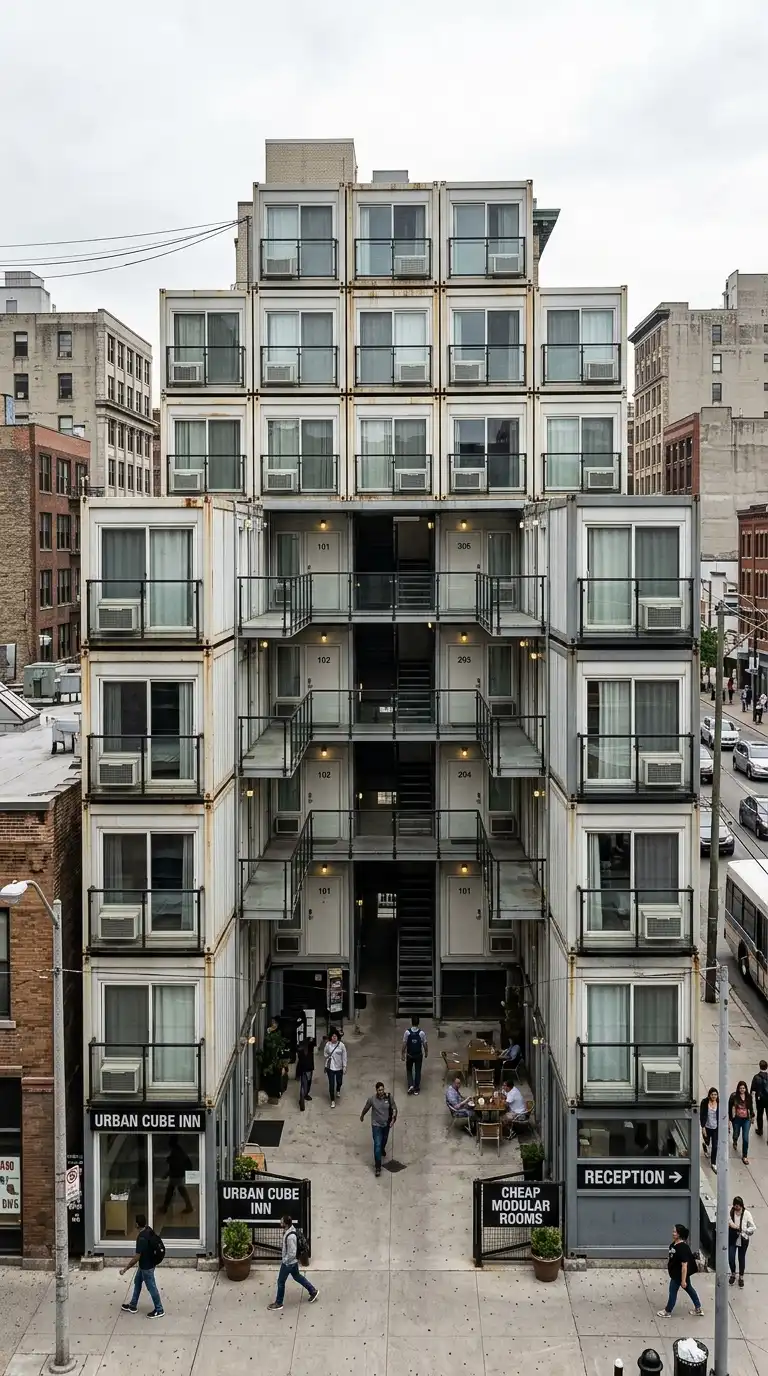
The cube tower is a stack of identical cubes. The cubes are stacked vertically. The tower is 5-10 cubes tall. The cube tower is vertical, repetitive, and tower-like.
This design is ideal for skyscrapers, apartment towers, and observation towers. The emotional effect is vertical, repetitive, and tower-like.
Quick Tips
- All cubes must be identical.
- Cubes must be stacked vertically.
- The tower must be at least 5 cubes tall.
12. The Floating Cube
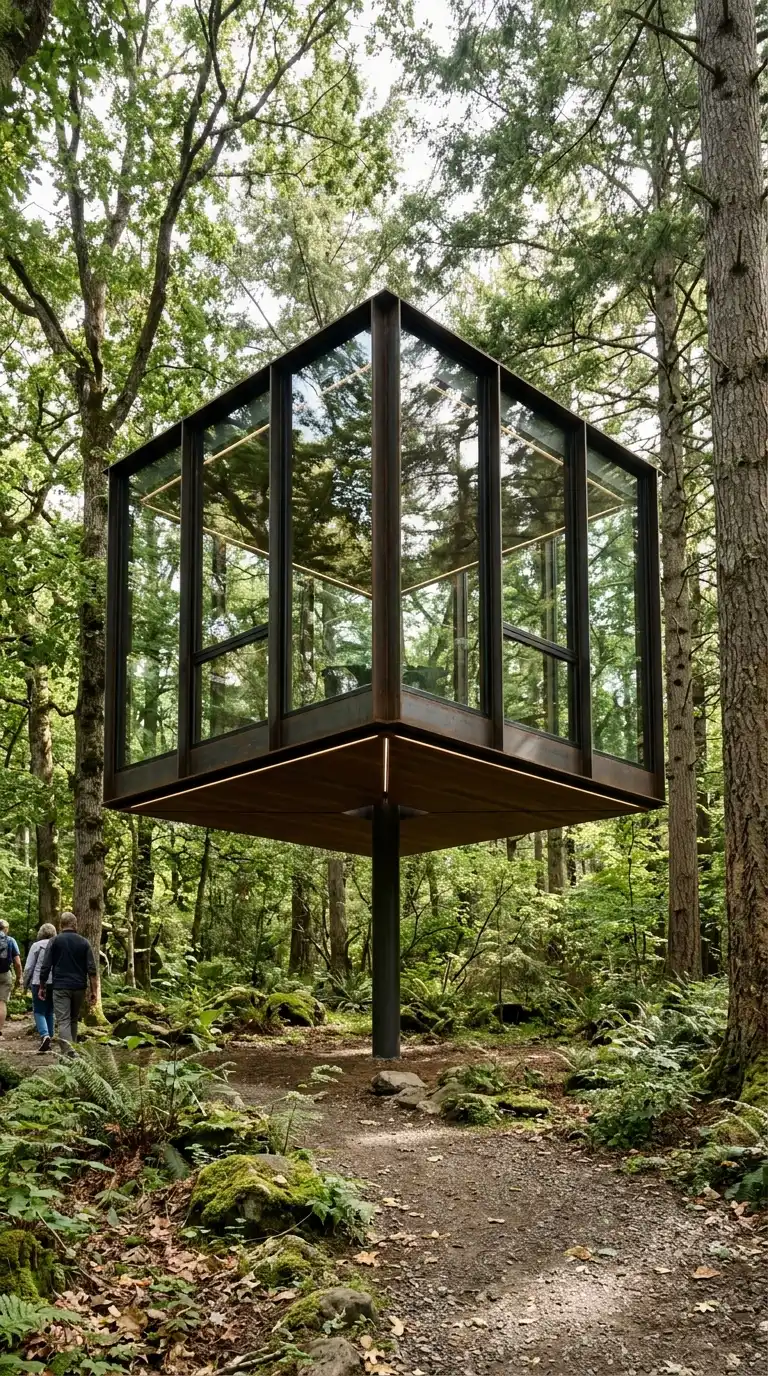
The floating cube is a cube suspended above the ground. The cube is supported by a single central column or by cables. The cube appears to float. The floating cube is weightless, dramatic, and impossible-looking.
This design is ideal for pavilions, observation decks, and signature buildings. The emotional effect is weightless, dramatic, and impossible-looking.
Quick Tips
- The cube must be suspended above the ground.
- The support must be minimal (one column or cables).
- The underside of the cube must be visible.
Final Thoughts
These 12 cube designs are not mutually exclusive. A white cube gallery can be a subdivided cube. A concrete cube house can have a void. A floating cube can be a glass cube. The best cube architecture is not the most complex — it is the most essential. It takes the simplest form and makes it profound. It is the cube. It is architecture reduced to its essence. It is geometry, light, and space. It is the cube.