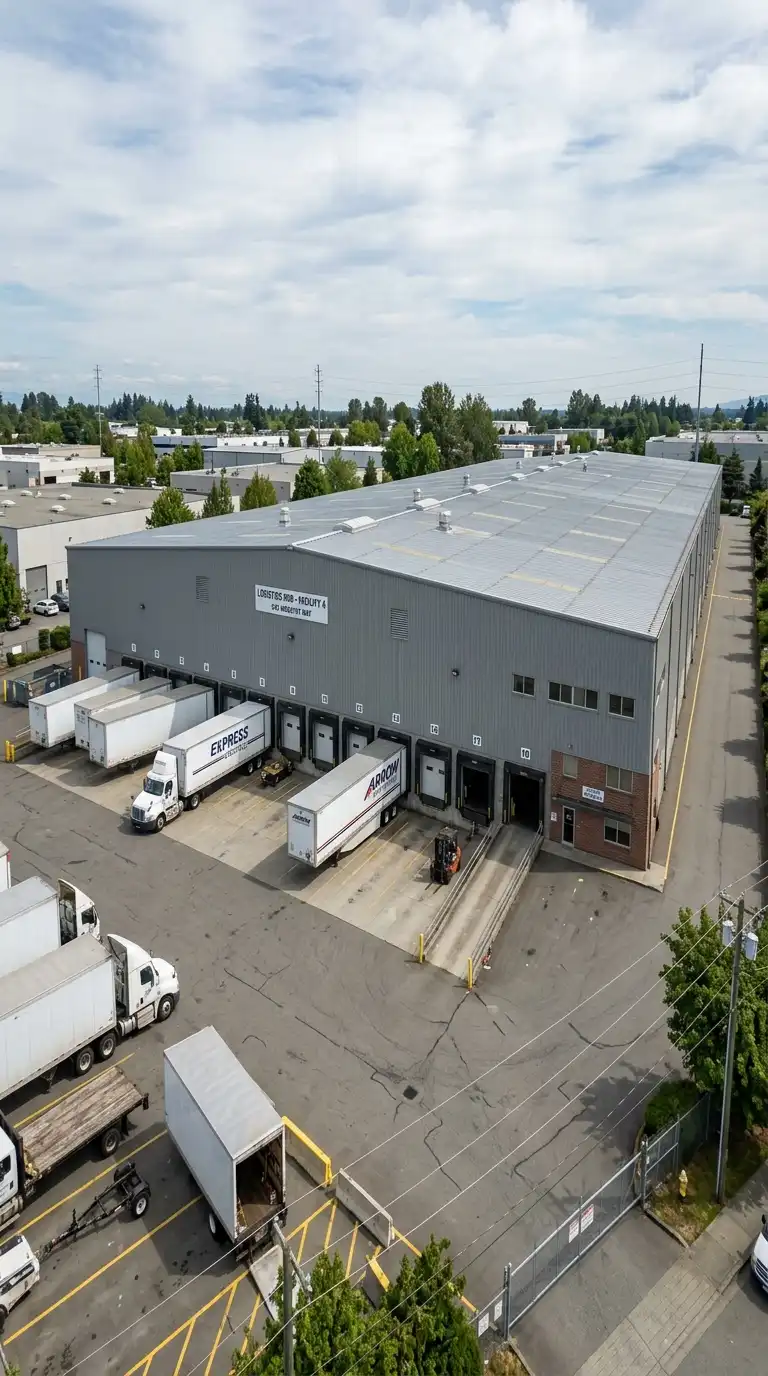
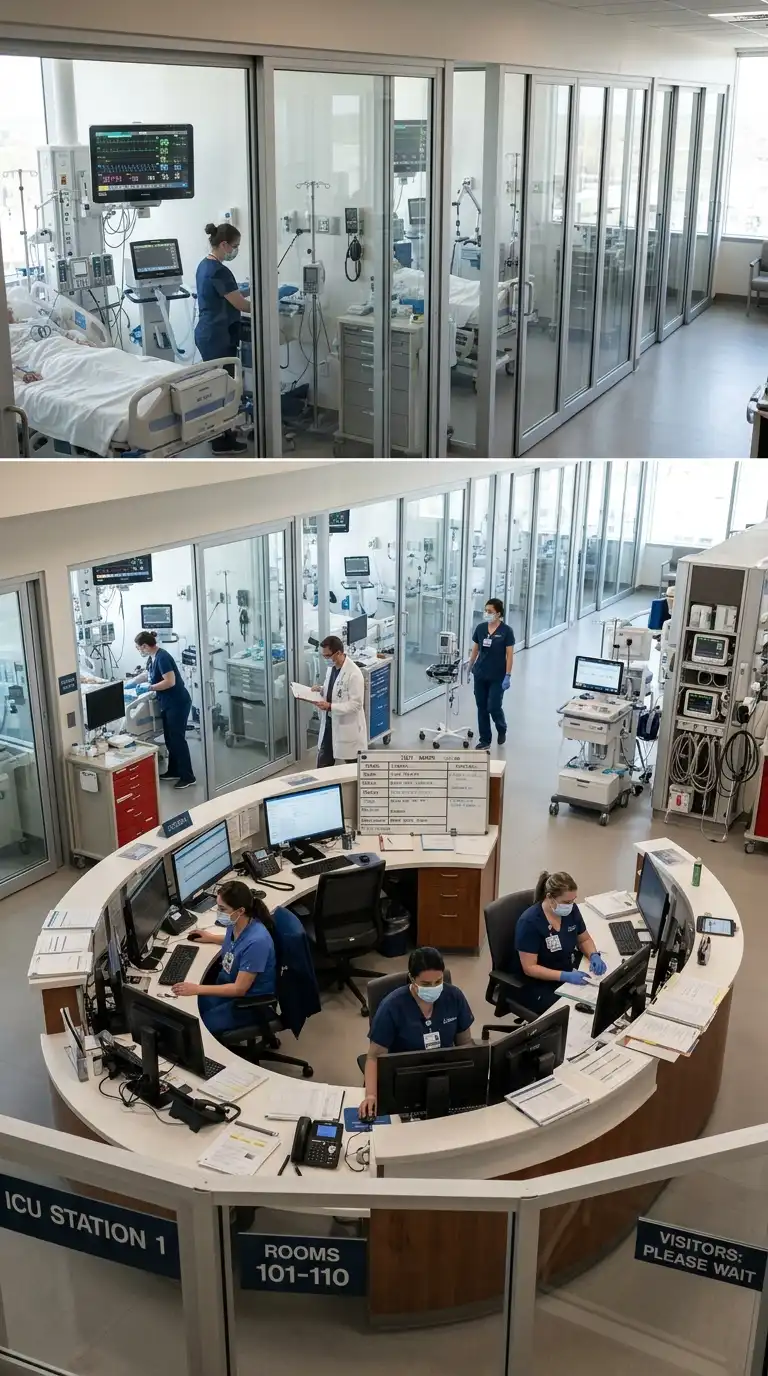
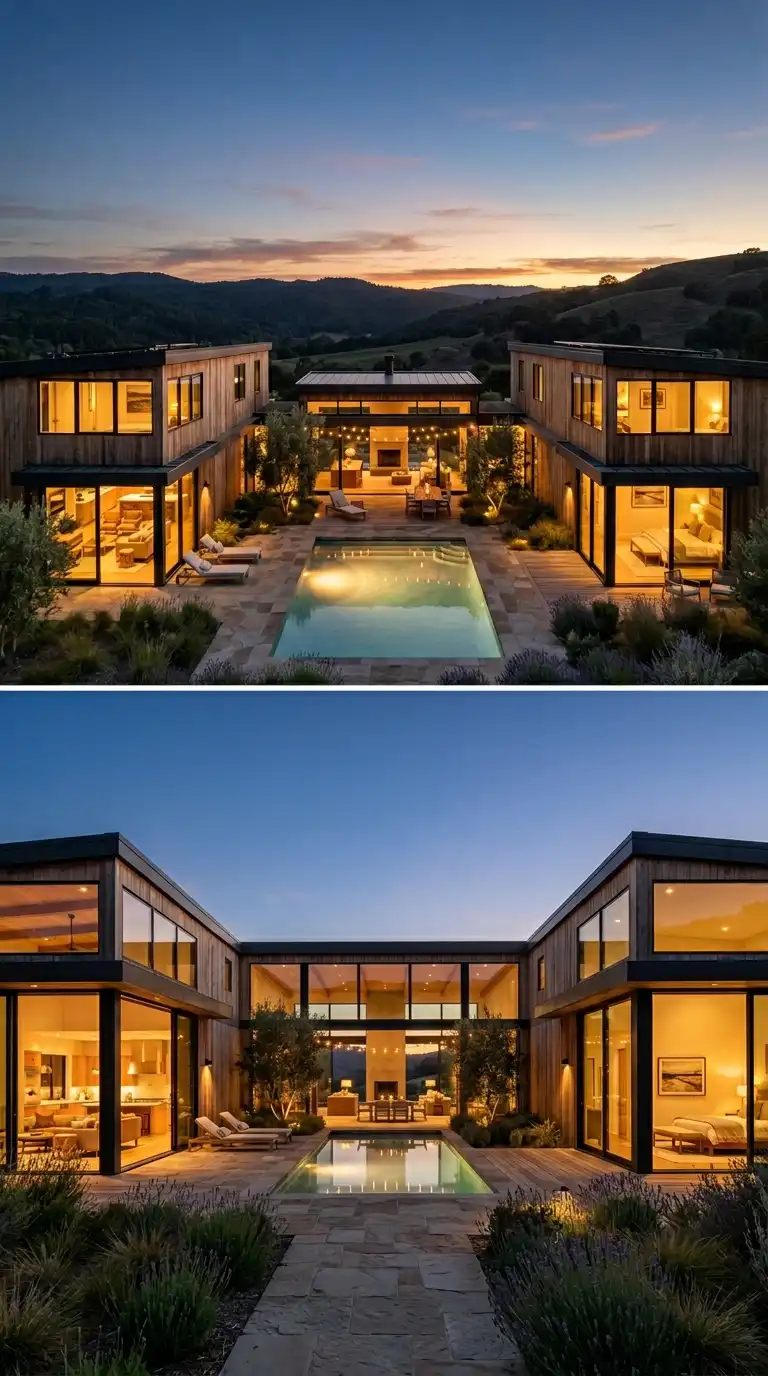
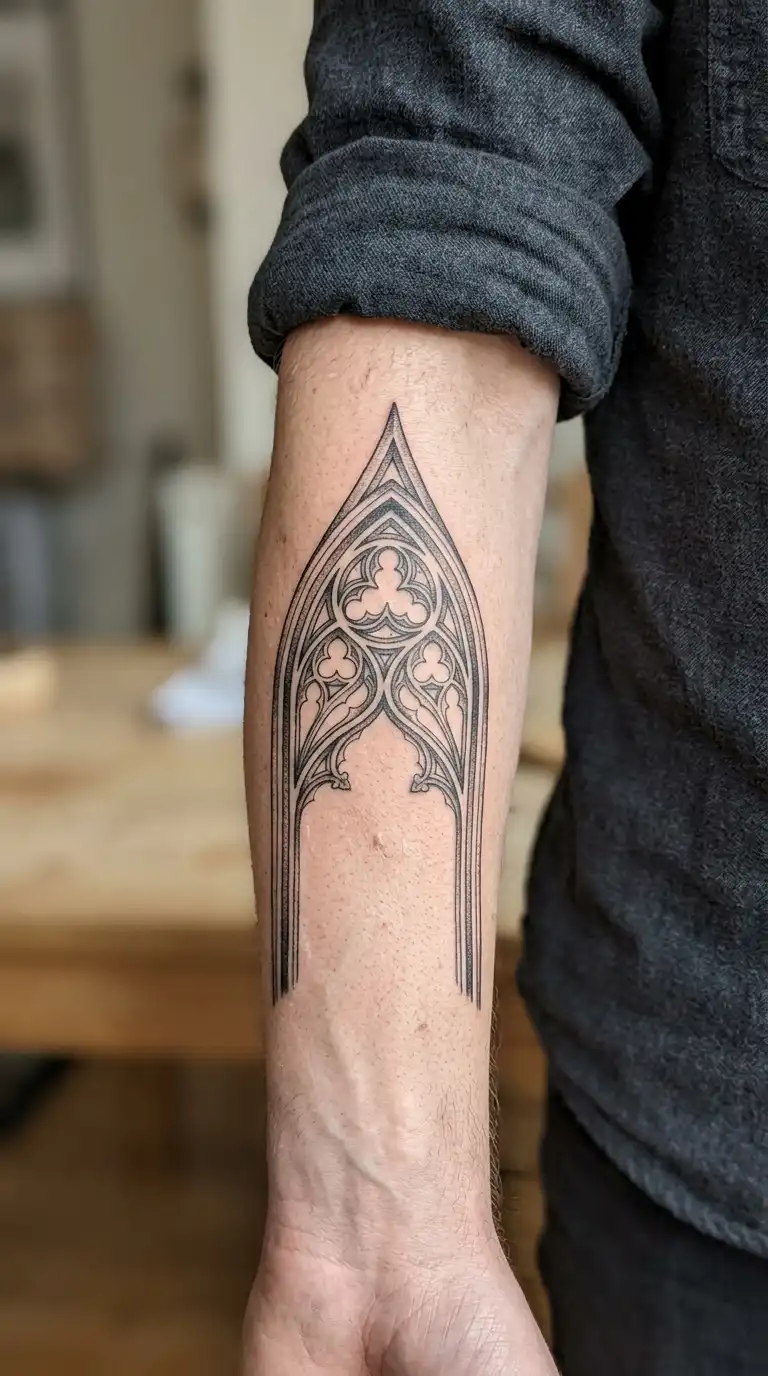
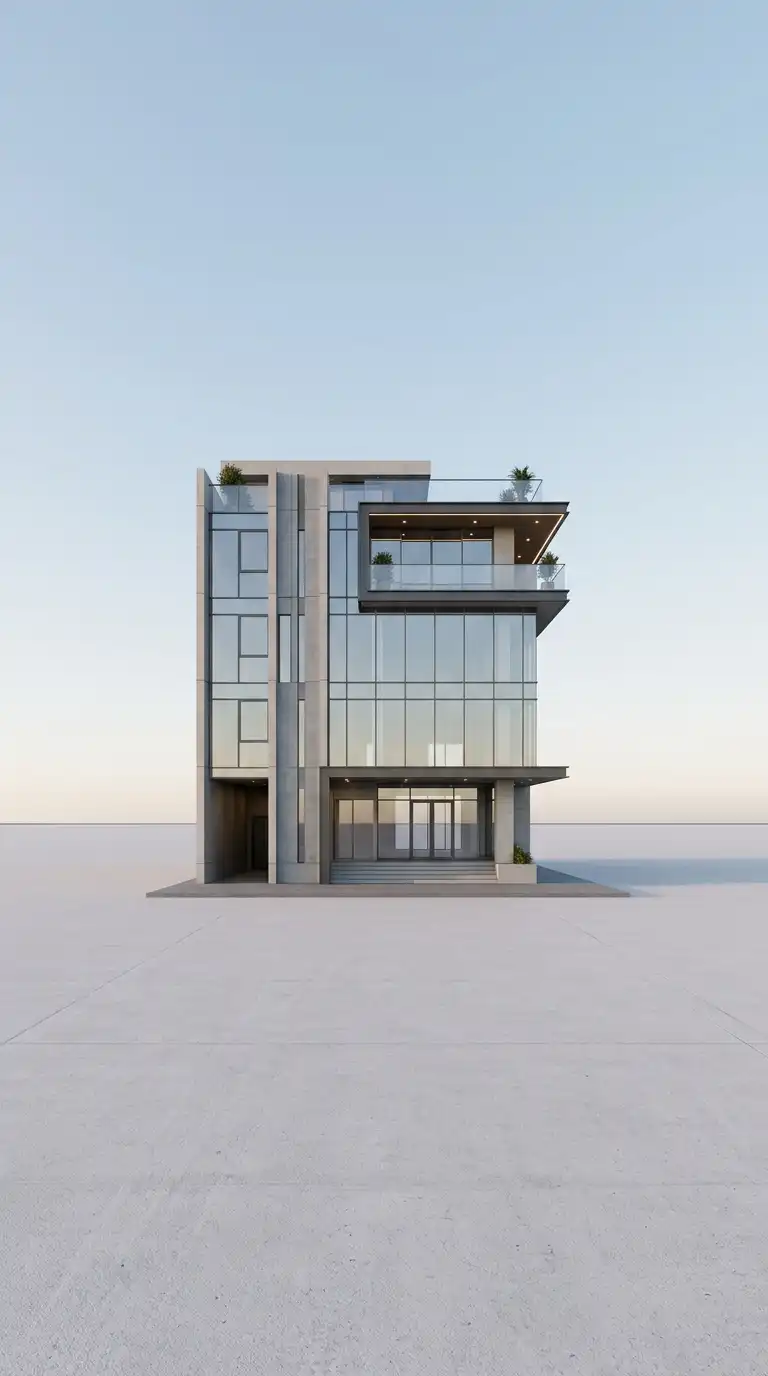
The elevation is the face of a building. It is what the world sees. Unlike a plan, which is a diagram of organisation, an elevation is a portrait of character. A well-designed elevation manages light, shadow, material, and proportion. It expresses the building’s structure, its purpose, and its relationship to the street.
These 9 elevation architecture designs span compositional strategies, material expressions, and facade logics. Each design includes defining characteristics, design principles, and architectural applications.
1. The Symmetrical Elevation
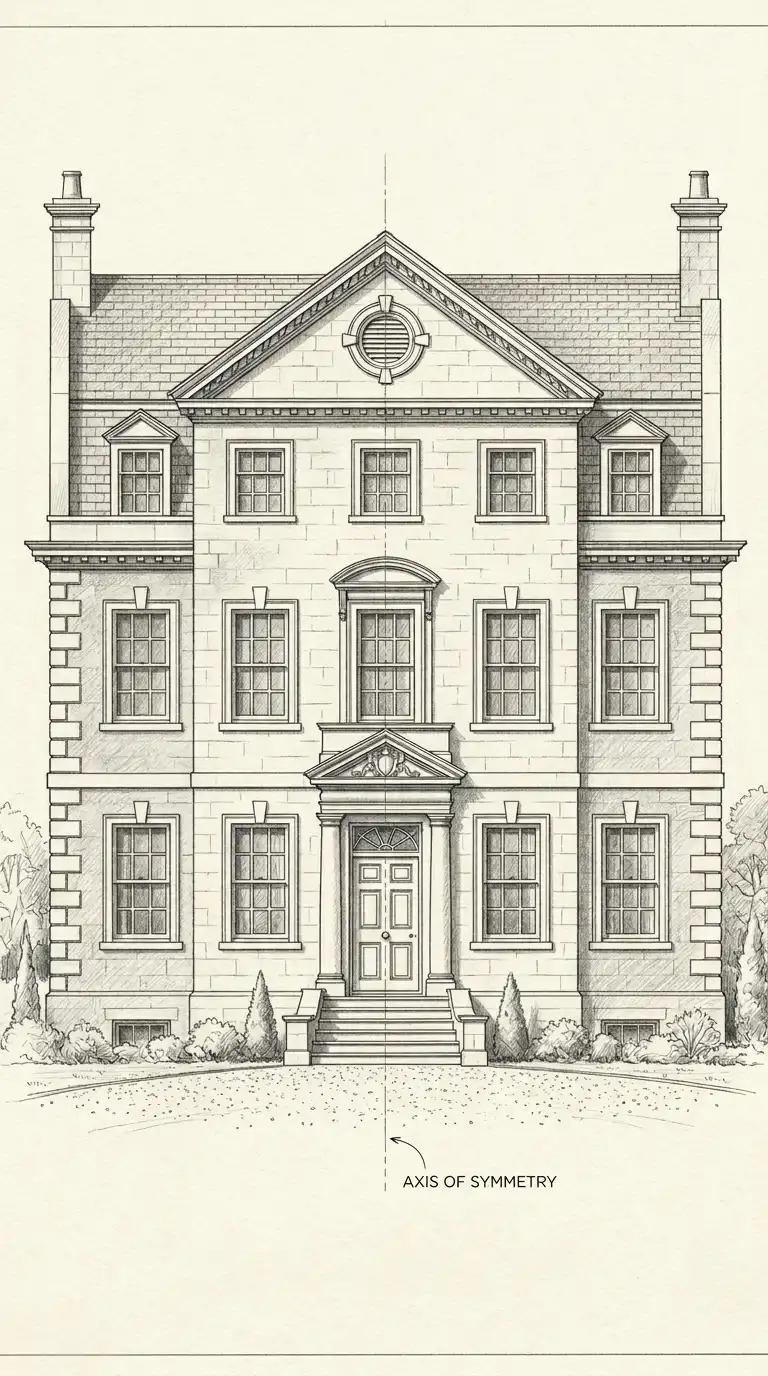
The symmetrical elevation is balanced on a central axis. The left side mirrors the right. The entrance is centred. Windows are evenly spaced on both sides. Symmetry is formal, monumental, and classical.
This design is ideal for civic buildings, museums, and traditional homes. The emotional effect is formal, monumental, and balanced.
Quick Tips
- Establish a centre line first.
- Mirror every element across the centre line.
- The entrance must be centred.
2. The Asymmetrical Elevation
The asymmetrical elevation is not balanced on a centre line. The entrance is off-centre. Windows are clustered or scattered. Asymmetry is dynamic, modern, and picturesque.
This design is ideal for modern houses, art museums, and creative offices. The emotional effect is dynamic, modern, and informal.
Quick Tips
- Avoid mirroring elements.
- Use visual weight, not symmetry, to balance the composition.
- The entrance can be off-centre.
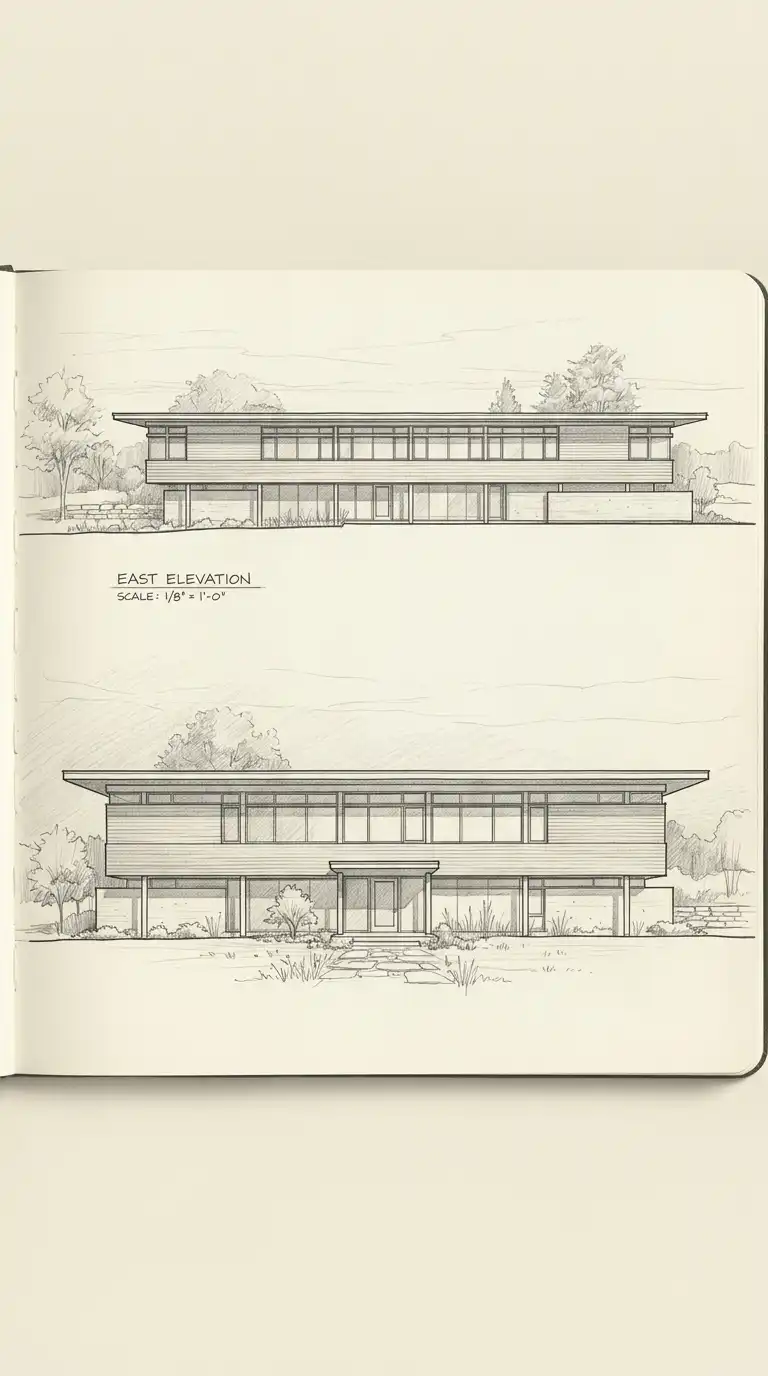
3. The Horizontal Elevation
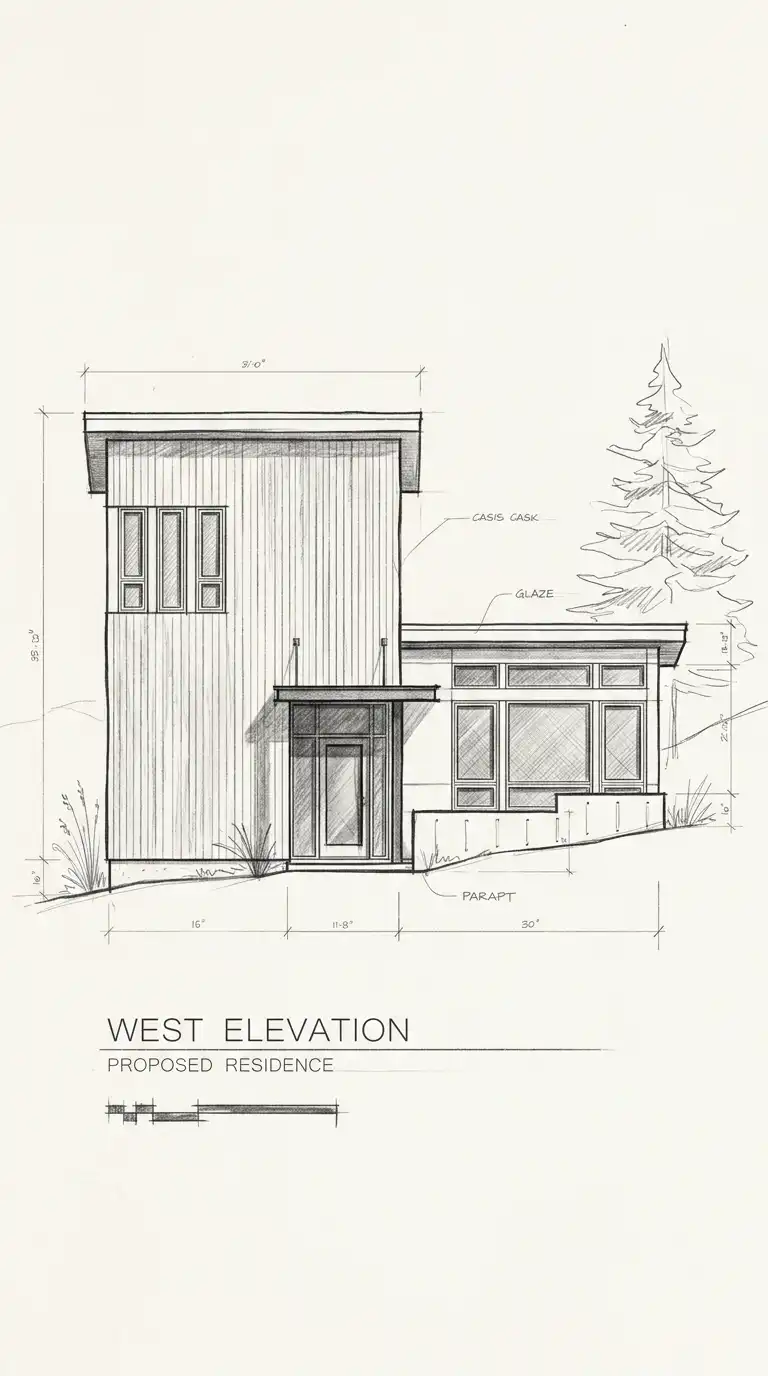
The horizontal elevation emphasises width over height. The building is long and low. Windows are horizontal ribbons. The roof is flat or low-pitched. Horizontal lines dominate vertical lines. The horizontal elevation is calm, grounded, and prairie-like.
This design is ideal for suburban houses, schools, and office parks. The emotional effect is calm, grounded, and horizontal.
Quick Tips
- Use horizontal ribbon windows.
- Keep the roof low or flat.
- Avoid vertical elements that break the horizontal line.
4. The Vertical Elevation
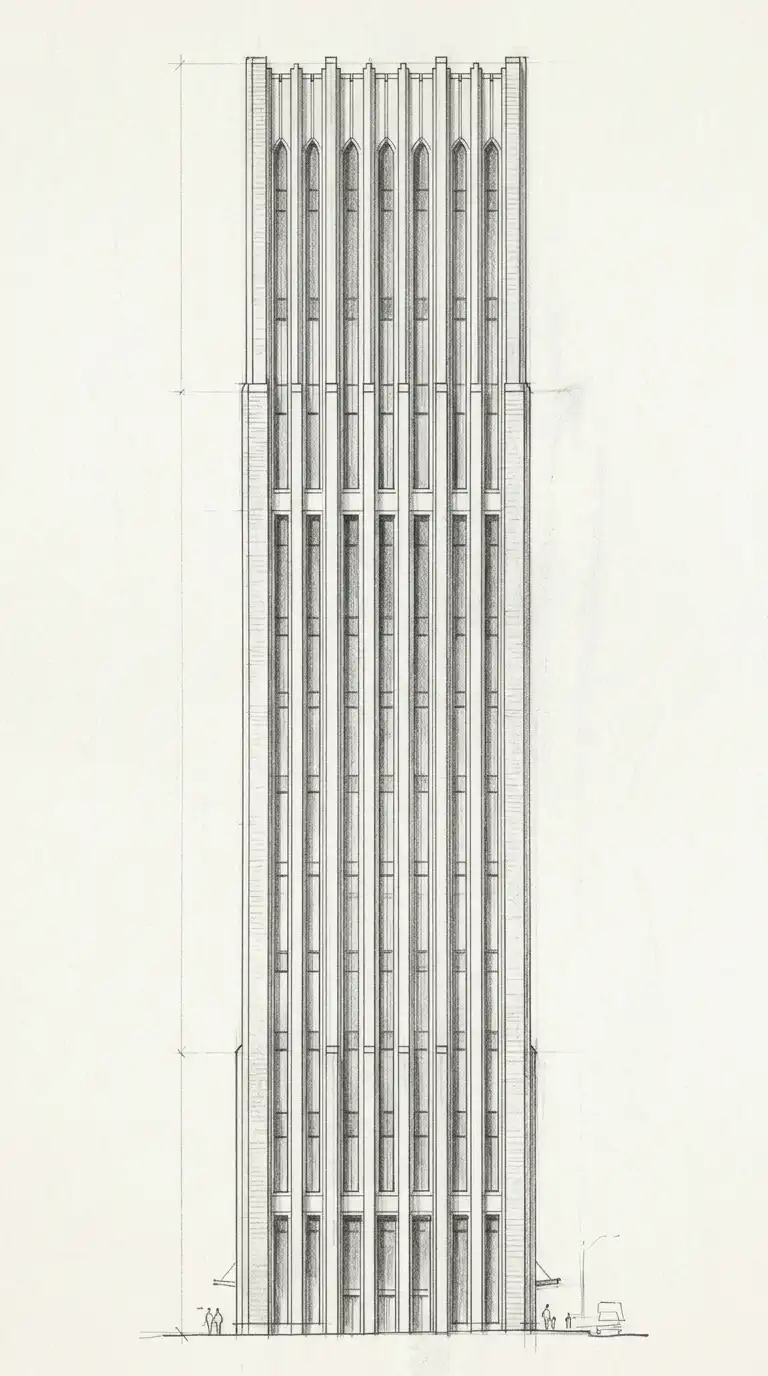
The vertical elevation emphasises height over width. The building is tall and narrow. Windows are tall and narrow (lancets). Vertical lines dominate horizontal lines. The vertical elevation is aspiring, dramatic, and Gothic.
This design is ideal for churches, skyscrapers, and institutional buildings. The emotional effect is aspiring, dramatic, and vertical.
Quick Tips
- Use tall, narrow windows.
- Emphasise vertical lines with pilasters or fins.
- Avoid horizontal bands that break the vertical line.
5. The Grid Elevation
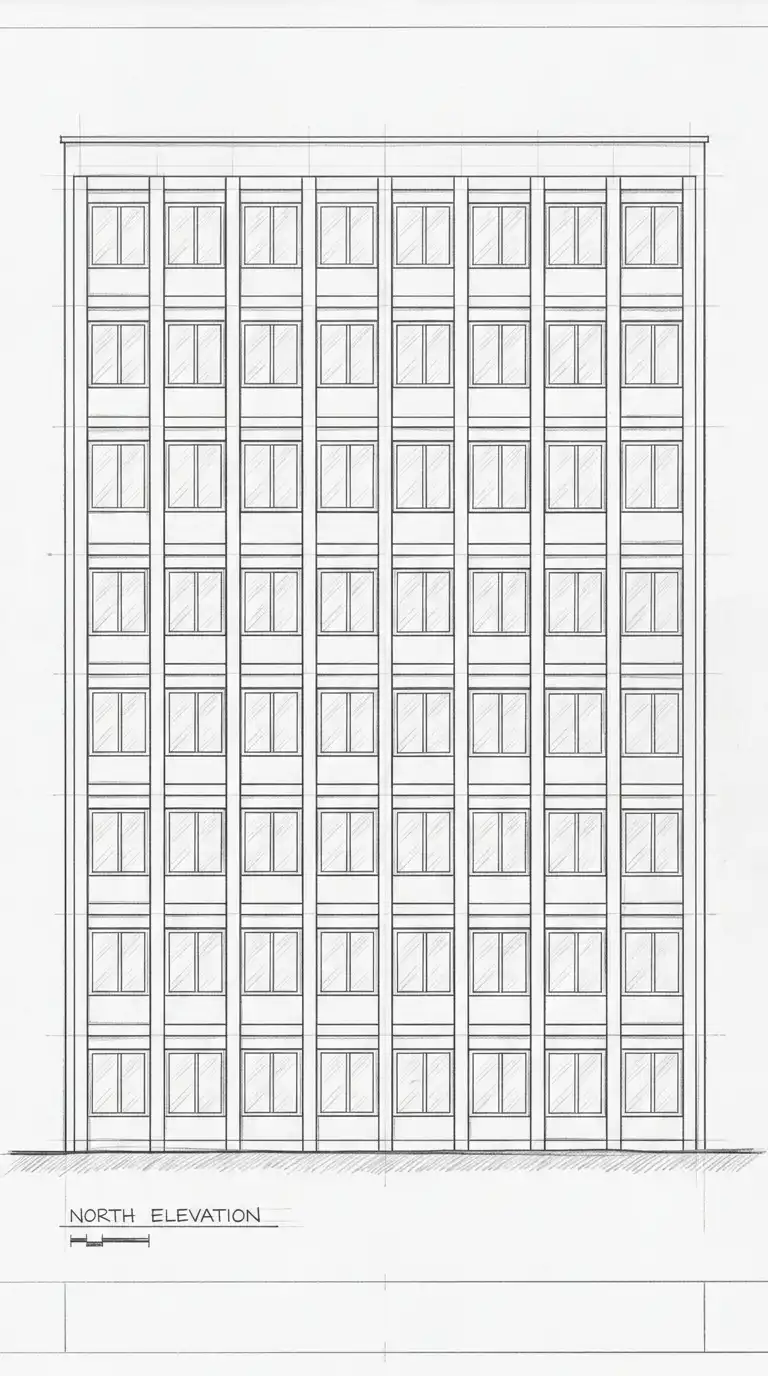
The grid elevation is organised by a regular grid of windows and structure. The grid is rational and repetitive. The grid can be expressed by the structure (columns and beams) or by the windows (a regular pattern of openings). The grid elevation is honest, efficient, and modern.
This design is ideal for office buildings, laboratories, and modern housing. The emotional effect is rational, efficient, and modern.
Quick Tips
- Use a regular grid of columns or windows.
- Keep the grid consistent across the entire facade.
- Avoid elements that break the grid.
6. The Layered Elevation
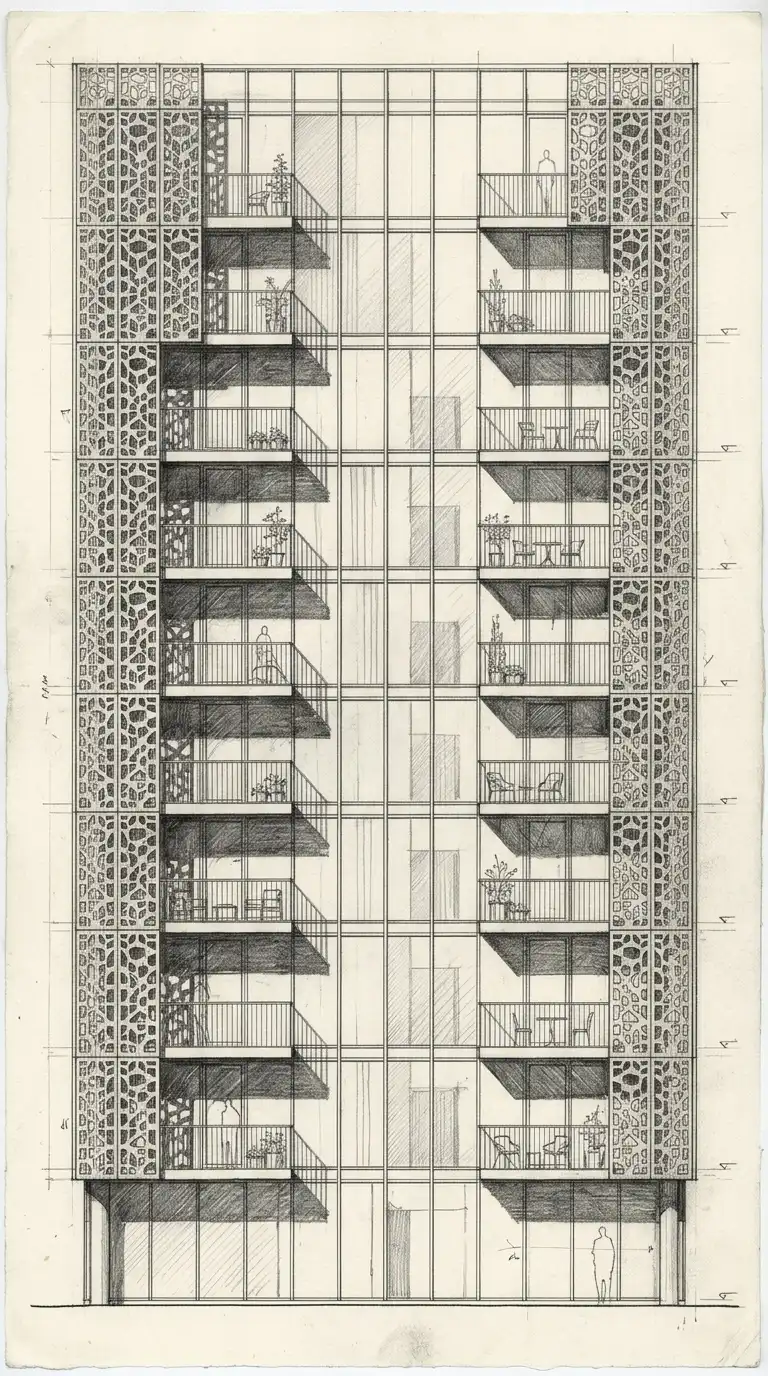
The layered elevation has multiple layers of depth. A glass wall is set back behind a metal screen. A balcony projects in front of the glass. The layered elevation creates shadow, depth, and visual richness. The layered elevation is complex, rich, and shadowed.
This design is ideal for contemporary museums, cultural centres, and high-end housing. The emotional effect is complex, rich, and shadowed.
Quick Tips
- Use at least three layers of depth.
- The outermost layer should have openings for light.
- Use shadow to emphasise the layering.
7. The Expressive Structure Elevation
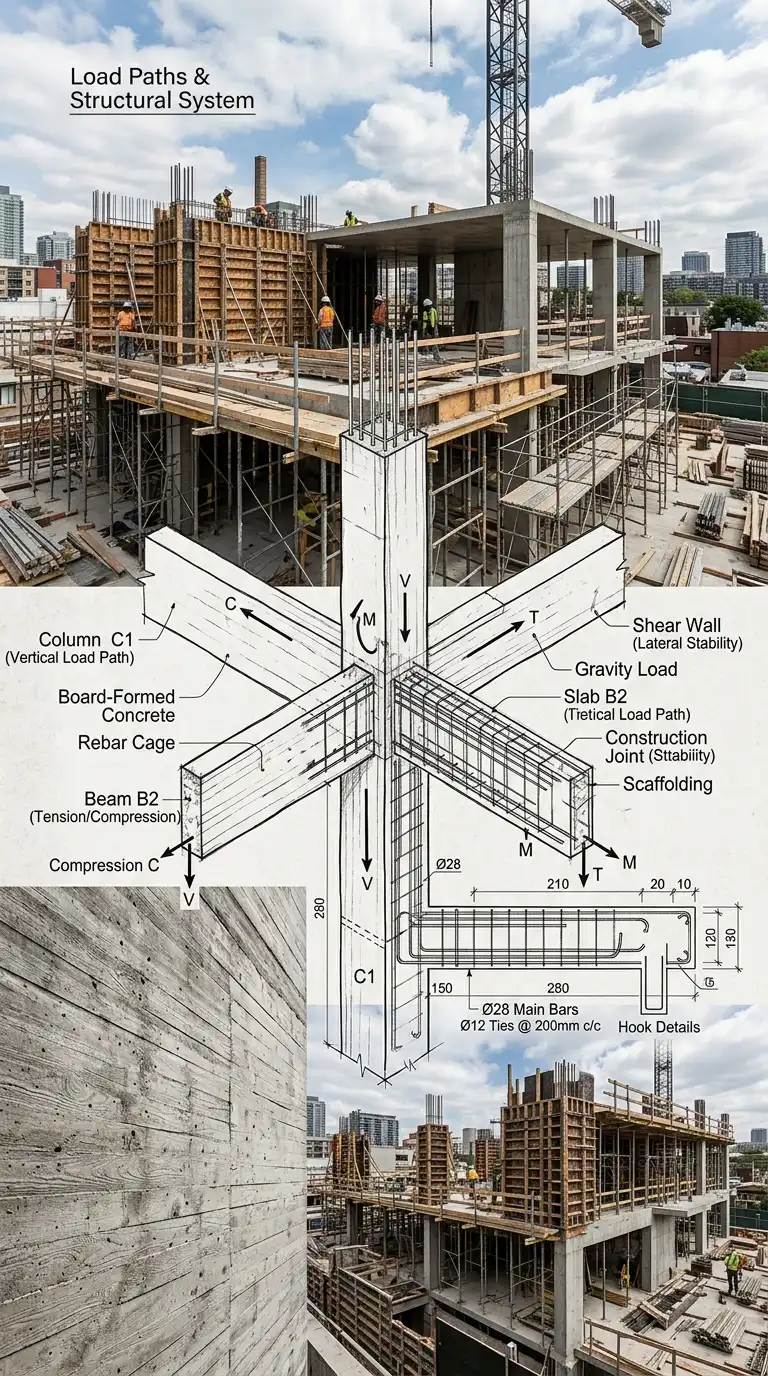
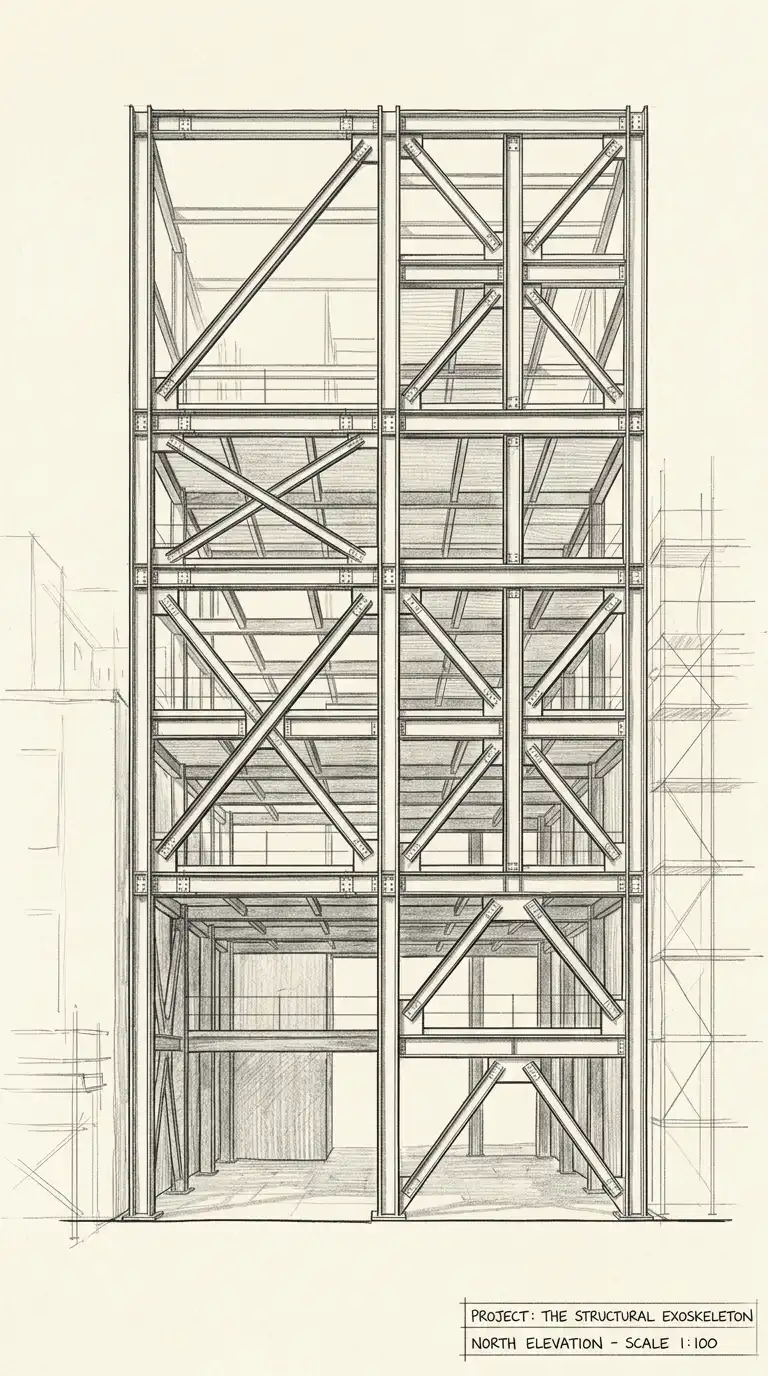
The expressive structure elevation makes the building’s structure visible on the exterior. Columns, beams, bracing, and trusses are exposed. The structure is not hidden — it is celebrated. The expressive structure elevation is honest, tectonic, and structural.
This design is ideal for industrial buildings, museums, and high-tech architecture. The emotional effect is honest, tectonic, and structural.
Quick Tips
- Expose columns, beams, bracing, and trusses.
- Do not cover the structure with cladding.
- Use the structure as ornament.
8. The Curtain Wall Elevation
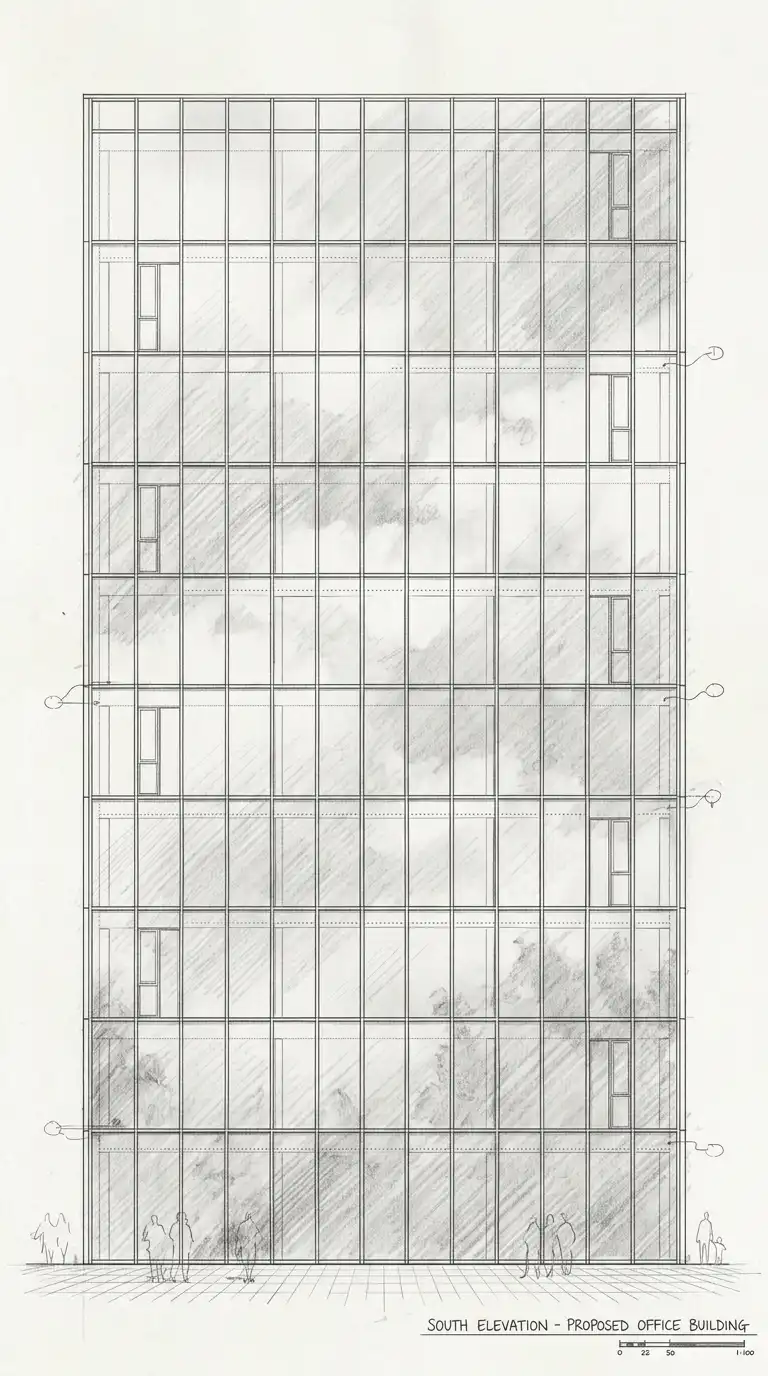
The curtain wall elevation is a glass facade hung from the building’s structure. The glass is uninterrupted by solid walls. The mullions and transoms form a delicate grid. The curtain wall is transparent, reflective, and modern.
This design is ideal for skyscrapers, office buildings, and modern commercial buildings. The emotional effect is transparent, reflective, and modern.
Quick Tips
- The glass should be uninterrupted by solid walls.
- Mullions and transoms should be as narrow as possible.
- The glass can be reflective or transparent.
9. The Fenestration Pattern Elevation
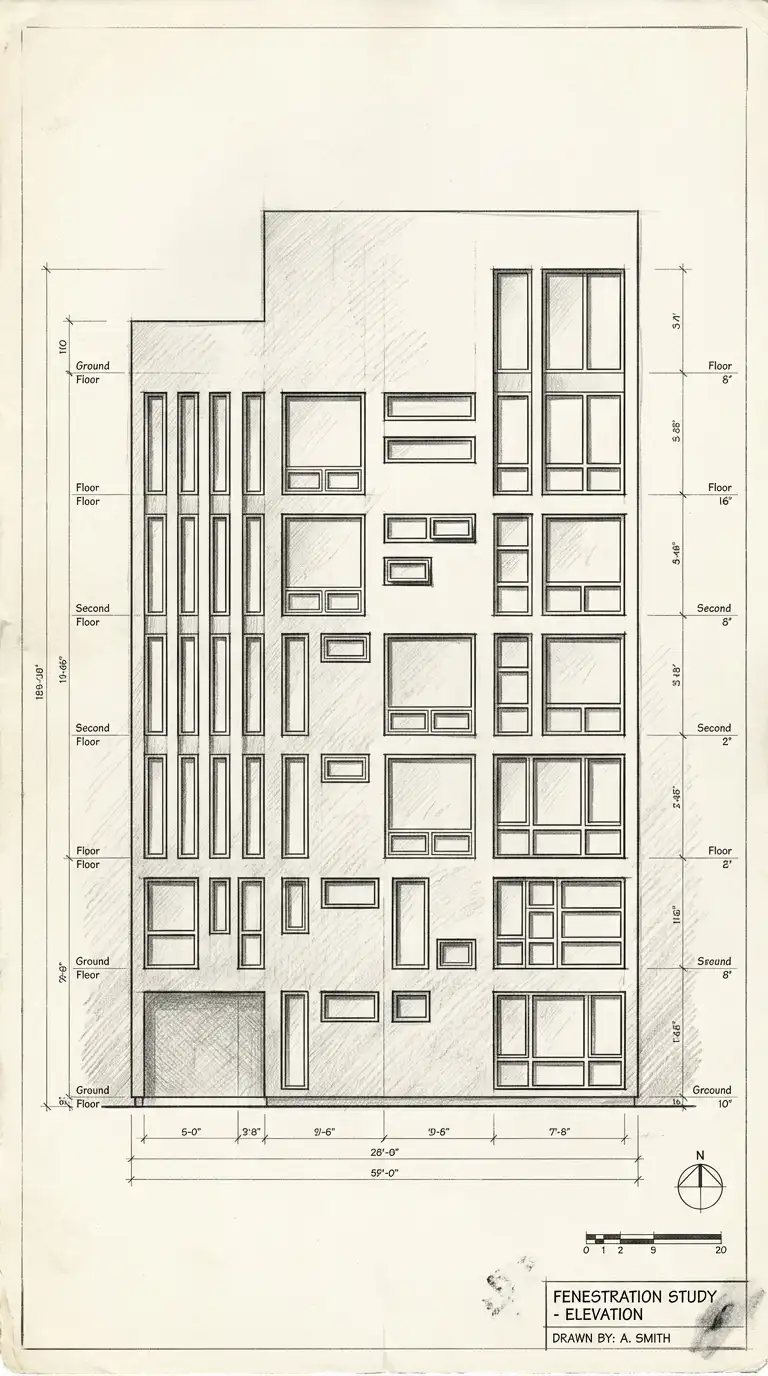
The fenestration pattern elevation uses the pattern of windows as the primary design element. Windows are not evenly spaced — they are clustered, scattered, or arranged in a deliberate pattern. The pattern can be regular or irregular, geometric or organic. The fenestration pattern elevation is graphic, patterned, and distinctive.
This design is ideal for museums, libraries, and contemporary housing. The emotional effect is graphic, patterned, and distinctive.
Quick Tips
- Vary window sizes and spacing.
- The pattern should have a clear logic (sun, view, program).
- Use solid wall as a backdrop for the window pattern.
Final Thoughts
The elevation is the face of the building. A symmetrical elevation is formal and monumental. An asymmetrical elevation is dynamic and modern. A horizontal elevation is calm and grounded. A vertical elevation is aspiring and dramatic. A grid elevation is rational and efficient. A layered elevation is complex and rich. An expressive structure elevation is honest and tectonic. A curtain wall elevation is transparent and reflective. A fenestration pattern elevation is graphic and distinctive.
These 9 elevation designs are not mutually exclusive. A symmetrical elevation can have a fenestration pattern. A horizontal elevation can have an expressive structure. A curtain wall can be layered. The best elevations are not the most decorated — they are the most appropriate. They express the building’s structure, its purpose, and its place. They are not just facades — they are faces.