A museum is not just a repository for art and artifacts. It is a stage for seeing, a machine for experiencing, and a destination for culture. A well-designed museum shapes how visitors move, how they see, how they rest, and how they remember. The architecture is not neutral — it is part of the experience.
These 14 museum architecture designs span art museums, history museums, science centres, and cultural complexes. Each design includes defining characteristics, spatial principles, and curatorial strategies.
1. The Enfilade Museum
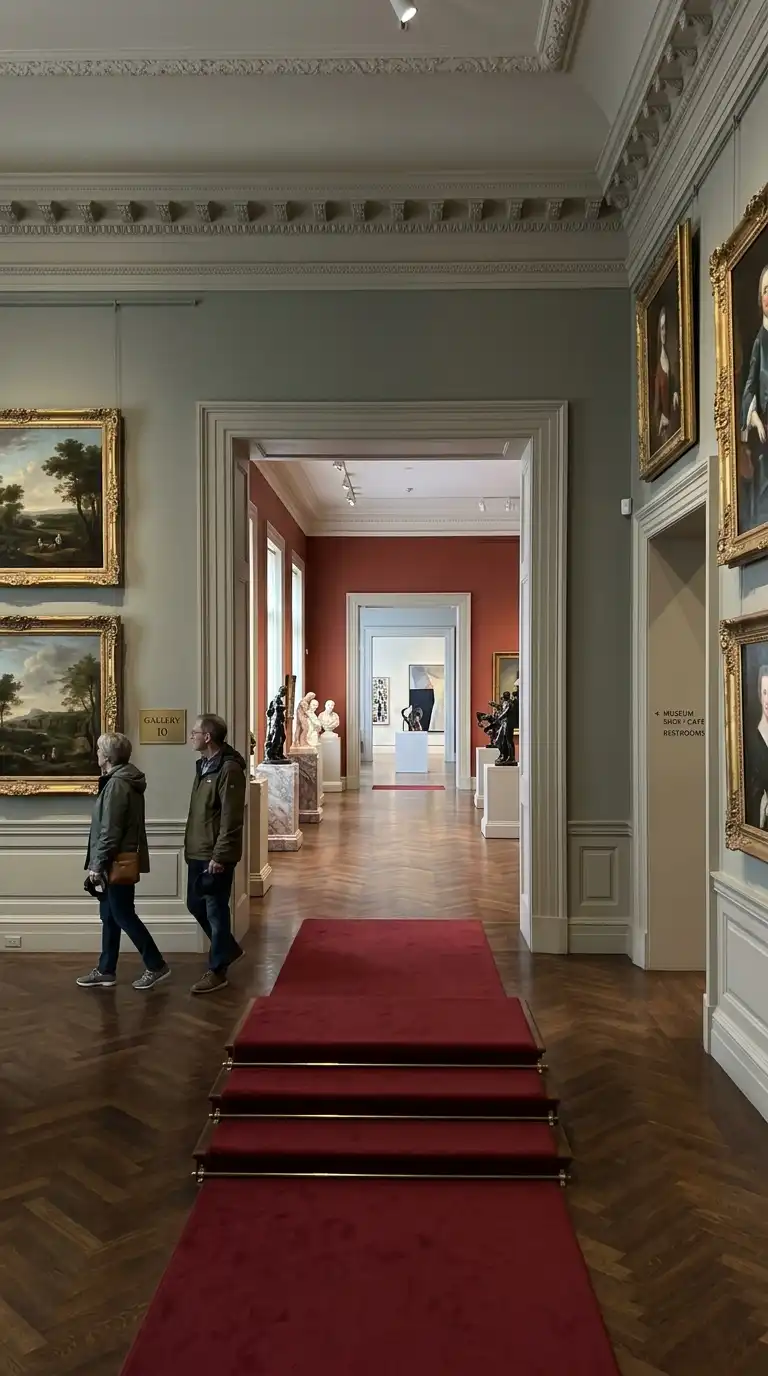
The enfilade museum arranges galleries in a linear sequence. One room leads to the next, to the next. The visitor is guided along a single path with no choices. The enfilade is ideal for narrative or chronological exhibitions.
This design is ideal for history museums and small art museums. The emotional effect is sequential, guided, and narrative.
Quick Tips
- Doors must be aligned so the visitor sees through multiple rooms.
- The sequence should have a clear beginning, middle, and end.
- Provide a shortcut back to the entrance for visitors who want to skip.
2. The Central Atrium Museum
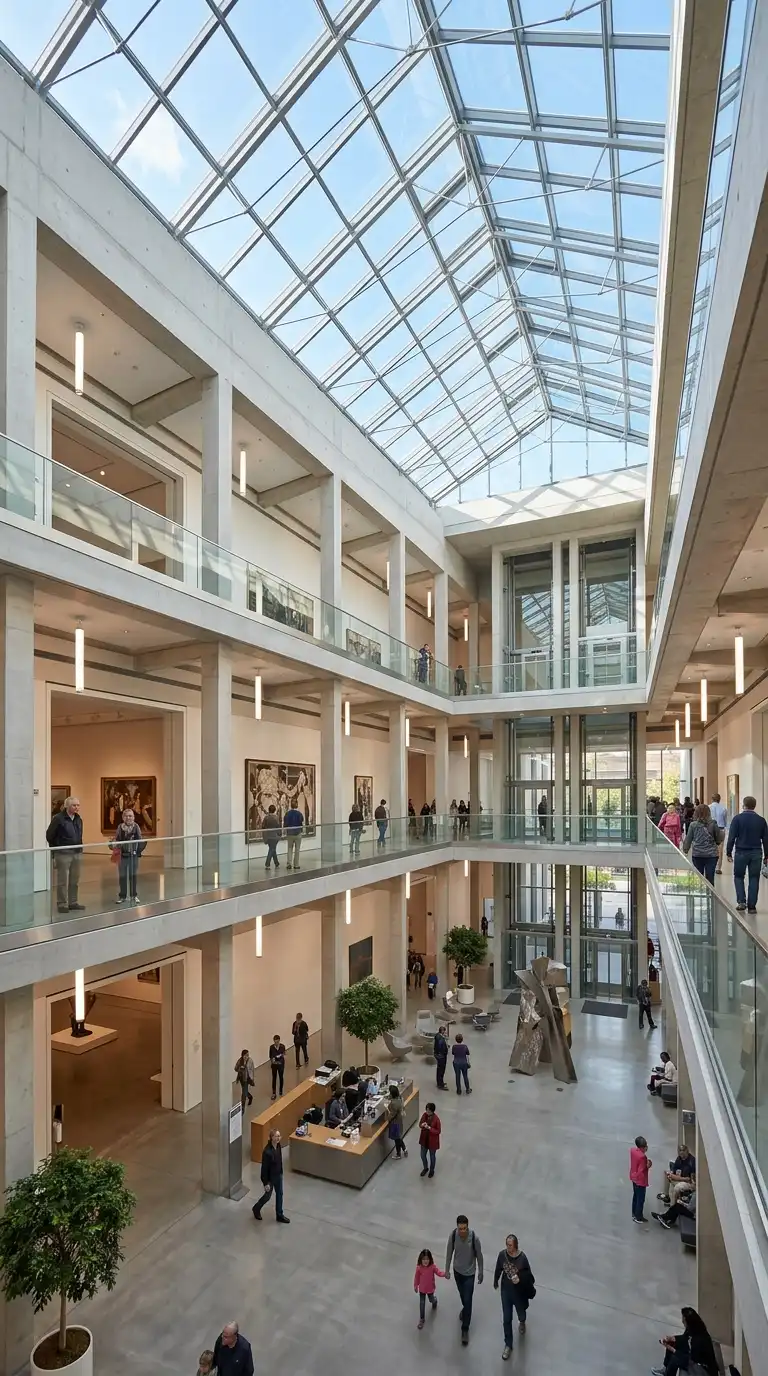
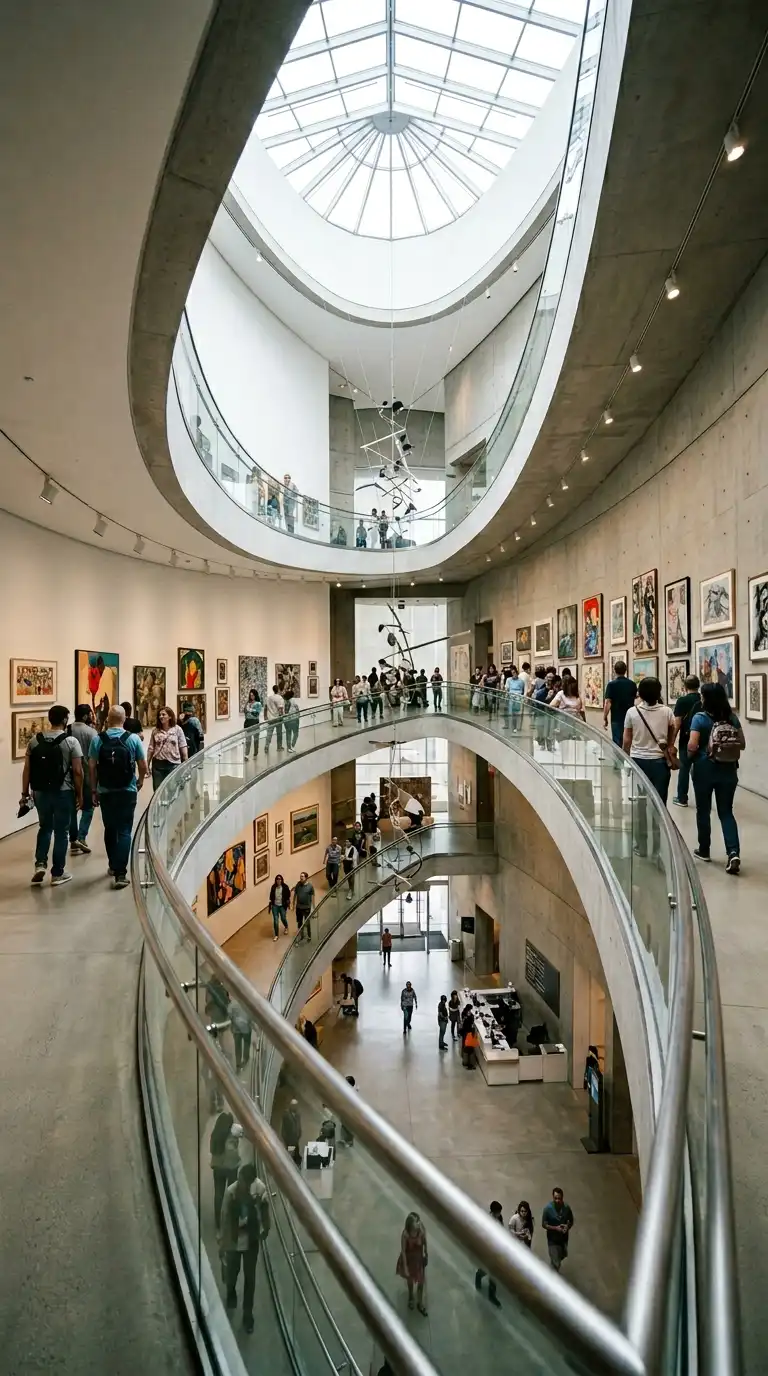
The central atrium museum has a large central space open to the sky, surrounded by galleries on multiple levels. The atrium is the heart of the museum — a place for orientation, rest, and socialising. Galleries open onto balconies around the atrium.
This design is ideal for large art museums and cultural centres. The emotional effect is luminous, vertical, and communal.
Quick Tips
- The atrium should be at least 6 metres wide to feel generous.
- Balconies should surround the atrium on each level.
- The roof over the atrium should be glass, with shading for summer.
3. The Spiral Museum
The spiral museum is a continuous ramp that spirals upward. The visitor walks up a gentle slope, never going back. The art is on the walls of the ramp. The spiral is ideal for contemporary art and sequential experiences.
Frank Lloyd Wright’s Guggenheim Museum in New York (1959) is the defining example. The emotional effect is continuous, spiralling, and immersive.
Quick Tips
- The ramp should slope at 1:12 or gentler for accessibility.
- The ramp should be wide enough for two people to pass.
- The centre of the spiral should be open for views.
4. The Pinwheel Museum
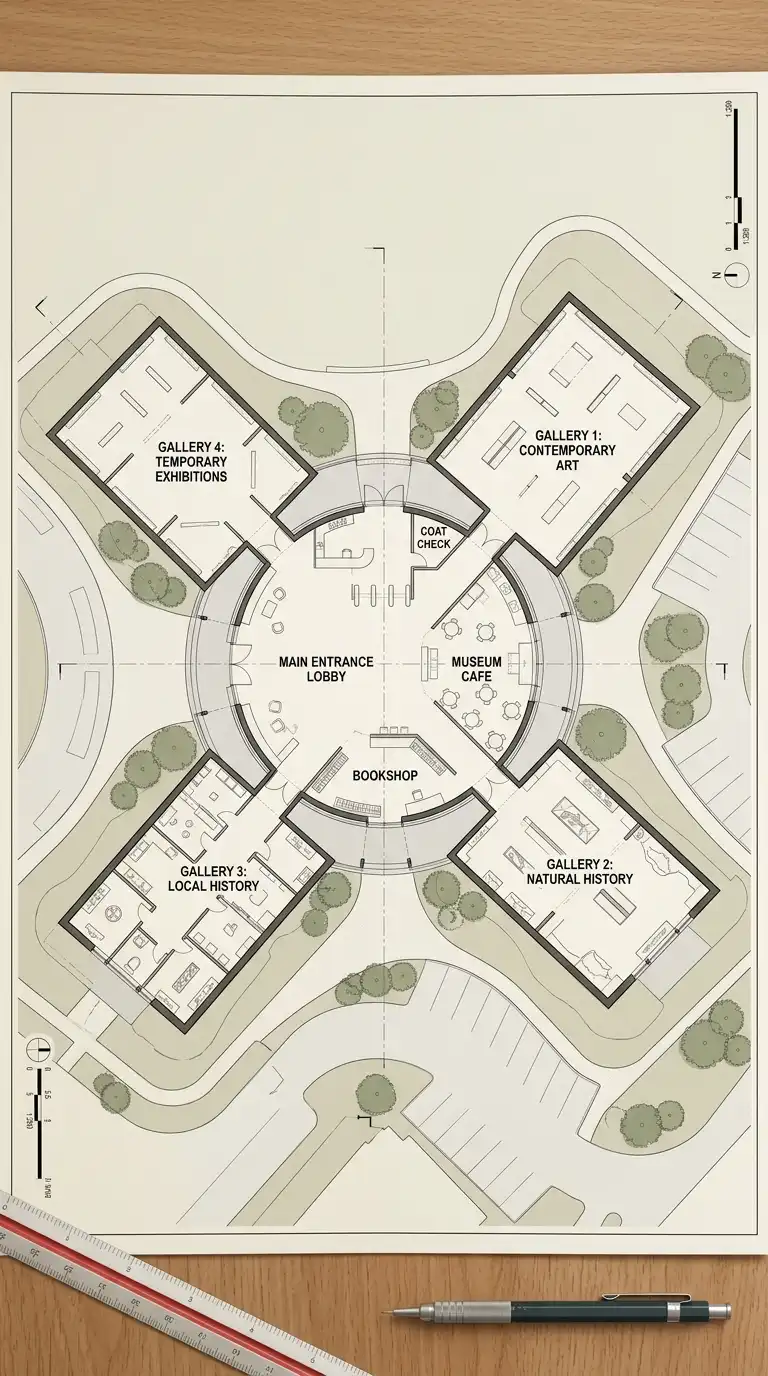
The pinwheel museum has galleries radiating from a central hub like the blades of a pinwheel. Each gallery is a separate wing. The central hub contains the lobby, cafe, and bookshop. The visitor chooses which wing to visit. The pinwheel allows for multiple independent exhibitions.
This design is ideal for museums with changing exhibitions. The emotional effect is radial, flexible, and visitor-directed.
Quick Tips
- The hub should contain lobby, cafe, and bookshop.
- Each wing should be a separate gallery.
- Wings should be rotated 30-45 degrees from each other.
5. The Courtyard Museum
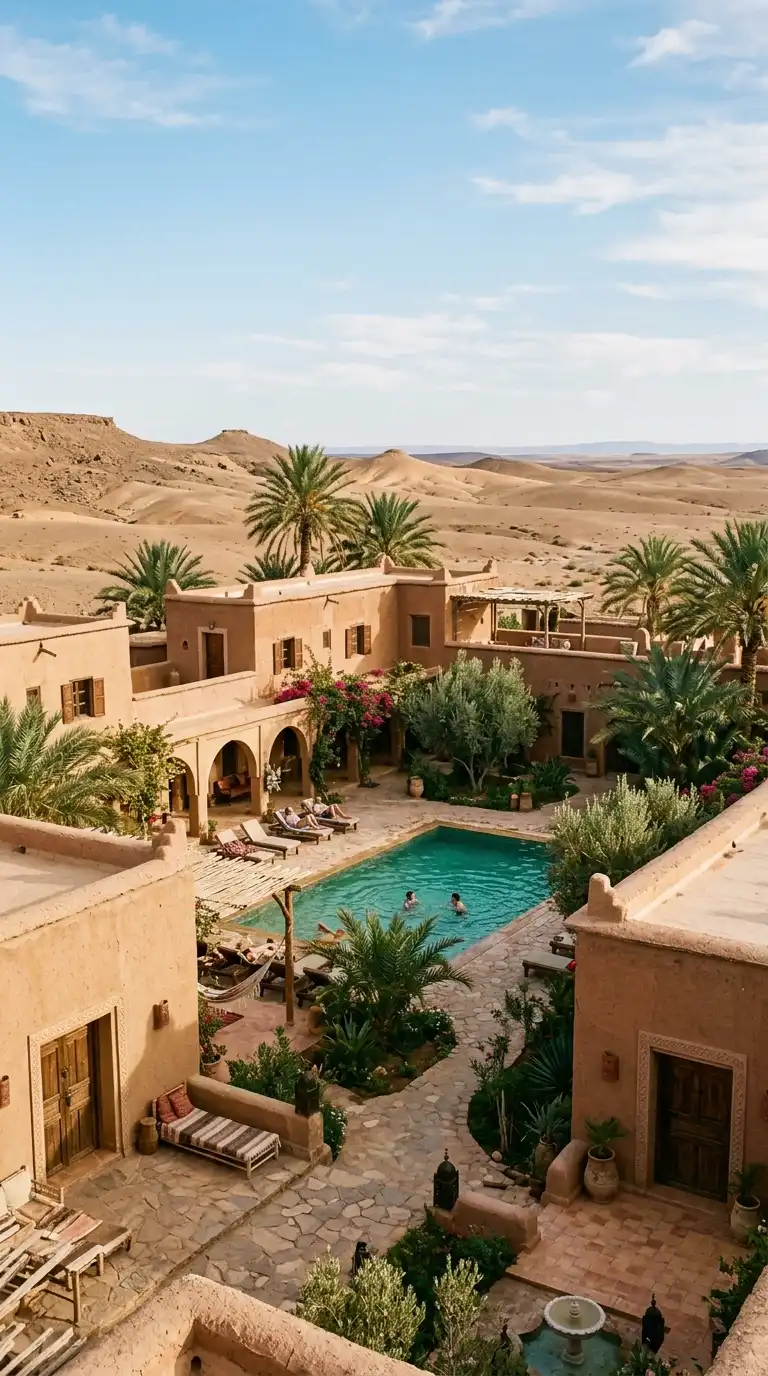
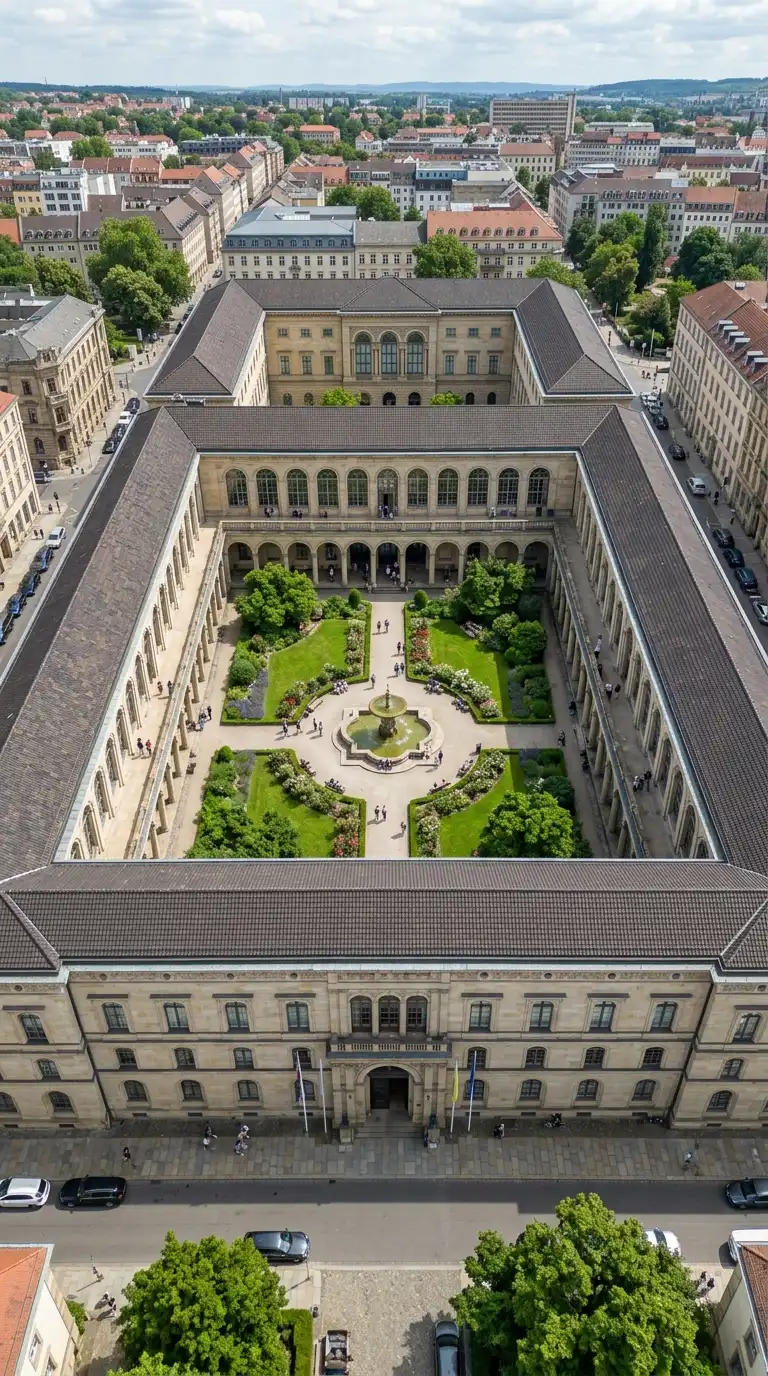
The courtyard museum wraps galleries around a central outdoor courtyard. The courtyard provides light, air, and a place to rest. The courtyard is a garden, a sculpture court, or a cafe terrace. Galleries have windows facing the courtyard.
This design is ideal for art museums and museums in warm climates. The emotional effect is calm, inward-focused, and garden-like.
Quick Tips
- The courtyard should be at least 10×10 metres to feel generous.
- Galleries should have windows facing the courtyard.
- The courtyard should have seating and shade.
6. The Loft Museum
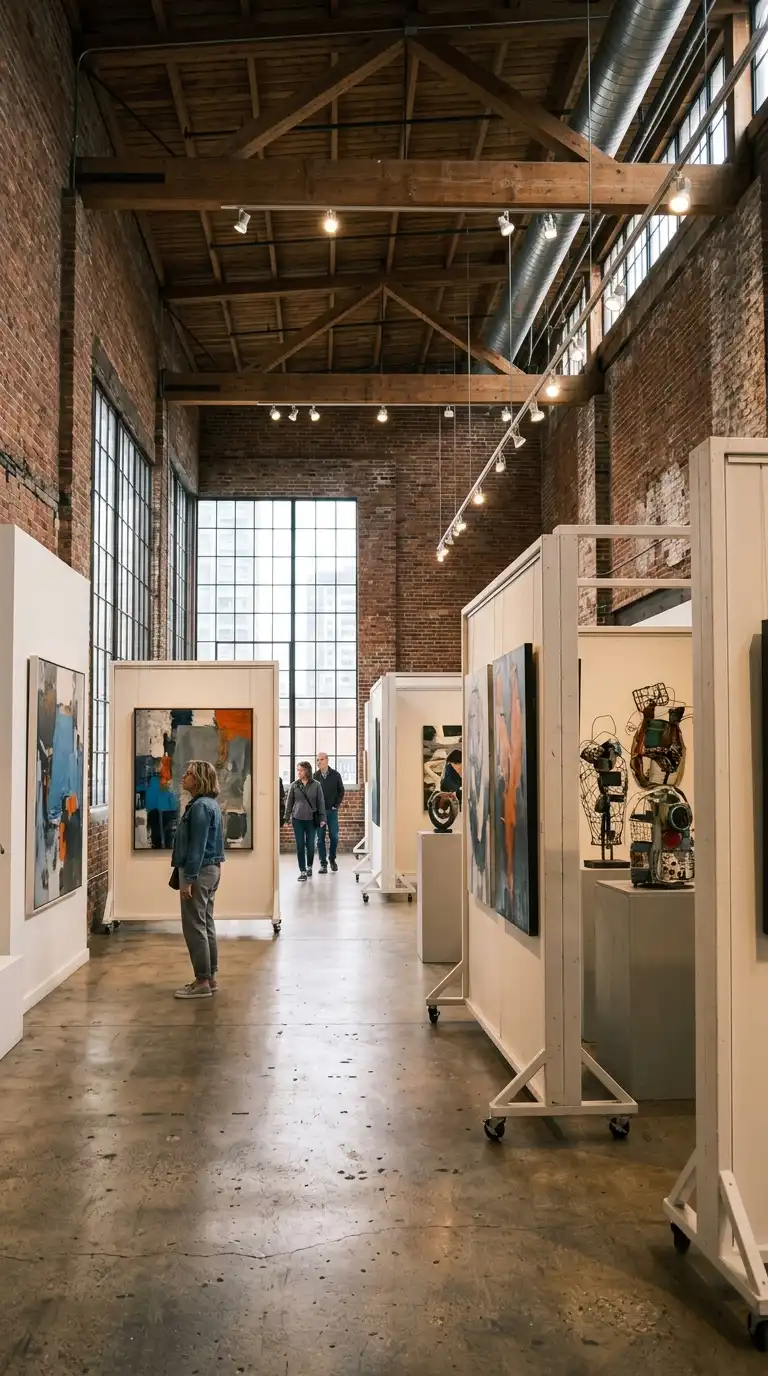
The loft museum is located in a converted industrial building — a warehouse, a factory, a power station. The spaces are open and flexible, with high ceilings, large windows, and exposed structure. The industrial character is preserved and celebrated.
This design is ideal for contemporary art museums. The emotional effect is industrial, flexible, and raw.
Quick Tips
- Preserve original windows, columns, beams, and brick walls.
- Keep the ceiling high and exposed.
- Use movable partitions for flexibility.
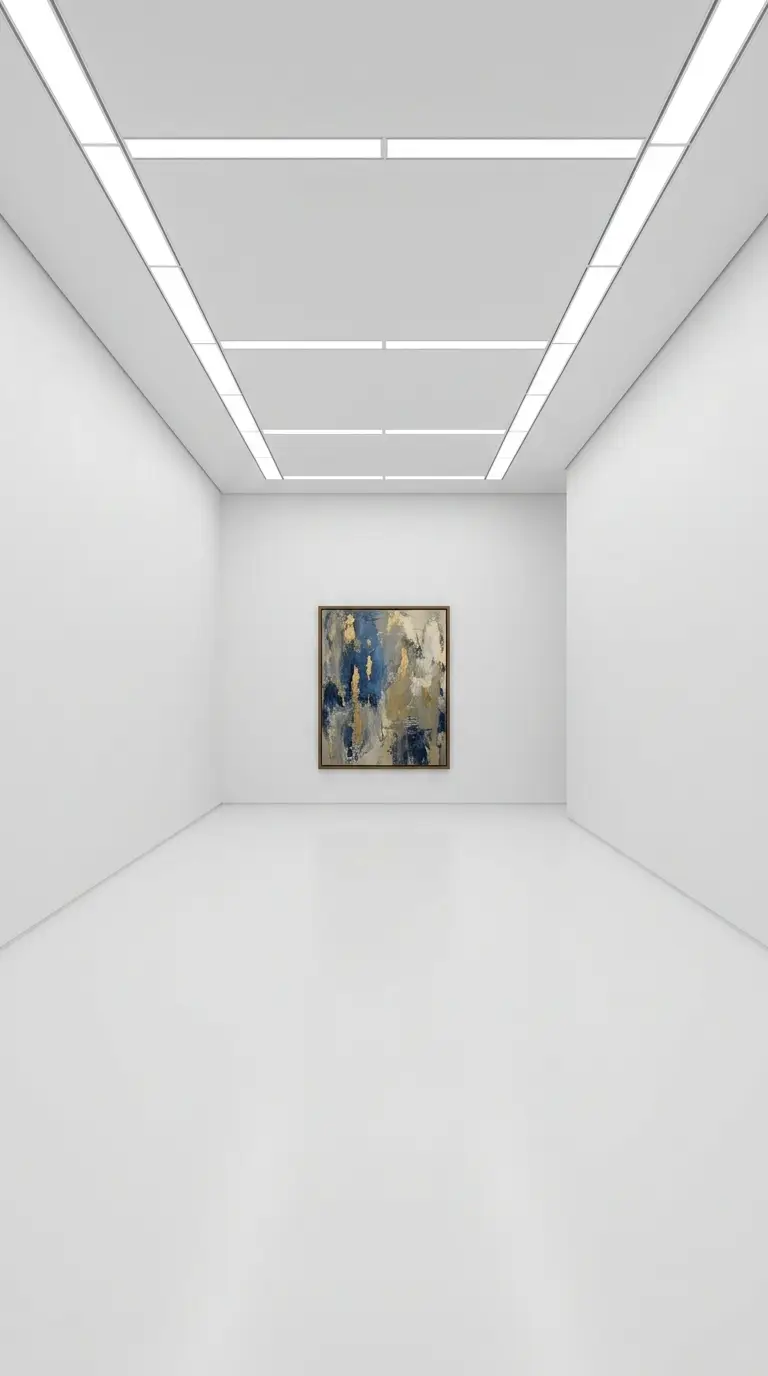
7. The White Cube Gallery
The white cube gallery is a neutral, undifferentiated space for displaying art. The walls are white. The floor is white or grey. The ceiling is high. Light is even and diffuse. The white cube is designed to disappear, leaving only the art.
This design is ideal for contemporary art museums. The emotional effect is neutral, calm, and art-focused.
Quick Tips
- Walls, ceiling, and floor should be white or light grey.
- Light should be even and diffuse — no dramatic shadows.
- The space should be a simple rectangle — no columns, no bays.
8. The Top-Lit Gallery
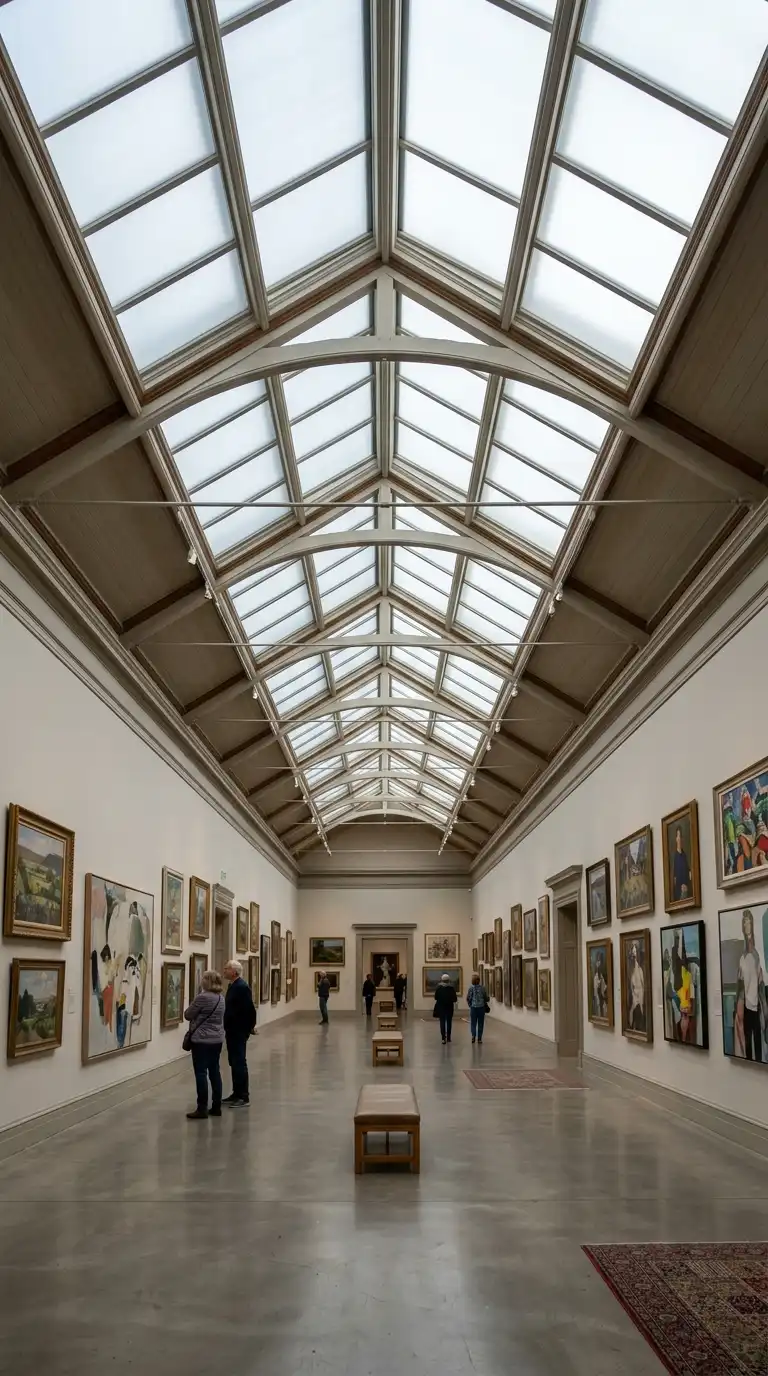
The top-lit gallery has light entering from above, not from the sides. The roof has skylights, sawtooth monitors, or clerestories. The light is even and shadowless. The walls are free for art. The top-lit gallery is ideal for painting and drawing.
This design is ideal for art museums. The emotional effect is even, shadowless, and luminous.
Quick Tips
- North-facing skylights provide the most even light.
- Sawtooth roofs are ideal for large galleries.
- The light should be diffuse, not direct.
9. The Outdoor Museum
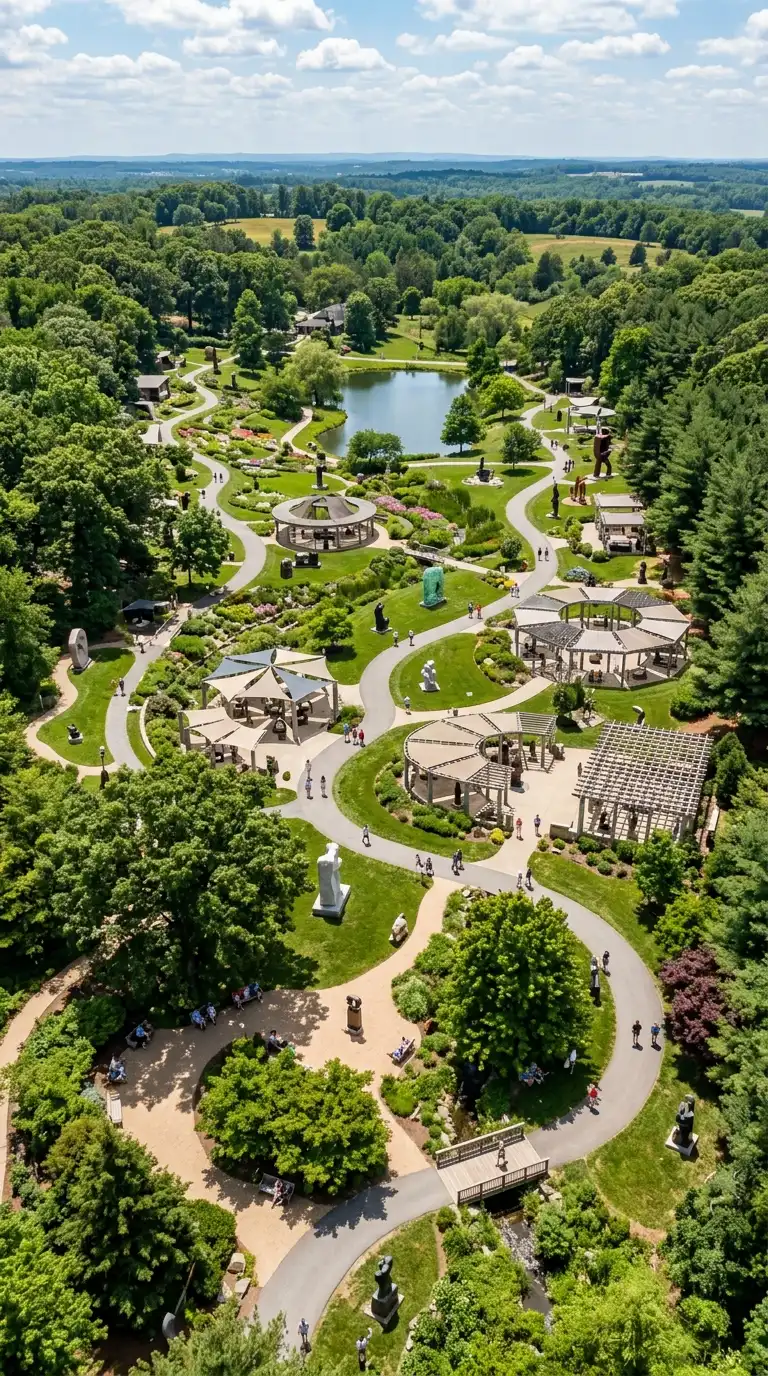
The outdoor museum is a landscape of buildings, ruins, or sculptures. The museum has no roof. The visitor walks from building to building, ruin to ruin. The outdoor museum is ideal for sculpture, architecture, and archaeology.
This design is ideal for sculpture parks and archaeological sites. The emotional effect is landscape, open-air, and wandering.
Quick Tips
- The site should be large enough for walking.
- Paths should connect the exhibits.
- Shade and seating should be provided.
10. The Immersive Museum
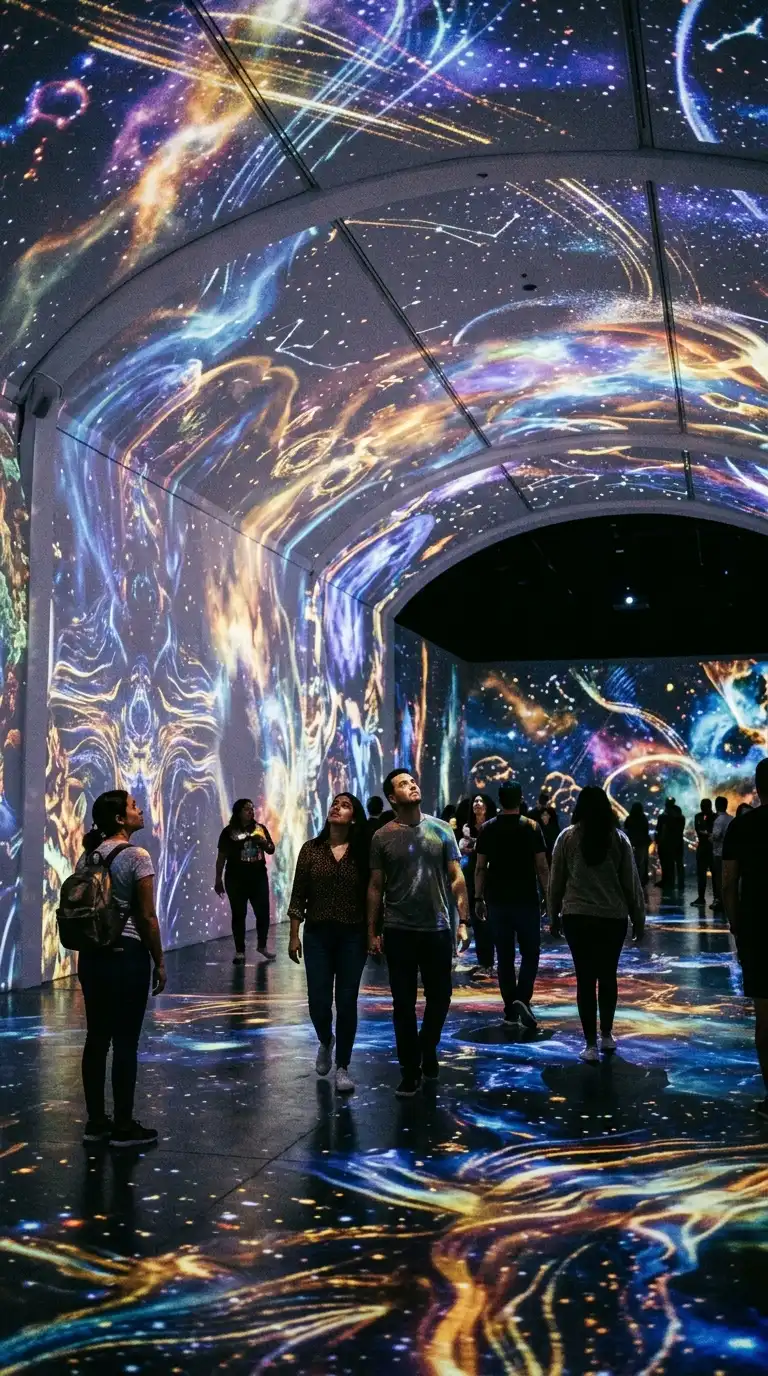
The immersive museum surrounds the visitor with images, sound, and light. The walls, ceiling, and floor are projection surfaces. The visitor is inside the artwork. The immersive museum is ideal for digital art and experiential exhibitions.
This design is ideal for digital art museums and experiential centres. The emotional effect is immersive, surround, and overwhelming.
Quick Tips
- All surfaces should be projection-ready (white, seamless).
- Sound should be directional or surround.
- The space should be dark when projections are off.
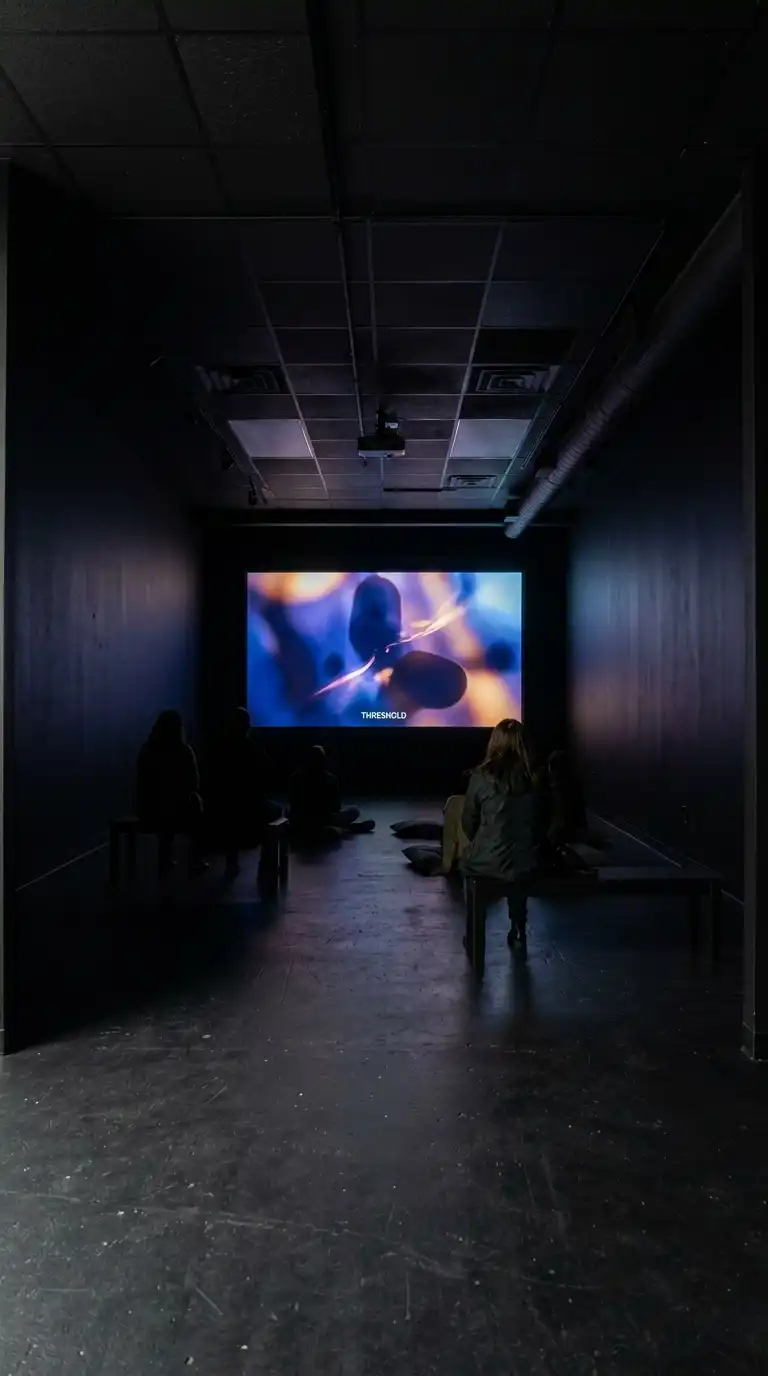
11. The Black Box Gallery
The black box gallery is a dark, neutral space for displaying light-based art — video, film, projections, neon. The walls, ceiling, and floor are black. Light is controlled. The black box is the opposite of the white cube.
This design is ideal for media art museums. The emotional effect is dark, controlled, and focused.
Quick Tips
- Walls, ceiling, and floor should be matte black.
- Light must be completely controllable.
- Sound isolation is essential.
12. The Labyrinth Museum
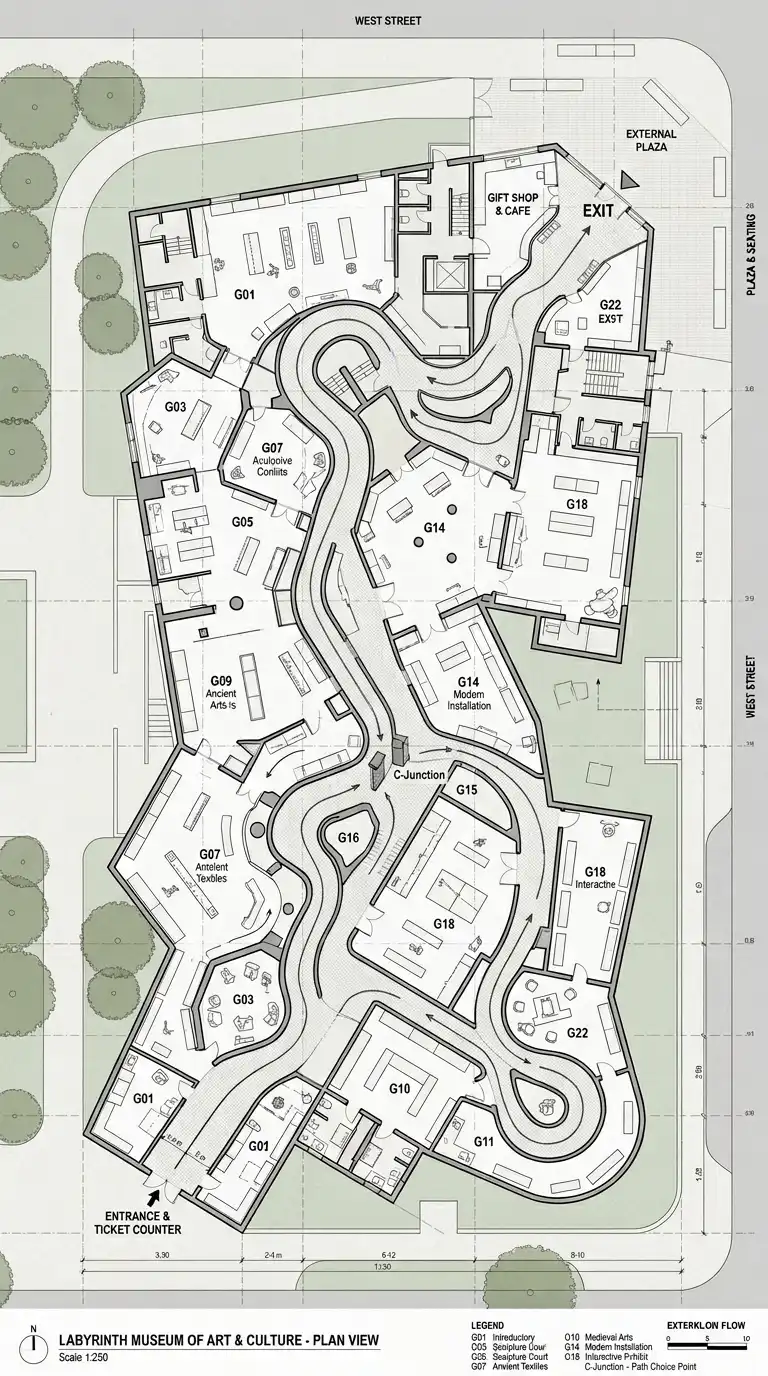
The labyrinth museum has a complex, winding path through the galleries. The visitor never sees the whole plan. The path turns, narrows, widens, and surprises. The labyrinth is ideal for immersive, experiential exhibitions.
This design is ideal for children’s museums and experiential art. The emotional effect is winding, surprising, and exploratory.
Quick Tips
- The path should never be straight for more than 15 metres.
- The path should vary in width.
- The exit should be clearly marked.
13. The Open-Plan Museum
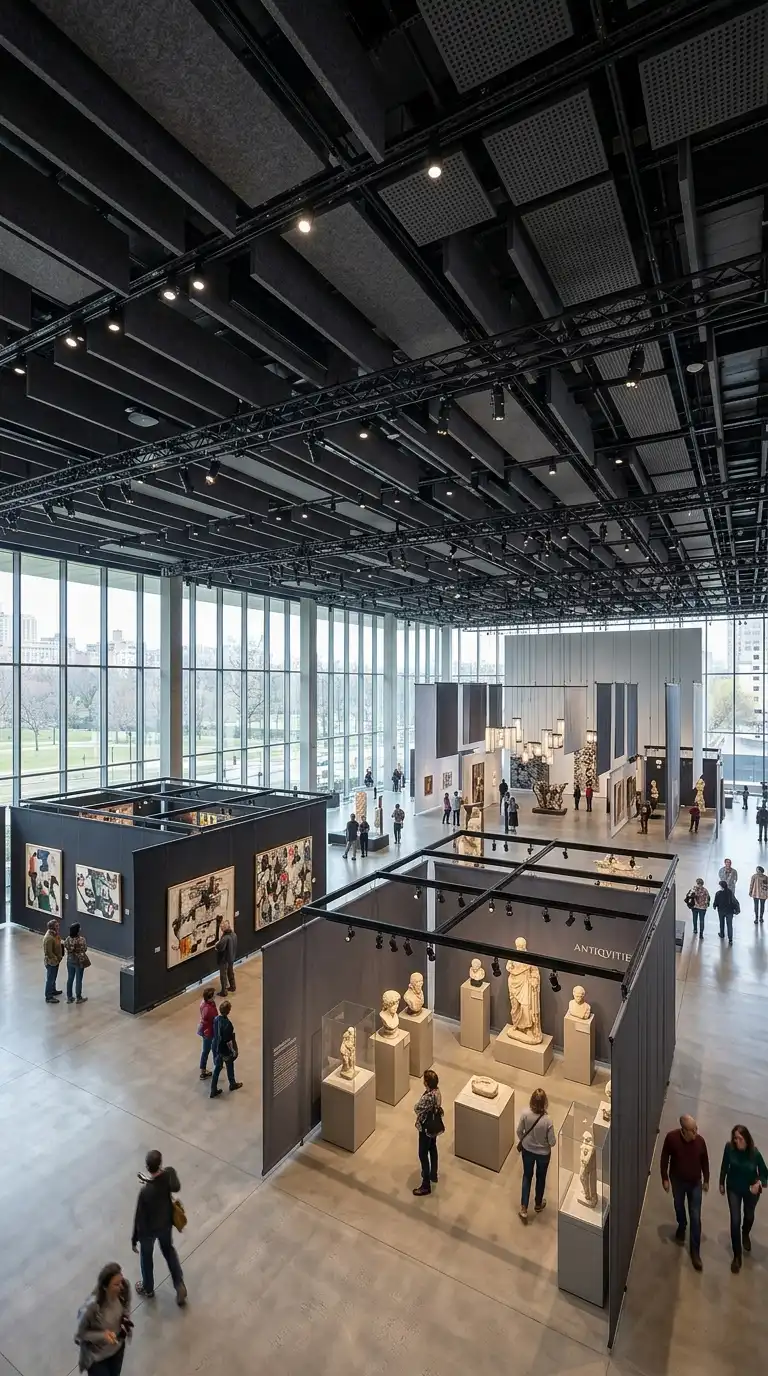
The open-plan museum has no interior walls. The entire museum is a single, flexible space. Galleries are defined by furniture, screens, and lighting, not by walls. The open plan allows for changing exhibitions and flexible curation.
This design is ideal for contemporary art and temporary exhibitions. The emotional effect is open, flexible, and undivided.
Quick Tips
- No interior walls are permitted.
- Galleries must be defined by furniture or lighting.
- Acoustics must be managed with sound-absorbing materials.
14. The Museum on Water
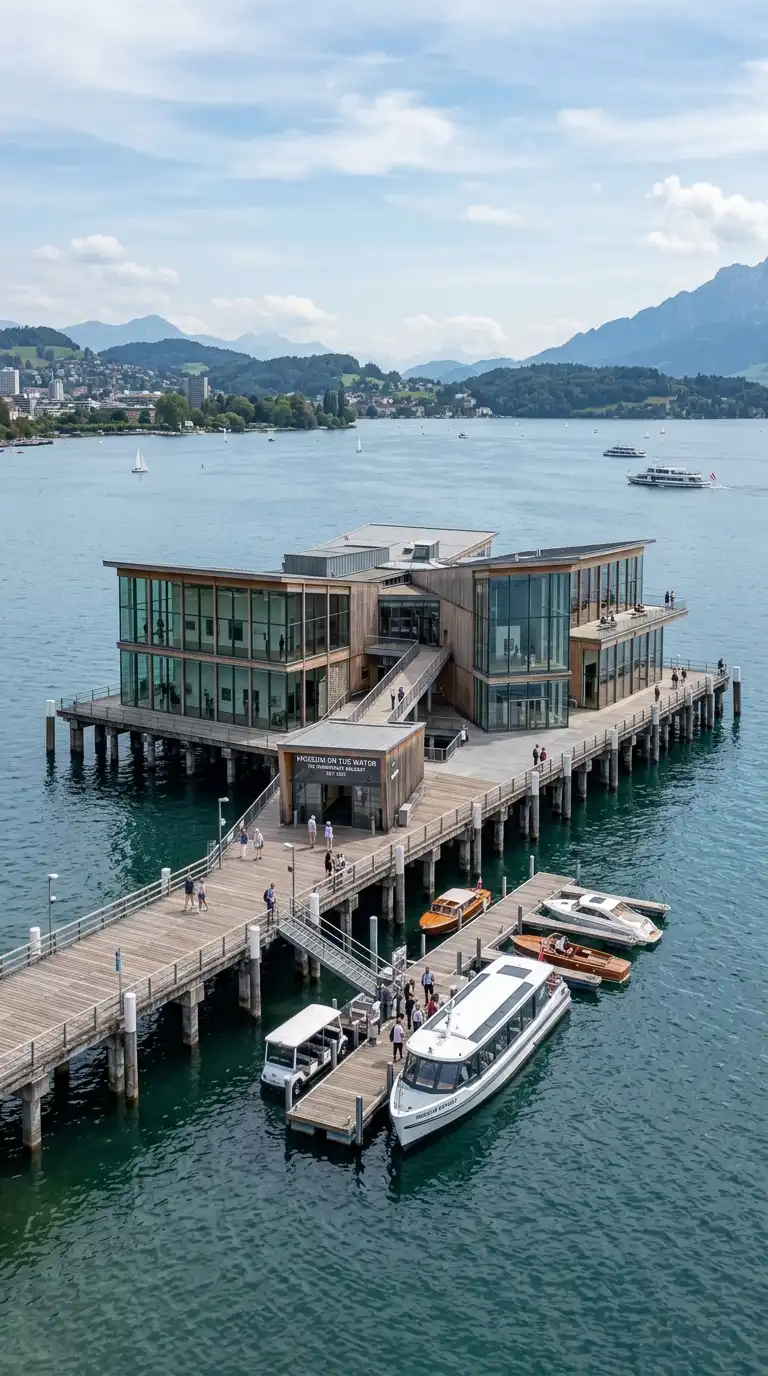
The museum on water is built on a pier, a platform, or a floating structure. The museum has views of the water from every gallery. The water reflects the building. The museum is accessible by land and by boat.
This design is ideal for coastal and riverine sites. The emotional effect is waterfront, reflective, and nautical.
Quick Tips
- The building must be raised above high water.
- Views of the water must be from every gallery.
- Access must be by land and by boat.
Final Thoughts
A museum is not a warehouse. It is a stage. An enfilade guides you on a journey. A spiral lifts you up. A courtyard gives you a garden. A white cube disappears. A black box focuses. A labyrinth surprises. The best museum architecture is not neutral — it is a partner to the art. It shapes how you see, how you move, how you feel. It is not just a building — it is an experience.
These 14 museum designs are not mutually exclusive. A central atrium museum can have top-lit galleries. A pinwheel museum can have a white cube. A museum on water can be a spiral. The best museum architecture draws from multiple types, adapting and combining to fit the art, the site, and the visitor. It is not just a container — it is a collaborator.