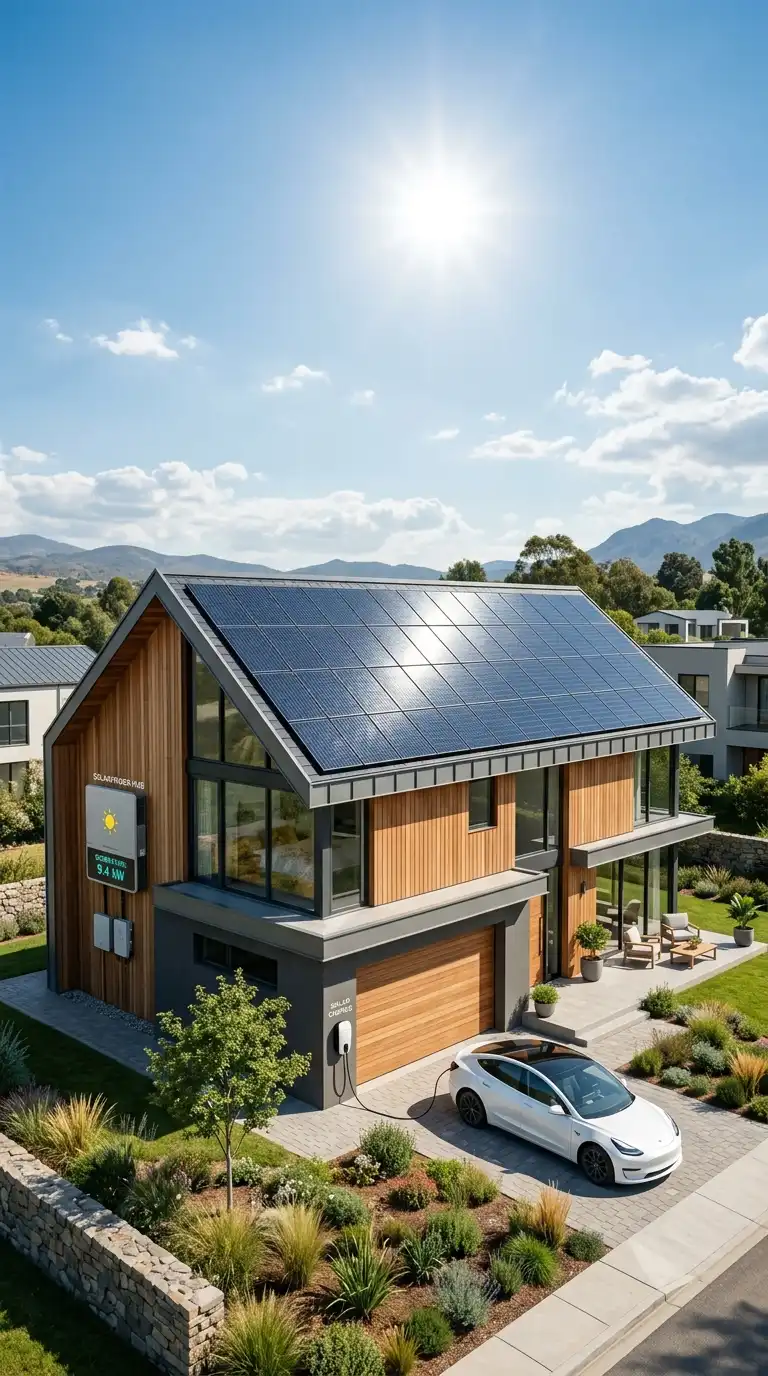
A pavilion is a small, open building in a garden, park, or public space. It is not a house — it has no bedrooms, no kitchen, no bathroom. It is a place for sitting, looking, gathering, or being alone. A pavilion is architecture reduced to its essence: shelter, view, and presence.
These 12 pavilion architecture designs span garden pavilions, exhibition pavilions, and public shelters. Each design includes defining characteristics, spatial principles, and material strategies.
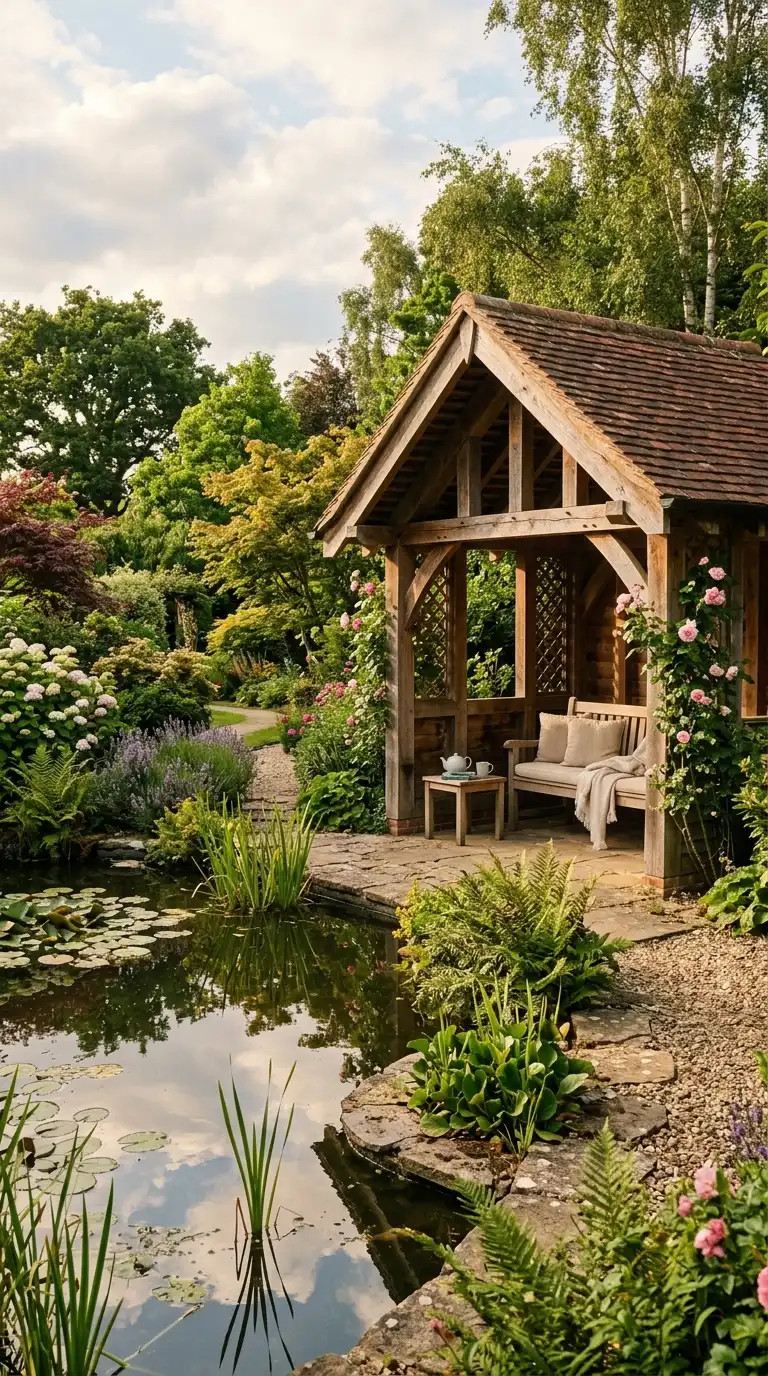
1. The Garden Pavilion
The garden pavilion is a small, open structure in a private garden. It has a roof, a floor, and open sides. It may have a bench or a table. The garden pavilion is a place for tea, reading, or watching the garden. The pavilion frames a view of the garden.
This design is ideal for private gardens and estates. The emotional effect is open, garden-framed, and contemplative.
Quick Tips
- The pavilion must be open on at least three sides.
- The roof should overhang to provide shade.
- The pavilion should face the best view.
2. The Exhibition Pavilion
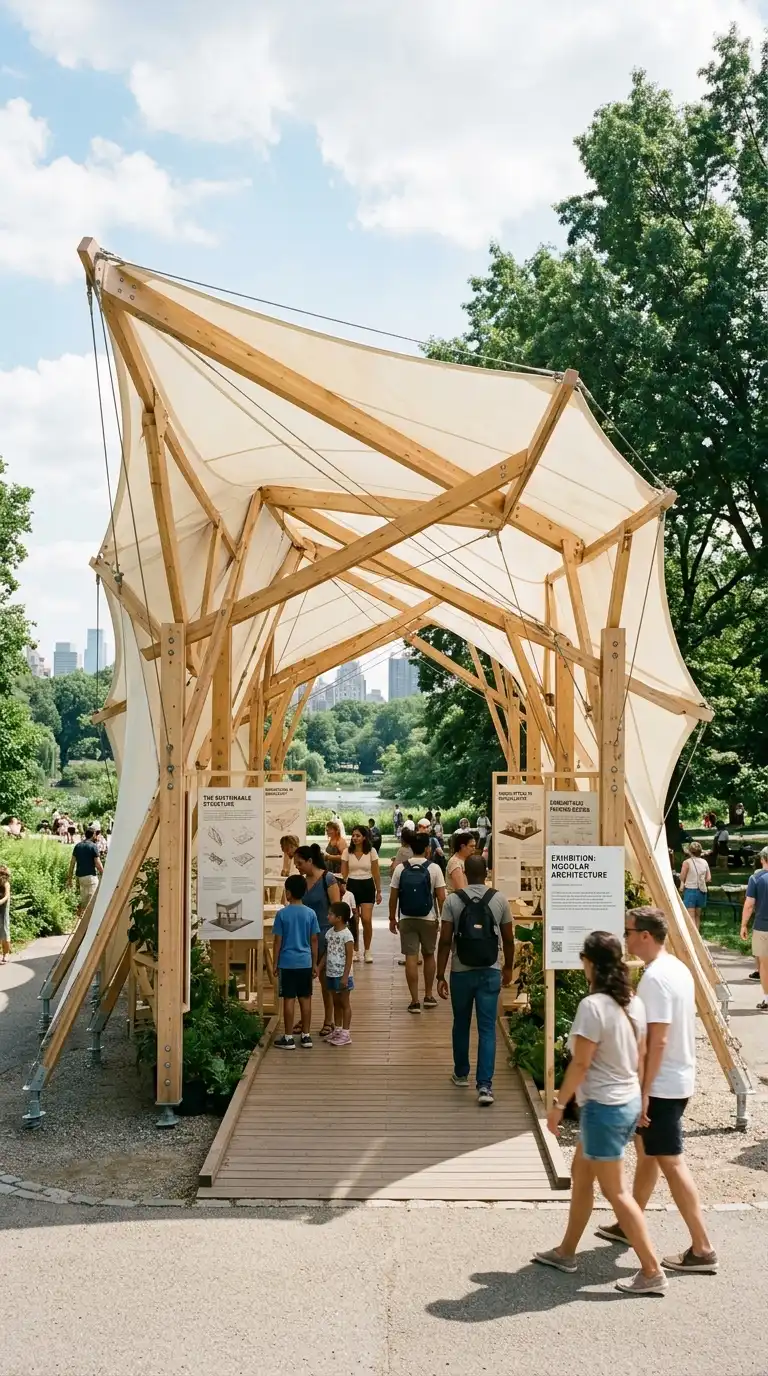
The exhibition pavilion is a temporary structure for an art fair, biennale, or expo. The pavilion is designed to be assembled, disassembled, and moved. The pavilion is often experimental — a showcase for new materials, structures, or ideas.
This design is ideal for art fairs and architectural exhibitions. The emotional effect is temporary, experimental, and surprising.
Quick Tips
- The pavilion must be demountable.
- The structure should be lightweight.
- The design should be innovative.
3. The Viewing Pavilion
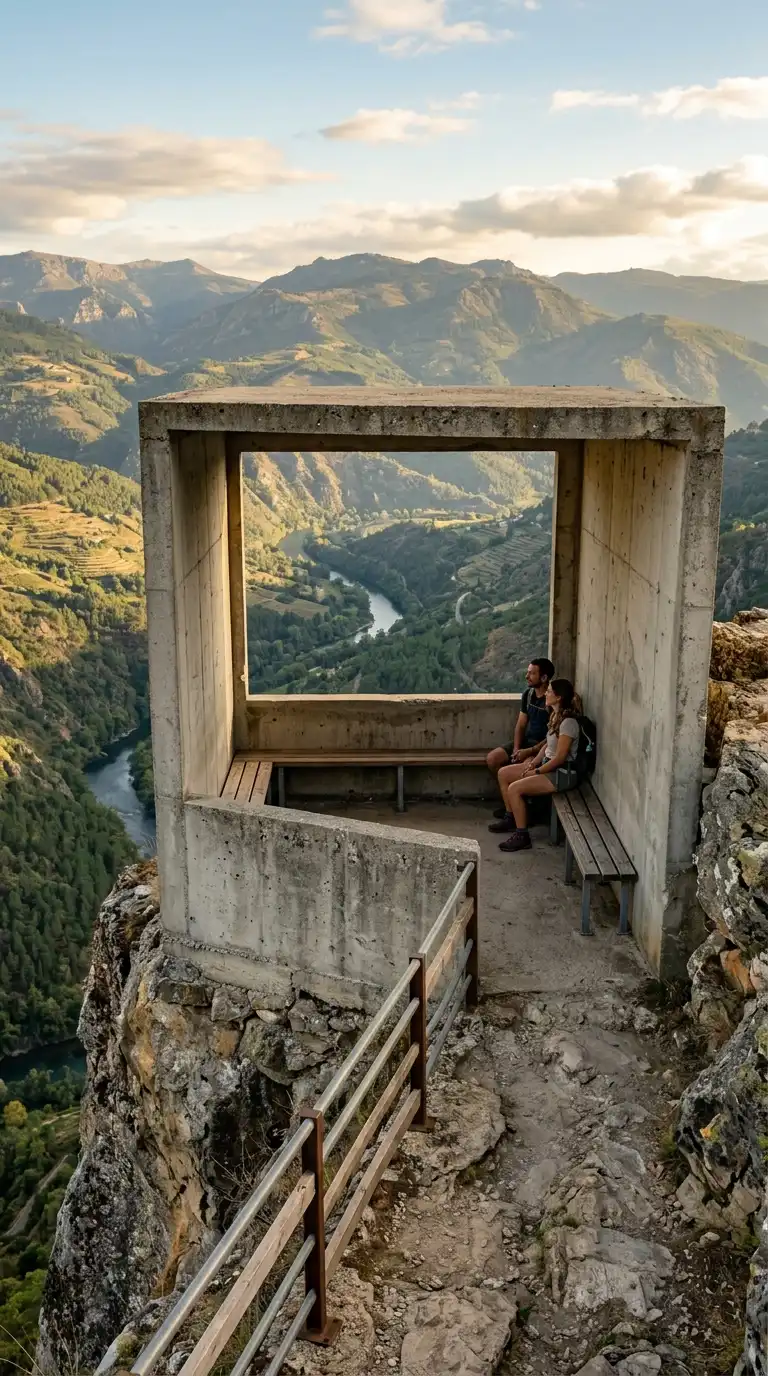
The viewing pavilion is placed at a scenic overlook — a cliff, a mountain, a lake. The pavilion frames the view. The pavilion may have a bench, a railing, or just an opening. The pavilion is a destination for hikers and tourists.
This design is ideal for parks, trails, and scenic roads. The emotional effect is framed, panoramic, and destination.
Quick Tips
- The pavilion must face the view.
- The opening should frame the view like a picture.
- A bench or railing should be provided.
4. The Meditation Pavilion
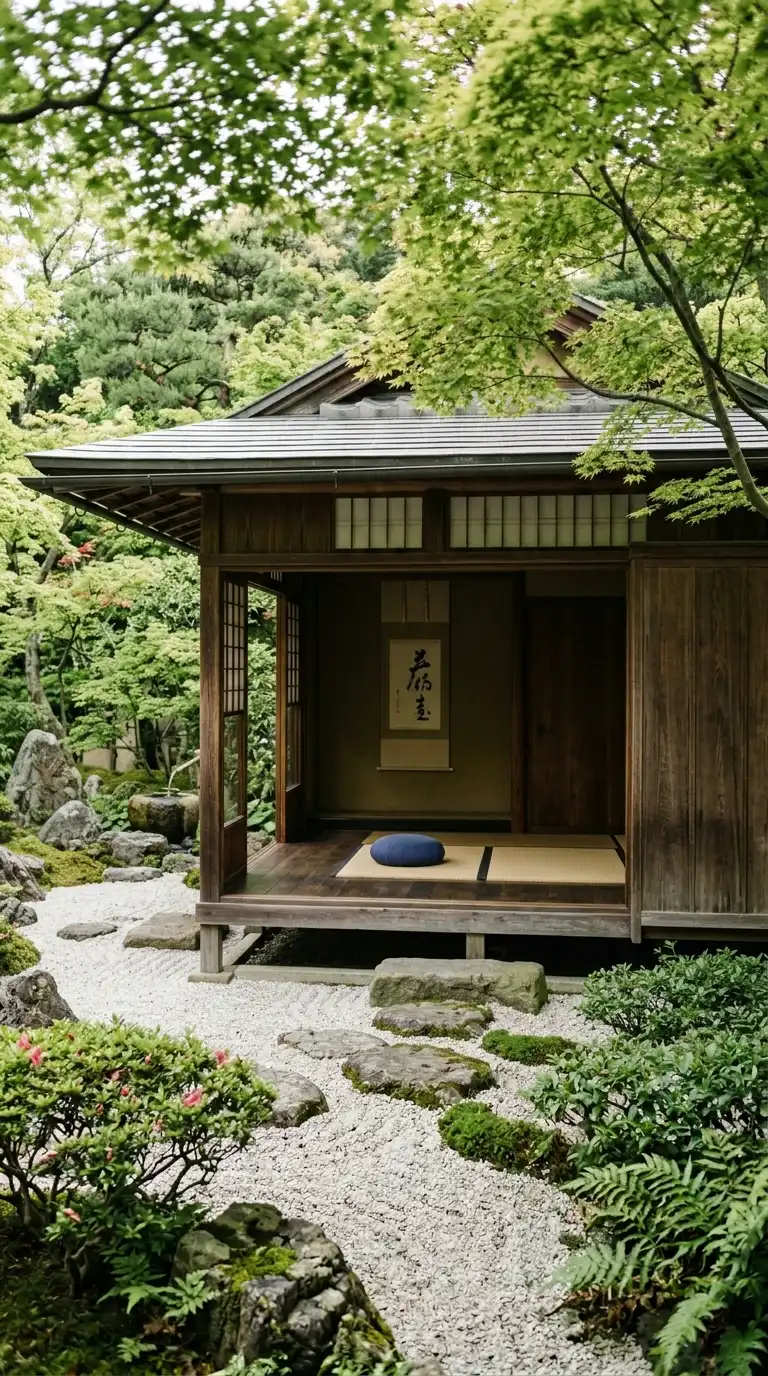
The meditation pavilion is a small, enclosed structure for quiet contemplation. The pavilion is closed on three sides, open on one side. The interior is simple — a wooden floor, a cushion, a view of a garden or a rock. The meditation pavilion is a place for sitting still.
This design is ideal for temples, retreats, and gardens. The emotional effect is quiet, enclosed, and contemplative.
Quick Tips
- The pavilion must be enclosed on three sides.
- The open side should face a garden or rock.
- The interior should be minimal — a floor, a cushion.
5. The Canopy Pavilion
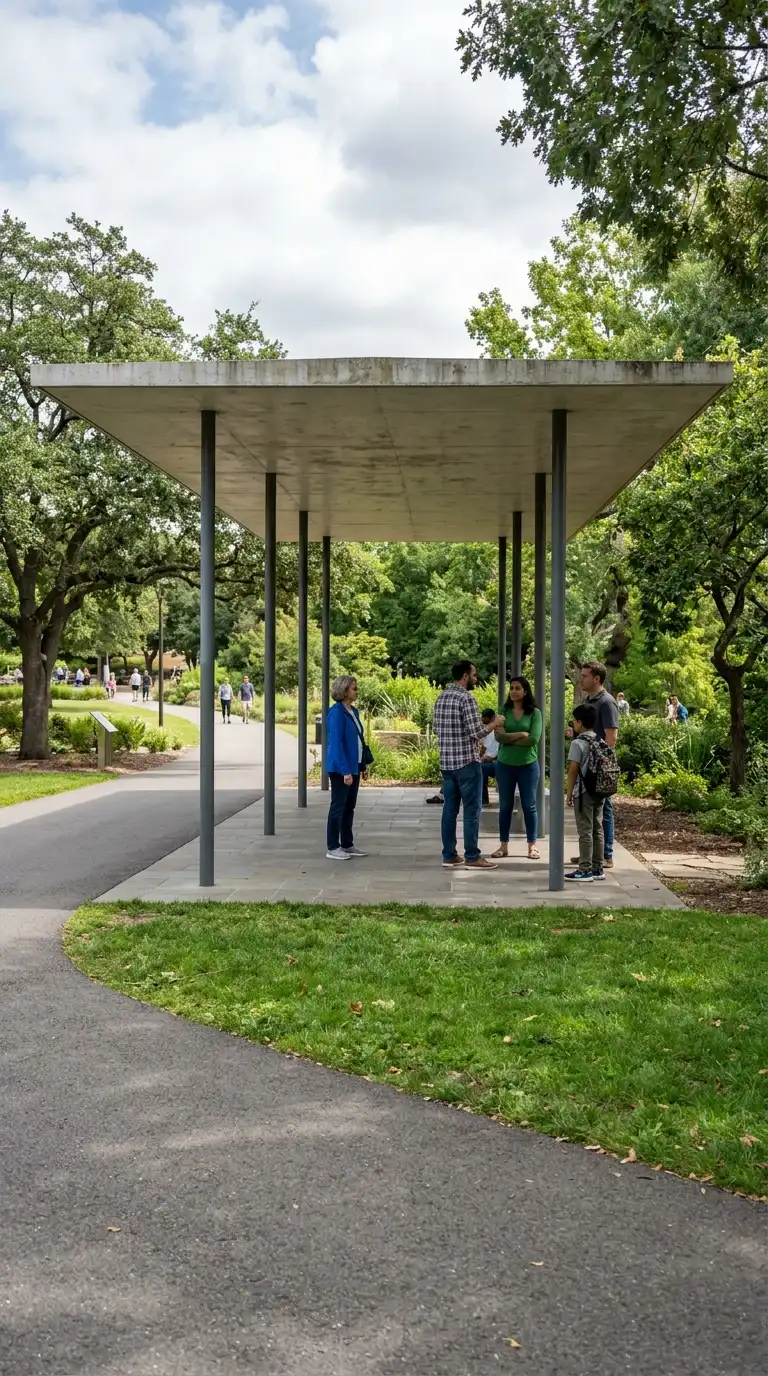
The canopy pavilion is just a roof on columns. No walls, no benches, no floor — just a roof. The canopy provides shade and shelter. The canopy is a place to stand, to wait, to gather.
This design is ideal for bus stops, market stalls, and park shelters. The emotional effect is shaded, open, and minimal.
Quick Tips
- The roof must be large enough to shelter people.
- The columns must be slender.
- The roof should overhang the columns.
6. The Gridshell Pavilion
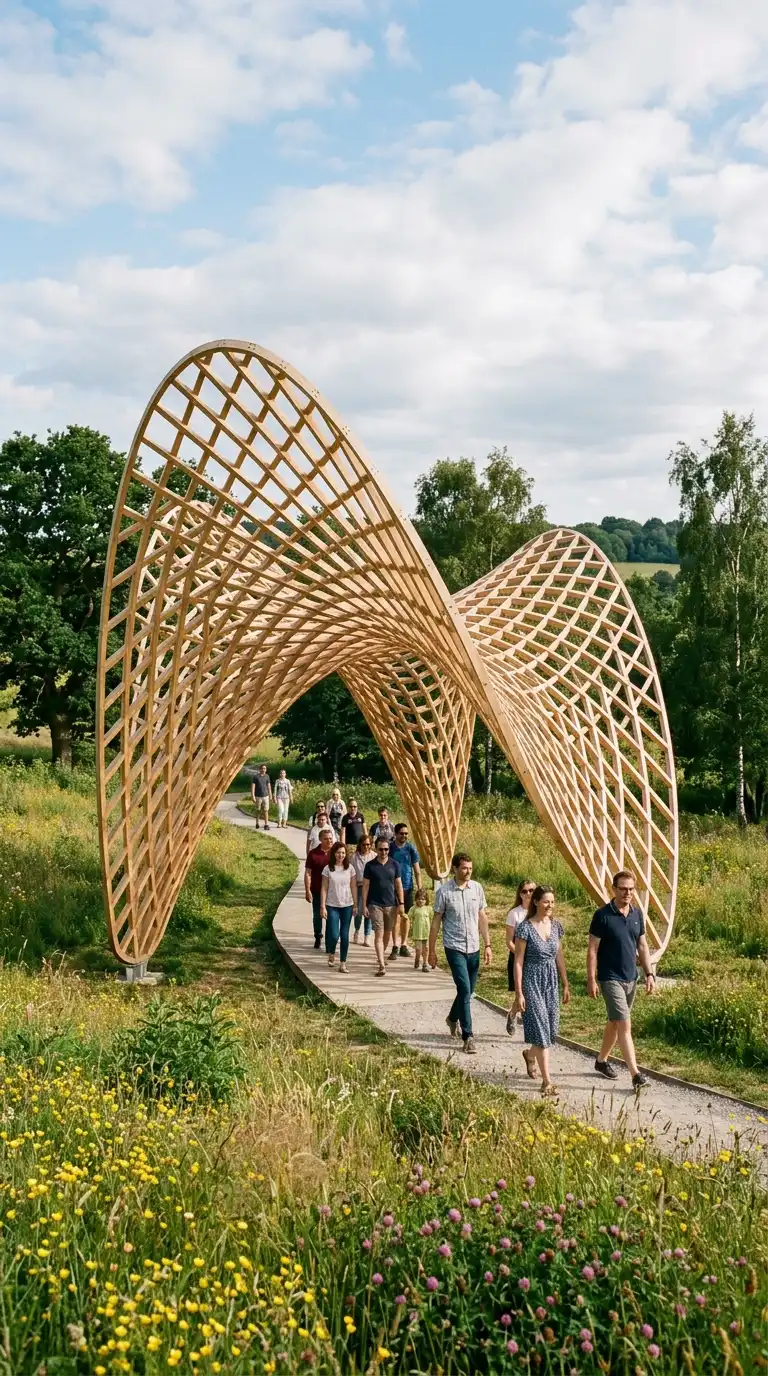
The gridshell pavilion is a lightweight structure made of a grid of timber or steel laths. The grid is bent into a double-curved shell. The gridshell is strong, light, and beautiful. The gridshell is a showcase for structural innovation.
This design is ideal for temporary exhibitions and park pavilions. The emotional effect is curved, lightweight, and structural.
Quick Tips
- The grid must be a regular pattern.
- The shell must be double-curved.
- The structure must be visible.
7. The Tensegrity Pavilion
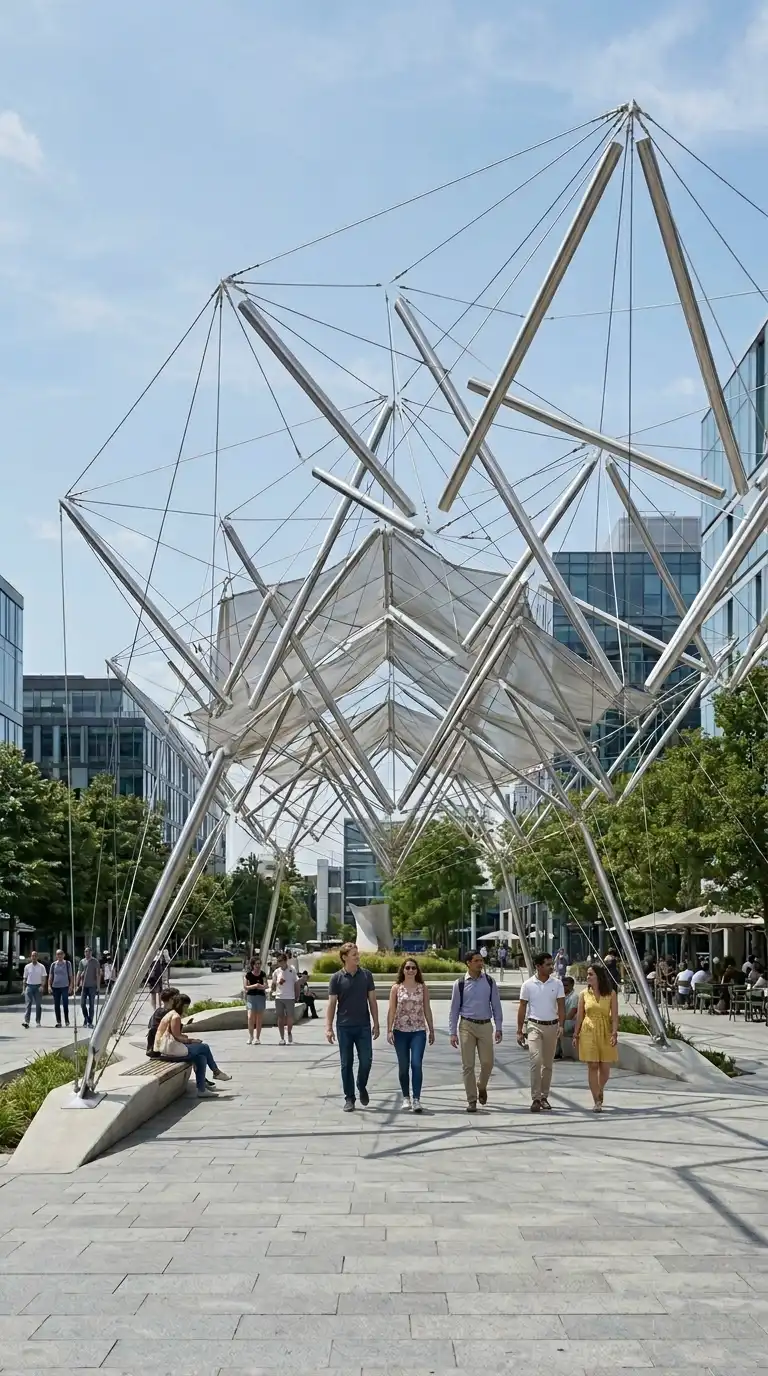
The tensegrity pavilion is a structure of compression members (struts) and tension members (cables). The struts float in space, held by the cables. The tensegrity pavilion is a showcase for structural magic.
This design is ideal for experimental pavilions and sculpture parks. The emotional effect is floating, tense, and magical.
Quick Tips
- Compression members (struts) must not touch each other.
- Tension members (cables) must hold the struts in place.
- The structure must appear to float.
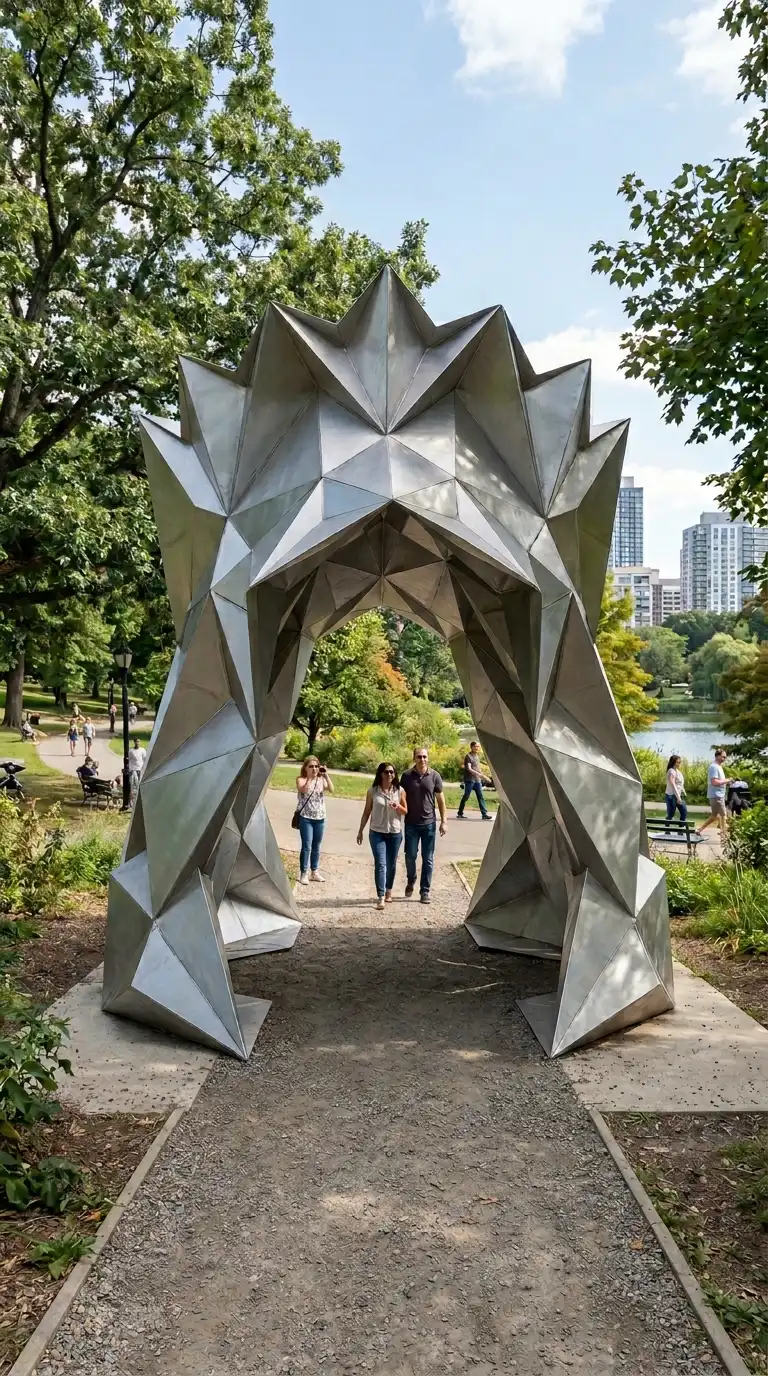
8. The Origami Pavilion
The origami pavilion is made of folded flat sheets. The sheets are folded into a three-dimensional form. No cutting, no welding — just folding. The origami pavilion is a showcase for folding techniques.
This design is ideal for temporary exhibitions and art installations. The emotional effect is folded, faceted, and paper-like.
Quick Tips
- The pavilion must be made of flat sheets.
- The sheets must be folded, not cut.
- The folds must create a self-supporting structure.
9. The Bamboo Pavilion
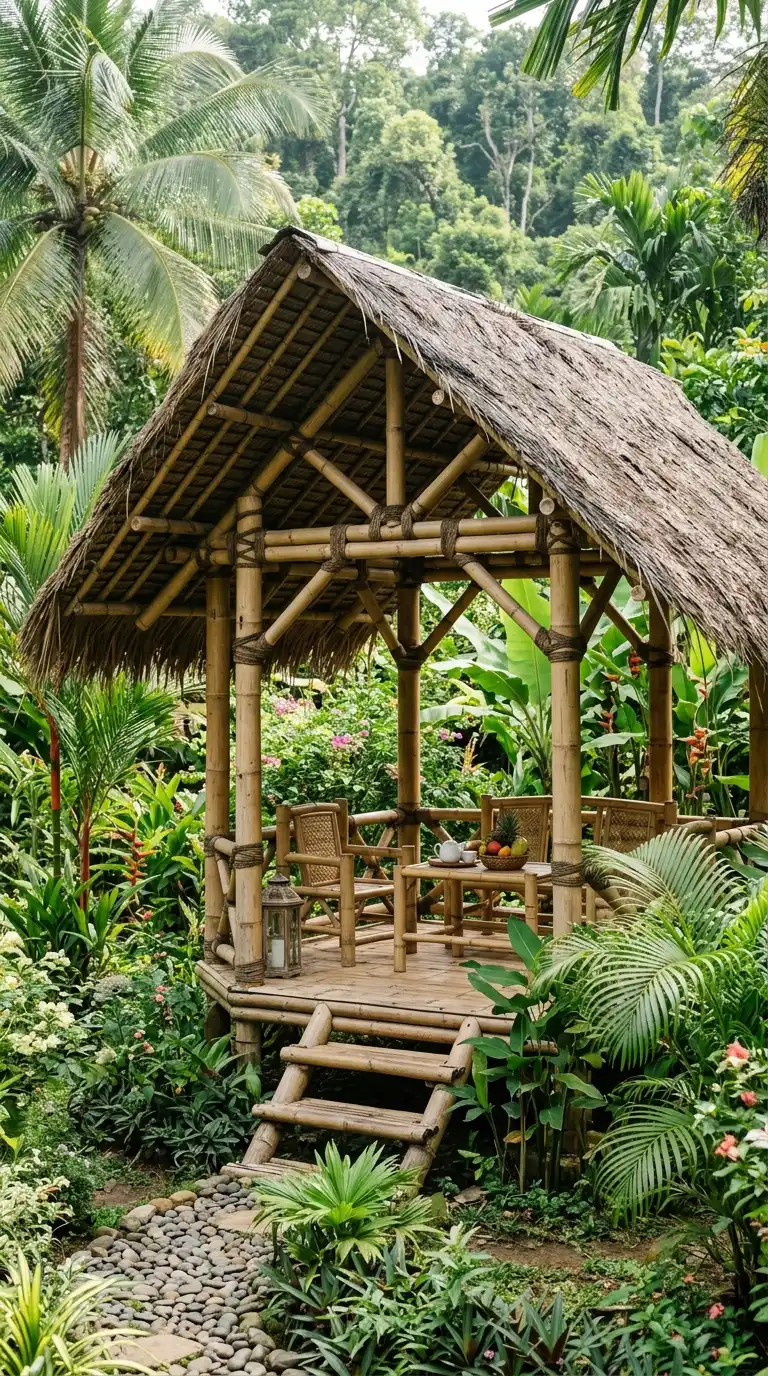
The bamboo pavilion is made of bamboo poles lashed together. Bamboo is strong, lightweight, and rapidly renewable. The bamboo pavilion is a showcase for natural materials and traditional joinery.
This design is ideal for tropical climates and eco-tourism sites. The emotional effect is natural, handcrafted, and tropical.
Quick Tips
- Use mature bamboo (3-5 years old) for strength.
- Lash joints with rope or rattan — no metal.
- Protect bamboo from rain with a roof overhang.
10. The Mirror Pavilion
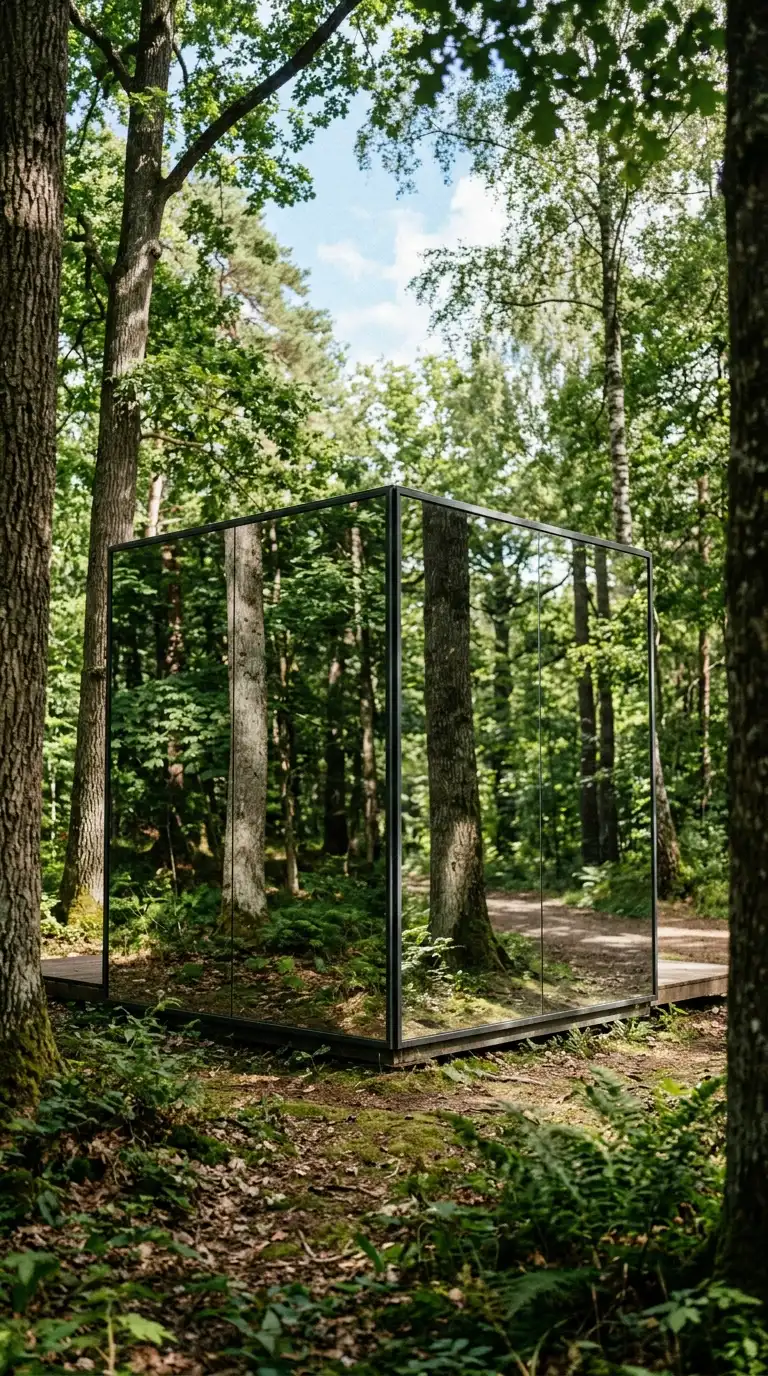
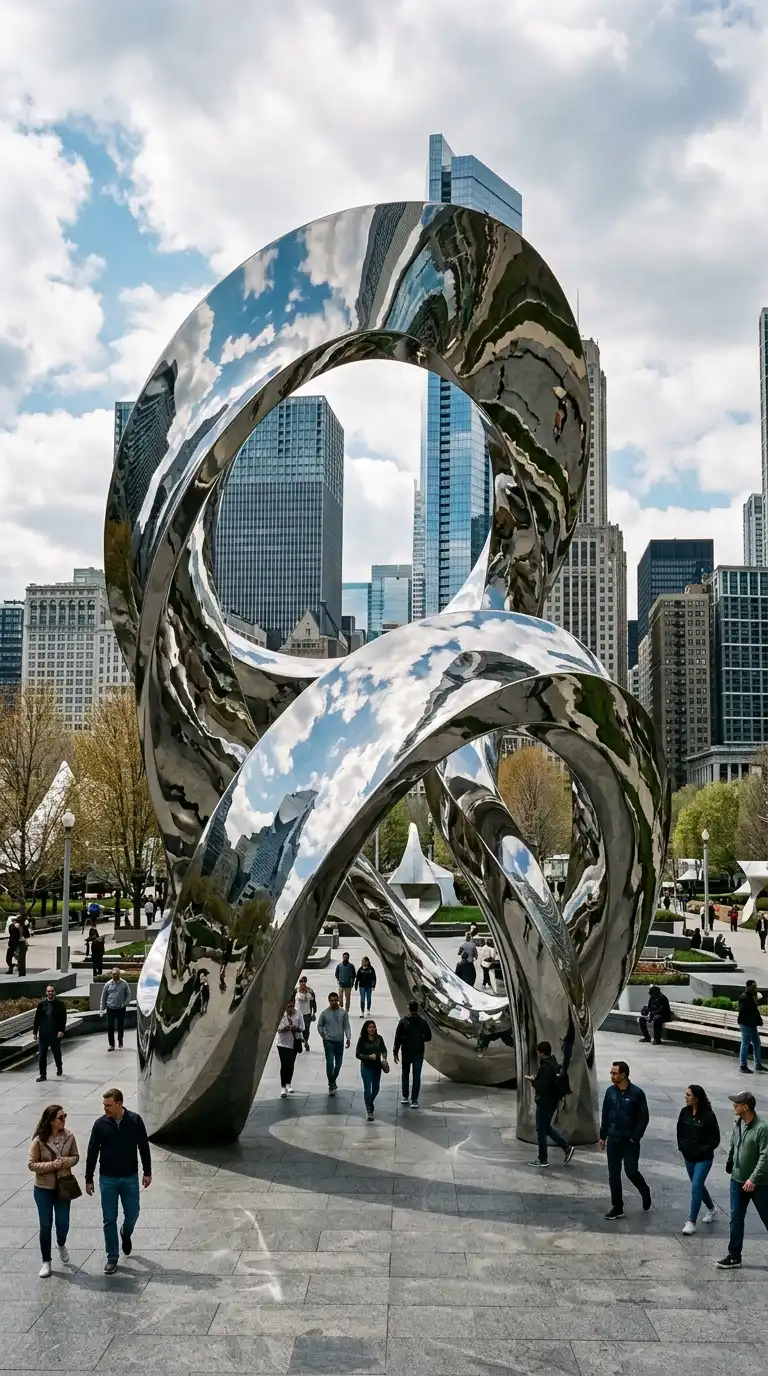
The mirror pavilion is covered in mirrored glass or polished metal. The pavilion reflects its surroundings — the sky, the trees, the grass. The pavilion disappears into the landscape. Only the outline reveals its presence.
This design is ideal for parks and natural settings. The emotional effect is reflective, disappearing, and magical.
Quick Tips
- The cladding must be highly reflective.
- The form should be simple — complex forms are easier to see.
- The pavilion should be sited where the reflection is interesting.
11. The Inflatable Pavilion
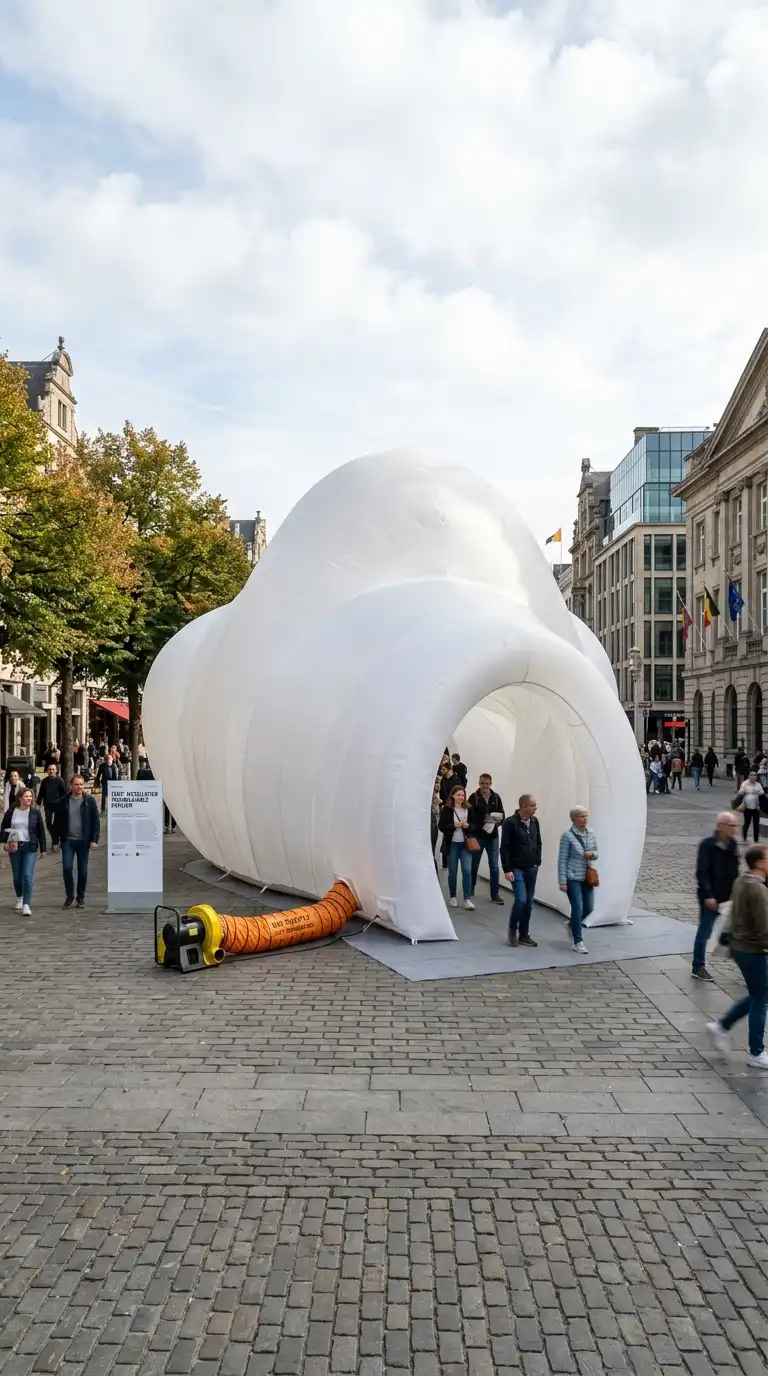
The inflatable pavilion is made of airtight fabric inflated with air. The pavilion is lightweight, portable, and quick to erect. The inflatable pavilion is a showcase for pneumatic structures.
This design is ideal for temporary events and travelling exhibitions. The emotional effect is inflated, lightweight, and temporary.
Quick Tips
- The fabric must be airtight.
- A constant air supply is needed.
- The form must be a single continuous surface.
12. The Pavilion as Sculpture
The pavilion as sculpture is a building that is also a work of art. The form is sculptural, not functional. The pavilion has no program — it is just a form to be walked around, through, or under. The pavilion is a destination in itself.
This design is ideal for sculpture parks and public plazas. The emotional effect is sculptural, monumental, and experiential.
Quick Tips
- The form must be sculptural, not functional.
- The pavilion should be experienced from all sides.
- The material should be durable for outdoor exposure.
Final Thoughts
A pavilion is architecture reduced to its essence. No bedrooms, no kitchens, no bathrooms. Just shelter, view, and presence. A garden pavilion frames a view. An exhibition pavilion showcases innovation. A viewing pavilion stops you in your tracks. A meditation pavilion holds you still. A canopy pavilion shelters you from the sun. A sculptural pavilion is a destination in itself.
These 12 pavilion designs are not mutually exclusive. A gridshell pavilion can be a viewing pavilion. A mirror pavilion can be a sculptural pavilion. A bamboo pavilion can be a meditation pavilion. The best pavilions are not the most functional — they are the most poetic. They do not do much. They just are. And that is enough.