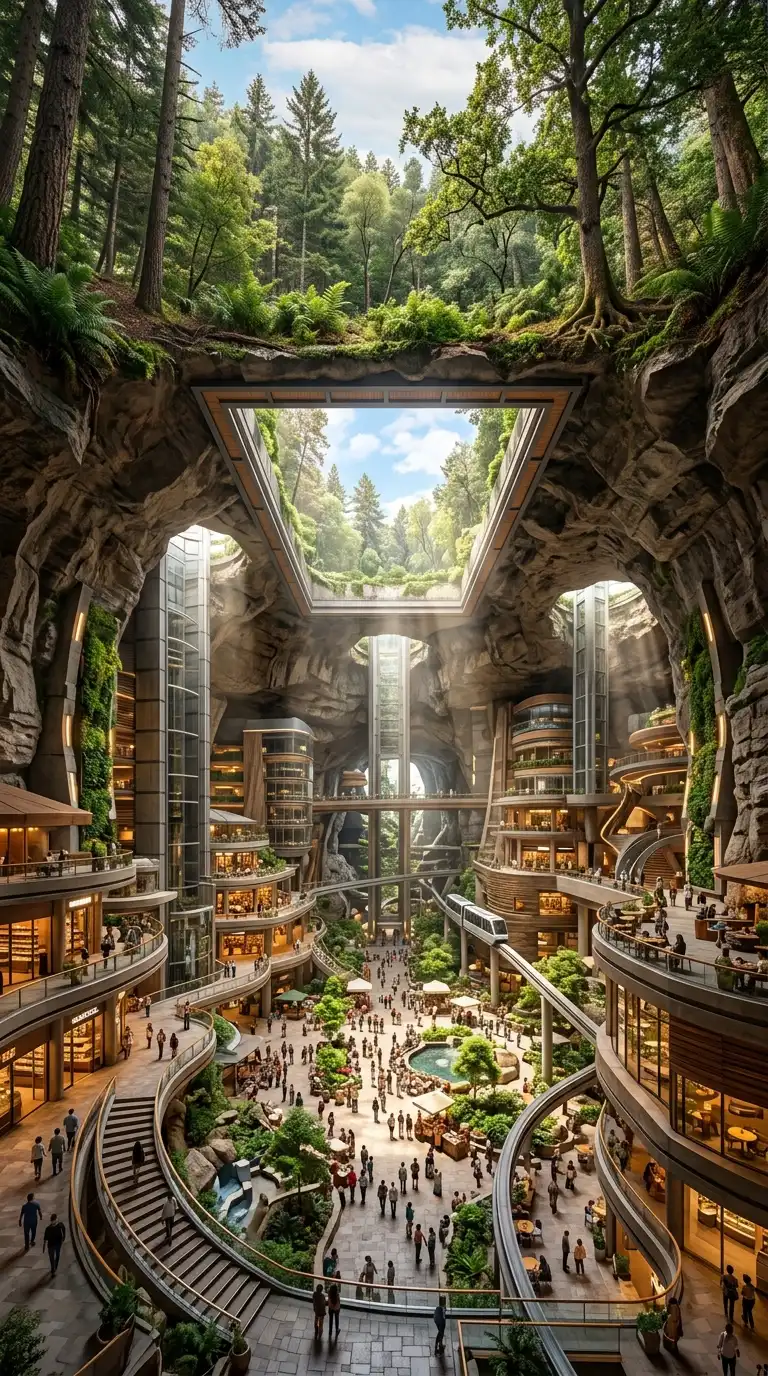
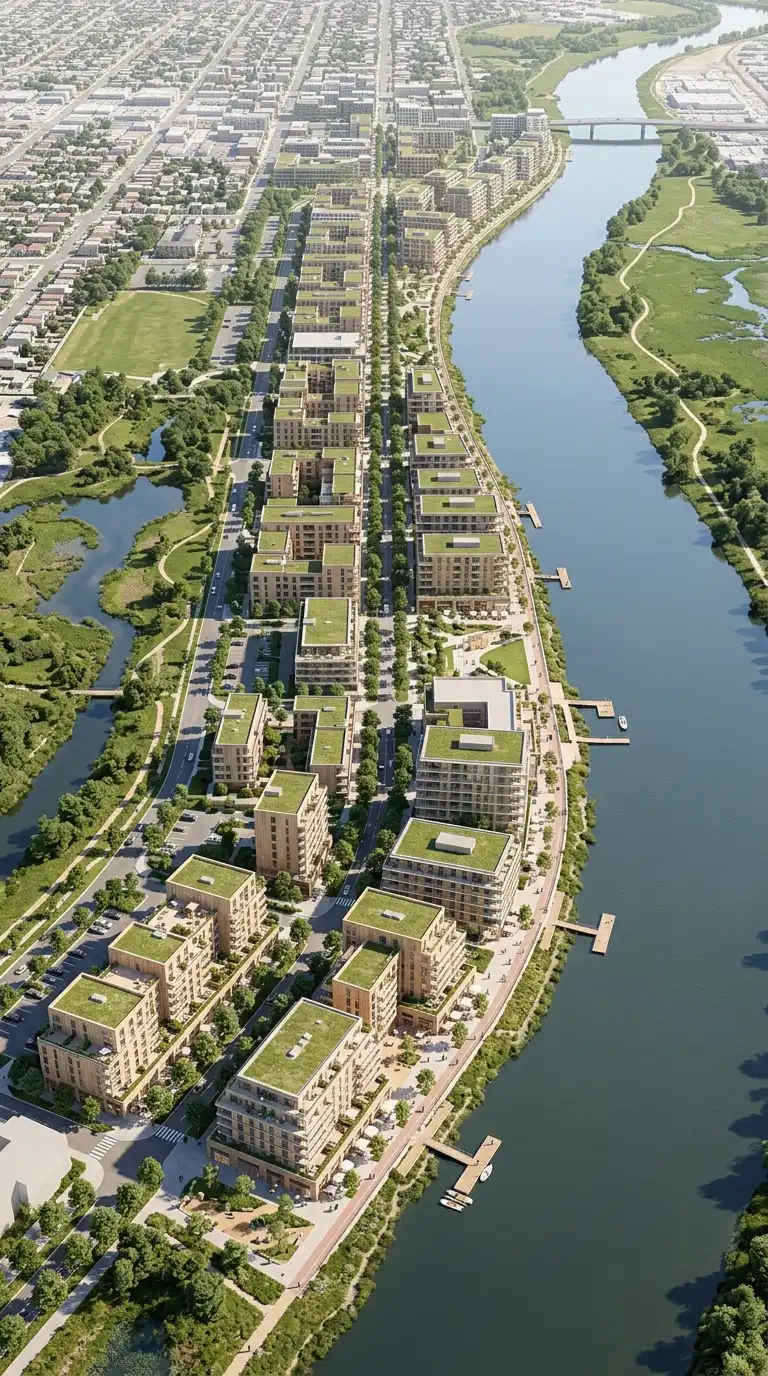
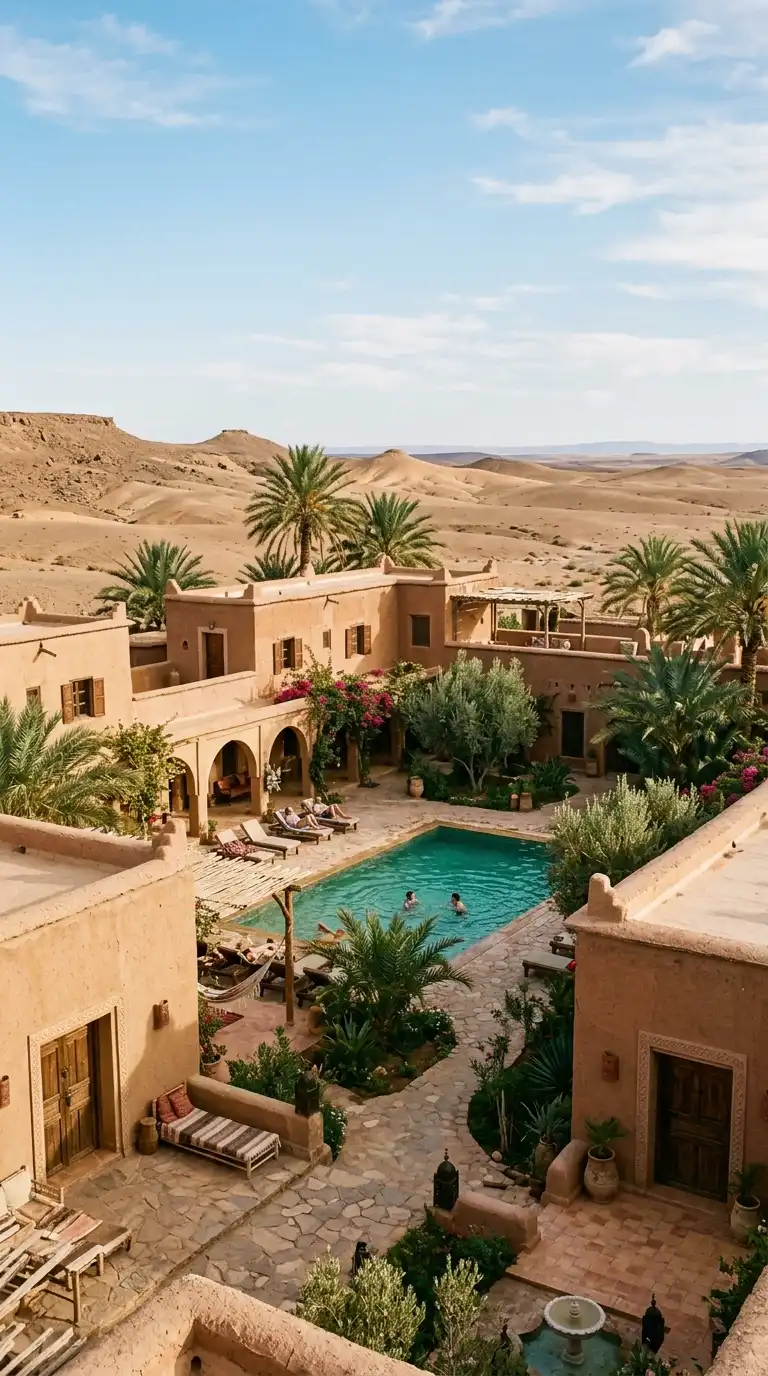
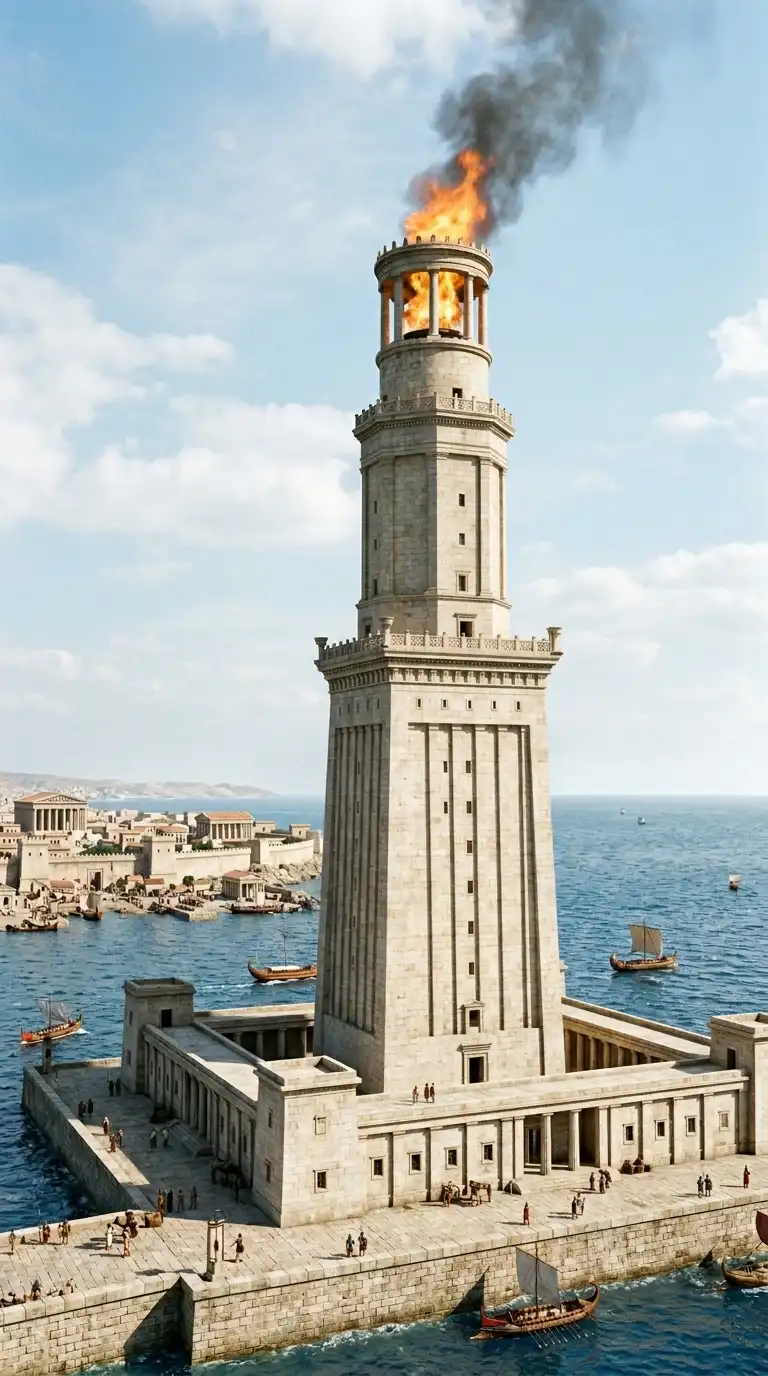
Architecture aesthetics are the visual languages of buildings. They are systems of proportion, material, light, and form that communicate meaning. A Gothic cathedral says something different than a Brutalist library. A minimalist house says something different than a Victorian villa. These aesthetics are not rules to follow blindly, but toolkits to draw from, adapt, and subvert.
These 16 architecture aesthetics span from antiquity to the present day. Each aesthetic includes defining characteristics, key examples, and visual principles.
1. Classical
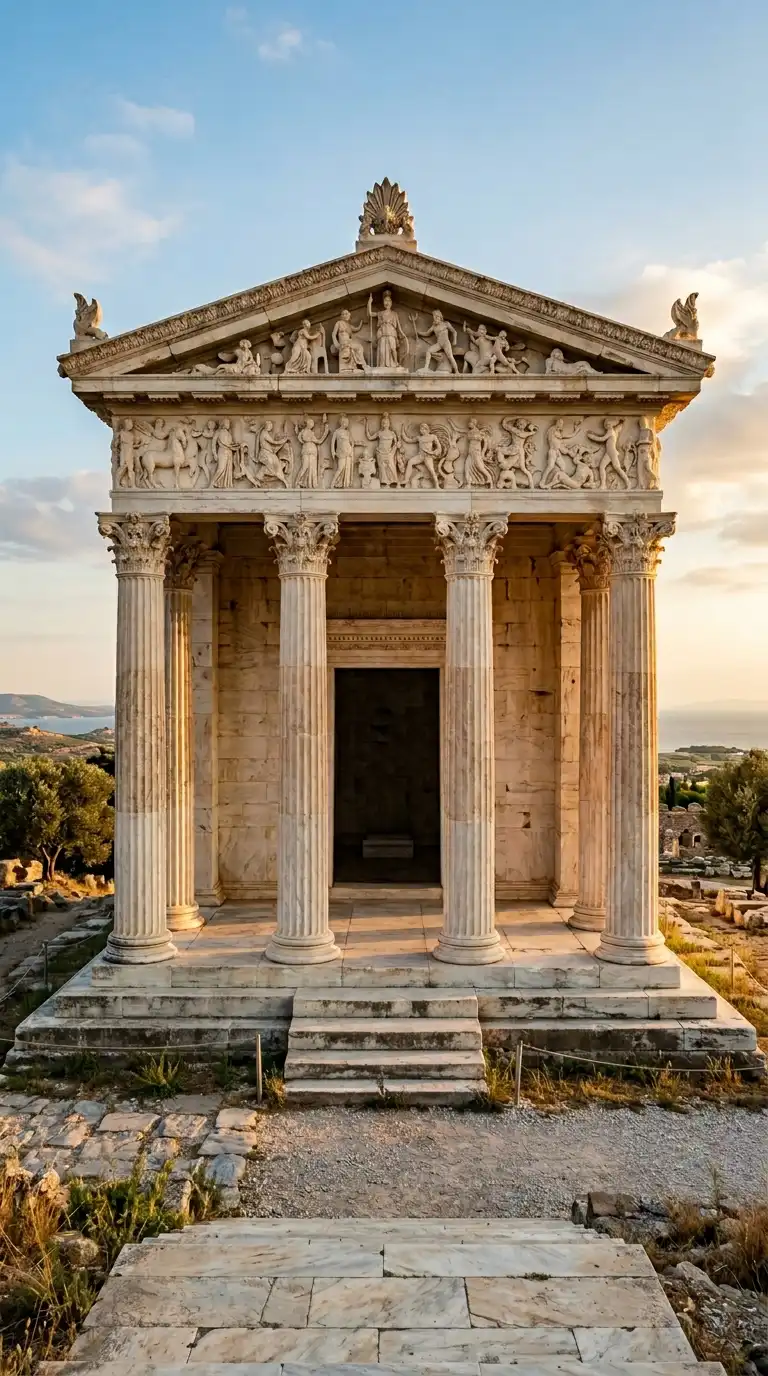
Classical architecture, originating in ancient Greece and Rome, is the foundation of Western architectural language. The aesthetic is ordered, symmetrical, and based on precise mathematical proportions. Columns with capitals (Doric, Ionic, Corinthian) support entablatures and pediments. Materials are stone and marble. The emotional effect is dignity, permanence, and civic authority.
Quick Tips
- The classical orders must be used correctly — Doric is simplest, Corinthian most ornate.
- Symmetry is absolute in pure Classical buildings.
- Proportions are based on the diameter of the column.
2. Gothic
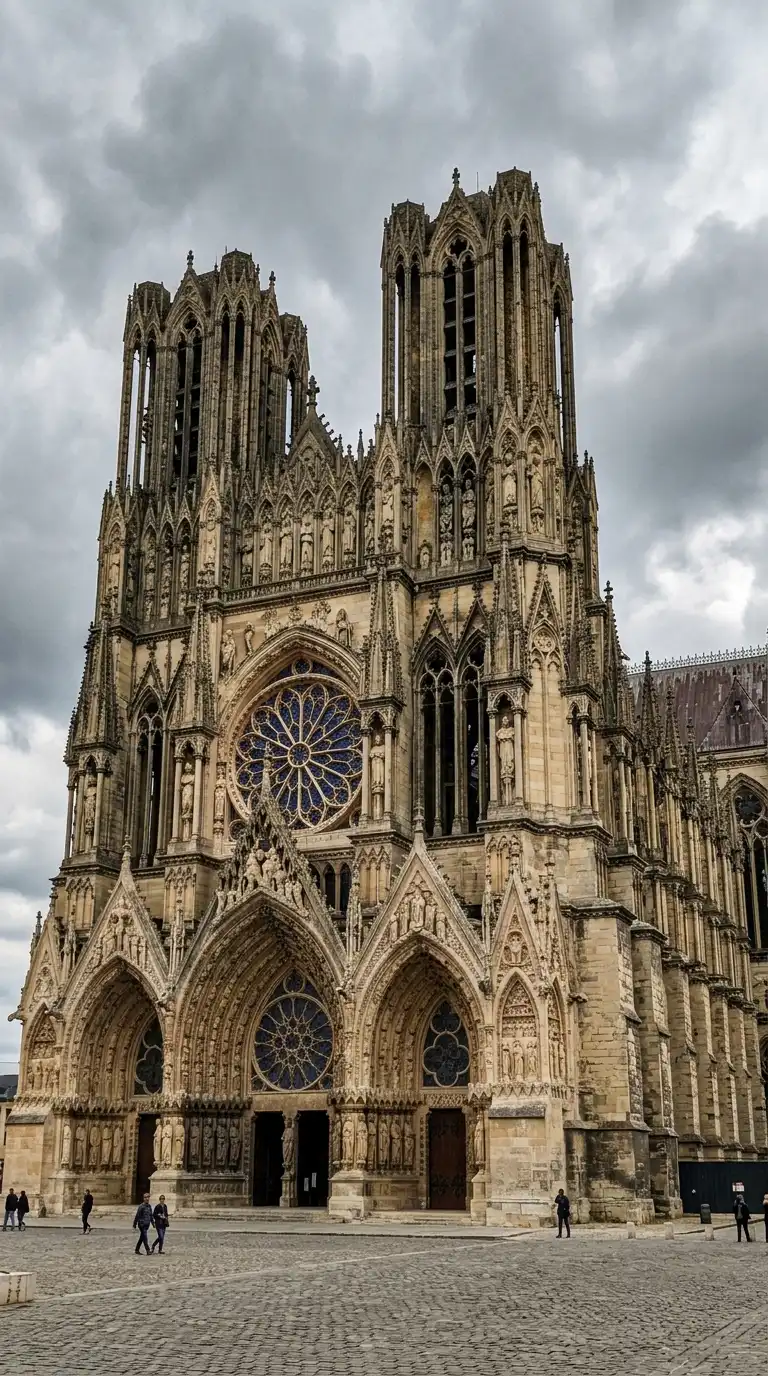
Gothic architecture emerged in 12th-century France with pointed arches, ribbed vaults, and flying buttresses. The aesthetic reaches upward with spires and pinnacles. Light filters through vast stained glass windows. Stone is carved into intricate tracery. The emotional effect is awe, mystery, and spiritual aspiration.
Quick Tips
- Pointed arches distribute weight more efficiently than round arches.
- Flying buttresses are visible on the exterior, not hidden.
- Stained glass is essential — clear glass is not Gothic.
3. Renaissance
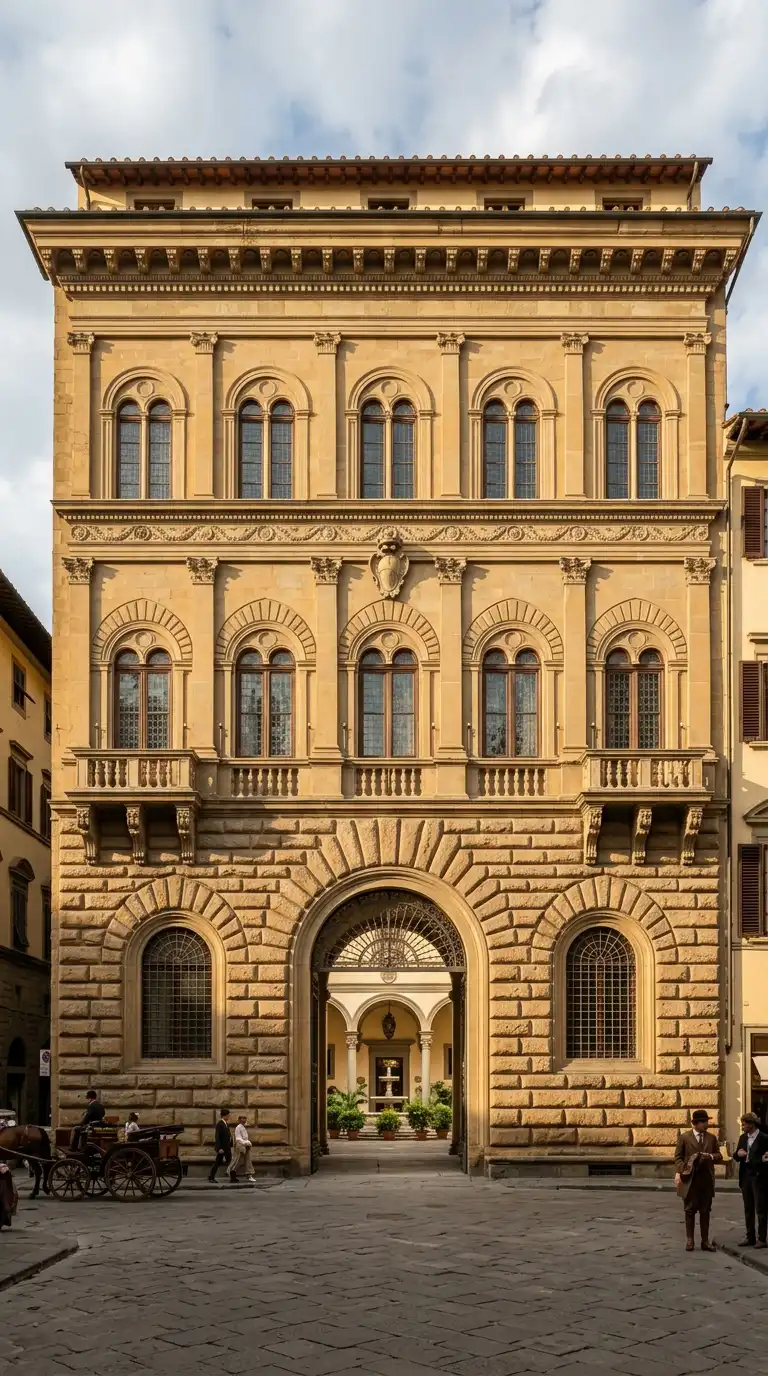
Renaissance architecture, born in 15th-century Florence, revived Classical proportions while introducing new building types. The aesthetic is balanced, harmonious, and mathematically ordered. Arches, columns, pediments, and domes are arranged in rational compositions. Materials are stone, brick, and plaster. The emotional effect is humanist, calm, and dignified.
Quick Tips
- Central plans (circles, squares, Greek crosses) are preferred over longitudinal plans.
- The golden ratio (approximately 1:1.618) appears frequently.
- Rusticated stone on the ground floor gives way to smoother stone above.
4. Baroque
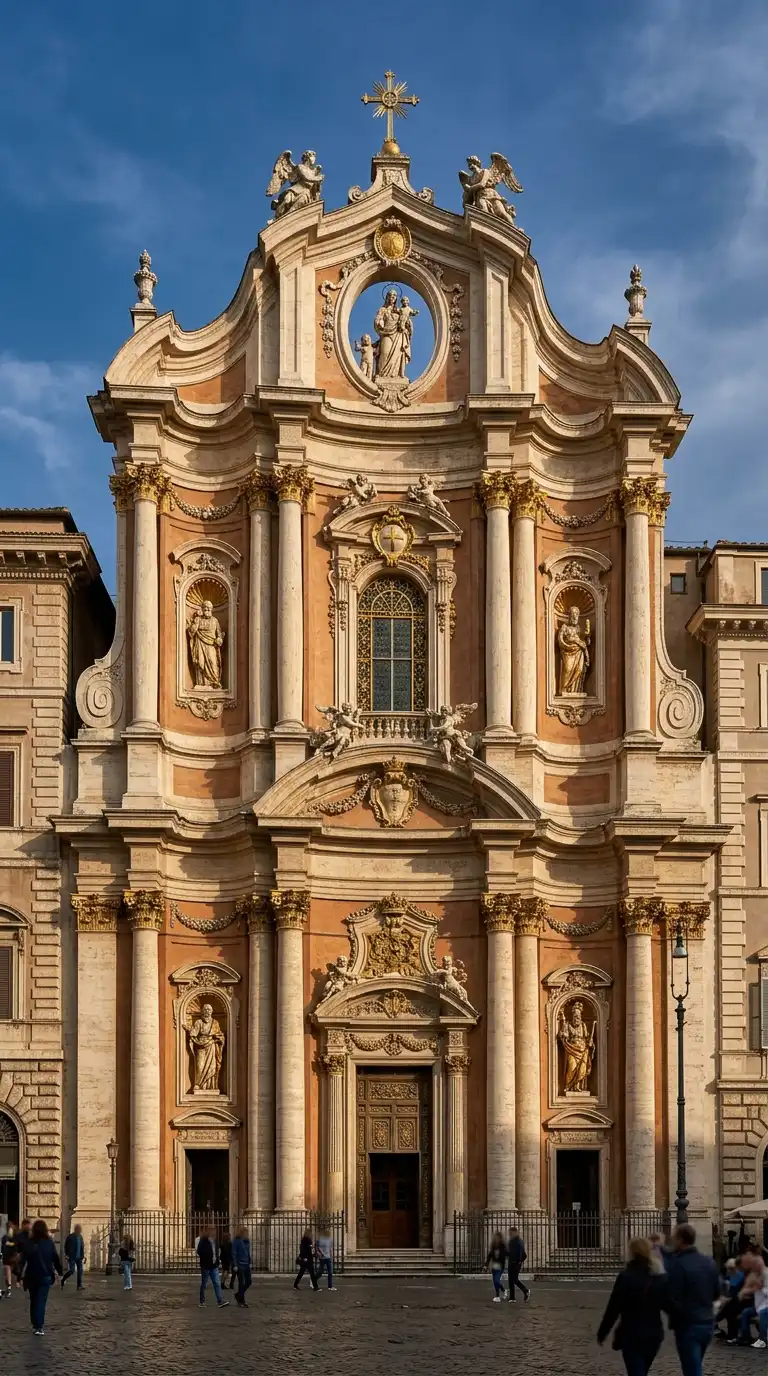
Baroque architecture emerged in 17th-century Italy as a dramatic evolution of Renaissance forms. The aesthetic is dynamic, theatrical, and emotionally intense. Curved walls, oval plans, and complex geometries replace Renaissance stability. Light is used dramatically, with hidden windows and contrasting shadows. Materials include coloured marble, gilded bronze, and painted ceilings. The emotional effect is awe, movement, and divine ecstasy.
Quick Tips
- Curved and broken pediments replace triangular ones.
- Columns are often arranged in pairs or clustered, not singly.
- Hidden light sources create dramatic contrasts of light and shadow.
5. Rococo
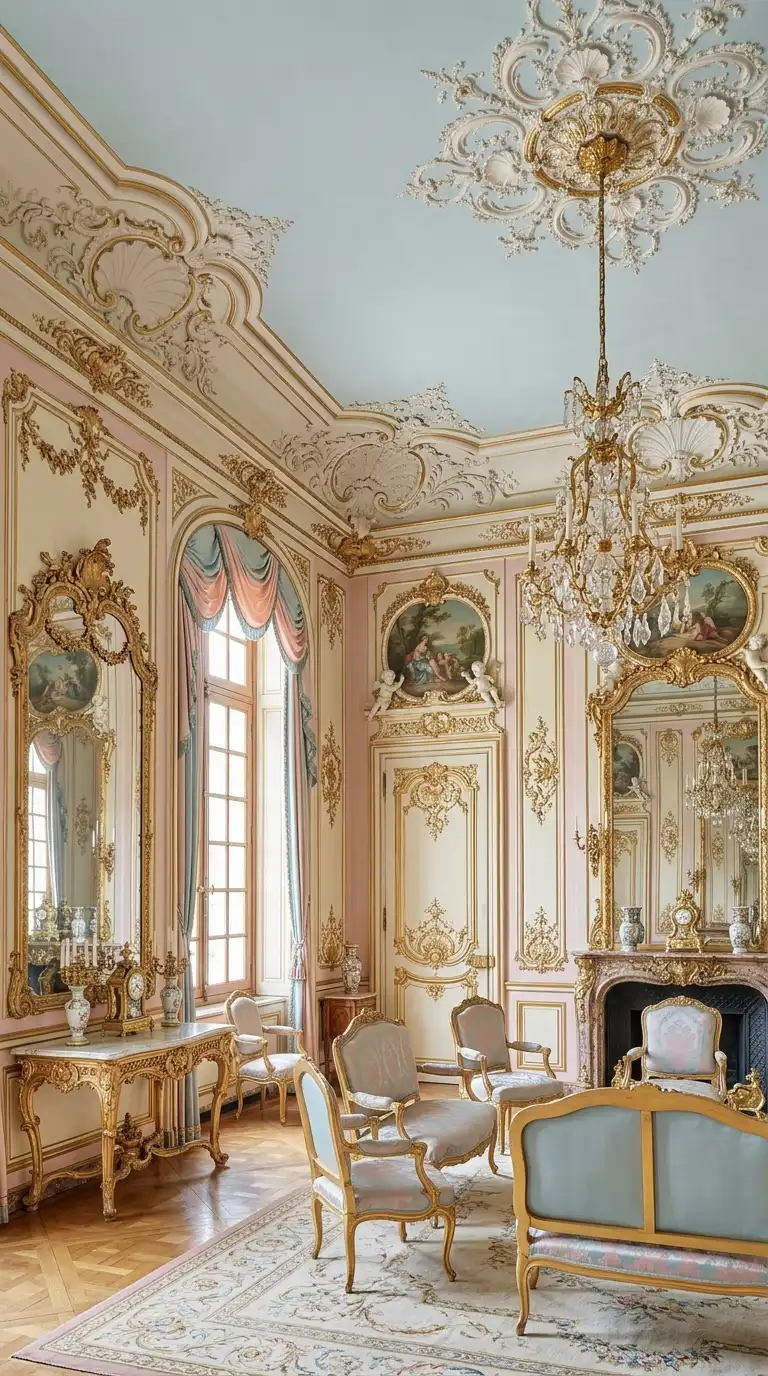
Rococo, developed in 18th-century France, is the most ornamental of all classical-derived styles. The aesthetic is playful, intimate, and asymmetrical. Shells, scrolls, flowers, and arabesques cover every surface. Pastel colours — pale pink, powder blue, mint green — replace Baroque’s heavy gold and marble. The emotional effect is light, charming, and slightly decadent.
Quick Tips
- Asymmetry within a symmetrical overall composition is typical.
- Shell forms (rocaille) are the signature motif.
- Pastel colours and white with gilded highlights define the palette.
6. Neoclassical
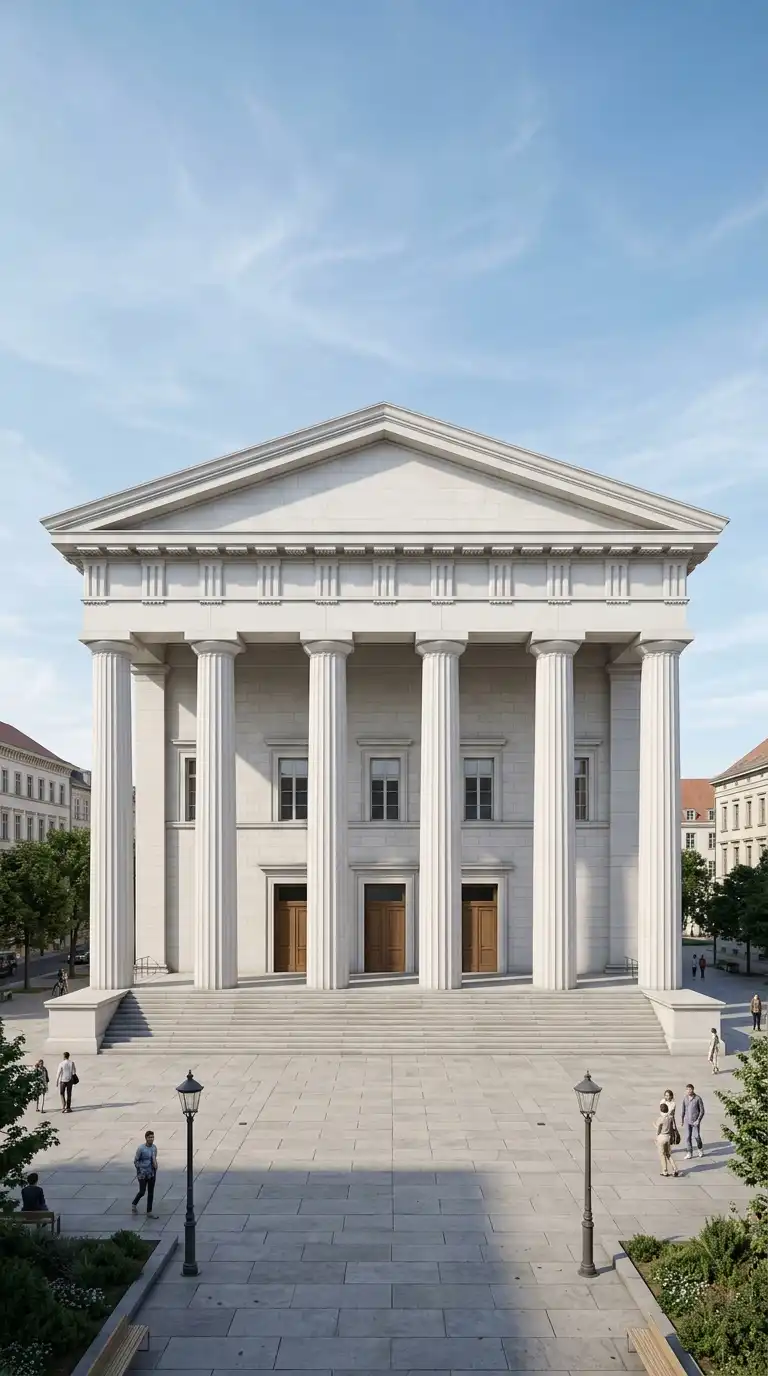
Neoclassicism emerged in the mid-18th century as a reaction against Rococo frivolity. The aesthetic returned to the simplicity and severity of ancient Greek and Roman architecture. Forms are geometric, surfaces are flat, and ornament is restrained. Columns are used structurally, not decoratively. Materials are stone, stucco, and brick painted white. The emotional effect is rational, serious, and civic.
Quick Tips
- Ornament is sparse and archaeologically accurate, not invented.
- Flat surfaces and sharp edges replace Baroque curvature.
- The Greek Doric order is preferred for its severity.
7. Gothic Revival
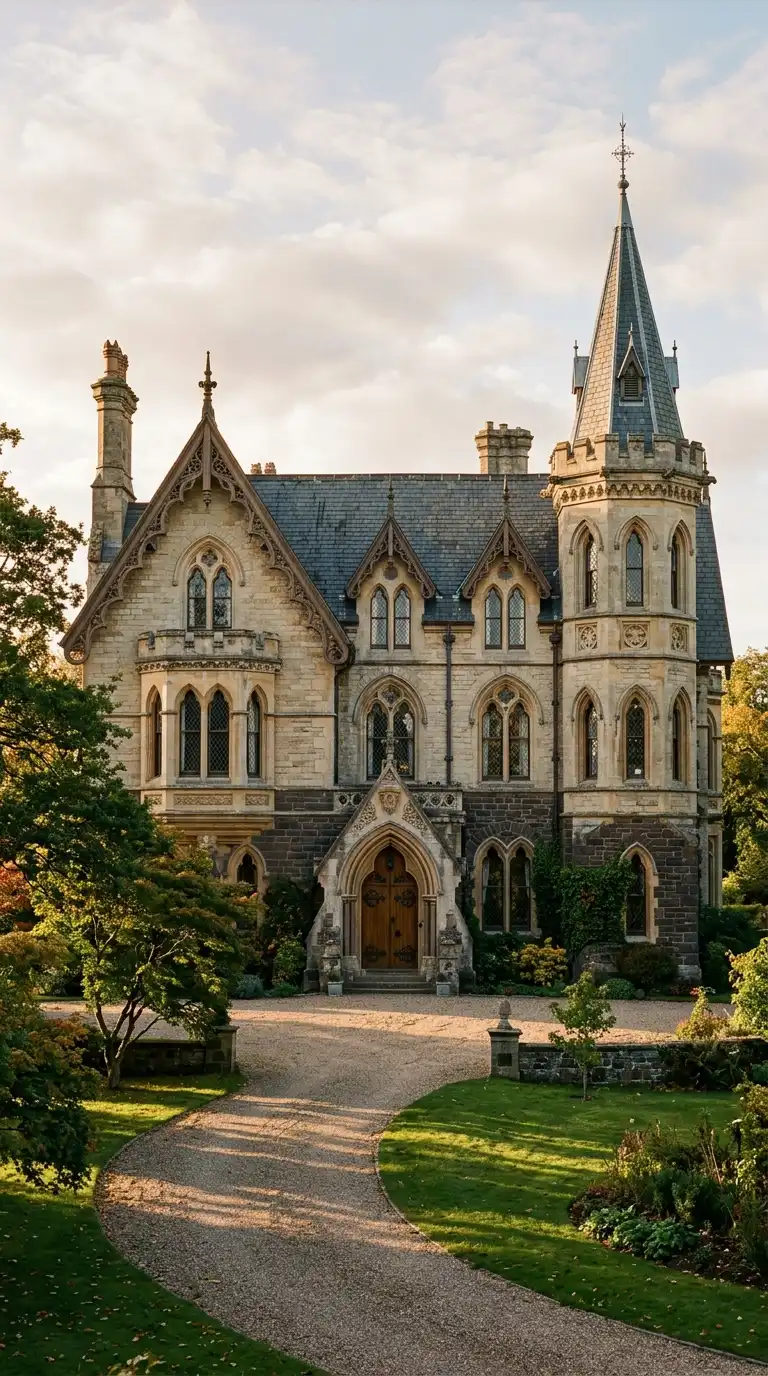
Gothic Revival emerged in the 18th century as a romantic rejection of classical order. The aesthetic celebrates the picturesque, the asymmetrical, and the spiritually sublime. Pointed arches, steeply pitched roofs, tracery windows, finials, and crockets define the style. Materials are stone and timber, often left visibly hand-worked. The emotional effect is awe, mystery, and romantic nostalgia.
Quick Tips
- Pointed arch windows are non-negotiable — round arches read as Romanesque.
- Asymmetry is essential. A perfectly symmetrical Gothic building is a contradiction.
- Dark interiors with moments of bright colour are more authentic.
8. Italianate
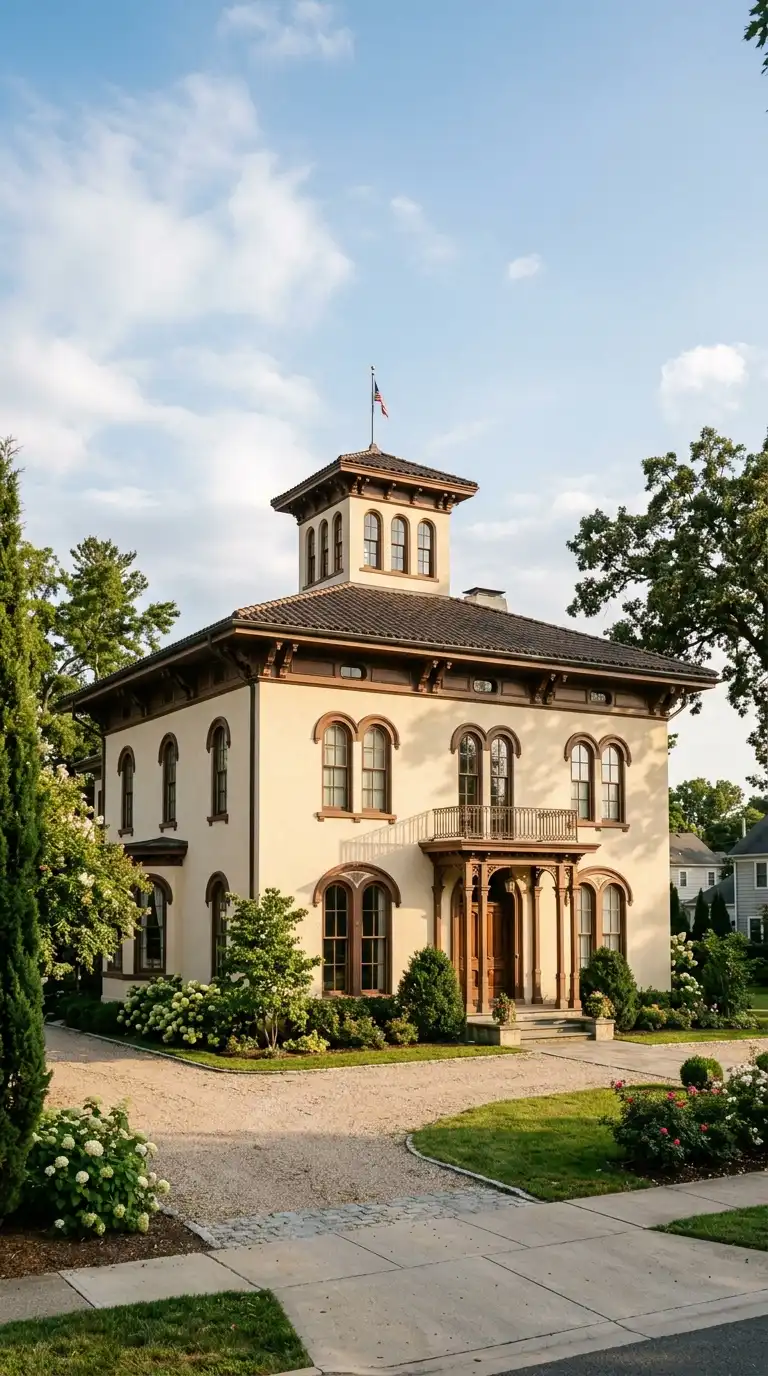
Italianate architecture, popular from the 1840s to the 1880s, adapted Renaissance villa forms for Victorian houses. The aesthetic is picturesque but warmer and more domestic than Gothic Revival. Low-pitched or flat roofs with wide eaves, tall narrow windows, paired brackets, and belvederes define the style. Materials are brick, stucco, and wood. The emotional effect is romantic, lush, and slightly exotic.
Quick Tips
- Wide eaves with decorative brackets are the most recognisable feature.
- Windows are tall and narrow, often arched or curved at the top.
- Cupolas and belvederes provide skyline interest without the drama of spires.
9. Second Empire
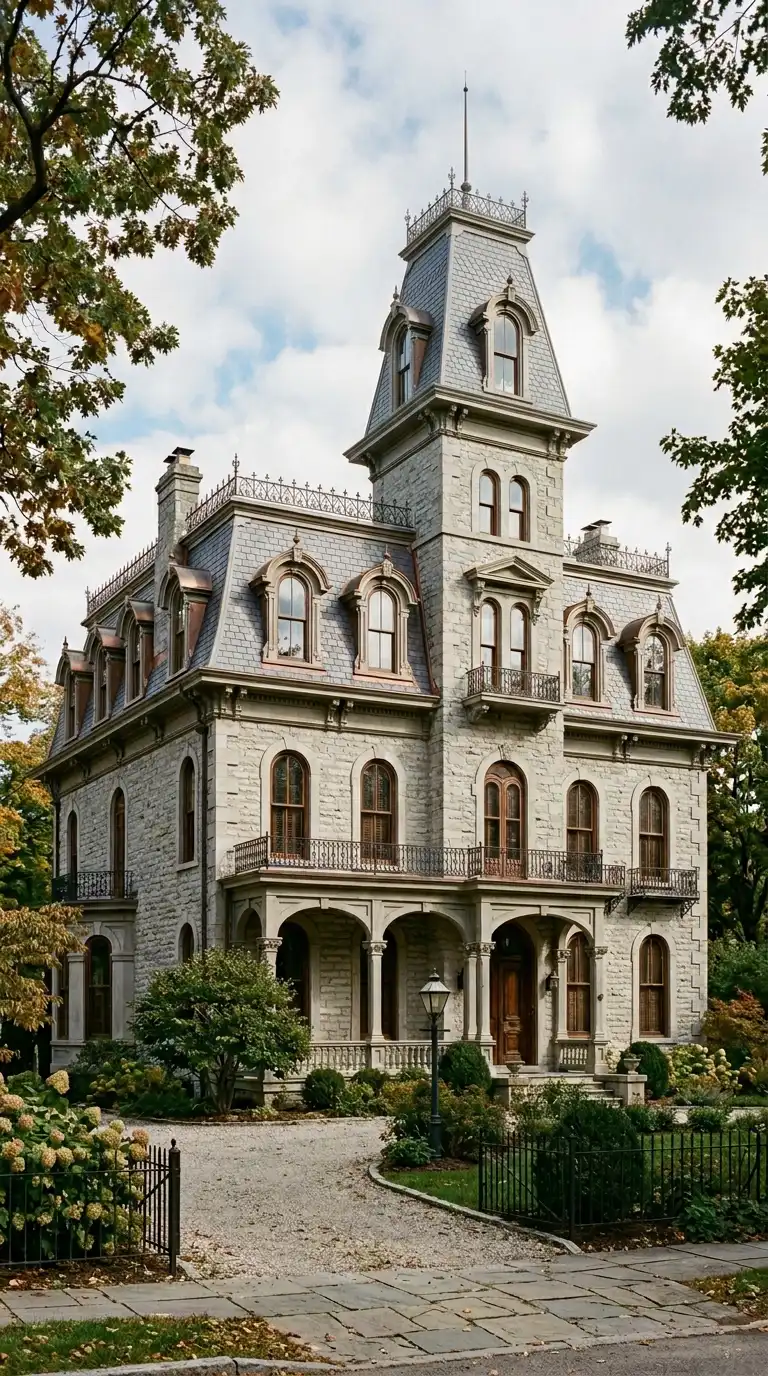
Second Empire architecture, named for the French Empire of Napoleon III, dominated monumental civic buildings and fashionable houses from 1855 to 1885. The aesthetic is defined by the mansard roof — a double-pitched roof with the lower slope nearly vertical. Dormer windows project from the steep lower slope. Materials are stone, brick, and slate. The emotional effect is grand, urbane, and confident.
Quick Tips
- The mansard roof must have a steep lower slope, typically 60-70 degrees.
- Dormer windows are usually arched or pedimented, not flat.
- Roof materials are slate or metal, often patterned or coloured.
10. Queen Anne
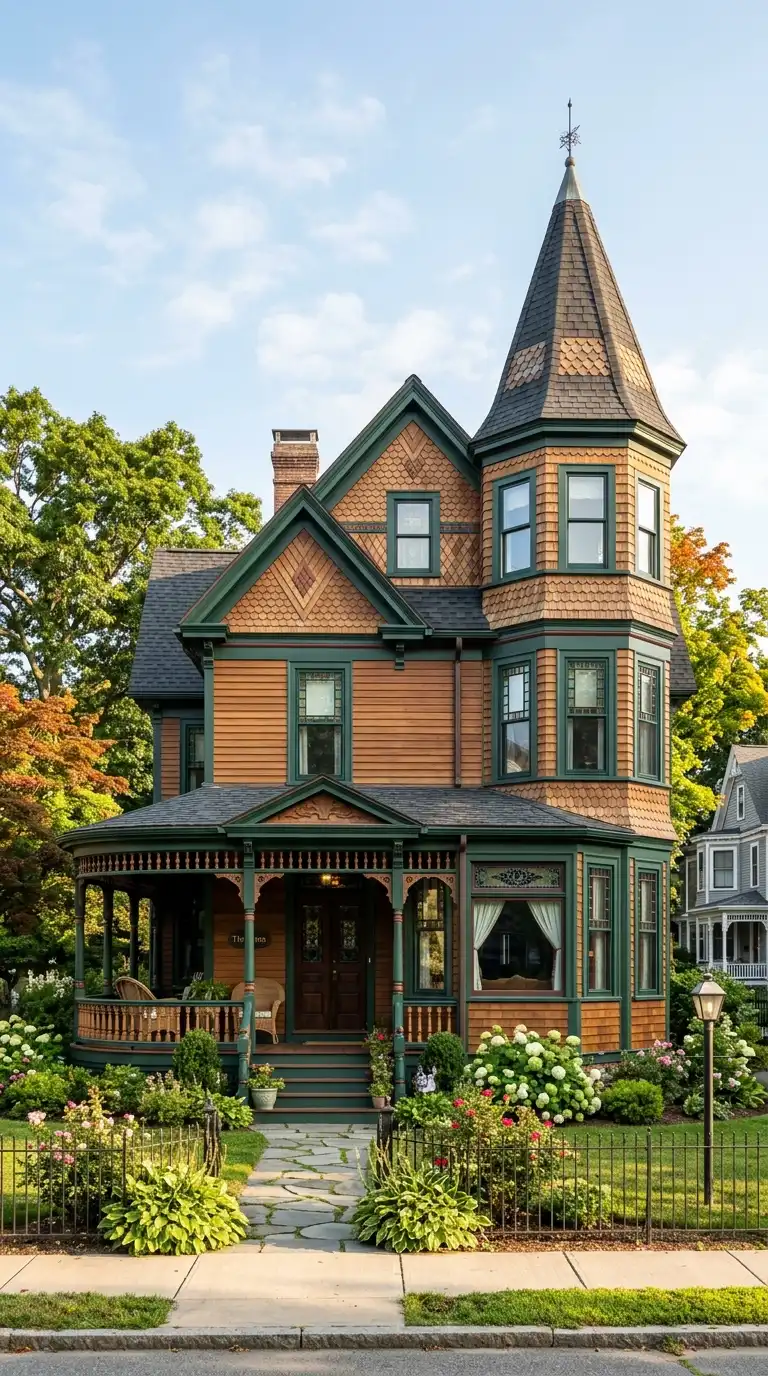
Queen Anne architecture reached its fullest expression in Victorian America from 1880 to 1910. The aesthetic is exuberant, eclectic, and asymmetrical. Multiple rooflines, towers, wrap-around porches, decorative shingles, cut-away bays, and stained glass define the style. Materials include wood, brick, stone, and terracotta. The emotional effect is picturesque, welcoming, and proudly ornate.
Quick Tips
- Asymmetry is extreme — no two facades are alike.
- Texture changes across the facade: shingles on one wall, clapboard on another.
- The wrap-around porch is a signature feature with turned spindles.
11. Arts and Crafts
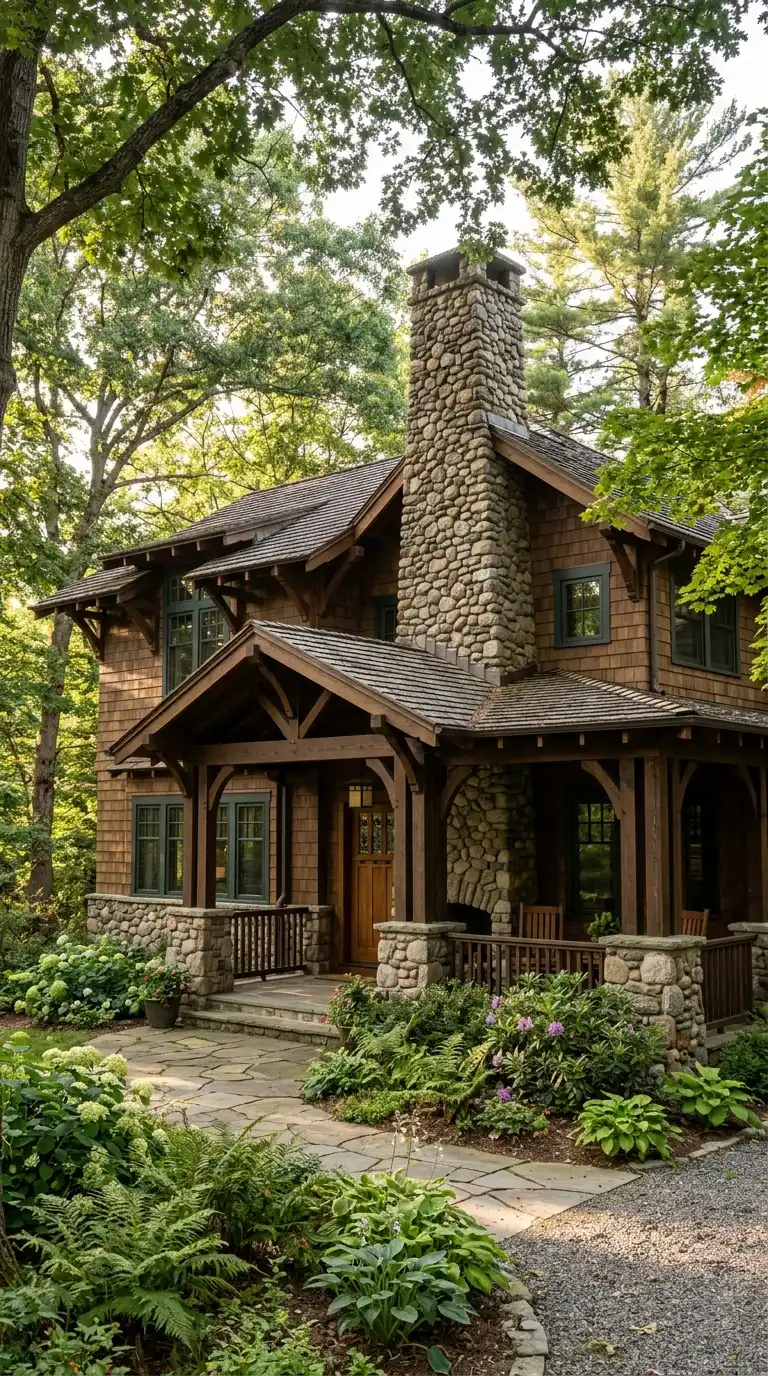
Arts and Crafts architecture emerged in late 19th-century England as a reform movement against industrial mass production. The aesthetic celebrates handcraft, natural materials, and honest construction. Low-pitched roofs with wide eaves, exposed rafters, massive chimneys, and built-in furniture define the style. Materials are local and natural: wood, stone, brick, and copper. The emotional effect is warm, honest, and domestic.
Quick Tips
- Exposed structural elements are essential — rafters, beams, and joinery should be visible.
- Built-in furniture replaces freestanding pieces.
- Leaded glass windows with stylised natural motifs are characteristic.
12. Art Nouveau
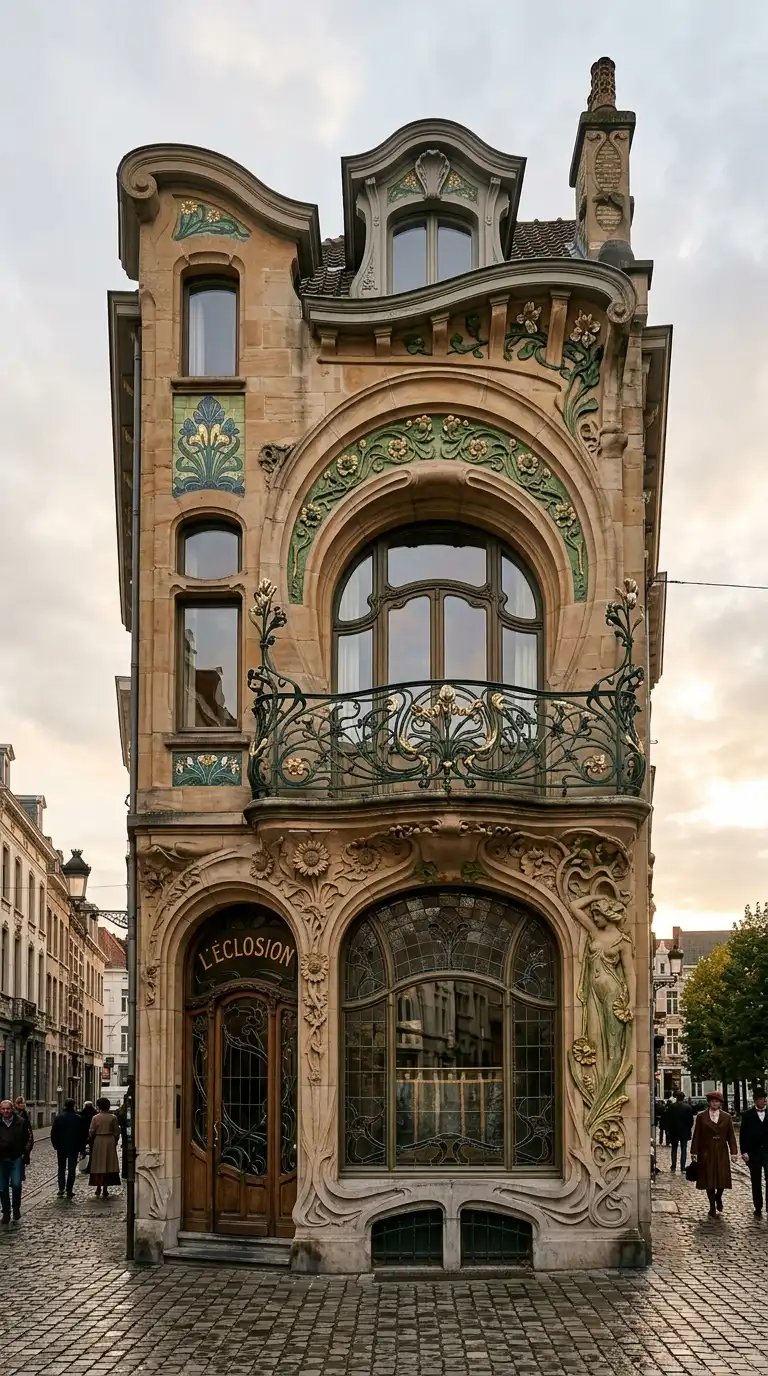
Art Nouveau, flourishing from 1890 to 1910, rejected historical revival styles for organic, flowing forms inspired by nature. The aesthetic is sinuous, asymmetrical, and total — furniture, light fixtures, door handles, and windows are all designed as a unified whole. The whiplash curve is the signature motif. Materials include iron, glass, and ceramic. The emotional effect is sensual, dreamlike, and modern.
Quick Tips
- The whiplash curve must appear somewhere — it is the signature line.
- Nature is stylised, not copied. Leaves become abstract. Vines become ironwork.
- The total work of art principle applies: everything inside is designed together.
13. Beaux-Arts
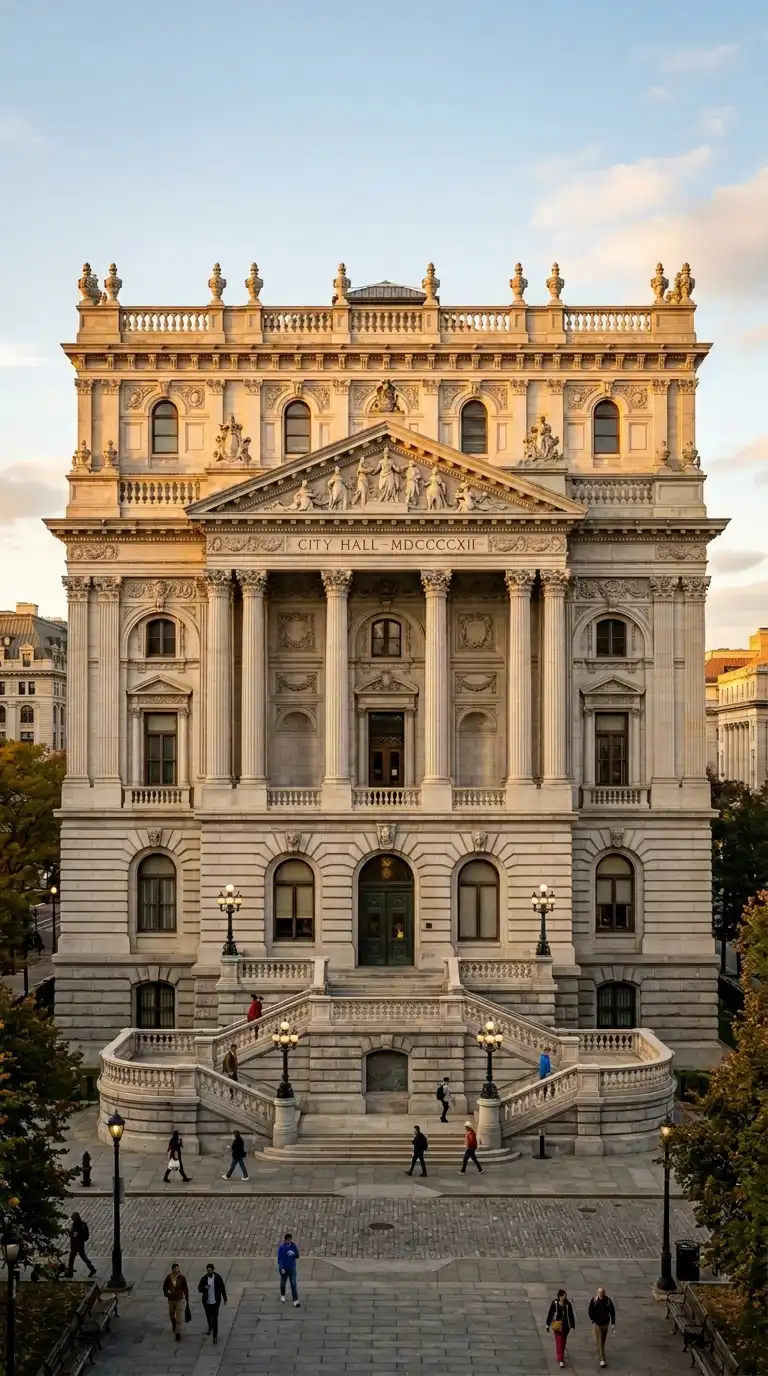
Beaux-Arts architecture, named for the École des Beaux-Arts in Paris, dominated grand civic buildings from 1880 to 1920. The aesthetic combines classical Greek and Roman forms with Baroque drama. Buildings rise from raised basements to grand staircases to columned porticos to attic storeys. Orders are used abundantly and correctly. Materials are light-coloured stone and marble. The emotional effect is monumental, hierarchical, and confident.
Quick Tips
- The classical orders must be used correctly — Doric at the base, Ionic above, Corinthian at the top.
- Symmetry is absolute. Beaux-Arts buildings read as single, unified compositions.
- The roof is typically hidden behind a balustrade.
14. Art Deco
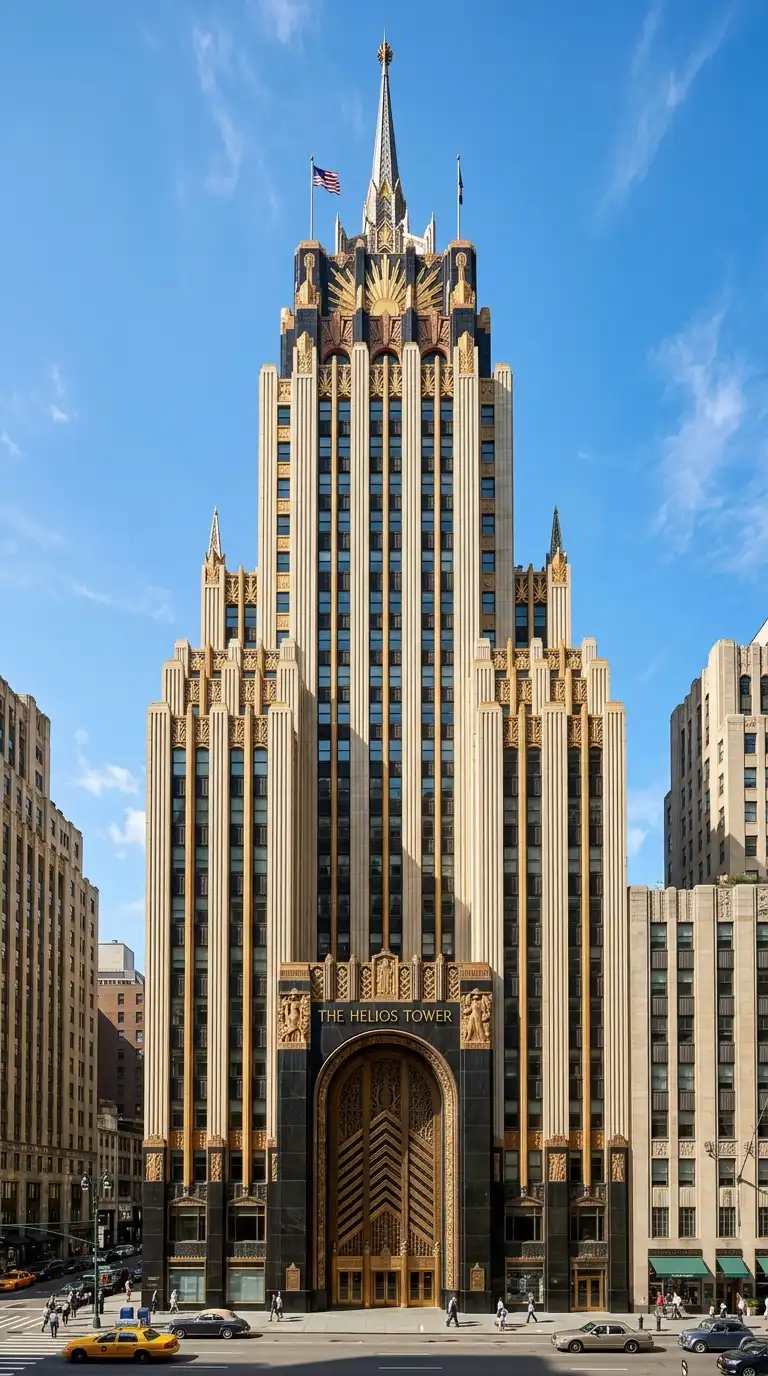
Art Deco, peaking in the 1920s and 1930s, celebrated modernity, machine production, and exotic cultures. The aesthetic rejects historical revival styles for geometric ornament, bold colours, and streamlined forms. Stepped setbacks, chevron and sunburst motifs, stylised floral patterns, and smooth surfaces of terracotta, glass, and metal define the style. Colour is used boldly — gold, black, turquoise, and red. The emotional effect is glamorous, optimistic, and forward-looking.
Quick Tips
- Verticality is essential — uninterrupted vertical lines emphasise height.
- Ornament is stylised, not naturalistic. Flowers become geometric.
- Materials should be modern for the era: terracotta, glass block, chrome.
15. Brutalism
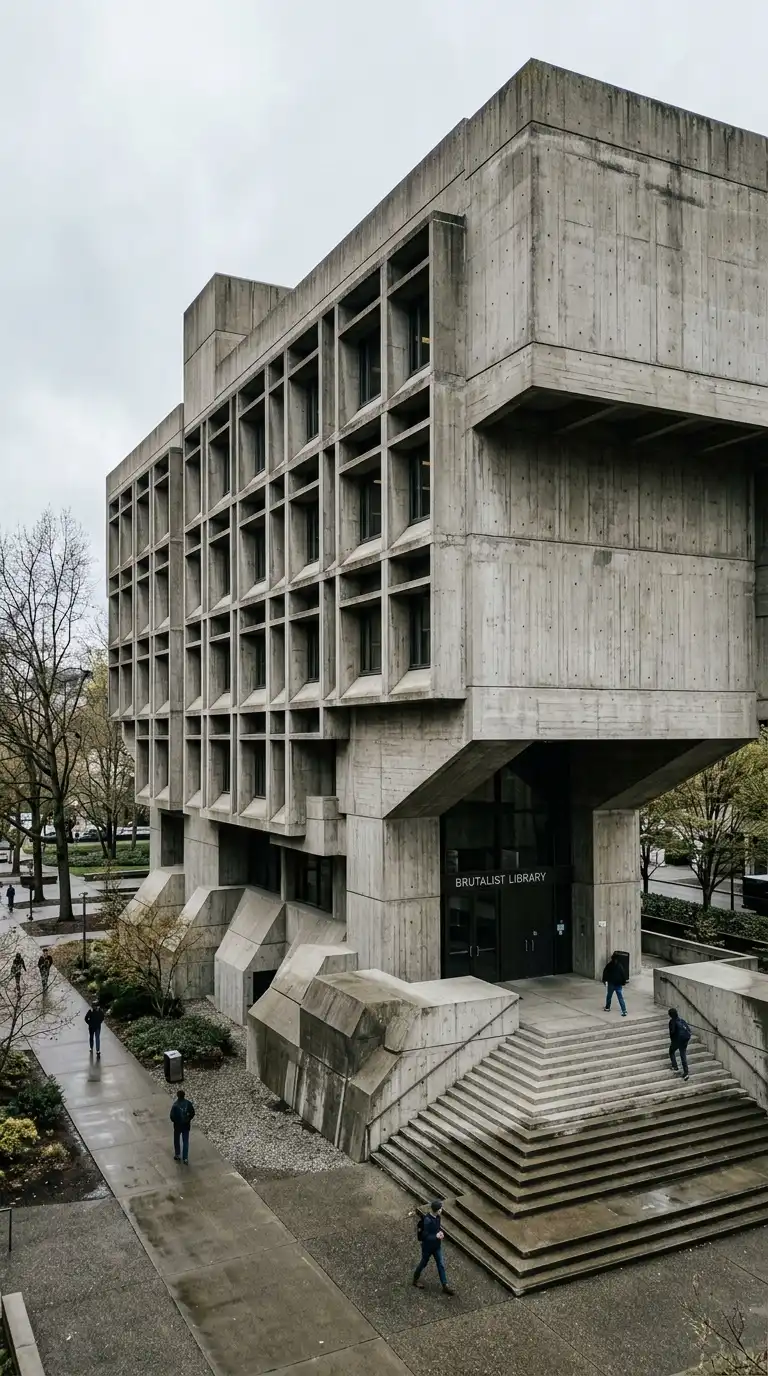
Brutalism emerged from post-war Europe as an aesthetic of raw honesty. The name comes from béton brut — raw concrete in French. Brutalist buildings make no effort to hide their structure, materials, or construction methods. Concrete is the primary material, often board-formed with visible grain and seam marks. Forms are blocky, sculptural, and often asymmetrical. Windows are deep-set and repetitive. The emotional effect is monumental, serious, and unapologetically heavy.
Quick Tips
- Formwork marks must be visible — smooth concrete is not Brutalist.
- Structure should be expressed on the exterior, not hidden.
- Scale is typically monumental, even for small buildings.
16. Minimalism
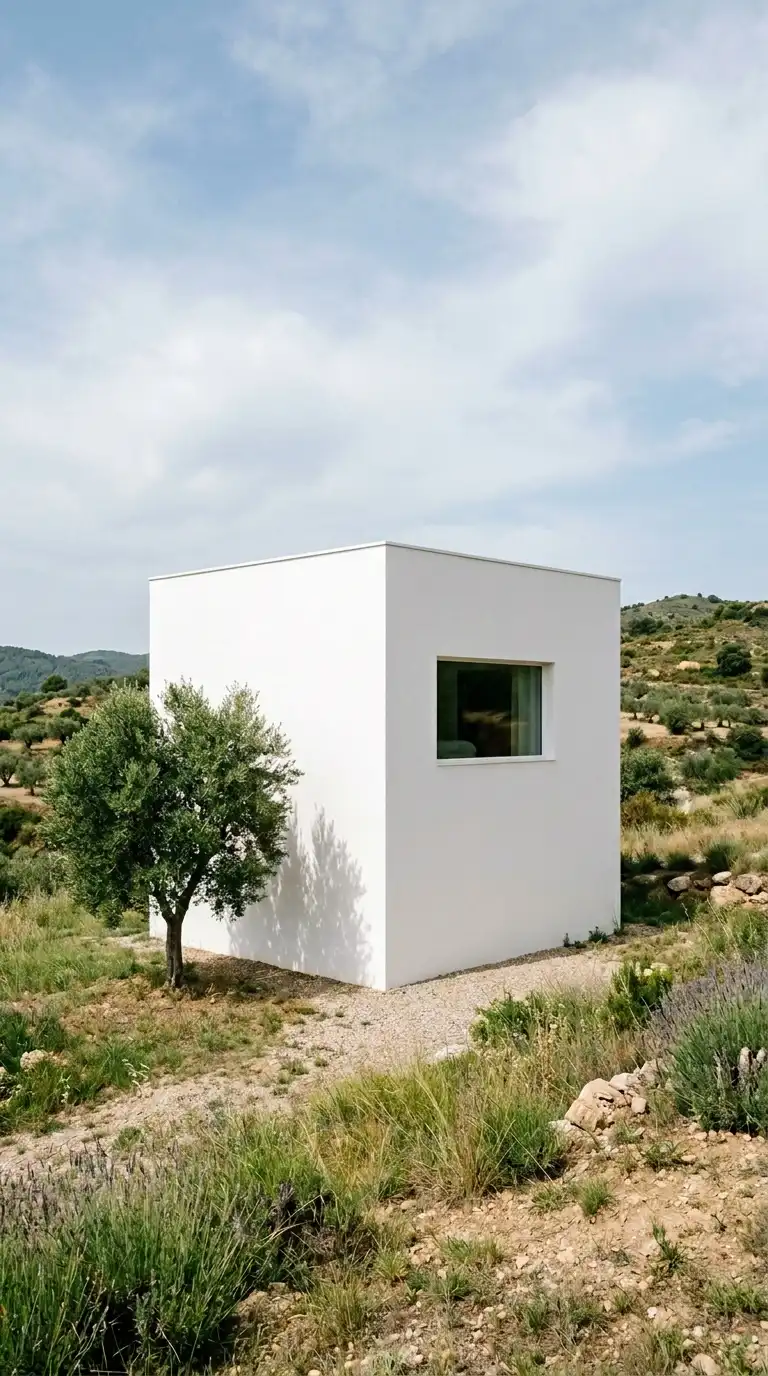
Minimalism strips architecture to its essentials: form, light, material, and space. Nothing else. Buildings are simple geometric volumes — cubes, rectangles, planes. Colour is restricted to white, grey, black, and natural material tones. Ornament is absent. Details are reduced to the point of invisibility. Light becomes the primary ornament, changing across smooth white walls throughout the day. The emotional effect is calm, contemplative, and precise.
Quick Tips
- Every element must earn its place. If you can remove it, remove it.
- Junctions between materials must be perfectly flush — no trim, no shadows.
- Natural light is the only acceptable ornament.
Final Thoughts
These 16 architecture aesthetics represent centuries of human creativity, from ancient Greece to the present moment. No single aesthetic is correct. The best architects move fluidly between them, drawing from Gothic verticality, Minimalist restraint, Brutalist honesty, or Art Deco glamour as each project demands.
Study these aesthetics not to copy them, but to understand their internal logic. Why does Gothic feel spiritual? Why does Minimalism feel calm? Why does Brutalism feel heavy? Answer those questions, and you will have the vocabulary to create something new.