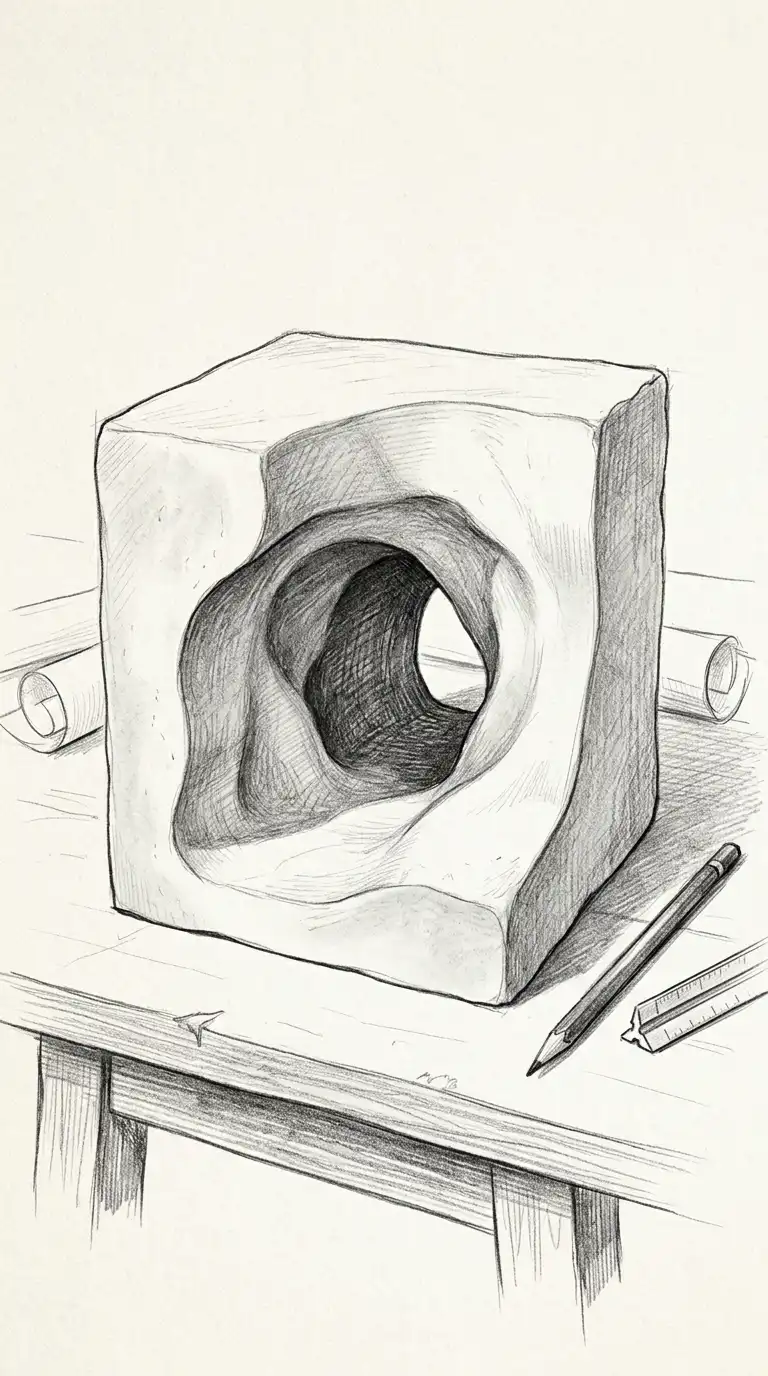
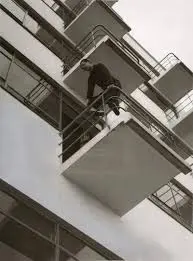
An architecture model is a physical or digital representation of a building or space. Unlike a drawing, which must be interpreted, a model is experienced directly. You see it from all sides. Light falls across it. Your hand can touch it. Models are essential tools for design exploration, client presentation, and competition entry.
These 12 architecture models span physical techniques, digital fabrication, and hybrid approaches. Each model includes defining characteristics, material suggestions, and applications.
1. The Cardboard Massing Model
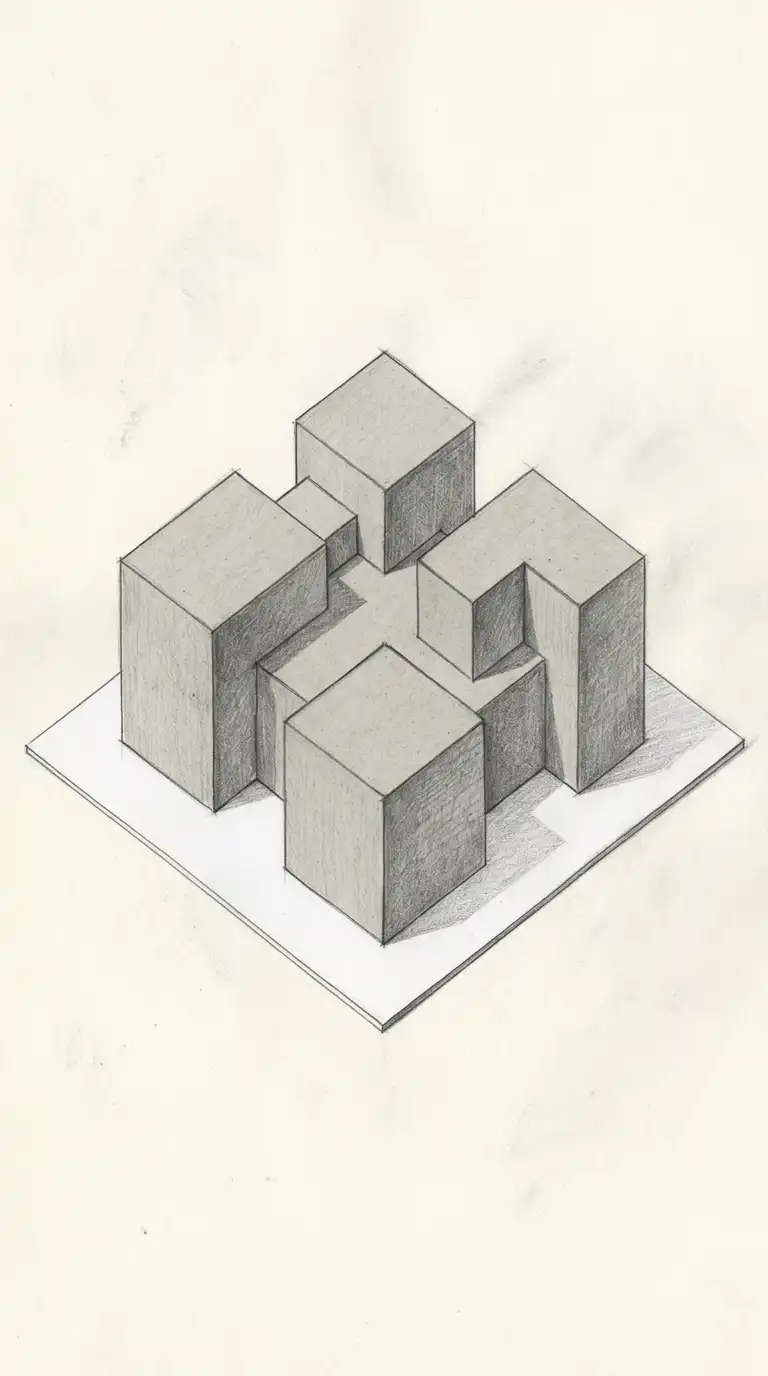
The cardboard massing model is the most basic and essential architectural model. It is made from grey or white museum board, cut with a sharp knife and assembled with PVA glue. The model shows only form and mass — no windows, no materials, no details.
This model type is for early design exploration. It answers questions about proportion, siting, and overall volume. The emotional effect is abstract, neutral, and quickly made.
Quick Tips
- Use 1mm or 1.5mm museum board for most pieces, 2mm for bases.
- Cut with a sharp knife and a metal ruler — dull blades tear the board.
- Glue with PVA applied with a needle-tip bottle for precision.
2. The Site Context Model
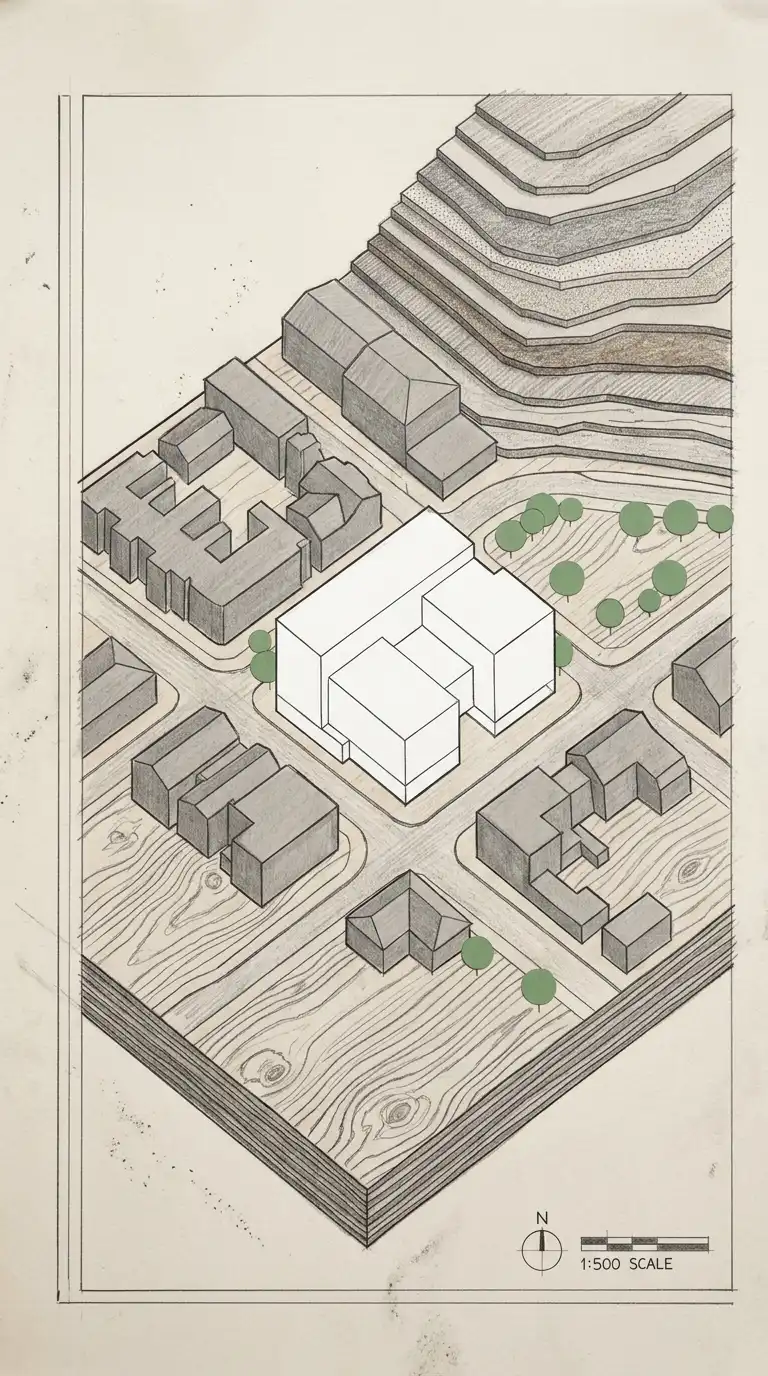
The site context model shows the building within its surroundings. The site is modelled at a larger scale (1:200, 1:500, or 1:1000) with surrounding buildings, streets, trees, and topography. The proposed building is distinguished by colour or material.
This model type is for urban design, site planning, and client presentations. It answers questions about how the building fits into its context. The emotional effect is contextual, legible, and comprehensive.
Quick Tips
- Use a consistent material for all existing buildings (grey board).
- Make the proposed building a different colour (white, red, or cork).
- Model topography with stacked layers of board or laser-cut plywood.
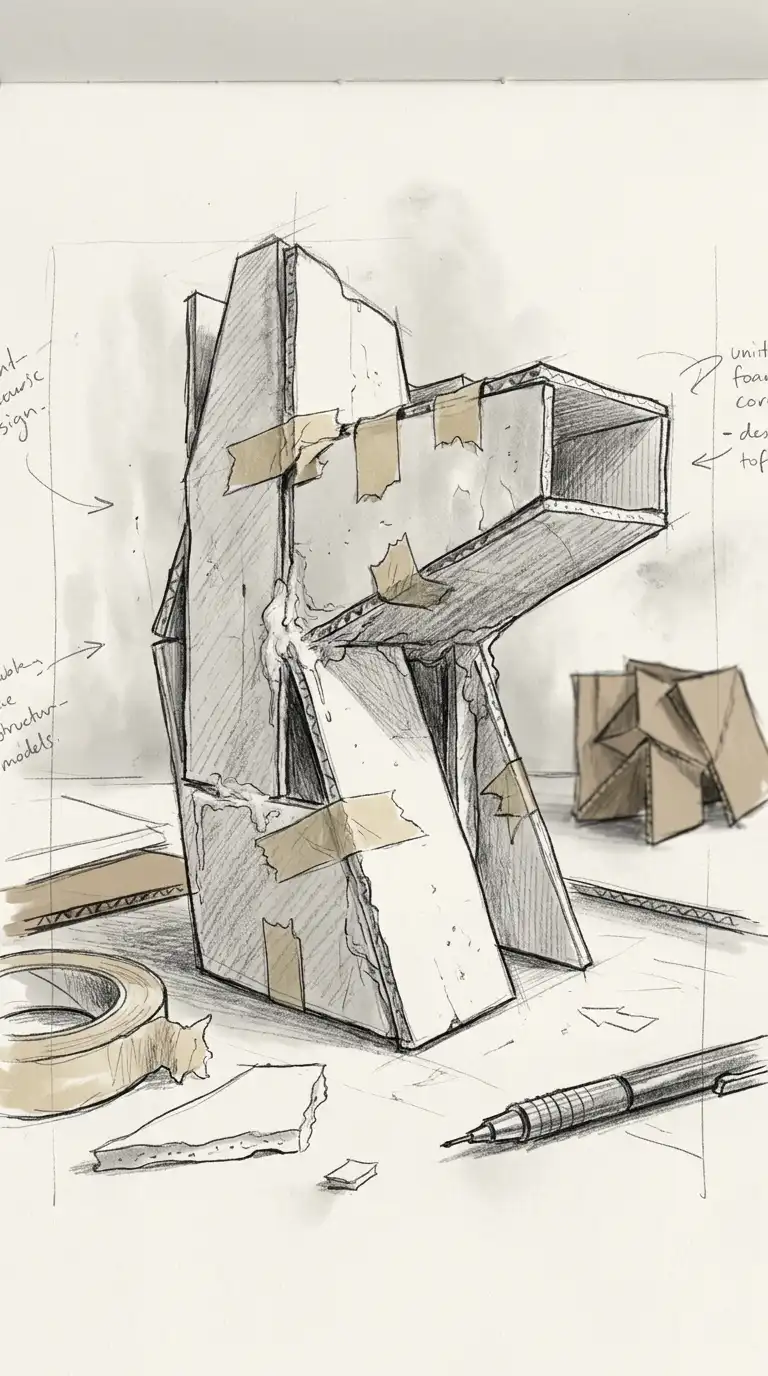
3. The Study Model
The study model is quick, rough, and disposable. It is made from anything at hand: foam core, cardboard, balsa, clay, or even crumpled paper. The goal is speed, not beauty. A single design idea might generate ten study models in an afternoon.
This model type is for the architect’s own exploration. It answers questions that drawings cannot. The emotional effect is experimental, messy, and generative.
Quick Tips
- Do not spend more than 15-20 minutes on a single study model.
- Use cheap, easily worked materials: foam core, cardboard, clay, or paper.
- Make many models, not one perfect one.
4. The White Card Presentation Model
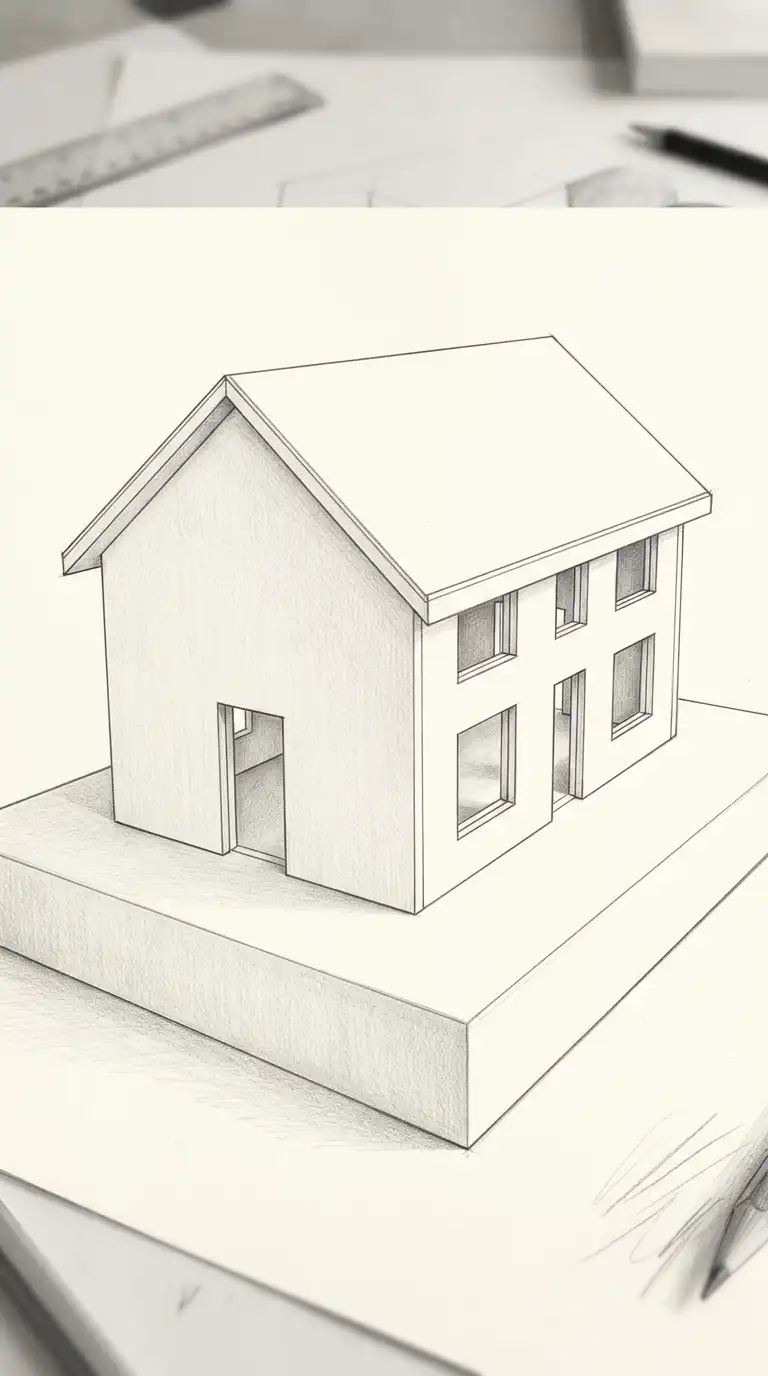
The white card presentation model is the classic architecture school model. It is made from white museum board or mat board, with carefully cut openings for windows and doors. The model is painted white or left natural. The effect is clean, abstract, and elegant.
This model type is for final reviews, competitions, and portfolios. It presents the design without the distraction of colour or material. The emotional effect is refined, abstract, and architectural.
Quick Tips
- Use white museum board for walls, white mat board for the base.
- Cut openings with a sharp knife — use a cutting mat and metal ruler.
- Fill edges with white spackle or paint for a seamless look.
5. The Material Sample Model
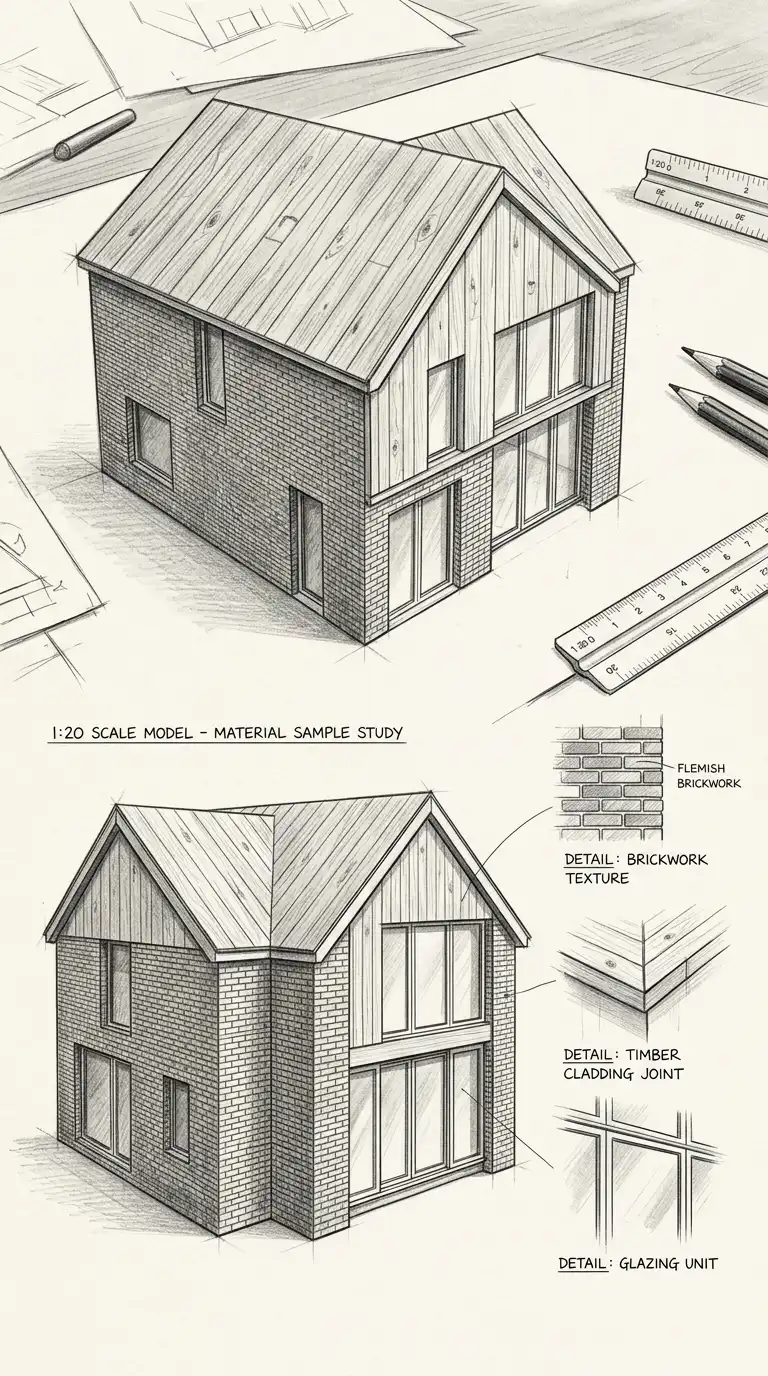
The material sample model shows actual building materials at a small scale. The walls are made of the proposed stone, brick, wood, or concrete. Windows are glass. The roof is the proposed roofing material. The model is a miniature of the real building.
This model type is for client presentations and material studies. It answers questions about colour, texture, and material combination. The emotional effect is tactile, realistic, and persuasive.
Quick Tips
- Use actual material samples: real brick slips, real timber veneer.
- Scale the model so material sizes are realistic (full bricks at 1:10).
- Glue materials to a foam core or cardboard armature.
6. The Structural Model
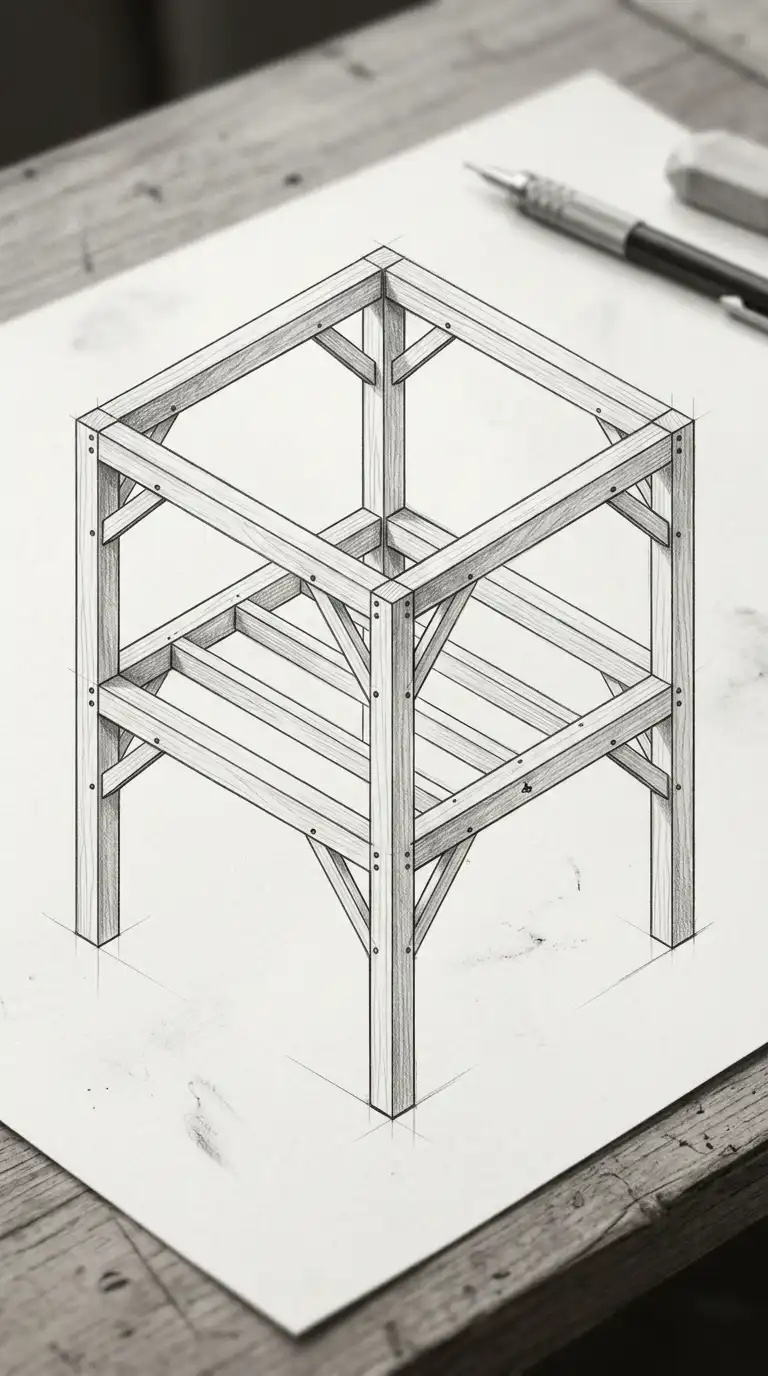
The structural model shows only the building’s structure: columns, beams, trusses, and foundations. No walls, no roof, no cladding. The model is often made of balsa, basswood, or acrylic. Connections are visible and celebrated.
This model type is for structural exploration and engineering coordination. It answers questions about load paths, member sizes, and connection details. The emotional effect is honest, technical, and elegant.
Quick Tips
- Use basswood or balsa for timber structures, acrylic for steel or glass.
- Show connections explicitly — glue or pin joints should be visible.
- Do not add cladding or infill walls — they obscure the structure.
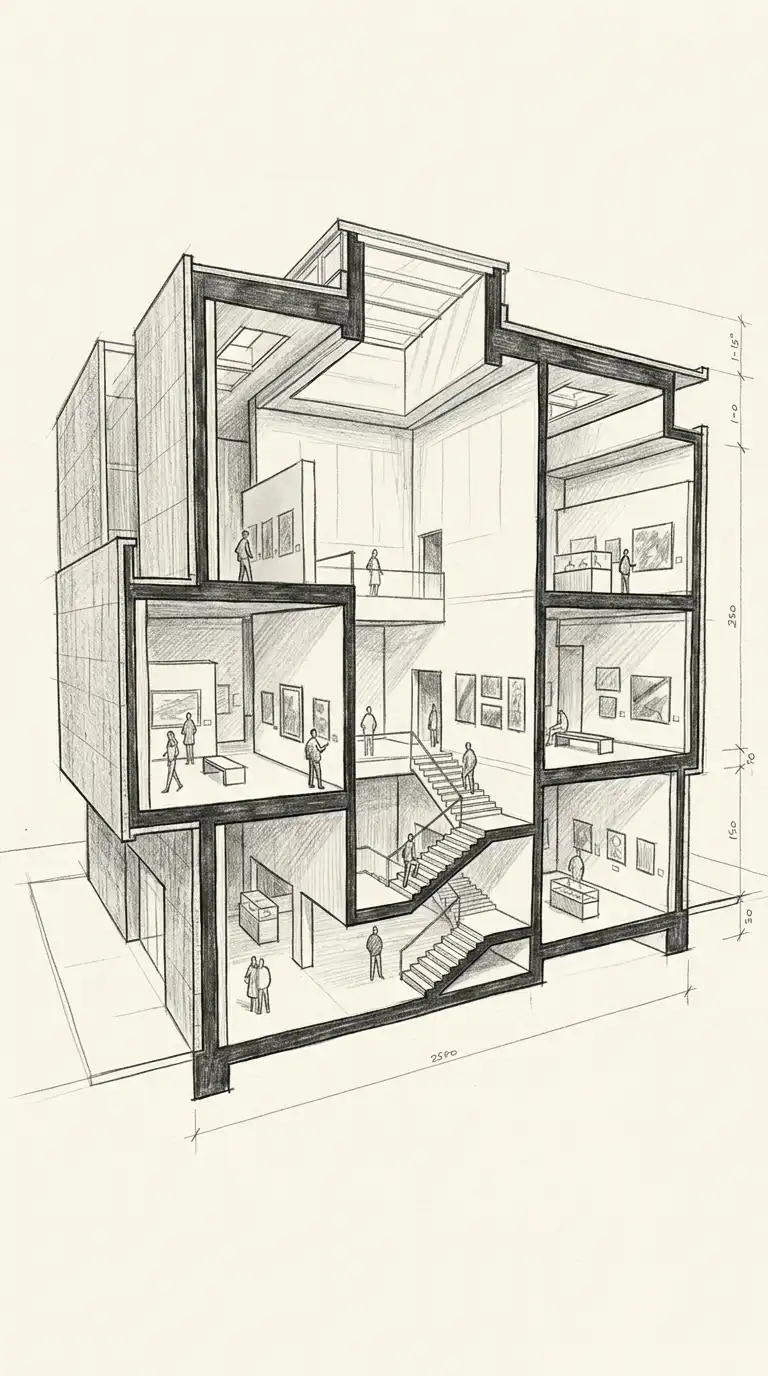
7. The Section Model
The section model is cut vertically through the building, revealing interior spaces, floor levels, and structure. One half of the model is removed so the viewer can see inside. The cut plane is often painted a bright colour to emphasise the section.
This model type is for explaining spatial organisation, vertical circulation, and sectionally complex designs. The emotional effect is revealing, educational, and dramatic.
Quick Tips
- Paint the cut plane a bright colour (red, yellow, or blue) to make it readable.
- Model the interior spaces with furniture or figures at the same scale.
- The cut should pass through the most spatially interesting part of the building.
8. The Exploded Axonometric Model
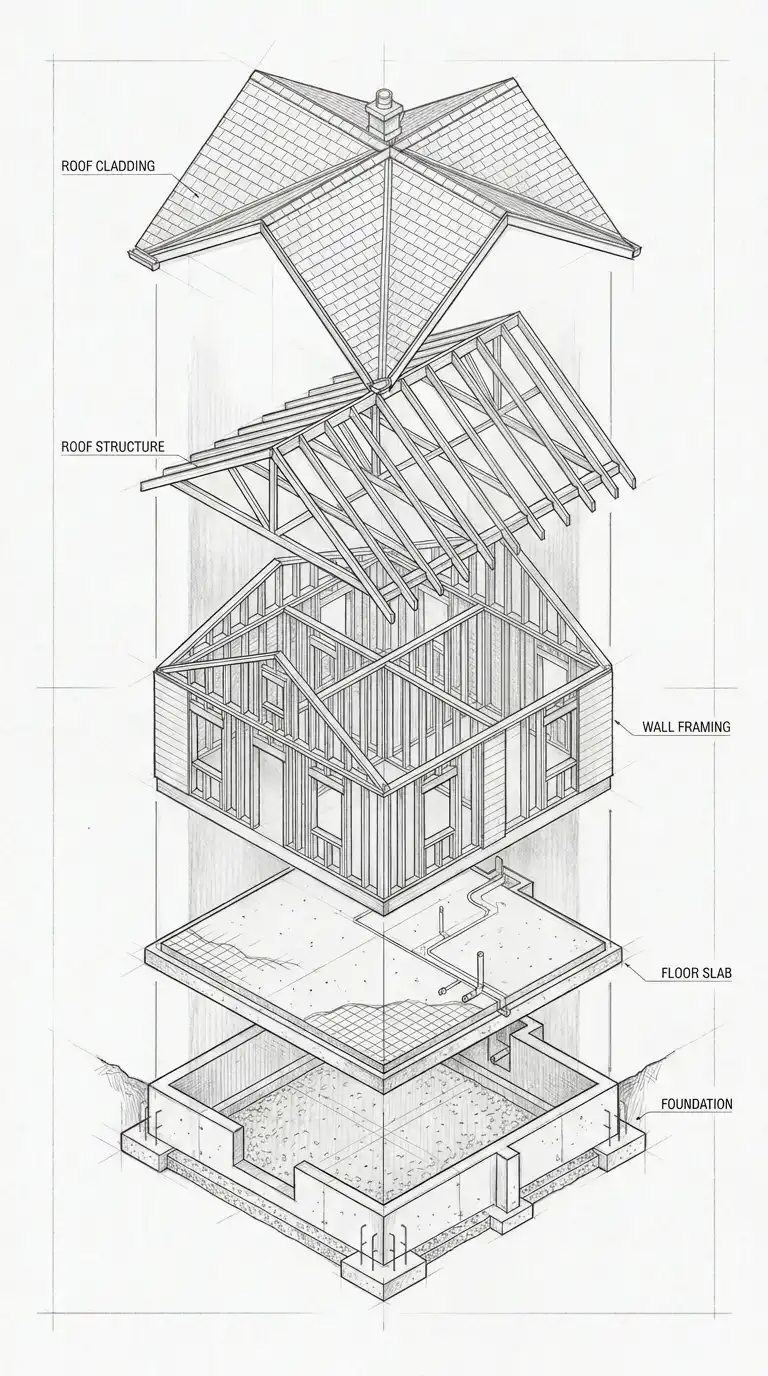
The exploded axonometric model takes a building apart layer by layer. Floors, walls, roof, and structure float apart along a vertical or diagonal axis. The components are held in place by thin wires or acrylic rods.
This model type is for explaining construction logic and assembly sequence. The emotional effect is technical, dramatic, and highly legible.
Quick Tips
- Space the layers evenly — 2-5cm between layers is typical.
- Use thin acrylic rods or piano wire to support floating components.
- Number or colour-code layers if the explosion is complex.
9. The Laser-Cut Model
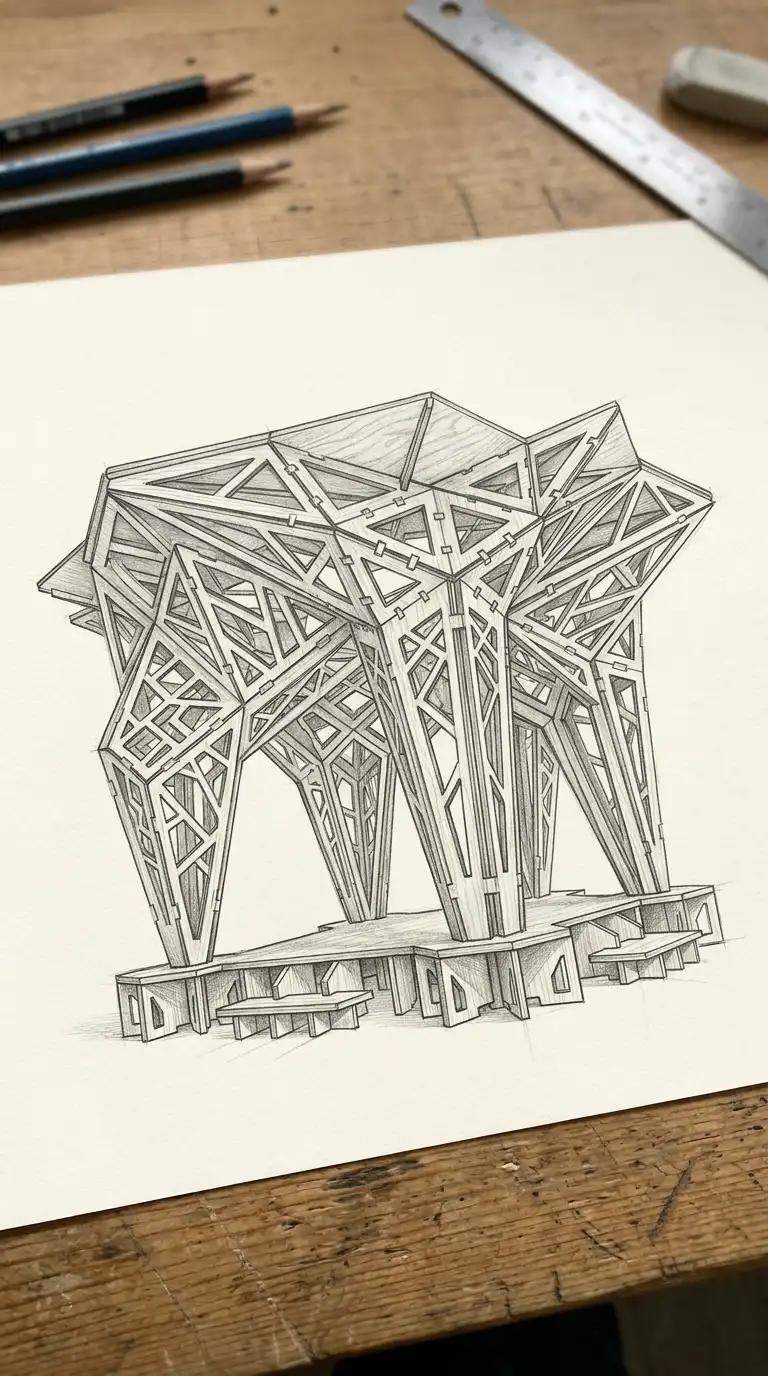
The laser-cut model is made using a laser cutter. The design is drawn in CAD, then cut from acrylic, plywood, or cardboard. The precision is unmatched — complex geometries, fine details, and perfect repetition are possible.
This model type is for final presentations, competition entries, and complex geometries. The emotional effect is precise, contemporary, and highly crafted.
Quick Tips
- Use 3mm birch ply for structure, 1.5mm ply or card for details.
- Design tab-and-slot connections for assembly without glue.
- Test-cut a small piece before cutting the entire model.
10. The 3D Printed Model
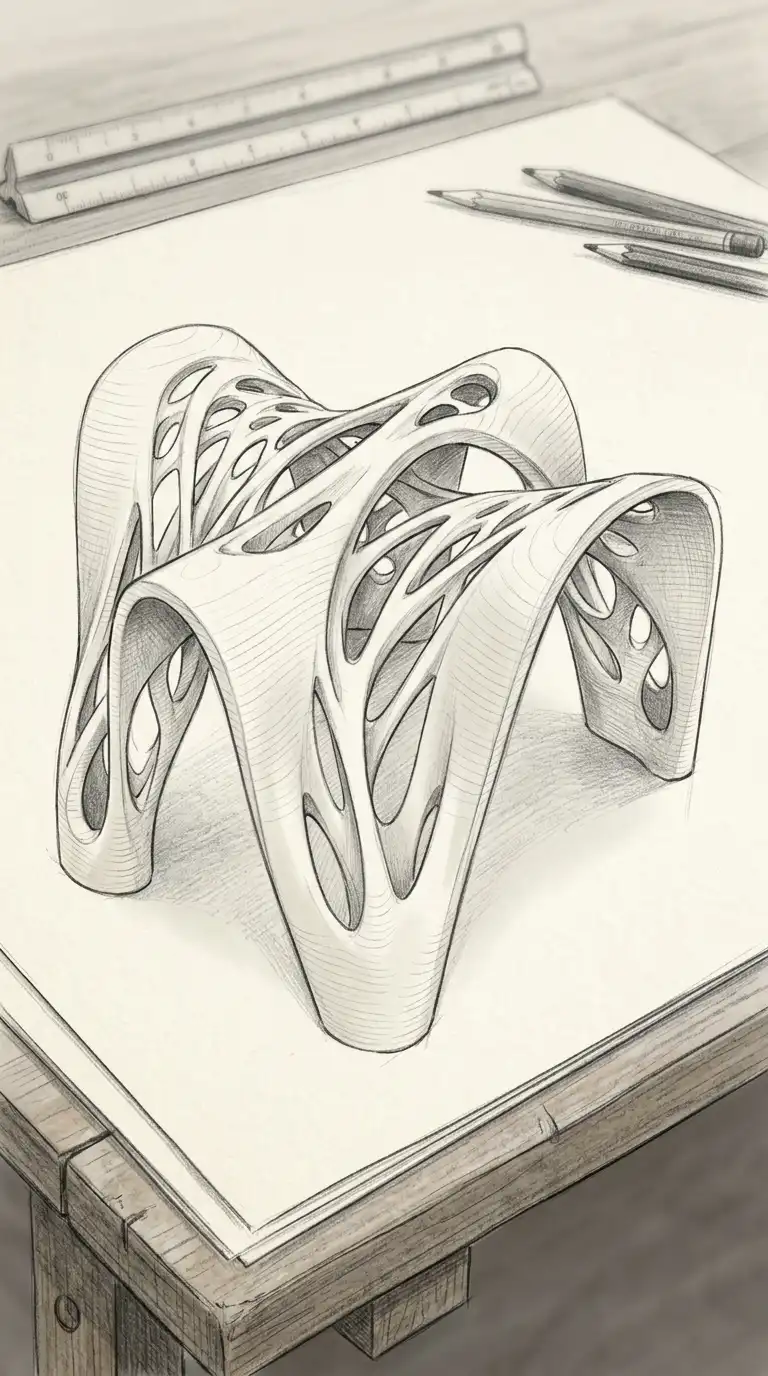
The 3D printed model is made using additive manufacturing. The design is modelled in 3D software, then printed layer by layer in plastic or resin. Complex, organic, and impossible-to-build-by-hand forms become possible.
This model type is for complex geometries, competition entries, and rapid prototyping. The emotional effect is futuristic, precise, and materially homogeneous.
Quick Tips
- Design the model as a single solid object — no assembly required.
- Hollow large volumes to save material and print time.
- Sand and paint the printed model to remove layer lines for a finished look.
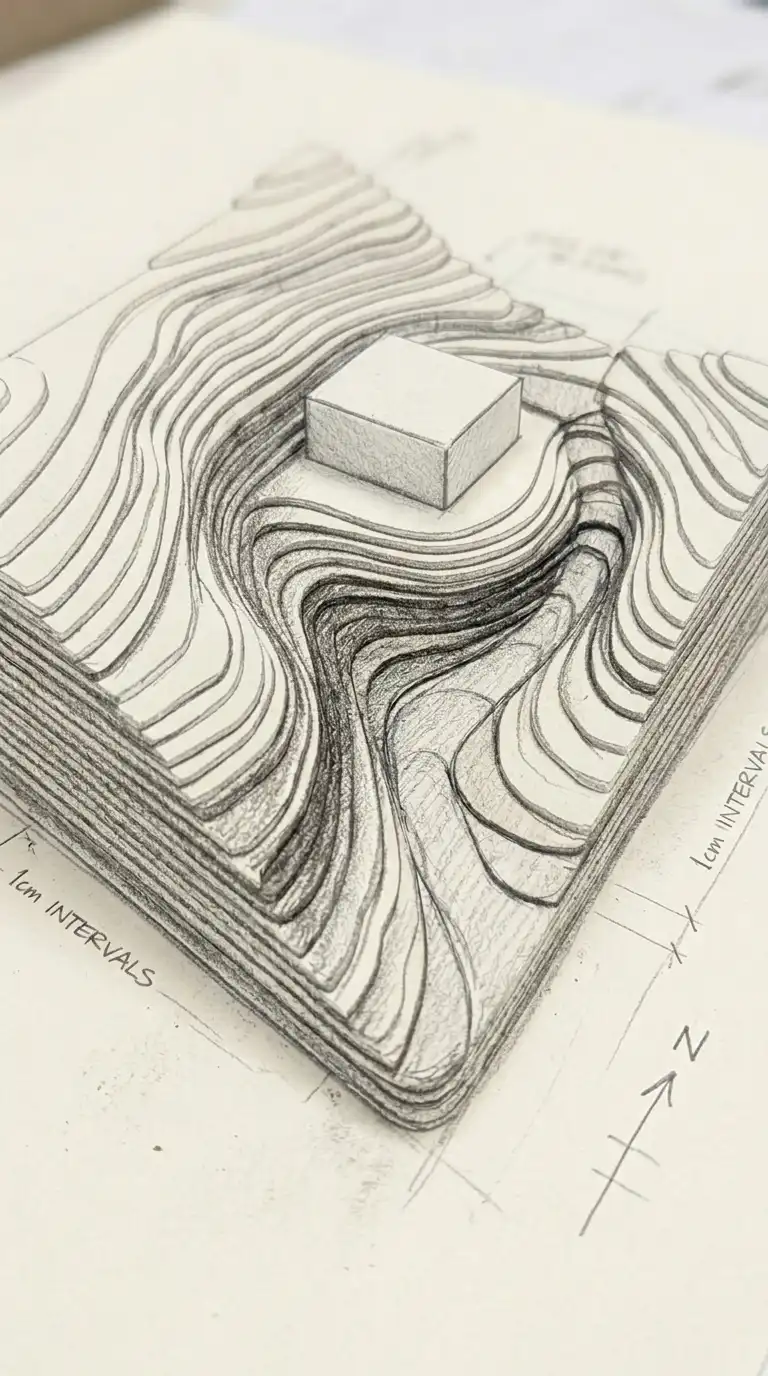
11. The Topographic Model
The topographic model shows the land, not the building. Contour lines are built up in layers of board, cork, or foam. The result is a three-dimensional map of the site. The building may be added as a simple block, or the model may show only the site.
This model type is for site analysis, landscape architecture, and projects where the land is the primary subject. The emotional effect is layered, topographical, and site-specific.
Quick Tips
- Use contour data from a survey or GIS.
- Stack layers of foam or board at the contour interval (1cm per metre is typical).
- Sand or carve the layers to smooth transitions.
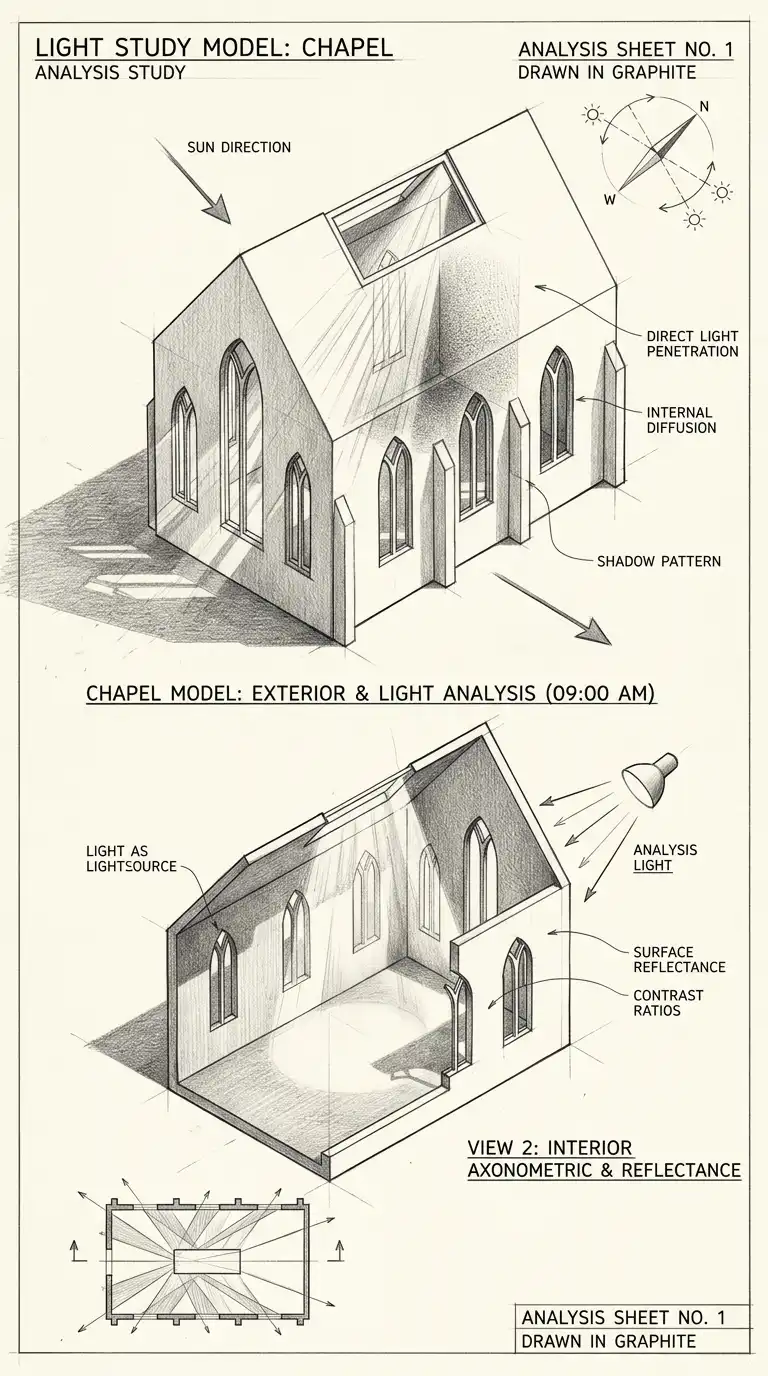
12. The Light Study Model
The light study model is designed to be photographed under different lighting conditions. The model is white, with openings cut for windows and skylights. It is placed in a light box or under a single light source. Photographs show how light moves through the spaces.
This model type is for studying daylighting, shadow patterns, and the experience of light. The emotional effect is luminous, atmospheric, and technically informative.
Quick Tips
- Paint the model white so light is not distorted by colour.
- Cut openings accurately to the design’s window sizes.
- Photograph at different times of day or with different light angles.
Final Thoughts
An architecture model is not a substitute for a drawing. It is a different way of thinking. A drawing forces you to abstract. A model forces you to build. Both are essential.
These 12 model types are not mutually exclusive. A laser-cut model can be assembled into an exploded axonometric. A white card model can be used for light studies. A site context model can include a topographic base. The best model makers move fluidly between techniques, choosing the right method for the question they are trying to answer.