Italian architecture is the architecture of Western civilization. From the Romans to the Renaissance to the Futurists, Italy has been at the centre of architectural innovation for two thousand years. Italian architecture is not one style — it is a sequence of revolutions. Roman, Romanesque, Gothic, Renaissance, Baroque, Neoclassical, Modern — each era left its mark on the Italian landscape.
These 14 Italian architecture designs span antiquity to the present day. Each design includes defining characteristics, key examples, and architectural principles.
1. The Roman Basilica
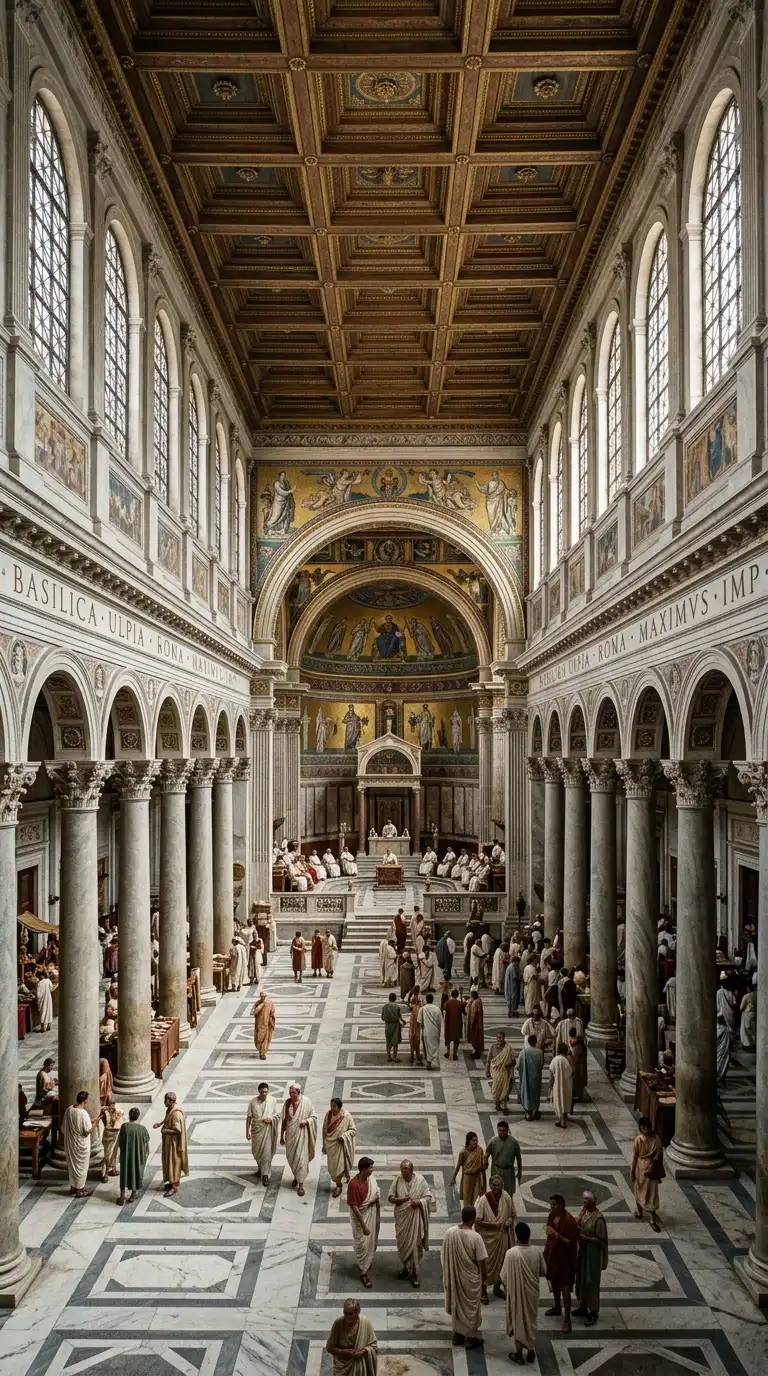
The Roman basilica is a long rectangular hall with a central nave and lower side aisles. The nave is lit by a clerestory. The apse at the end held the magistrate’s tribunal. The basilica is a law court, a meeting hall, a market. The basilica is axial, hierarchical, and public.
This design is ideal for law courts and public halls. The emotional effect is axial, hierarchical, and public.
Quick Tips
- The plan must be a long rectangle with a nave and side aisles.
- The nave must be higher than the aisles with a clerestory.
- An apse must be at one or both ends.
2. The Pantheon
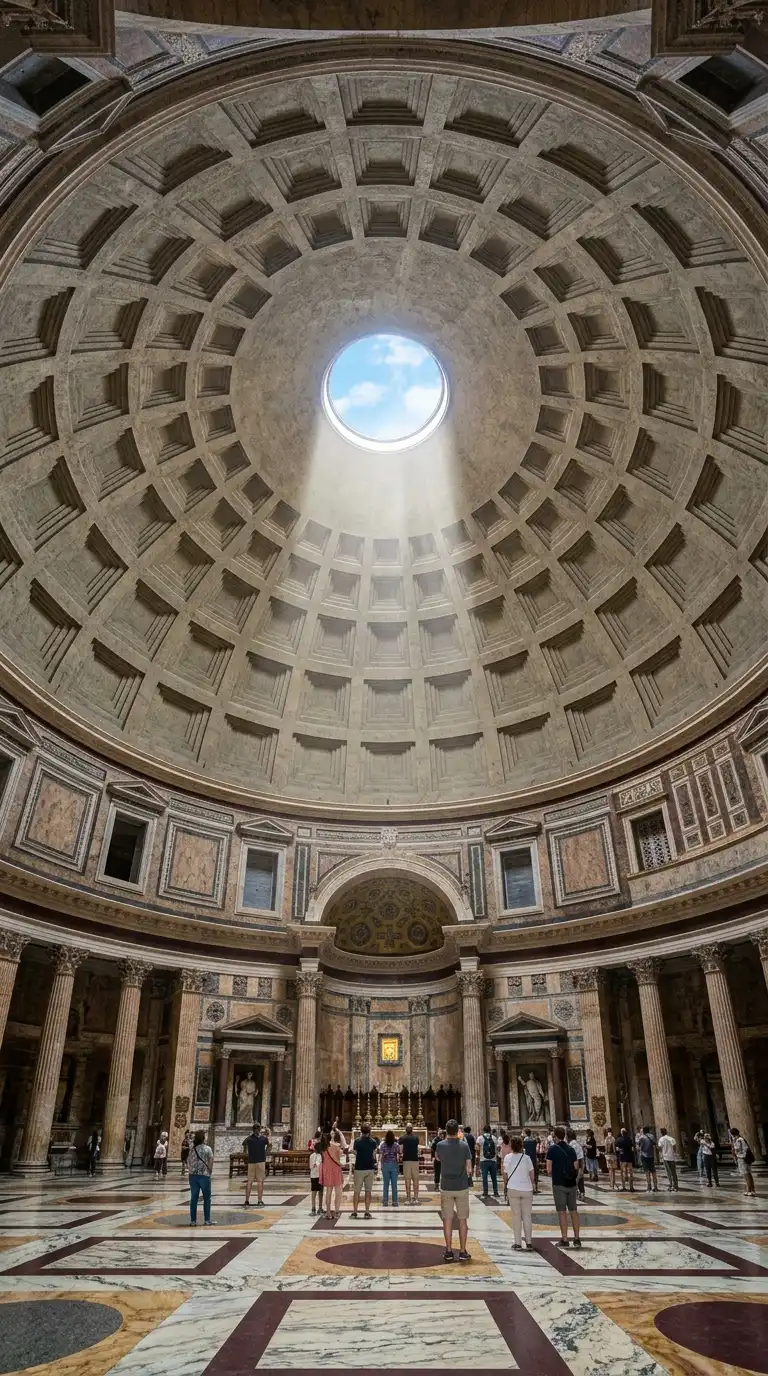
The Pantheon in Rome (126 CE) is the best-preserved Roman building. It is a rotunda with a domed ceiling. The dome has an oculus open to the sky. The Pantheon is a temple to all gods. The Pantheon is circular, domed, and celestial.
This design is ideal for churches and memorials. The emotional effect is circular, domed, and celestial.
Quick Tips
- The plan must be a circle.
- The dome must be a hemisphere.
- The oculus must be open to the sky.
3. The Romanesque Church
The Romanesque church has thick stone walls, small windows, and round arches. The interior is dark and heavy. The vault is a stone barrel vault. The Romanesque church is fortress-like, solid, and dark.
This design is ideal for pilgrimage churches and monasteries. The emotional effect is fortress-like, solid, and dark.
Quick Tips
- Walls must be thick stone.
- Windows must be small.
- Arches must be round (not pointed).
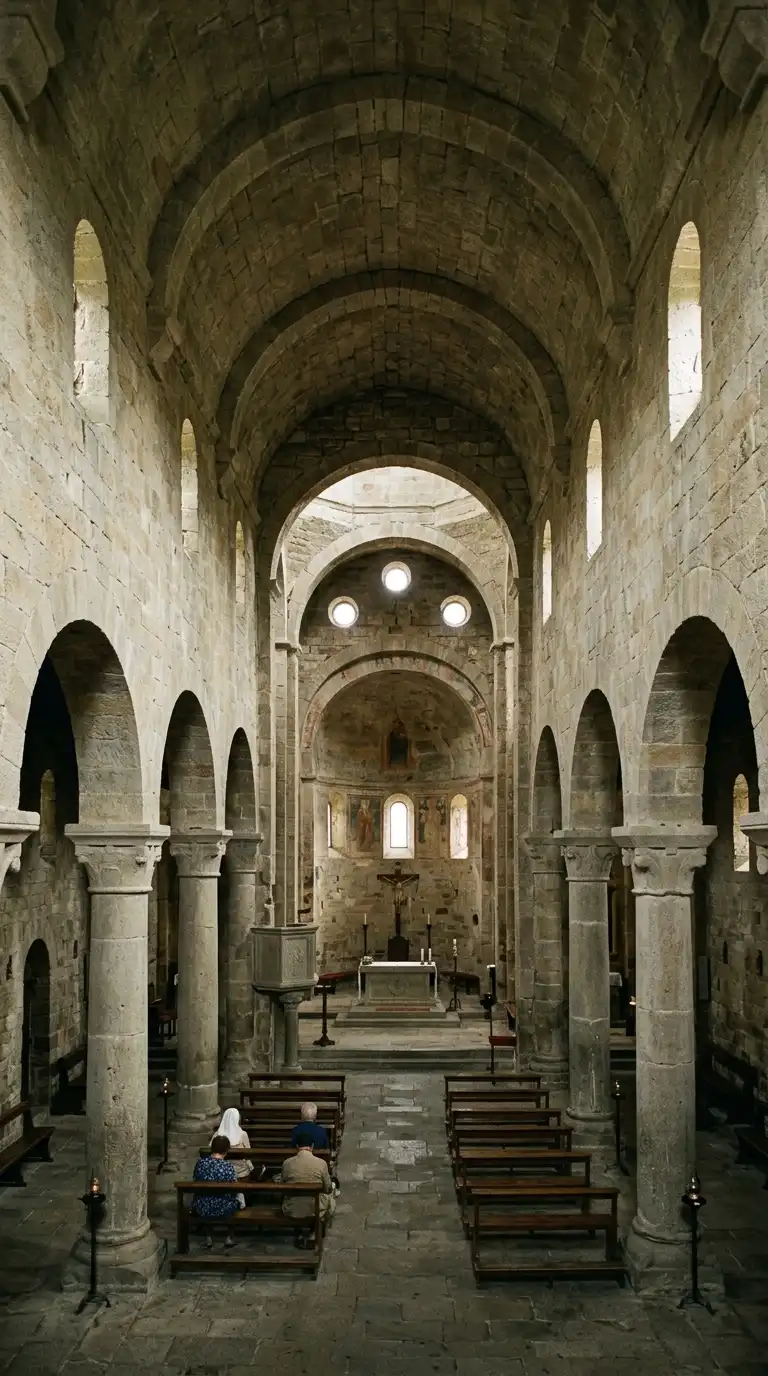
4. The Gothic Cathedral
The Gothic cathedral in Italy is different from French Gothic. Italian Gothic cathedrals have wide naves, timber roofs (not stone vaults), and polychrome marble. The most famous is the Duomo of Florence (Santa Maria del Fiore). The Italian Gothic cathedral is horizontal, colourful, and marble.
This design is ideal for cathedrals and large churches. The emotional effect is horizontal, colourful, and marble.
Quick Tips
- The nave must be wide and low.
- The roof must be timber (not stone vaults).
- The exterior must be polychrome marble.
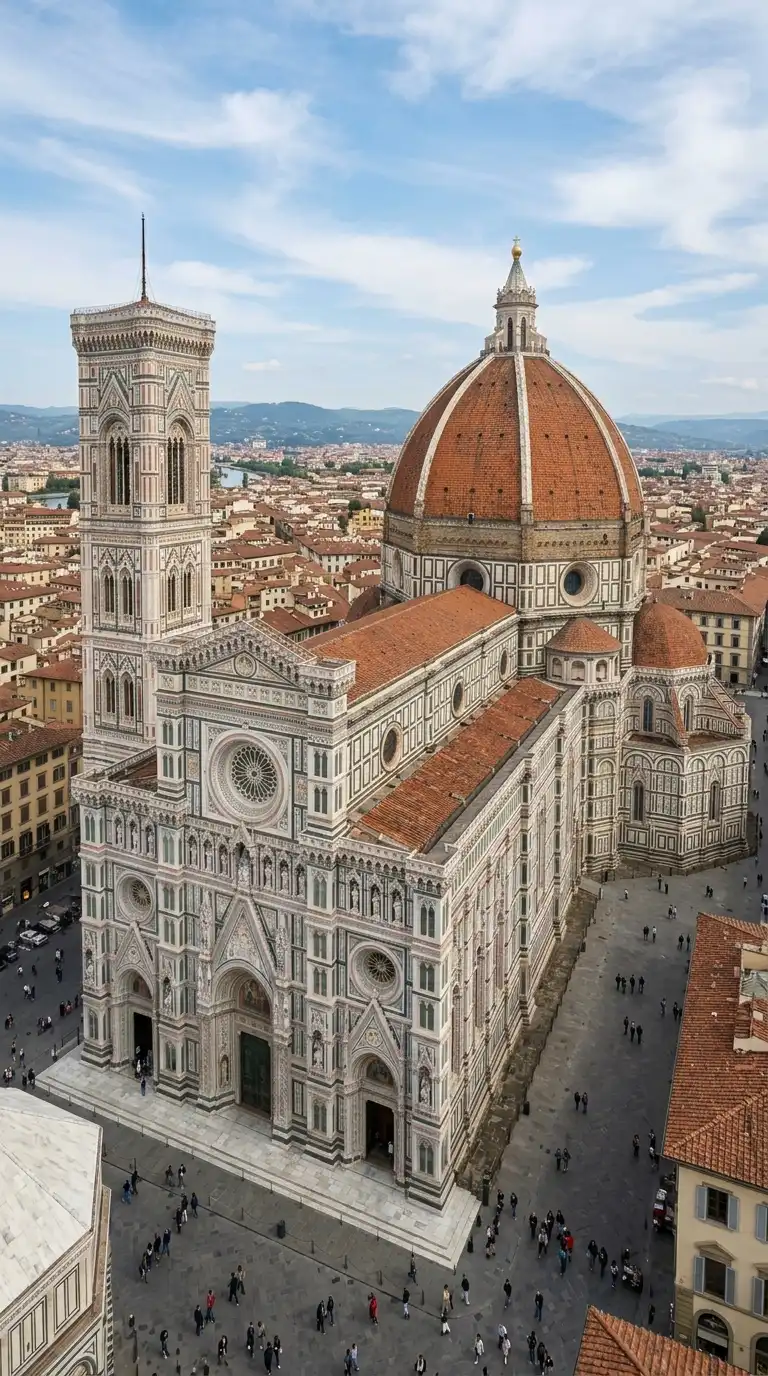
5. The Renaissance Palace
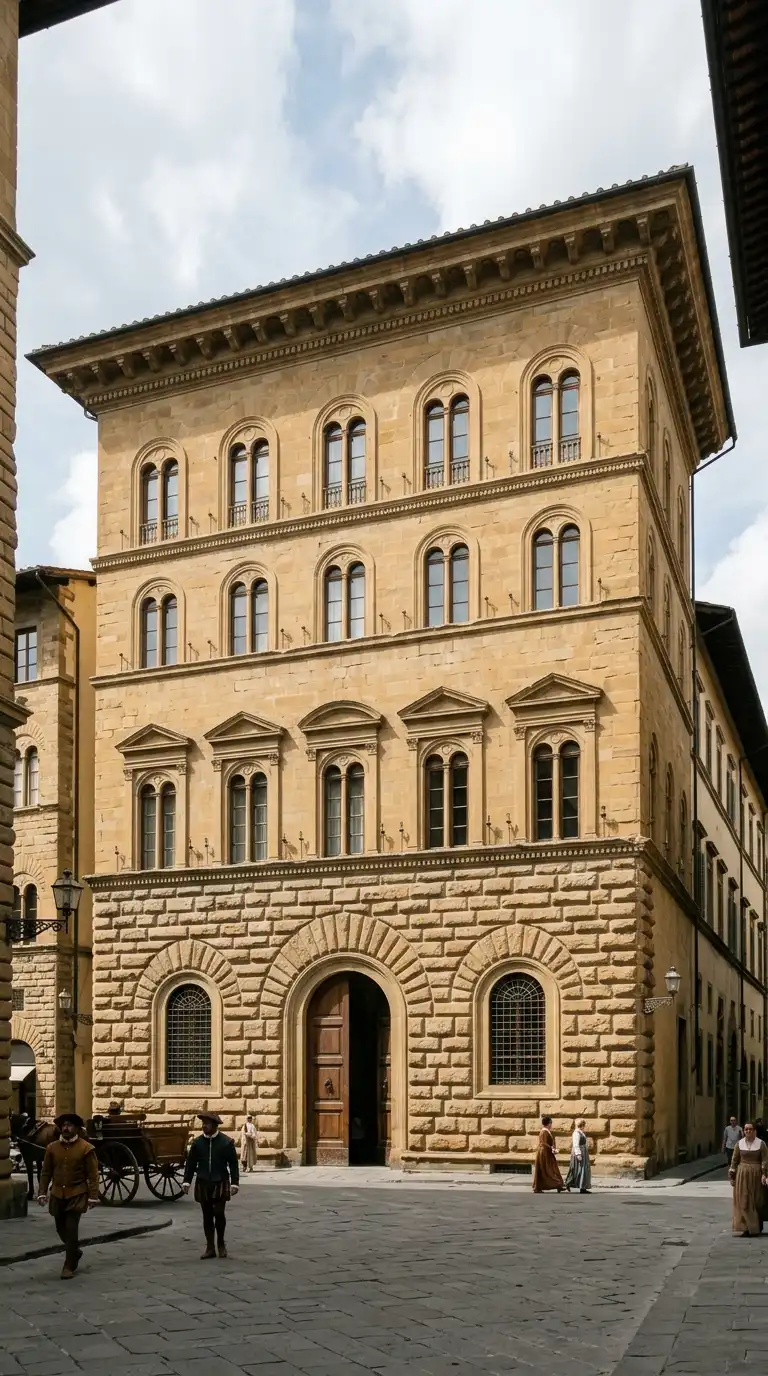
The Renaissance palace (palazzo) is a square or rectangular block with a central courtyard. The facade is rusticated on the ground floor, smoother above. The windows are arched or pedimented. The palace is rational, symmetrical, and urban.
This design is ideal for city palaces and government buildings. The emotional effect is rational, symmetrical, and urban.
Quick Tips
- The plan must be a square or rectangle with a central courtyard.
- The ground floor must be rusticated.
- The windows must be arched or pedimented.
6. The Florentine Loggia
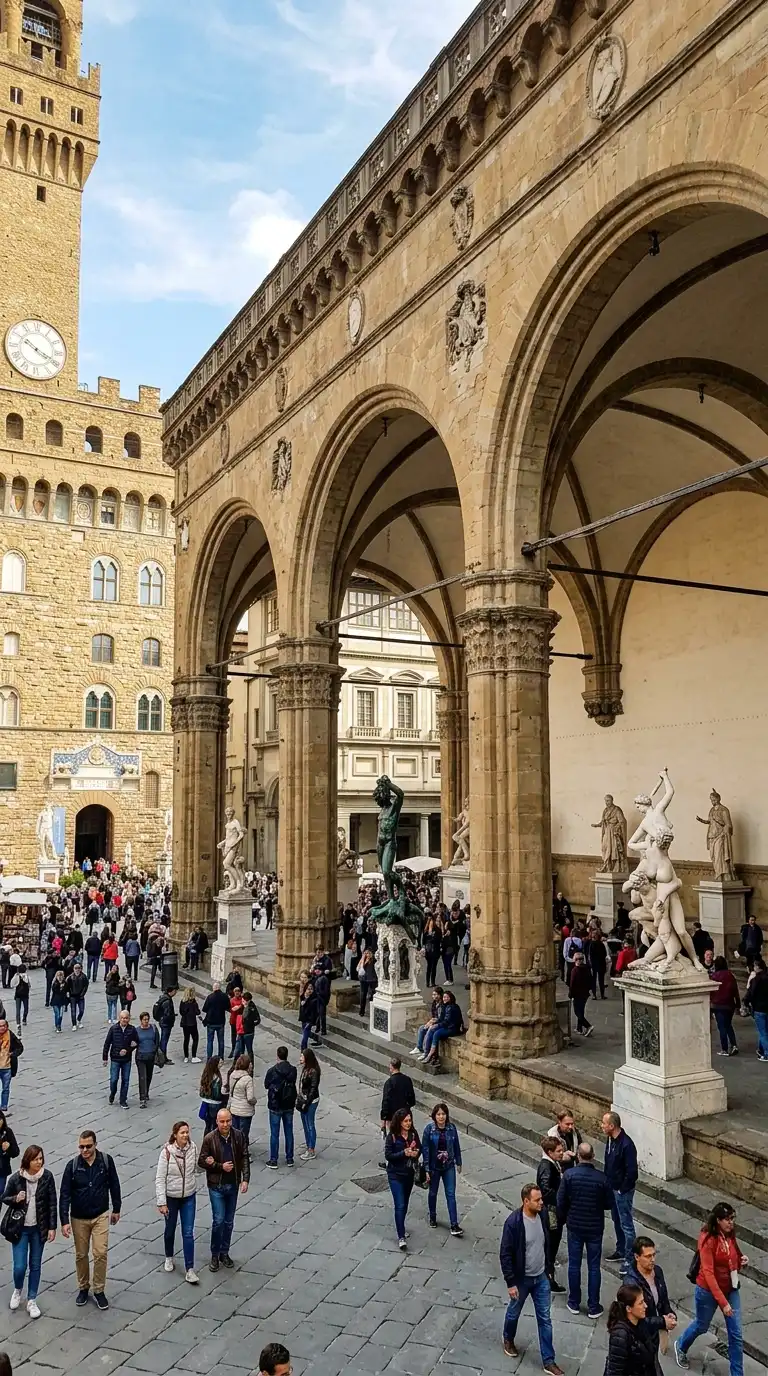
The Florentine loggia is an open arcade on the ground floor of a building. The loggia is a public space — a place to walk, to gather, to trade. The loggia has round arches on columns. The loggia is open, arched, and public.
This design is ideal for public buildings and piazzas. The emotional effect is open, arched, and public.
Quick Tips
- The loggia must be open on one side.
- The arches must be round.
- The columns must be stone.
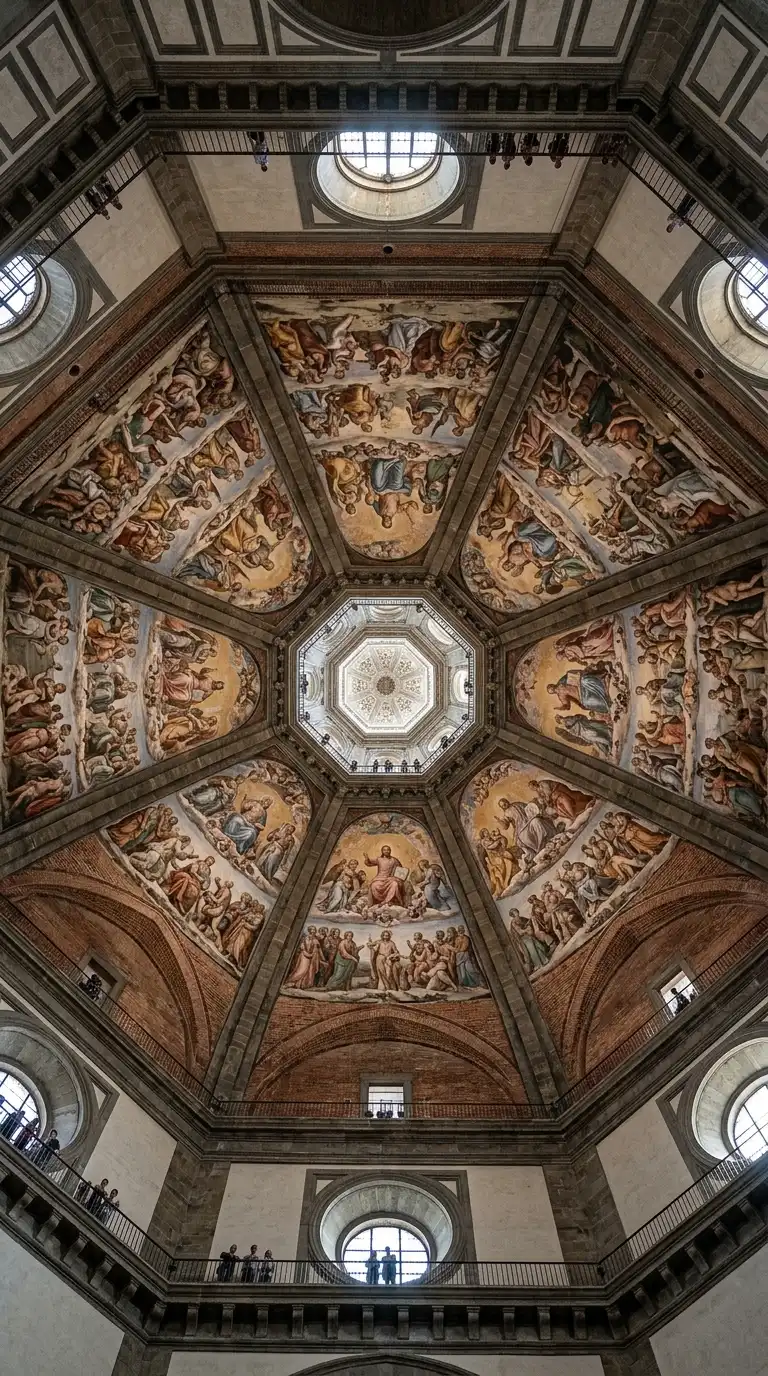
7. The Brunelleschi Dome
The dome of Florence Cathedral (1436) by Filippo Brunelleschi was the largest dome built since the Pantheon. It is an octagonal, double-shelled dome. The dome is ribbed. The dome is a feat of engineering. The Brunelleschi Dome is octagonal, ribbed, and structural.
This design is ideal for churches and large public buildings. The emotional effect is octagonal, ribbed, and structural.
Quick Tips
- The dome must be octagonal.
- The dome must be double-shelled.
- The ribs must be visible.
8. The Baroque Church
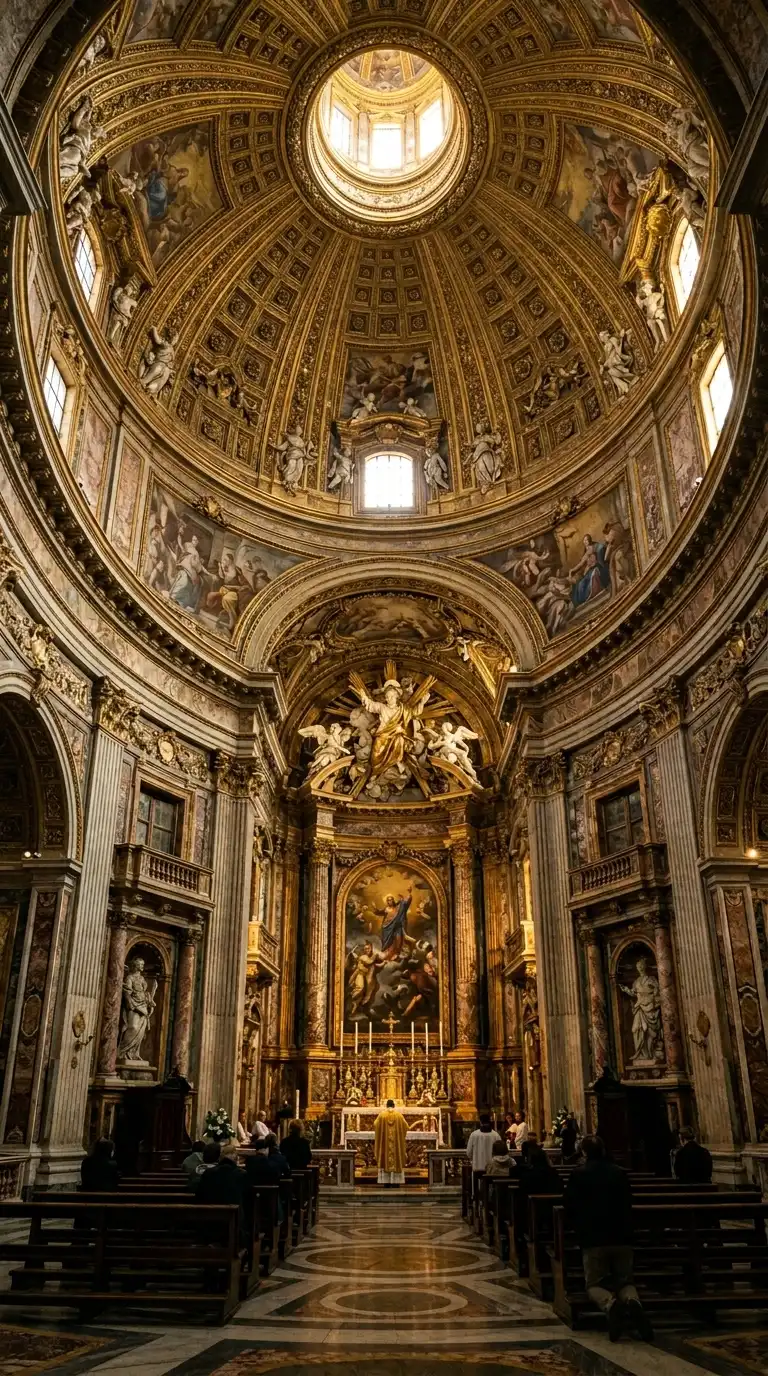
The Baroque church is dramatic, emotional, and theatrical. The plan is oval or curved. The walls undulate. Light is dramatic, with hidden sources and deep shadows. The decoration is rich, with gilding, painting, and sculpture. The Baroque church is overwhelming, glorious, and emotional.
This design is ideal for Catholic churches in the Baroque tradition. The emotional effect is dramatic, emotional, and overwhelming.
Quick Tips
- The plan must be oval or curved — not rectangular.
- Light must be dramatic, with hidden sources.
- Decoration must be rich, with gilding and sculpture.
9. The Venetian Palazzo
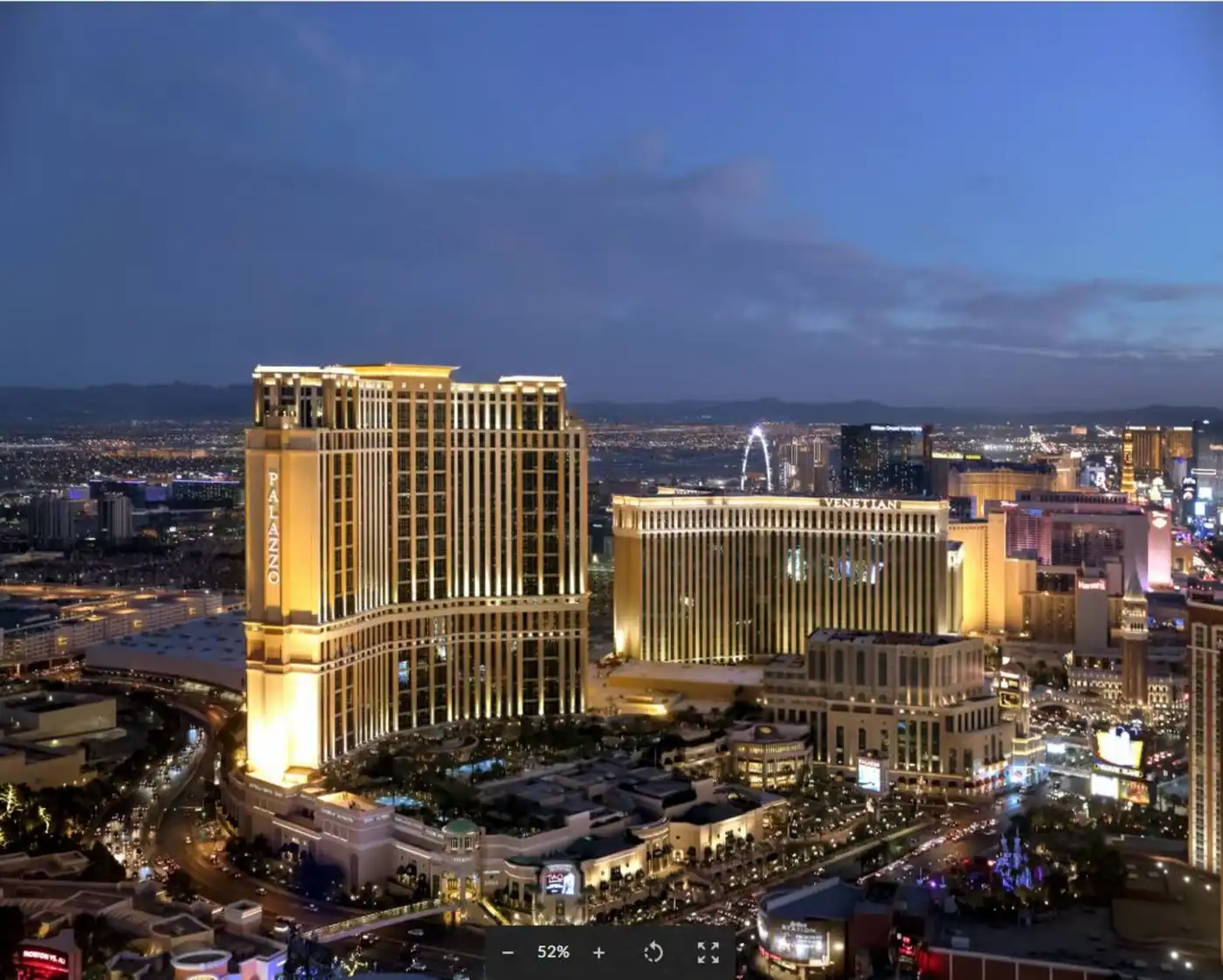
The Venetian palazzo is a palace on a canal in Venice. The facade is ornate, with pointed arches, quatrefoils, and marble inlay. The Gothic and Byzantine influences are strong. The Venetian palazzo is ornate, watery, and Venetian.
This design is ideal for palaces on canals. The emotional effect is ornate, watery, and Venetian.
Quick Tips
- The facade must have pointed arches.
- The facade must have marble inlay.
- The building must be on a canal.
10. The Italian Hill Town
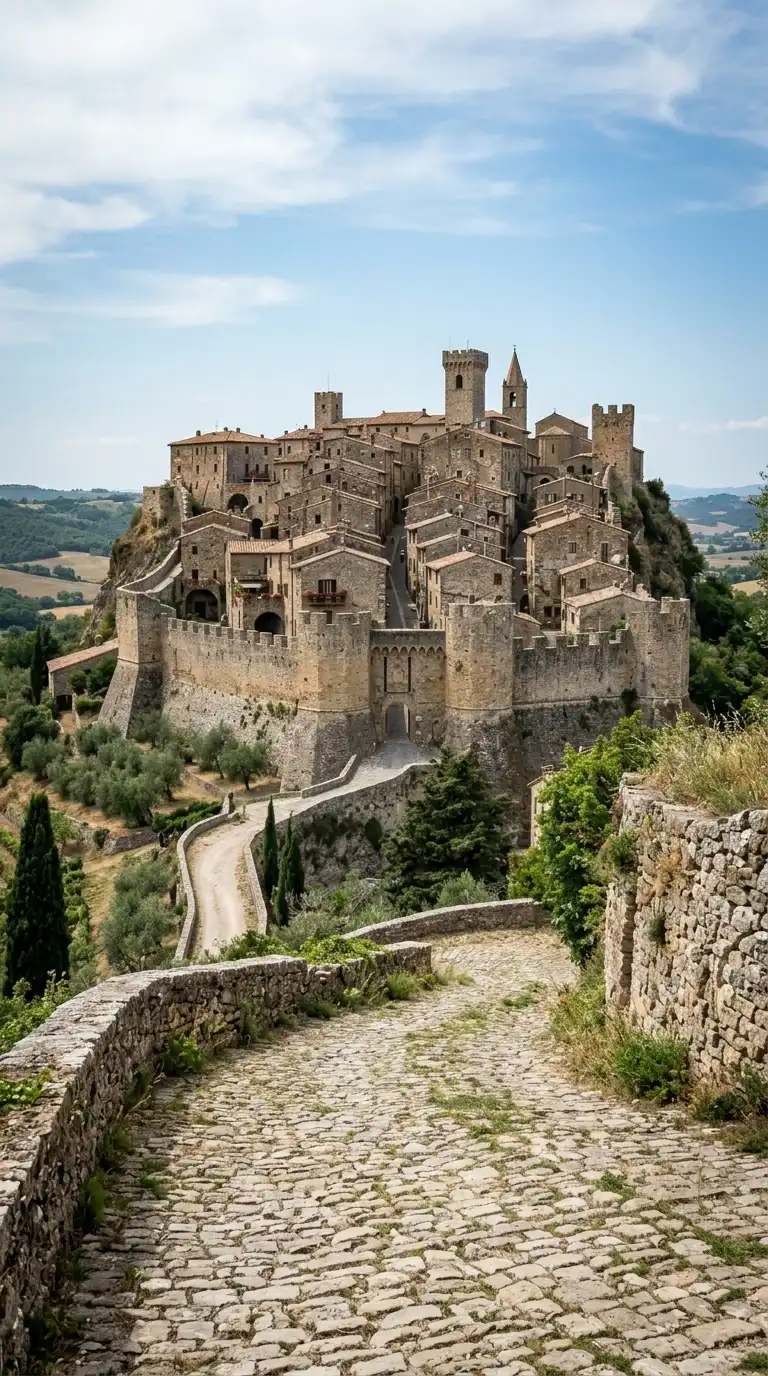
The Italian hill town is a medieval town on a hilltop. The streets are narrow and winding. The buildings are stone. The town is walled. The hill town is medieval, defensive, and vertical.
This design is ideal for historic towns and tourist destinations. The emotional effect is medieval, defensive, and vertical.
Quick Tips
- The town must be on a hilltop.
- Streets must be narrow and winding.
- The town must be walled.
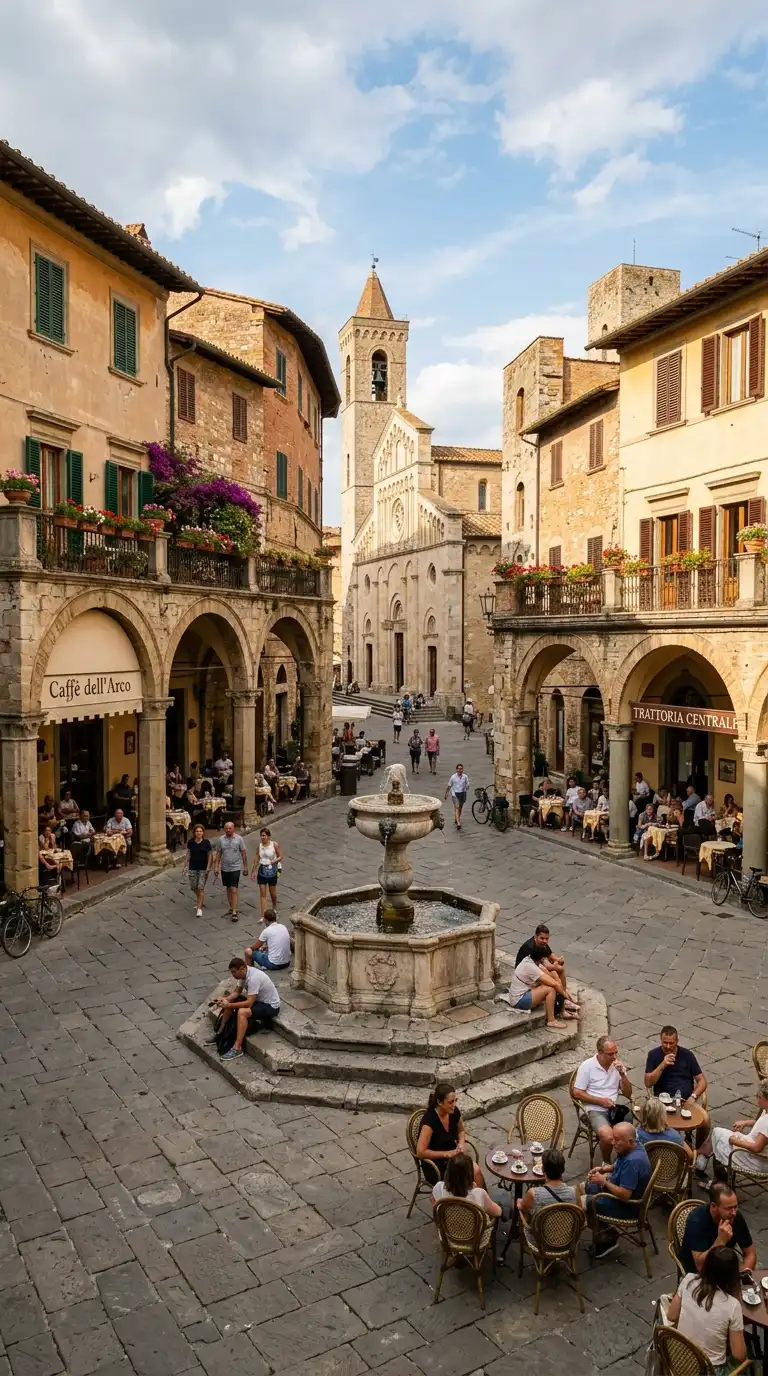
11. The Italian Piazzetta
The piazzetta is a small public square in an Italian city. The square is paved in stone. The buildings are arcaded. There is a fountain or a statue. The piazzetta is public, paved, and arcaded.
This design is ideal for urban squares and public spaces. The emotional effect is public, paved, and arcaded.
Quick Tips
- The square must be paved in stone.
- The buildings must have arcades on the ground floor.
- A fountain or statue must be in the centre.
12. The Tuscan Farmhouse
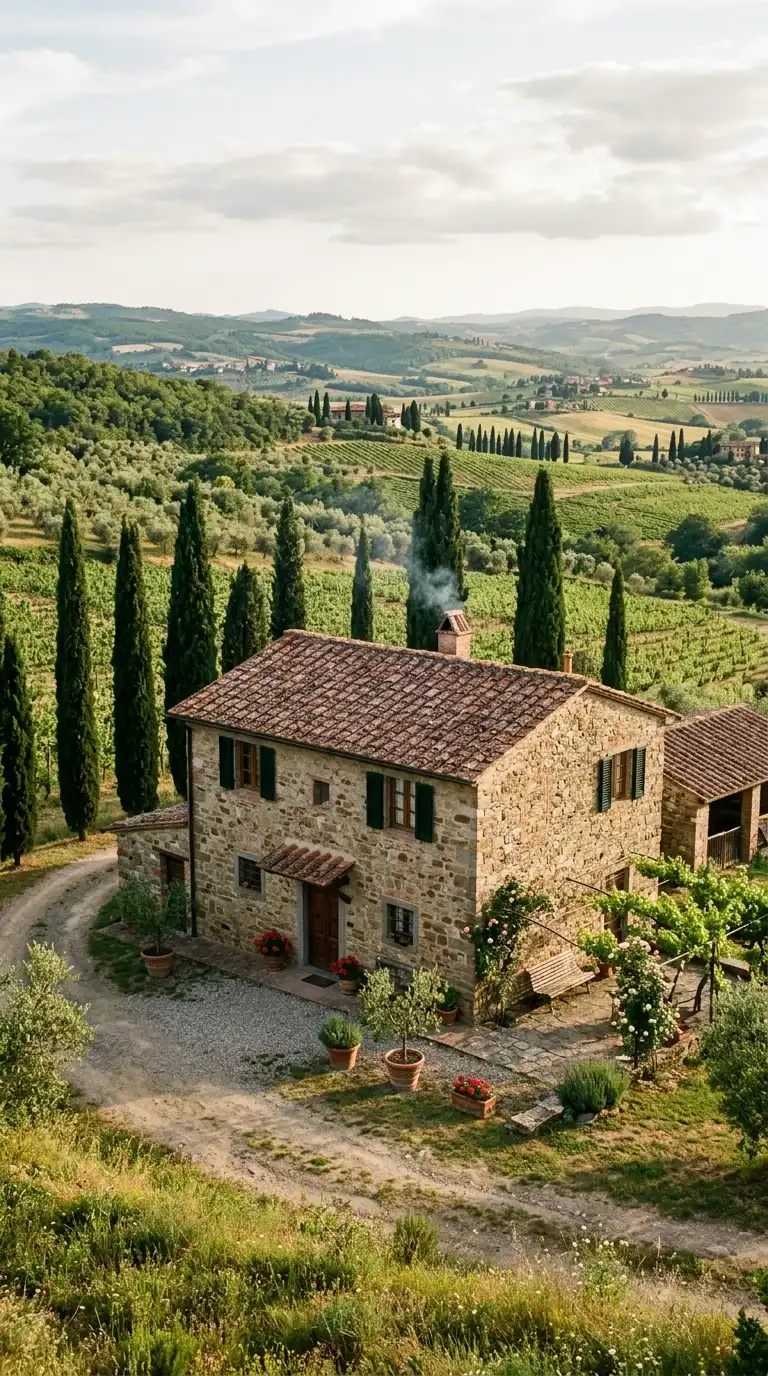
The Tuscan farmhouse is a rural house made of stone with a tile roof. The house is simple, solid, and rustic. The windows are small. The walls are thick. The Tuscan farmhouse is rural, rustic, and stone.
This design is ideal for country houses and agriturism. The emotional effect is rural, rustic, and stone.
Quick Tips
- The walls must be stone.
- The roof must be red tile.
- The windows must be small.
13. The Modern Italian Museum
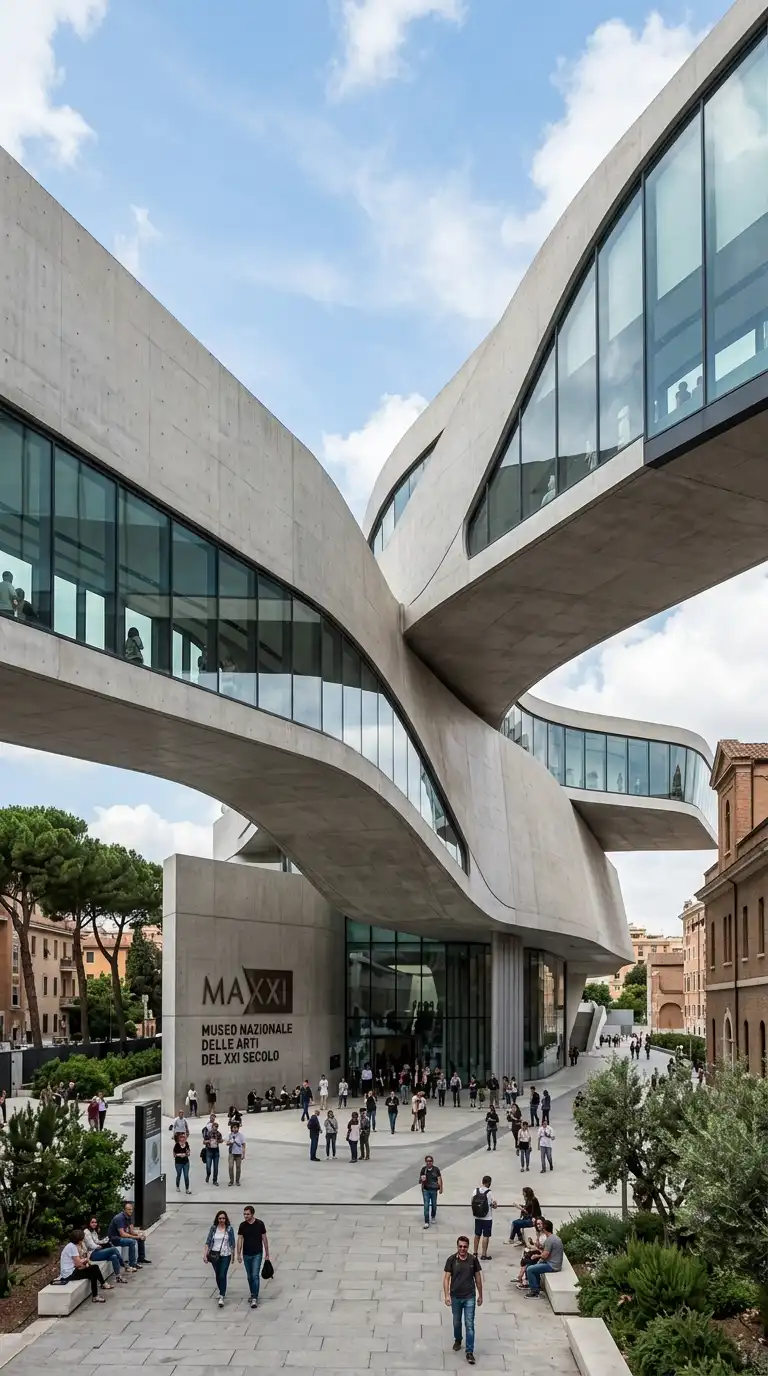
Contemporary Italian architecture includes works by Renzo Piano, Massimiliano Fuksas, and Zaha Hadid (who worked in Italy). The modern Italian museum is often sculptural, light, and transparent. The MAXXI Museum in Rome by Zaha Hadid is a flowing, curving concrete structure. The modern Italian museum is sculptural, flowing, and contemporary.
This design is ideal for art museums and cultural centres. The emotional effect is sculptural, flowing, and contemporary.
Quick Tips
- The form must be sculptural.
- The structure must be concrete, steel, and glass.
- The museum must be designed for contemporary art.
14. The Italian Port
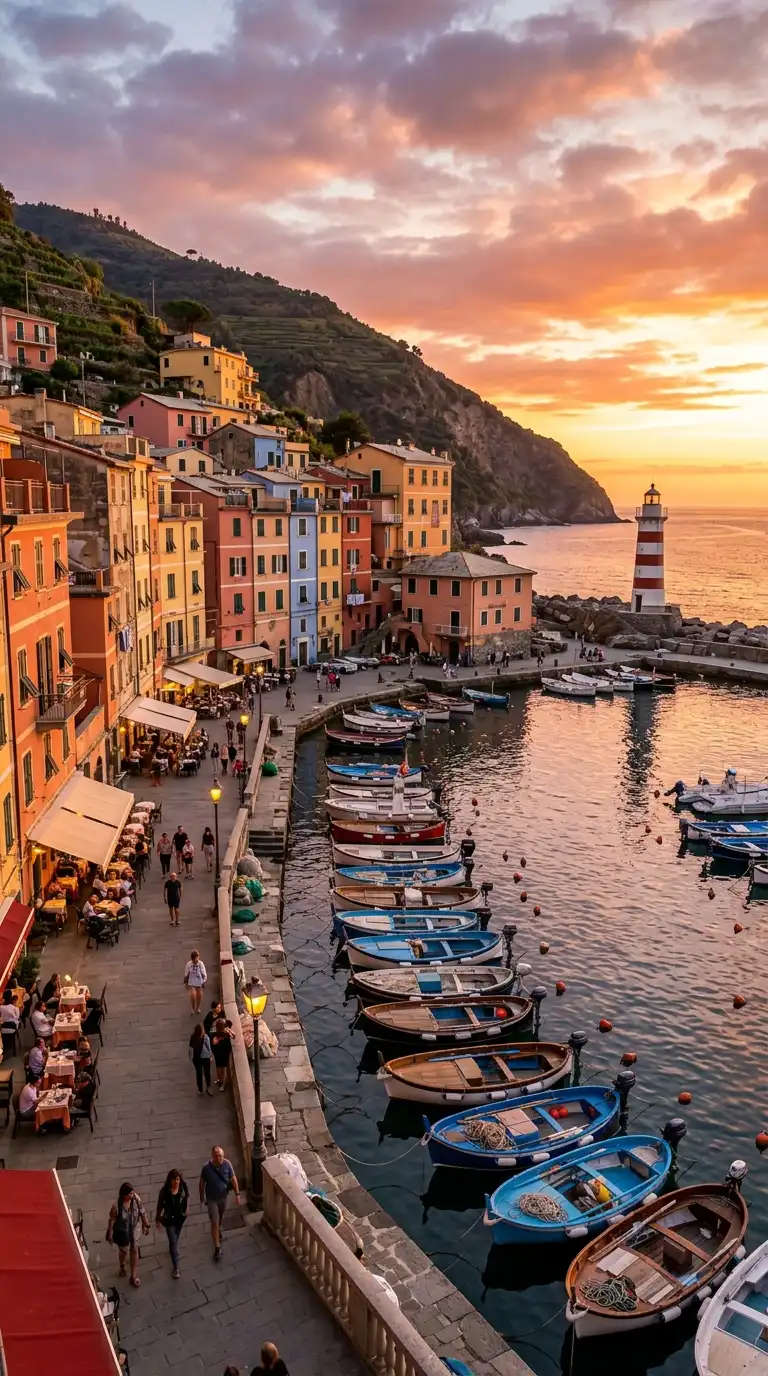
The Italian port is a harbour city with a waterfront promenade. The buildings are colourful. The port has a lighthouse, a breakwater, and fishing boats. The Italian port is maritime, colourful, and waterfront.
This design is ideal for coastal cities and tourist destinations. The emotional effect is maritime, colourful, and waterfront.
Quick Tips
- The buildings must be colourful.
- The waterfront must have a promenade.
- A lighthouse or breakwater must be visible.
Final Thoughts
These 14 Italian designs are not mutually exclusive. A Renaissance palace can have a loggia. A Venetian palazzo can be in an Italian port. A modern museum can be in an Italian hill town. The best Italian architecture is not the most decorated — it is the most Italian. It is the architecture of stone, marble, and tile. It is the architecture of piazzas, hills, and canals. It is the architecture of Rome, Florence, and Venice. It is the architecture of Italy.